
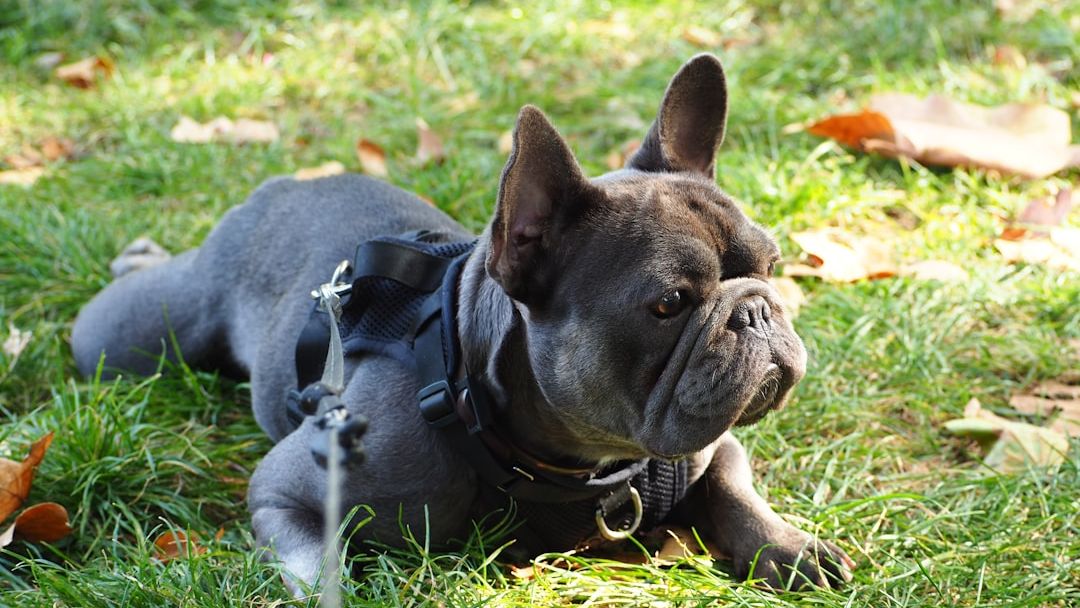
You’ve probably heard it countless times. Someone gets bitten by a German Shepherd, and suddenly every Shepherd is dangerous. A Beagle refuses to come when called, and the entire breed is labeled stubborn. Or maybe your neighbor’s Bulldog won’t budge from the couch no matter how much coaxing, and you start to wonder if certain dogs are just wired for trouble.
It’s tempting to blame the breed, isn’t it? When you see a Jack Russell Terrier bouncing off the walls or a Dachshund ignoring every command, it feels like these dogs must have some rebellious gene that makes them naturally naughty. Yet the science behind dog behavior tells a far more complicated story than we’ve been led to believe. Are some dogs really born troublemakers, or is there something else at play here?
The Myth of the Born Rebel
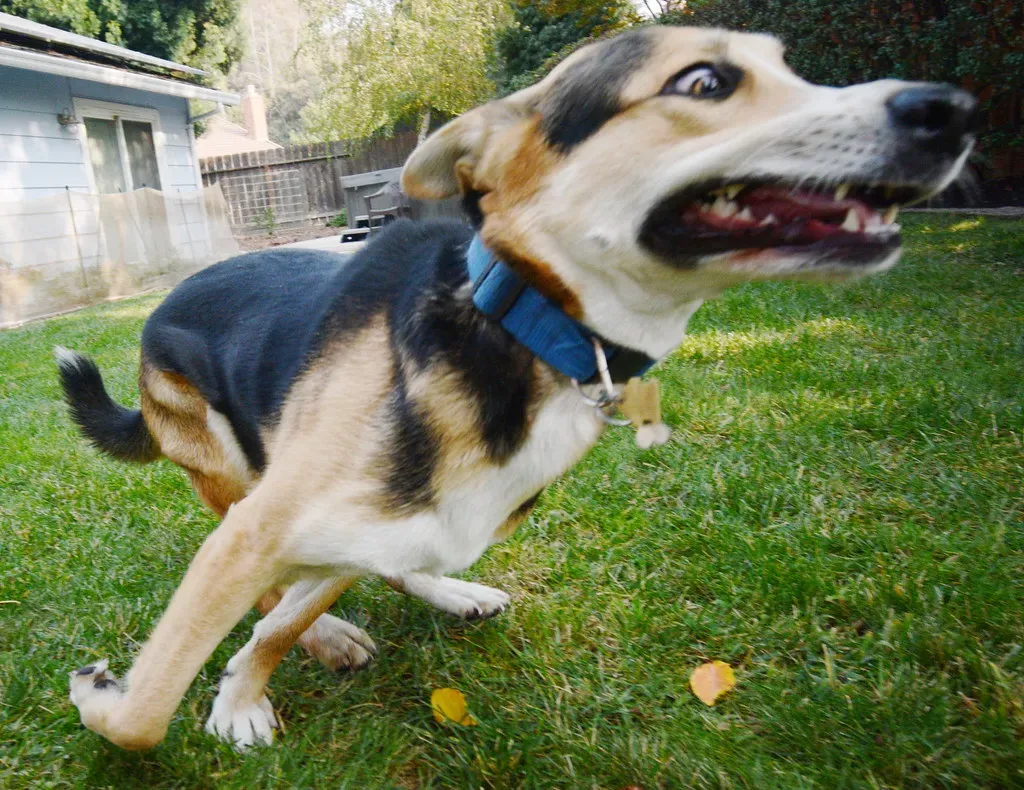
Let’s be real, the whole idea of certain breeds being inherently naughty sounds convenient. It gives us an easy explanation when our pup refuses to sit or keeps digging up the garden. Breed explains just 9% of behavioral variation in individuals, according to research examining thousands of dogs and their behaviors. Think about that for a moment. Less than one tenth of your dog’s personality can actually be traced back to their breed label.
This doesn’t mean genetics play no role whatsoever. Most behavioral traits are heritable, with heritability greater than 25%, but here’s where it gets interesting. These genetic influences existed long before modern breeding practices created the hundreds of breeds we recognize today.
The traits we see aren’t necessarily packaged neatly into breed categories the way we’ve always assumed. Your neighbor’s Golden Retriever might be grumpy while a Rottweiler down the street could be the sweetest soul you’ll ever meet. Individual variation is enormous, and that’s because behavior is incredibly complex.
When Genes Actually Do Matter
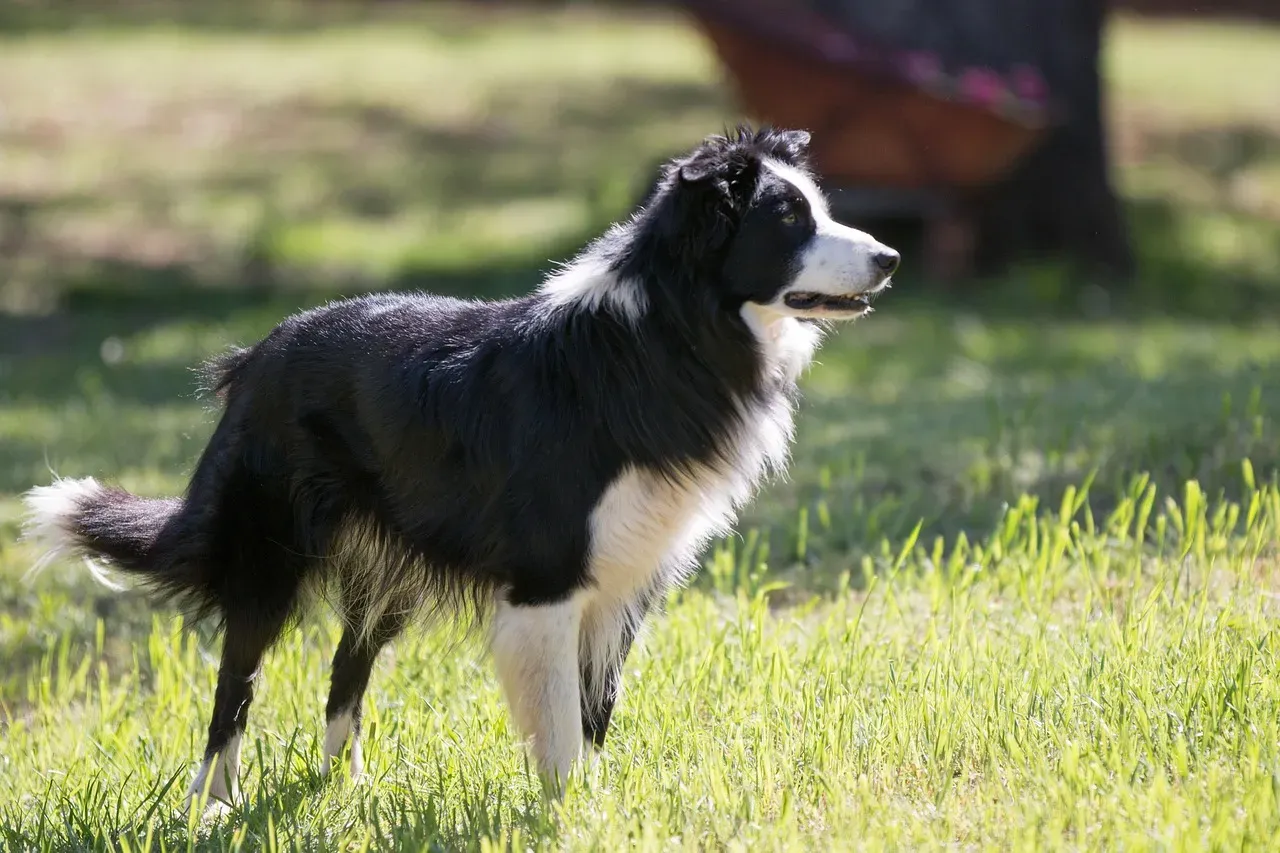
Here’s the thing though. Genetics aren’t completely irrelevant when it comes to behavior. For traits such as aggression toward strangers, trainability and chasing, genes contribute 60 to 70 percent of behavioral variation among breeds. So certain behavioral tendencies do run stronger in some breed lines than others.
Take herding dogs, for example. Herding dogs exhibit a distinct constellation of behaviors marked by inherent instinct and motor skills that manipulate and guide livestock, with comparison of whole-genome sequences revealing signatures of positive selection associated with pathways underlying social interaction and cognitive functions. Border Collies weren’t just taught to herd sheep. They were selectively bred over generations to amplify those natural predatory instincts while suppressing the urge to harm.
Still, even within these working breeds, you’ll find massive personality differences. Some Border Collies have zero interest in herding anything. Others obsessively try to herd children at playgrounds. The genetic predisposition provides a baseline, but it’s hardly destiny.
What’s fascinating is that none of these genetic regions were specifically associated with any particular breed, suggesting that these personality traits predate modern canine breeding by humans. The behaviors we think of as breed specific might actually be ancient dog traits that simply show up more frequently in certain breed populations.
The Stubbornness Factor
Now let’s talk about the dogs everyone calls stubborn. You know the ones. Breeds like Akitas, Shiba Inus, Afghan Hounds, Siberian Huskies, Basenjis, and Beagles are often recognized for their independent streaks. People assume these breeds are just naturally difficult, born with some defiant personality chip.
But I think we’re misunderstanding what’s really happening here. The Afghan Hound was bred to spend all day chasing prey over long distances, with these sighthounds needing to think for themselves to keep track of prey instead of looking to their owner for direction. Is that really stubbornness, or is it exactly what these dogs were designed to do?
Consider the Beagle, notorious for following their nose instead of your commands. These dogs boast one of the best scent-tracking abilities in the canine world, which often leads them to be easily distracted and occasionally indifferent to commands. They’re not being naughty. They’re being Beagles, doing precisely what centuries of breeding programmed them to do.
The same pattern repeats across so-called stubborn breeds. Huskies were bred to run for miles in Arctic conditions, making independent decisions. Dachshunds were created to hunt badgers in underground tunnels where human direction was impossible. Their independence isn’t a flaw. It’s a feature.
Small Dogs with Big Attitudes
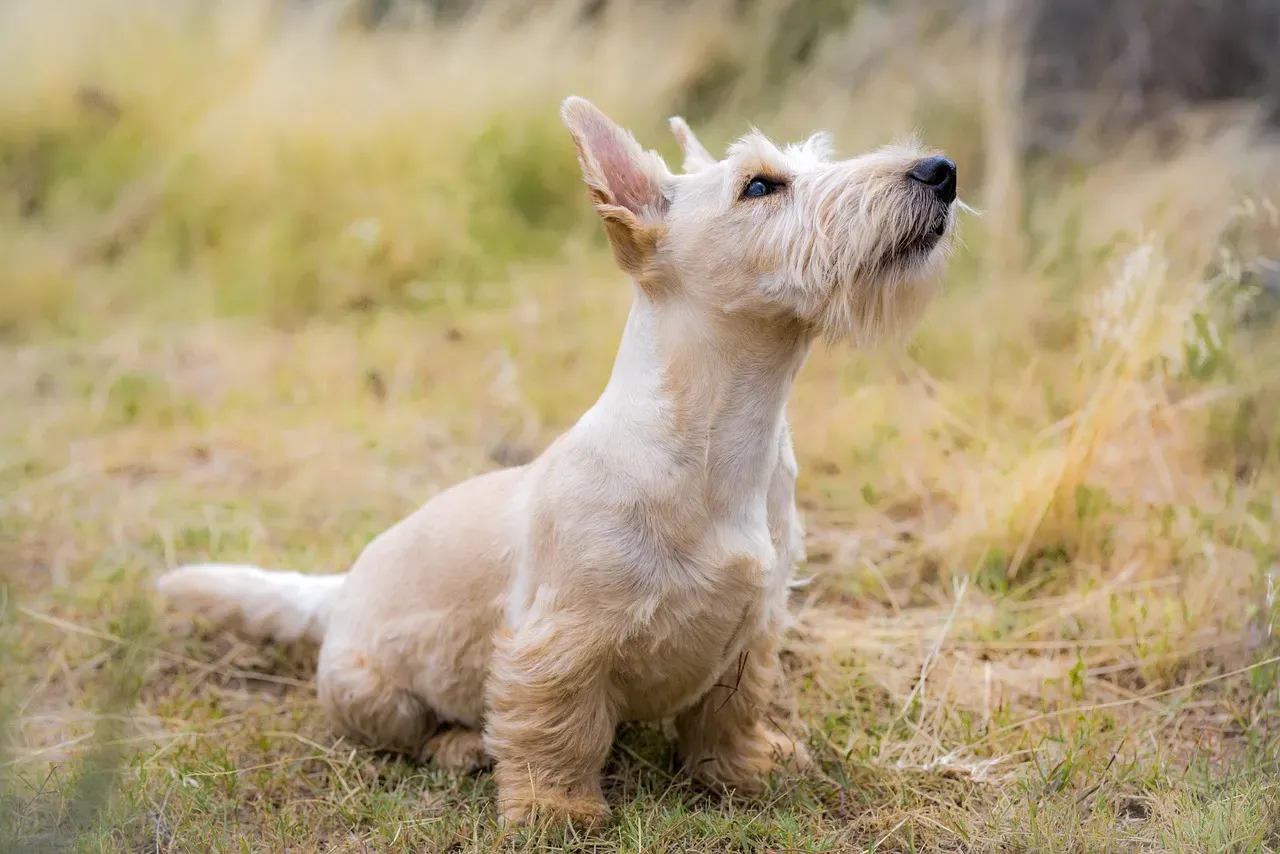
Here’s something that might surprise you. When measuring the frequency of aggressive acts, small dogs rank surprisingly high, with a University of Pennsylvania study on Dachshunds and Chihuahuas finding they displayed more aggressive behaviors than many larger, feared breeds. Yet we rarely hear calls to ban Chihuahuas from neighborhoods.
Why do small dogs seem so much feistier than their larger cousins? Part of it might be that we tolerate behaviors in small dogs that we’d never accept from big ones. When a Chihuahua growls, people laugh. When a German Shepherd does the same thing, people panic. This creates a feedback loop where small dogs never learn that certain behaviors are unacceptable.
As the most petite pooch in the world, the Chihuahua has a big attitude, needing all the patience you can muster to train because they seem to think that they are the boss. That confidence probably served them well historically, but in modern homes, it often translates to a dog that simply won’t listen.
The Dachshund presents a similar challenge. Dachshunds were bred to hunt badgers, rabbits, foxes, and even boar, making them brave, independent, and stubborn, and notoriously difficult to train and housebreak. These were dogs expected to face down animals twice their size in dark tunnels. Of course they have attitude.
The Environment Equation
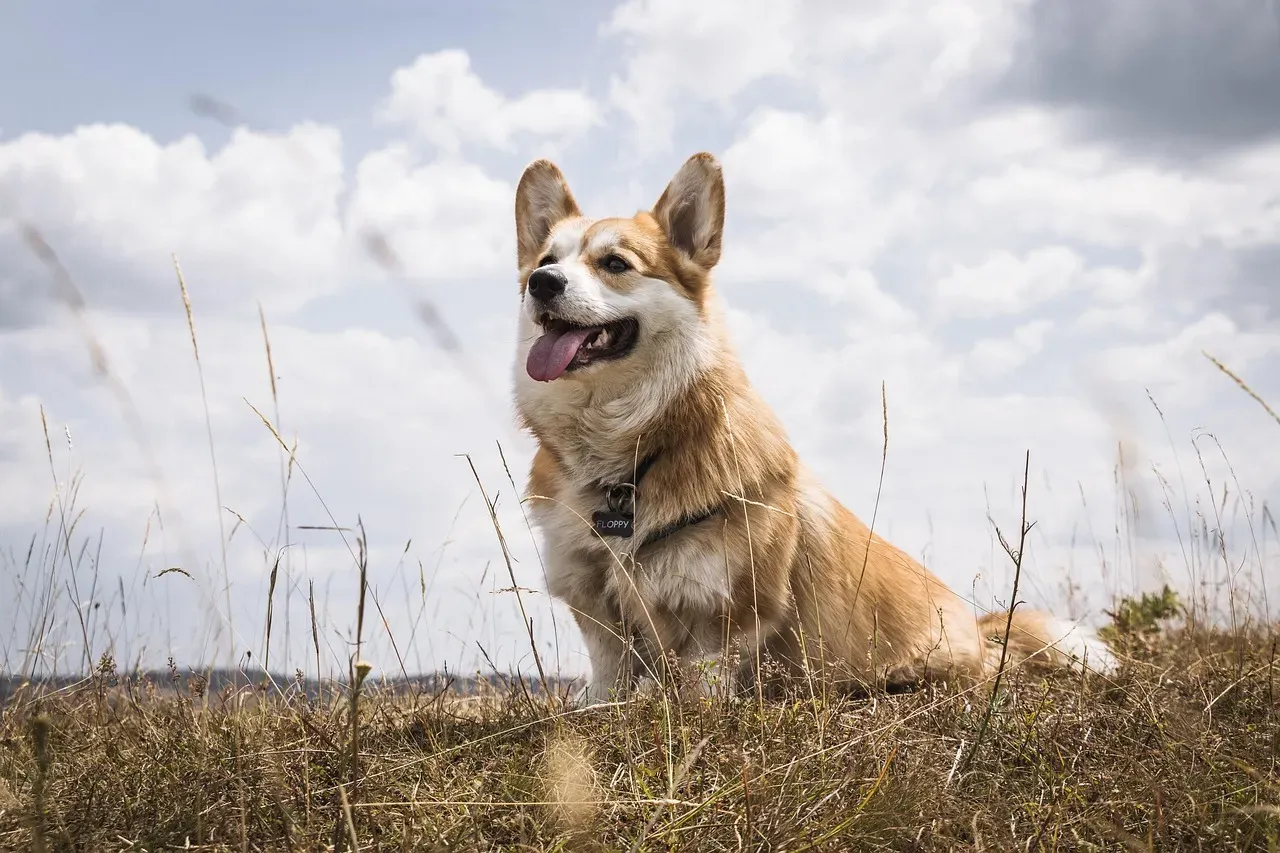
Let’s get to what really matters though. A dog in a stressful, neglectful, or abusive home is more likely to develop aggressive tendencies than one in a stable, loving environment, with lack of exercise, confinement, and anxiety being common contributors to aggression. Your dog’s life experience shapes their behavior far more than their breed label ever could.
Think about two Labrador puppies from the same litter. One goes to a home with an experienced owner who provides consistent training, plenty of exercise, and positive reinforcement. The other ends up with someone who leaves them alone all day, never socializes them, and uses punishment-based training. Those dogs will develop completely different personalities despite identical genetics.
Behavior in dogs is polygenic and complex, and thus cannot be accurately predicted using tests that consider only a few genetic variants. This isn’t like eye color where one or two genes determine the outcome. Behavior involves countless genes interacting with each other and with environmental factors in ways we’re only beginning to understand.
Recent research has even shown that none of the candidate variants had significant associations or predictive power for behavioral traits as previously reported when researchers looked at individual dogs rather than breed averages. The genetic tests being marketed to predict your dog’s personality? They’re basically useless for that purpose.
What This Really Means for Dog Owners
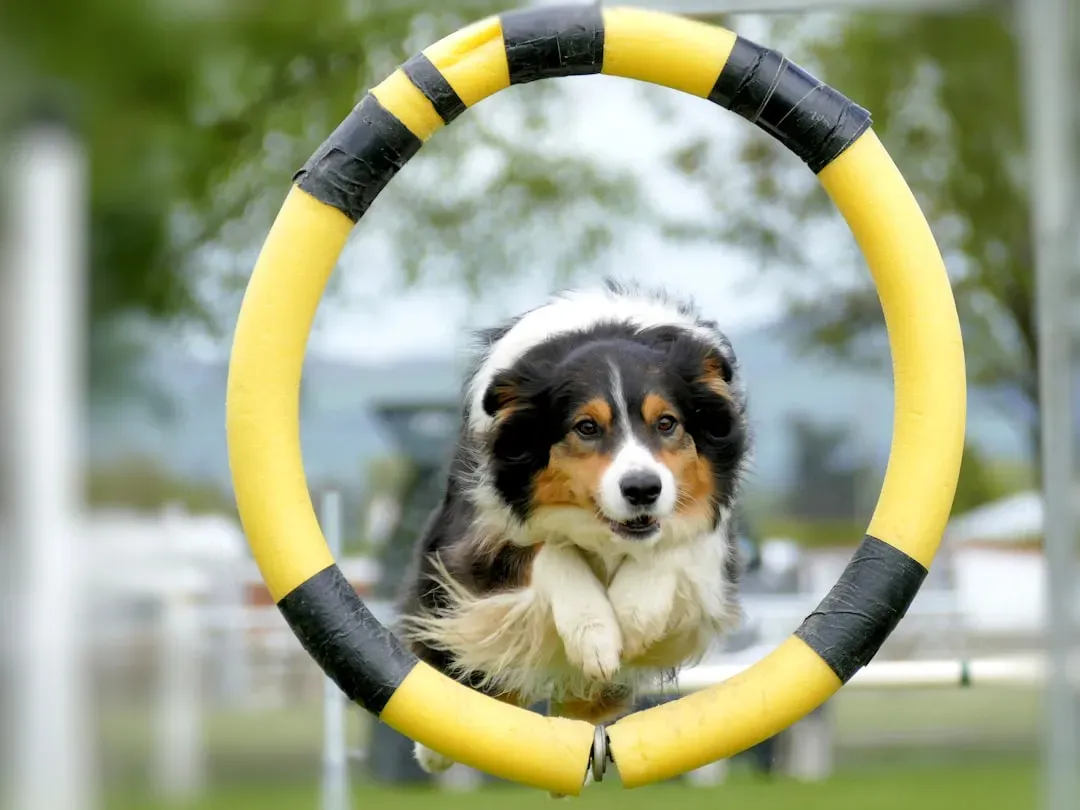
So where does all this leave us? Breeds developed for tasks like guarding or hunting may have genetic predispositions for protective or tenacious traits, however genetics are only a baseline, with even within a single litter temperaments varying, and the importance of training and socialization over genetics alone cannot be overstated. Your dog’s breed might influence certain tendencies, but it doesn’t seal their fate.
The most important takeaway is this: A well-cared-for Pit Bull is more likely to be a stable pet than a neglected Labrador Retriever. The breed stereotype matters far less than what you actually do with your dog. Training, socialization, exercise, mental stimulation, and a stable environment shape behavior more powerfully than any genetic predisposition.
Does this mean all breeds are exactly the same? Of course not. A Border Collie will likely have higher energy needs than a Basset Hound. A terrier might be more prone to chasing small animals than a Newfoundland. Understanding breed tendencies helps you prepare for what your dog might need. It’s hard to say for sure, but working with rather than against those tendencies makes training infinitely easier.
The idea that some breeds are born to be naughty just doesn’t hold up under scrutiny. What we call naughtiness is often independence bred for specific working purposes, or behaviors that went unaddressed because of owner inexperience or environmental factors.
Conclusion

No dog is truly born to be naughty. What we perceive as misbehavior often reflects either breed-appropriate instincts being expressed in inappropriate contexts, or the predictable result of inadequate training and socialization. The stubborn Husky ignoring your recall isn’t being defiant. They’re following ancient impulses to run and explore. The Beagle chasing a scent isn’t being disobedient. They’re doing exactly what hundreds of generations of selective breeding programmed them to do.
The genetics of behavior are real, but they’re far more subtle and complex than the simple breed stereotypes we’ve constructed. Your individual dog’s personality emerges from a intricate dance between inherited tendencies and lived experience. Breed gives you clues about what to expect, but it never tells the whole story.
What do you think? Has your experience with different breeds challenged or confirmed these stereotypes? Share your thoughts in the comments.
