

You know those stunning cats with piercing blue eyes and dark pointed ears that seem to appear in every cat lover’s Instagram feed? Siamese cats are undeniably beautiful, charming, and full of personality. They’re the kind of feline that makes people stop scrolling and think, “I need one of those.” The truth is a bit more complicated than that initial attraction suggests.
Here’s the thing. Owning a Siamese is less like having a pet cat and more like adopting a very vocal, highly opinionated toddler who happens to have four legs and a tail. These cats are known for being affectionate, energetic, intelligent, and extremely vocal, thriving on human interaction and rarely content to sit quietly in the background. So let’s dive in and explore exactly why this remarkable breed might not be the best choice if you’re new to cat ownership.
They Never Stop Talking
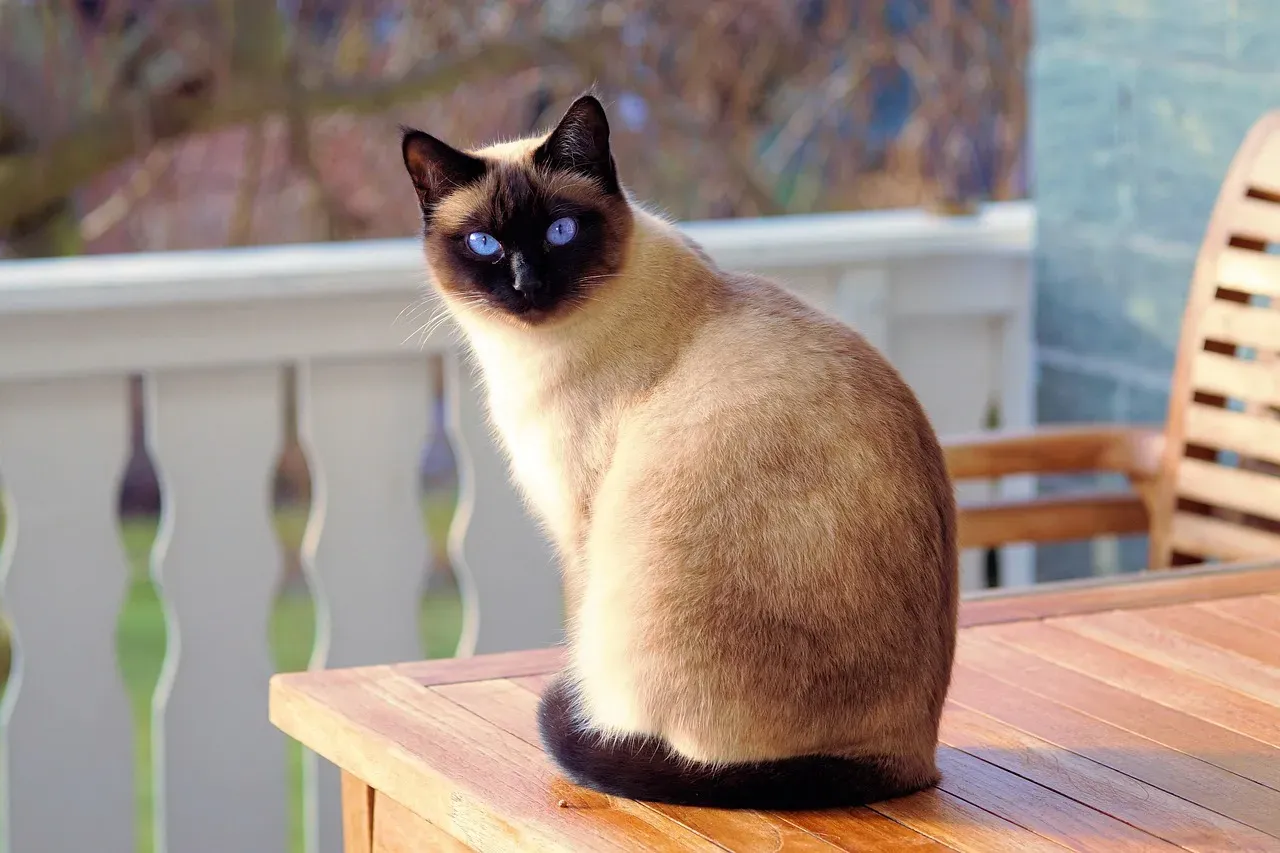
Known for their distinctive, sometimes strident meow, Siamese cats have loud opinions they eagerly share: They will carry on meow-conversations, and seem to always want the last word. It’s not your imagination. This breed really is louder than most others.
Siamese cats are notorious for being super vocal, and the noise they make is distinctive, with their meowing often compared to a baby crying. Think about that for a moment. A crying baby. Now imagine living with that sound when you’re trying to work from home, sleep in on a Saturday, or simply enjoy some quiet time with a book.
They’re widely regarded as the most vocal of all cat breeds. Some owners report their Siamese develops different meows for different situations. One for food. Another for attention. Yet another for expressing displeasure at a closed door. If you value peace and quiet, this might become exhausting rather quickly.
Siamese cats are one of the most people-focused breeds, craving companionship and thriving on human interaction, with meowing being how they connect with you, start conversations, and make sure you’re paying attention. While this can be endearing at first, the constant chatter becomes a lifestyle commitment. Honestly, unless you’re prepared to have running conversations with a cat, this breed might wear you down.
Their Attention Demands Are Relentless
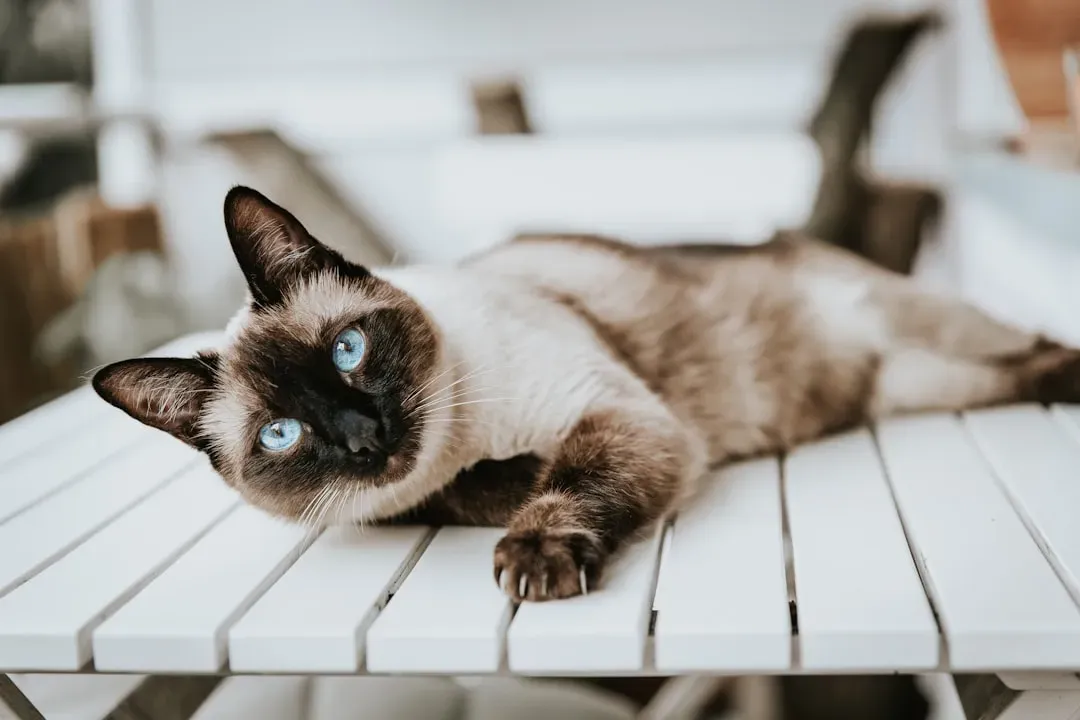
They crave attention, so you have to be prepared to give them plenty of playtime. This isn’t an exaggeration. We’re talking about a breed that makes independence look like a foreign concept.
These cats thrive on human interaction and are rarely content to sit quietly in the background, wanting to be with you in the same room, on the same cushion, or ideally, on your lap. Imagine trying to cook dinner while a furry shadow demands to be involved. Picture attempting to fold laundry with a cat insisting on sitting in the pile. Your bathroom privacy? Forget it.
In cases where they become extremely attached, they will constantly demand attention, so working from home might be challenging since Siamese cats won’t accept your disinterest without a fight – they will meow incessantly, nudge you to instigate play, or walk all over your documents and computer. For a first-time cat owner expecting a more independent pet, this level of neediness can feel overwhelming.
Siamese cats can become so strongly bonded to one person, and separation behaviors such as meowing loudly or peeing on human beds may become a problem, with this anxiety sometimes requiring the help of a veterinary behaviorist. That’s right. If you don’t meet their emotional needs, they might literally pee on your bed as protest. Not exactly beginner-friendly behavior.
Separation Anxiety Is A Real Concern
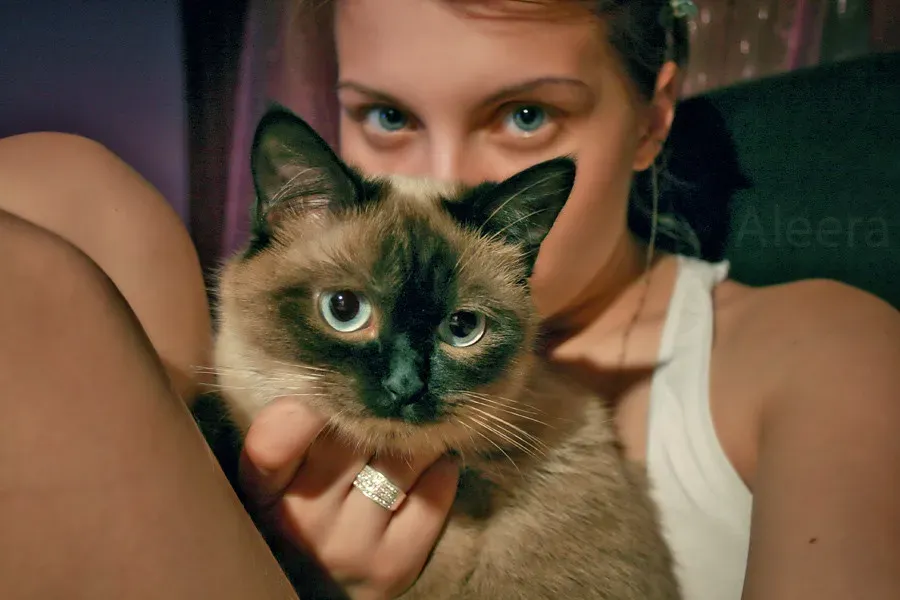
Let’s be real. Most people can’t stay home all day with their pets. We have jobs, errands, social lives. Siamese cats don’t really care about your schedule.
Siamese cats crave companionship, both human and feline, and if left alone too often, they can become lonely and stressed, with some crying, others sulking, and some acting out with behaviors like over-grooming or inappropriate urination. This isn’t a cat that tolerates solitude gracefully.
Due to their rather dependent nature and attachment to their person, Siamese often suffer from separation anxiety and may be better in pairs, or better still, in homes where someone is around most of the time. Notice how the solution involves getting two cats or restructuring your entire life around their needs? That’s a massive commitment for someone just starting out with cat ownership.
Because of the strong bond they form with their cat parents, Siamese cats won’t be too happy about staying home alone, becoming sad and bored quickly or developing separation anxiety – the feeling of extreme fear. For beginners who assume cats are naturally independent creatures, this dependency can come as quite a shock. I think many people underestimate just how emotionally intense this breed can be.
Their Intelligence Creates Mischief
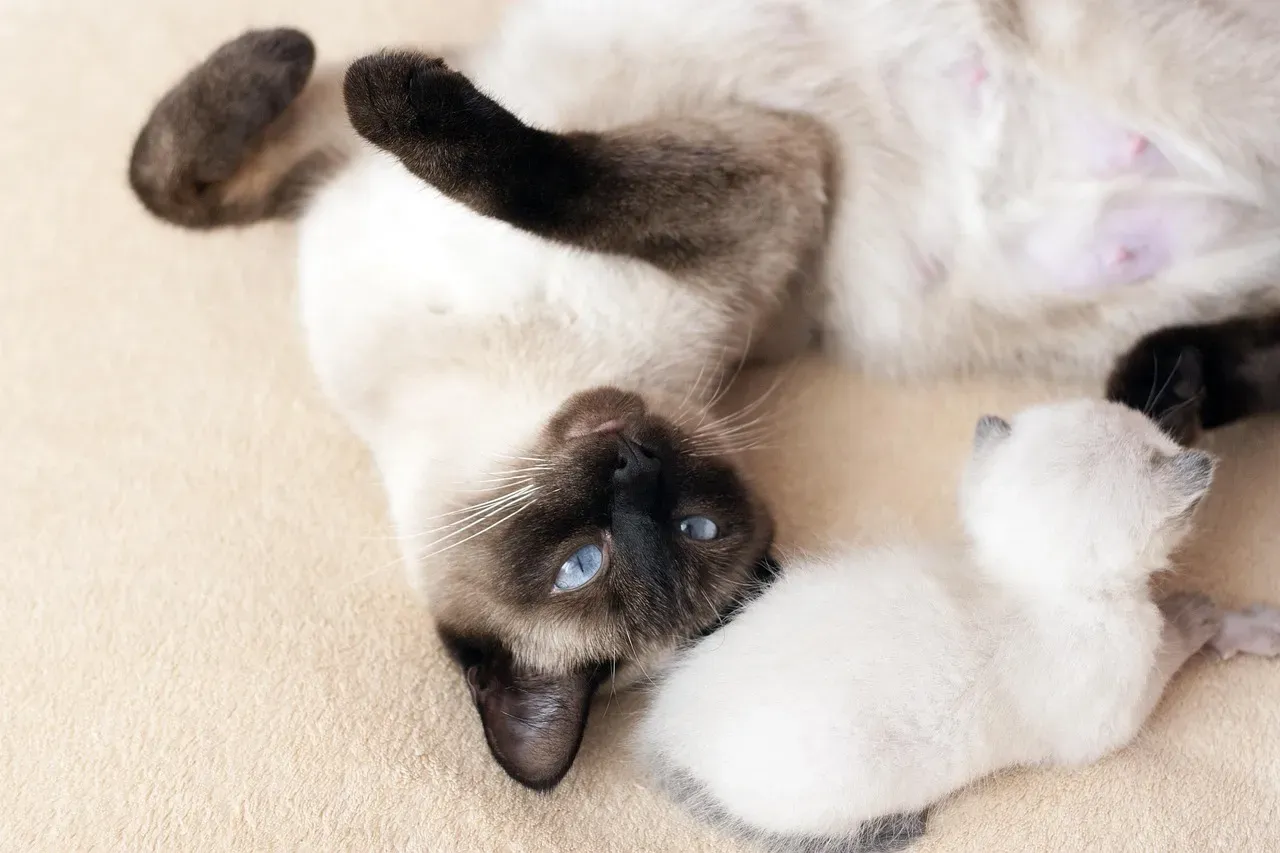
Sure, smart cats sound great in theory. Who wouldn’t want a clever pet? The reality is that highly intelligent cats without proper stimulation become masters of chaos.
Siamese cats may use their paws to open doors, twist on faucets or even turn on the television, and with smarts like that, trick training and games of fetch come easily to them. While that sounds adorable, it also means they can get into absolutely everything. Cabinet locks become necessary. Water bills might mysteriously increase.
Siamese cats are naturally smart, needing a lot of mental stimulation to prevent boredom and mischief, and if left to entertain themselves, these cats can learn to turn on faucets, open cabinets, and become destructive. Imagine coming home to find your kitchen cabinets raided, your faucet running, and your formerly neat living room looking like a tornado hit it. That’s life with an under-stimulated Siamese.
Their sharp minds mean they need stimulation, and bored Siamese cats can become destructive, noisy, or even anxious, requiring entertainment with puzzle feeders, climbing shelves, interactive toys, and plenty of human interaction as they’re not a good fit for a home where everyone is out all day with little enrichment left behind. For a beginner expecting a low-maintenance companion, this level of required engagement can feel like having a part-time job on top of everything else.
The Exercise And Enrichment Requirements
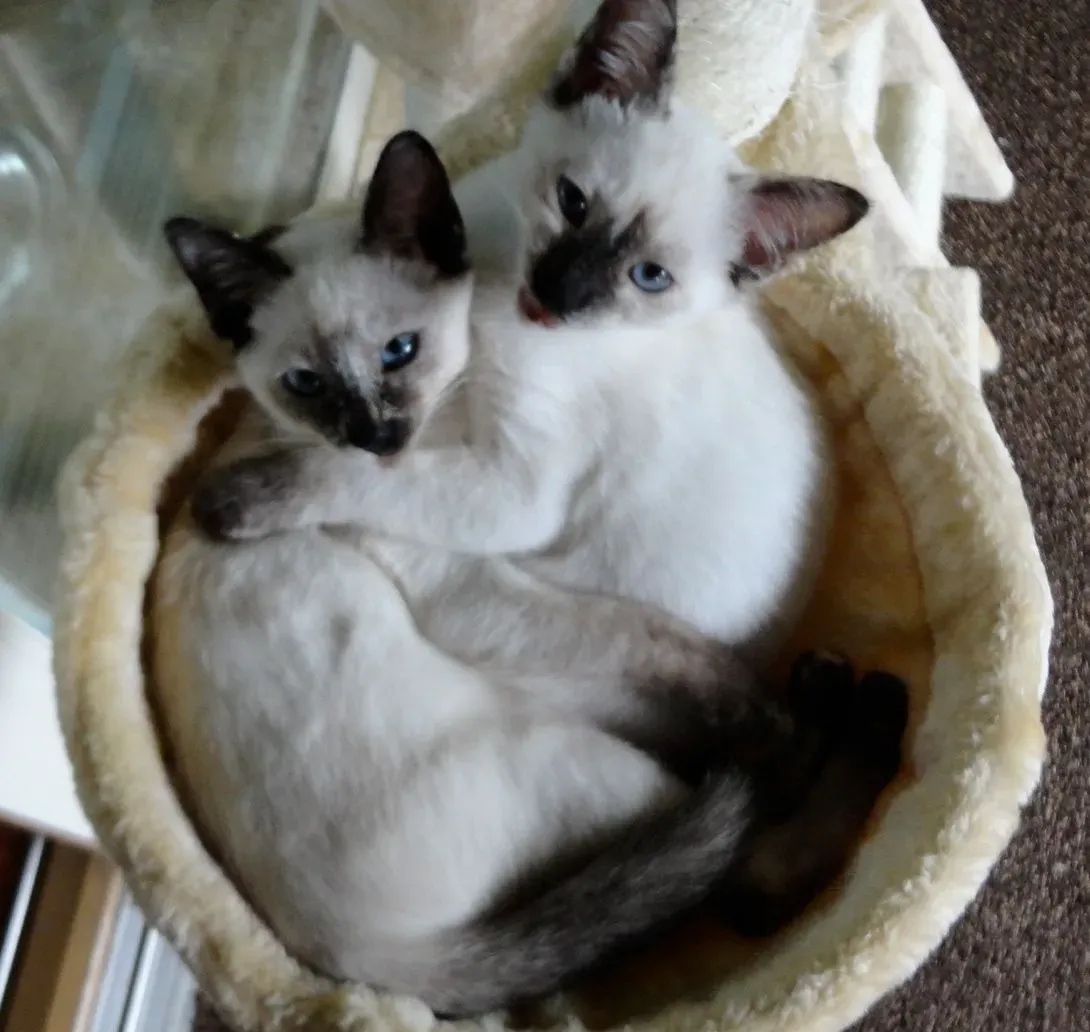
This athletic, agile breed demands attention, and needs a lot of interactive games and toys to prevent boredom, loving climbing and readily jumping great heights. This isn’t a cat content with a scratching post and a jingly ball.
They’re fun-loving and adventurous – not placid, quiet cats – loving toys and games, and the more active they are, the better, adoring being entertained. You’ll need to invest in cat trees, interactive toys, puzzle feeders, and dedicate significant time each day to active play. For someone new to cats, understanding how much energy this breed has can be startling.
These cats aren’t just about ticking off a care checklist – they’re about presence, interaction, and routine, thriving in homes where their needs aren’t just met, but understood. That means you can’t just fill a food bowl and expect them to be happy. They need mental challenges, physical activity, and constant engagement. Honestly, it’s exhausting just thinking about it.
Fail to provide them with the attention they seek, and your Siamese will turn to destructive behaviour, such as knocking things down, scratching furniture, or urinating all over your home. The consequences of not meeting their exercise needs aren’t just inconvenient. They can be genuinely damaging to your home and sanity.
Health Issues You Need To Know About
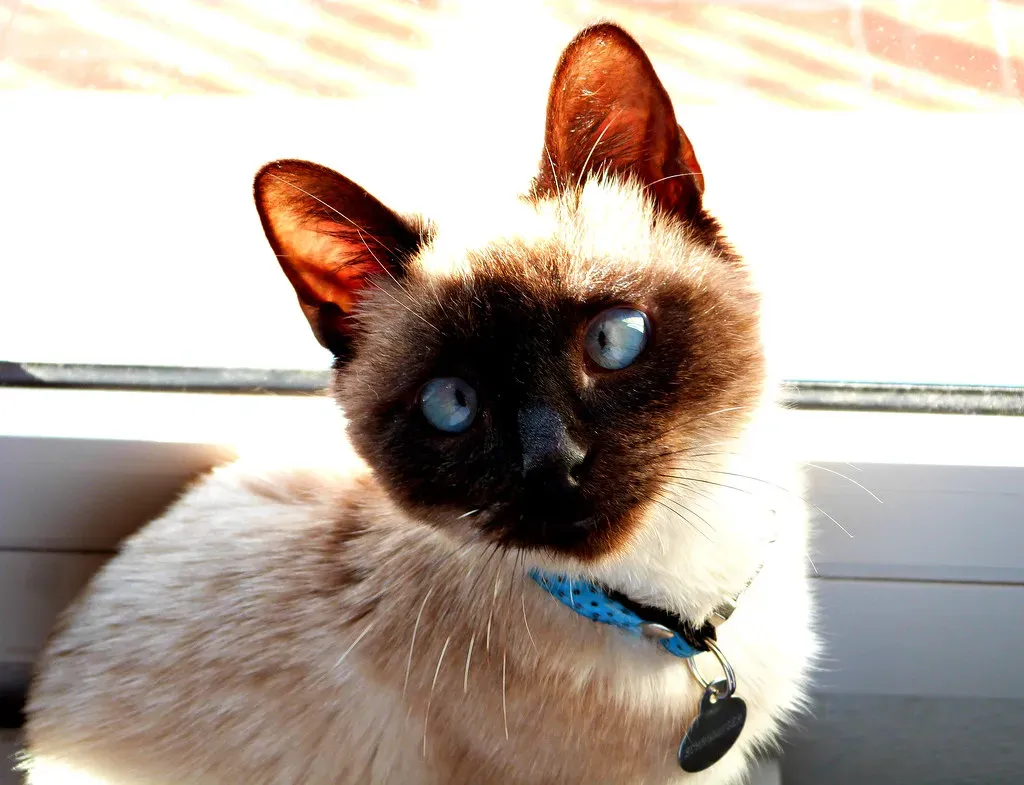
Beyond the personality challenges, Siamese cats come with specific health concerns that require awareness and potentially expensive veterinary care.
Progressive retinal atrophy (PRA) is a genetic eye problem Siamese cats are prone to which leads to progressive blindness, requiring input from a veterinary ophthalmologist for diagnosis and to help your cat lead as normal a life as possible. Vision loss is heartbreaking and managing a blind cat requires extra care and environmental modifications.
Siamese are one of the cat breeds most susceptible to asthma, a disease of the airway, with treatment options including anti-inflammatory drugs and bronchodilator therapy. Chronic conditions like asthma mean ongoing medication costs and regular vet visits. For someone on a tight budget or unprepared for medical expenses, this can be financially challenging.
Siamese cats are particularly prone to Lymphoma, a cancer that impacts white blood cells and can appear almost anywhere in the body, and while it’s one of the more treatable forms, especially with chemotherapy, it can be costly and requires a long-term commitment. Cancer treatment for cats isn’t cheap. We’re talking potentially thousands of dollars and significant emotional stress. First-time cat owners might not be prepared for these realities.
Asian cat breeds such as the Siamese are prone to pica – especially wool-sucking. This strange behavior involves eating non-food items, which can lead to intestinal blockages requiring emergency surgery. It’s yet another concern beginners should understand before committing to this breed.
Their Grooming Is Easy But Everything Else Is Not
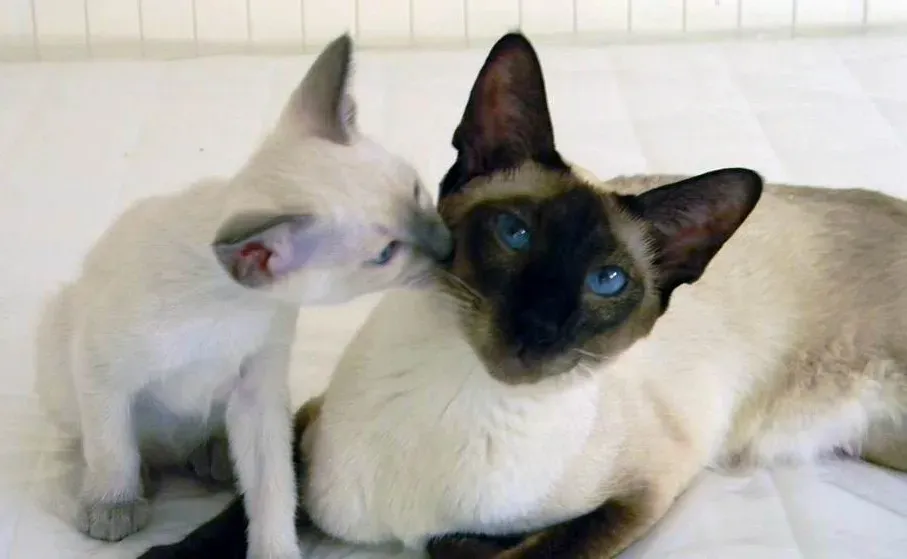
I’ll give credit where it’s due. Their short, sleek coat needs only occasional brushing, and they’re generally very clean. So if you were hoping for one easy aspect of Siamese ownership, grooming is it.
Their coats generally only require brushing several times per week, and they should have their nails clipped on a regular basis (once a month is generally adequate), and in a perfect world, should have their teeth brushed daily. The physical maintenance is manageable. The dental care is important for all cats, though Siamese have particular susceptibility to dental issues.
Siamese are prone to dental issues like gingivitis, so proper oral hygiene is imperative, simply brushing their teeth using a cat toothbrush and toothpaste two to three times each week to help prevent build up and gummy flare ups, with dental treats and diets also being a great way to keep their teeth clean and healthy. While this isn’t unique to Siamese, it’s still another task on an already lengthy care list.
The problem is that grooming ease doesn’t compensate for all the behavioral and emotional demands. You might spend less time brushing, but you’ll spend exponentially more time managing their need for attention, stimulation, and companionship.
They’re Not Good Alone And Require Lifestyle Changes
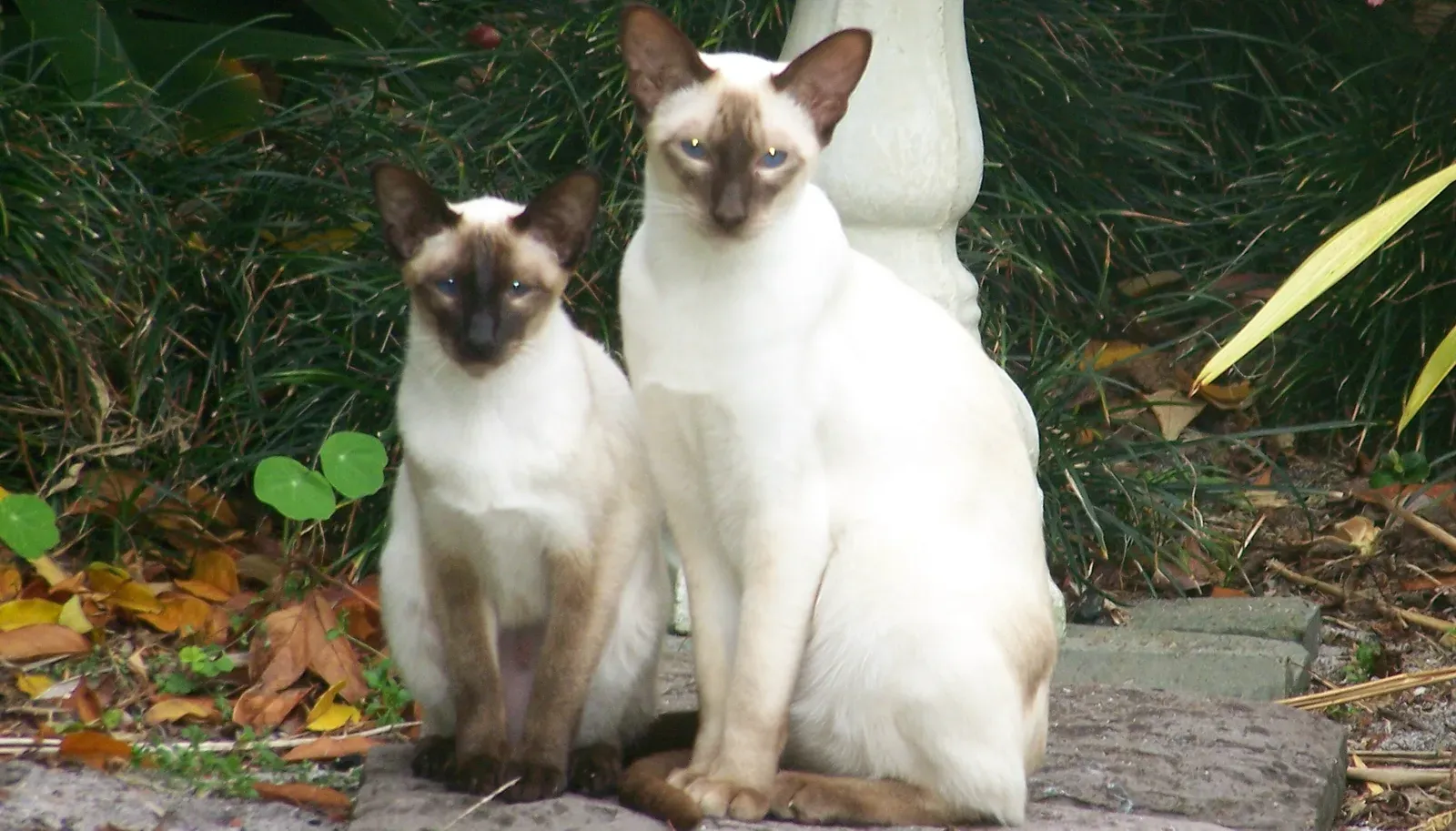
They prefer company and can get bored or anxious if left alone too long, with a second cat or enrichment helping. For a first-time cat owner, immediately needing two cats doubles the responsibility, expense, and commitment.
Many Siamese breeders recommend getting them in pairs or ensuring they have another cat or dog for company. This isn’t a casual suggestion. It’s often necessary for the cat’s wellbeing. Imagine going to adopt your first cat and being told you really should get two. That’s quite a leap.
The Siamese cat personality is outgoing so they need someone home most of the day, and experienced in the breed’s foibles and quirks – or prepared to learn quickly. Notice the emphasis on experience? This breed basically comes with a warning label saying beginners should proceed with extreme caution.
If you want a low-key companion who sleeps 22 hours a day and doesn’t ask much of you, look elsewhere. That’s blunt but accurate. Siamese cats fundamentally change your lifestyle. Your daily routine, your home environment, your budget, and your free time all need to accommodate their needs.
Behavioral Challenges Require Experience
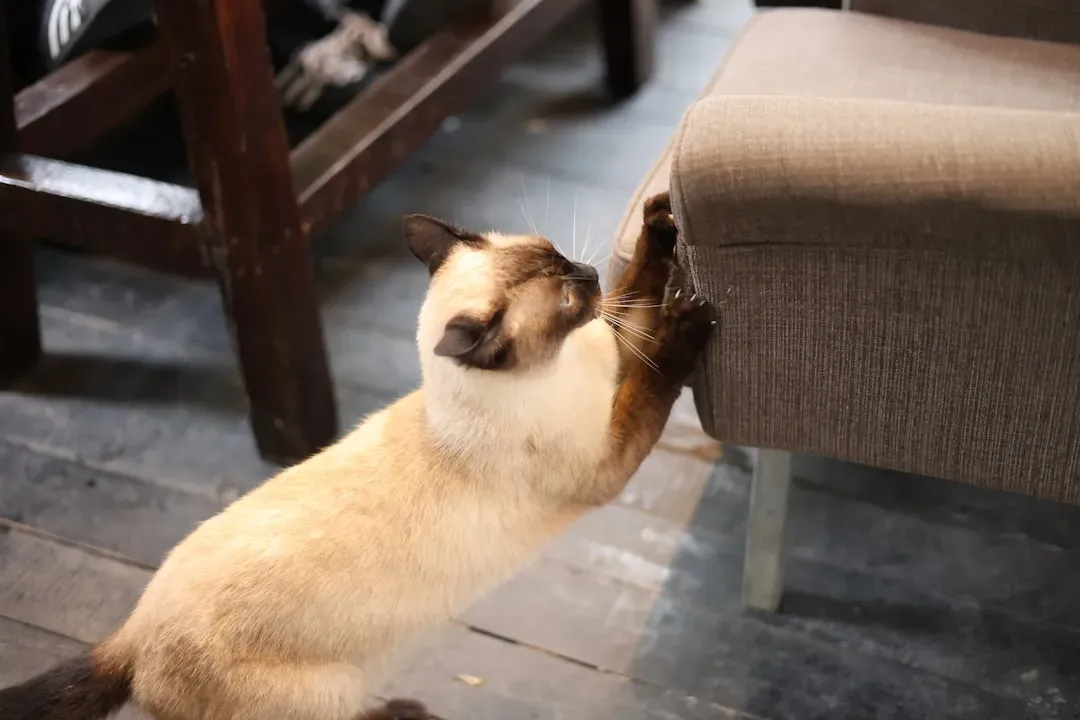
Although affectionate and friendly, Siamese cats can often be a challenge for their parents as they are hyperactive attention seekers, prone to jealousy and territorialism, and are also extremely vocal when expressing happiness or dissatisfaction. Let me emphasize that jealousy part.
While Siamese cats are highly affectionate animals, they’re also extremely territorial over the people they love, along with any space they see as theirs, and can be downright assertive compared to other cat breeds, with these territorial tendencies sometimes boiling over into small acts of aggression, especially if a Siamese becomes too angry, fearful, or frustrated. Managing aggression requires understanding cat behavior, reading body language, and implementing training strategies. That’s advanced cat parenting, not beginner territory.
Let’s not sugar-coat it: Siamese cats are drama queens, and if you’re five minutes late feeding them, they act like they’re being starved, while closing a door they want to go through is a personal betrayal. The dramatic reactions to minor inconveniences can be amusing initially but wear thin over time, especially when you’re dealing with it daily.
New cat parents should understand that most behaviour problems in felines arise due to our mistakes, and if we fail to give them enough attention, affection, exercise, or a stimulating environment, the negative personality traits will come to the forefront. The burden falls entirely on you to prevent behavioral problems. That’s significant pressure for someone learning as they go.
The Financial And Time Commitment
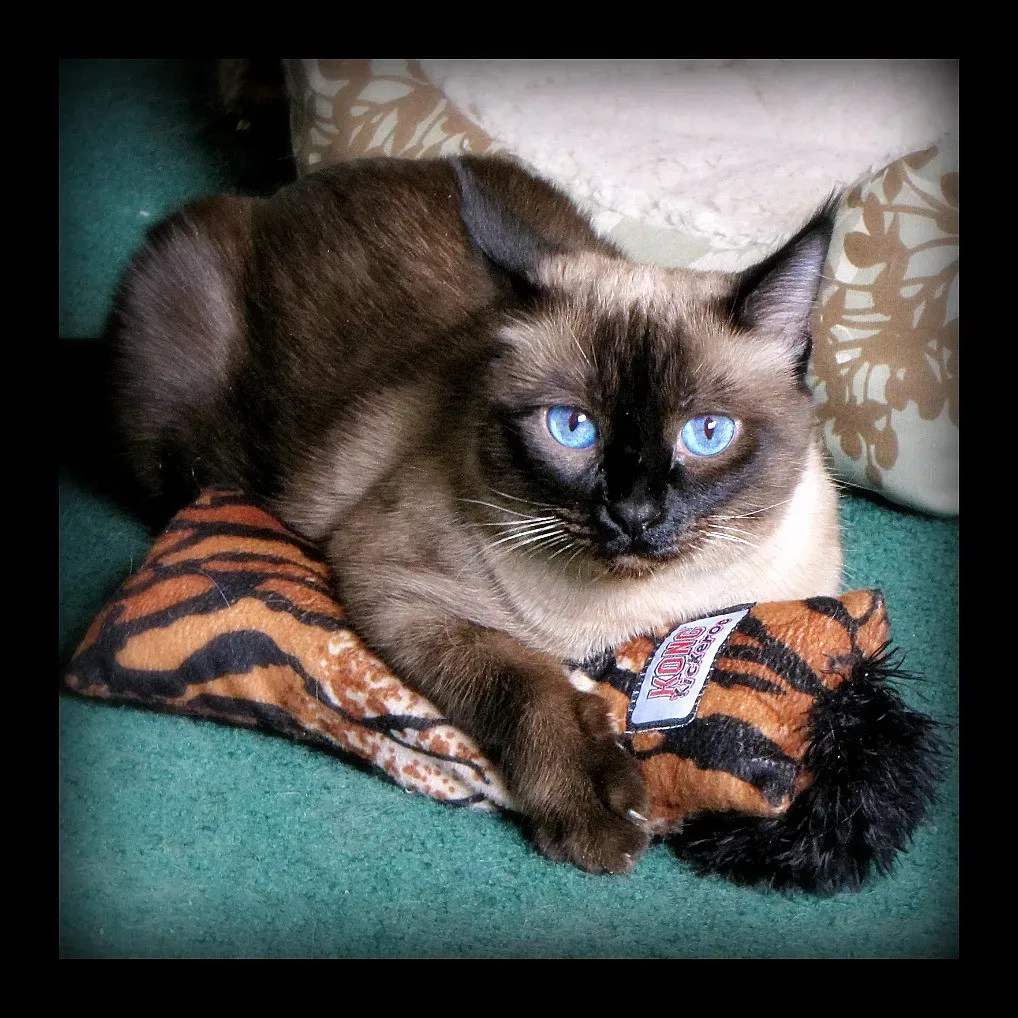
Let’s talk money and time, because both matter significantly. Siamese cats may not be the best fit for pet parents looking for a quiet or low-maintenance pet, as they require a lot of attention and stimulation to stay happy and healthy.
Interactive toys, cat trees, puzzle feeders, multiple litter boxes if you have two cats, premium food to avoid digestive issues, regular vet visits for their health predispositions, potential behaviorist consultations for anxiety or aggression, possible medication for asthma or other conditions – all of this adds up quickly. Financially, Siamese cats can be expensive beyond the initial adoption cost.
Time-wise, you’re looking at multiple daily play sessions, training, socialization, dental care, and simply being present because they can’t handle being alone. Intelligent and excellent problem solvers, with a strong attachment to one person and a desire to be with that person, the Siamese is not always an easy cat to live with unless you are prepared to give a lot of ‘cattention’, requiring lots of cat trees and opportunities to climb, food puzzles to solve, and interactive play with their owner to keep them satisfied and content, making this breed not suited to busy homes or where everyone is out for long periods.
For someone new to pet ownership, underestimating these commitments is easy. The reality hits when you’re trying to balance work, personal life, and an extraordinarily demanding cat who thinks your entire existence should revolve around them. It’s hard to say for sure, but I suspect many Siamese end up rehomed because people simply weren’t prepared for the reality.
Conclusion
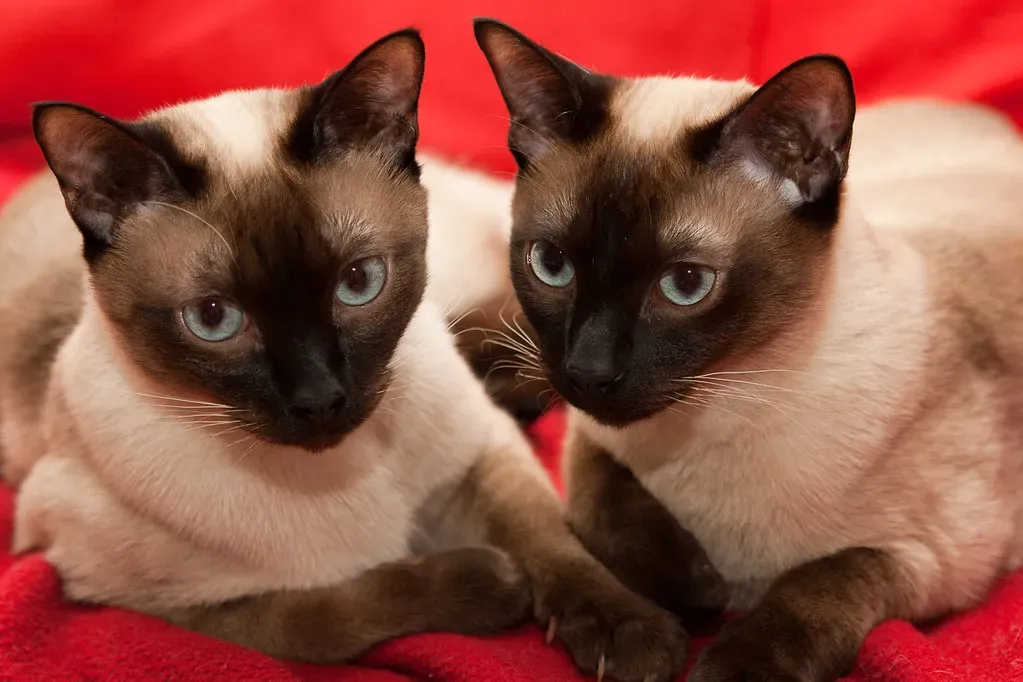
Siamese cats are extraordinary creatures. They’re intelligent, affectionate, strikingly beautiful, and deeply loyal to their chosen people. They’ll challenge you, amuse you, and love you fiercely, but they’ll also shout at you if you dare to shut a door in their face or serve their dinner late, and once you’ve been owned by a Siamese, there’s no going back.
The thing is, being extraordinary doesn’t mean being suitable for beginners. This breed demands experience, patience, significant time, financial resources, and lifestyle flexibility that first-time cat owners rarely possess. Suited to those who love a rather extreme cat, with a strong personality, loud nature, and sensitive temperament, the Siamese cat personality is outgoing so they need someone home most of the day, and experienced in the breed’s foibles and quirks – or prepared to learn quickly.
If you’re considering your first cat, there are many wonderful breeds and mixed-breed rescues that offer companionship without the intensity level of a Siamese. Save this remarkable breed for when you have experience, understanding, and the ability to fully commit to their exceptional needs. Your future self will thank you for making a more informed choice.
What do you think? Did any of these challenges surprise you, or do you still think you’d be up for the Siamese experience?

- 13 Signs a Dog Has Chosen Their Person for Life – Vets Say It Happens in the First Few Days and Never Changes - August 5, 2026
- 16 Ways Senior Dogs Try to Comfort Their Families in the Weeks Before They Go - August 5, 2026
- 15 Things Dogs Do in Their Final Weeks That Most Owners Only Understand in Hindsight - August 5, 2026