
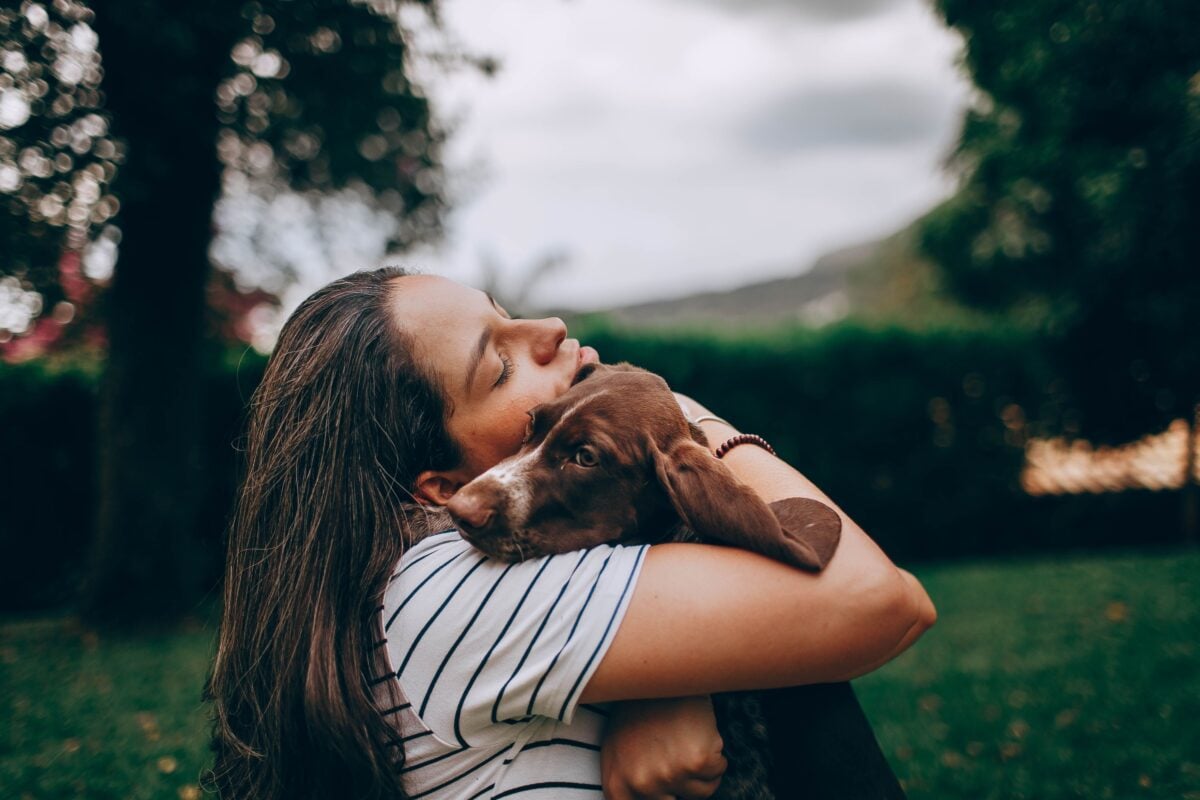
Most people assume a dog “chooses” whoever feeds them the most, walks them the most, or hands out the most treats. Vets and behaviorists say that’s almost backwards. In multi-person homes, dogs often lock onto one specific human within days, sometimes even before they’ve fully unpacked at a new house – and that attachment rarely budges again.
It’s not about who’s “in charge” or who spoils them hardest. It’s about scent, nervous system safety, and thousands of tiny, unconscious signals a dog reads off you before you even realize you’re being tested. Some of the clearest proof shows up in ordinary moments you’ve probably already seen and never thought twice about – and by the time you reach the last few signs on this list, you’ll probably know exactly who your dog picked.
#13 – They Keep You in Their “Security Radius”
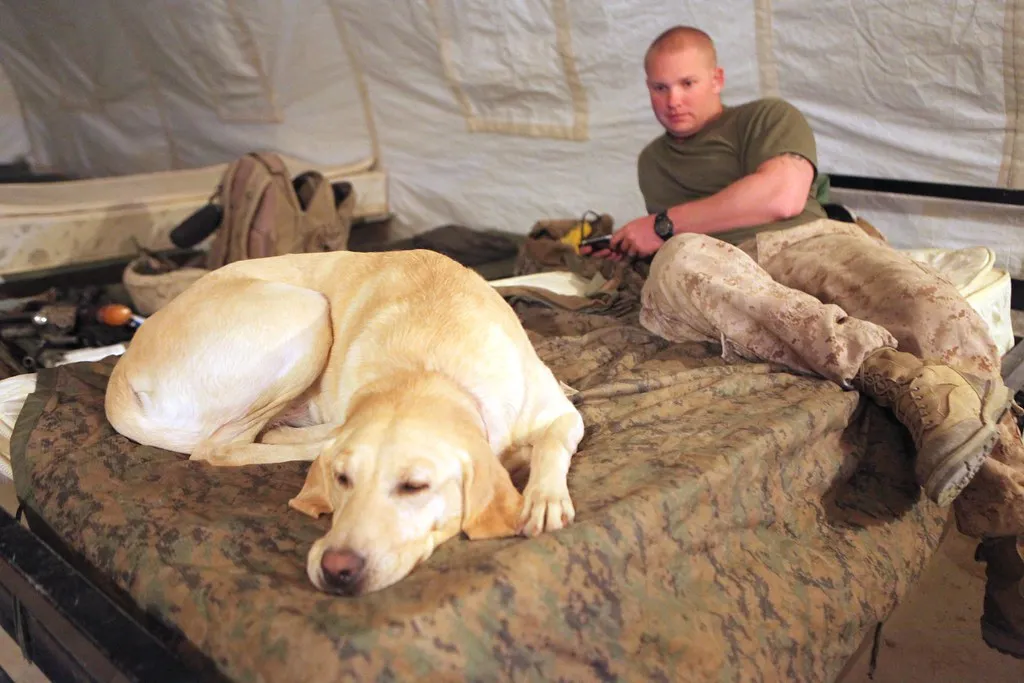
When a dog has truly chosen you, they don’t just follow you around – they orbit you. Every dog checks in with their humans sometimes, but a chosen person becomes something closer to a walking home base. At the park, in a new house, even in a vet’s waiting room, that dog keeps you inside a very specific comfort zone: close enough to see, smell, or hear you at all times.
Researchers who study attachment in dogs describe this as a “secure base” effect, the same pattern toddlers show with a parent in a strange room. You’ll catch your dog glancing back at you before they approach another dog or a stranger, almost asking permission.
- They loop back to you every few minutes, even off-leash.
- They lie down facing you instead of facing away.
If you vanish from sight even briefly, they get visibly rattled. That unsettled reaction is nothing compared to what shows up in sign #12.
#12 – Their Stress Hormones Drop the Second You Show Up
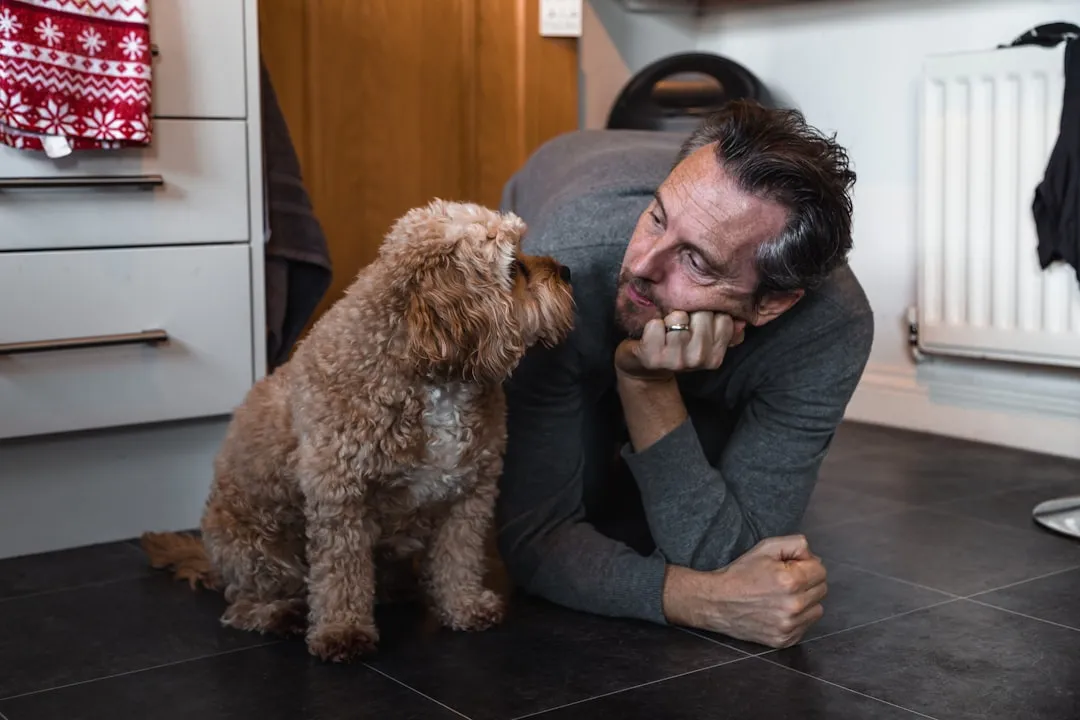
A chosen person works almost like an emotional volume knob. Veterinary behaviorists have found that a dog’s heart rate and cortisol – their main stress hormone – often drop the moment their primary attachment figure walks into the room. You’ve probably seen this without naming it: a dog panting, pacing, or whining at the clinic suddenly exhales and softens the second you sit down and touch their fur.
Some studies have even found that a dog’s heart rhythm can start to sync with their person’s during stressful situations. That’s not just affection performing for an audience – that’s a nervous system quietly borrowing calm from another nervous system.
- Walking into a tense room like a groomer or vet.
- A sudden loud noise startling them.
- A day when they’re sick or recovering.
A 2019 study tracking 58 dog-owner pairs found that long-term cortisol levels in dogs and their people were genuinely synchronized, measured through hair samples collected across summer and winter months.
“Owners with high cortisol levels have dogs with high cortisol levels.”
Dr. Ann-Sofie Sundman, canine stress researcher
If they instantly turn toward you, their body loosens, and they use you like a safety dock, that’s a textbook sign. But it’s still gentler than the loyalty test buried in sign #11.
#11 – They’ll Walk Away From Food or Toys Just to Be Near You
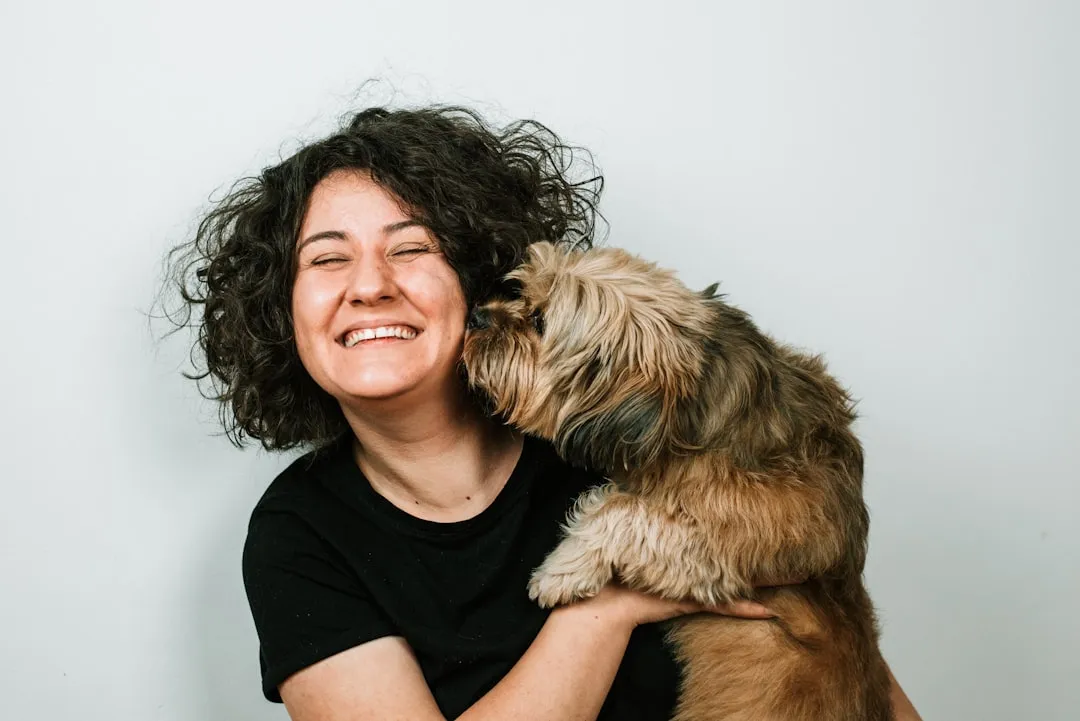
Most people assume “whoever holds the treats wins.” Dogs disagree more often than you’d think. In preference tests, many bonded dogs will choose a few seconds of contact with their favorite human over food or toys sitting right in front of them.
At home, this shows up as a dog abandoning a half-chewed toy to trail you into another room, or leaving a full bowl to meet you at the door. When a dog consistently interrupts a high-value activity just to be near one specific person, vets consider that a strong marker of primary attachment.
- They drop a ball to sit on your feet.
- They quit playing with other dogs the moment they notice you walking off.
- They ignore a stranger’s treats while locking onto your voice.
Any dog can be bribed in the right moment. But their default choice – the one they make without thinking – is what matters. And it gets even more specific in sign #10.
#10 – They Sleep Wherever Your Scent Is Strongest
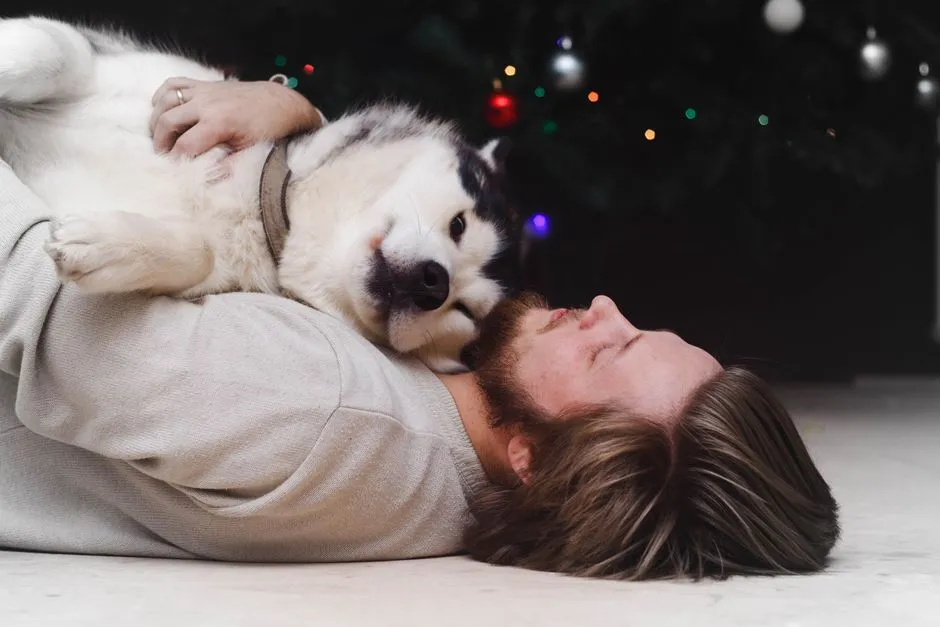
For a dog, scent isn’t just information – it’s comfort, almost like a chemical security blanket. A chosen person’s smell works the same way a favorite hoodie does for a toddler. That’s why intensely bonded dogs often sleep on a specific pillow, burrow into a laundry pile, curl up next to certain shoes, or claim the exact couch cushion one person always sits in.
Some separation-anxious dogs will fixate on only one person’s belongings, and vets say that narrow focus is often the clearest clue to who the dog considers “theirs.” It isn’t about territory. It’s about staying as close as possible to your specific chemical signature, even when you’re not in the room.
- Where they nap when you’re home versus away.
- Whether they migrate to your side of the bed or couch.
- If they steal your socks more than anyone else’s.
This scent-seeking habit usually shows up within days of moving into a new home, and it rarely switches to someone else later. But if you want to see where a dog’s real feelings live, watch what their eyes do in sign #9.
#9 – Their Eyes Physically Soften When They Look at You
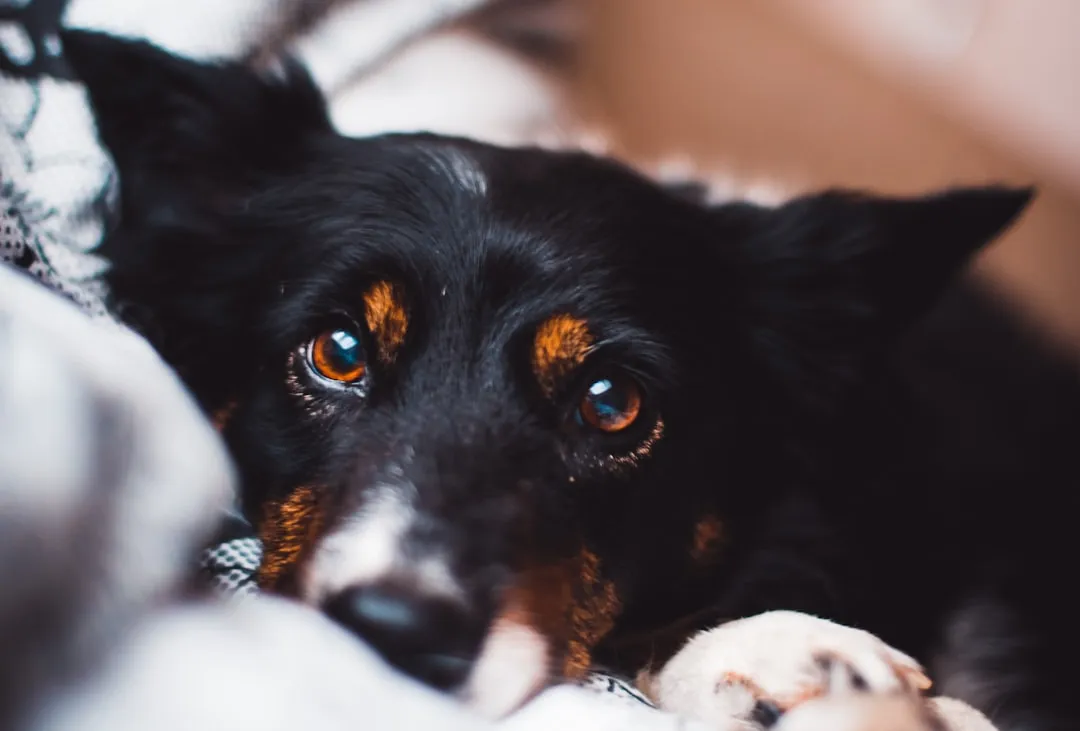
This is where science and sentiment genuinely overlap. Prolonged, gentle eye contact between a dog and their person has been shown to raise oxytocin levels – the same bonding hormone that deepens the connection between parents and infants. When you’re their chosen human, their whole face changes when they look at you: the muscles around their eyes relax, their brows lift slightly, and the stare turns soft instead of sharp or wary.
Some vets call this the “love gaze,” and it isn’t handed out equally to everyone in the house.
- They hold your eye contact a beat longer than with anyone else.
- Their body loosens when you speak directly to them.
- They blink slowly while looking at you, then sigh and settle in.
Fast Facts
- A landmark 2015 study in the journal Science tested 30 dog-owner pairs during a 30-minute interaction session.
- Dogs were split into a “long-gaze” group and a “short-gaze” group based on how long they held eye contact.
- Only the owners paired with long-gazing dogs showed a measurable rise in oxytocin afterward.
Anxious or under-socialized dogs may avoid eye contact entirely at first. But once that soft, lingering gaze shows up consistently with one person, it’s a major attachment flag – and the voice reaction in sign #8 backs it up even harder.
#8 – Your Voice Cuts Through a Crowded Room
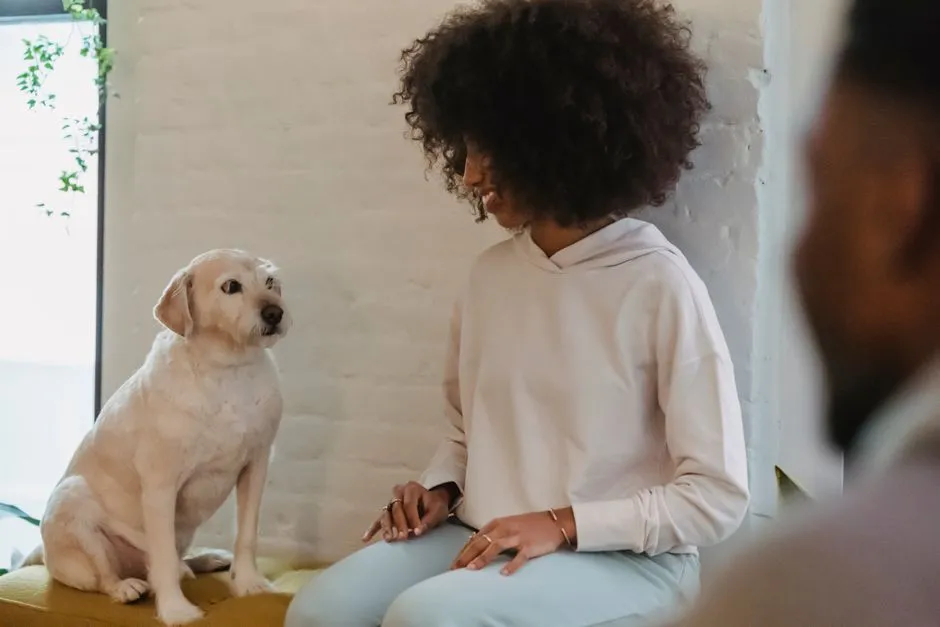
With a chosen person, your voice carries a different weight in a dog’s brain than everyone else’s. Dogs can distinguish between individual human voices, and most develop a clear bias toward one. When you’re their person, your tone becomes a trigger they’re wired to notice – in a noisy room, their ears swivel, their head tilts, and they start scanning the crowd the moment you speak.
In recall tests, dogs consistently respond faster and more reliably to the voice of their primary attachment figure, sometimes breaking into a full sprint while ignoring everyone else calling their name.
- Who they look at first when several people call them.
- Whether your “it’s okay” calms them faster than anyone else’s does.
- If your praise sends them into a tail-wagging frenzy others can’t trigger.
You don’t need a perfect trainer voice for this to work. It’s built from emotional history attached to your specific sound – and that history shows up physically in sign #7.
#7 – They Start Mirroring Your Mood Without Being Asked
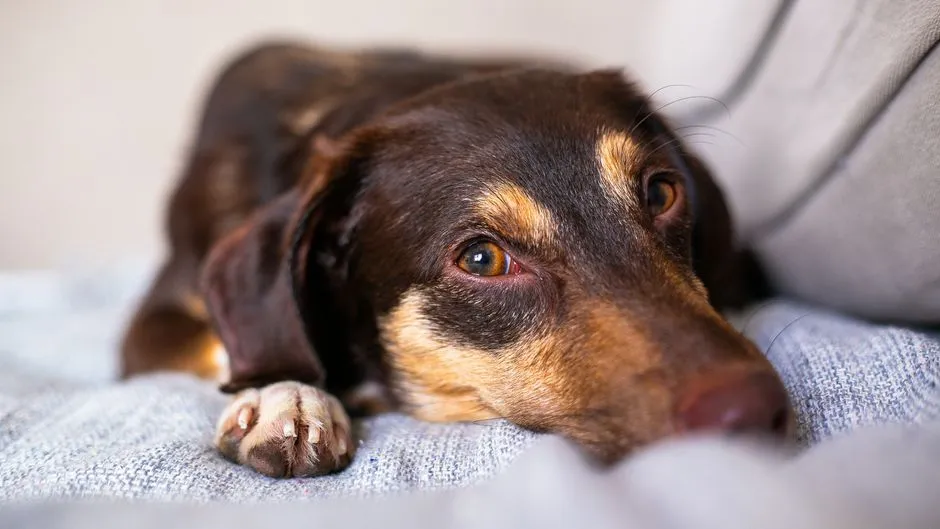
Chosen-person dogs turn into quiet barometers of your internal weather. Over time, many dogs sync their rhythms to one specific human: they wake up when that person wakes, rest when they rest, and shift their energy noticeably when that person is stressed, sick, or off somehow.
Behaviorists see this constantly in homes where one person’s anxiety or calm reliably predicts the dog’s own energy level. It isn’t mind-reading. It’s finely tuned pattern recognition mixed with genuine emotional contagion.
- They get restless or clingy the moment you’re upset, even if you think you’re hiding it.
- They instinctively slow down because you’re tired or sore.
- They plant themselves next to you when you’re sick and skip their normal play routine.
Scientists studying dog-human bonds say a real attachment relationship has to check several specific boxes, not just one:
At a Glance
- Seeking you out specifically in unfamiliar places.
- Visible distress when separated from you, not just from “people” in general.
- Running to you first when startled or frightened (the “safe haven” effect).
- Exploring more freely and confidently whenever you’re nearby (the “secure base” effect).
Some people find that intensity overwhelming. For the dog, it’s security – they’re emotionally invested in you specifically, not the household in general. That investment becomes obvious in exactly who they run to in sign #6.
#6 – You’re Their Automatic Choice When They’re Scared
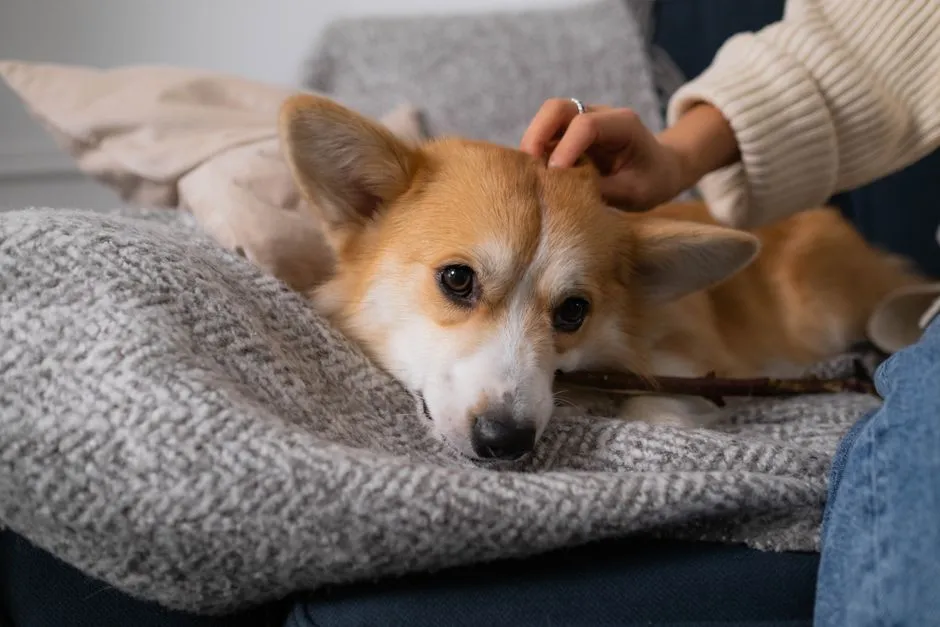
Fear reveals real attachment faster than almost anything else. When a dog is startled by fireworks, thunder, a dropped pan, or a loud truck outside, a dog who has chosen you will move toward you specifically, not just toward the nearest available human. They might try to climb into your lap, press against your legs, or wedge themselves between your feet.
Vets often say the fastest way to spot a dog’s “true person” in an exam room is to watch who they hide behind or cling to when they’re frightened.
- When something crashes in the kitchen, who do they run to?
- During storms, whose bedroom door do they scratch at?
- At the vet, whose side of the bench do they cram under?
If the answer is consistently you, even when someone else is standing closer, that’s not random comfort-seeking. That’s attachment showing its hand. And it shows up again every time you leave and come home, which is where sign #5 gets interesting.
#5 – Their Hellos and Goodbyes Are Only Really About You
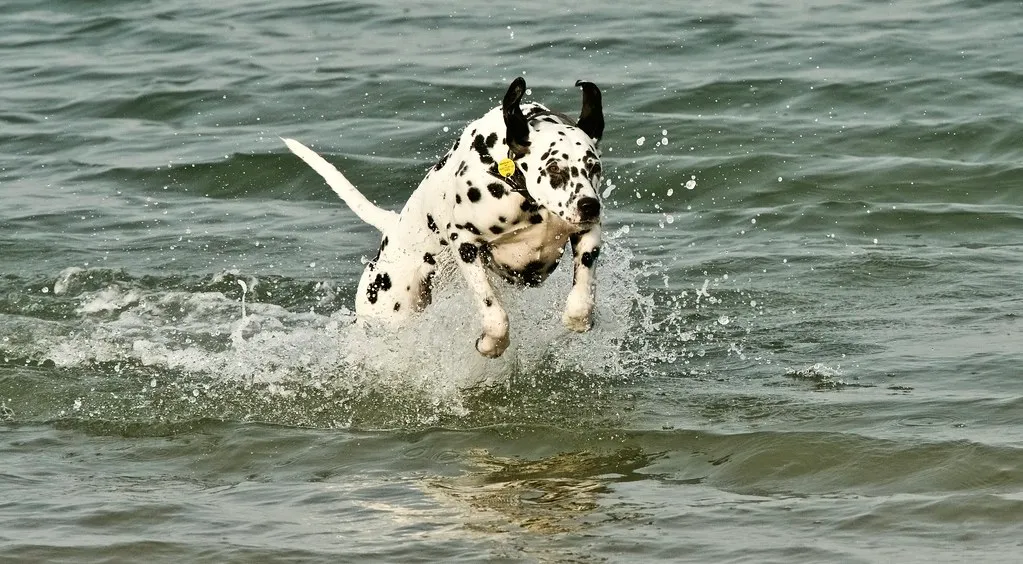
Every dog perks up a little at the sound of the door. But the type of reaction is what gives them away. A dog who has picked their person shows a specific pattern: mild worry or restlessness while you’re getting ready to leave, like watching the door or trailing you room to room, followed by an outsized, almost theatrical joy the moment you walk back in.
They may barely acknowledge other people in the house doing the exact same thing, saving the full-body wiggle, the zoomies, or the “happy whine” only for you. This pattern often locks in within the first week in a new home and rarely loosens after that.
- Who they check on when someone disappears upstairs.
- Whether they seem unbothered when others leave but track your every move.
- Whether their post-absence relief is noticeably stronger with you.
That hello-goodbye ritual feels flattering on its own. But their willingness to actually listen to you in sign #4 is what vets find even more telling.
#4 – Your Rules Actually Land – Everyone Else’s Are Optional
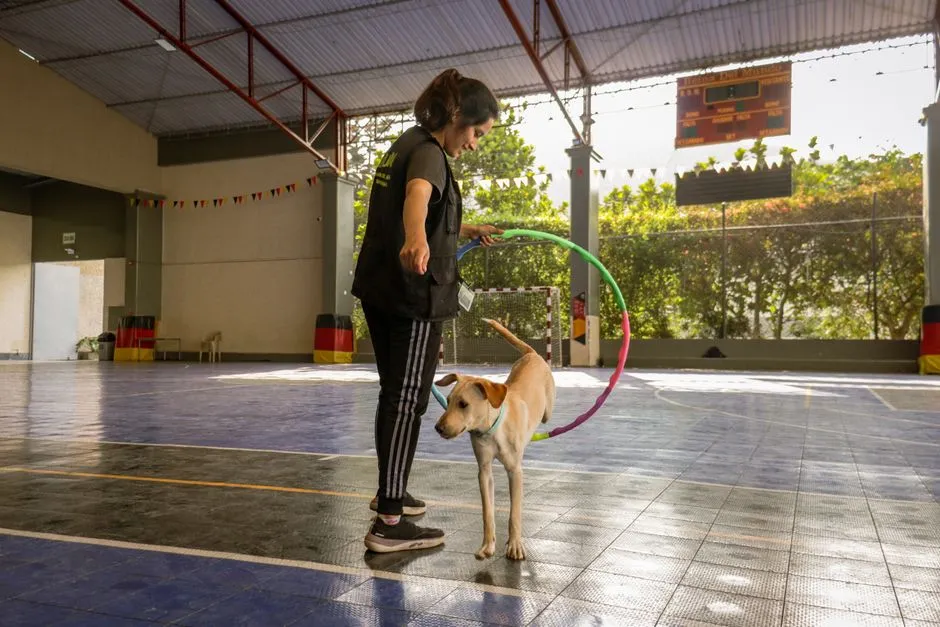
Dogs don’t respect “authority” the way people assume they do. They respect predictability and safety. When you’re their primary person, your boundaries carry more weight than anyone else’s in the house – many dogs will half-listen to other family members but snap to attention the instant you give a cue.
That’s not dominance, and it’s not about who trained them “better.” It’s trust. They’ve learned that your guidance reliably predicts outcomes they can handle, so they tune into you on a deeper level. This can form surprisingly early, especially if you’ve been consistent since day one.
- “Leave it” or “come” actually works better from you than from others.
- They check your face before breaking a rule, like jumping on the couch.
- They only look guilty when you specifically catch them mid-mischief.
People often mistake this for favoritism or superior training skills. Vets read it as a textbook marker of primary attachment – and the next sign, about sharing, cuts even deeper.
#3 – They Hand You Their Most Prized Possessions
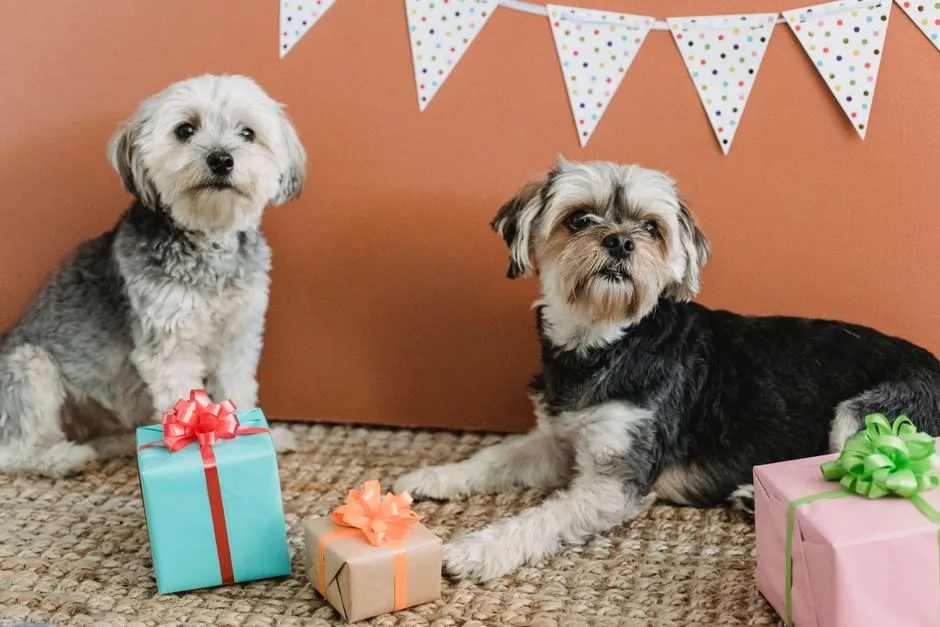
Resource-sharing is a bigger deal in dog language than most owners realize. When a dog routinely brings you their favorite toy, a chewed-up bone, or even a random “trophy” like a stolen sock or napkin, it’s rarely just about starting a game of fetch. Often, it’s a social gift.
Dogs rarely hand over prized objects to someone they don’t fully trust – plenty of dogs will actively guard those same items from strangers. So a dog who consistently drops their treasures in your lap is making a quiet but very real statement about how safe you feel to them.
- Toys land specifically on your lap, not just on the floor.
- You get invited into tug-of-war games that others don’t.
- Gifts show up while you’re busy, almost like a check-in.
Some experts consider this one of the clearest everyday signals of chosen-person status, especially in houses with more than one adult. But the next sign is the one most people already know by instinct.
#2 – You’re Not Just Their Owner, You’re Their Shadow
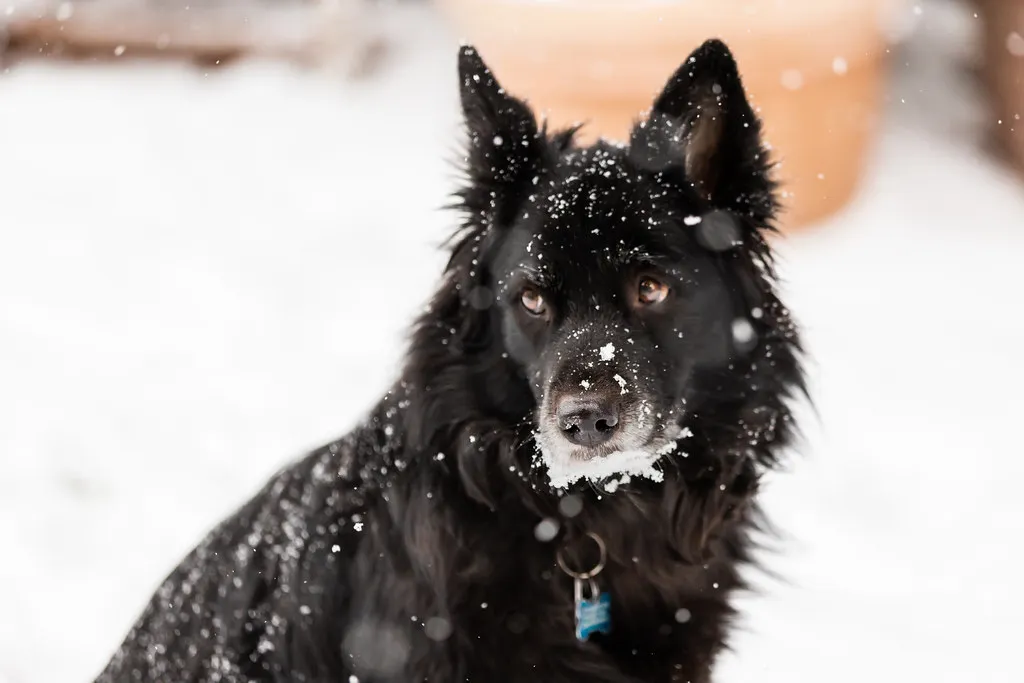
“Velcro dog” behavior isn’t automatically attachment – sometimes it’s just anxiety. Context is what separates the two. A dog who has calmly chosen you follows you around the house without any panic attached to it. They trail you room to room, settle near wherever you’re working, and casually reposition themselves whenever you move, even when nothing exciting is happening.
If you mapped out their favorite resting spots, they’d line up almost exactly with the paths you walk every day. This pattern often develops within days, especially in rescue dogs who latch onto the first person giving them steady, predictable signals.
- They can nap away from you but clearly prefer being near you.
- They don’t frantically track other people the same way.
- Their shadowing stays calm instead of frantic or destructive.
Quick Compare
- Secure attachment: Seeks comfort from you during a stressful moment, then settles and goes back to exploring or playing.
- Insecure attachment: Stays distressed or shuts down even with you right there, unable to be fully soothed.
Nearly 3.9 million dogs enter U.S. shelters every year, and plenty of them rebuild this exact kind of bond with a brand-new person within days of arriving.
All of that said, there’s one sign vets quietly watch for above all the others – because it almost never lies.
#1 – They Calm Down Through You, Not Just Near You
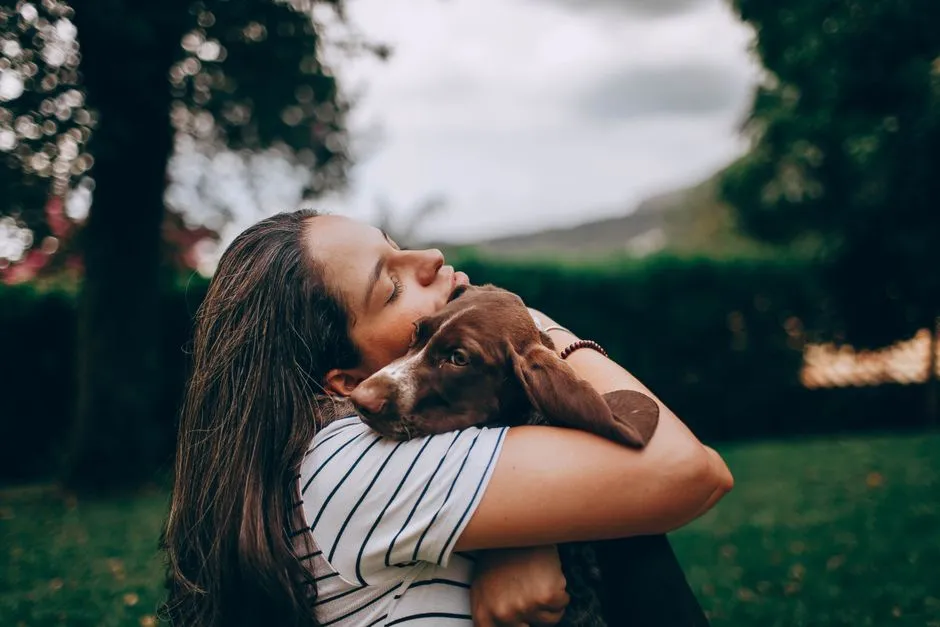
This is the strongest, most reliable sign on the entire list. In moments of real uncertainty, a chosen dog doesn’t just sit near you – they use your body and your presence to actively regulate themselves. They press their chest into your legs, tuck their head under your arm, or let out a long exhale the instant your hand lands on their neck.
In attachment research, this is known as “secure base” and “safe haven” behavior: seeking you out specifically to reset their nervous system before they’re willing to explore or cope with something hard again. Vets see this constantly during scary procedures – some dogs will only tolerate a nail trim or an exam if you’re physically in the room and touching them.
- They relax within seconds of leaning into you in an unfamiliar place.
- They check in with you after being startled, then return to normal.
- They anchor on you in truly overwhelming moments instead of trying to bolt.
When a dog learns, within their very first days with you, that your presence is where their body and brain finally make sense – that decision tends to stick for the rest of their life.
The Bottom Line
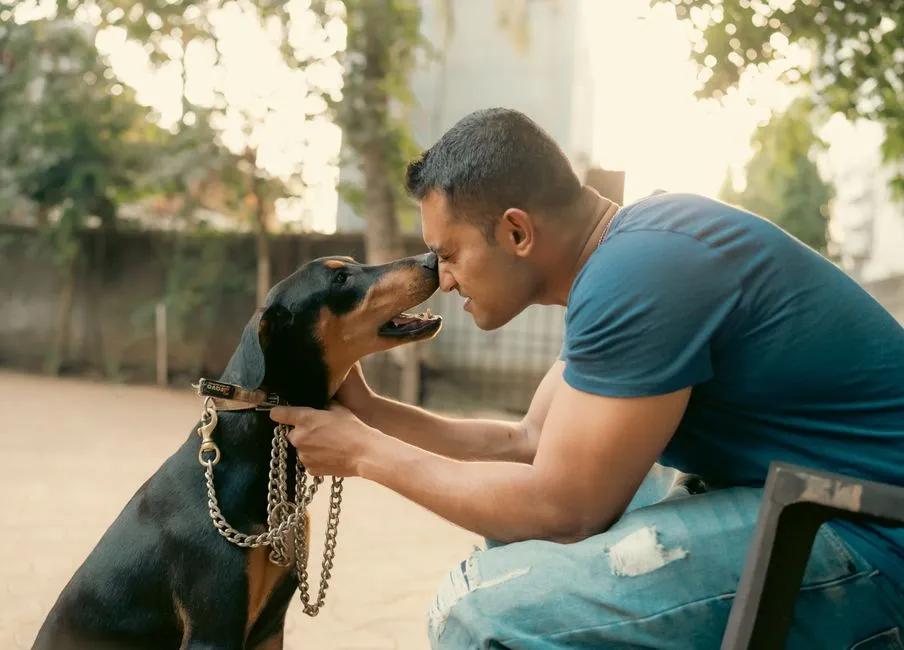
Dogs don’t pick “their person” based on who buys the fanciest bed or hands out the most expensive treats. They choose the human whose presence lowers their heart rate, whose scent feels like home, and whose reactions make an unpredictable world feel survivable.
The science behind it is almost insultingly simple: dogs bond to the nervous system that makes them feel safest, and that decision can lock in within days, not months.
Could that bond shift after serious trauma, a rehoming, or years of neglect? Sure. But under normal circumstances, vets and behaviorists see the same pattern again and again – once a dog truly picks their person, they don’t quietly change their mind later. If your dog orbits you, calms down through you, and automatically reorients to you in every new room you walk into, the decision was probably made before you even realized you were being auditioned – and honestly, that’s a better compliment than anything a dog could say out loud.

- 13 Comforts Vets Say Mean the Most to a Senior Dog Nearing the End - August 5, 2026
- 14 Signs a Dog Is Holding On Before Crossing the Rainbow Bridge - August 5, 2026
- 15 Things Dogs Only Do Around the One Person They Trust Completely - August 5, 2026