

Have you ever spotted an eight-legged visitor scurrying across your floor and immediately felt a shiver run down your spine? You’re not alone. Spiders might be excellent pest controllers in the ecosystem, but let’s be real, most of us would prefer they stay outside where they belong. The good news is you don’t need harsh chemicals or expensive exterminators to keep these creepy crawlies at bay. Nature has provided us with some surprisingly simple solutions work wonders.
Here’s the thing, spiders have incredibly sensitive sensory organs on their legs detect scents and vibrations in their environment. What smells pleasant to us can be absolutely unbearable to them. This natural sensitivity is your secret weapon in creating a spider-free zone in your home. So let’s dive into the seven scents send spiders running in the opposite direction.
Peppermint Oil
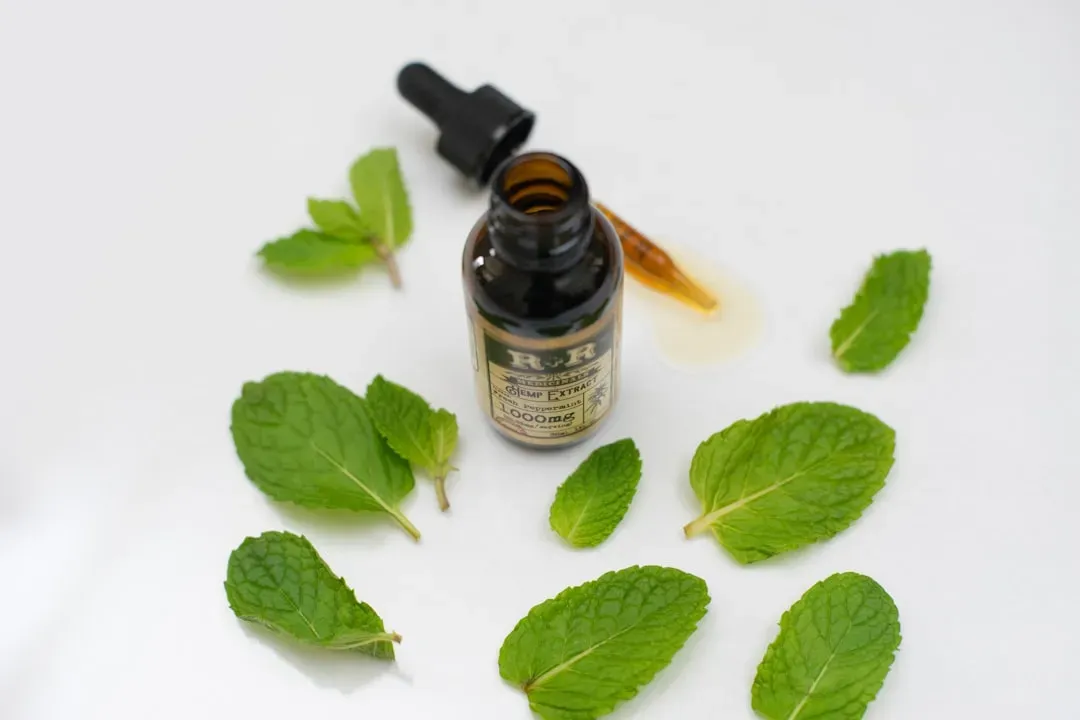
Peppermint oil is particularly potent and has been proven by entomologists as an effective natural spider repellent. The power comes from menthol, its main ingredient, which creates a strong feeling that spiders can’t handle. I think what makes peppermint so effective is that it works against multiple spider species, not just one or two types.
A study conducted in 2018 showed that two out of three spider species tested avoided areas treated with peppermint oil, as the strong menthol scent disrupts their ability to navigate and sense their surroundings. Creating your own peppermint spray is remarkably simple. Mix around five to ten drops of pure peppermint essential oil with water in a spray bottle, add a few drops of dish soap to help the oil mix properly, and you’re good to go.
Peppermint essential oil is a powerhouse botanical extract with spider-repelling properties that make it a top choice for eco-conscious homes. The crisp, clean aroma that we find refreshing is exactly what makes spiders flee. You can also soak cotton balls in the oil and place them strategically in corners, closets, and behind furniture for longer-lasting protection.
Apply your peppermint solution around windowsills, door frames, and other common entry points. The fresh minty scent is a pleasant bonus for you while being a nightmare for spiders. Honestly, it’s one of those rare situations where everyone wins except the spiders.
Vinegar

The acidity of vinegar attracts some insects like fruit flies while repelling others like spiders, and they can detect the acidic scent through their legs. White vinegar is probably already sitting in your kitchen cabinet, making this one of the most accessible spider deterrents available. Vinegar contains acetic acid which gives it that sharp odor, and spiders dislike it so much that a 50/50 vinegar and water spray will usually send them scurrying.
Creating your vinegar spray couldn’t be easier. Mix equal parts white vinegar and water in a spray bottle, and you’ve got yourself an instant spider repellent. Some folks add a tablespoon of dish soap to make it even more effective. The soap helps the mixture stick to surfaces and can suffocate spiders on direct contact.
Vinegar is a short-term repellent, as once the smell fades usually within a day or two, the odor disappears and spiders often move right back in. This means you’ll need to reapply at least once a week to keep the protective barrier strong. Focus on areas where you’ve spotted webs or spiders before, paying close attention to any openings including windows, doors, and cracks.
The downside? The smell can be pretty intense for humans too, although it dissipates relatively quickly. Still, for those who don’t mind the temporary odor, it’s an incredibly affordable and effective solution.
Cinnamon
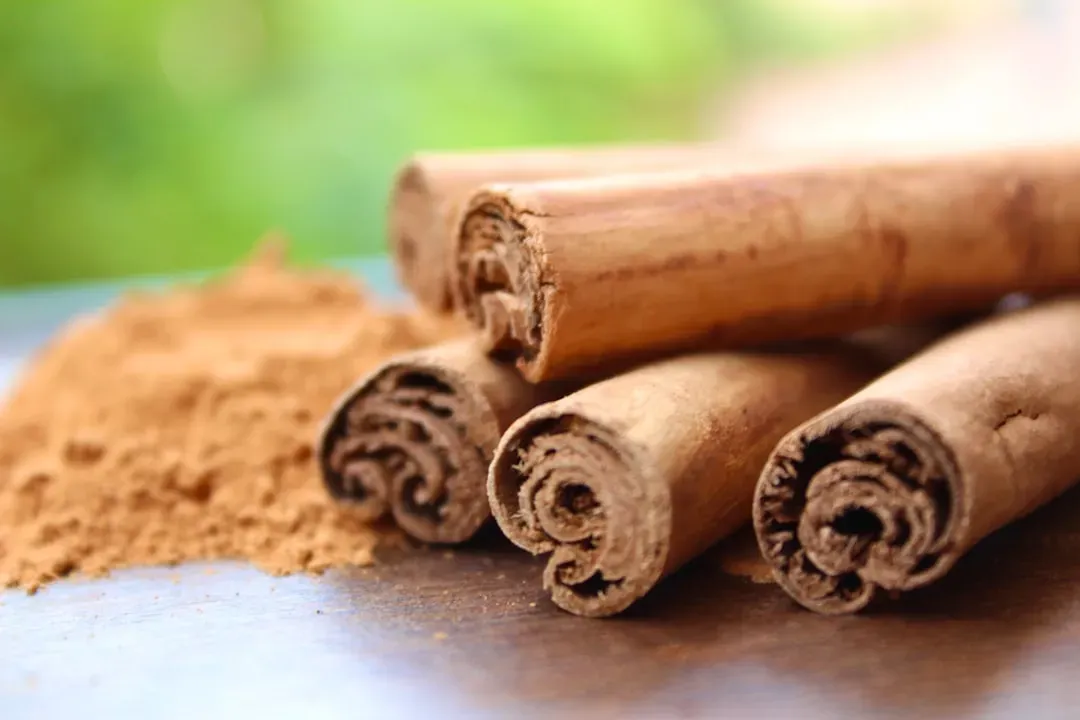
the scent of cinnamon, making this warm, cozy spice an unexpected weapon in your spider-fighting arsenal. Both cinnamon and cinnamon oil can be highly effective at repelling spiders. What I find fascinating is how something that makes our homes smell like the holidays can simultaneously make spiders want to pack their bags and leave.
Concentrated cinnamon oil is much more potent and stronger when it comes to scent than ground cinnamon. You can use either form depending on what you have available. For ground cinnamon, simply sprinkle small amounts into cracks where spiders might be making their homes, particularly in door or window frames. You can also place cinnamon sticks behind picture frames, on top of cabinets, or in corners where spiders tend to congregate.
If you prefer using cinnamon essential oil, mix ten to fifteen drops with water in a spray bottle. It’s important to note that you should always use 100% pure cinnamon oil as diluted oil will not have the same effect. The spray can be applied to entry points and spider-prone areas throughout your home.
The combination of vinegar and cinnamon oil creates a powerful scent that spiders try to avoid at all costs. Some people even use cinnamon candles to spread the scent throughout larger spaces. The beauty of this method is that your home will smell absolutely delightful while simultaneously becoming a no-go zone for arachnids.
Citrus

The citric acid and limonene compound in citrus oils are natural repellents that strip away scent trails and irritate spiders’ leg sensors. Lemons, oranges, limes, and grapefruits all pack a punch when it comes to spider deterrence. Spiders are not fans of citrus scents, making citrus peels eco-friendly and giving your home a pleasant, fresh smell.
Here’s something interesting though: lemon oil, the substance most likely to be cited as a repellent with over a million hits on Google, actually had no effect on spiders in scientific studies. This doesn’t mean citrus is useless, it just means we need to be smart about how we use it. Combining citrus with other repellents like peppermint can enhance effectiveness while keeping your space smelling fresh.
Rubbing lemon, orange, or lime peels along window sills and baseboards can help keep them away. The natural oils released from fresh peels are what do the trick. You can also place small pieces of citrus peel in dark, undisturbed areas like corners, cabinets, and behind appliances where spiders like to hide.
For a citrus spray, add several drops of orange or lemon essential oil to water with a bit of dish soap. The citrusy aroma masks scent trails that spiders use to navigate, making it tougher for them to stick around. Plus, who doesn’t love the smell of fresh citrus filling their home? It’s refreshing and uplifting for us while being absolutely repulsive to spiders.
Eucalyptus
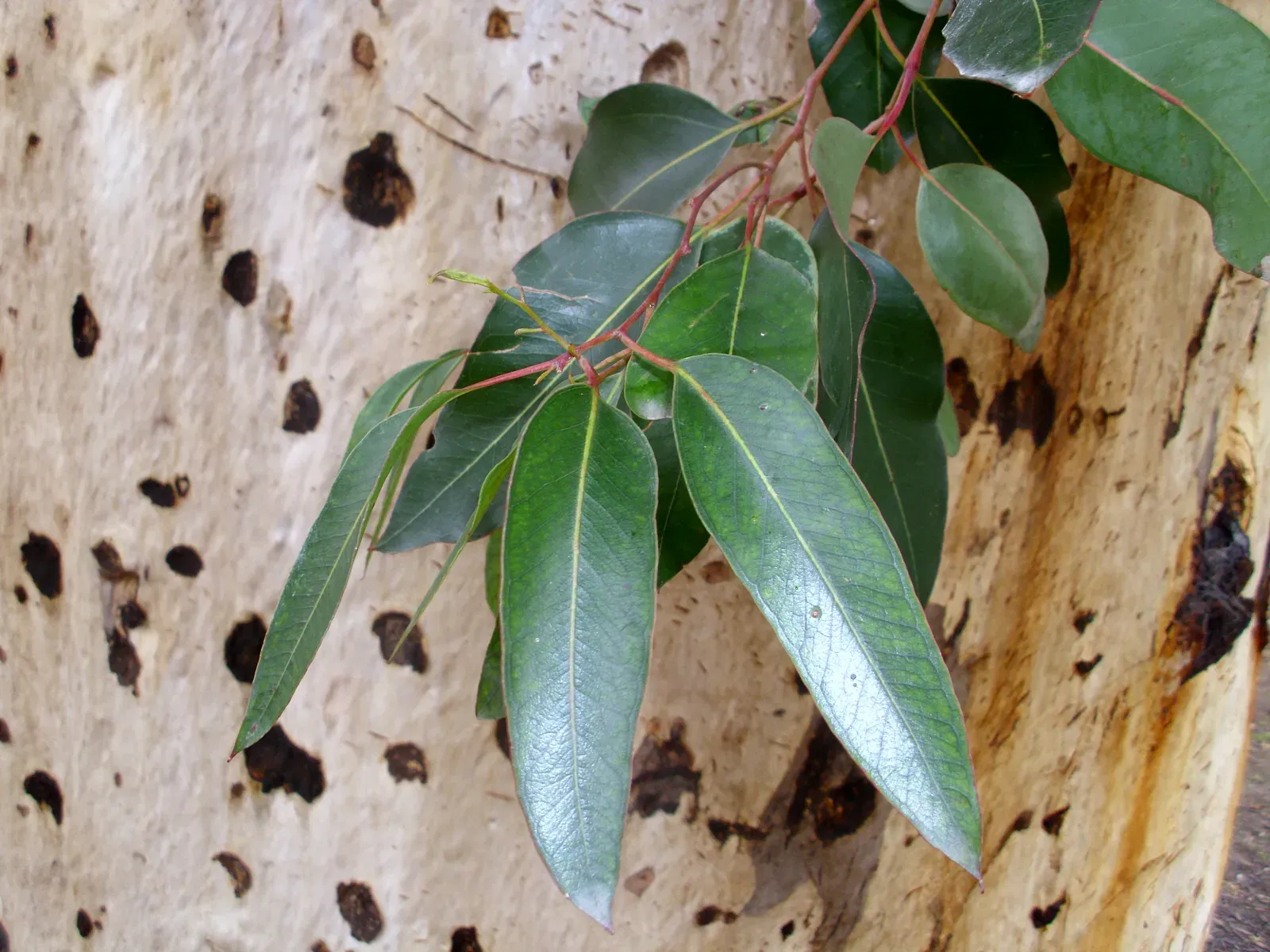
Eucalyptol, the active compound in eucalyptus, masks scent trails and confuses spiders, keeping them from returning to familiar paths or webs. Eucalyptus oil, known for its fresh and clean scent, is another excellent choice with its intense aroma that can repel spiders and other insects. This Australian native plant has been used for centuries in various applications, and spider control is one of its lesser-known but highly effective uses.
The sharp, woody aroma with minty undertones is pleasant for humans but disorienting for spiders. Mix eucalyptus oil with water and spray it around entry points, windows, and other areas where spiders are likely to enter. The oil provides dual benefits: it keeps spiders out while giving your home a refreshing, invigorating scent.
Eucalyptus oil’s intense aroma can repel spiders and other insects, and when mixed with water and sprayed around entry points and windows, it will help keep spiders out while providing a refreshing scent to your home. You can also boil water with eucalyptus oil and allow the steam to spread throughout a room for a more dispersed effect.
Another creative approach is planting eucalyptus or other aromatic plants near windows to create a natural barrier. The strong scent emanating from these plants acts as an invisible force field that spiders won’t want to cross. Let’s be honest, it’s pretty satisfying knowing that something so simple can be so effective.
Lavender

The delicate scent of lavender is soothing to us but disorienting to spiders, as its linalool and linalyl acetate compounds repel insects naturally. Most people associate lavender with relaxation, calming teas, and spa treatments, not spider warfare. Yet this gentle purple flower is surprisingly effective at keeping eight-legged intruders away.
Lavender essential oil is well-known for its calming and magical aroma, but many people are unaware that it can also repel insects such as spiders and mosquitoes. The floral, slightly woody scent creates a peaceful atmosphere for humans while making spiders extremely uncomfortable. It’s hard to say for sure exactly why they hate it so much, but the chemical compounds in lavender seem to interfere with their sensory perception.
You can use lavender in several ways around your home. Place lavender-scented sachets or cotton pads soaked in lavender oil in wardrobes, drawers, and behind curtains. Add a few drops to your laundry detergent to leave a lingering scent on clothes and linens, which is especially useful for keeping spiders out of closets and storage areas.
Creating a surface spray for windows and door frames with lavender and eucalyptus oils gives you a double-action repellent that smells absolutely heavenly. The combination of these two oils enhances the repelling effect while creating a unique, pleasant fragrance that makes your home feel like a sanctuary rather than a battlefield.
Tea Tree Oil

Tea tree oil is renowned for its antiseptic and antifungal properties, but it’s also effective in deterring spiders as its potent smell works as a natural repellent. This Australian essential oil has become increasingly popular in recent years for various household and health applications, and spider control deserves a spot on that list. Tea tree essential oil has a strong scent and chemical composition that repels many insects, including spiders.
The powerful, medicinal aroma of tea tree oil is something spiders absolutely cannot tolerate. Combine a few drops of tea tree oil with water in a spray bottle and treat areas where spiders are commonly seen. The oil works better when combined with other scents like lemon or lavender, creating a synergistic effect that’s even more powerful than using it alone.
Tea tree oil has proven to destroy or suppress the growth of parasites such as fleas, leeches, lice, and ticks, leaving spiders with nothing to munch on around the house. This indirect approach is pretty clever when you think about it. By eliminating the spiders’ food source, you’re making your home far less attractive to them in the first place.
Apply tea tree oil spray to corners, baseboards, and any dark areas where spiders might be lurking. Just remember that tea tree oil has a strong odor, so you don’t want to overdo it. A little goes a long way, and consistent application is more effective than drowning your house in the scent all at once.
Conclusion

Creating a spider-free home doesn’t require toxic chemicals or expensive professional treatments. Spiders dislike strong smells such as citrus, peppermint essential oil, tea tree, lavender, rose or cinnamon, and using these natural deterrents consistently can make a real difference in keeping your space arachnid-free. The key is understanding that these scents work by disrupting spiders’ navigation and making their environment unbearable rather than killing them outright.
Spiders are known to dislike certain smells that you can strategically place throughout the home, including cinnamon sticks, citrus, and essential oils such as peppermint, eucalyptus, and lavender. Combining multiple methods often yields the best results. You might use peppermint spray around entry points, place cinnamon sticks in corners, and rub citrus peels along windowsills for comprehensive protection.
Remember that natural repellents require regular reapplication to maintain their effectiveness. Essential oils lose potency over time through evaporation, so spraying once a week or every few days keeps that protective barrier strong. It’s also important to address the root cause by keeping your home clean, sealing cracks, and eliminating clutter where spiders like to hide.
These natural solutions offer peace of mind knowing you’re protecting your family and pets from harsh chemicals while still maintaining control over unwanted guests. The pleasant aromas are an added bonus that makes your home smell wonderful rather than like a chemical factory. What’s your favorite scent for keeping spiders away? Have you tried any of these methods with success? The beauty of natural repellents is that you can experiment and find what works best for your specific situation.

- 8 US States With the Most Horseshoe Crab Spawning Beaches - August 6, 2026
- What It Means When a Cardinal Taps at the Same Window Each Morning - August 6, 2026
- 7 Reasons Mountain Lions Avoid Humans More Often Than They Approach - August 6, 2026