

You’ve probably noticed how your dog seems to know exactly when you need a comforting cuddle after a rough day. Maybe you brushed it off as coincidence or just wishful thinking. Yet here’s the thing: scientists have been piecing together evidence that suggests dogs are far more attuned to our emotional states than we ever imagined. They’re not just reacting to random cues or following basic training protocols. They’re actually decoding our feelings through multiple channels at once, using abilities that go well beyond what meets the eye. Let’s be real, the bond between humans and dogs runs deeper than most of us realize. So let’s dive in and explore how these four-legged companions are secretly reading your emotional book.
They Decode Your Facial Expressions Like Expert Mind Readers

Dogs can recognize six basic emotions including anger, fear, happiness, sadness, surprise, and disgust, and they process these in similar ways as humans, with changes to heart rate and gaze. It’s almost eerie when you think about it. Your dog doesn’t just glance at your face. They study it.
Dogs recognize emotions in humans by combining information from different senses, and they must form abstract mental representations of positive and negative emotional states rather than simply displaying learned behaviors. Picture your pup watching your face, noting the slight downturn of your mouth, the tension around your eyes, the way your brow furrows. It’s like they’re decoding a language without words.
Studies have shown that dogs present cognitive biases when exploring faces and show differential visual processing when presented with human or dog faces. Research shows they actually look at our faces differently than they look at anything else. They prioritize certain features to extract emotional content quickly. Honestly, it makes you wonder who’s really observing whom in this relationship.
Their Noses Detect Chemical Changes When You’re Stressed
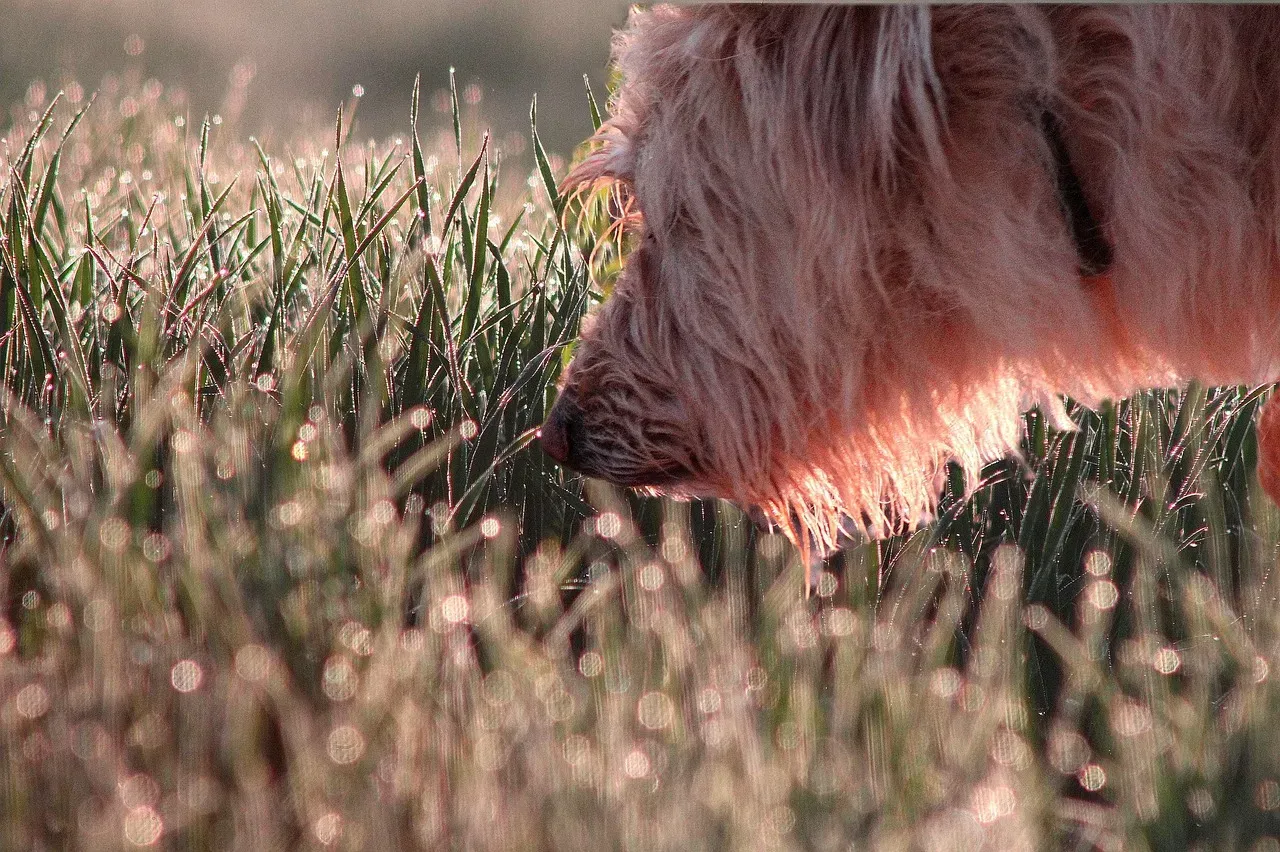
This one blows my mind every single time. Due to their elevated sense of smell, dogs are highly sensitive to changes in our body odor that are undetectable to other humans, and they can smell the chemical changes that occur when we feel different emotions. Think about that for a second. While we’re completely oblivious to our own scent shifts, dogs are picking up on volatile organic compounds released through our sweat and breath.
When researchers presented stress and baseline samples to dogs, they could tell the difference between the two with over ninety percent accuracy. That’s not guesswork or intuition in the mystical sense. That’s raw biological detection power. Acute stress changes volatile organic compounds in breath and sweat, and these compounds are detectable to dogs’ noses.
Previous research suggests that dogs can detect when humans are experiencing stress, and one study tested whether baseline and stress odors were distinguishable to dogs using a double-blind procedure. The implications here stretch far beyond simple pet behavior. We’re talking about an entirely different sensory reality dogs inhabit compared to us.
They Match Your Vocalizations to Your Emotional State

Dogs spent significantly longer looking at facial expressions which matched the emotional state of vocalizations from both human and canine subjects, and the integration of different types of sensory information indicates that dogs have mental representations of positive and negative emotional states. So when you’re speaking in a happy, upbeat tone, they’re cross-referencing that with your facial expression to confirm the emotion you’re genuinely feeling.
They’re basically conducting their own little emotion verification process in real time. If your voice sounds cheerful but your face looks tense, they notice the mismatch. Dogs discriminate and show differential responses to emotional cues expressed through body postures, facial expressions, vocalizations, and odors.
This cross-modal perception means dogs don’t rely on a single signal. They’re synthesizing multiple streams of information simultaneously, which requires pretty sophisticated cognitive processing. I find it fascinating that they possess this level of emotional intelligence, especially considering how often we underestimate what’s happening inside their minds. It’s not just about wagging tails and eager barks.
They Respond Differently When You’re Genuinely Sad Versus Pretending

Here’s where it gets really interesting. Dogs behaved differently depending on the owner’s emotional state: they gazed and jumped less at owners when they were sad, and their compliance with the sit command was also diminished. They actually tone down their exuberance when they sense sadness radiating from you. It’s like they instinctively understand that bouncing around isn’t what you need right now.
Dogs are clearly able to perceive genuine human emotions, in particular those of their owners. What makes this remarkable is that studies have shown dogs can distinguish between authentic emotions and acted ones. In one study, researchers used a holistic approach in which humans were manipulated to genuinely experience the emotion during the actual experiment.
This means your dog isn’t fooled by surface-level performance. They’re tapping into something deeper, something more authentic about how you’re truly feeling beneath whatever mask you might be wearing for the outside world.
Your Stress Literally Becomes Their Stress

The only variable that correlated to the dog’s stress level was their owner’s stress level, suggesting pets may pick up on their owners’ neuroses. It’s a bit unnerving when you realize your emotional baggage doesn’t just affect you. Dogs had similar cortisol levels to their owners, and the stress measured in the dogs largely depended on their owner’s stress levels.
This phenomenon is called emotional contagion. Both humans and dogs are social animals, and there’s an emotional contagion between us. Your anxiety becomes their anxiety, almost like they’re absorbing your tension through some invisible emotional osmosis. I know it sounds crazy, but the science backs it up.
If an owner suffered from anxiety, the dog’s cortisol levels were higher. Knowing this changes everything about how we should approach our relationship with our dogs. If we’re constantly stressed, we’re potentially creating a chronically anxious environment for them too. That’s a heavy responsibility to carry.
They Make Pessimistic Decisions When They Smell Your Anxiety

Dogs were more hesitant to approach a bowl in an ambiguous location after smelling the odor of a stressed stranger, meaning they were more pessimistic that it would have any food in it. Let that sink in. The scent of human stress actually changes how dogs perceive risk and reward in their environment.
When dogs are around stressed individuals, they’re more pessimistic about uncertain situations, whereas proximity to people with the relaxed odor does not have this effect. This isn’t just about picking up on emotional signals. It’s about those signals fundamentally altering their decision-making processes and expectations about the world around them.
Previous research has shown that an expectation of a negative outcome reflects a down mood in dogs. So when you’re stressed, your dog isn’t just noticing it passively. They’re actively becoming more cautious, more doubtful, and less willing to take chances. Your emotional state is shaping their entire cognitive outlook.
They Use Social Referencing to Gauge Danger Based on Your Reactions
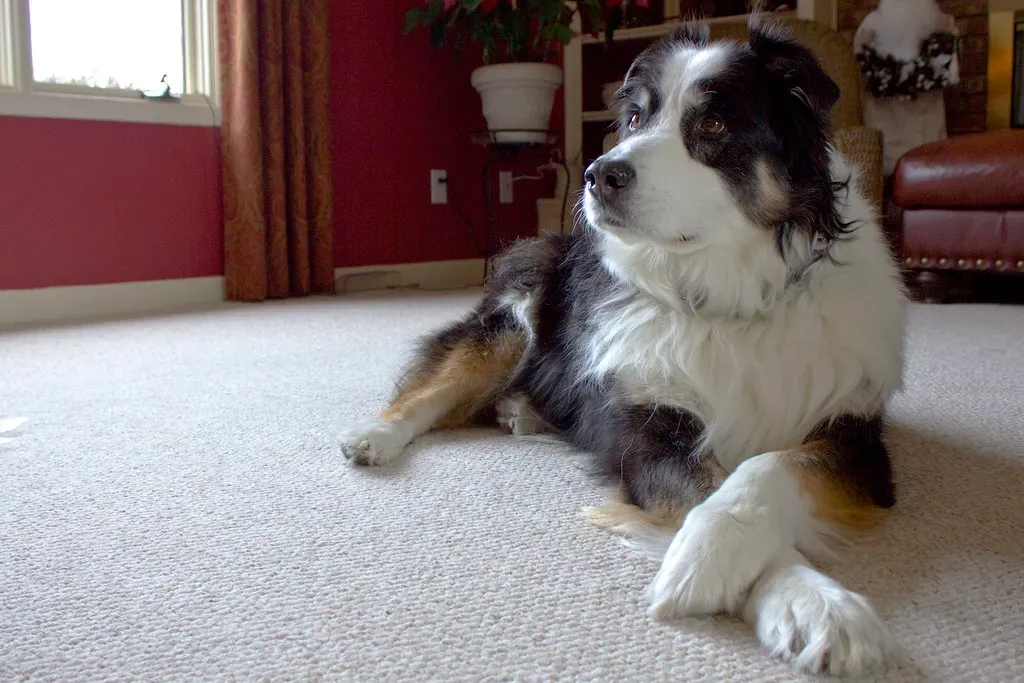
Dogs can use their sensitivity to humans to learn about potentially dangerous objects through social referencing, and when owners are anxious, dogs inhibit their movements toward the object, but if owners are relaxed with the object, dogs move toward it and interact with it sooner. This is basically your dog looking to you for emotional guidance about whether something is safe or threatening.
Think of it like a child checking their parent’s face before deciding if a new situation is scary or exciting. Dogs do the same thing with us. They’re constantly monitoring our emotional responses to novel objects or situations and using that information to calibrate their own reactions.
Dogs can utilize emotional information to find food, as seen in a study where the human reacted emotionally to hidden contents of boxes, and dogs chose the box that the human pretended to be happy about. They’re not just passive observers. They’re actively leveraging our emotional displays to navigate their environment more effectively. It’s adaptive intelligence at its finest.
They Exhibit Specific Mouth-Licking Behavior When You’re Upset

Mouth-licking was exhibited significantly more towards human faces showing negative emotional expression compared with happy faces. This subtle gesture isn’t random nervous behavior. It’s a specific functional response to negative emotions they detect in us. It’s hard to say for sure, but researchers believe it might be a calming signal or an attempt at social communication.
Lip-licking forms part of dogs’ greeting behavior towards humans, and this gesticulation can play a crucial role in communication by serving as a signal that expresses peaceful intentions. So when you’re feeling down and your dog starts licking their lips repeatedly, they might be trying to de-escalate the emotional tension in the room.
It’s their way of saying everything’s okay, let’s keep things peaceful here. The fact that this behavior increases specifically in response to our negative emotions suggests a level of social sophistication we’re only beginning to fully appreciate. They’re not just feeling creatures. They’re communicating creatures responding to our emotional broadcasts.
They Approach Crying Individuals Faster Than Calm Ones

Dogs went through a door significantly faster when their owners cried than when they hummed, suggesting that the dogs recognized distress and wanted to help. There’s something profoundly moving about this finding. Your dog isn’t just curious about strange sounds. They’re demonstrating what appears to be genuine empathy-driven behavior.
Researchers felt that the dogs’ reactions were based on emotional content rather than curiosity, which further suggests that dogs act out of empathy by approaching distressed individuals with comfort-offering behaviors. Even more telling, when the stranger was crying, dogs approached the stranger rather than their owners.
This shows they weren’t seeking comfort for themselves. They were offering comfort to whoever needed it most. The dogs that don’t outwardly show concern are often so affected by their owners’ distress that they become unable to offer help. Not every dog can act on their empathy, especially if they’re overwhelmed by the emotional intensity themselves. Still, the impulse is there.
They Mirror Changes in Your Heart Rate and Gaze Patterns
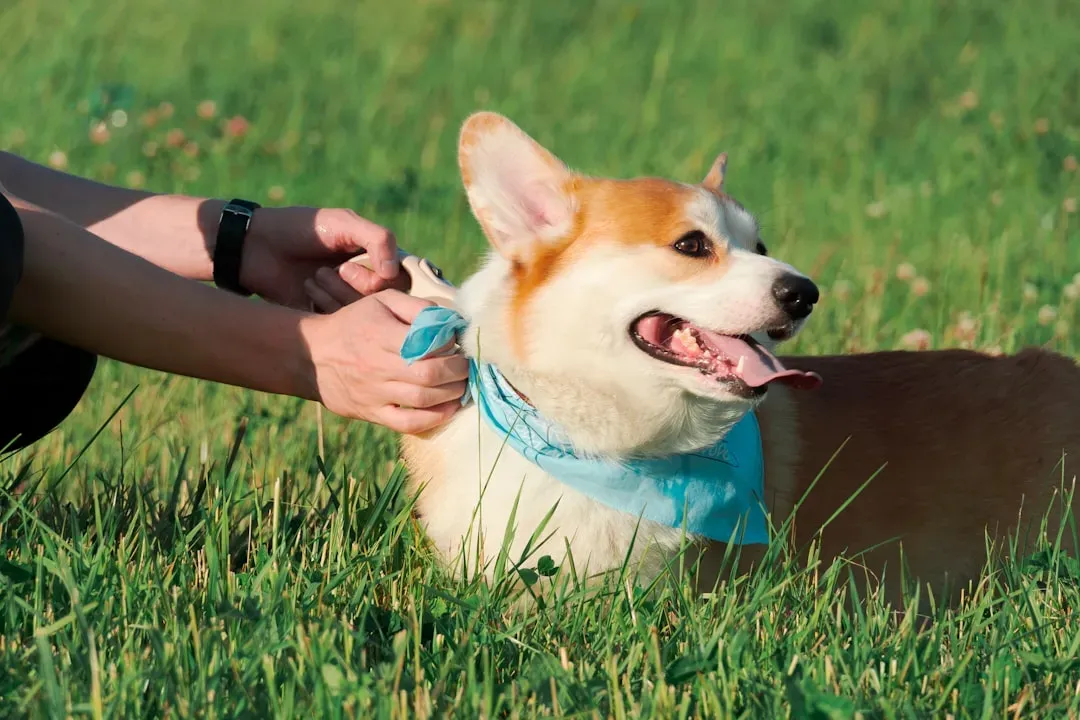
Dogs process emotions with changes to heart rate and gaze. When you’re experiencing strong emotions, your dog’s physiological responses actually sync up with yours to some degree. When dogs are exposed to the scent of fear, they exhibit more stressful behaviors and higher heart rates than when exposed to happy scents.
Their cardiovascular system is essentially responding to your emotional state as if it were their own experience. It’s biological mirroring at a fundamental level. Dogs’ heart rates were found to be higher when exposed to fearful human odors.
The gaze patterns are equally telling. Dogs look at emotionally charged faces longer and with more focus than neutral ones. They’re extracting maximum information from your expressions, trying to decode exactly what you’re feeling and what it might mean for them. This isn’t passive observation. It’s active, engaged emotional processing happening in real time between two different species.
Their Ears Flatten and Body Language Shifts Based on Your Mood
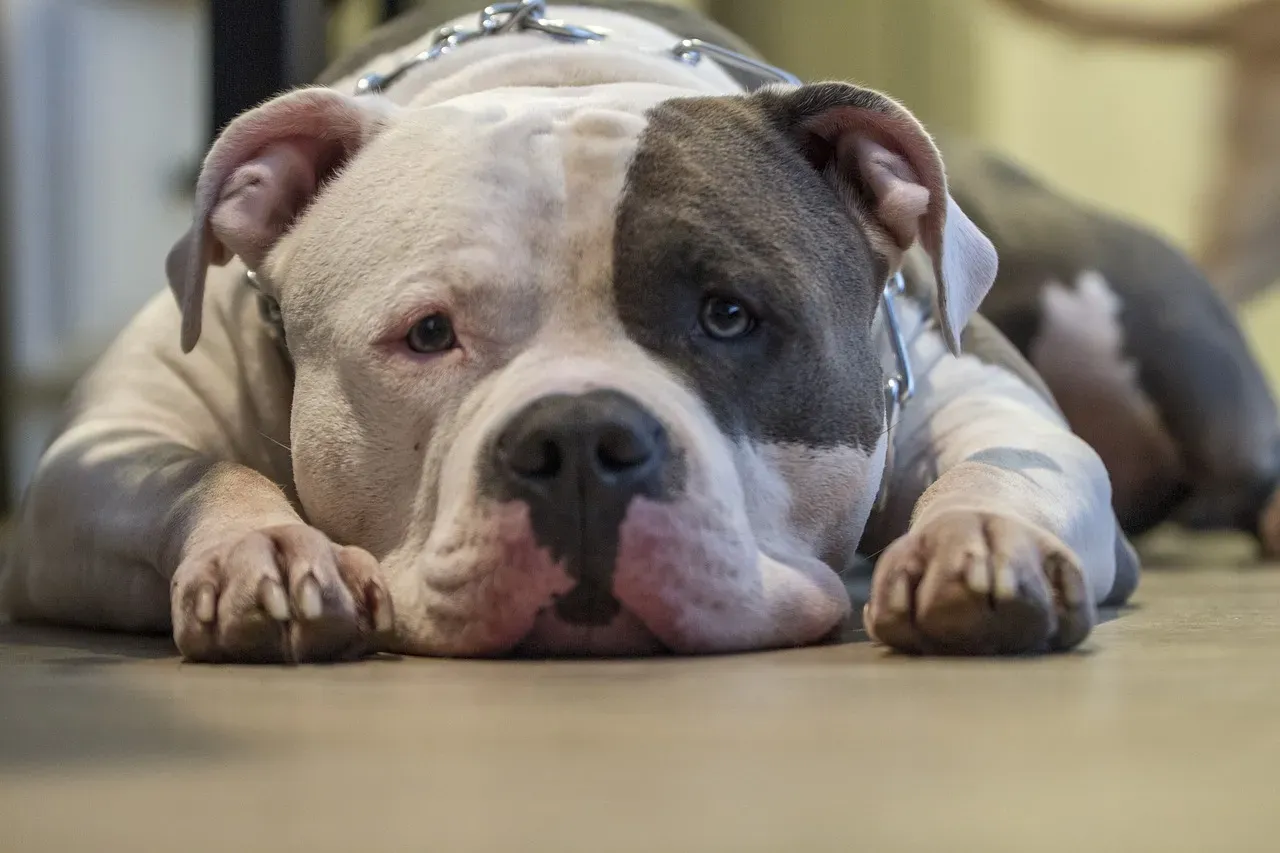
The simplified decision tree studied emotional recognition using Ears Flattener as a key variable, and these trees are closely related to concepts useful for human experts, specifically for emotion indicators, which are meant to accurately identify a specific emotional state. When dogs experience frustration or negative anticipation, specific facial movements occur, particularly with their ears.
Dogs are highly sociable animals, and the primary means by which they convey their emotions are through their body language, vocalizations, and behavioral indicators. The position of their ears, the tension in their body, the way they hold their tail all shift in response to the emotional climate you’re creating. They’re constantly broadcasting their own emotional state while simultaneously monitoring yours.
In several species, facial expressions have been associated with positive and negative emotions to communicate their mental state, and in dogs, the interpretation of these muscle movements is relevant because of their close bond with humans. The fact that we’ve co-evolved together for thousands of years means both species have become increasingly adept at reading each other’s subtle cues. It’s a two-way emotional conversation happening constantly, whether we’re consciously aware of it or not.
Conclusion
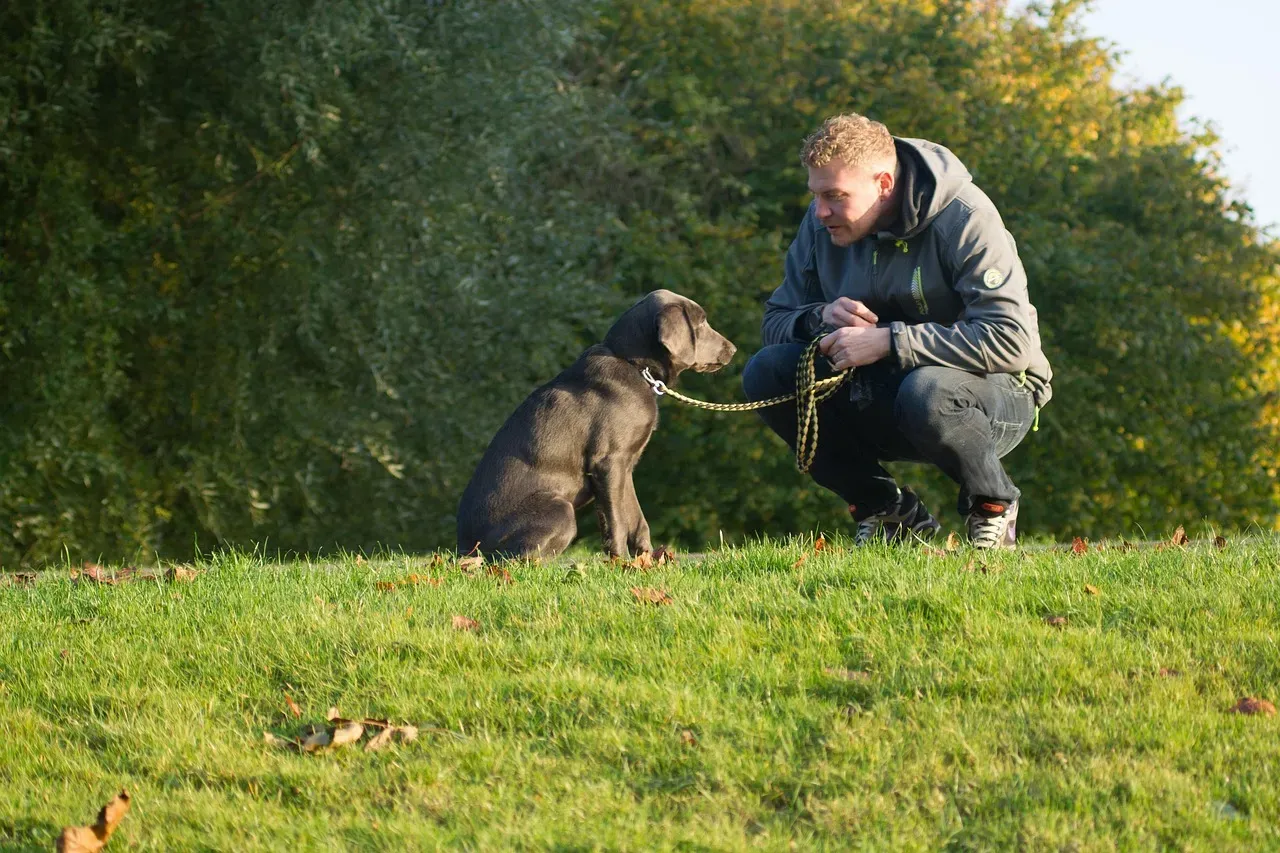
The emotional connection between dogs and humans runs far deeper than simple companionship. Humans and dogs have been close companions for perhaps thirty thousand years, so it would make sense that dogs would be uniquely qualified to interpret human emotion. They’re not just pets sharing our space. They’re emotional partners actively engaged in a complex dance of mutual understanding.
Dogs’ social cognition facilitates interaction with humans, and the ability to read and respond appropriately to emotional cues may have been key for the establishment of these interspecific bonds. Every tail wag, every sympathetic gaze, every moment they rest their head on your lap when you’re feeling low – these aren’t accidents. They’re manifestations of an extraordinary ability to sense, process, and respond to the emotional landscape of human experience.
What surprises you most about how deeply your dog understands what you’re feeling? Tell us in the comments.

- The Ancient Secrets of Yellowstone’s Wild Animals Revealed - August 6, 2026
- Are Some Common Pet Behaviors Actually Signs of Undiagnosed Stress? - August 6, 2026
- 8 US States With the Most Horseshoe Crab Spawning Beaches - August 6, 2026