
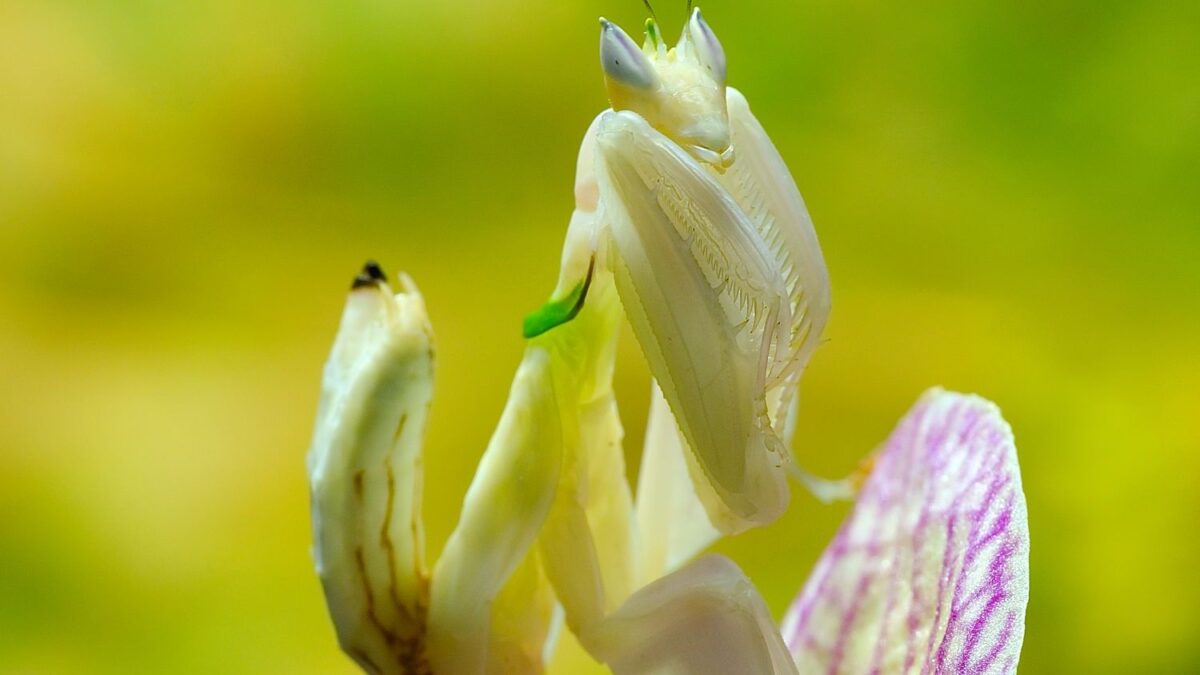
Nature has a way of blurring boundaries, but few creatures do it quite as dramatically as the orchid mantis. When you first encounter one of these insects perched among tropical blooms, your brain might struggle to process what it’s seeing. Is that a flower? Is it an insect? Here’s the thing: it’s both and neither at the same time.
This petite predator has spent millions of years perfecting an illusion so convincing that even experienced botanists have done double-takes. We’re talking about an insect that doesn’t just hide from predators or sneak up on prey. It actively lures its victims toward death by masquerading as the very thing those victims seek for survival. Let’s be real, that’s equally fascinating and slightly terrifying. So let’s dive in and unravel what makes this living flower one of nature’s most captivating tricksters.
It’s Not Actually Mimicking a Specific Orchid
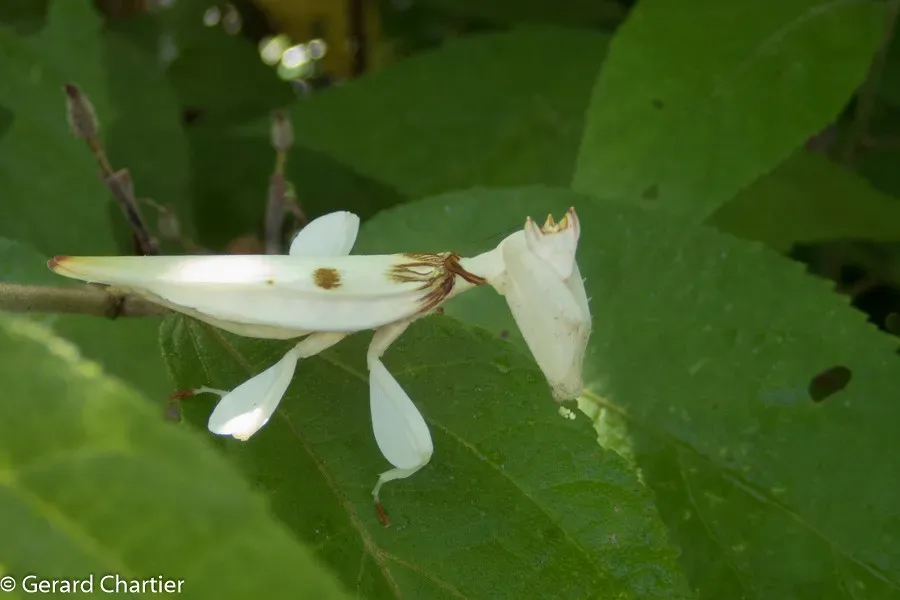
Despite its name, research shows the orchid mantis doesn’t actually mimic a specific orchid or any particular flower species. If you’ve been imagining this insect meticulously copying one exact bloom, think again. This might actually be deliberate, allowing orchid mantises to pull in many types of prey instead of targeting insects that feed on just one specific orchid.
The mantis essentially presents itself as a generic flower template, hitting all the right visual notes without committing to any one species. The orchid mantis doesn’t mimic a specific flower species, but its appearance seems tailored to how pollinators like bees and butterflies perceive color, making it a surprisingly effective lure. Think of it like a simplified icon of a flower rather than a photorealistic portrait.
This convergence may represent an average flower type rather than an exact replica. From a pollinator’s perspective, close enough is deadly.
This Insect Actually Attracts More Prey Than Real Flowers Do
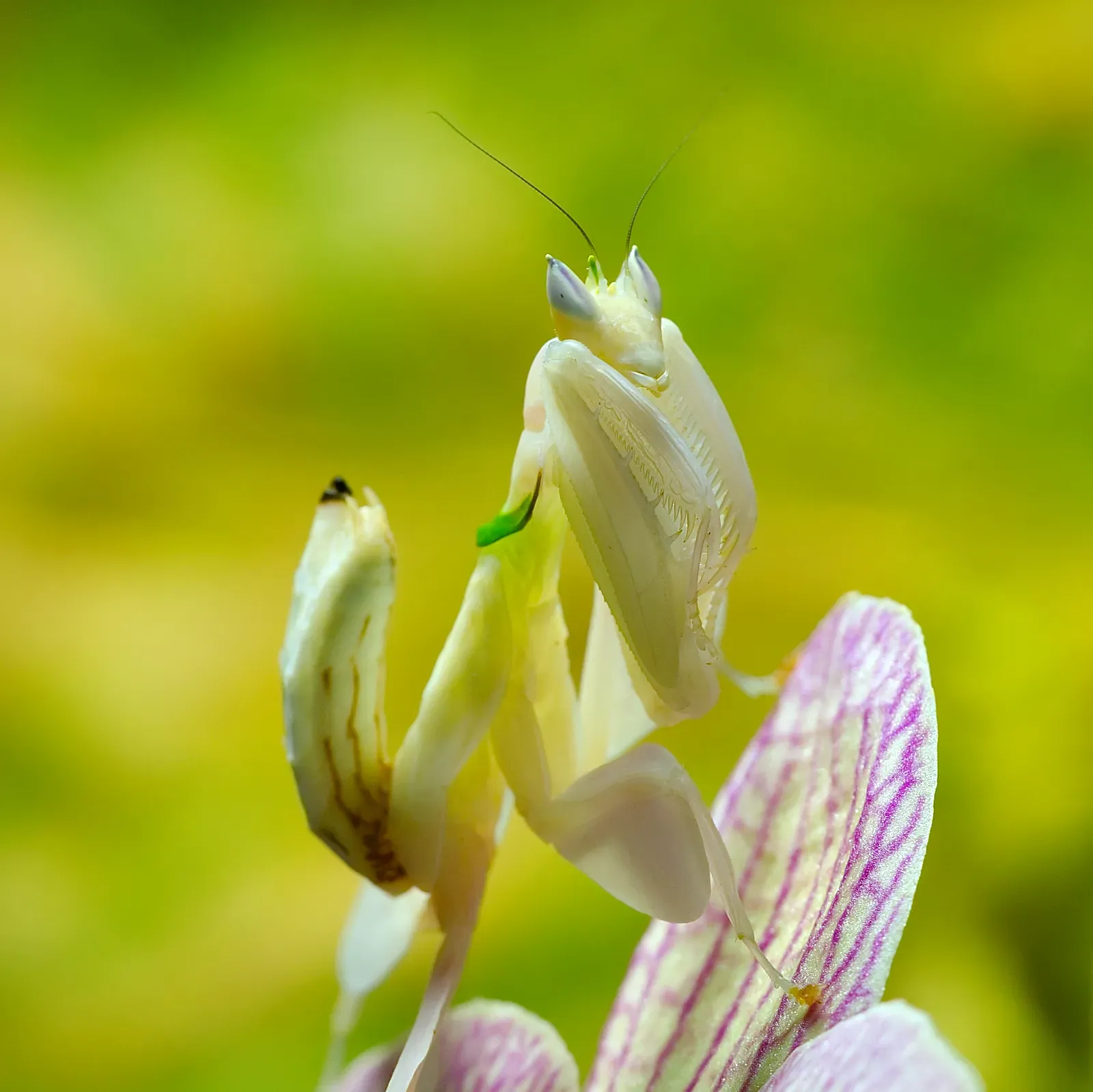
Field experiments show that isolated mantises attract wild pollinators at a rate even higher than flowers. Let that sink in for a moment. An insect pretending to be a flower is more appealing to bees and butterflies than the actual flowers around it. How is that even possible?
The mantis takes advantage of sensory exploitation by using a concentrated mass of the right color, functioning as a supernormal stimulus that insects classify as a giant nectar-filled flower. Essentially, the orchid mantis has hacked the pollinator’s decision-making system. Pollinators have a shortcut rule of thumb: anything matching a certain color is a nectar-containing flower, with more color potentially meaning more nectar, and they make no cross-checks.
Studies have shown that these mantises attract more pollinating insects than actual flowers do. The mantis essentially out-flowers the flowers. Talk about taking aggressive mimicry to the next level.
It Can Slowly Change Color Based on Its Surroundings
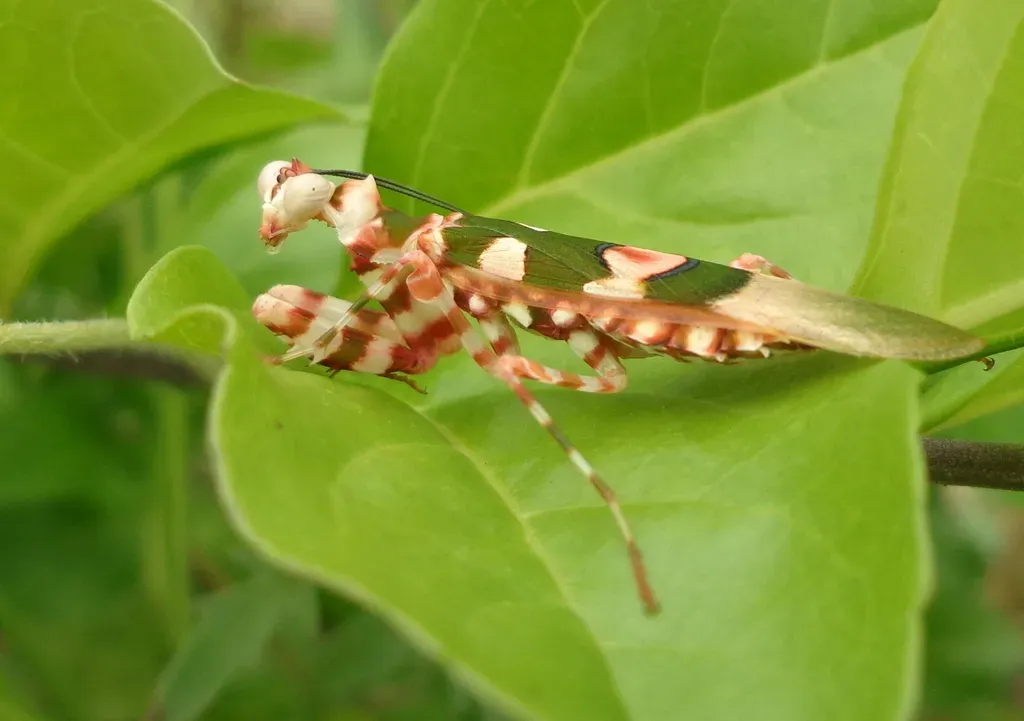
The mantis can change its color between pink and brown according to the color of the background. Now, don’t expect anything as instantaneous as a chameleon here. While orchid mantises can’t snap their fingers and instantly transform, they can trigger slow color changes when detecting something new in their environment, going from the lightest pinks to the darkest browns if given enough time.
These mantises can change their color from white to pink, purple, greenish-yellow, or brown depending on the coloration of their background. Their change of color isn’t instantaneous; it usually takes days to weeks, and the insect must be still growing for the transformation to take place. This adaptation allows them to fine-tune their disguise as they move between different flowering plants. One day it might match pale blossoms; a week later it’s shifted to complement deeper hues.
The process is controlled by environmental cues like temperature, humidity, and light exposure. It’s hard to say for sure, but this gradual shift probably gives them a survival edge in diverse tropical habitats.
Juvenile Orchid Mantises Look Like Stink Bugs First
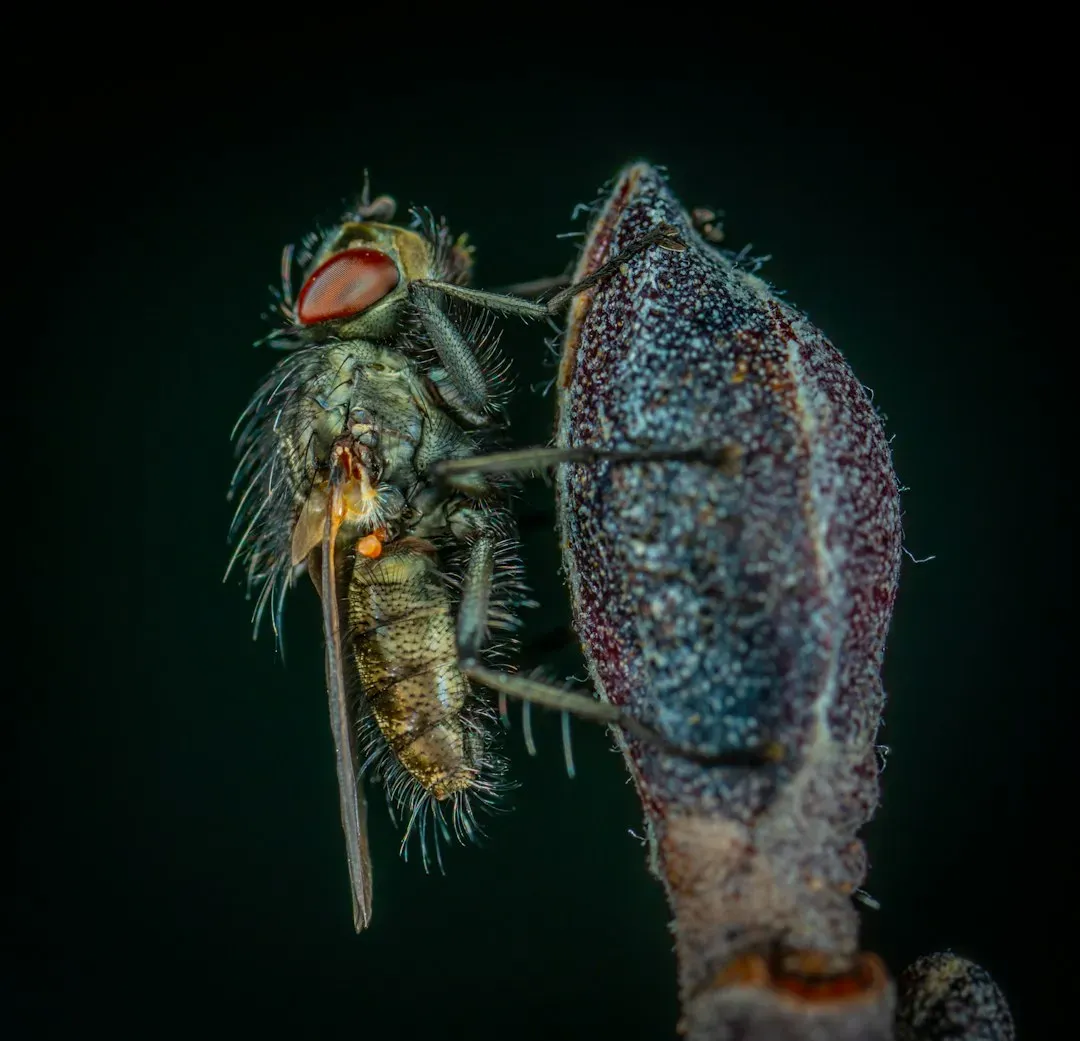
When orchid mantises first hatch, they don’t resemble flowers at all. First-stage nymphs mimic bugs of the family Reduviidae, which have a powerful bite and are foul-tasting. Newly hatched first-instar nymphs are dark, wingless, and highly mobile, resembling miniature assassin bugs with striking red-orange and black coloration, which provides protection through warning coloration as predators learn to avoid these foul-tasting, biting insects.
As nymphs develop through approximately six molt cycles, they gradually acquire their characteristic flower-like form, with the dramatic color shift from dark warning colors to white, pink, and yellow hues beginning by the second instar. This developmental progression represents a complete shift in predatory strategy. Early on, survival means looking dangerous. Later, survival means looking delicious – to prey, not predators.
The transformation is orchestrated by a unique pigment transporter gene. It’s fascinating how this insect switches entire disguise strategies mid-life.
They Use Chemical Tricks in Addition to Visual Mimicry
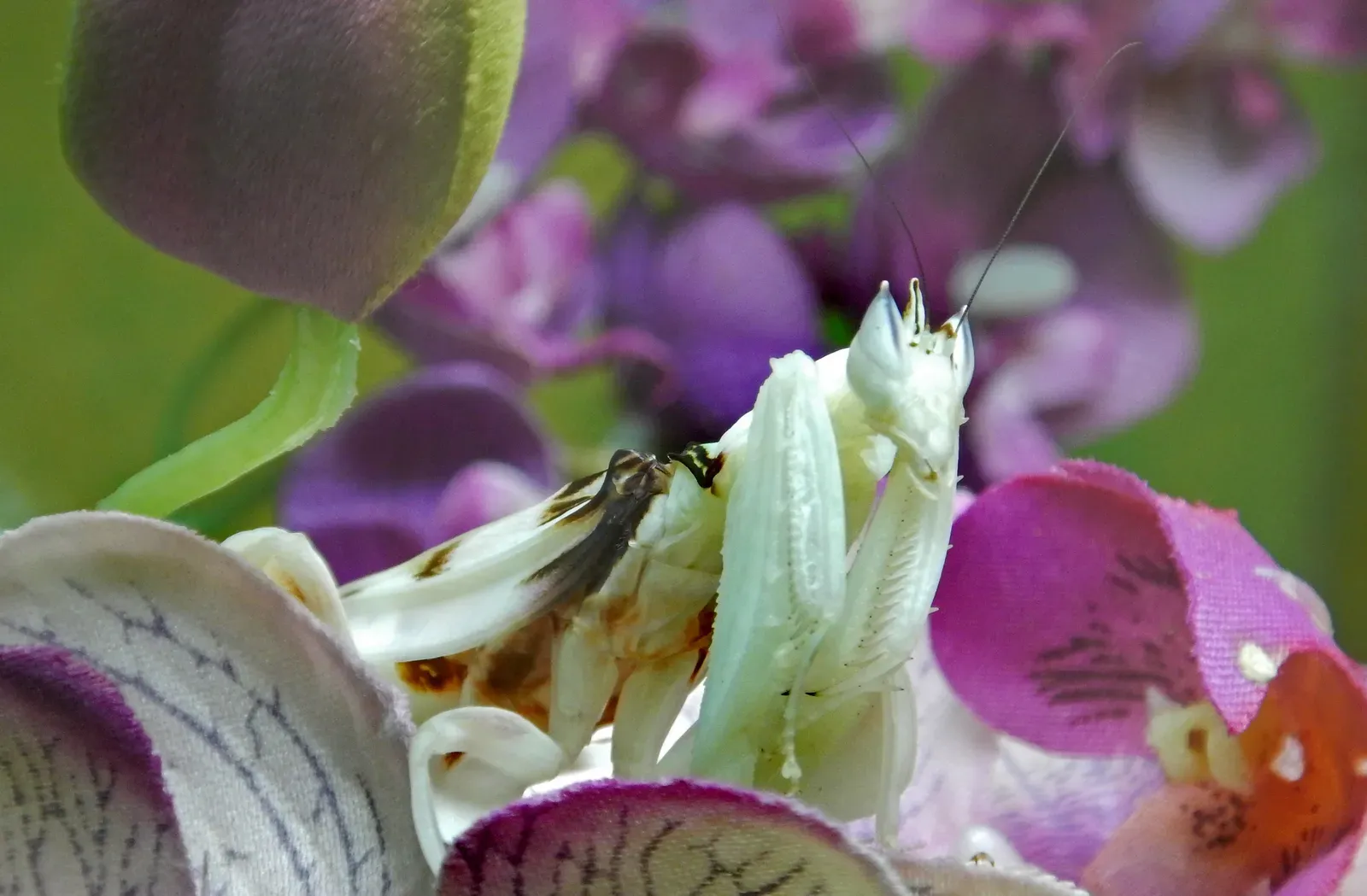
The visual disguise is impressive enough, but juvenile orchid mantises also deploy chemical warfare. Gas chromatography analysis revealed that the mantis’s mandibular adducts contained chemicals that are also features of oriental honeybee pheromone communication, and they successfully detected these chemicals emitted only when juvenile mantises were attempting to capture prey.
Juvenile mantises secrete a mixture of chemicals that attract their top prey species, the oriental bumblebee, in aggressive chemical mimicry that imitates the bee’s pheromones, and these chemicals are stored in the mandibles and released when hunting, though adults do not produce them. Think about the evolutionary sophistication here: not only does the mantis look like a flower, but it also smells like a bee to other bees.
Juveniles might have acquired chemical tactics to capture flower-visiting insects in addition to visual mimicry. This double-trick approach significantly boosts hunting success. Visual mimicry may have kept researchers from exploring these less obvious tactics for years.
Females Are More Than Twice the Size of Males
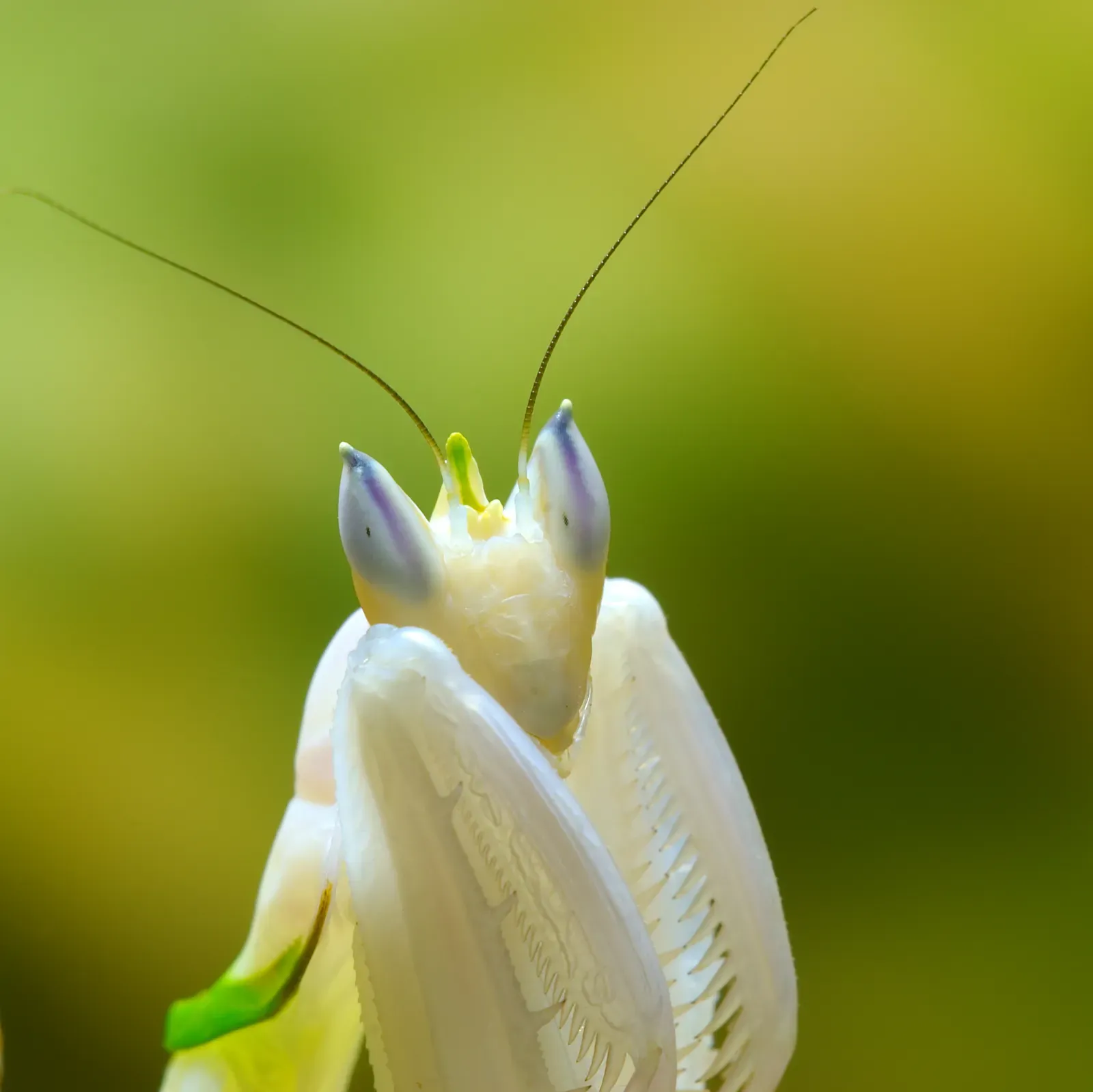
H. coronatus shows some of the most pronounced size sexual dimorphism of any species of mantis, with males being less than half the size of females. Females can be up to 7 centimeters long, roughly twice the size of a human thumbnail, while males are much smaller at only about 2 centimeters long.
Research suggests the females’ strategy of hunting pollinating insects shaped the species’ evolution, leading to big females that resemble orchids and small males adept at hiding. Sedentary female flower mantises dramatically increased in size prior to a transition from camouflaged ambush predation to a floral simulation strategy, gaining access to large pollinating insects.
Male flower mantises remained small and mobile to facilitate mate-finding and reproductive success, consistent with ancestral male life strategy. The evolutionary pressure wasn’t about females producing more eggs, as is typical in sexually dimorphic species. Sex-dependent selective pressures acting on female predatory success rather than reproductive success drove extreme sexual dimorphism through female gigantism. Basically, females got huge because they needed to catch bigger prey, not because bigger bodies meant more babies. That’s unusual in the arthropod world.
They Hunt With Lightning Speed and a Special Black Spot Lure
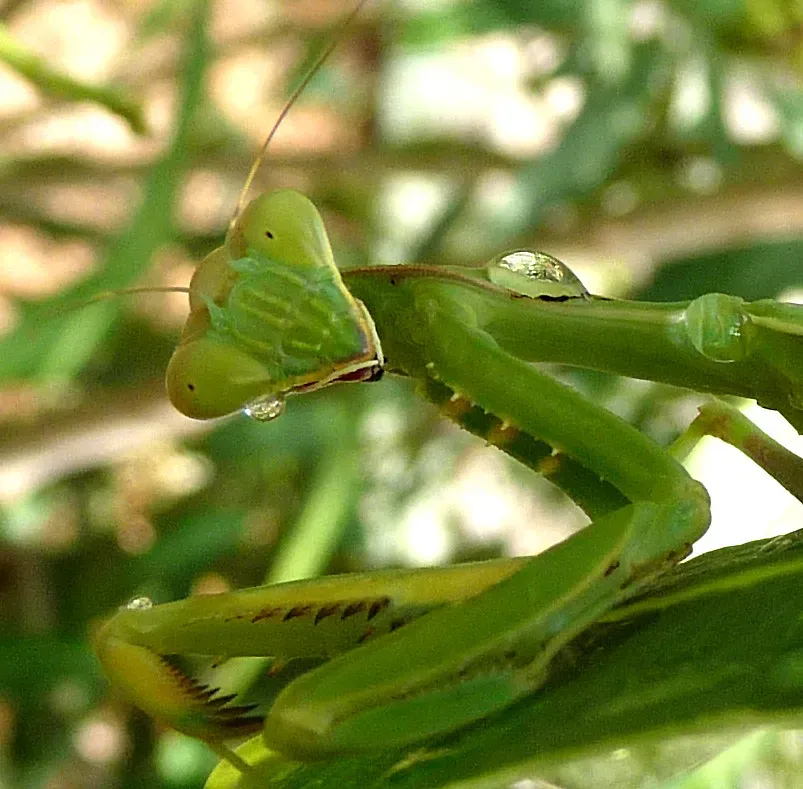
These mantises are known to grab their prey with blinding speed, and they sway from side to side mimicking the wind, with a small black spot on the end of the mantis’s abdomen that resembles a fly, attracting small flies and insects. That spot functions as an additional lure – a fake insect on a fake flower. The layers of deception here are almost comical.
When prey approaches believing it’s found a flower, the orchid mantis strikes within 50 milliseconds using barbed raptorial forelegs that prevent escape, demonstrating predatory precision refined through millions of years of evolution. Fifty milliseconds. That’s faster than you can blink. This ambush predation technique gives the orchid mantis a hunting success rate around 50%, far exceeding most other feline and insect predators.
Their diet includes bees, butterflies, flies, moths, and even larger prey. Orchid mantises have been known to take down prey larger than themselves, including animals like frogs, rodents, and even birds. Honestly, for something the size of your thumb, that’s downright terrifying.
They Live in Southeast Asian Rainforests and Face Conservation Threats
Hymenopus coronatus is found in tropical regions of Southeast Asia, including Cambodia, Indonesia, Laos, Malaysia, Myanmar, Singapore, Thailand, and Vietnam. They inhabit tropical rainforests where flowering plants are abundant, positioning themselves on papaya trees, orchids, and frangipani trees.
Although not officially listed as globally endangered, the orchid mantis faces increasing conservation pressures from habitat loss through tropical forest destruction, wetland drainage, and agricultural expansion that eliminates the flowering vegetation they depend upon, with deforestation fragmenting orchid mantis populations into isolated groups. The illegal exotic pet trade compounds conservation concerns significantly, as the orchid mantis commands premium prices among collectors due to its striking appearance, with likely many wild-caught specimens exported annually despite legal protections, though captive breeding programs have emerged to reduce wild collection pressure.
The irony is brutal: an insect that evolved to be irresistibly attractive is now threatened partly because humans find it irresistibly attractive too. Preserving intact rainforest habitats remains the most effective conservation strategy.
Conclusion
The orchid mantis stands as one of evolution’s most remarkable achievements. From its color-changing abilities to its chemical trickery, from its extreme sexual dimorphism to its terrifying hunting efficiency, this insect rewrites the rules on what mimicry can achieve. It doesn’t just blend in; it actively advertises itself as something desirable, turning the tables on unsuspecting pollinators.
What makes this creature even more compelling is how much we’re still learning about it. Researchers continue uncovering new layers to its deception, from the genetic mechanisms behind its color shifts to the ecological pressures that drove such extreme differences between males and females.
As tropical rainforests shrink and the pet trade continues, we may lose these living flowers before fully understanding them. What do you think about these masters of disguise? Tell us in the comments.

- 8 Scents That Cockroaches Hate - August 10, 2026
- 8 Ways Glaciers Carved New York's Finger Lakes - August 10, 2026
- 8 Ways Bobcats Move Through Suburbs Without Being Seen - August 9, 2026