
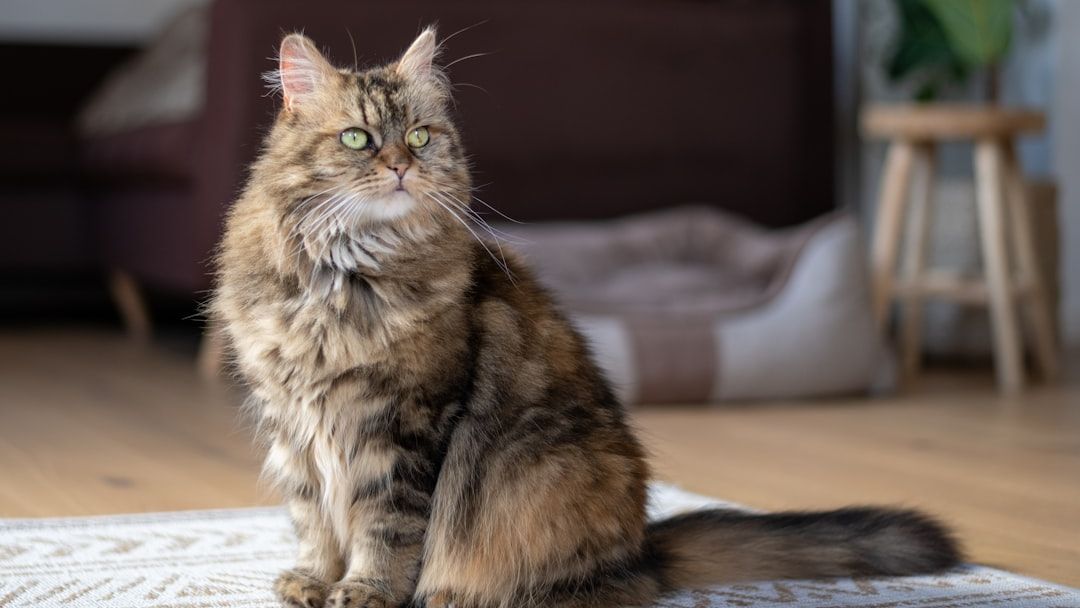
Think training is only for dogs? Think again. Cats have their own reputation for independence, sure, that’s no secret. Some felines will happily learn tricks and commands, while others will stare at you like you’ve lost your mind. It’s fascinating how breed tendencies can shape these behaviors, though every cat ultimately writes their own rulebook.
Cats are really smart, which makes them capable learners when they want to be. The real question is whether your particular kitty wants to cooperate or prefers doing things their way. Let’s explore which breeds tend to be more receptive to training and which ones march to the beat of their own drum.
Bengal: The Wildcat Who Loves to Learn
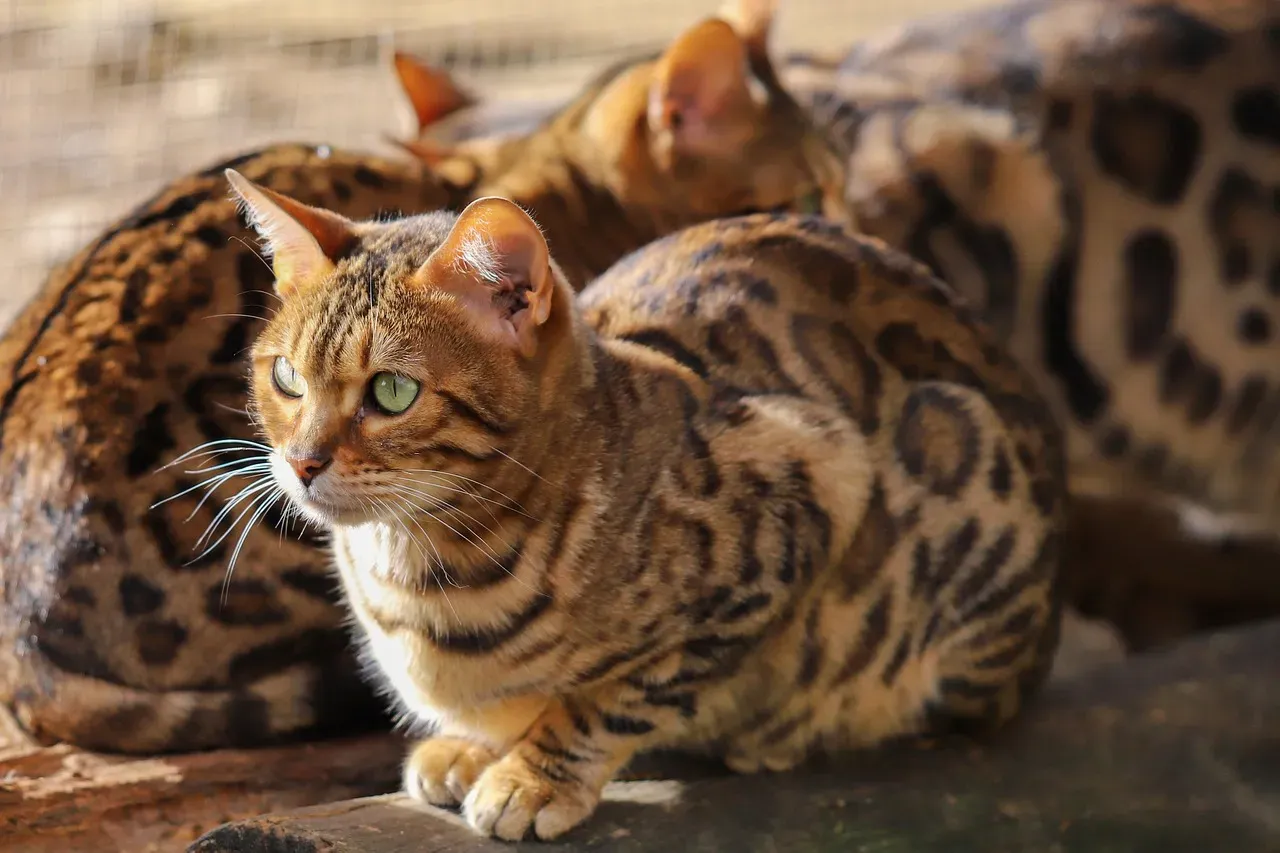
Bengals descended from the Asian Leopard Cat and retain wild looks with playful, exploratory traits. Their exotic appearance matches their adventurous personality perfectly. They are among the most intelligent cat breeds, learn quickly, and have a doglike eagerness to please.
What makes Bengals particularly trainable is their love of interactive play with humans. This breed thrives by spending one-on-one time during training and especially enjoys learning anything that resembles play. If you can turn training into a game, your Bengal will be all in.
Siamese: The Chatty Scholar
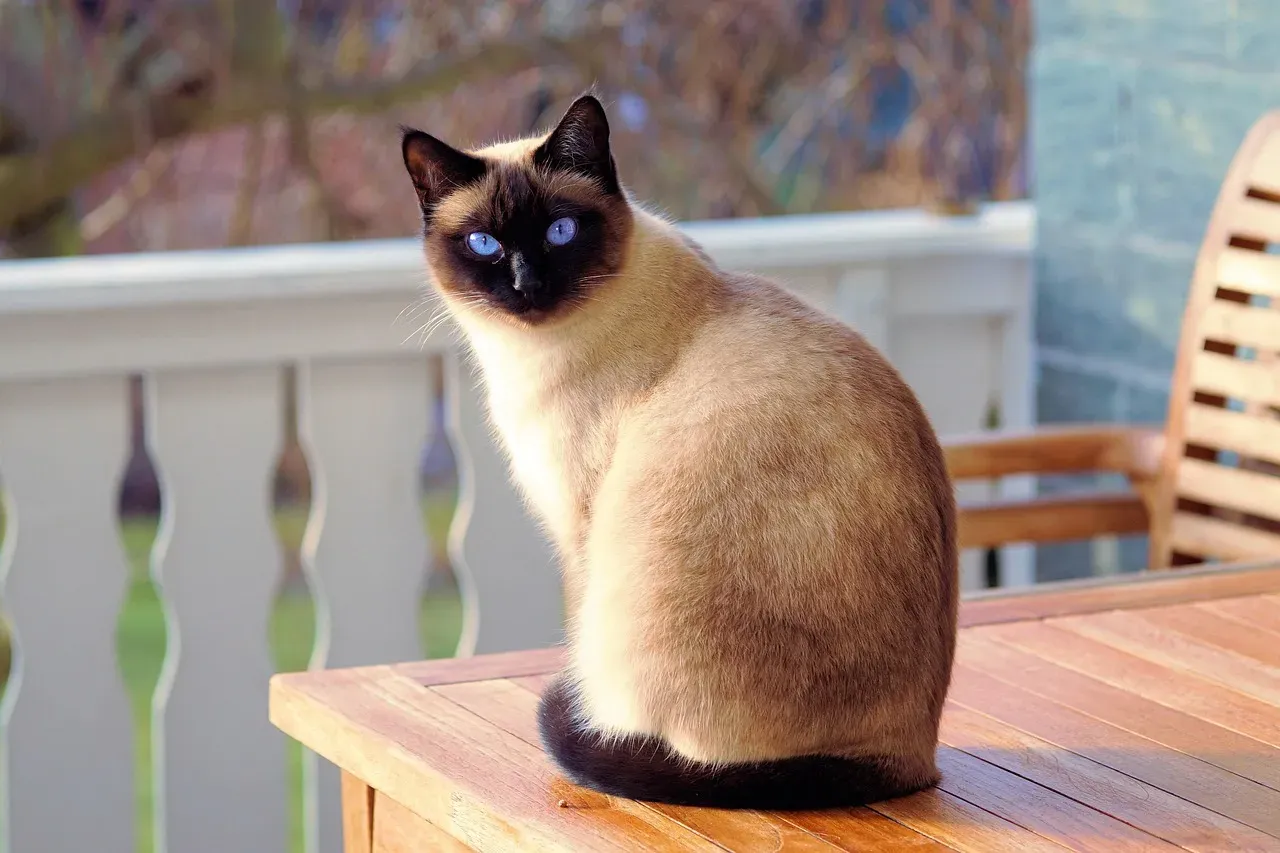
Siamese cats are widely regarded as some of the most playful and intelligent of all cats, routinely scoring highest in problem solving abilities, which makes them excellent companions with high capacity for training. Their vocal nature means they’ll probably narrate the entire training session. Siamese cats want to be with their owners all the time and really dig the attention during trick training.
These blue-eyed beauties are social butterflies who crave interaction. The social Siamese thrives on attention and wants to be involved in everything you are doing, which makes training sessions feel less like work and more like quality bonding time.
Maine Coon: The Gentle Giant Student
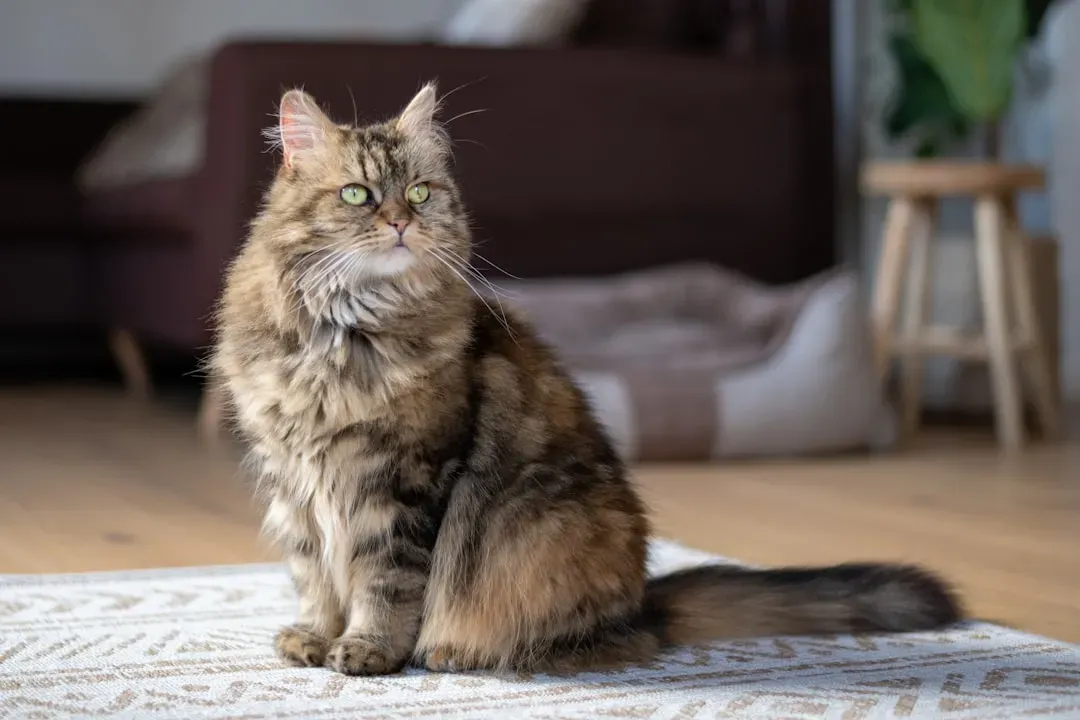
Maine Coons have a reputation for being easygoing, calm, resilient, intelligent, and adaptable to many situations, which makes them good for training. Their size might be intimidating, yet their temperament is remarkably mellow. The Maine Coon learns quickly with treats, praise, and consistency.
Training can actually provide both physical and mental exercise for these large cats. Maine Coon cats are known for being tolerant of and fond of children, so kids can join training sessions. It’s hard to say for sure, but their willingness to please seems almost dog-like at times.
Abyssinian: The Energetic Overachiever
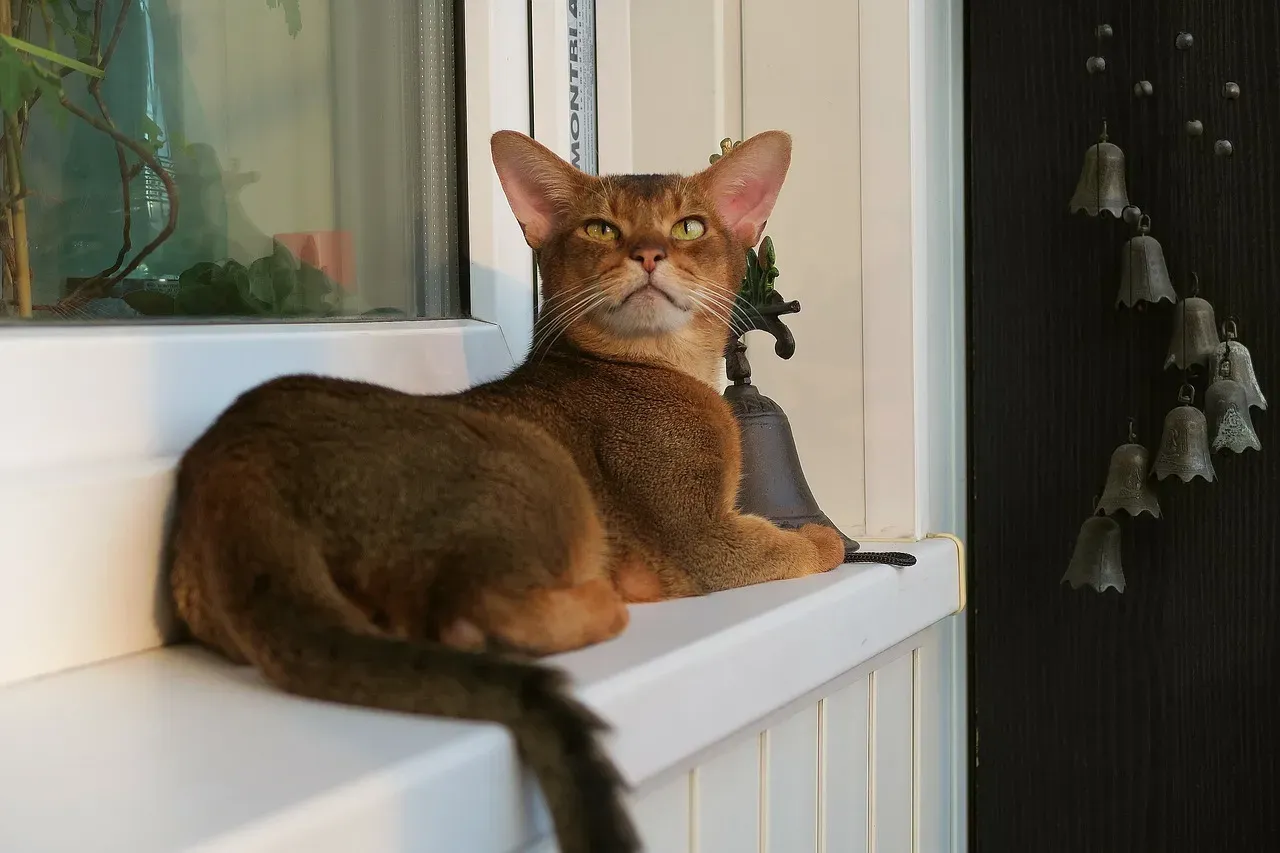
Abyssinians are outgoing, affectionate and intelligent, with many learning to walk on a leash and harness, and some can even do cat tricks. Their athleticism is impressive, yet it’s their sharp mind that really stands out. The Abyssinian is known for high energy levels and being very intelligent, getting bored easily if left unstimulated, so they certainly enjoy training sessions.
These cats need mental stimulation just as much as physical activity. Training and regular interaction helps them focus, have fun and direct their behavior in ways that keep everyone happy. Give them a challenge and watch them shine.
Japanese Bobtail: The Hyperactive Performer
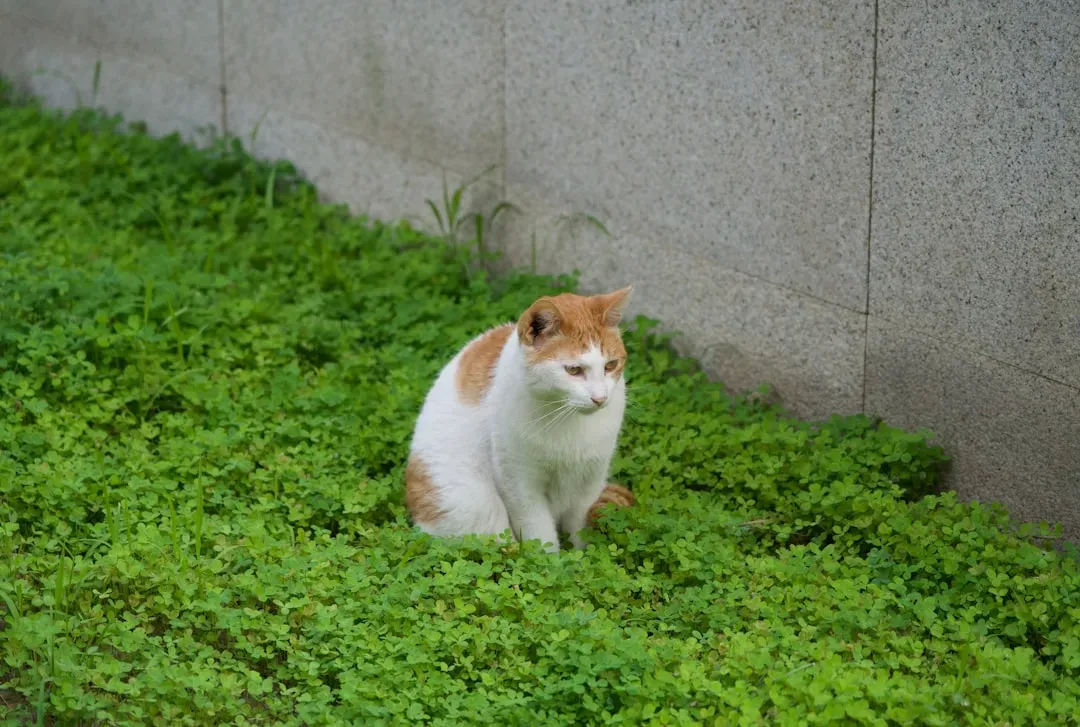
On an energy scale of 1 to 10, the Japanese Bobtail is about an 11, known to be smart and love attention from families and strangers alike. Their short tail is distinctive, though it’s their boundless enthusiasm that really defines them. Their high energy and love for interaction can be directed easily and makes for a very trainable cat with some praise and rewards.
These cats don’t just tolerate training, they actively demand it. This breed with a short tail, silky fur and spunky personality has very high energy and lots of cattitude. If you’re looking for an interactive companion who thrives on learning, the Japanese Bobtail delivers.
Persian: The Beautiful Stubborn One
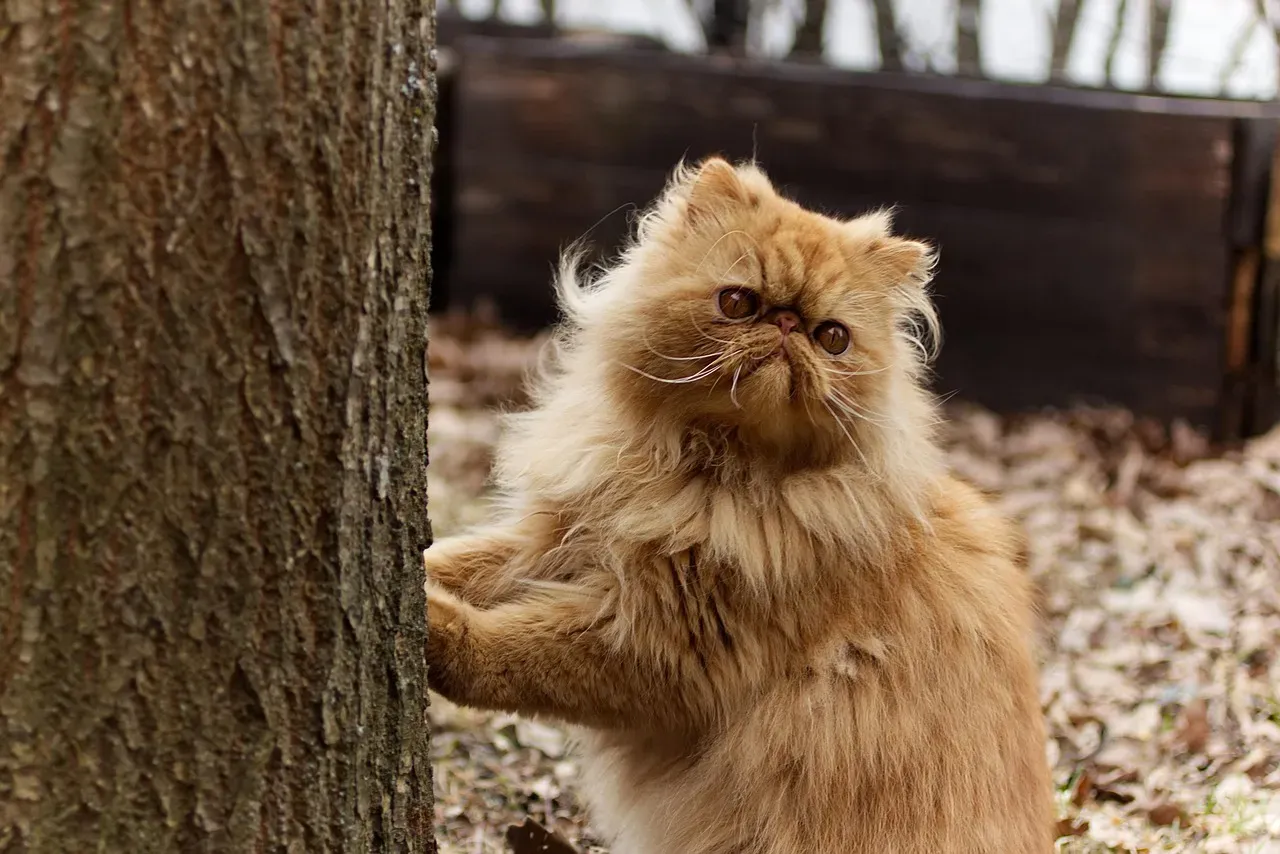
Persians are an ancient breed from Persia, and several cats have Persian attributes which makes them willful and difficult to train, with those personality traits stemming from the Persian. Their luxurious coats are stunning, no question about that. The breed can be affectionate and good companions, but they are incredibly difficult to motivate and constantly ignore their owners.
Let’s be real, Persians would rather groom themselves than listen to commands. Getting a Persian cat to listen to their owner will be incredibly difficult unless training starts when they are kittens. They’re gorgeous, affectionate lap cats, just don’t expect obedience.
Himalayan: The Selective Listener
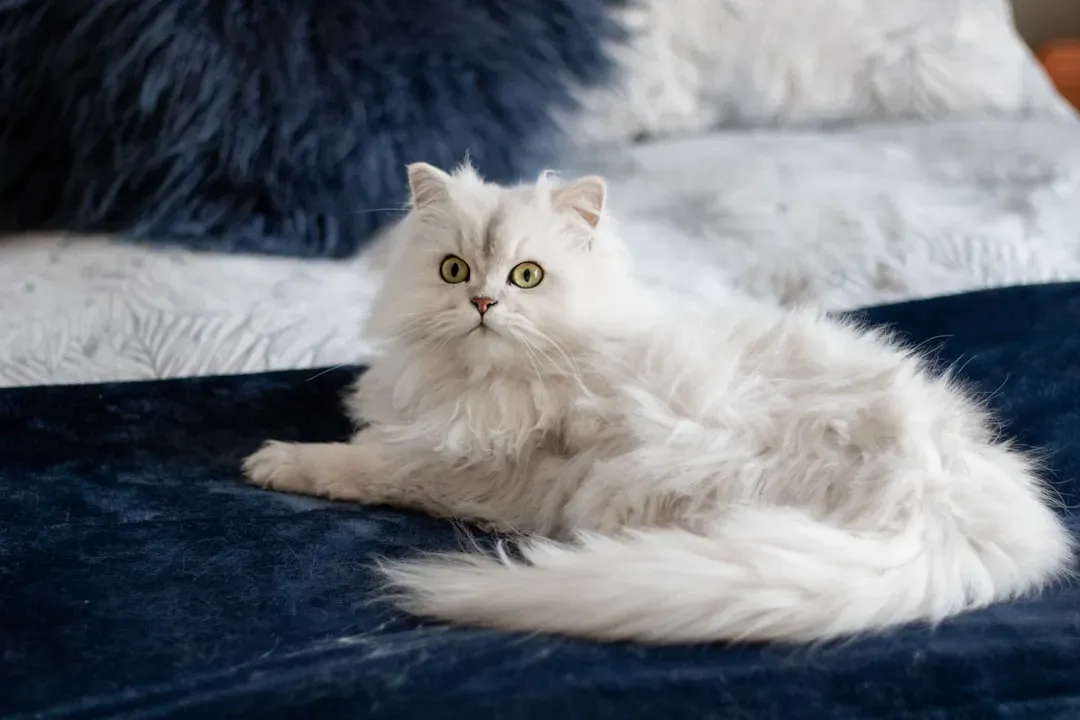
Himalayan cats are a combination of Persian and Siamese and are incredibly stubborn animals with loving hearts. They inherited intelligence from both parent breeds, ironically. The breed is highly intelligent in most categories but frequently dismisses their owners’ commands, with many capable of understanding small tasks yet preferring to wait for owners to solve problems.
These cats understand what you’re asking perfectly well. Although considered one of the least intelligent breeds, Himalayans can be trained to do simple tricks but require patience given their stubbornness. They simply choose not to cooperate unless they feel like it.
Russian Blue: The Routine-Obsessed Introvert
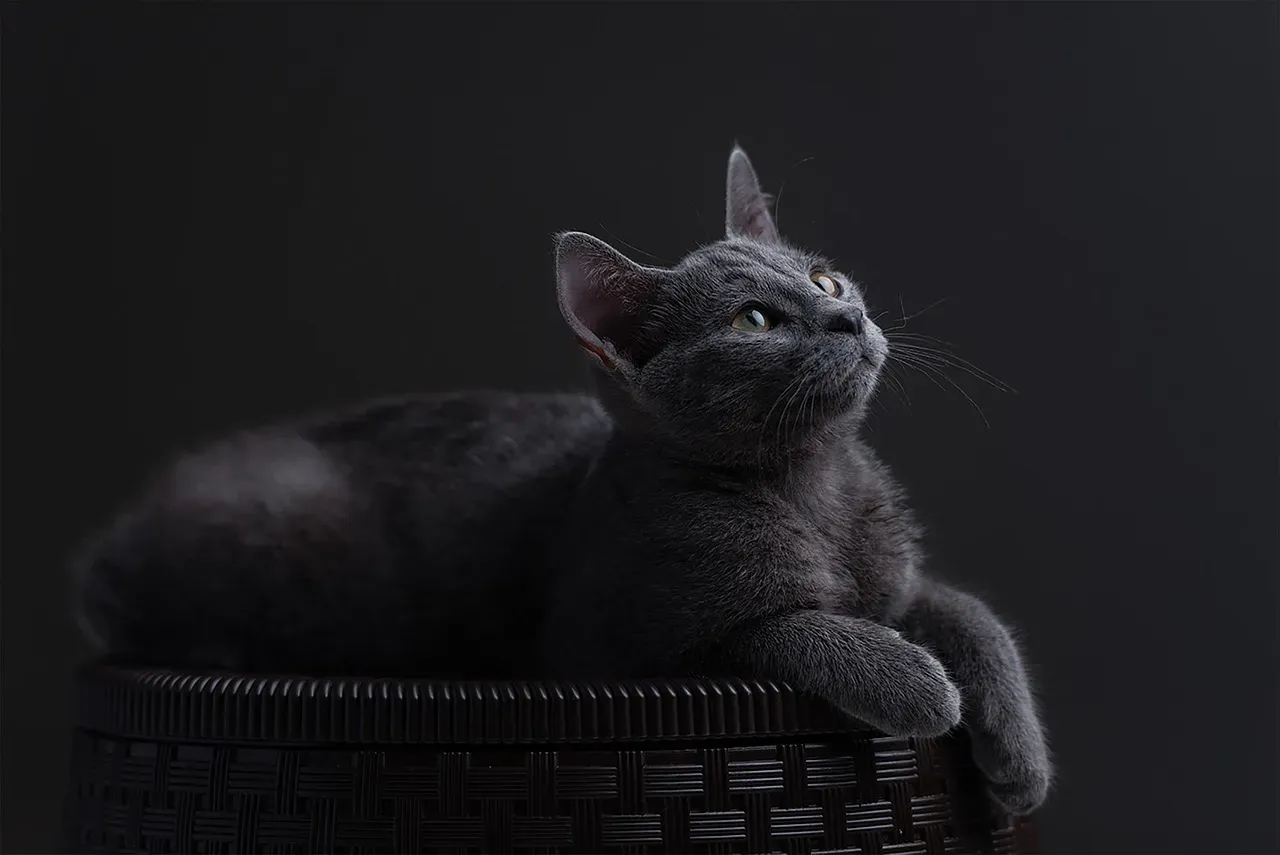
The Russian Blue does not demand being the center of attention and may refuse to come out from under the bed on a whim. Their elegant appearance belies their stubborn nature. These cats become stubborn when you try to change up routine or invite new people over, described as observant and persistent.
They’re intelligent and curious, yet set in their ways. As intelligent, curious, and independent cats, they are an excellent choice for pet parents who want a low-maintenance companion and are typically reserved around new people. Training requires working within their comfort zone, which can be quite narrow.
Scottish Fold: The Adorable Ignorer
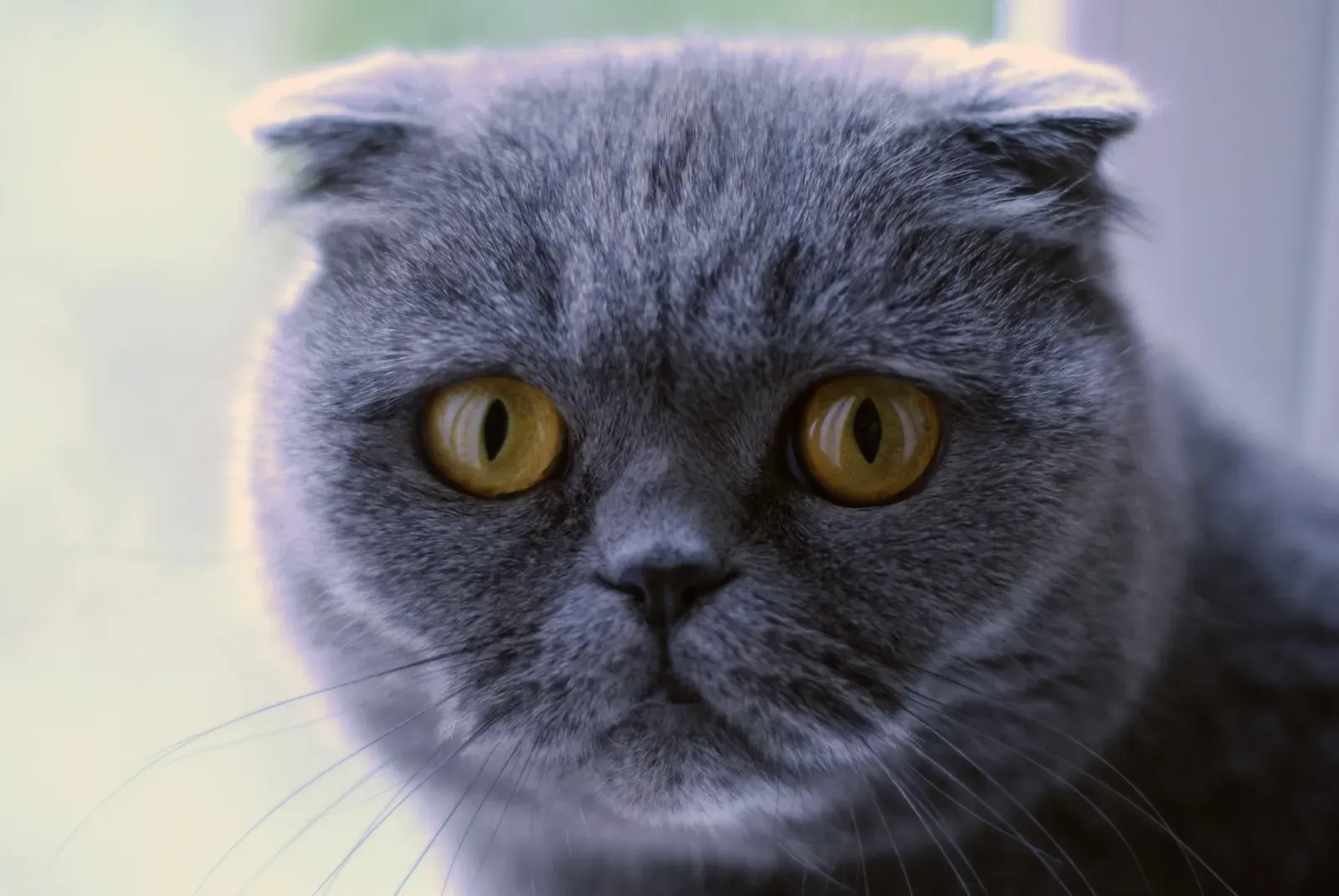
Scottish folds are extremely observant of their surroundings, and because of their folded ears, they must pay more attention to their world to adapt. Those folded ears are undeniably cute. Scottish fold owners debate whether the breed has trouble hearing or prefers to just ignore their owners, with veterinarians indicating they have good hearing, making it likely the breed is stubborn.
Honestly, they probably hear you just fine. While generally laid-back, the Scottish Fold can be stubborn if they don’t want to be handled or moved. They know what you want, they just don’t particularly care.
British Shorthair: The Dignified Observer
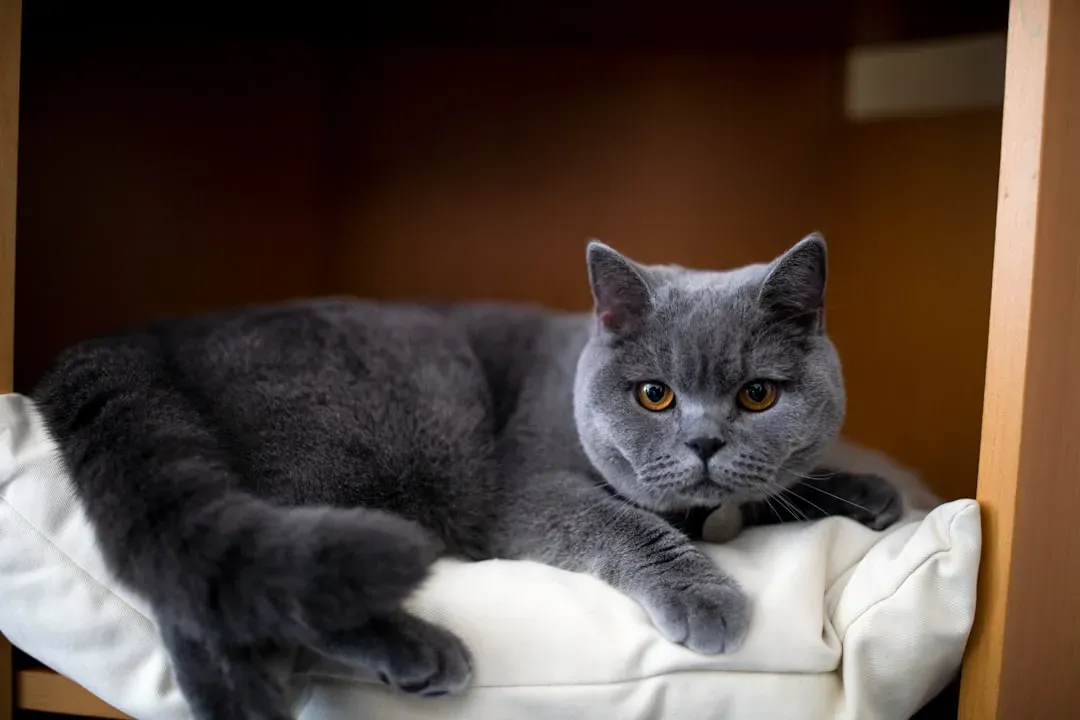
A British Shorthair is an independent cat breed with a laid-back, easygoing personality. Their plush coats and round faces make them look like teddy bears. British Shorthairs often have a beautiful blue-gray coat, and prey-like toys are crucial for them as they have a strong hunting instinct.
These cats prefer observing rather than participating in your training plans. Independent cat breeds are known for self-sufficiency and entertaining themselves, generally low-maintenance and won’t become anxious when left alone, with their strong-willed nature making them perfect for pet parents who value independence. They’ll cooperate when convenient, which isn’t often.
Conclusion
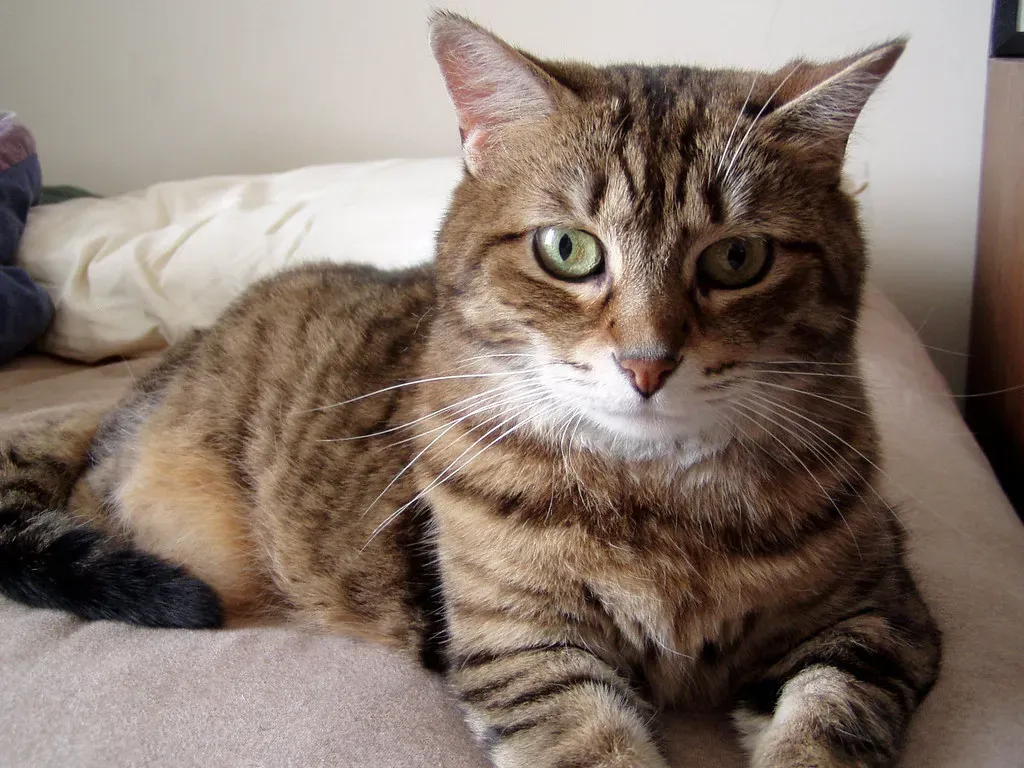
Training a cat really depends on finding the right match between your expectations and their natural temperament. Some breeds genuinely enjoy the mental stimulation and bonding that comes with learning new behaviors. Others would rather spend their time doing absolutely anything else.
The trainable breeds we covered tend to be social, energetic, and motivated by interaction with their humans. The independent minded ones aren’t unintelligent, they simply prefer autonomy over obedience. Neither approach is better or worse, it’s just different.
What matters most is understanding your cat’s personality and working with it rather than against it. Even the most stubborn breeds can learn basics with patience, while even the most trainable cats will occasionally decide they’re done listening. That’s just the nature of cats, keeping us humble since forever. What’s your experience been with training your feline friend?

- 8 Ways Bobcats Move Through Suburbs Without Being Seen - August 9, 2026
- 7 Reasons Black Bears Return to the Same Food Source - August 9, 2026
- Animal Cognition Says Horses Remember People Who Treated Them Well and Those Who Did Not - August 9, 2026