

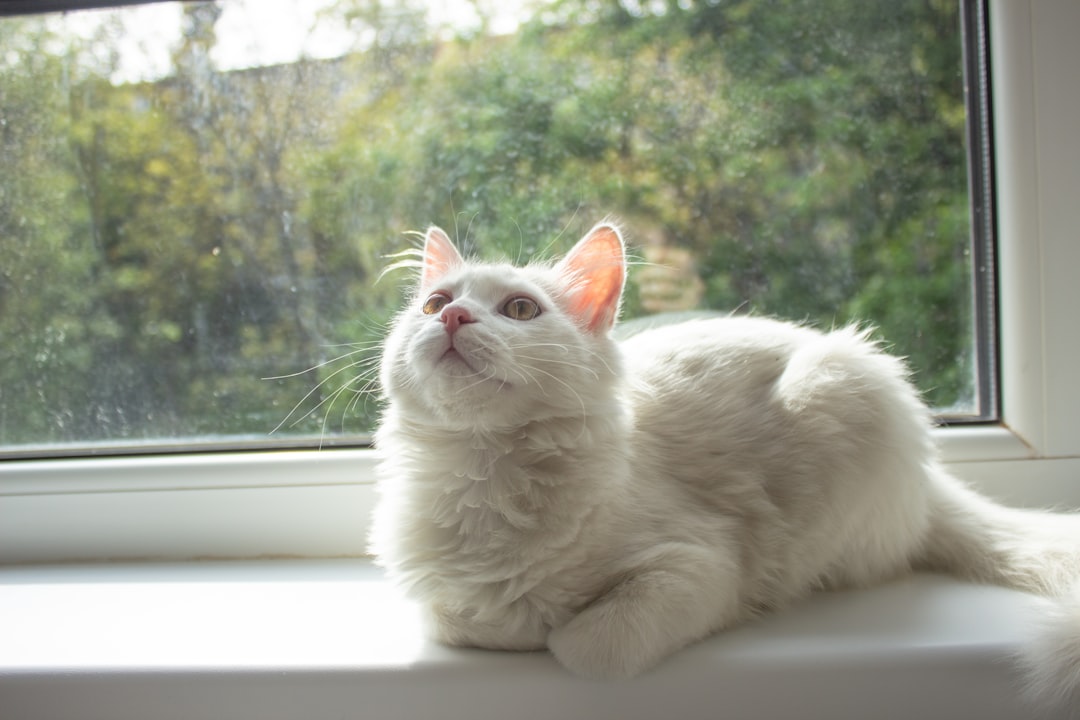
Purrs Reveal Individual Identity Like Fingerprints (Image Credits: Unsplash)
Recent research highlights how a cat’s purr functions as a distinctive lifelong marker, setting it apart from the more variable meow.
Purrs Reveal Individual Identity Like Fingerprints
Every cat possesses a purr that remains remarkably consistent over its lifetime, serving as a unique acoustic signature. Scientists found that these low-frequency rumbles do not shift significantly with age or circumstance, making them ideal for identifying specific animals.
Computers analyzing recordings distinguished individual cats through their purrs with high reliability. This stability contrasts sharply with other vocalizations. Researchers noted that purrs link closely to states of comfort and security, explaining their unchanging nature.
Advanced Tools Unlock Feline Sound Secrets
Teams from the Museum für Naturkunde Berlin and the University of Naples Federico II examined recordings from the Animal Sound Archive at the Berlin Natural History Museum. They adapted human speech recognition techniques to scrutinize cat vocalizations from both domestic and wild species.
The analysis focused on patterns that could differentiate one cat from another. Purrs emerged as far superior for this purpose compared to meows. Domestic cats displayed greater vocal range overall, but their purrs held steady regardless.
Meows Flex with Emotions and Needs
Meows vary widely in pitch, tone, and duration to convey hunger, affection, or irritation, primarily directed at humans. These sounds adapt to immediate contexts, losing their distinctiveness over time.
Wild cats, including African wildcats, jungle cats, cheetahs, and cougars, produced even less varied meows than their domestic counterparts. This flexibility underscores meows’ role in dynamic communication rather than fixed identity.
Comparing Purrs and Meows Side by Side
The study illuminated clear differences in how these sounds function for cats.
| Feature | Purr | Meow |
|---|---|---|
| Consistency Over Time | Stable throughout life | Changes frequently |
| Primary Context | Comfort, bonding, safety | Mood, needs, interaction |
| Identification Reliability | High for individuals | Low due to variation |
| Audience | Cats and humans | Mostly humans |
These traits position purrs as reliable identifiers, while meows prioritize expressiveness.
Key Takeaways
- Purrs act as vocal fingerprints, consistent from kittenhood to old age.
- Meows evolve with emotions, reducing their use for cat identification.
- Domestic cats show more meow variety than wild felines, but purrs remain uniform.
This breakthrough offers fresh insights into feline communication, potentially aiding wildlife monitoring and pet identification technologies. Owners might now listen to their cat’s purr with newfound appreciation for its personal signature. What stands out most about your cat’s sounds? Share in the comments.

- Urban Coyotes Show Remarkable Adaptability, Learning to Thrive in City Environments - July 22, 2026
- Beavers Are Nature’s Engineers, Creating Vital Habitats for Other Wildlife Species - July 21, 2026
- The Recovery of the California Condor Offers Hope for Other Critically Endangered Birds - July 21, 2026