
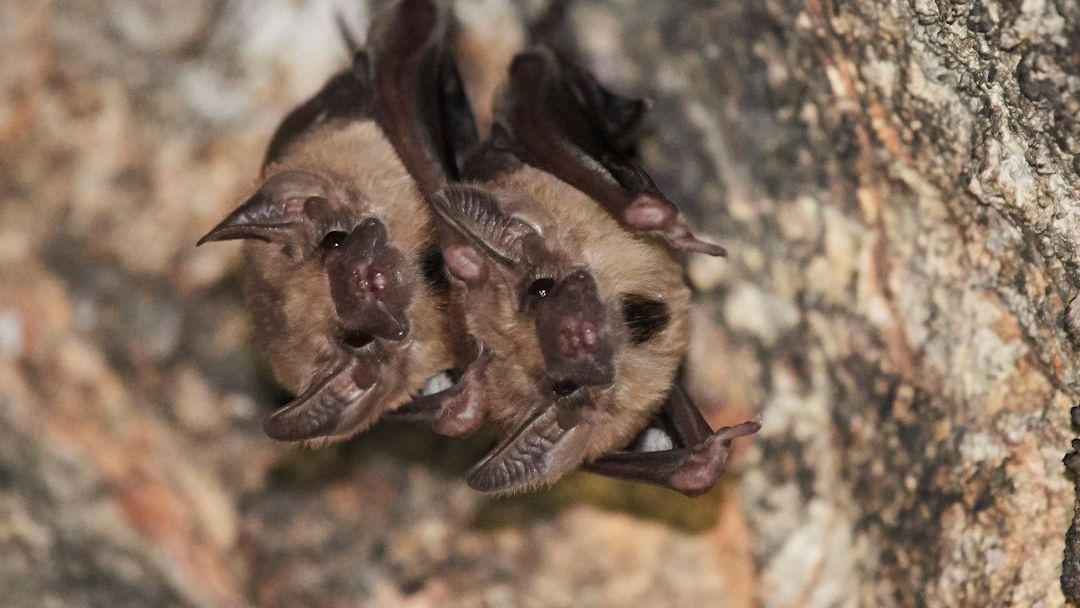
When you think of bats, perhaps images of Halloween decorations or vague horror movie scenes flash through your mind. Yet these small winged creatures represent something far more vital. They’re nature’s pest controllers, silent workers of the night sky. The little brown bat, once among the most common mammals in North America, has a story that weaves through forests, caves, and the very structures where humans live. Its presence across various states tells us much about habitat, survival, and the delicate balance of ecosystems.
What makes certain states havens for these nocturnal mammals while others barely register on the map? The answer lies in a complex web of geography, climate, and human impact. Let’s dive in.
The Historic Northern Stronghold
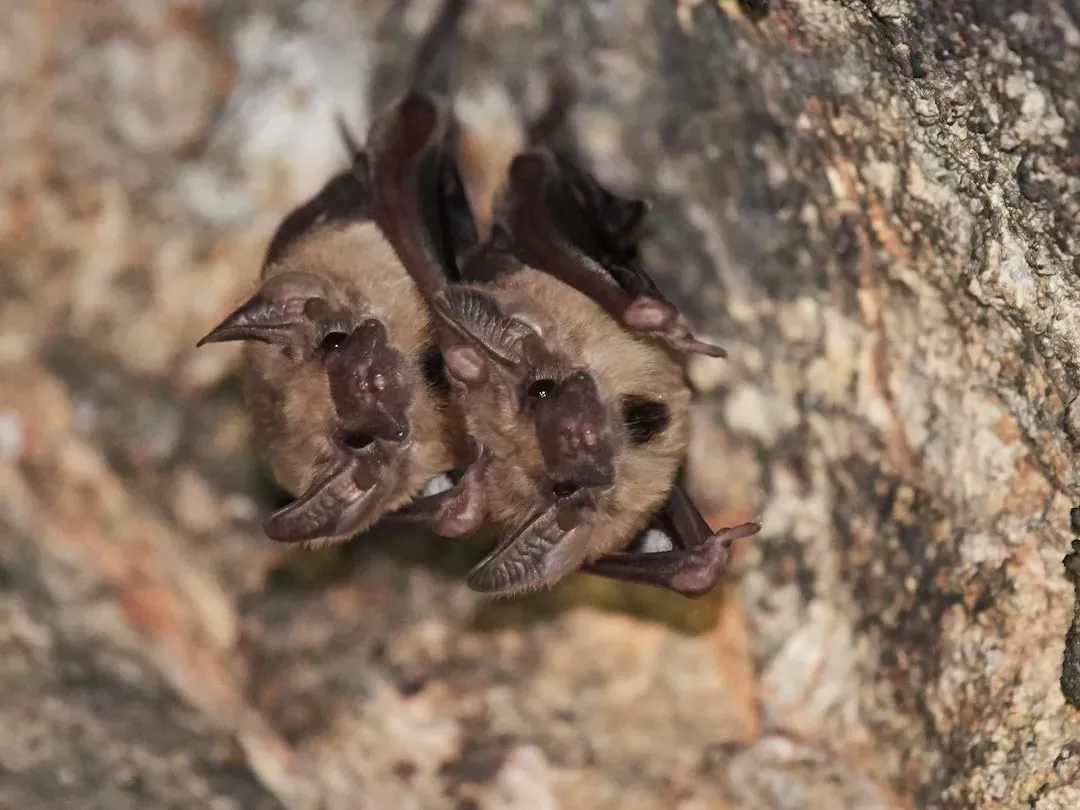
Across the northern part of their range, little brown bats were historically the most abundant bat species. States like Massachusetts, New York, Vermont, and New Hampshire once teemed with these creatures. The dense forests and ample water sources created perfect hunting grounds for insects.
Before white-nose syndrome devastated bat populations, little brown bats were the most common bat species in the northern half of the Lower Peninsula in Michigan, accounting for roughly 60 percent of all mist net captures. The abundance was staggering, really. Thousands upon thousands filled hibernacula, those caves and mines where they’d cluster together through brutal winters.
Alaska’s Remote Populations
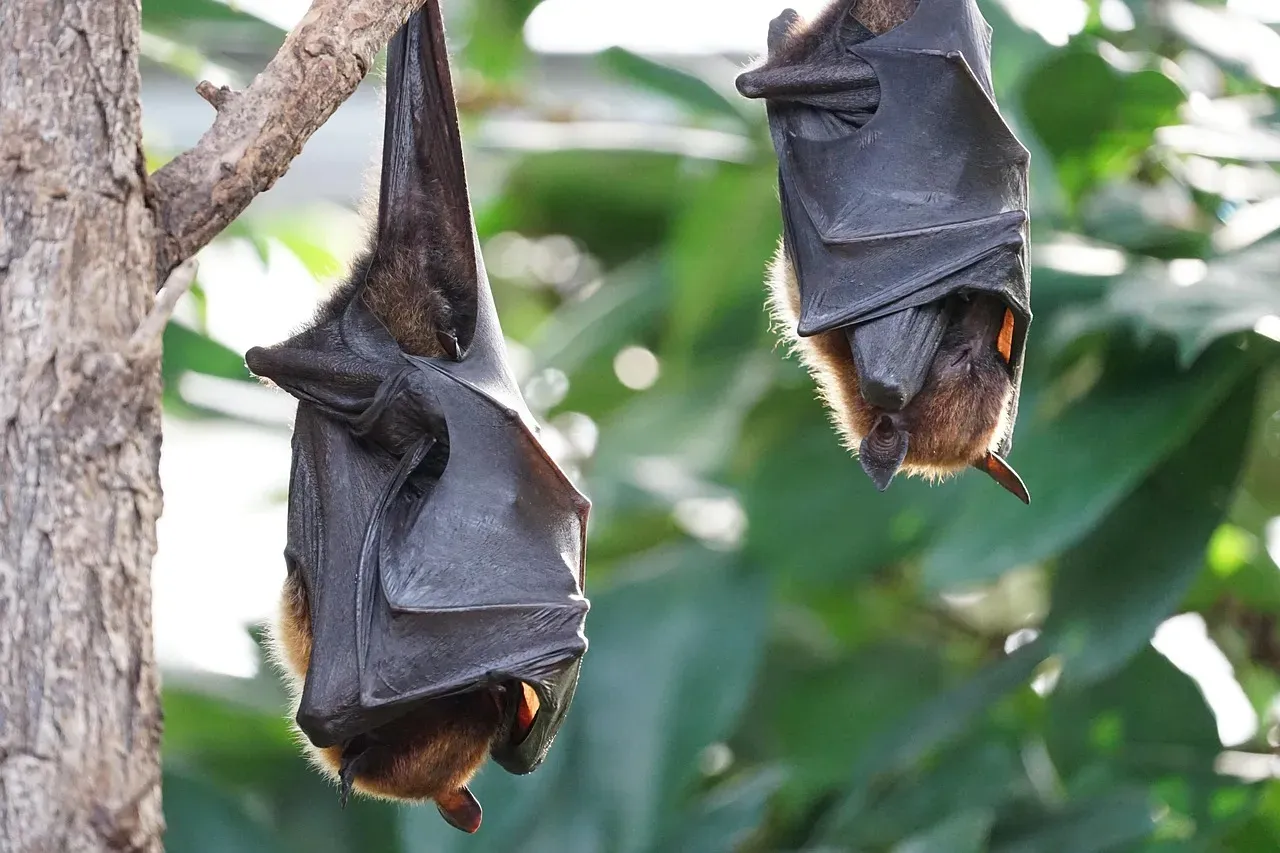
Of the bat species located in Alaska, the little brown bat is the most common and widespread, documented in habitats ranging from temperate rainforests in southeastern Alaska to the spruce/birch forests of the interior to the treeless, shrub-dominated communities in the western region of the state. It’s remarkable, honestly, that these small mammals can survive so far north.
The Alaskan populations face unique challenges. Very little is known about winter roosts of little brown bats in western North America, and although the little brown bat hibernates almost exclusively in caves and mines in the east, it is rarely encountered in these habitats in the west. Some mysteries remain unsolved about how they endure those long, dark winters at such latitudes.
The New England Region’s Tragic Decline

Massachusetts tells a heartbreaking tale. The little brown bat, once the most abundant bat in the northern U.S., is now endangered in Massachusetts due to white-nose syndrome. Let’s be real, this fungal disease changed everything. Infected hibernacula in the Northeast have seen catastrophic losses of 90-100% of the population.
In Massachusetts, little brown bats occur statewide and have been identified in 274 of 351 municipalities in 13 of 14 counties. Despite their widespread distribution before the disease, the numbers plummeted. The once-common sight of bats emerging at dusk became increasingly rare, a silence where there used to be life.
Pennsylvania and the Mid-Atlantic Crisis
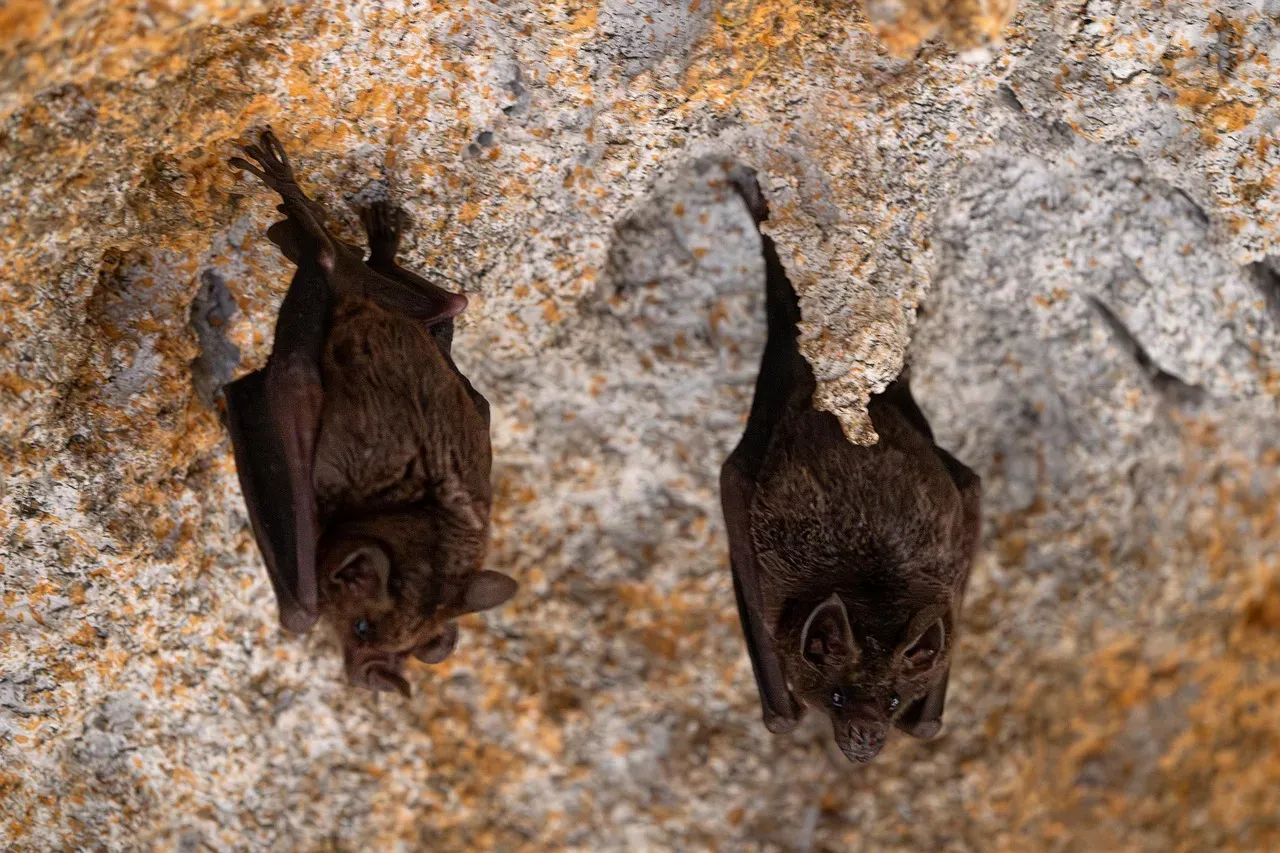
Several U.S. states list the little brown bat as endangered, including Connecticut, Maine, Massachusetts, New Hampshire, New Jersey, Pennsylvania, Vermont, and Virginia. Pennsylvania sits in the epicenter of the white-nose syndrome outbreak. This state, with its extensive cave systems and historic coal mines, provided perfect hibernation spots for massive bat colonies.
From 2006 to 2011, over one million little brown bats died from the disease in the Northeastern United States, with winter hibernacula populations declining up to 99%. Walking into some of these caves now feels eerie. Where thousands once hung in tight clusters, only a handful remain, if any at all.
The Great Lakes and Midwest Presence
Little brown bats occur in a variety of habitats and their abundance is linked closely to availability of mines and caves suitable for hibernation, and upon emergence they travel throughout the state and will set up maternity roosts in man-made structures. Michigan, Wisconsin, and Ohio all supported substantial populations of brown bats historically.
Michigan and Ohio list the species as of Special Concern. The Great Lakes region offered ideal summer foraging habitat with abundant water bodies attracting dense insect populations. Female bats would form maternity colonies in barns and attics, raising their single pup each year while males roosted separately in smaller groups.
Western States and Washington’s Colonies

The range of the little brown myotis extends across most of North America from the forested portions of Alaska and northern Canada southward to California, Colorado, and the southeastern United States. Washington state maintains noteworthy populations. The largest known maternity roost of little brown myotis in Washington contains about 1,000 adults and roosts together with about 2,000 adult Yuma myotis under an abandoned railroad trestle near Olympia.
California, Colorado, and Oregon all harbor brown bat populations, though their numbers are generally lower than in the eastern states. The western populations use different hibernation strategies, often relying on rock crevices rather than the large cave systems common back east.
Rhode Island and Coastal Populations
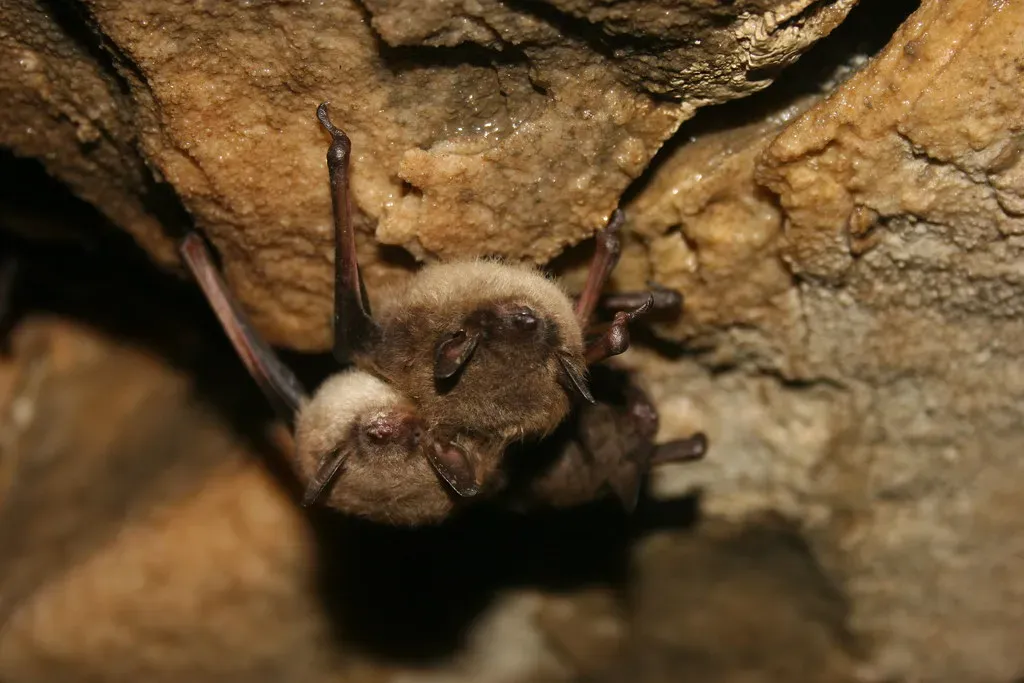
South County Rhode Island is an area that has a very healthy population of Little Brown bats, with large infestations found every year in Misquamicut, Richmond, West Greenwich and Narragansett. The coastal regions and rural areas of southern Rhode Island proved particularly attractive to these bats.
The two largest colonies of Little Brown bats ever seen, both over 400 members, were in Topsfield Massachusetts and West Greenwich Rhode Island. These colonies represented something special before the disease swept through. I know it sounds crazy, but seeing hundreds of bats emerge from a single roost at dusk was truly spectacular, a natural phenomenon that’s become increasingly rare to witness now.
What do you think about the future of these remarkable creatures? The resilience shown by surviving populations offers hope, yet the challenges remain enormous. Have you ever encountered bats in your own area?

- 8 Ways Glaciers Carved New York's Finger Lakes - August 10, 2026
- 8 Ways Bobcats Move Through Suburbs Without Being Seen - August 9, 2026
- 7 Reasons Black Bears Return to the Same Food Source - August 9, 2026