
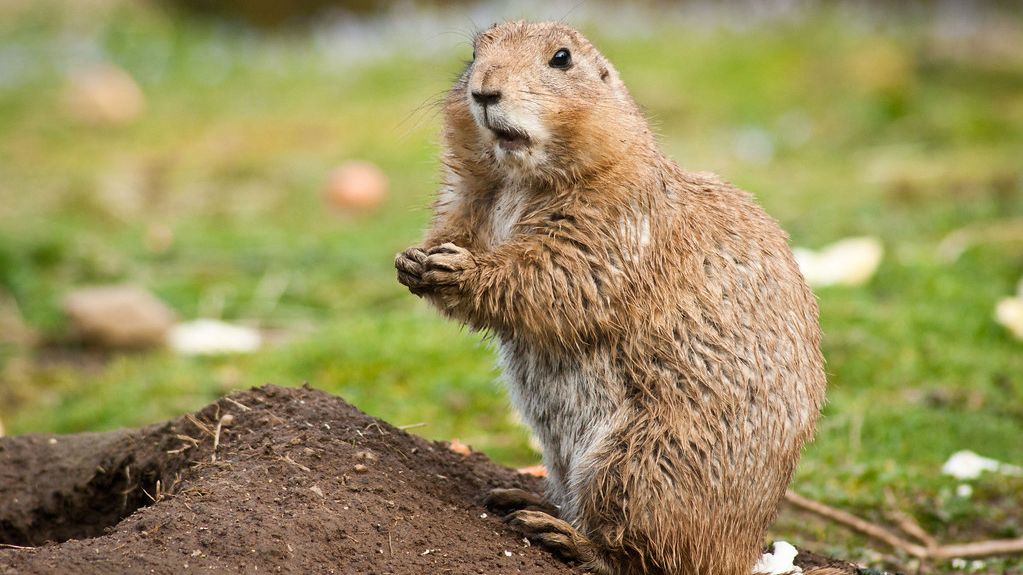
You’ve probably seen pictures of prairie dogs standing upright, looking adorable in their chubby little bodies. These small rodents have a reputation for being cute grassland creatures, nothing more. That’s where most people stop thinking about them.
What if I told you these animals are far more sophisticated than you’d ever imagine? From their incredibly complex language to the architectural genius of their underground homes, prairie dogs are among nature’s most misunderstood creatures. Let’s dive in and discover what makes these little engineers so extraordinary.
They Have One of the Most Complex Languages Ever Decoded
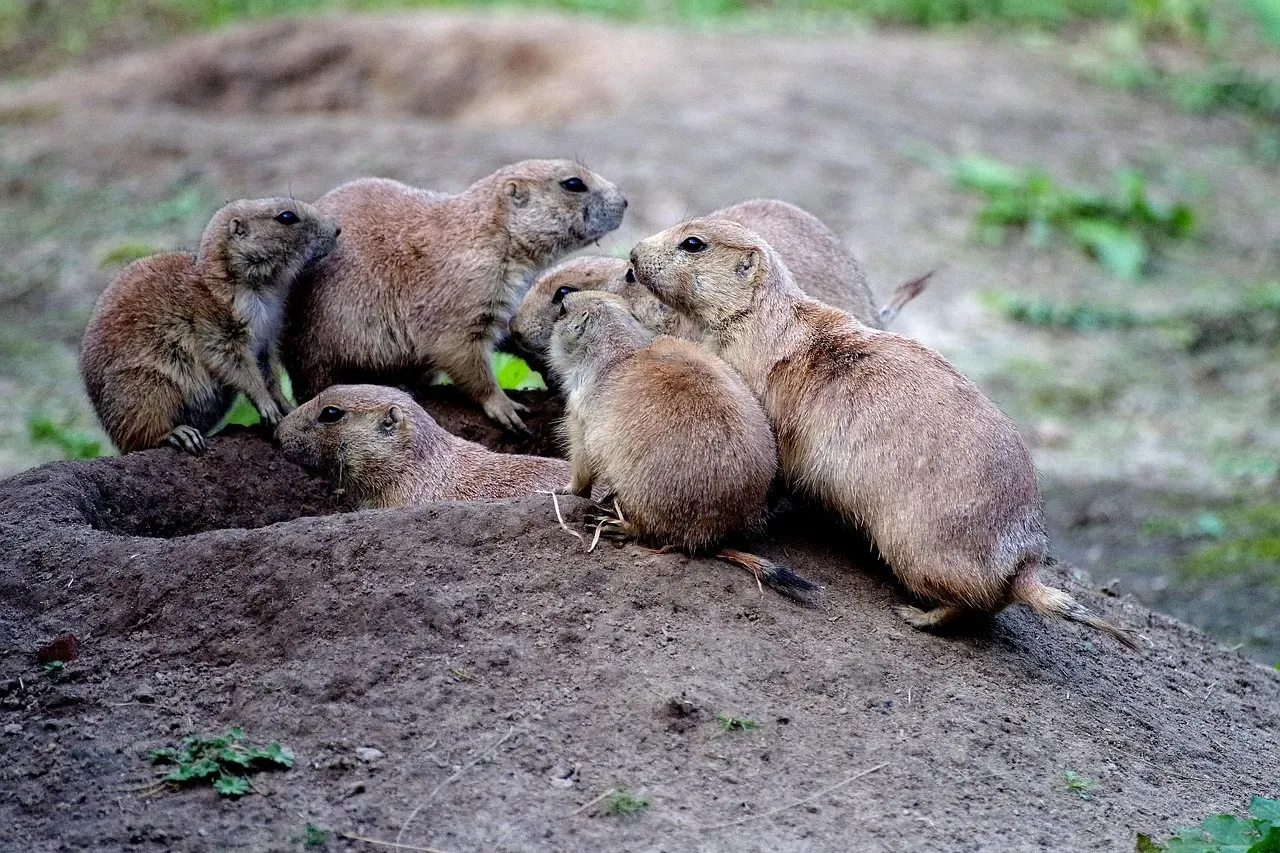
Research has shown that prairie dog language is the most sophisticated vocal animal language ever decoded, more sophisticated than that of primates, whales and dolphins. Think about that for a second. These rodents, weighing just a few pounds, can communicate with more complexity than a chimpanzee or an orca.
Prairie dogs use a sophisticated system of vocal communication to describe specific predators, including information about what the predator is, how big it is and how fast it is approaching. They can even describe the color of clothing a human is wearing. In research experiments, prairie dogs would give different calls for people wearing blue shirts versus yellow shirts, and could distinguish between tall and short individuals. Honestly, it’s hard to believe until you see the research yourself.
They Can Describe Things They’ve Never Seen Before
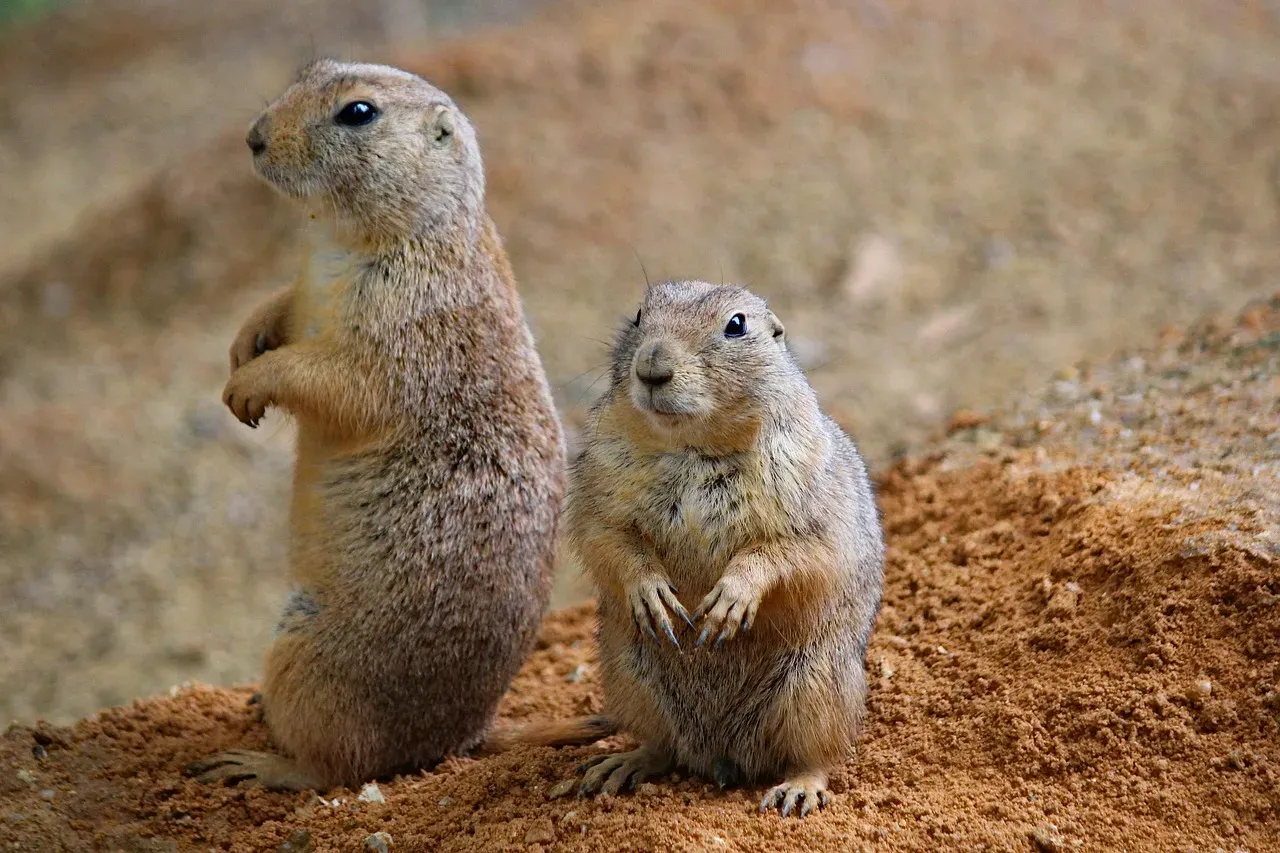
Let’s be real, most animals have a fixed set of warning calls. Yet prairie dogs break that mold entirely. Research on wild prairie dogs demonstrated that when presented with three different shapes they wouldn’t encounter naturally, the prairie dogs made three distinct alarm calls for each shape.
This indicates that the animals aren’t relying on just a fixed set of alarm calls but are creating new calls in the moment to describe unfamiliar objects, a process known as productivity, which is a key hallmark of language. They can literally invent words on the spot. That’s a level of cognitive flexibility scientists once thought was uniquely human.
Their Burrows Are Engineering Masterpieces
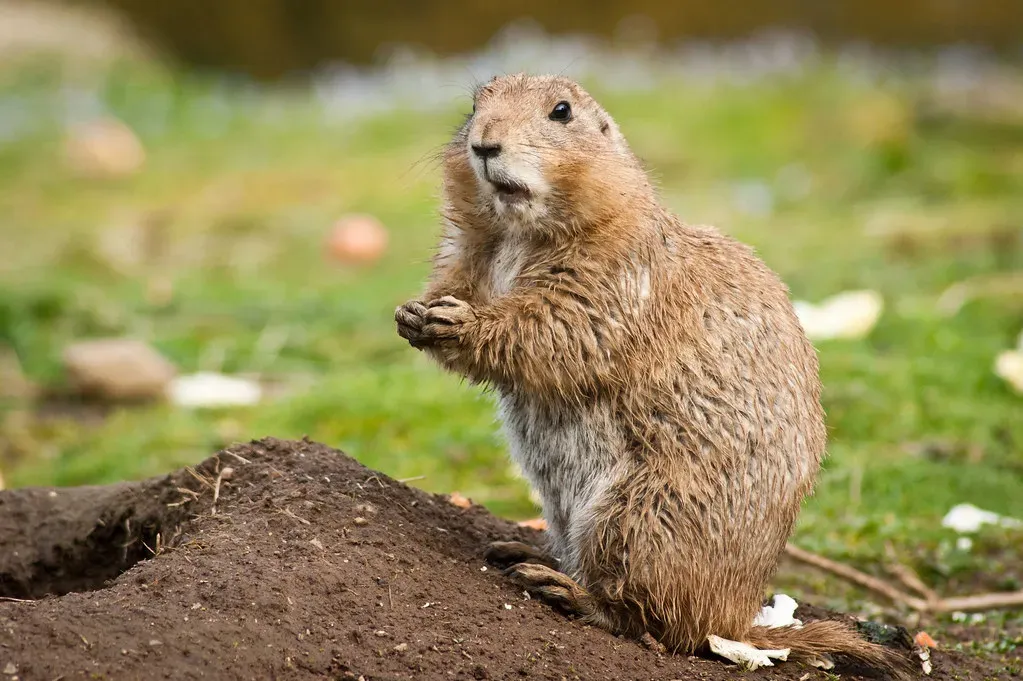
Black-tailed prairie dog burrows are usually U-shaped with chambers connected by tunnels, and can go seven to fifteen feet deep. These aren’t just random holes in the ground. The nesting chamber is near the bottom of the burrow with dry grass bedding, and there are listening chambers located near the entrance which allow prairie dogs to listen for potential predators before leaving the safety of the burrow.
The tunnels contain separate rooms for sleeping, rearing young, storing food and eliminating waste. Imagine designing an entire underground city with specific rooms for different functions. Prairie dogs have bedrooms, nurseries, bathrooms, and even security checkpoints. Their architectural planning rivals what humans do, just on a much smaller scale.
They Use Aerodynamics to Ventilate Their Homes
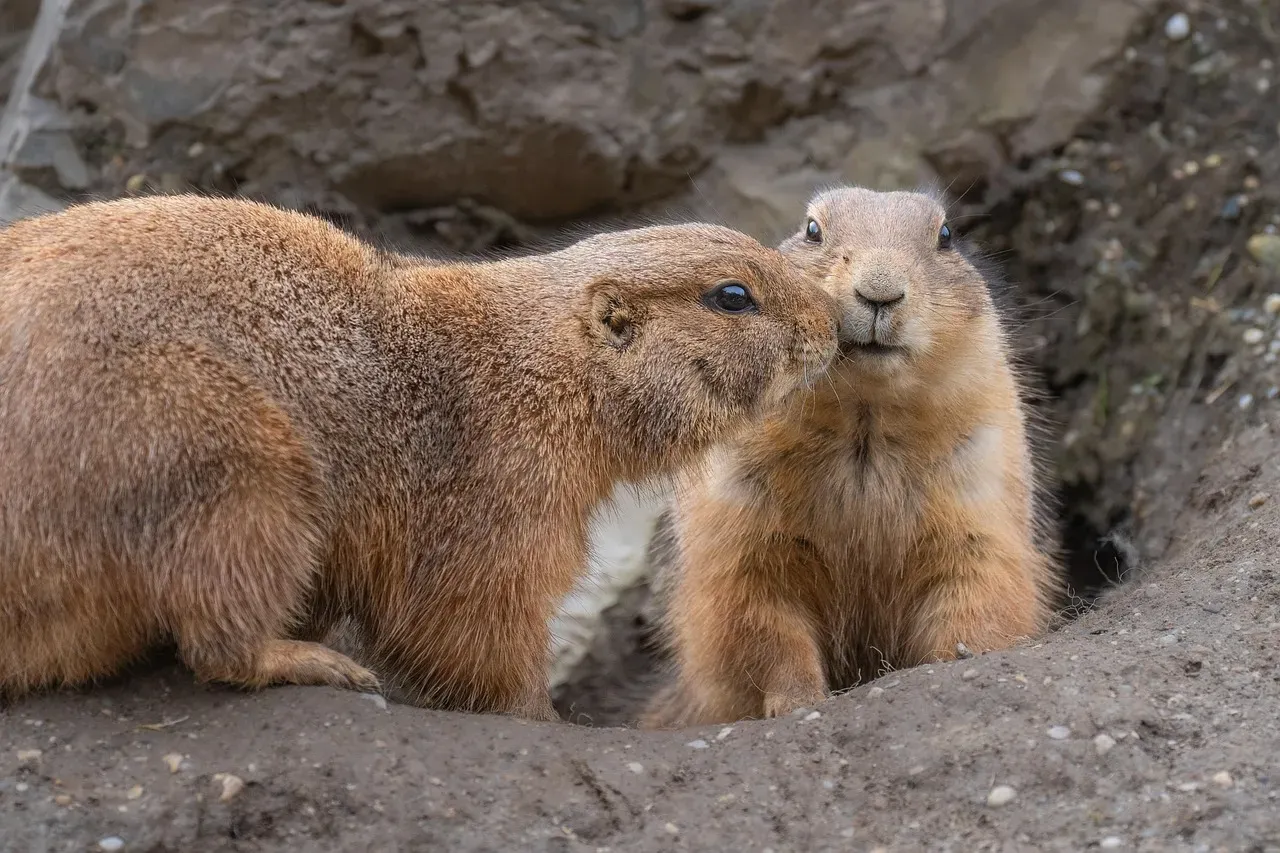
Here’s where things get crazy. By creating entrances with varying heights and shapes, prairie dogs harness the power of wind and aerodynamic pressure to create a natural airflow through their tunnels. One entrance sits higher than the other, and as wind blows across the landscape, it creates different pressure zones.
Bernoulli’s principle states that faster-moving air exerts less pressure than slower-moving air, so when wind blows across a raised mound, it speeds up as it flows over the top, creating an area of lower pressure that acts as a suction, drawing air out of the burrow. Meanwhile, the lower entrance experiences higher pressure, forcing fresh air in. No fans, no electricity, just pure physics at work. These animals understood aerodynamics long before humans figured it out.
The Largest Prairie Dog Town Was Unimaginably Huge
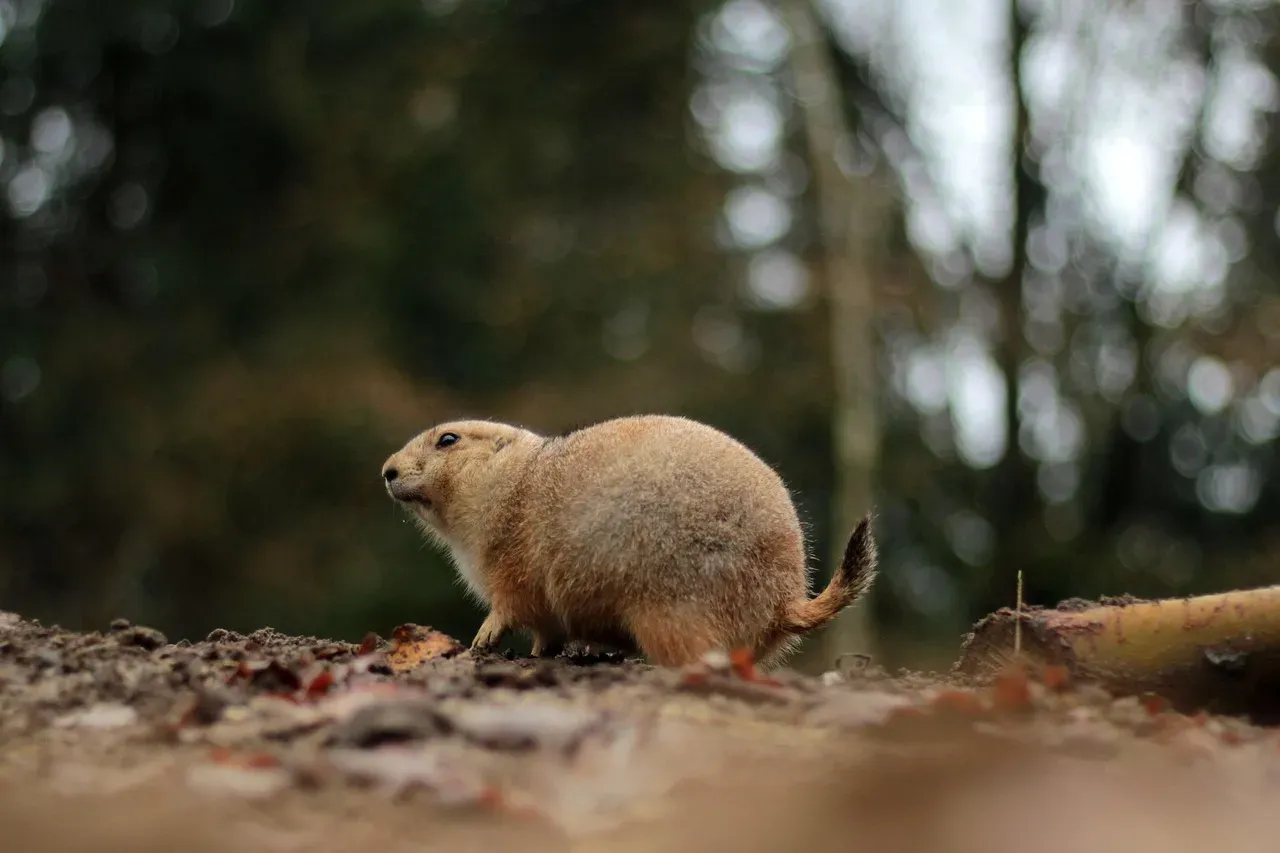
The largest prairie dog colony ever recorded spanned over twenty-five thousand square miles and was home to an estimated four hundred million prairie dogs. To put that in perspective, that’s roughly the size of West Virginia. Four hundred million individuals living in one interconnected community.
One colony in Texas stretched a hundred miles. These weren’t isolated family groups scattered here and there. They were massive, bustling cities with millions of residents all living side by side. It’s almost impossible to imagine what the landscape must have looked like back then.
They Greet Each Other With Kisses
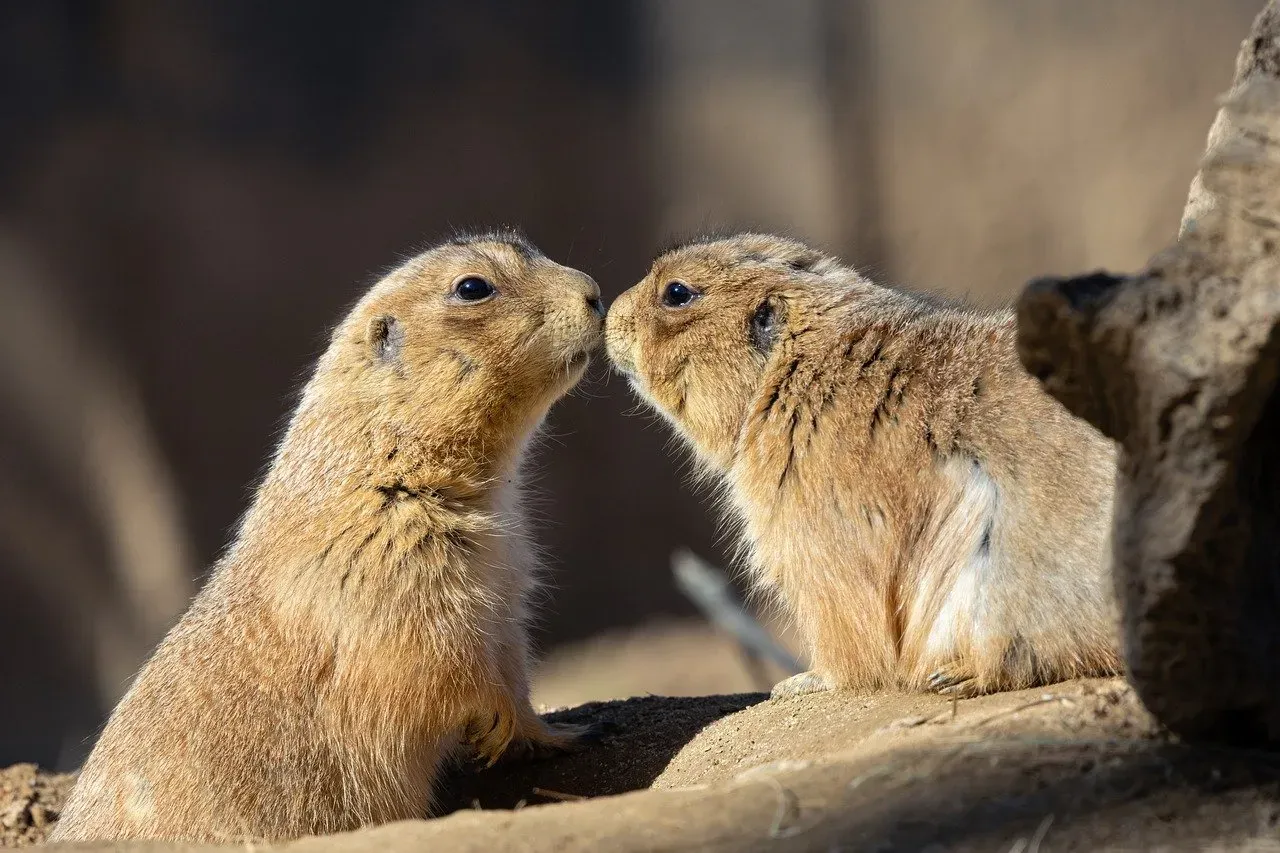
Members of a family group interact through oral contact or kissing and grooming one another. I know it sounds adorable, and it is, but there’s more to it than simple affection. Prairie dogs have a very complex social behavior, including kissing which may help them to recognize each other via a scent gland in the mouth.
A kiss tells them what they ate recently, and young prairie dogs can be seen pulling at an adult’s mouth to get a taste, potentially learning what to eat, while determining which colony a given animal is from. It’s identity verification, food education, and social bonding all wrapped into one gesture. That’s efficient multitasking right there.
Their Jump-Yip Is a Collective Wave of Communication
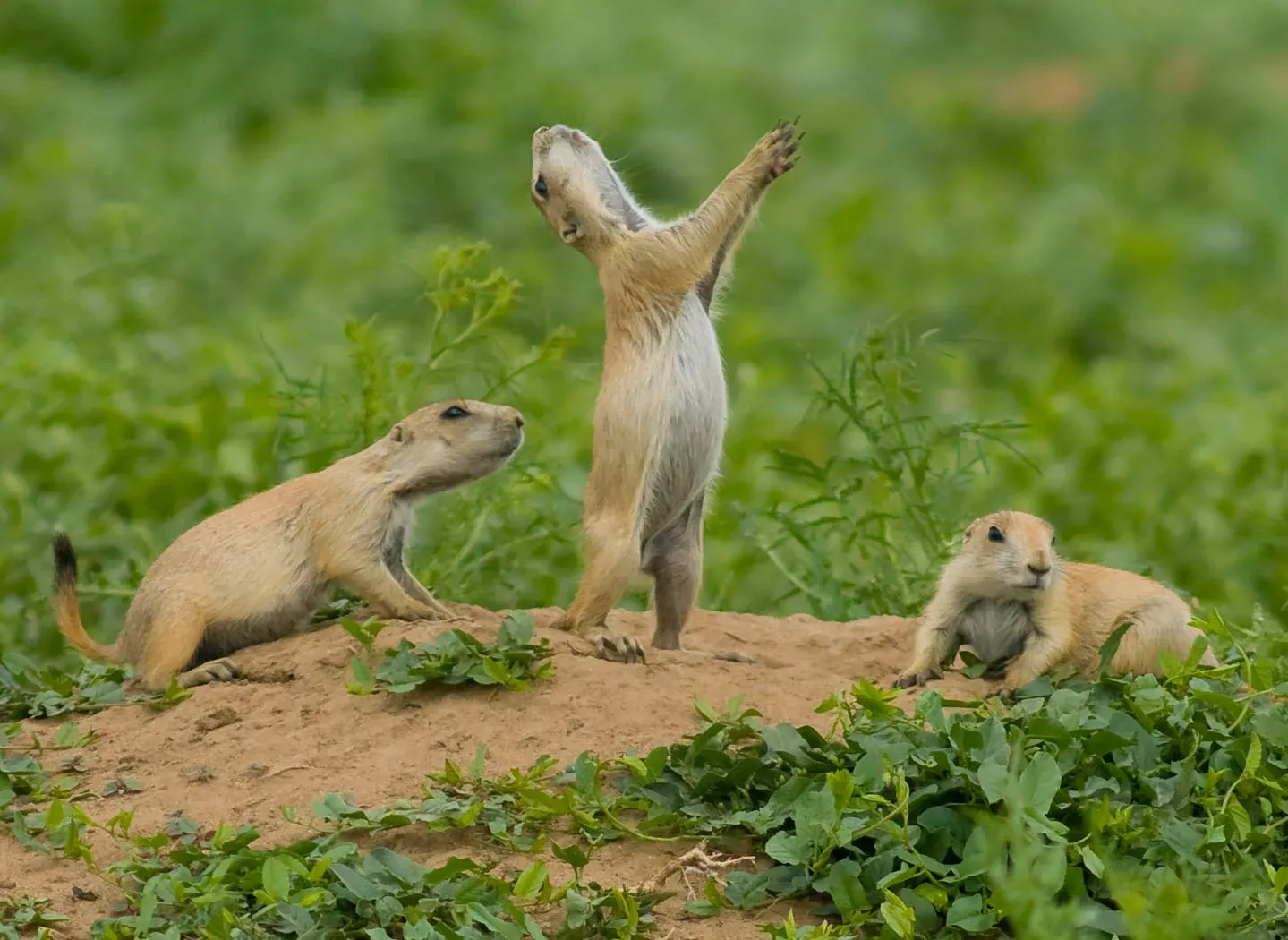
The jump-yip display of black-tailed prairie dogs is contagious, spreading through a prairie dog town as the wave through a stadium. The jump-yip occurs when prairie dogs jump up on their hind legs, throw their arms into the air and their heads back, and emit a loud yipping sound.
Contagious jump-yips function to assess neighbors’ alertness, soliciting social information to assess effective conspecific group size in real time and reveal active probing of conspecific awareness. It’s basically a roll call to make sure everyone is paying attention. If your neighbors respond quickly and enthusiastically, you know they’re alert and watching for danger, so you can spend more time foraging. If they’re slow to respond, you’d better stay vigilant yourself.
Different Colonies Have Different Dialects
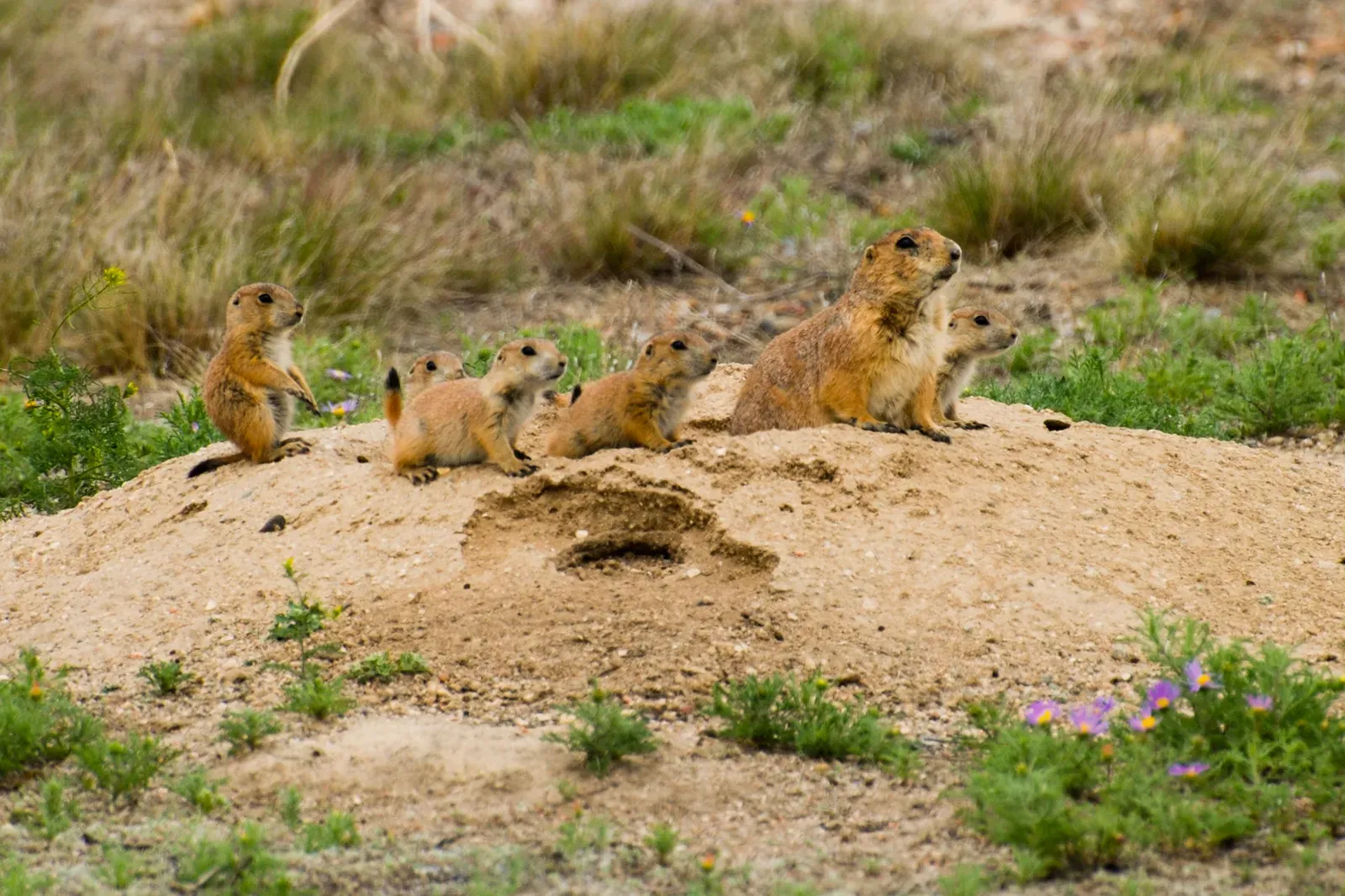
Research is consistent with the hypothesis that black-tailed prairie dogs have dialects in their alarm calls, with statistically significant differences in call characteristics of geographically separated populations, where nearby colonies share similar characteristics that are significantly different from colonies located at farther distances.
They have dialects with geographical variation, much like human language, and prairie dogs that live farther apart have more difference in their communication style. A prairie dog from Colorado might sound different from one in Texas. That suggests cultural transmission of information, where young prairie dogs learn the local dialect from their parents. It’s not just instinct, it’s learned behavior passed down through generations.
Nearly All of Them Have Disappeared
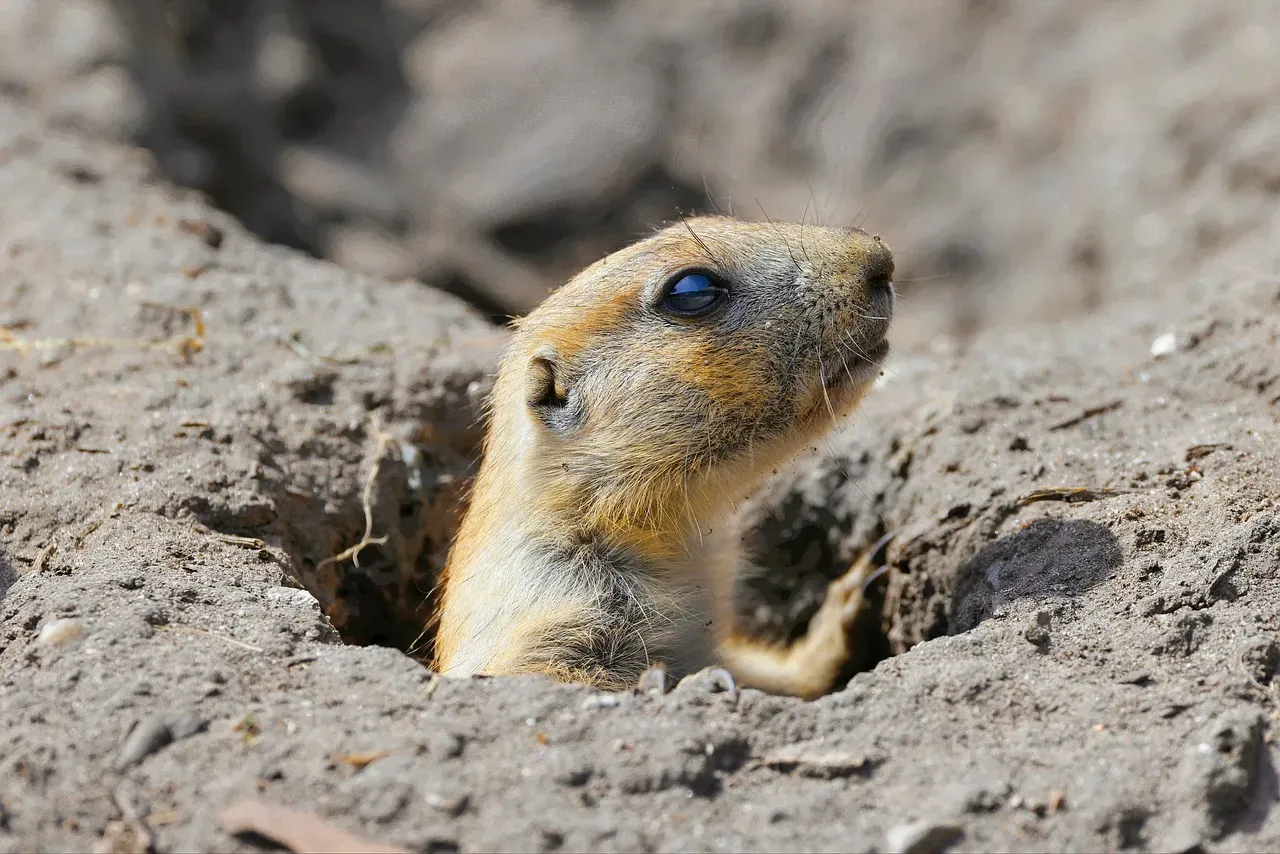
During the twentieth century, about ninety-eight percent of all prairie dogs were exterminated, and their range subsequently shrunk to perhaps five percent of its historic spread. Black-tailed prairie dogs once numbered in the hundreds of millions, maybe even over a billion, but their numbers have decreased by over ninety-five percent, and today, they may number around ten to twenty million.
Mass poisoning campaigns, habitat loss, and disease decimated populations across North America. What was once a defining feature of the Great Plains ecosystem has been reduced to tiny, fragmented colonies. The black-footed ferret, which depends almost entirely on prairie dogs for food, nearly went extinct as a result. It’s one of the most dramatic wildlife population collapses in modern history.
They’re a Keystone Species That Supports Entire Ecosystems
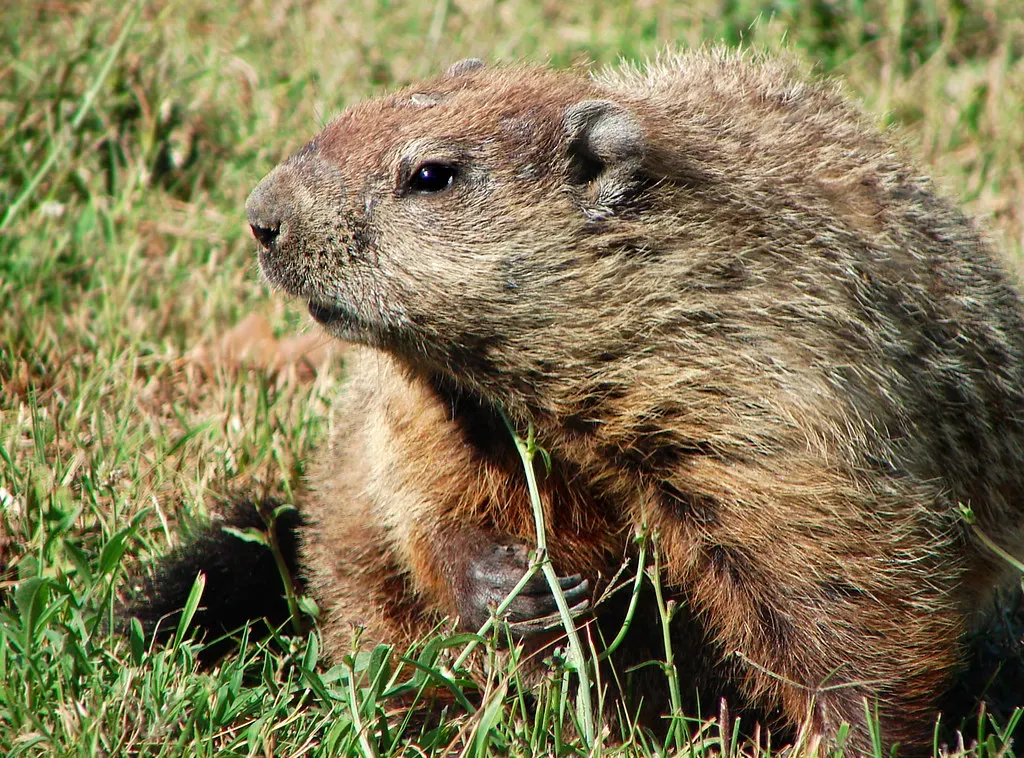
Prairie dogs are considered a keystone species because their colonies create islands of habitat that benefit approximately one hundred and fifty other species, including the endangered black-footed ferret. Prairie dogs serve their ecosystems by sharing their burrows with various other organisms including snakes, owls, camel spiders, insects, rabbits, and even black-footed ferrets, while their burrows also promote water flow underground and the act of digging stimulates the soil and encourages plant growth.
Their mound-building encourages grass development and renewal of topsoil, with rich mineral and nutrient renewal in the soil, which can be crucial for soil quality and agriculture. When prairie dogs disappear, the entire ecosystem suffers. Birds lose nesting sites, predators lose food sources, and the soil itself degrades. They’re not just cute rodents, they’re ecological architects whose presence shapes the landscape around them.
Conclusion
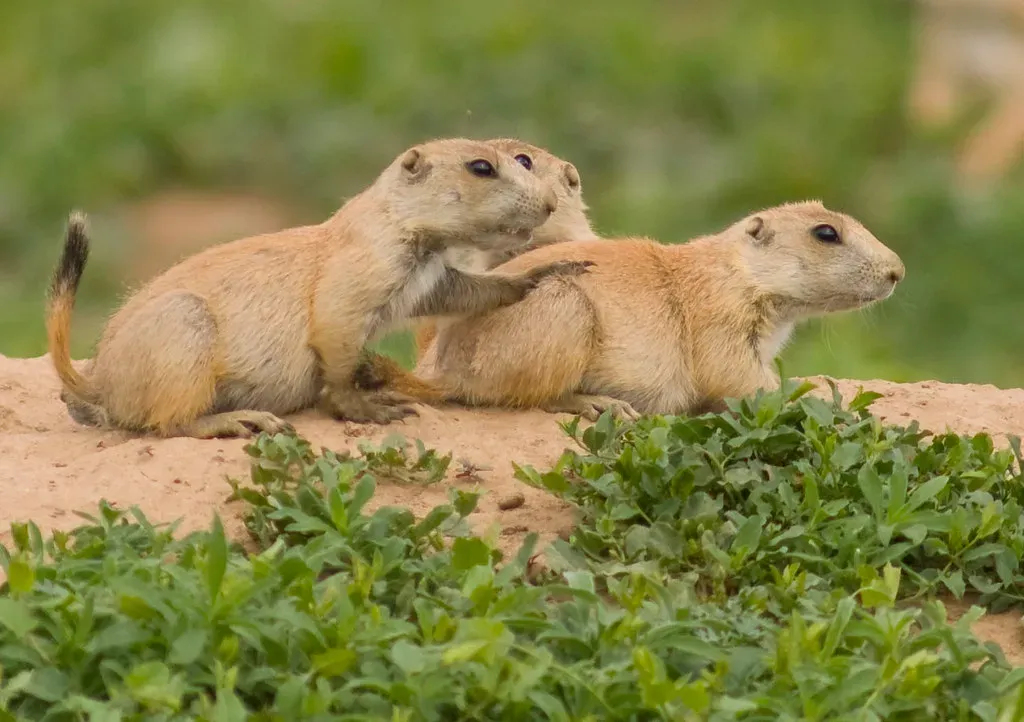
Prairie dogs aren’t the simple creatures most people assume they are. They’re linguistic geniuses, master engineers, and ecological cornerstones. Their sophisticated communication rivals anything we’ve seen in the animal kingdom, while their underground cities showcase architectural brilliance that humans have only recently begun to understand. From the contagious wave of jump-yips to the use of aerodynamics for home ventilation, every aspect of their lives reveals unexpected complexity.
The tragedy is that we’ve lost nearly all of them. What was once a thriving population numbering in the hundreds of millions has been reduced to scattered remnants. Yet in those remaining colonies, the same remarkable behaviors continue, a testament to the resilience and ingenuity of these extraordinary animals. What do you think about these surprising creatures? Share your thoughts in the comments.

- Which U.S. Predator Would Be Your Zodiac Sidekick in Real Life? - August 11, 2026
- 10 Incredible Facts About Raccoons That Make Them Backyard Geniuses - August 11, 2026
- 12 Shocking Facts About Dolphins That Will Make You See Them Differently - August 11, 2026