

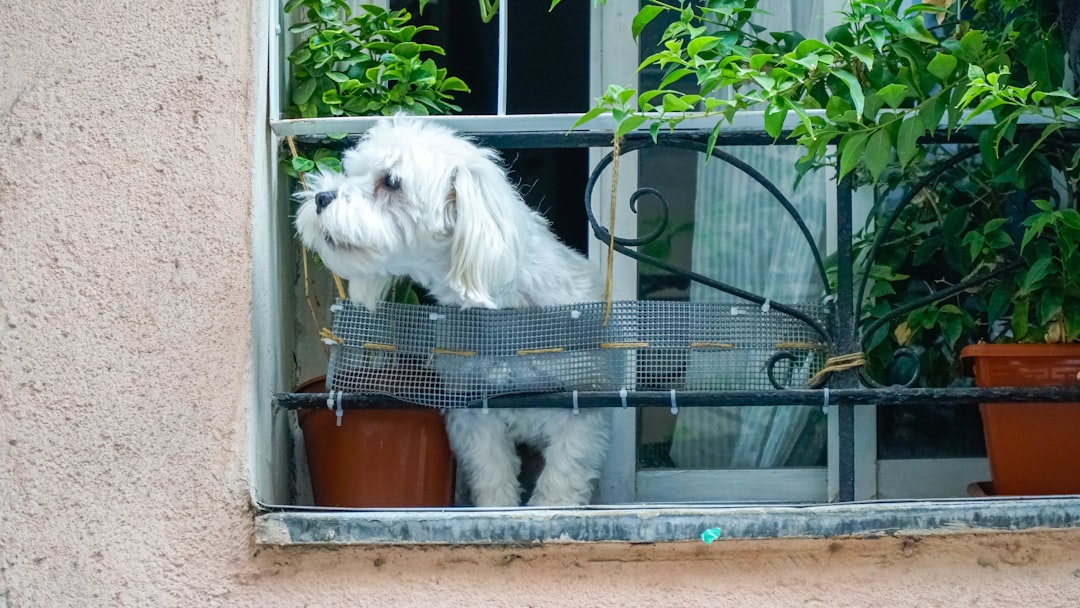
Size Matters Less Than Energy Levels (Image Credits: Unsplash)
Apartment residents across urban areas have long balanced the joys of dog ownership with the constraints of small living spaces through practical adaptations.
Size Matters Less Than Energy Levels
Many assume only tiny breeds suit apartments, yet calm larger dogs often adapt better than high-strung small ones. Low-energy companions like retired Greyhounds require minimal space for lounging after short exercise bursts.[1][2]
Owners reported success with Mastiffs and similar gentle giants by prioritizing temperament over stature. Active terriers or Chihuahuas posed more challenges due to constant motion and noise. Matching a dog’s personality to apartment life prevents frustration for everyone involved.
Designate a Cozy Dog Haven
Every pup benefits from a dedicated zone that serves as a retreat amid tight quarters. Select a low-traffic corner with natural light, an orthopedic bed, water bowl, and rotating toys to foster security.[3]
Pressure-mounted gates define boundaries without damaging rentals, while under-bed storage keeps supplies tidy. Multi-functional furniture, such as ottomans hiding toys, maximizes floor space. This setup reduces territorial issues and eases cleanup after playtime.
Master Exercise in Confined Settings
Daily outings remain crucial, even without yards; two 30-minute walks suffice for most dogs, supplemented by stair climbs or park visits. High-energy breeds demand longer sessions or dog walkers to burn off steam.[4]
Indoor alternatives include fetch in hallways or treadmill sessions for larger pups. Consistency in timing builds anticipation and curbs restlessness. Such routines ensure physical health while respecting shared building amenities.
- Schedule walks at dawn and dusk to avoid crowds.
- Incorporate nearby dog parks for socialization.
- Hire midday walkers for extended workdays.
- Use leashes in common areas per lease rules.
Control Noise, Odors, and Mess
Barking disrupts neighbors, so positive reinforcement training redirects attention effectively. White noise machines and soft furnishings dampen sounds from shared walls.[3]
Pet hair and smells accumulate quickly; frequent vacuuming, paw wipes post-walks, and washable covers maintain freshness. Baking soda neutralizes carpets, while enclosed litter alternatives suit multi-pet homes. Proactive habits preserve good standing with landlords and residents.
Stimulate Minds and Build Routines
Puzzle toys and treat dispensers engage dogs during alone time, preventing boredom-induced destruction. Obedience sessions sharpen focus in compact environments.[1]
Fixed feeding and play schedules mimic pack stability, reducing anxiety. Rotate enrichments weekly to sustain interest. Safety checks – securing balconies and cords – complement these efforts for worry-free days.
Small apartments transform into ideal dog homes when owners commit to these targeted changes. The reward lies in a content pet and harmonious living.
- Prioritize low-energy dogs and custom zones for comfort.
- Combine walks, toys, and training for balanced energy.
- Address noise and cleanliness to build neighbor rapport.
What adjustments have you made for your apartment dog? Share in the comments.

- Urban Coyotes Show Remarkable Adaptability, Learning to Thrive in City Environments - July 22, 2026
- Beavers Are Nature’s Engineers, Creating Vital Habitats for Other Wildlife Species - July 21, 2026
- The Recovery of the California Condor Offers Hope for Other Critically Endangered Birds - July 21, 2026