
Have you ever stopped mid-morning coffee to wonder what bird just made that loud call from your tree? Or noticed a flash of red zip past your window and thought, “Wait, what was that?” Our backyards are teeming with winged visitors, and honestly, most of us barely know who’s stopping by. Here’s the thing: you don’t need to trek into wilderness or invest in expensive gear to experience the wonder of birds. They’re right there, outside your door, living their best lives while you go about yours.
The American Robin might just be the most abundant bird in the United States and Canada, yet how many of us truly appreciate these orange-bellied neighbors? Let’s dive into the feathered friends who are probably visiting your yard right now.
American Robin: The Backyard Icon Everyone Recognizes
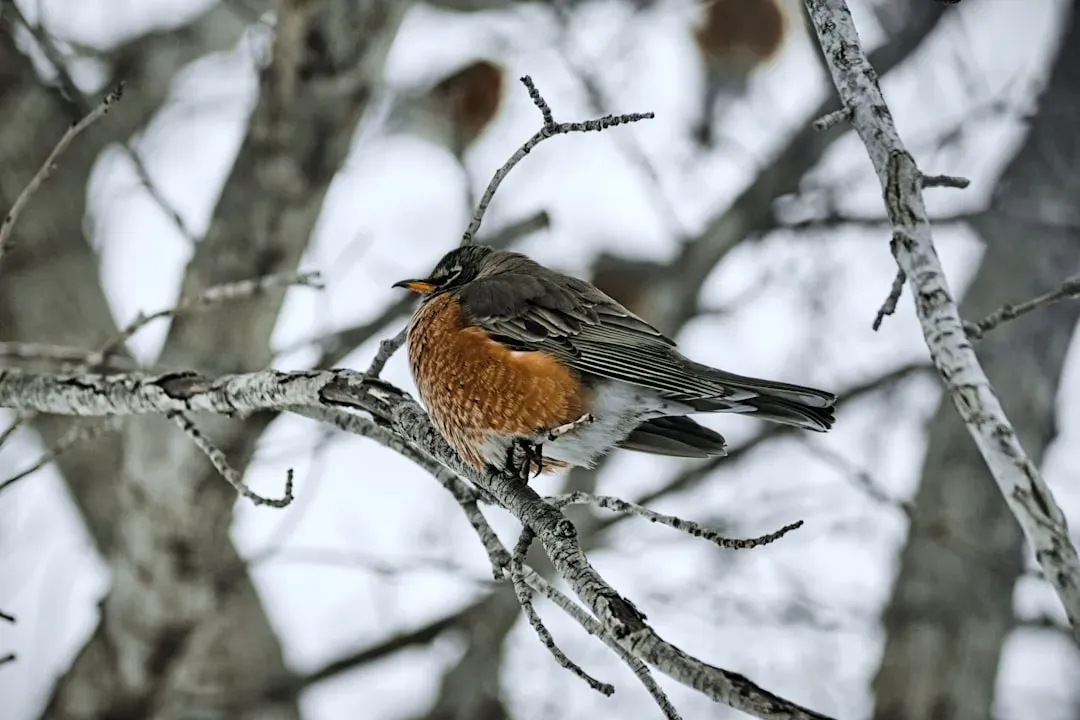
The American Robin is perhaps the most familiar bird to the general public, found in every state in the Lower 48, every Canadian province, and Alaska. That rusty orange breast and gray back make these medium-sized birds instantly recognizable.
While often considered a sign of spring, American Robins are actually year-round residents in most of the U.S., though in winter they disappear into forests where they dig under bark for meals, reappearing in yards as soon as the ground thaws. I find it surprising how many people think robins migrate completely, when really they’re just hiding out in the woods during colder months.
They eat earthworms, insects, snails, and fruit. If you’ve ever watched one hop across your lawn with its head cocked to the side, you’ve witnessed hunting in action. They’re listening and looking for worms beneath the soil.
Northern Cardinal: Red Royalty of the Feeder
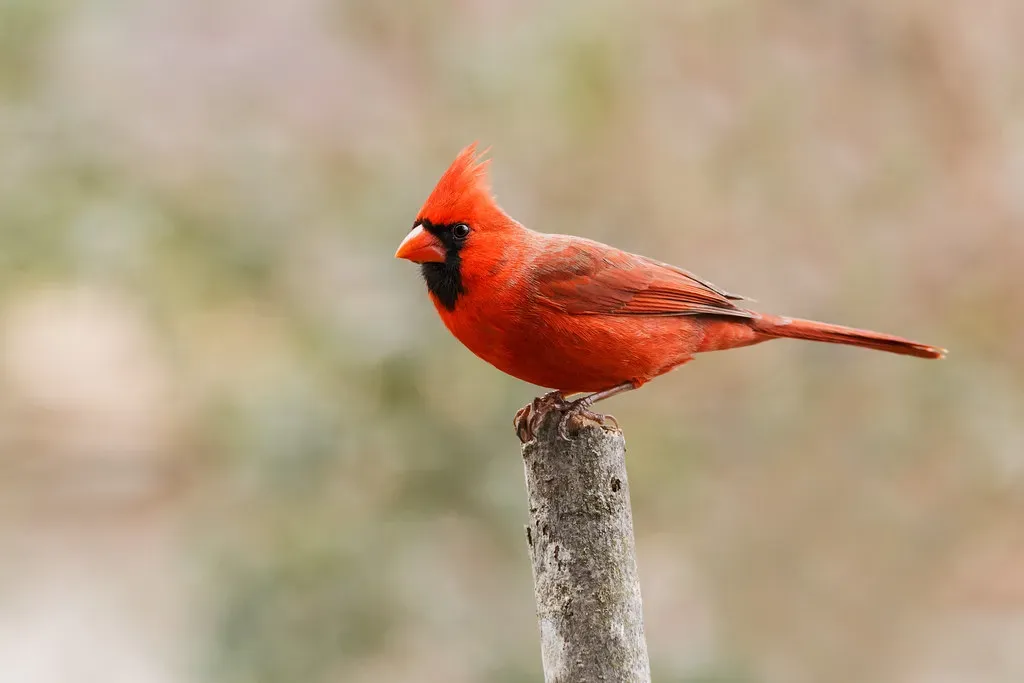
This familiar red bird is the official state bird of seven U.S. states. That’s some serious recognition right there. Males sport brilliant red plumage with black face masks and distinctive crests, while females wear softer brown tones with reddish accents.
The female cardinal is one of only a few female songbirds on the continent that actually sings. Let me tell you, hearing a pair duet across your yard is something special. Their high-pitched chip calls and what-cheer songs are also distinctive.
Cardinals are primarily seed-eaters who love sunflower seeds, safflower, and millet, but also eat fruits and insects, with their thick beaks perfectly adapted to crushing seeds at backyard feeders. Unlike some birds, cardinals stick around all year, and it’s comforting to see that red flash in the snow.
Blue Jay: The Bold and Brilliant Bully
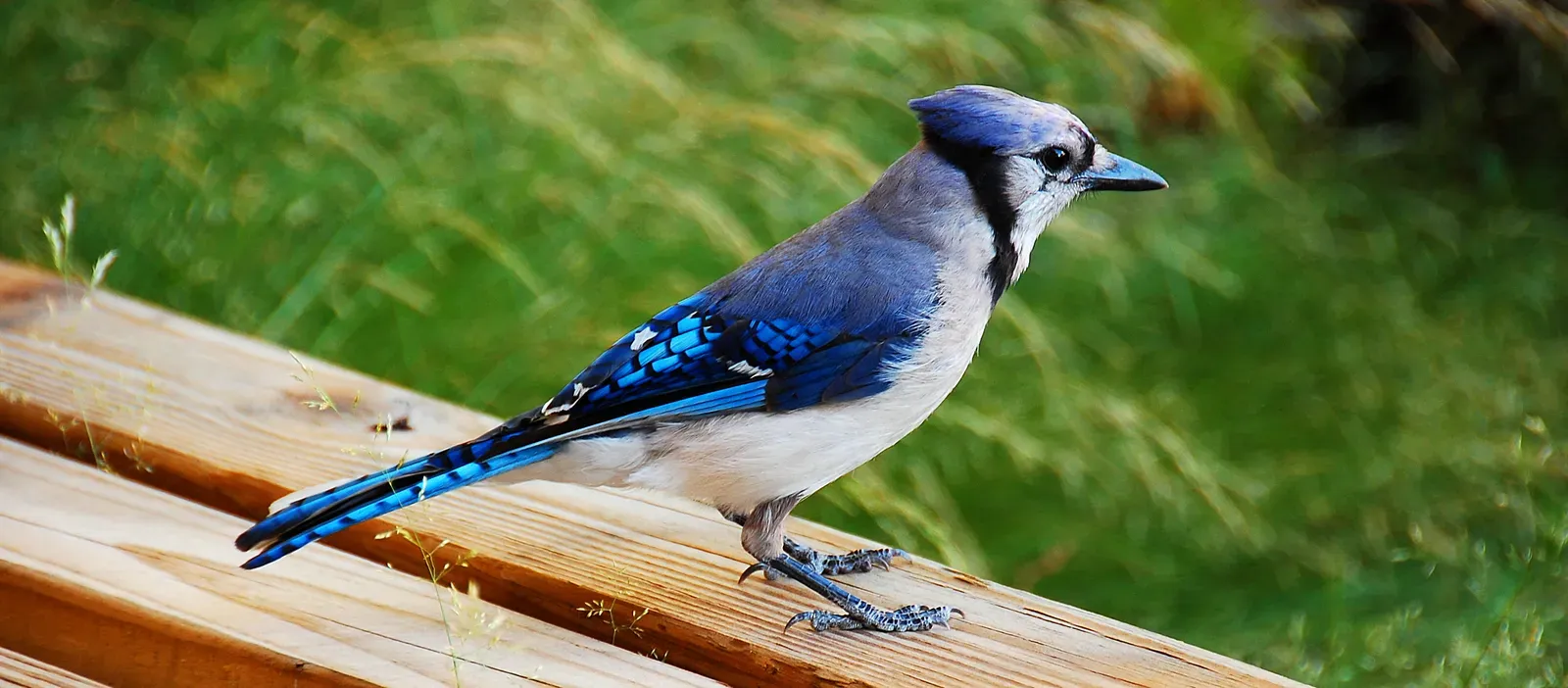
With their bright blue feathers and loud, piercing call, blue jays are among our most easily identifiable birds. They measure roughly 9 to 12 inches in length, sporting striking blue, black, and white plumage with a distinctive crest on top of their heads.
Blue jays belong to the Corvidae family of birds, which are considered among the most intelligent birds in the world, including ravens, crows, jays and magpies. Their smarts show. Jays can imitate the sound of hawks when they are spotted, providing early alerts that protect many other birds from becoming lunch, though they sometimes use this to their advantage by making hawk sounds even when none are present.
Blue jays can be loud and aggressive, threatening smaller birds, which is why they’re not a favorite among many avid birders. Still, you have to respect their cleverness and personality.
Black-Capped Chickadee: The Friendly Acrobat
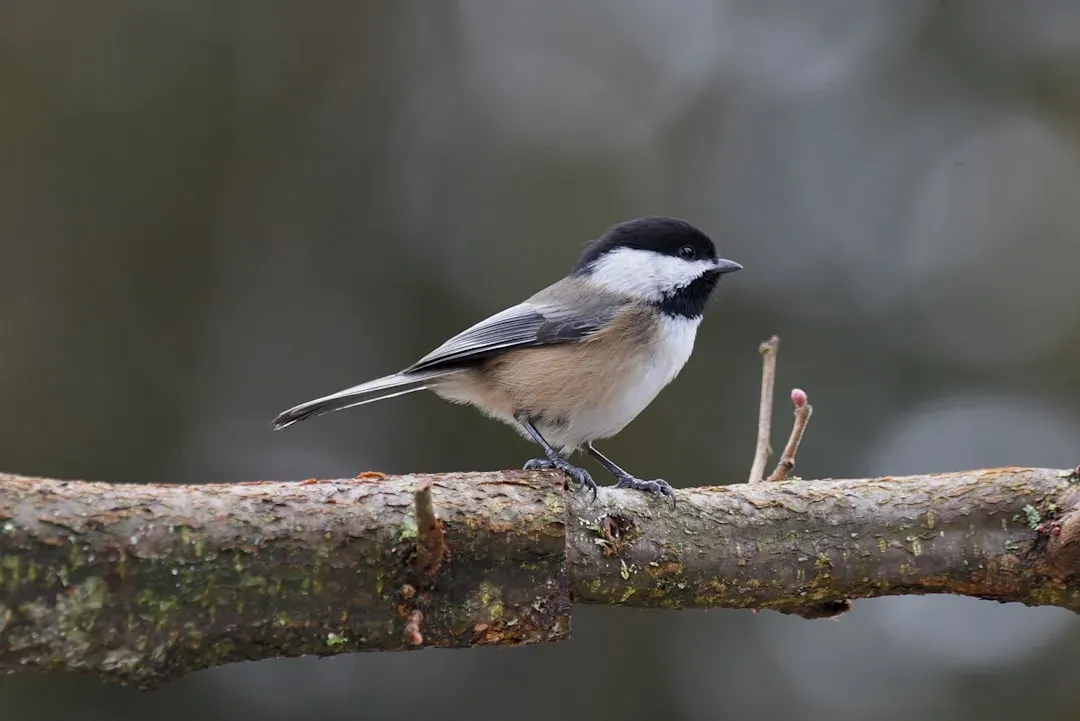
The black-capped chickadee is one of the friendliest common small birds in America, and adorable to boot. These tiny birds with their black caps, white faces, and gray backs are absolute charmers at feeders.
Their chickadee-dee-dee call is one of the first many birders learn to recognize. Once you hear it, you’ll never forget it. They are agile and acrobatic, capable of clinging upside down on tree branches.
Chickadees have a remarkable memory and can remember the locations of thousands of food caches. That’s pretty impressive for a bird weighing less than half an ounce. If you want to attract chickadees, offer sunflower seed in bird feeders.
Downy Woodpecker: The Tiny Tree Tapper
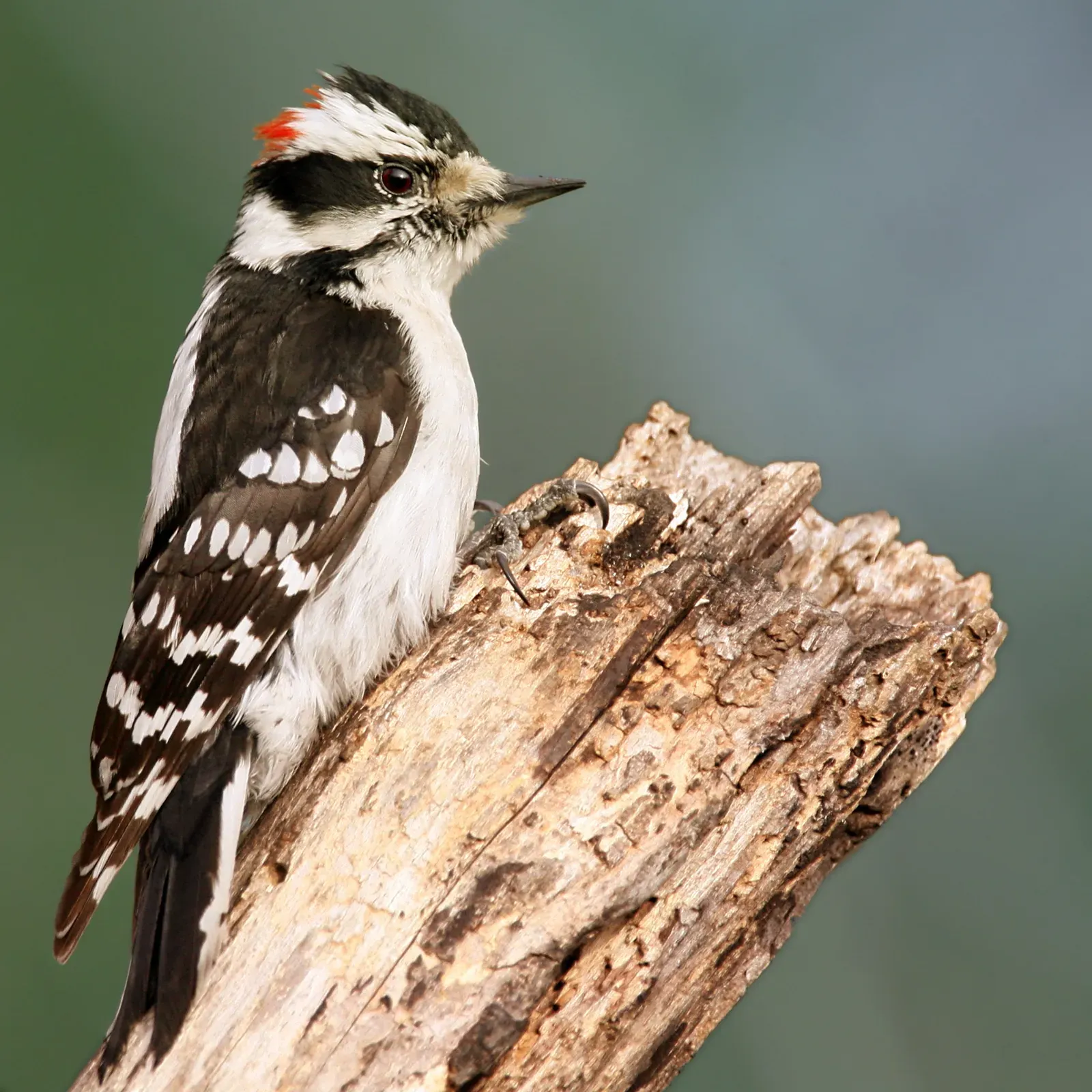
Downy Woodpeckers are the smallest woodpeckers in North America, living in deciduous woods and tree-filled urban and suburban parklands, where they forage on trees, shrubs, and large weeds for insects and other arthropods. These stubby-billed, black-and-white birds are regular backyard visitors.
Woodpeckers keep from knocking themselves out thanks to an enlarged and reinforced brain case that allows the brain to sit higher than the impact zone where the skull is thicker, plus extra muscles behind the beak that essentially provide built-in shock absorbers. Nature’s engineering at its finest.
They’re particularly fond of suet feeders in winter. Watching them cling to tree bark and hammer away is genuinely entertaining, even if you’ve seen it a hundred times.
American Goldfinch: The Little Yellow Spark
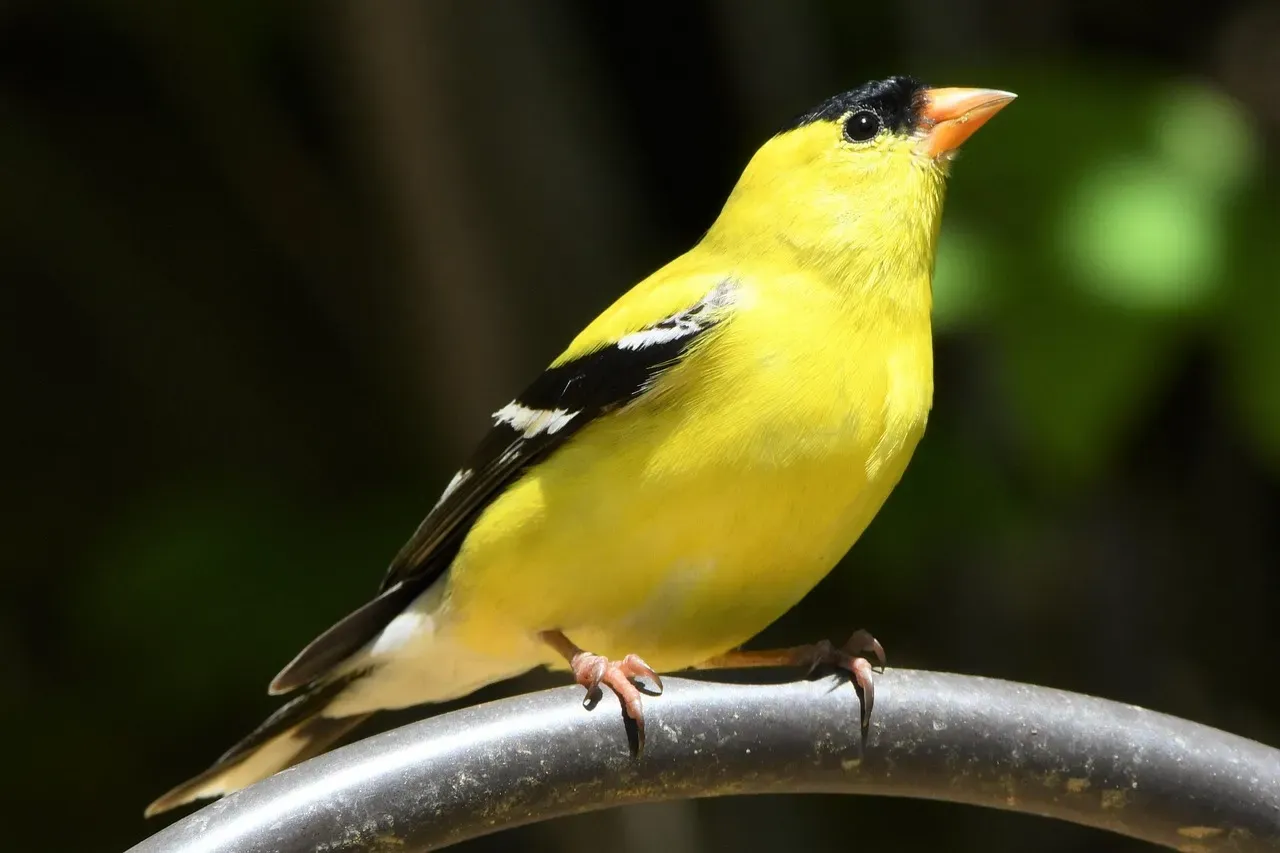
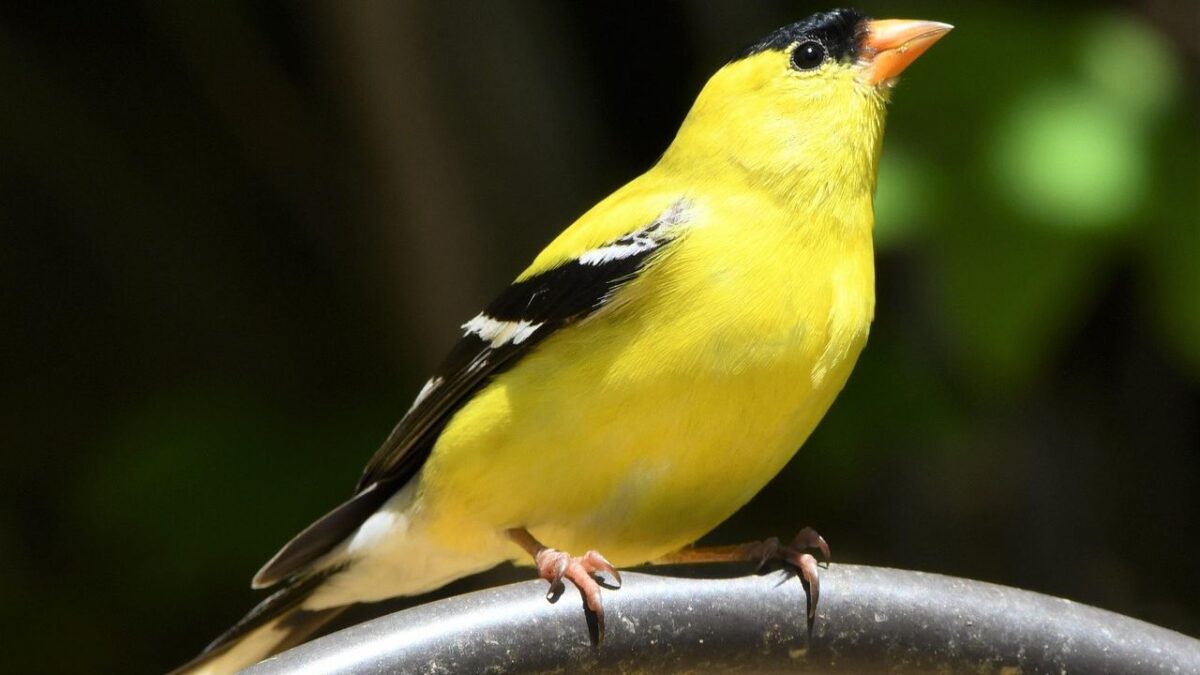
American goldfinches are common birds that stand out because of their bright yellow feathers, feeding solely on seeds and plants, only eating insects occasionally by mistake. Males in spring and summer are absolutely stunning in their sunny yellow plumage.
Males are bright yellow and black in spring, while females are duller brown, as are males in winter. This seasonal change can throw beginners for a loop when identifying them.
To attract more American Goldfinches to your backyard, try planting thistles and milkweed, and they will visit most bird feeders preferring sunflower seed and nyjer seed. Their bouncy flight pattern is distinctive too.
White-Breasted Nuthatch: The Upside-Down Wonder
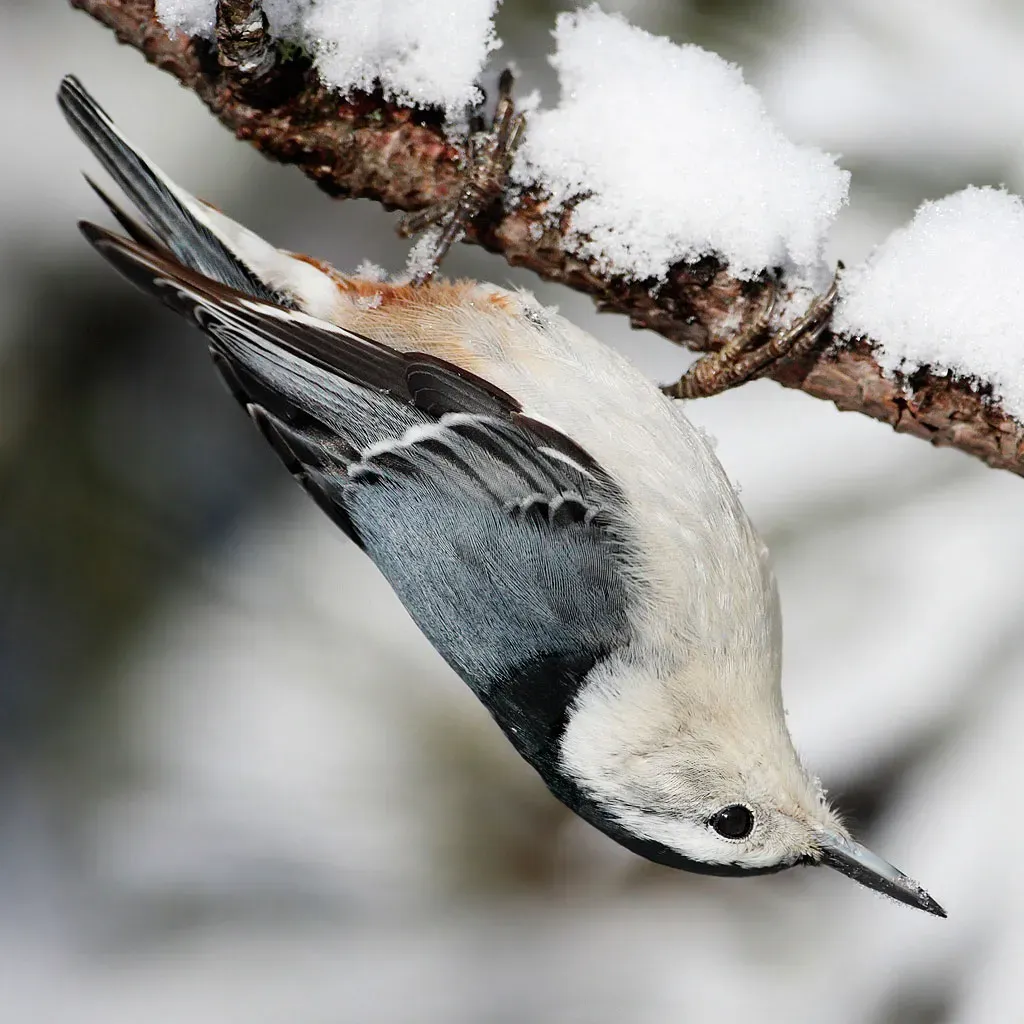
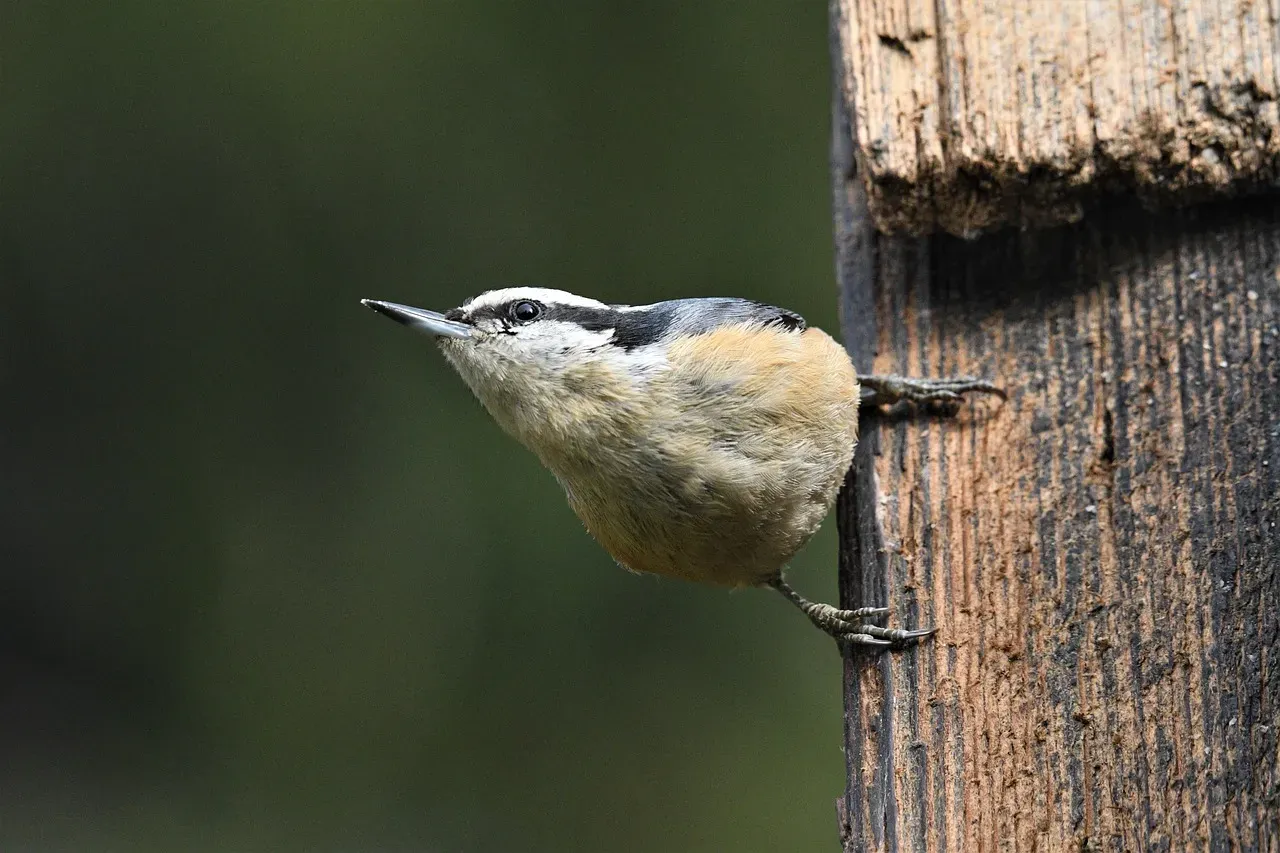
A white-breasted nuthatch is easy to spot due to this backyard bird’s unique habit of hopping around upside-down. Seriously, once you see one walking headfirst down a tree trunk, you’ll understand why they’re so memorable.
You can recognize this bird by its white face and underside, bluish back and wings, and dark crown, its nasal yank-yank call, and its habit of creeping down tree trunks headfirst, nesting in natural cavities and old woodpecker holes as year-round residents even in cold areas.
The nuthatch will eat just about everything you serve at feeders and has a special love for large seeds like peanuts and acorns, jamming these nuts into tree crevices and whacking them to open and pry out the meat. Their determination is admirable.
Mourning Dove: The Gentle Ground Feeder
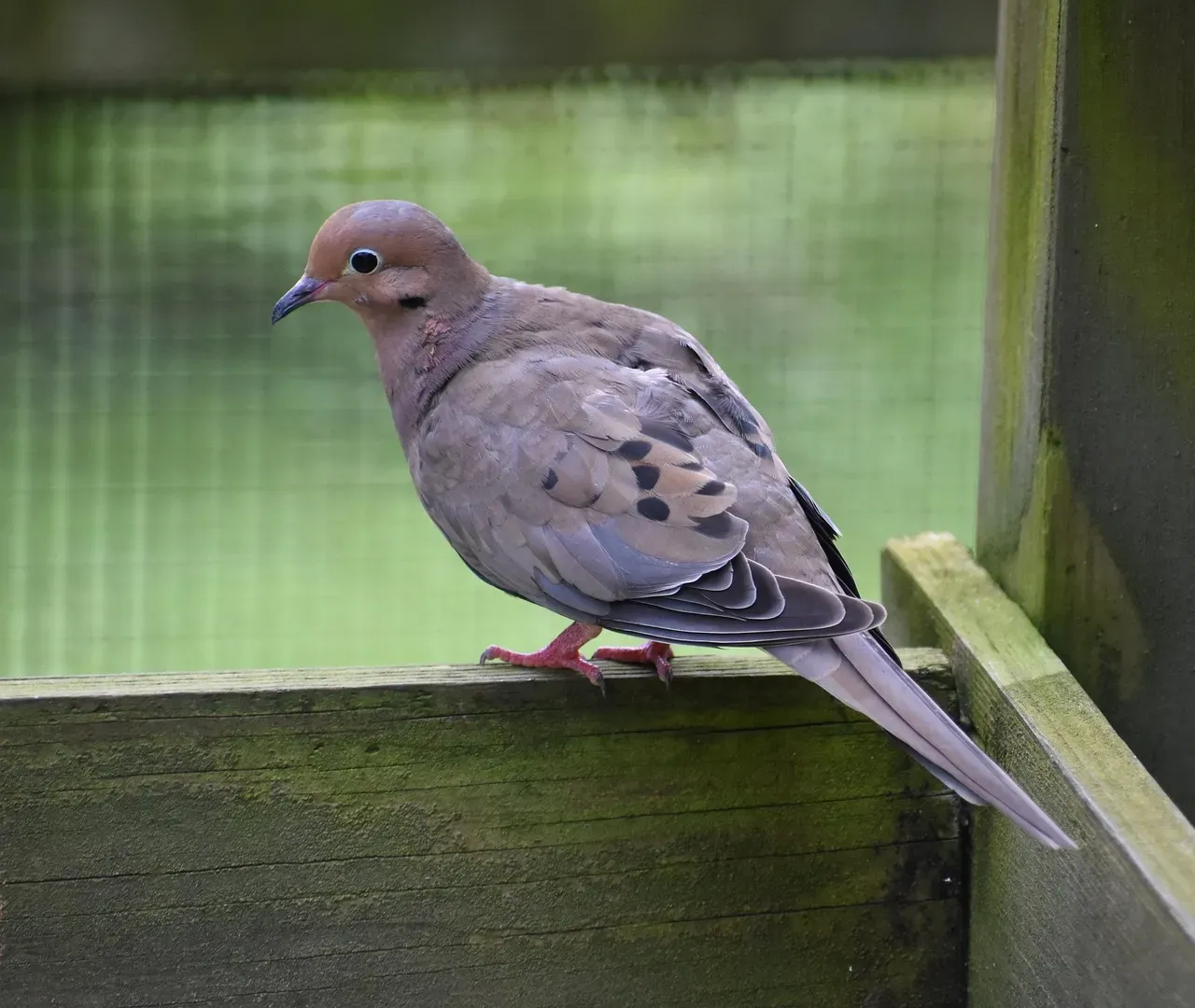
The Mourning Dove is a medium-sized bird with a sleek body and small head, featuring soft, light brown plumage with darker spots on its wings. They’re everywhere once you start noticing them.
These doves are known for their gentle and mournful cooing sound often described as coo-oo, coo, coo, and are frequent visitors to bird feeders, often seen walking and foraging on the ground using their beaks to pick up food. That cooing can be quite soothing, honestly.
The Mourning Dove is the most widespread dove in North America, an easily startled ground feeder that can be found pretty much anywhere with open habitat from woodlands to cities. Their rapid wingbeats create a distinctive whistling sound when they take off.
Tufted Titmouse: The Crested Cutie
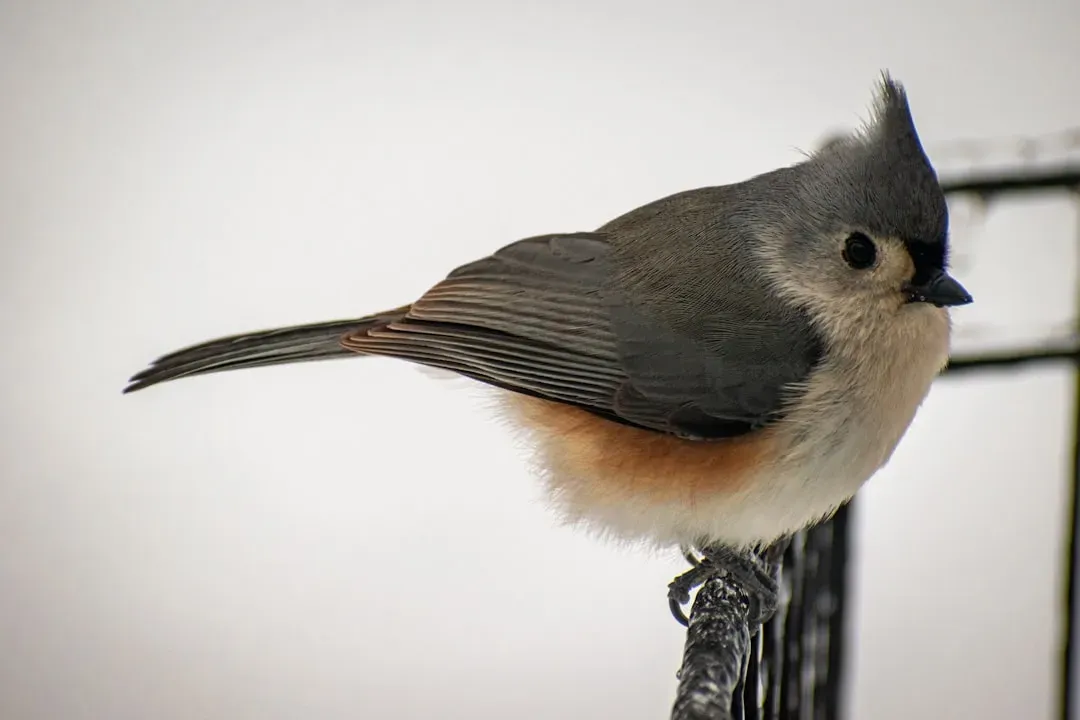
The tufted titmouse is gray-backed with a white belly, and this small bird also boasts flashes of orange and a jaunty crest. They’re related to chickadees and share similar friendly personalities.
Titmice are fun to observe at feeders as they hold one seed in their feet and pound it open to get the meat within, and in fall you can watch their hoarding behavior as they store up food for winter. It’s like watching tiny construction workers.
Their loud “peter-peter-peter” song rings through the woods and yards alike. They’re bold little birds that will investigate your presence with curiosity rather than fear.
Dark-Eyed Junco: The Winter Snowbird
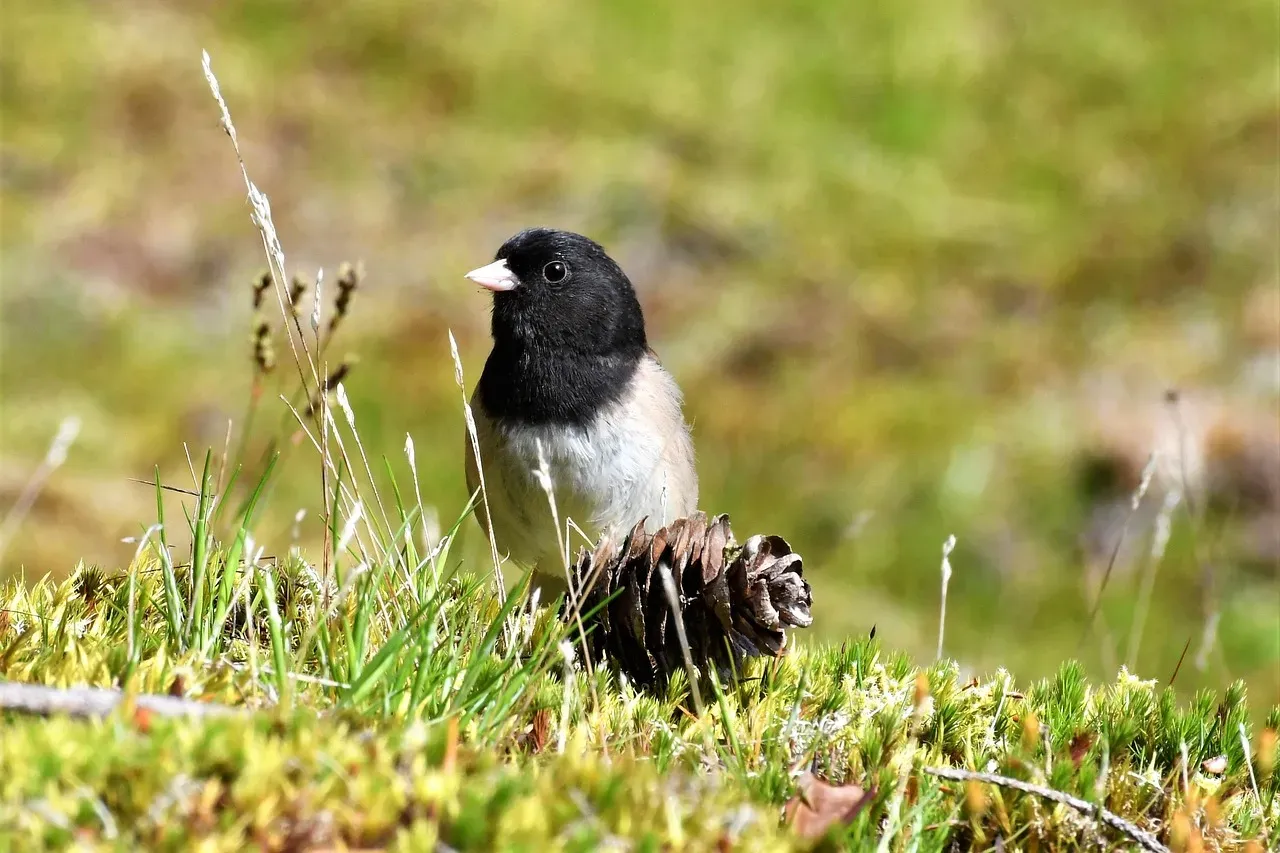
Juncos are a popular and widespread winter visitor to almost all of the United States from the boreal forests of the North and high mountains, bouncing around under feeders foraging and eating spilled seeds. These unassuming gray members of the sparrow family are winter regulars.
Dark-eyed Juncos are colloquially known as snowbirds due to their sudden appearance throughout much of the country when the temperature starts dropping. I think that’s a perfect nickname for them.
You may see this bird’s distinctive white outer tail feathers flash as it flits from one spot to another while foraging on the ground for bugs and seeds. Those white tail feathers are your key identification feature when they fly away.
Conclusion: Your Backyard Birding Journey
The incredible thing about backyard birding is how accessible it is. You don’t need expensive equipment or exotic locations. Just a little patience, maybe a feeder or two, and genuine curiosity. These ten birds are likely already visiting your yard, living their complex lives while you go about yours.
Each species has its own personality, habits, and quirks. The aggressive blue jay caching acorns. The upside-down nuthatch defying gravity. The gentle mourning dove cooing at dawn. They’re all out there, waiting to be noticed. Once you start paying attention, it’s hard to stop. The world becomes a little richer, a little more alive.
So what are you waiting for? Grab a cup of coffee, sit by your window, and see who shows up. What did you spot today?

- 15 Little-Known Facts About DNA That Control More Than You Think - August 10, 2026
- 10 Ways Snakes Can Actually Benefit Your Garden - August 10, 2026
- What Type of Venomous Land Animal Are You According to Your Zodiac Sign - August 10, 2026