

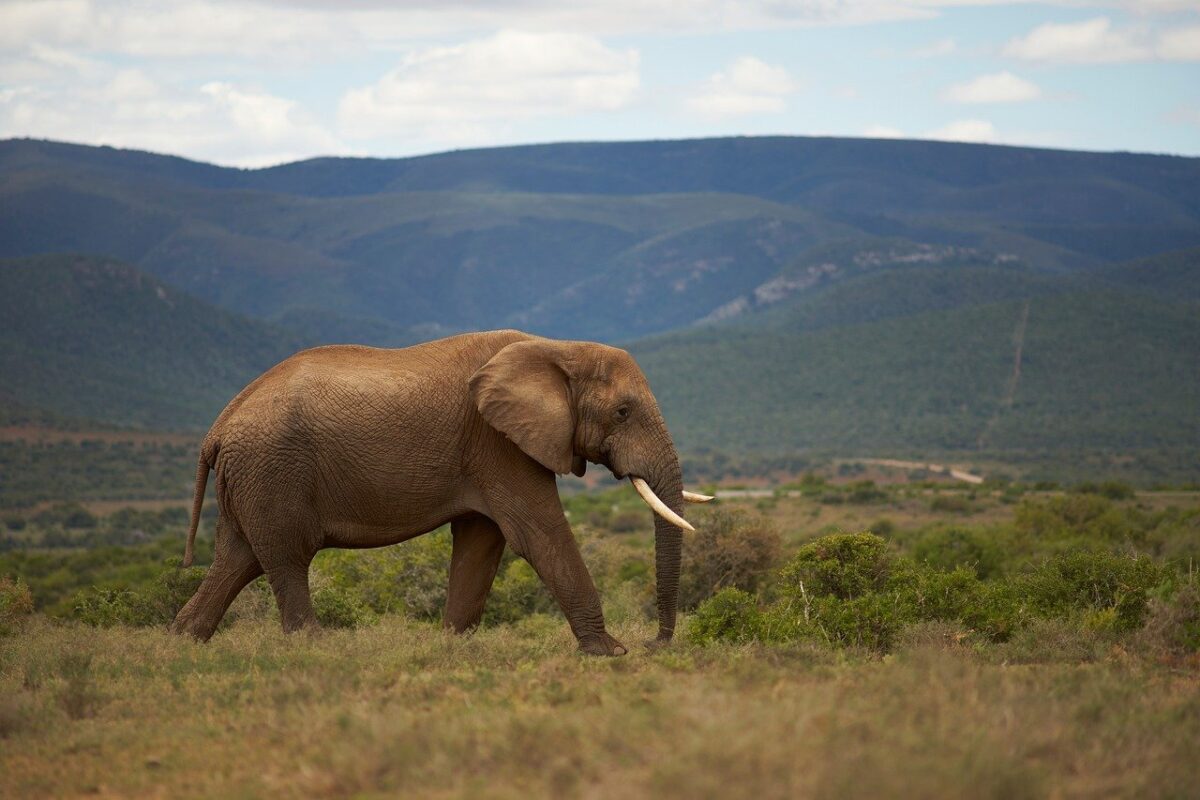
Core Elements of Ethical Wildlife Tourism (Image Credits: Pixabay)
Adventurers worldwide seek out wildlife experiences that promise unforgettable connections with nature’s most majestic creatures.
Core Elements of Ethical Wildlife Tourism
Ethical wildlife tourism places the welfare of animals and their habitats above human entertainment. Operators prioritize minimal disturbance, allowing creatures to exhibit natural behaviors without interference. This approach stands apart from broader concepts like ecotourism by emphasizing animals’ sentience, stress thresholds, and ecological roles.[1]
Experiences revolve around observation from safe distances, guided by strict protocols. Sightings remain uncertain, influenced by factors such as weather and seasonal patterns. Professional leadership from scientists or conservation groups ensures focus on research and protection rather than spectacle.
Transparency defines these operations. Providers disclose objectives, data practices, and behavioral rules upfront. Realistic expectations replace guarantees of close-ups or interactions.
Spotting Unethical Practices to Avoid
Many attractions mask harm behind appealing labels. Travelers often encounter rides on elephants, promoted as cultural traditions despite involving coercive training methods that inflict pain and restrict natural movement. Captive dolphins in cramped pools endure noise, crowds, and handling, leading to chronic stress.
Other red flags include petting sessions with sloths, monkeys, or tiger cubs, which separate young animals from families. Feeding wildlife for photographs fosters dependency and erodes natural instincts. Promises of sightings typically signal manipulation or confinement.
| Practice | Why Unethical |
|---|---|
| Elephant rides | Pain-based training, limited mobility |
| Dolphin swims in captivity | Stress from enclosure and handling |
| Wildlife petting zoos | Separation from natural groups |
| Guaranteed sightings | Animal control or baiting |
Characteristics of Legitimate Ethical Tours
Genuine options include regulated whale-watching outings and safaris that enforce distance rules while funding protected areas. Guided hikes prioritize learning over thrills, benefiting local communities through sustainable models. Conservation expeditions stand out, where participants assist in data collection for ongoing research.
For instance, projects monitoring coral reefs and whale sharks demonstrate commitment, even if target species evade detection. “Ethical wildlife tourism isn’t about what you get to see. It’s about what you’re willing to respect, accept and sometimes miss out on, for the sake of the animals themselves.”[1]
Practical Steps for Informed Choices
Travelers can vet opportunities by posing targeted questions before booking. Inquire about leadership credentials, conservation goals, and interaction protocols. Scrutinize reviews for mentions of research contributions rather than photo ops.
- Verify scientific or NGO oversight.
- Seek transparency on data usage and limitations.
- Avoid emotion-driven marketing focused on selfies or guarantees.
- Research species’ needs and tour impacts.
- Opt for citizen science roles involving monitoring or surveys.
- Compare via independent resources like volunteer tip sheets.
Non-profits such as Biosphere Expeditions provide vetted expeditions in places like the Maldives and Malawi, blending adventure with tangible impact.
Key Takeaways
- Prioritize animal welfare and conservation over personal thrills.
- Choose operators with expert leadership and no sighting guarantees.
- Contribute actively through research support for lasting benefits.
Amid biodiversity challenges, ethical choices empower travelers to safeguard species while creating meaningful memories. Proper wildlife tourism funds habitats and cultivates lifelong advocates. What experiences have shaped your views on responsible travel? Share in the comments.

- Urban Coyotes Show Remarkable Adaptability, Learning to Thrive in City Environments - July 22, 2026
- Beavers Are Nature’s Engineers, Creating Vital Habitats for Other Wildlife Species - July 21, 2026
- The Recovery of the California Condor Offers Hope for Other Critically Endangered Birds - July 21, 2026