

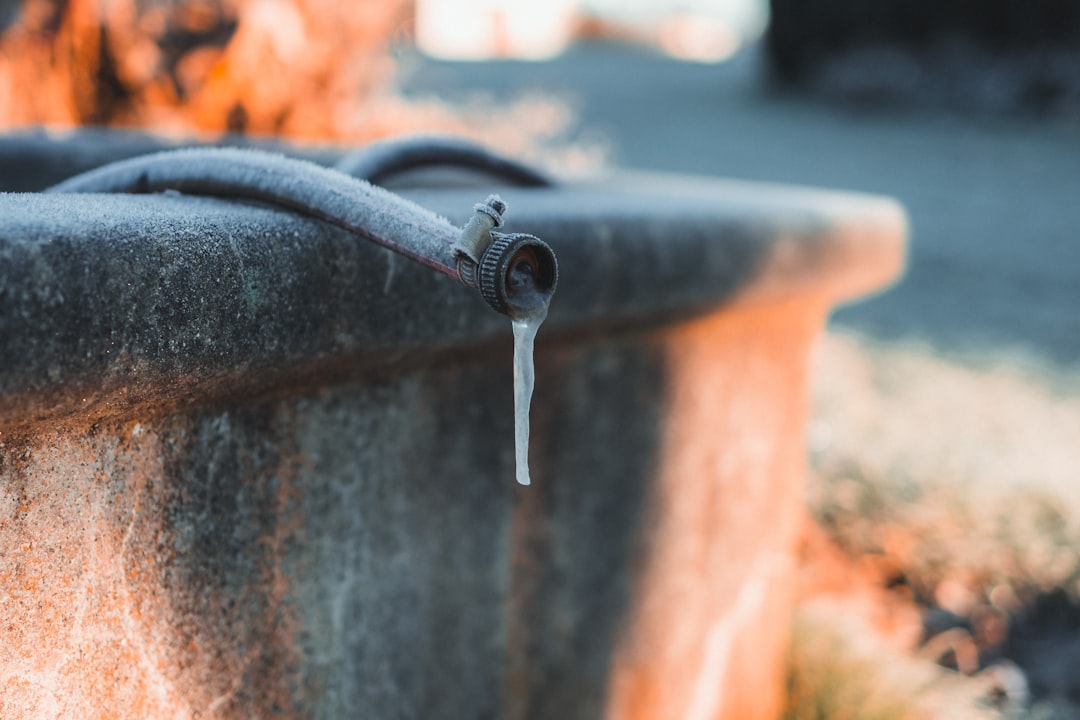
Storm’s Icy Legacy Sparks Pipe Failures (Image Credits: Unsplash)
Washington D.C. area – A brutal cold snap in the wake of the region’s first major snowstorm of 2026 has led to dozens of underground water main failures, straining utilities and prompting urgent conservation pleas.[1][2]
Storm’s Icy Legacy Sparks Pipe Failures
More than 40 water main breaks and leaks demanded attention from repair crews as of Wednesday afternoon, with officials anticipating even more in the coming days.[2] The tally stood at 33 incidents earlier in the week for the Washington Suburban Sanitary Commission, which serves Montgomery and Prince George’s counties in Maryland.
Heavy snow fell across the D.C. metro region over the weekend, dumping up to 8.5 inches in spots like Simpsonville, Maryland, and 7 inches in Ashburn, Virginia. Sleet and freezing rain compounded the mess, turning roads hazardous. Temperatures then plunged into the teens during the day and single digits at night, delivering subzero wind chills that shocked aging infrastructure.[1]
Utilities reported heightened pressure on systems already taxed by snowbound residents ramping up indoor water use. Power providers like Pepco braced for outages from ice-weighted lines, while transportation ground to a halt with school closures and limited transit.
Cold Shocks Pipes, River Temps Drop
Sudden frigid air lowered the Potomac River’s temperature, a critical factor in pipe stress, according to WSSC Water spokesman Luis Maya. Pipes struggled to adapt to the rapid shift, leading to bursts in underground lines.[2]
“The temperature in the Potomac River, it’s a key indicator – it’s directly impacting those water main breaks,” Maya stated. He warned that crews expected the problem to worsen before improving.[2]
Specific failures surfaced in places like the 5000 block of Acacia Avenue in Rockville, where water flowed onto Rockville Pike and blocked lanes, and Cappy Avenue in Capitol Heights, turning a hillside street into an icy hazard after a main ruptured beneath a parked car.
Crews Dig Through Frozen Ground
Repair teams confronted frozen soil and brutal conditions while addressing the surge. Utility technician Pablo Mendizabal handled a fix on Cappy Avenue, locating valves to isolate the 4-foot-deep break and using heavy equipment after relocating vehicles.
Maya emphasized public vigilance: “We need (customers’) eyes. If they see water rolling on the street, if they suspect the break, give us a call. The sooner they report it, the sooner a crew can be out here to repair that.”[2]
Safety protocols kept workers layering up and proceeding cautiously amid the deep freeze. WSSC managed a sprawling 1,000-square-mile service area, prioritizing fixes to maintain supply for fire protection and daily needs.
Conservation Measures Take Hold
WSSC issued calls for “essential water use only” to nearly 2 million customers, aiming to avert a boil-water advisory. The water remained safe to drink, but limits helped preserve reserves during repairs.
Residents received clear guidance on cutbacks:
- Shorten showers and baths.
- Limit toilet flushes and laundry cycles.
- Skip dishwasher runs unless full.
- Drip faucets and open cabinet doors under sinks to protect indoor pipes.
- Report street water flows immediately to 301-206-4002.
Such steps eased system strain from both breaks and snowed-in households firing up faucets more often.
Key Takeaways
- Frigid post-storm cold drove over 40 water main incidents, linked to Potomac River chill.
- Crews repaired breaks in tough spots like Rockville and Capitol Heights amid frozen earth.
- Water conservation prevented advisories; reporting aided swift fixes.
As plows cleared streets and forecasts promised no new precipitation, the focus shifted to recovery. Yet the episode underscored vulnerabilities in aging pipes facing extreme weather. Officials urged preparedness for future snaps. What steps are you taking to safeguard your home? Tell us in the comments.

- Urban Coyotes Show Remarkable Adaptability, Learning to Thrive in City Environments - July 22, 2026
- Beavers Are Nature’s Engineers, Creating Vital Habitats for Other Wildlife Species - July 21, 2026
- The Recovery of the California Condor Offers Hope for Other Critically Endangered Birds - July 21, 2026