

Picture a creature no bigger than your fist crossing an entire ocean without a single break. Or a bird so committed to its journey that it reshapes its internal organs just to make the trip possible. Here in America, some of the most extraordinary travelers on Earth don’t check into hotels or fill up gas tanks. They simply fly.
These aren’t your backyard robins hopping between branches. These are endurance athletes of the sky, navigating invisible highways that stretch from the frozen Arctic to the tip of South America. Their journeys test the very limits of what seems biologically possible, and honestly, what they accomplish makes human road trips look like a stroll to the mailbox.
The Arctic Tern: Chasing Endless Summer
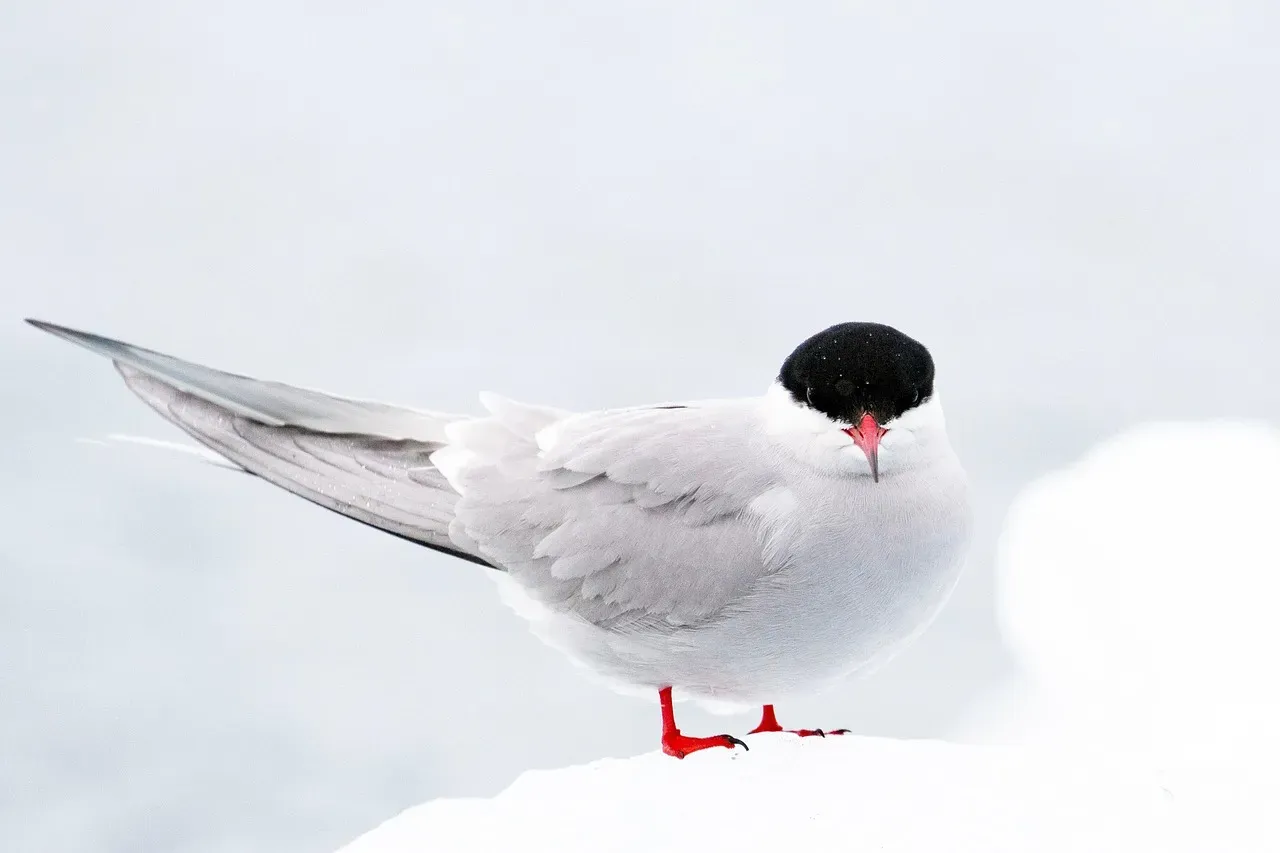
The Arctic Tern migrates from its Arctic breeding grounds to the Antarctic and back again each year, seeing two summers as it migrates along a convoluted route. Think about that for a moment. This bird experiences more daylight than any other creature on the planet.
Eleven birds that bred in Greenland or Iceland covered 70,900 km on average in a year, with a maximum of 81,600 km. That’s not a typo. One individual covered a staggering 96,000 km in just 10 months from the end of one breeding season to the start of the next, setting a global migration record.
After fitting the birds with trackers, scientists learned that arctic terns fly thousands of miles out of their way to take advantage of the best weather and get the best food, bouncing around every continent instead of flying in a straight line. They’re not just migrating. They’re optimizing their entire route like seasoned travelers hunting for the best deals.
The average Arctic tern lives about 30 years and will travel some 2.4 million km during its lifetime, the equivalent of a roundtrip from Earth to the Moon more than three times. Let that sink in.
The Bar-tailed Godwit: The Ultimate Non-Stop Flyer
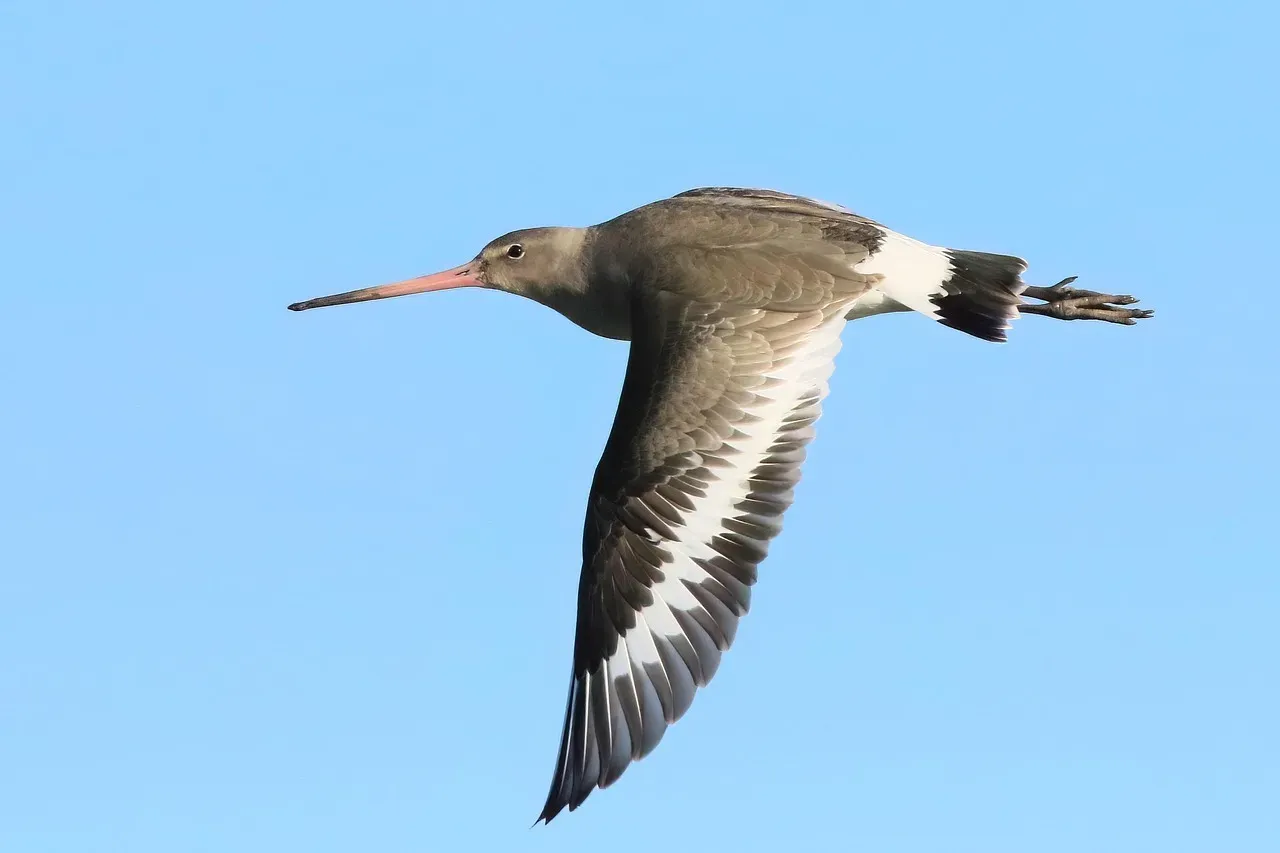
If the Arctic Tern is the marathon champion, the Bar-tailed Godwit is the ultra-endurance record holder. The migration of the subspecies Limosa lapponica baueri across the Pacific Ocean from Alaska to New Zealand is the longest known non-stop flight of any bird.
Let’s be real about what “non-stop” means here. A four-month-old bar-tailed godwit known as B6 set a new world record by completing a non-stop 11-day migration of 8,425 miles from Alaska to Tasmania, Australia, representing the longest documented non-stop flight by any animal. Eleven days. No food. No water. No rest.
How does a bird roughly the size of a pigeon pull this off? They carry the greatest fat loads of any migratory bird so far studied, reducing the size of their digestive organs to do so. They literally digest their own guts to make room for more fuel.
The round-trip migration for this subspecies is over 29,000 km. These shorebirds prove that size doesn’t determine capability. It’s hard to say for sure, but that kind of determination deserves serious respect.
The Swainson’s Hawk: The Grasshopper-Chasing Raptor
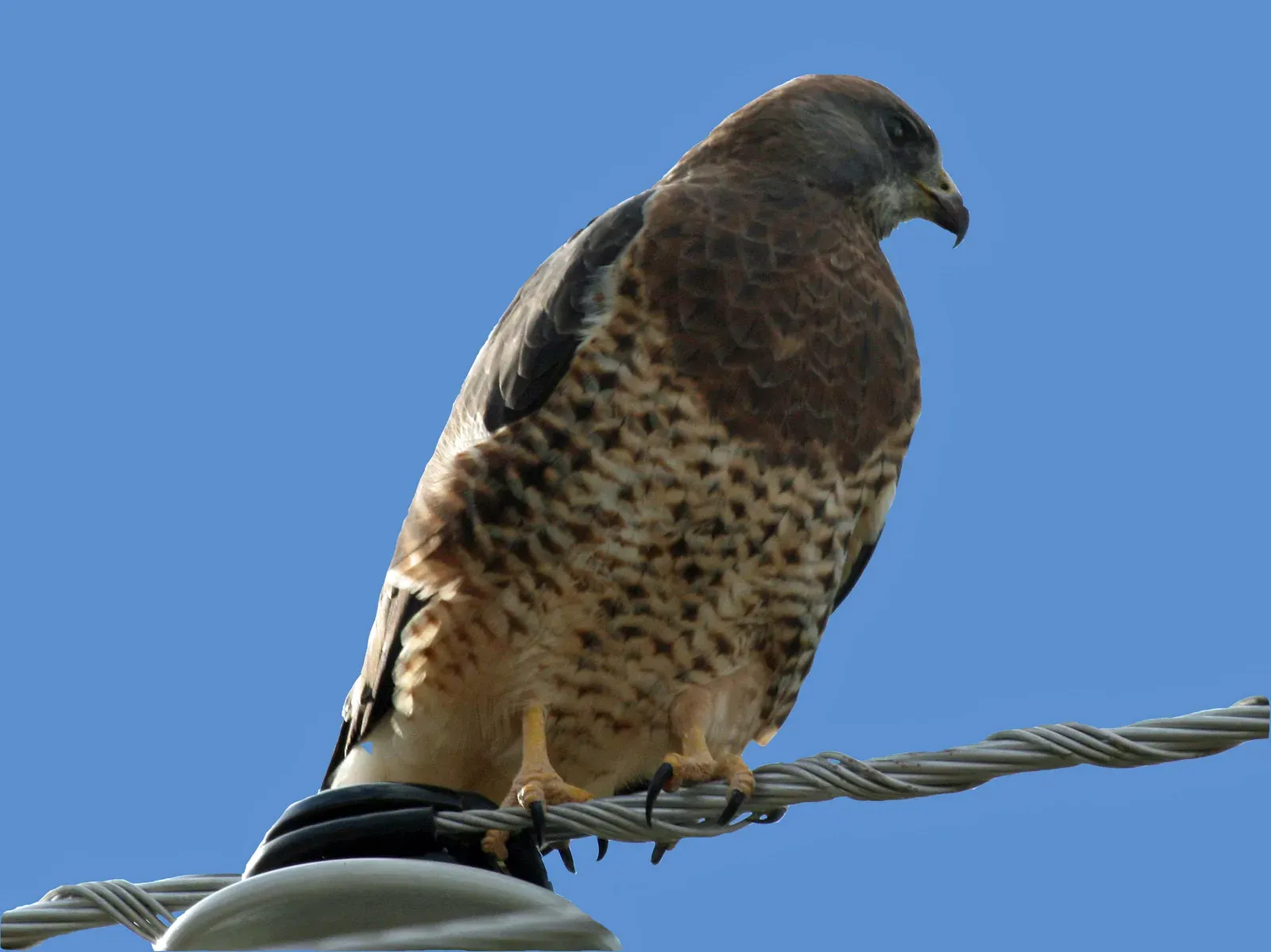
Starting in late August and September, nearly the whole population of Swainson’s Hawks migrates from North America to Argentina, a roundtrip of more than 12,000 miles for the northernmost breeders. This hawk doesn’t just wander south for the winter. It commits fully to a transcontinental journey.
What makes this migration particularly fascinating is the funnel effect. Swainson’s Hawks basically followed three routes south on a broad front, converged along the east coast of central Mexico, and followed a concentrated corridor to a communal austral summer area in central Argentina.
Here’s the thing about Swainson’s Hawks: they’ve adapted their entire diet to match their migratory lifestyle. While they hunt small mammals during breeding season in North America, in Argentina, they feed almost exclusively on insects, mainly grasshoppers. They bridge cultures and continents gracefully.
The flight from breeding ground to South American pampas in southern Brazil or Argentina can be as long as 7,100 mi, with each migration lasting at least two months.
The Ruby-throated Hummingbird: Tiny Bird, Massive Journey
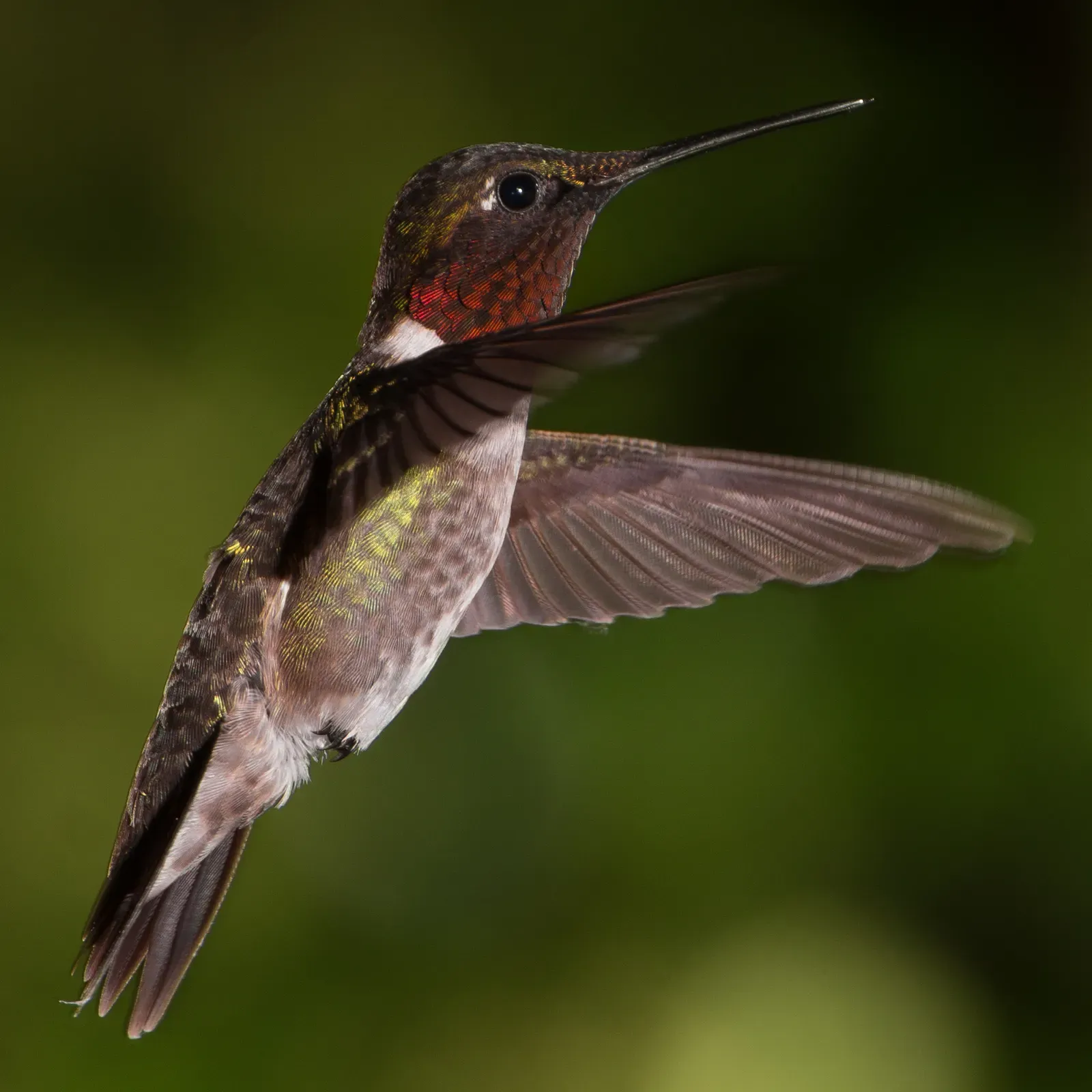
When you see a hummingbird hovering at your feeder, you’re probably not thinking about ocean crossings. You should be. Each year, thousands of Ruby-throated Hummingbirds fly over the open water of the Gulf of Mexico rather than follow the longer shoreline route, flying non-stop up to 500 miles to reach U.S. shores.
The preparation alone is remarkable. These foods help hummingbirds to nearly double their weight from about 3.25 grams to 6 grams before crossing the Gulf of Mexico, with a single migration becoming a nonstop flight of up to 500 miles over a period of 18 to 22 hours.
Imagine being the size of a quarter and deciding to fly across hundreds of miles of open ocean in nearly a full day without stopping. Some exhausted Ruby-throats land on oil rigs in the middle of the Gulf, rest briefly, then launch back into the journey. That’s some serious grit for something that weighs less than a nickel.
Ruby-throats apparently migrate only about 23 miles a day, making their migration leisurely compared to some species. Still, the Gulf crossing remains one of nature’s most audacious gambles.
The Red Knot: Teetering on the Brink

Some of which migrate more than 18,000 miles a year between the tip of South America and the Canadian Arctic – one of the longest annual journeys made by any migratory bird, the Red Knot is both an endurance marvel and a conservation concern.
These sandpipers face challenges that other migrants don’t encounter to the same degree. Federally listed as threatened, the large sandpiper is finding it harder and harder to survive dangers along its route – from oil spills in the wintering grounds to coastal development to a history of overharvesting horseshoe crabs in Delaware Bay.
The horseshoe crab connection is crucial. Red Knots time their migration to arrive at Delaware Bay precisely when horseshoe crabs are laying their eggs. Those eggs fuel the rest of their journey north. When crab populations declined, so did the knots.
Rising sea levels and fiercer storms linked to climate change are swallowing up much of the red knot’s coastal habitat. This bird’s story reminds us that even the most incredible journeys can be disrupted.
The Sandhill Crane: The Social Voyager
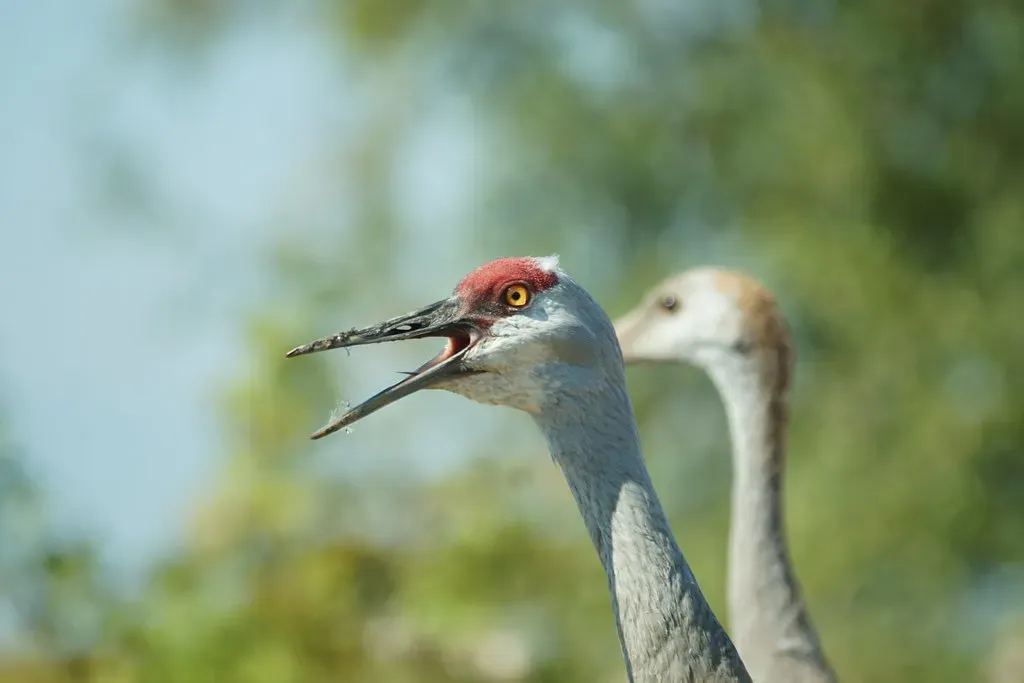
Unlike many long-distance migrants that travel alone, Sandhill Cranes are social travelers. Each spring, about 500,000 Sandhill Cranes and some endangered Whooping Cranes use Nebraska’s Platte River as a staging habitat during their northward migration.
These large, elegant birds create one of North America’s greatest wildlife spectacles. The Platte River becomes a temporary home to roughly half a million cranes, all fueling up for the next leg of their journey. The sound of that many cranes calling at once is something you don’t forget.
The Mississippi Flyway stretches over 2,000 miles from the Gulf of Mexico to the Great Lakes and serves as a critical pathway for millions of birds each year. Sandhill Cranes use this and other flyways as their highways, following routes honed over thousands of years.
What sets cranes apart is their cultural transmission of migration routes. Young cranes learn the way from older, experienced birds. It’s not all genetic programming. There’s teaching involved.
The American Golden-Plover: The Oceanic Risk-Taker

The American Golden-Plover migrates around 8,000 km from Arctic Canada and Alaska to South America, with some individuals flying nonstop over the Atlantic, from Nova Scotia to Brazil. This shorebird takes one of the boldest routes of any American migrant.
During fall migration, many Golden-Plovers opt for the direct ocean crossing rather than following the coastline. This saves distance but eliminates any margin for error. There’s no landing on water. There’s no turning back once they’re committed.
The spring return journey follows a different route. Golden-Plovers fly back through Central America and up through the interior of North America, creating an elliptical migration pattern. This loop migration lets them take advantage of different wind patterns and food sources in each season.
These plovers prove that sometimes the most efficient path isn’t the safest one, and that calculated risks can pay off generation after generation.
Conclusion: Masters of the Sky

These seven species represent just a fraction of the incredible bird migrations happening across the Americas every year. From the Arctic Tern’s pole-to-pole odyssey to the Bar-tailed Godwit’s death-defying ocean crossing, these birds accomplish feats that seem impossible.
They navigate using stars, magnetic fields, and landmarks we’re still working to understand. They time their departures with precision. They adapt their bodies, shrinking organs and doubling weight to meet the demands of the journey.
The next time you see a small bird at your feeder or flying overhead, consider where it might have been. That tiny creature might have just crossed an ocean or flown thousands of miles to reach your backyard. These migrations connect continents, link ecosystems, and remind us that the natural world still holds wonders we’re only beginning to comprehend.
What journey would you attempt if you had wings like these?

- 16 Behaviours Shelter Workers Say Reveal Everything About How a Dog Was Treated Before - August 13, 2026
- 10 Ancient Ruins Hidden Deep Inside Dangerous Landscapes - August 12, 2026
- 15 Dog Breeds That Are Surprisingly Good with Cats (and 5 to Avoid) - August 12, 2026