

We love to imagine nature as this peaceful sanctuary where animals frolic in harmony under golden sunlight. Honestly, that’s mostly a fairy tale. The truth is far more unsettling. Behind those adorable faces and majestic creatures lies a world of brutal survival tactics, horrifying hunting methods, and reproductive strategies that would make even the most hardened horror writer squirm.
Let’s be real, the wild isn’t always pretty. Animals have evolved some truly disturbing behaviors over millions of years, and while they serve important purposes for survival, they’re the kind of facts that might change how you see your favorite wildlife documentary. Ready to peek behind nature’s curtain? Let’s dive in.
The Tongue-Eating Parasite That Becomes Your New Tongue
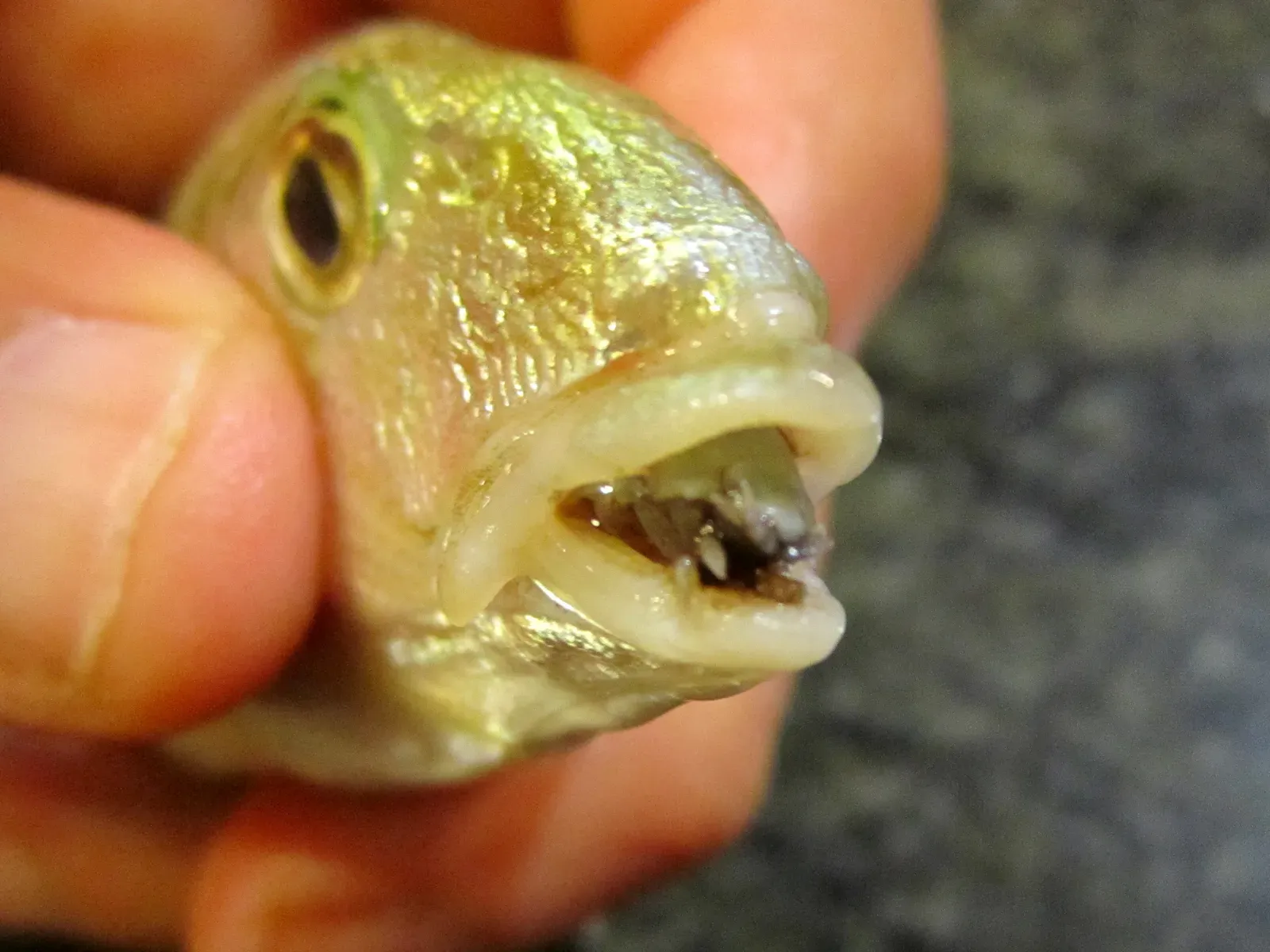
Cymothoa exigua, also known as the tongue-eating louse, is a parasite that latches onto a fish’s tongue and feeds on the blood vessels. Eventually, the tongue falls off and the parasite attaches itself to what’s left and becomes the fish’s new tongue. Imagine living your life with an imposter organ that gradually destroyed the original and took its place. This isn’t science fiction.
To consume a mussel or clam, the five-pointed critter pries open the shell, ejects its stomach from its mouth into the shell, digests the animal, then slides its stomach back into its own body. Starfish demonstrate equally grotesque feeding behaviors. Nature has no shortage of nightmare fuel when you look closely enough.
The fish continues to function relatively normally with its parasite tongue. It’s horrifying to think about, yet it’s a perfect example of how ruthlessly efficient evolution can be. The parasite gets a permanent home and food source, while the fish somehow manages to keep eating. It’s hard to say for sure, but this might be one of nature’s most disturbing adaptations.
Golden Poison Dart Frogs Can Kill Multiple Humans With a Single Touch
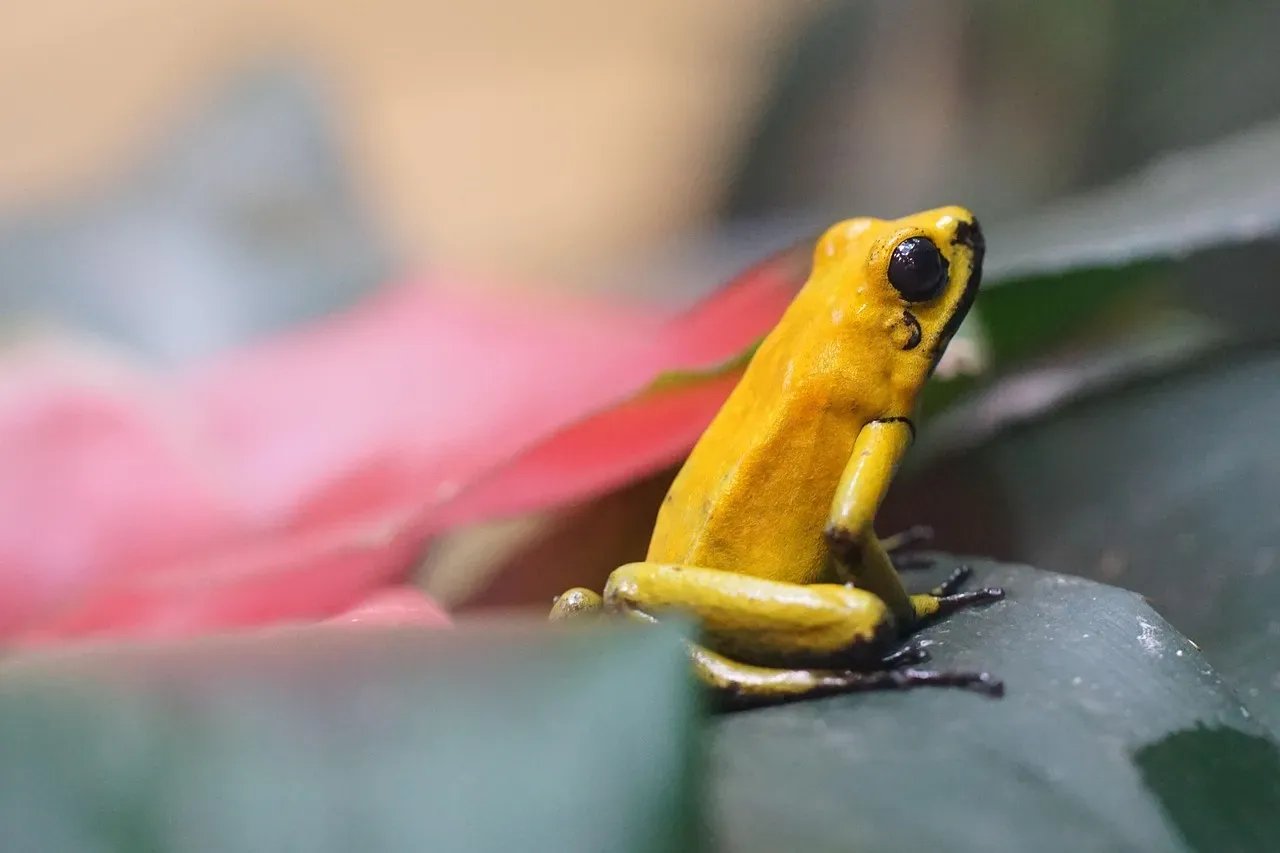
Bright, beautiful, and absolutely lethal. This little frog contains about one milligram of poison, enough to kill 10 – 20 humans if the poison reaches their bloodstreams. That’s an astonishing amount of toxicity packed into something the size of a paperclip. The vibrant yellow and orange coloration serves as nature’s warning label, screaming “stay away” to any potential predator.
The frog’s bright colors ward of predators while giving them a hauntingly vibrant appearance, earning them the name, “jewels of the rainforest.” Indigenous people of Colombia have used these secretions to coat their hunting arrows for centuries. One brush against this amphibian’s skin could spell disaster.
What makes it even more unsettling is that these frogs don’t produce their toxins naturally. The frogs get their special powers from compounds in plants that their insect prey eats, which are then excreted through the frog’s porous skin. They’re essentially living chemical weapons assembled through their diet.
Orcas Hunt by Breaking Spines and Extracting Tongues
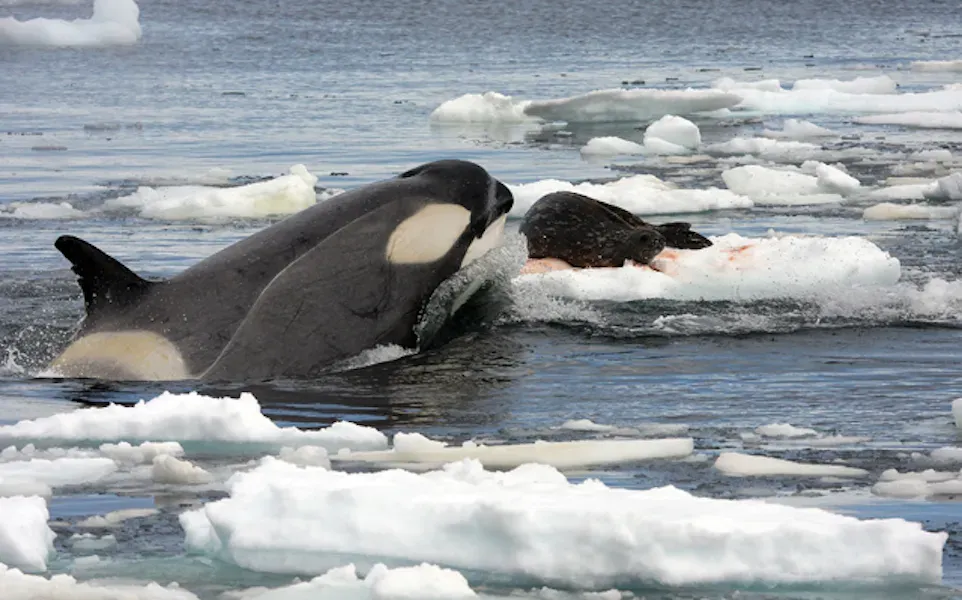
We call them killer whales for good reason, though honestly that name doesn’t capture the full brutality. In order to incapacitate their prey, orcas will ram their massive bodies at high speeds into the whales, causing significant injury. They’ve also been known to chase a mother and calf for hours until the mother is exhausted and the calf can no longer be protected. The hunt can stretch for hours, a relentless pursuit that demonstrates both intelligence and mercilessness.
Orcas like to feast on the calves’ nutritious tongues and soft flesh. After all that effort, they often consume only select parts of their prey. When hunting dolphins, their methods become even more savage. Swimming at 30 knots, they ram into dolphins, throwing their bodies out of the water, breaking their spines.
These apex predators coordinate their attacks with precision. Their hunting success comes from teamwork, strategic thinking, and sheer physical power. Sure, it’s impressive from an evolutionary standpoint, but watching nature documentaries will never feel quite the same once you know these details.
Horned Lizards Shoot Blood From Their Eyes as a Defense
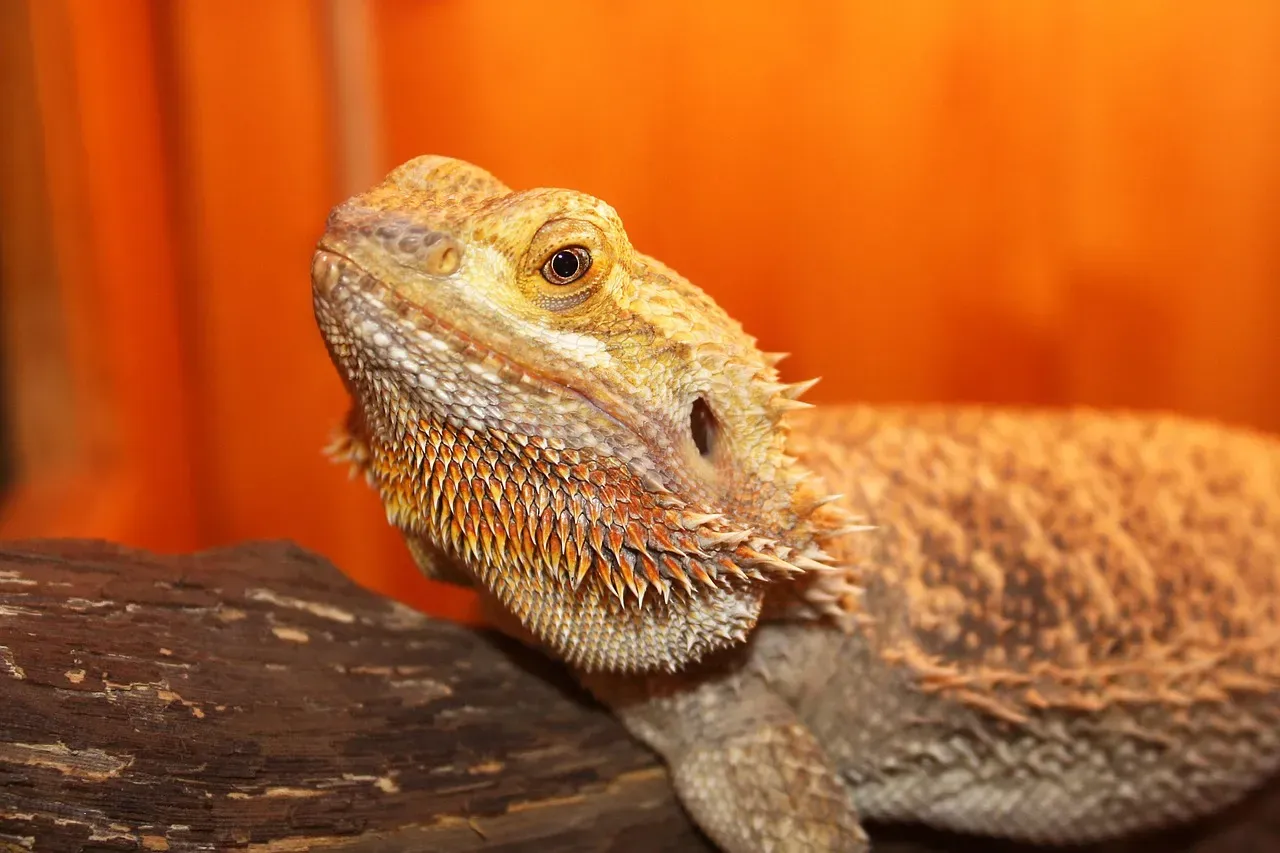
They build up blood pressure in their heads by constricting certain vessels, then rupture the capillaries around their eyeballs. This behavior is known to scientists as ocular autohemorrhaging. Blood comes shooting out, potentially reaching distances of up to 5 feet. Let that sink in for a moment. When threatened, these lizards essentially turn their own eyes into blood cannons.
Horned toads can apparently aim this jet of blood to make sure it hits home. It’s not just a random defense mechanism. They actually have control over where the blood sprays, targeting predators with remarkable accuracy. The blood also contains chemicals that taste foul to many predators, particularly canines.
This extreme adaptation shows just how far animals will go to survive. Self-mutilation as a defense strategy sounds like something from a horror movie, yet here it is, happening in deserts across North America. Nature doesn’t play fair, and sometimes the best defense is the most shocking offense.
Female Meerkats Murder the Offspring of Other Females
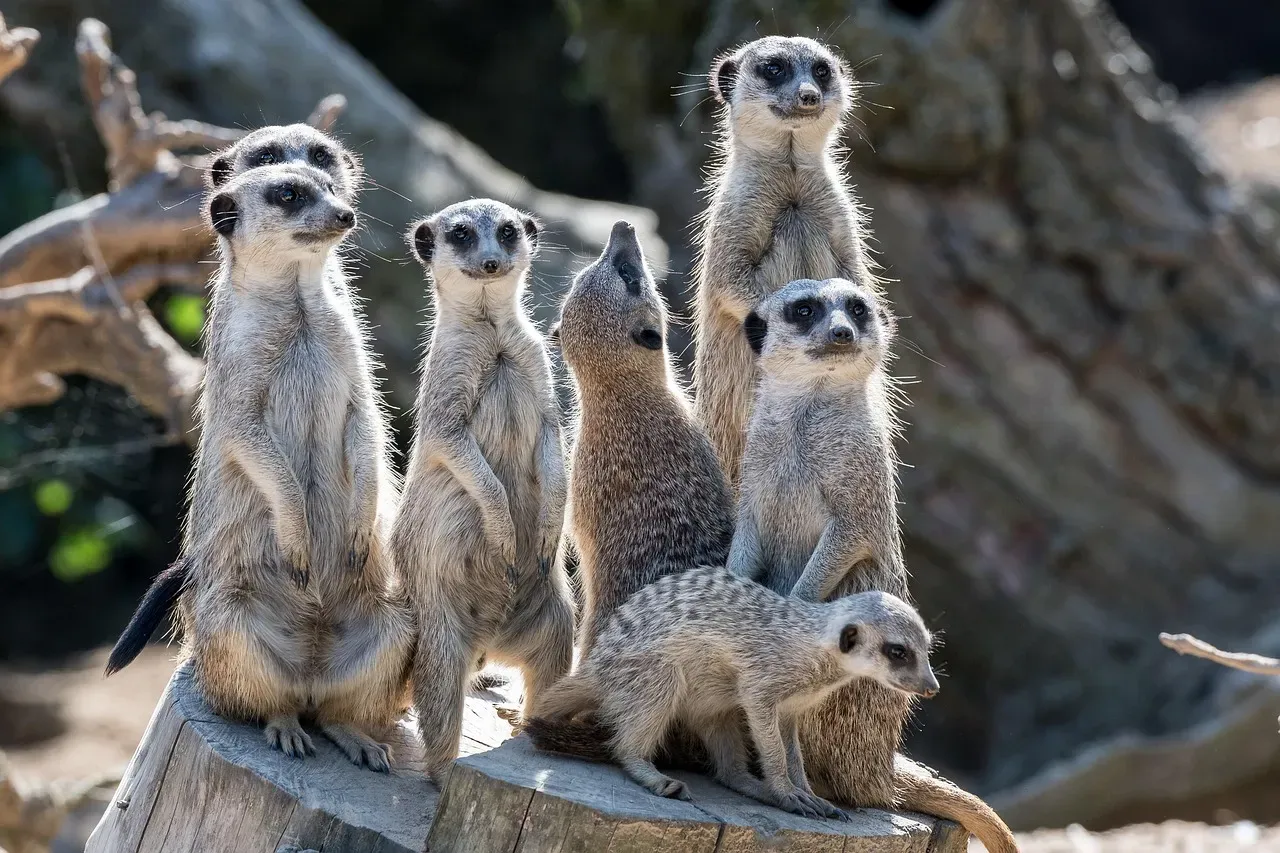
Those cute little meerkats standing upright in nature documentaries? They harbor some dark secrets. They live in groups, where there is a dominant male and female who dictates the roles and reproductive rights of the other members of the group. When another female has a litter, the alpha female will murder their offspring, and the mothers are either forced into either exile or become wet nurses for the dominant two’s offspring.
This behavior ensures that the dominant pair’s genetics continue while suppressing competition. It’s ruthlessly efficient from an evolutionary perspective, concentrating resources on the alpha’s babies. The subordinate females face an impossible choice: lose their babies and serve the dominant female, or face exile from the group and likely death in the harsh environment.
Social hierarchies in the animal kingdom can be brutally enforced. We tend to romanticize animal societies, imagining cooperation and harmony. Reality often involves suppression, violence, and infanticide. The survival of the group comes at a devastating personal cost to lower-ranking members.
Tarantula Hawks Paralyze Spiders to Feed Their Young From the Inside
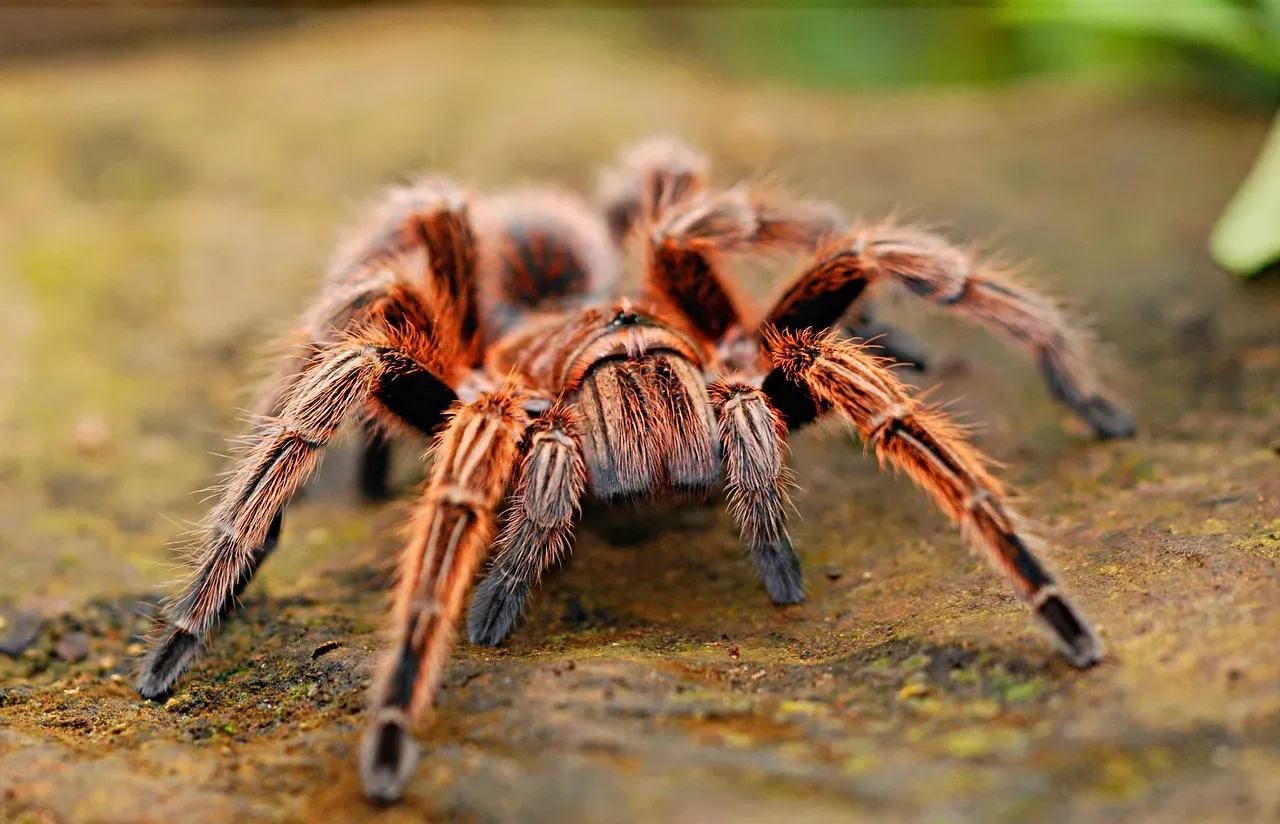
The tarantula hawk will hunt large spiders, like tarantulas, and then use its powerful sting to paralyze them. Well, it gets a lot worse because the female wasp will then lay an egg in the creature’s body and then take it back to a burrow. Once that egg hatches, the baby wasp emerges and eats the creature while it’s still alive.
The spider remains conscious but immobilized, trapped in its own body as it becomes a living food source. The wasp larva methodically consumes the spider from the inside out, carefully avoiding vital organs to keep its meal fresh for as long as possible. It’s one of nature’s most horrific scenarios, happening thousands of times every day.
That is a rather horrible way to die. For that reason, tarantula hawks are some of the cruelest animals in the world. The wasp’s sting is reportedly one of the most painful in the insect world, second only to the bullet ant. Fortunately, they rarely sting humans unless severely provoked. Still, knowing this creature exists makes you think twice about every buzzing insect.
Conclusion
Nature operates by rules that make us uncomfortable. These six facts barely scratch the surface of the dark strategies animals use to survive, reproduce, and dominate their environments. From parasites that replace body parts to predators that torture their prey, the natural world is far more complex and disturbing than we typically acknowledge.
These behaviors aren’t evil in any moral sense. They’re simply the result of millions of years of evolution, favoring whatever works to pass on genes to the next generation. Understanding these darker aspects of nature helps us appreciate the full spectrum of life on Earth, not just the parts we find pleasant or beautiful.
Did any of these facts surprise you? What do you think about nature’s brutal side? Share your thoughts in the comments below.
