

Imagine looking into a mirror for the very first time and realizing the creature staring back is you. For humans, that awareness feels obvious; for most animals, scientists long assumed it was impossible. Then a small, brightly colored coral reef fish quietly walked into the center of a scientific storm by seeming to do the unthinkable: recognize itself in a mirror. The idea that a tiny cleaner fish might show a kind of self-awareness once reserved for great apes and a few other “smart” animals has shaken up how researchers think about animal minds.
This story is not just about one quirky experiment. It is about how we decide what counts as intelligence, which species get taken seriously, and whether our favorite tests actually measure what we claim they do. As evidence piled up that cleaner fish behave in puzzlingly self-aware ways, some scientists embraced the findings, while others pushed back hard, arguing the results could be explained without giving fish any special credit. The result is a lively, still-unresolved debate that forces us to ask a humbling question: how much are we underestimating the animals living right under our noses, or in this case, beneath the waves?
A Tiny Reef Fish at the Center of a Big Question
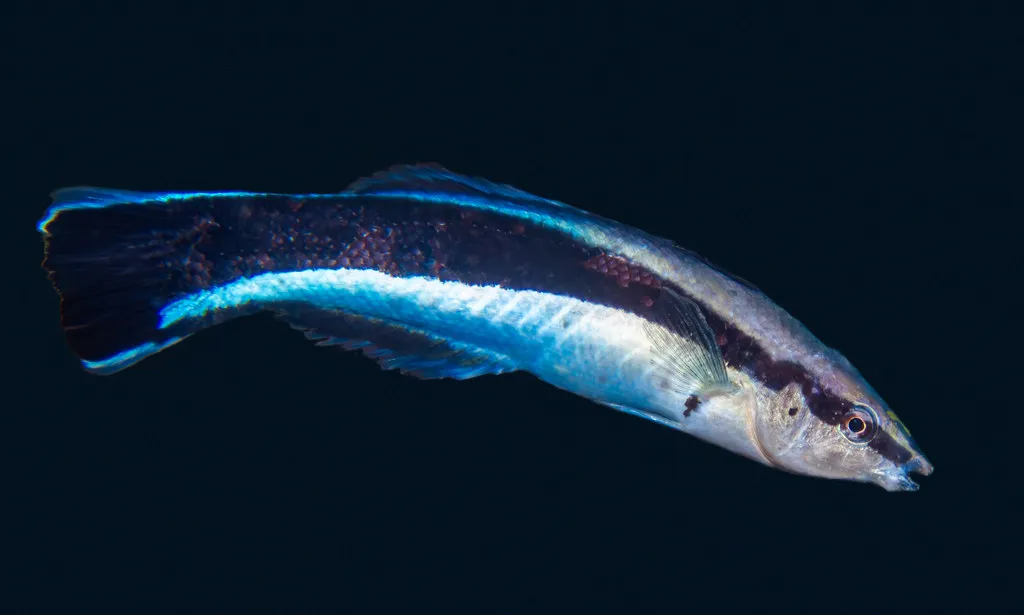
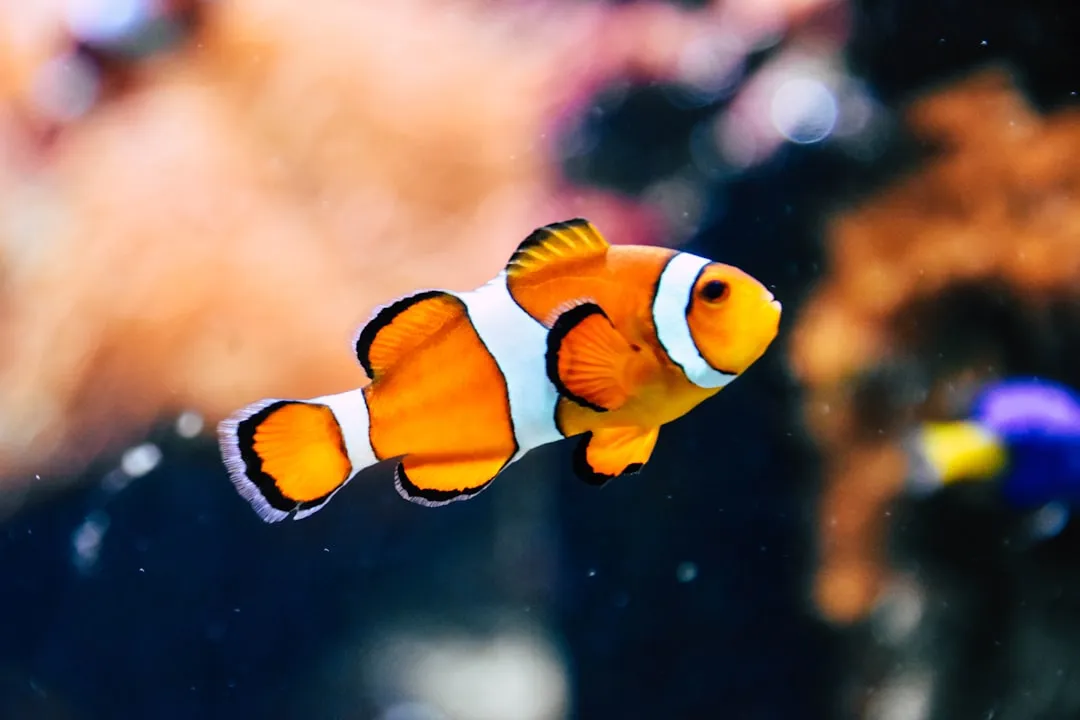
Cleaner fish are small, neon-bright wrasses that make their living by picking parasites off larger “client” fish on coral reefs. At a glance they look like just another pretty reef species, but their behavior is surprisingly complex: they run cleaning “stations,” manage queues, and even remember which clients they cheated earlier, adjusting their behavior so they don’t get punished. When researchers first suggested that these little fish might pass the classic mirror test, it sounded almost like a dare to the scientific community.
The surprise was not just that a fish might be clever, but that it might show a kind of self-recognition once thought to require a large primate-like brain. It is one thing to solve a maze or learn a trick; it is another to apparently understand that “this spot on that reflection is actually on my own body.” If that really is what cleaner fish are doing, then a lot of assumptions about brain size, intelligence, and who can be “self-aware” need serious updating. That possibility is exactly what made this research both electrifying and controversial.
How the Mirror Test Became a Gatekeeper for Self-Awareness
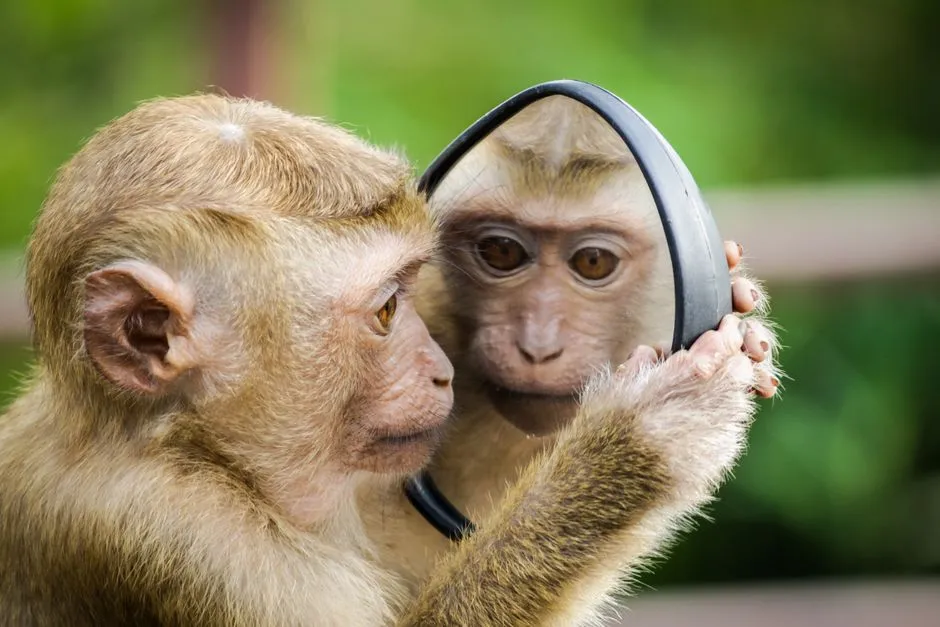
For decades, the mirror self-recognition test has been treated almost like a psychological gateway to personhood. In its classic form, an animal is marked on a part of its body it cannot see directly, then given access to a mirror. If it notices the mark in the reflection and then touches or investigates the mark on its own body, researchers often interpret that as evidence of self-recognition. Great apes, dolphins, elephants, and a few birds have passed in ways that made headlines and shaped textbooks.
Because of that history, the mirror test grew into more than just a simple experiment; it became a symbol. Passing it suggested a rich inner life, a self that could be aware of itself. Failing it, on the other hand, was often quietly treated as a sign of cognitive simplicity, even though that is a risky leap. Not every animal cares about mirrors, marks, or faces in the same way humans do, and many species might be extremely intelligent in ways the test simply does not capture. Cleaner fish walked right into this fraught territory and, by apparently passing the test, forced scientists to confront how much they really trust this long-standing benchmark.
What Cleaner Fish Actually Did in Front of a Mirror
When scientists placed mirrors inside tanks with cleaner fish, the fish went through a sequence of behaviors that looked surprisingly familiar to those seen in alleged mirror-recognizers. At first, they seemed to treat the reflection as another intruding fish and reacted with territorial or aggressive displays. After a while, though, they stopped treating the reflection like a stranger and began to perform odd, repeated movements in front of the mirror, as if testing what exactly the reflection would do in response.
The most striking part came when researchers put a colored “mark” on the fish’s body in a place only visible in the mirror, such as the throat. When the fish saw this mark on their reflected image, they increased scraping or rubbing of that specific body area against objects in the tank, but only when they had a mirror present and only when the mark was visible and unusual. That pattern looked eerily similar to how primates or other mammals behave in mirror-mark experiments, which led some scientists to conclude that cleaner fish were using the reflection to inspect their own bodies and then taking action based on that information.
Are Cleaner Fish Truly Self-Aware, or Just Really Good at Tricks?
This is where the debate turns sharp. One camp argues that if cleaner fish behave like classic “mirror-passing” animals under the same experimental conditions, then we have to accept that they meet the same standard we have used for apes, dolphins, and others. From this view, it would be unfair and even species-biased to move the goalposts now that a small-brained fish has joined the club. Maybe self-recognition, or at least a practical kind of self-awareness, is much more common in nature than we assumed.
The opposing camp worries that the mirror test might not be measuring some deep, reflective sense of self, but rather a clever use of visual information tightly linked to a specific task. Perhaps cleaner fish are simply highly tuned to spotting parasites or unusual marks on bodies, including their own image, and then trying to remove them without any abstract notion of “me.” In this interpretation, the fish are not “looking into their soul” in the mirror; they are just following sophisticated but still mostly automatic rules honed by evolution for their cleaning job.
What This Debate Reveals About Our Bias Toward Big Brains

Underneath the technical arguments lies something more emotional: humans have long felt comfortable putting big-brained mammals on a cognitive pedestal while quietly writing off creatures like fish as simple, almost robotic beings. The idea that a small reef fish might pass the same benchmark as a chimpanzee is unsettling partly because it suggests intelligence can arise in brain packages we have not been conditioned to respect. It forces us to examine whether we have been confusing physical size and familiarity with genuine mental sophistication.
I think this is where the debate gets really honest. When I first read about cleaner fish and mirrors, my knee-jerk reaction was skepticism, not because the data looked weak but because the result felt emotionally wrong. If I am honest, I had absorbed the stereotype that fish are too simple for anything like self-recognition. That gut feeling is exactly the kind of bias science is supposed to help us confront. Whether or not cleaner fish are “self-aware” in the human sense, their performance in these tests has exposed how much of our judgment about animal minds is shaped by comfort and habit, not just evidence.
Beyond the Mirror: Other Ways Fish Minds Surprise Us
Even if someone stays agnostic about what the mirror test really proves, cleaner fish are far from the only evidence that fish cognition is richer than we once thought. Studies have shown that various fish species can navigate complex mazes, remember social partners, learn from watching others, and adjust their strategies depending on who is watching them. Some reef fish even engage in what looks like tactical deception, behaving nicely when potential future clients observe them and cutting corners when they think no one is looking.
In that broader context, the mirror results are less of an isolated shock and more like one more piece in a growing puzzle: fish are not the flat, instinct-driven creatures many of us imagined as kids. Instead, they are dealing with crowded, competitive, socially complex environments where flexible behavior can make the difference between thriving and starving. Whether or not we label what they do as self-awareness, it seems increasingly clear that the inner lives of fish are not blank or mechanical but dynamic and sensitive in ways we are only beginning to trace.
Rethinking Self-Recognition: Maybe the Test, Not the Fish, Needs an Update
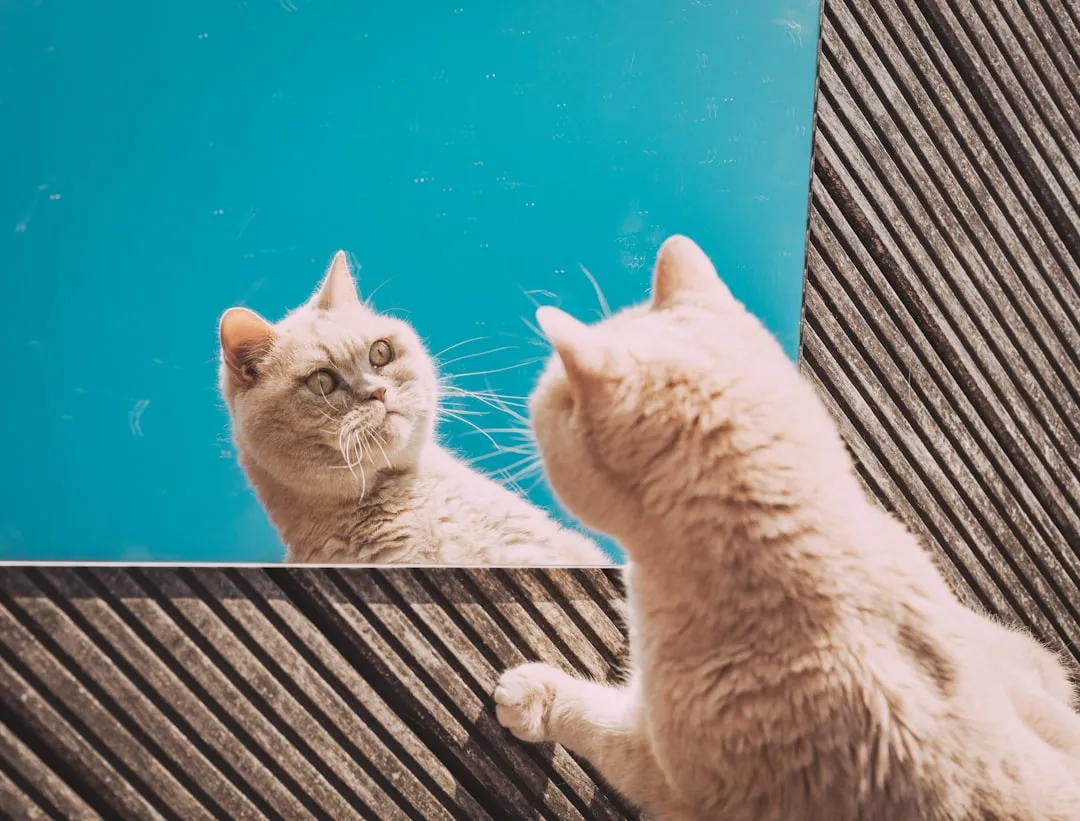
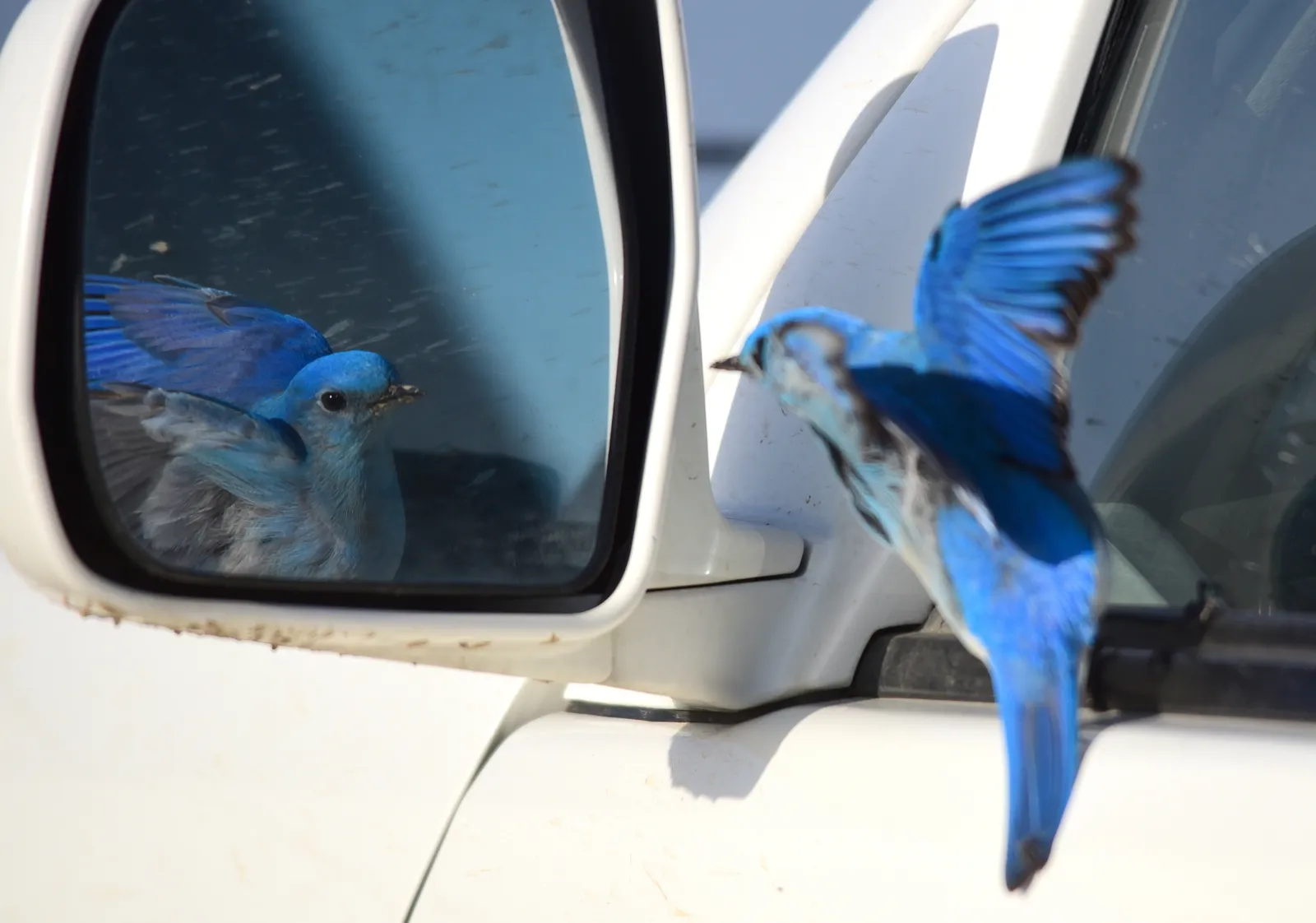
One productive outcome of the cleaner fish controversy is that it has pushed scientists to rethink what exactly the mirror test is telling us. If a tiny reef fish, a great ape, and a bird can all pass in different ways, maybe the test is capturing a broader skill: the ability to use mirror information to guide behavior about one’s own body, rather than a single, unitary thing called “self-awareness.” That does not make the test useless, but it does mean we should be more careful about treating a pass or fail as a simple yes-or-no verdict on inner life.
Some researchers now argue for a toolbox approach, where mirror tests are combined with other lines of evidence like memory, problem-solving, social complexity, and flexibility across changing situations. From that angle, cleaner fish become particularly interesting not because they represent a sudden leap into human-like selfhood, but because they illustrate how a highly specialized lifestyle can drive the evolution of surprisingly sophisticated mental abilities. In a way, the fish are forcing the science to become more nuanced, which is exactly what good data should do.
Opinionated Closing Thoughts: Humility, Not Hype, Is the Real Lesson
My own view lands somewhere between the excitement and the skepticism. I do not think cleaner fish are secretly little philosophers swimming around contemplating their existence, but I also do not buy the comforting story that they are just reflex machines accidentally passing a test designed for apes. The truth is probably somewhere in the messy middle: these animals have evolved powerful, context-sensitive ways of using visual information about bodies, including their own, that blur our old boundaries between simple and complex minds.
If there is a takeaway here, it is not that fish are “just like us” or that one flashy experiment has rewritten everything we know. It is that we should approach other animals with more humility and fewer assumptions, especially when the evidence keeps nudging us toward deeper capacities than we expected. The cleaner fish debate matters because it reminds us that intelligence is not a single ladder with humans at the top, but a wild, branching tree full of strange and creative solutions to life’s problems. When you picture that tiny fish inspecting itself in a mirror, do you see a fluke of laboratory design, or a glimpse of how rich and varied minds can be in this world – and which one would you have guessed before you knew the story?
