
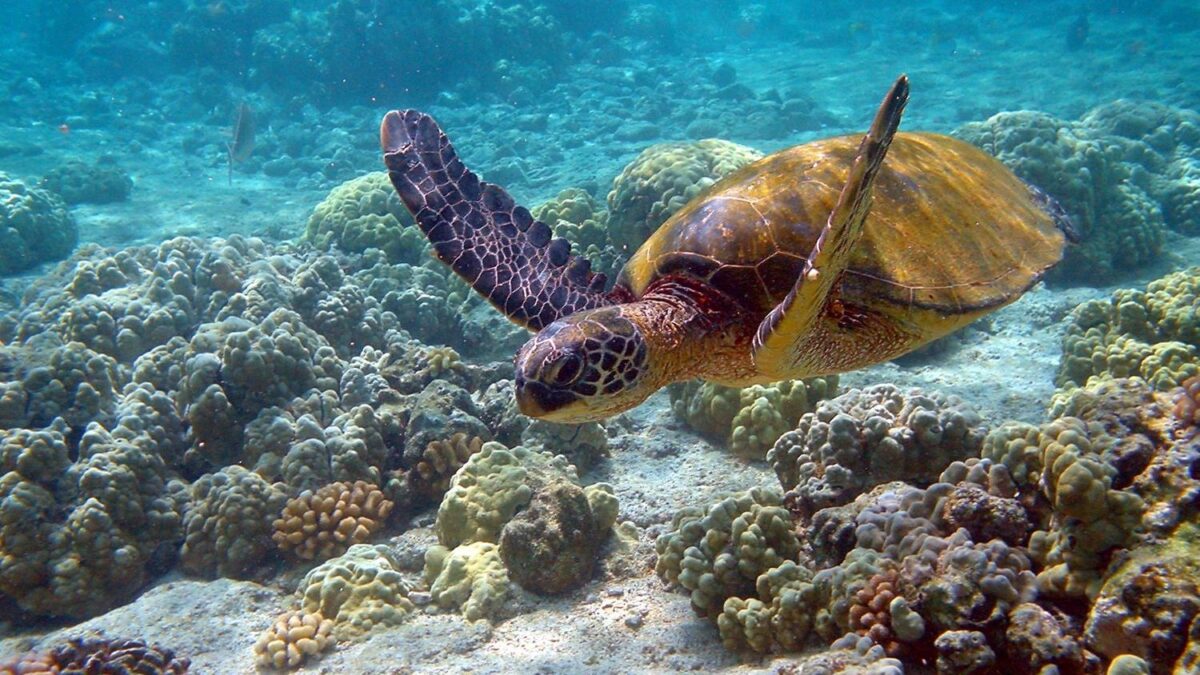
Picture a creature that’s been roaming our oceans since the age of dinosaurs, diving deeper than military submarines, and surviving on a diet that seems nutritionally impossible. The leatherback sea turtle defies nearly every expectation we have about marine life. These gentle giants cross entire ocean basins, withstand freezing temperatures that would immobilize other reptiles, and have evolved some of the most bizarre adaptations in the animal kingdom.
Unlike their hard-shelled cousins, leatherbacks look almost prehistoric with their smooth, rubbery skin stretched over a flexible shell. They’re spotted along USA coastlines from Florida to Alaska, making them a truly American treasure worth understanding. Let’s explore what makes these remarkable reptiles so extraordinary and why their survival matters more than you might think.
They’re Living Giants With No Hard Shell
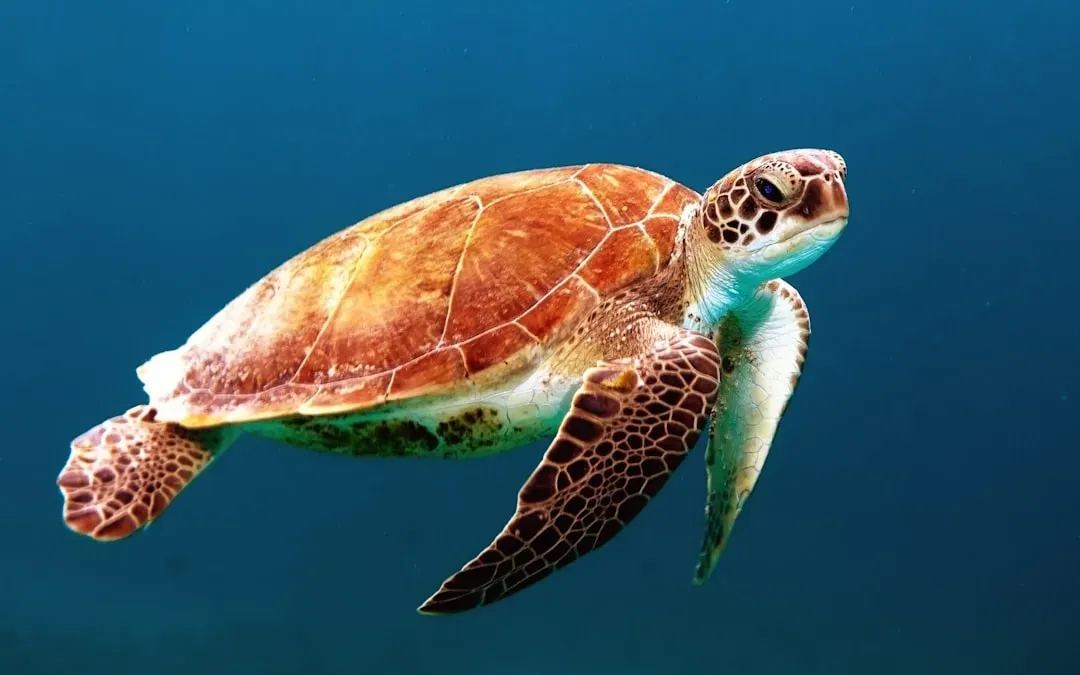
The leatherback sea turtle holds the title as the largest turtle in the world, with adults growing to more than 6.5 feet in length and weighing up to 2,000 pounds. Think about that for a moment. That’s heavier than most horses, yet these creatures glide through water with surprising grace.
What truly sets them apart from every other turtle species is their complete lack of a bony shell or scales, with their carapace instead covered by oily flesh and flexible, leather-like skin. Their shell consists of small, interlocking dermal bones beneath the skin that overlie a supportive layer of connective tissue and fat, with seven ridges running along its length. The shell isn’t rigid like you’d expect. It actually flexes and compresses.
The largest leatherback ever recorded was a male found stranded on the Welsh coast in 1987, measuring almost 3 meters from tip to tail and weighing 970 kg. They are named for their tough rubbery skin and have existed in their current form since the age of the dinosaurs.
They Dive Deeper Than Almost Any Creature on Earth
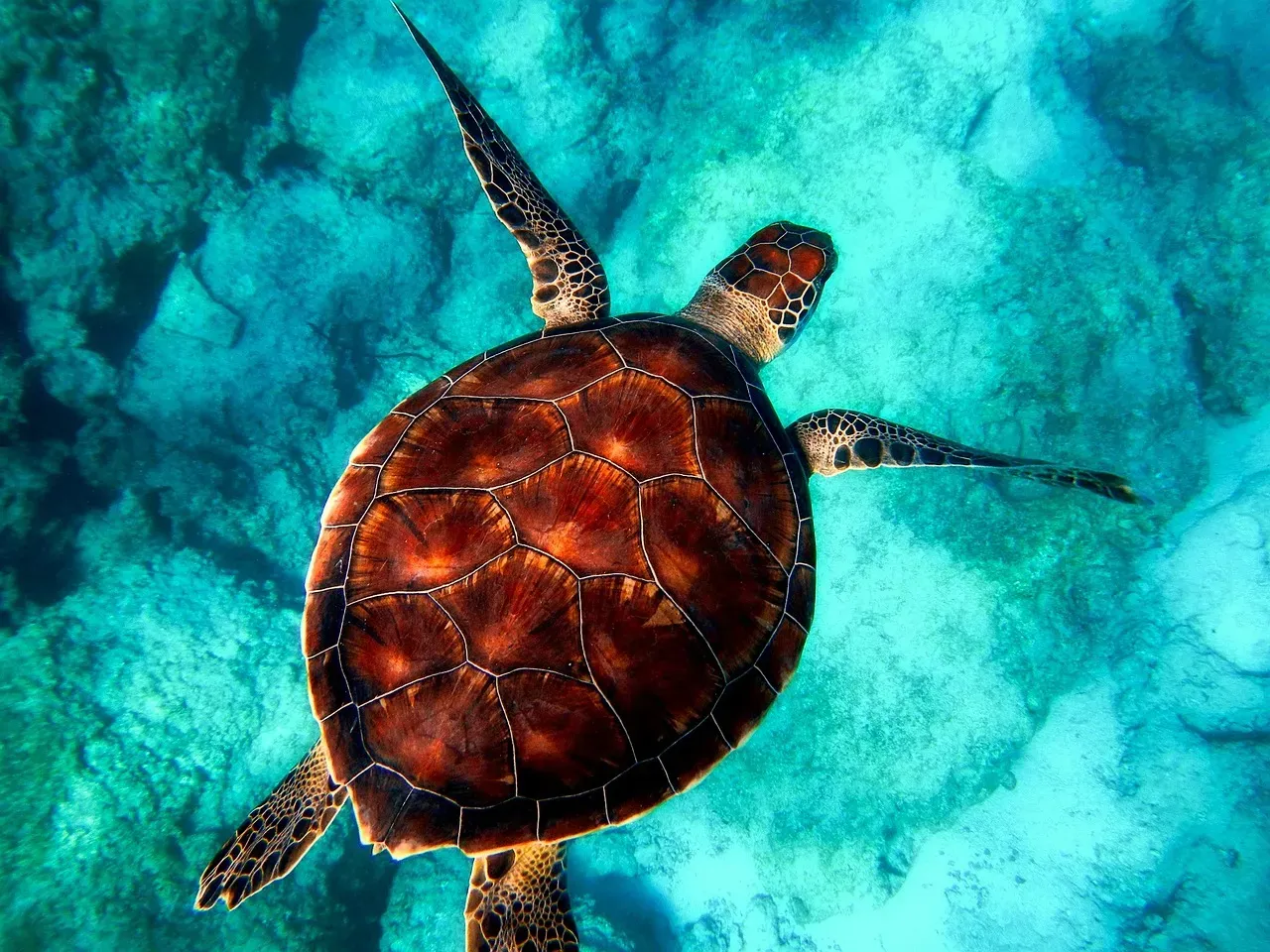
Hold your breath and imagine descending into pitch-black water where the pressure could crush most living things. Leatherbacks are accomplished divers with the deepest recorded dive reaching nearly 4,000 feet, deeper than most marine mammals. To put this in perspective, that’s deeper than the height of three Empire State Buildings stacked on top of each other.
The deepest dive ever recorded by a leatherback was an astonishing 4,409 feet, achieved by a turtle nicknamed Uke Sasakolo from the Solomon Islands. They can descend to below 1,000 meters where pressures are intense (more than 100 atmospheres) and temperatures can drop to less than 5 degrees Celsius. Most scuba divers only go down about 100 feet, making leatherbacks true masters of the deep.
Their secret? Their carapace is highly specialized for diving to extreme depths, and unlike other sea turtles, the leatherback sea turtle has a soft, leathery skin which covers the osteoderms. Their compressible carapace can compress during descent and expand during ascent, and leatherbacks can absorb nitrogen through their carapace, thereby avoiding decompression sickness while diving.
They Survive on a Diet That Shouldn’t Work
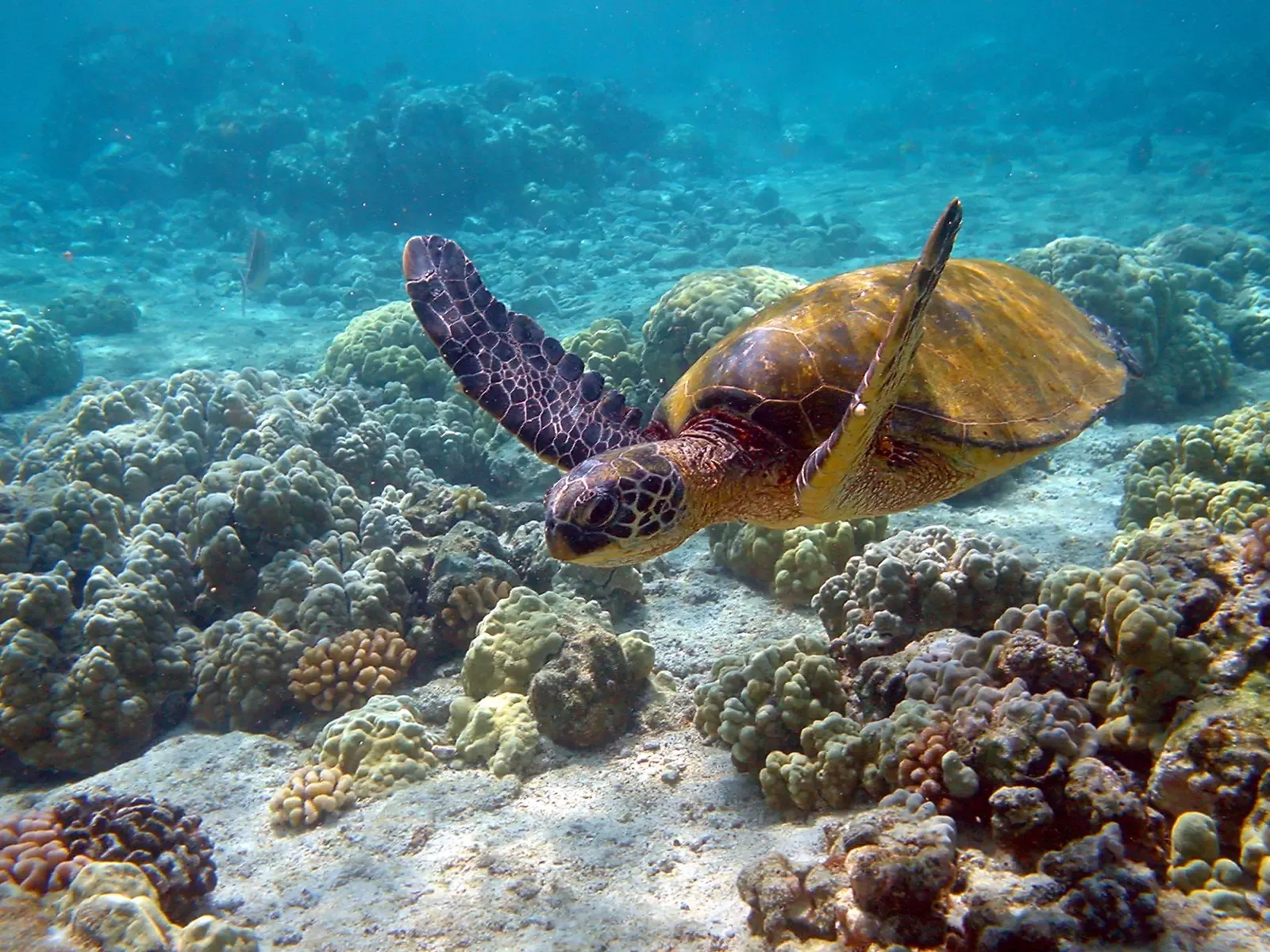
Here’s where things get really strange. Jellyfish make up the biggest portion of their diet, though they also eat tunicates, seaweed, fish, and crustaceans. Jellyfish are roughly 95 percent water with almost no nutritional value. It’s like trying to fuel a marathon runner on nothing but celery and water.
Yet somehow, it works. During the summer months, leatherbacks eat around 73 per cent of their own body weight every day, packing in around 16,000 calories, which is around 3 to 7 times more than they actually need to survive. Turtles consume an average of 330 kg wet mass per day (up to 840 kg per day) or approximately 261 (up to 664) jellyfish per day.
Leatherbacks have downward-pointing spines in their throat called papillae, which allow jellyfish to be swallowed but prevent them from coming back up. These backward-facing spines look like something from a horror movie, but they serve a vital purpose. Leatherbacks have sharp, pointed cusps on their jaws which enable them to pierce and hold onto jellyfish, and sharp, downward curving spines called papillae in their mouth and throat which help move prey to their stomach.
They’re Warm-Blooded Reptiles (Sort Of)
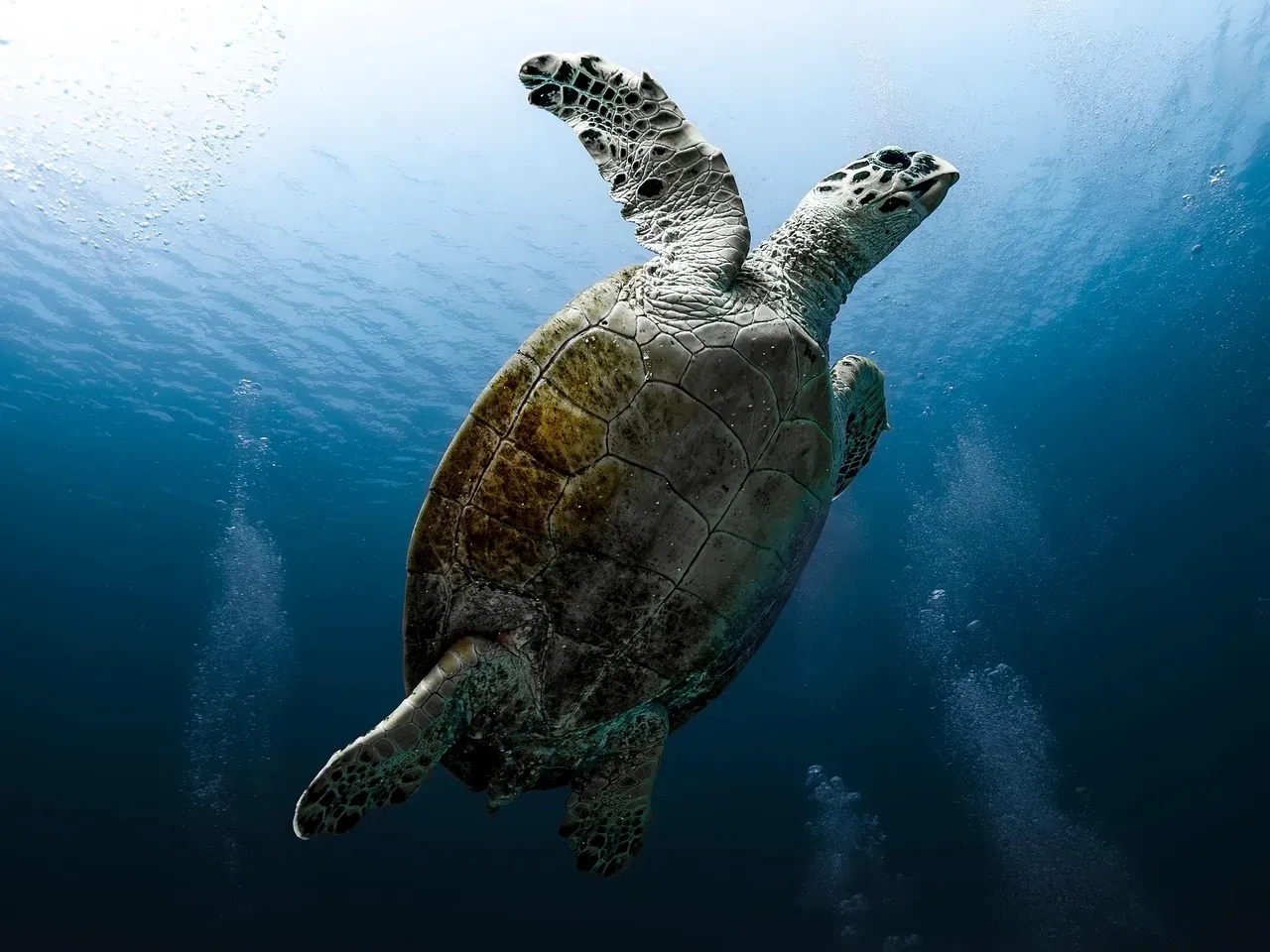
Leatherbacks are the only sea turtles that are considered warm-blooded, relying on a unique suite of adaptations to help them maintain stable body temperatures in both cold and tropical waters. This is genuinely revolutionary in the reptile world. Most reptiles are at the mercy of their environment’s temperature.
Adult leatherbacks have been found with core body temperatures that were 18 degrees Celsius above the water in which they were swimming. Their dark color helps them absorb heat energy from the sun, which they retain thanks to a thick adipose layer and their large body size, and leatherbacks have a specialized blood circulation mechanism called countercurrent heat exchange.
This adaptation means something profound. Leatherbacks have the widest range of all sea turtle species, living in both tropical and temperate waters as far north as Alaska and Norway, and can survive in colder seas than other sea turtles due to insulating properties of a thick, oily layer of connective tissue under their shell. They’ve been found actively hunting in water temperatures near freezing, something that would be impossible for other sea turtles.
They’re Champion Migrators Crossing Entire Oceans
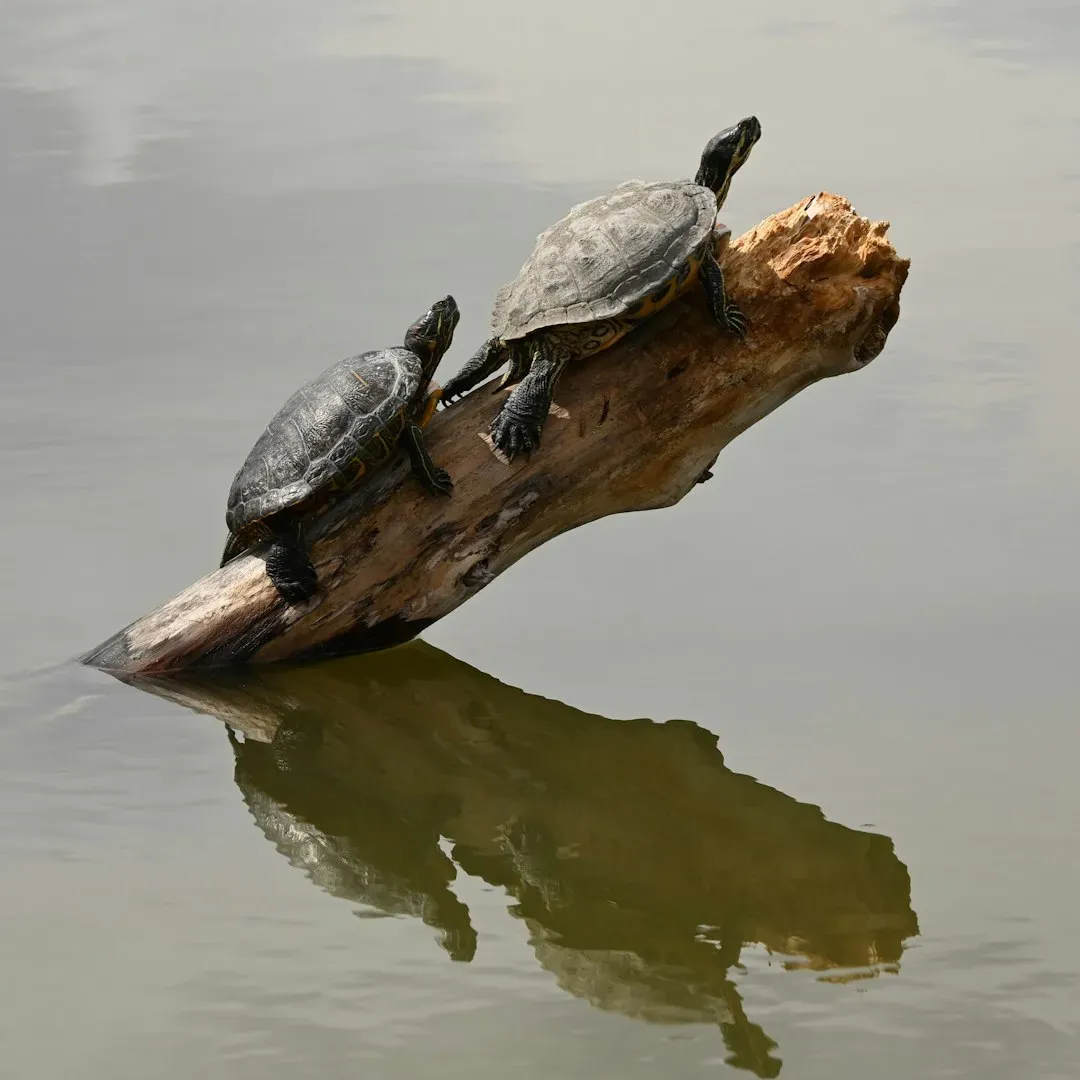
Leatherbacks are highly migratory, some swimming over 10,000 miles a year between nesting and foraging grounds. That’s not a typo. These turtles cover distances that rival bird migrations, except they’re doing it underwater while holding their breath periodically.
The longest recorded leatherback migration was 13,000 miles one way, with one adult female tracked more than 12,000 miles using satellite telemetry from Indonesia to Oregon. Leatherback sea turtles undertake the longest migrations between breeding and feeding areas of any sea turtle, some averaging 3,700 miles each way.
In the U.S., leatherbacks nest along the east coast in Florida, Puerto Rico, and the U.S. Virgin Islands. Atlantic leatherbacks nest between February and July from South Carolina in the United States to the United States Virgin Islands in the Caribbean and to Suriname and Guyana. After nesting, females return to rich feeding grounds thousands of miles away, following jellyfish blooms with remarkable precision.
They’re Critically Endangered and Need Our Help
Leatherbacks are listed as endangered under the Endangered Species Act, and it is estimated that the global population has declined 40 percent over the past three generations. The statistics get worse when you look at specific populations. Western Pacific leatherbacks have declined more than 80 percent and Eastern Pacific leatherbacks have declined by more than 97 percent.
Leatherback nesting in Malaysia has essentially disappeared, declining from about 10,000 nests in 1953 to less than one or two nests per year since 2003. Extensive turtle and egg harvest and bycatch in fishing gear are the primary causes of these declines, with the greatest threats worldwide being incidental capture in fishing gear, hunting of turtles, and collection of eggs for human consumption.
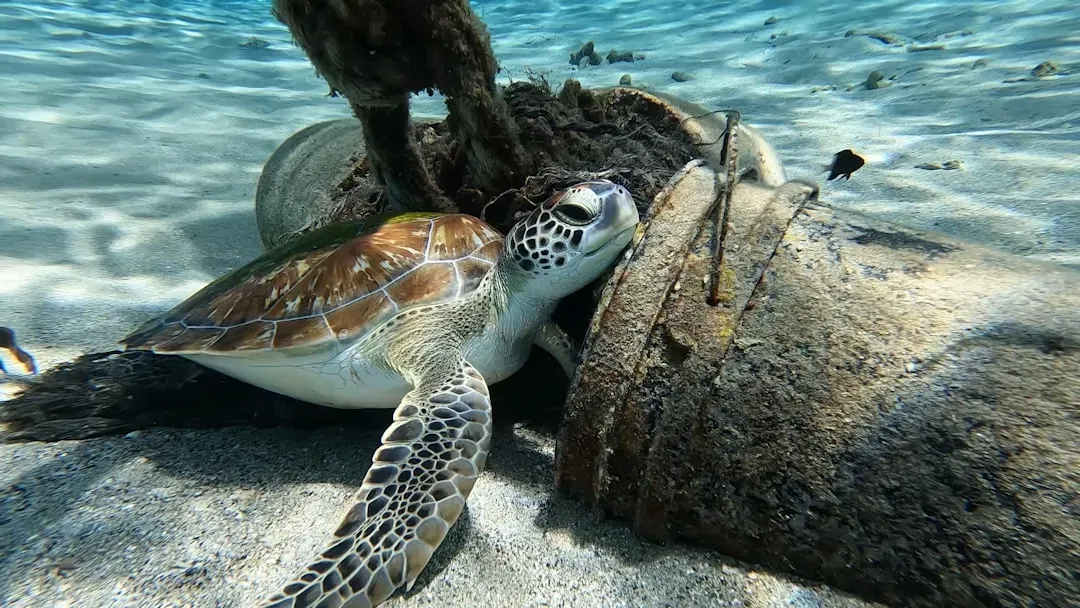
Here’s something that hits close to home. Leatherbacks often mistake plastic bags floating in the ocean for jellyfish. One wrong meal of plastic can be fatal, causing intestinal blockage and starvation. Leatherback turtles are critical players in their marine ecosystem, mainly by controlling the populations of their main prey, jellyfish, and by eating large quantities of jellyfish, leatherbacks keep runaway populations from decimating zooplankton populations and disrupting marine food webs.
Conclusion
The leatherback sea turtle represents one of nature’s most extraordinary evolutionary experiments. From their flexible shells that compress under crushing ocean pressure to their ability to maintain warm blood in freezing waters, these ancient mariners have mastered survival strategies that seem almost impossible. They cross entire oceans fueled by jellyfish, dive deeper than submarines, and have been doing it all for over 100 million years.
Yet despite their incredible adaptations, leatherbacks face an uncertain future. Their populations are crashing due to human activity, from fishing nets to plastic pollution to destroyed nesting beaches. When we lose leatherbacks, we lose a keystone species that keeps jellyfish populations in check and maintains the delicate balance of marine ecosystems. What will you do to help protect these remarkable creatures? Even small actions like reducing plastic use or supporting marine conservation organizations can make a real difference for the survival of Earth’s largest turtle.

- The Ancient River System Hidden Beneath the Sahara of North America - June 22, 2026
- The one city in the US sinking under its own weight. - June 22, 2026
- 10 Fascinating Nocturnal Animals You Never Knew Existed - June 22, 2026