

Worried about unexpected vet bills?
Pet insurance can cover thousands in unexpected vet costs. Get a free quote from Lemonade in under 2 minutes.
Get My Free Quote →Sponsored · Opens Lemonade.com
Walk into any animal shelter and you’ll find rows of hopeful eyes looking for a second chance. Yet thousands of potential pet parents walk past these facilities every day, heading instead to breeders or pet stores. Why?
The answer often lies in outdated myths and misconceptions that have somehow taken root in our collective consciousness. These false beliefs aren’t just keeping loving families from finding their perfect companions. They’re also preventing countless deserving animals from finding the homes they desperately need. It’s time we separate fact from fiction and explore what really happens behind those shelter doors. Let’s dive into the truth about shelter pets.
Shelter Pets Are There Because They’re Broken or Aggressive

Here’s the thing most people don’t realize. Most dogs and cats entering shelters come in as strays, followed by surrendered pets whose owners can no longer care for them due to unforeseen barriers. Animals are placed in shelters because of changes in circumstances, not because they are behaving abnormally.
Think about it. Life happens to people all the time. Someone loses their job, a landlord suddenly enforces a no-pet policy, or a beloved owner passes away unexpectedly. The top three reasons animals are surrendered to shelters are all based on human limitations: too many animals, housing issues, or the caretaker experiencing health problems.
Shelters are very stressful environments for dogs, and many dogs surrendered are there by no fault of their own. That barking dog you see acting frantic behind the kennel door might actually be the gentlest soul once removed from that overwhelming environment. Honestly, wouldn’t you be a bit on edge if you were suddenly surrounded by strangers in a noisy, unfamiliar place?
You Can’t Find Purebred Animals at Shelters
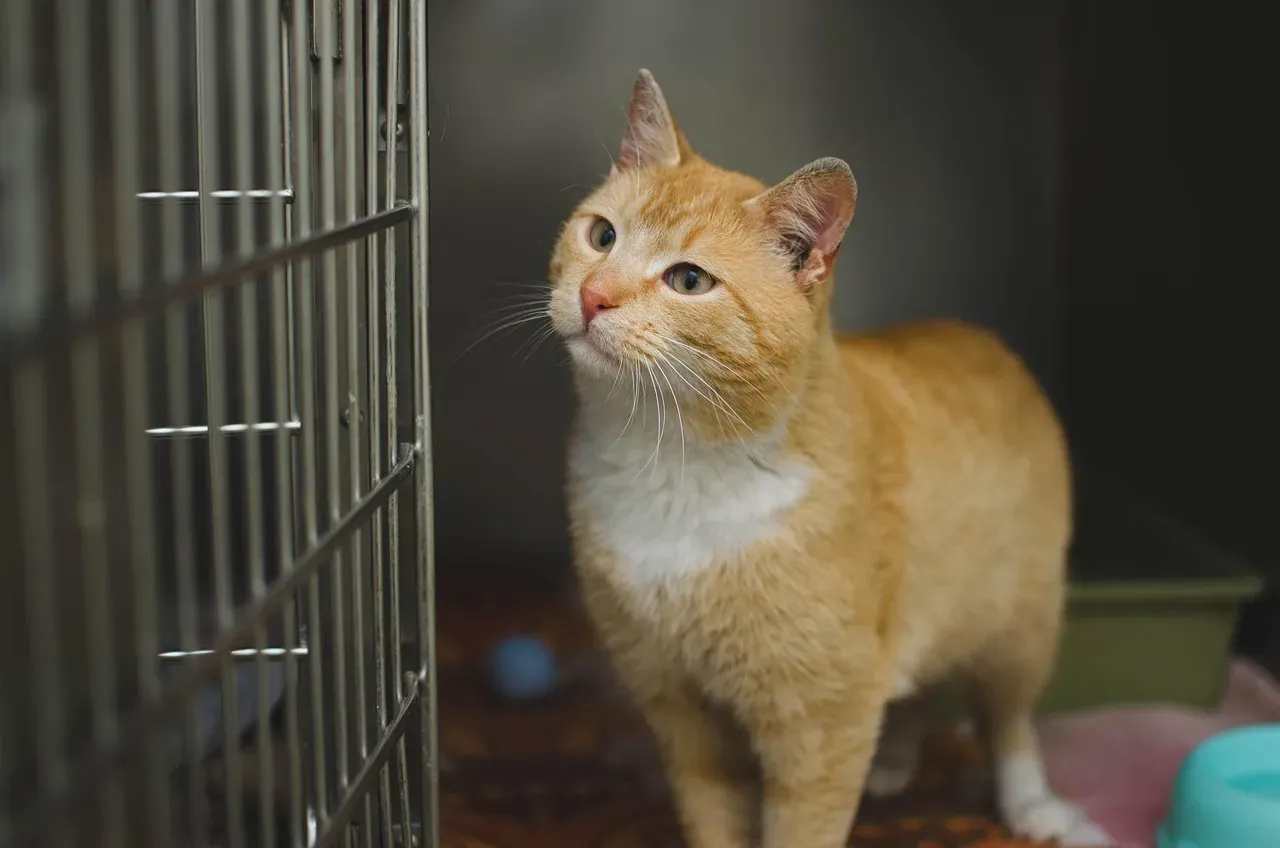
Surprised? You should be. In the US, it is estimated that 25% of pets in shelters are pure-bred. That means if you’re dead set on a Golden Retriever or a Persian cat, you’ve got better odds than you think.
Pedigree animals often end up in shelters as their families go through life-changing circumstances that force them to give up their pets. There are also breed-specific rescue organizations dedicated to rehoming particular breeds. Sure, finding that specific Beagle or Siamese might take a bit more patience than simply buying one. Yet the wait becomes worthwhile when you realize you’re giving a deserving animal a second chance.
Mixed breeds shouldn’t be overlooked either. They often have stronger genetic diversity, which can mean fewer inherited health problems and potentially longer lifespans.
Shelter Animals Are Unhealthy and Come With Medical Problems

Let’s be real about this one. Shelters don’t place sick or injured animals up for adoption, and most pets who enter a shelter are healthy and can be placed for adoption very quickly.
Well-managed shelters believe good animal health is extremely important, so they give their pets excellent medical care including neutering, vaccinating, microchipping, deworming and treating for fleas and ticks, and by the time they’re given up for adoption, they should have a clean bill of health. Many shelters actually have better veterinary resources than you might expect. In fact, a growing number of veterinarians specialize in shelter medicine.
What about breeders though? Puppies purchased from puppy mills or breeders often have more health issues than shelter pets due to lack of access to regular vet care. That expensive purebred puppy might actually come with more health complications than the shelter dog who’s already been thoroughly examined and treated.
Shelter Pets Won’t Bond With You Like a Puppy or Kitten Would

This myth really gets under my skin because it’s so far from the truth. Animals are remarkably resilient creatures with an incredible capacity for love. Many animals surrendered to shelters have lived with families and had regular social interaction, and they are resilient and smart, with adopters finding that bonding with adopted pets is unlike anything else.
Shelters often talk about the 3-3-3 rule: It takes three days for an animal to decompress in their new home, three weeks to feel at ease and start settling into a routine, and three months to feel secure and start building a lifetime bond. That’s not a long time to wait for years of unconditional love and companionship.
There is no correlation between an animal’s age and their ability to bond with their owners and other household pets, and adopting a senior pet offers numerous benefits. The gratitude you’ll receive from a shelter pet who finally has a home? Completely unmatched.
Shelter Pets Are Always Dirty and Poorly Cared For
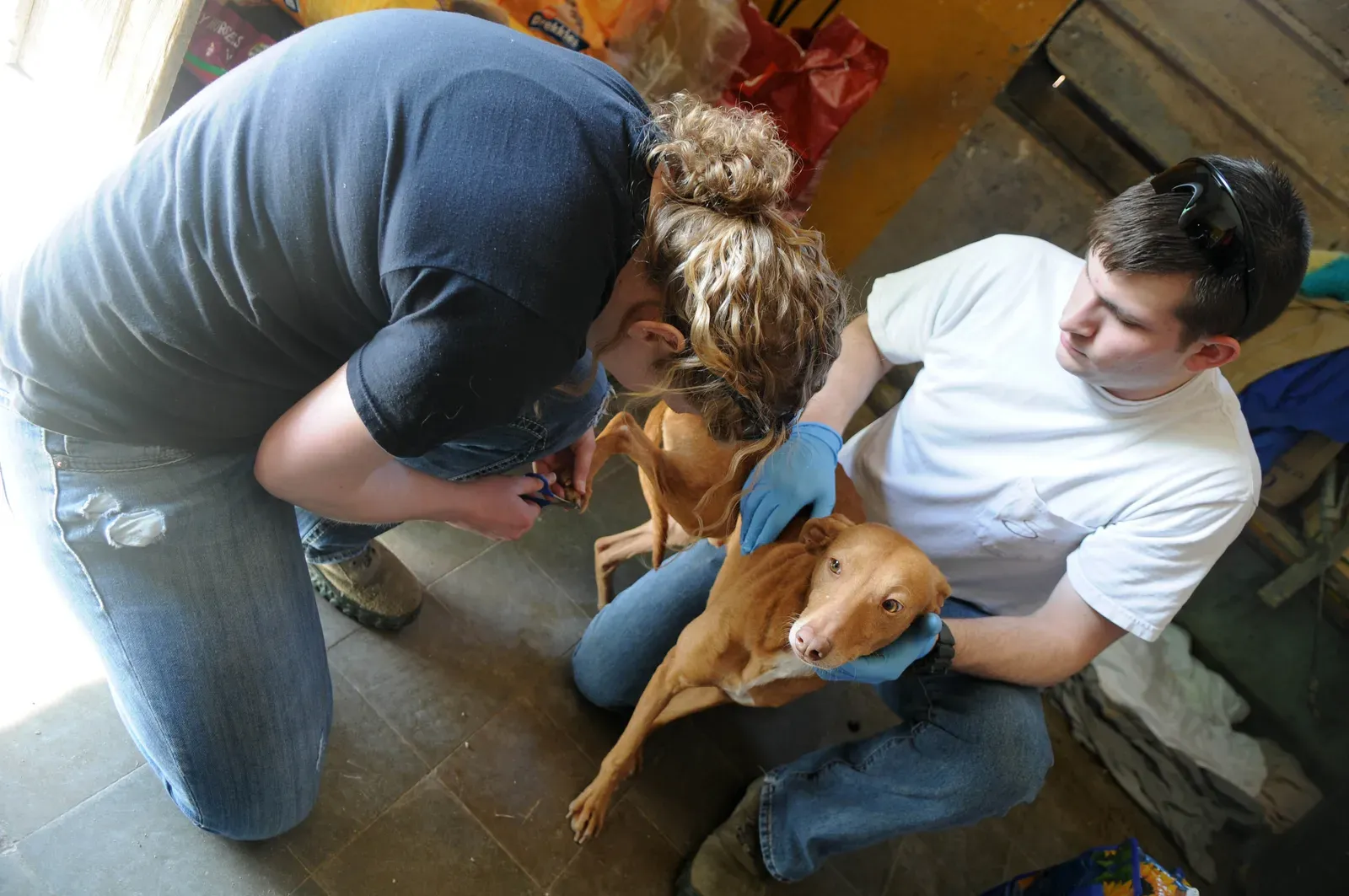
I know it sounds crazy, but some people genuinely believe this. The reality couldn’t be more different. After a bath, medication, and vaccinations, shelter pets look and feel much better, all shelters check pets for external parasites and provide flea treatments as needed, and most shelters offer at least basic grooming services regularly.
Professional groomers sometimes even donate their time to help shelter animals look their absolute best. The goal is to give these pets every possible advantage when meeting potential adopters. By the time they’re ready for adoption, they’re clean, groomed, and healthy.
Comparing them to some pet store animals reveals an interesting truth. Those cute puppies in storefront windows often come from puppy mills where conditions are far from sanitary. Shelter animals receive regular baths, grooming, and parasite prevention, making them actually cleaner and healthier than many commercially bred pets.
The Adoption Process Takes Forever and Is Too Complicated

Yes, shelters ask questions. They want to make sure their animals go to appropriate homes. However, this doesn’t mean you’ll be stuck in bureaucratic limbo for weeks. Shelters have worked hard to simplify their adoption processes, and most people can complete their adoptions in two hours or less.
The questions aren’t there to judge you or make you jump through hoops. They’re designed to create successful matches between pets and families. Shelter staff spend time with the animals in their care and know their personalities intimately. Trained staff evaluate every shelter animal, and the behavior team knows their personalities, preferences, and quirks.
This expertise works in your favor. Rather than guessing whether a pet will fit your lifestyle, you have knowledgeable counselors who can guide you toward the perfect match. They’ll be there to support you before, during, and after adoption. That level of ongoing support simply doesn’t exist when you buy from a breeder or pet store.
You Don’t Know What You’re Getting With a Shelter Pet

Actually, it’s quite the opposite. There may in fact be more information available about an adoptable pet than one from a breeder or pet store, and many pets are in foster care where foster parents live with their charges around the clock and can tell you in detail about the pet’s personality and habits.
Shelter workers have spent time with all of the animals in their care and know more about your new pet than just what the vet records show, including their behavior, likes and dislikes. Contrast this with buying a puppy from a breeder where you’re essentially gambling on how that animal will develop. Pet store owners rarely have any idea what a pet will be like in a home environment.
Many shelter dogs have already been house-trained and know basic commands. Some have lived in homes before and understand routines. Rather than the mystery some people imagine, shelter adoption actually offers more predictability than purchasing a young animal whose personality hasn’t fully developed yet.
Conclusion: The Real Truth About Shelter Adoption
The misconceptions surrounding shelter pets have kept too many wonderful animals waiting far too long for homes they deserve. While the number of animals entering shelters has declined slightly, many shelters still have too many animals and not enough adoptions, with animals staying longer and shelters facing ongoing capacity crises.
Every adoption saves a life, creates space for another animal in need, and sends a powerful message to your community. The bond you’ll form with a shelter pet is every bit as strong and meaningful as any other. Perhaps even more so, because you’ll both know you chose each other.
These pets aren’t damaged goods or second-rate options. They’re loving, loyal companions who simply need someone to give them a chance. Next time you’re considering adding a furry friend to your family, remember the truth behind these myths. Visit your local shelter with an open mind and heart. What do you think about it? Have any of these myths kept you from considering shelter adoption before?
Worried about unexpected vet bills?
Pet insurance can cover thousands in unexpected vet costs. Get a free quote from Lemonade in under 2 minutes.
Get My Free Quote →Sponsored · Opens Lemonade.com
