
Picture this: you’re on a relaxing evening stroll with your four-legged companion when suddenly they freeze, their body goes rigid, and they refuse to move forward. The culprit? Their own shadow stretching across the pavement. It sounds almost comical, doesn’t it? Yet for countless dog owners around the world, shadow fear is a genuine and often baffling challenge that transforms simple daily activities into stressful ordeals. What makes a creature descended from wolves suddenly terrified of something as harmless as a dark silhouette?
The truth is, this peculiar behavior reveals more about canine psychology than you might think. While we humans understand shadows as simple optical phenomena, our dogs experience them through an entirely different sensory lens. Their world is one of heightened motion detection, instinctual responses, and emotional associations that don’t always align with logic. Let’s dive into the fascinating reasons behind this behavior and discover what your dog’s shadow fear really means.
The Visual Processing Mystery Behind Shadow Fear

Here’s something that might surprise you: dogs process movement 10-20 times faster than humans, which makes shadows incredibly attention-grabbing to them. Think about that for a moment. While you see a shadow as a static or slowly moving shape, your dog’s visual system is picking up every tiny flicker and shift with remarkable intensity.
Some dogs don’t understand that not every moving object is alive. From their perspective, shadows can appear as mysterious entities that suddenly appear, change shape, and follow them around. The unpredictability of shadows – how they grow longer at sunset, vanish under clouds, or dance across walls – creates genuine confusion for dogs who lack our conceptual understanding of light and physics.
Dogs with vision problems might be particularly afraid of shadows or light reflections, as those with any deficiencies in their sight can have difficulty distinguishing between what is real and what is a shadow. This becomes especially problematic for senior dogs whose eyesight naturally deteriorates with age.
When Lack of Socialization Creates Lifelong Fears

Let’s be real: those critical early weeks in a puppy’s life matter more than most people realize. When dogs are scared of shadows, it is generally due to little socialization, or a complete lack of it. During what behaviorists call the sensitive period, puppies need exposure to various stimuli to develop confidence in their environment.
Puppies experience “periods of fear” that only last a month or two, but these puppies can experience more than one at a time. If a puppy encounters shadows during these fear periods without proper guidance, the fear can imprint deeply. I’ve seen rescue dogs who spent their formative months in kennels or dark spaces struggle intensely with shadow phobia simply because they never learned that shadows are harmless.
Lack of socialization can also be a contributor to various anxiety-based behaviors in adult dogs. Dogs who missed those crucial developmental experiences often find themselves overwhelmed by ordinary household phenomena that well-socialized dogs barely notice.
The Anxiety and Compulsive Behavior Connection
Shadow chasing or shadow fear rarely exists in isolation. Chasing and pursuing shadows can result from anxiety, stress or frustration, and dogs that live in small places, do not exercise enough or receive insufficient mental stimuli are prone to suffer from compulsive behavior problems. This creates a vicious cycle that’s honestly heartbreaking to witness.
Consider what happens in your dog’s mind: they spot a shadow, feel compelled to interact with it, and become frustrated because they can never catch or control it. Since it is a shadow, the dog will never catch it, and as a result of never reaching this goal, a dog chasing its own shadow will suffer from higher levels of anxiety and frustration. The unattainable goal feeds their obsession.
This issue can also be seen among dogs prone to psychological problems, including anxiety, stress, separation anxiety, and abnormal repetitive behaviors, and if your dog exhibits these signs and a fear of shadows and reflection of lights, a psychological issue has probably developed. Some breeds, particularly herding dogs like Border Collies and Australian Shepherds, show higher susceptibility to developing these compulsive patterns.
Past Trauma and Negative Associations
Sometimes the answer lies buried in experiences we can’t fully understand. If a dog is highly fearful of shadows or light reflections, it could be due to bad past experiences, especially if you adopted or rescued your dog later in their life. The dog’s history becomes a mystery we can only guess at through their current behaviors.
The fear of shadows could come from the dog experiencing a past trauma or anxiety that could have resulted from lack of socialization or other causes. Maybe they were startled by something at the exact moment a shadow appeared. Maybe they spent time in a frightening dark space where shadows signaled isolation or danger. We’ll probably never know for certain.
What’s particularly interesting is how dogs remember these experiences. Unlike humans, dogs don’t respond to actual memories as we do; instead, they respond to the previous experience in regards to it being positive or negative, and if they remember a negative experience that caused a worse reaction, that is what they’ll remember. This emotional imprinting explains why shadow fear can persist long after the original trigger is gone.
When Medical Issues Are the Hidden Culprit
Here’s something crucial that gets overlooked: shadow fear that appears suddenly in a previously confident dog deserves immediate veterinary attention. Even though dogs can see better than humans in the dark, vision loss, especially in senior dogs, can contribute to your dog’s fear. Deteriorating eyesight makes shadows appear more threatening and unpredictable.
Senior dogs are likelier to fear the dark as their eyesight and temperament change, and older dogs often have worse vision, but research also shows they have more difficulty transitioning from one lighting environment to another. That awkward adjustment period between bright sunlight and indoor lighting becomes genuinely disorienting for aging dogs.
For older dogs, sudden fear from shadows could be a sign of a larger health issue, and any sudden behavioral change, like an older dog suddenly becoming afraid of shadows, could be a sign of dementia or another health issue developing, or it could also be a sign of an eye problem developing. Cognitive decline doesn’t just affect memory – it fundamentally changes how dogs interpret their environment, making once-familiar shadows seem alien and frightening.
Conclusion: Understanding Opens the Door to Healing
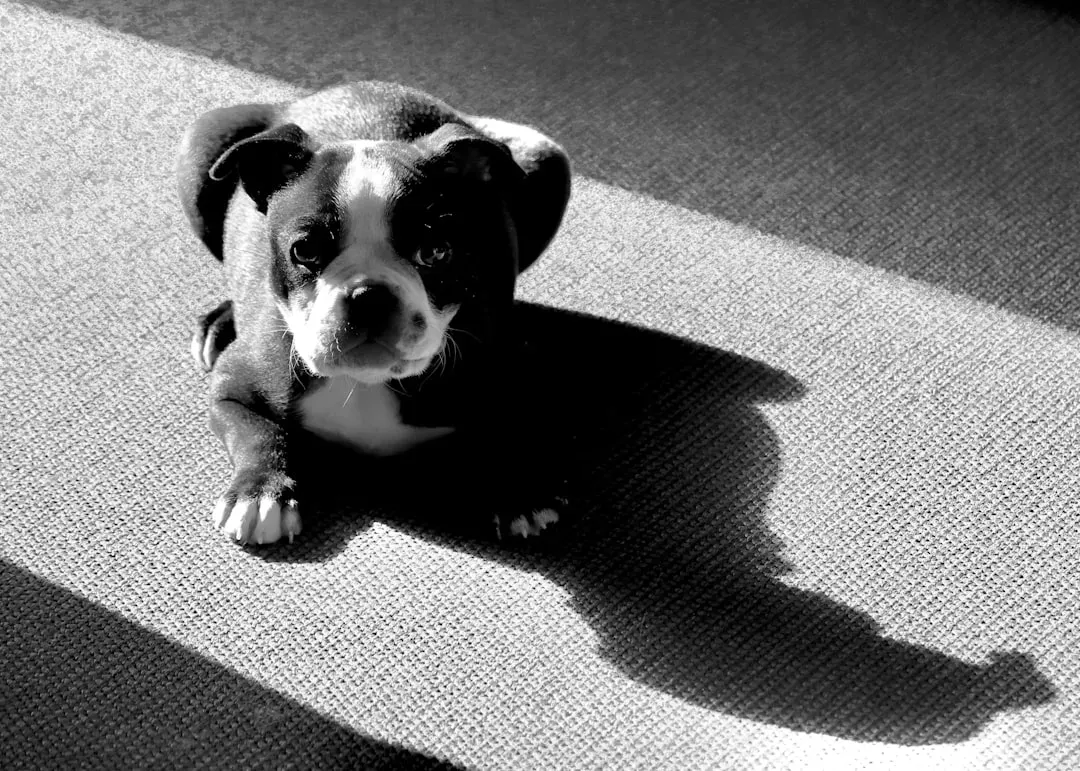
Shadow fear in dogs isn’t just a quirky behavioral oddity – it’s a window into how our canine companions experience and interpret their world. Whether rooted in visual processing differences, inadequate socialization, anxiety disorders, past trauma, or medical conditions, this fear deserves our compassion and attention rather than dismissal or frustration.
The good news? With patience, proper training techniques like desensitization and counterconditioning, environmental modifications, and sometimes veterinary intervention, most dogs can learn to coexist peacefully with shadows. The key lies in identifying the underlying cause and addressing it systematically rather than expecting overnight miracles.
Your dog isn’t being silly or stubborn when they balk at their own shadow. They’re responding to a genuine concern through the only lens they have available. By understanding the surprising psychological and physiological reasons behind shadow fear, we become better equipped to guide our beloved companions toward confidence and peace. What’s your experience been with shadow-sensitive dogs?

- 10 Animal Behaviors So Intelligent They Still Baffle Scientists - June 21, 2026
- The US States With the Most Raccoons - June 21, 2026
- 14 Animals That Build the Most Incredible Homes in Nature - June 21, 2026