
You’ve probably caught yourself staring at your dog, watching that tail wag back and forth, and thinking everything’s just perfect in their world. Here’s the thing though: happiness in dogs goes way deeper than a simple tail wag. In fact, that wagging tail might not even tell the whole story.
Dogs have their own sophisticated language, and most of us are only catching bits and pieces of what they’re really saying. Think about it like trying to understand someone speaking a different language by only recognizing one word. You’d miss so much of the conversation, right? The same goes for our four-legged companions. They’re constantly communicating their feelings through subtle cues that often fly right under our radar.
So let’s dive into the real indicators that your pup isn’t just getting by, but genuinely thriving. These signs reveal a contentment that goes beyond momentary excitement, tapping into that deep, satisfied happiness we all want for our furry friends.
Their Eyes Tell a Softer Story
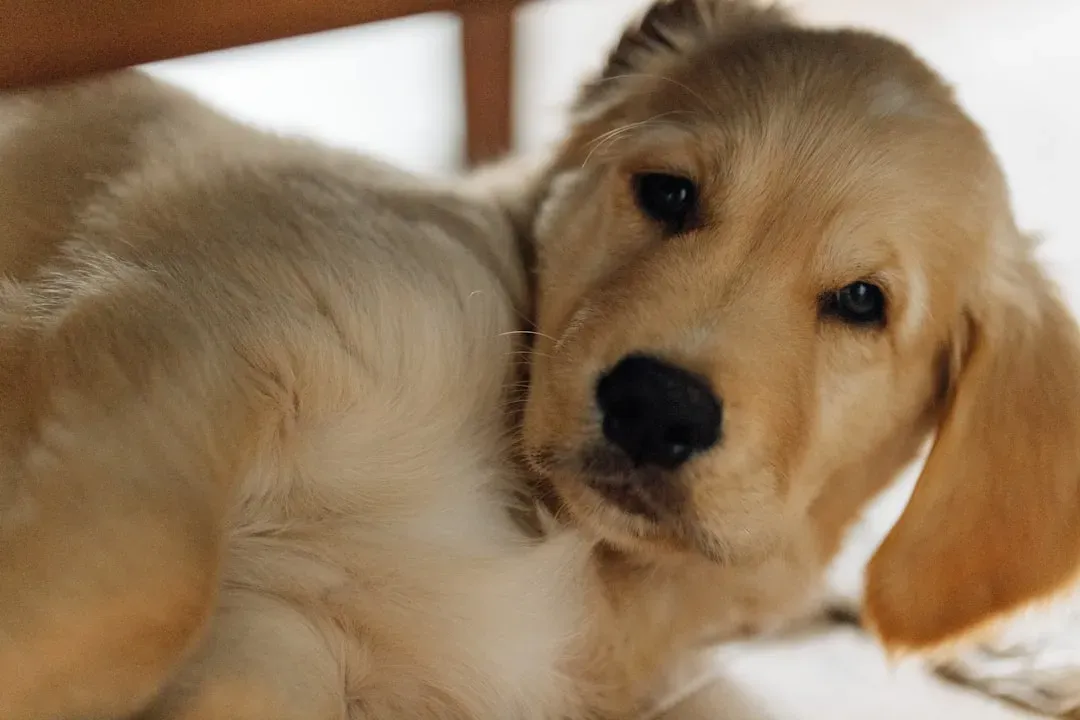
When your dog is genuinely happy, their eyes will have a soft gaze and be opened wide, often blinking frequently. This isn’t about those wide, alert eyes you see when they spot a squirrel or hear the treat bag crinkle. I’m talking about something completely different.
Happy dogs have relaxed eyes and eyelids, with a soft gaze and frequent blinking. It’s almost like they’re smiling with their eyes, if that makes sense. You know that look your dog gives you when they’re lying next to you on the couch, totally at ease? That’s it.
The opposite is equally telling. Narrowed eyes and a hard gaze can indicate aggression, while wide eyes with visible whites could mean your dog is frightened. Learning to read these subtle differences takes time, yet it’s honestly one of the most rewarding skills you can develop as a dog parent.
The Whole Body Wiggles
Let’s be real, there’s nothing quite like being greeted by a dog whose entire body seems to be wagging along with their tail. When a dog is happy, their whole body and tail look relaxed, and they quite often wiggle, with their entire body wagging along with their tail.
A happy dog has relaxed and loose body language that might result in a full body wiggle, where they seem to be wagging their whole body, sometimes hopping and squiggling back and forth in a happy dance. It’s that goofy, uncoordinated movement that just screams pure joy. You can’t fake that kind of enthusiasm.
This is completely different from a stiff body with a rapidly wagging tail, which can actually signal tension or alertness. The key here is looseness. A truly happy dog moves fluidly, almost like they’re made of rubber rather than muscle and bone.
They’re Sleeping Like They Own the Place
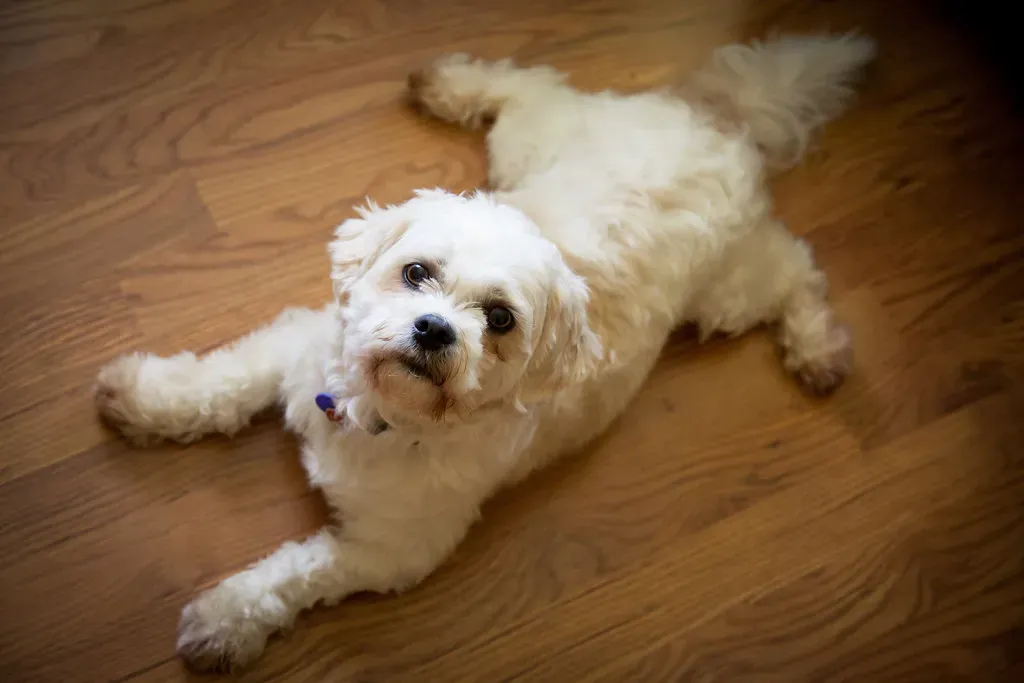
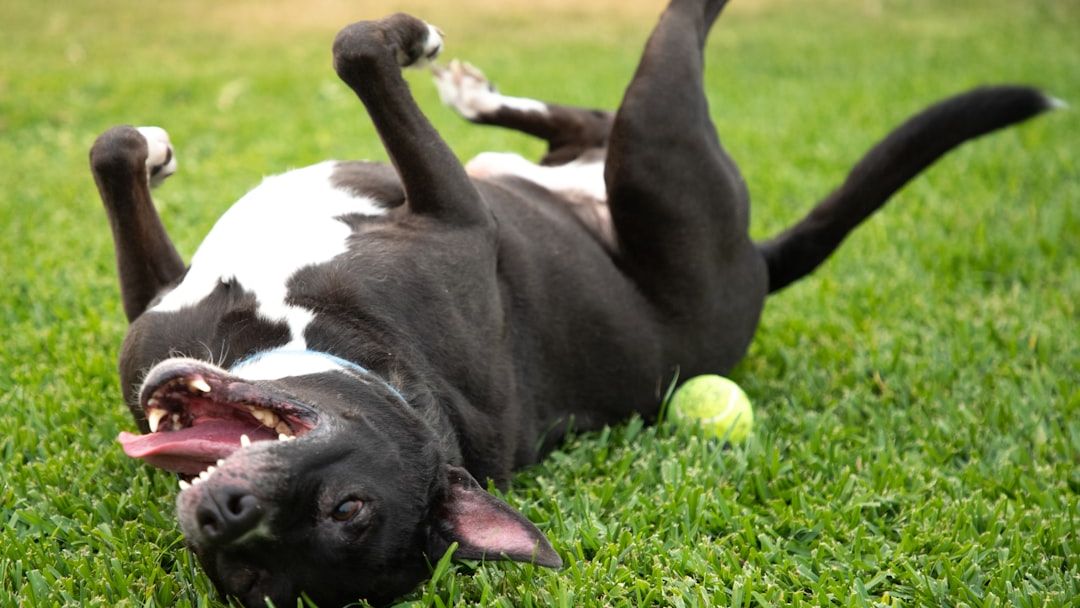
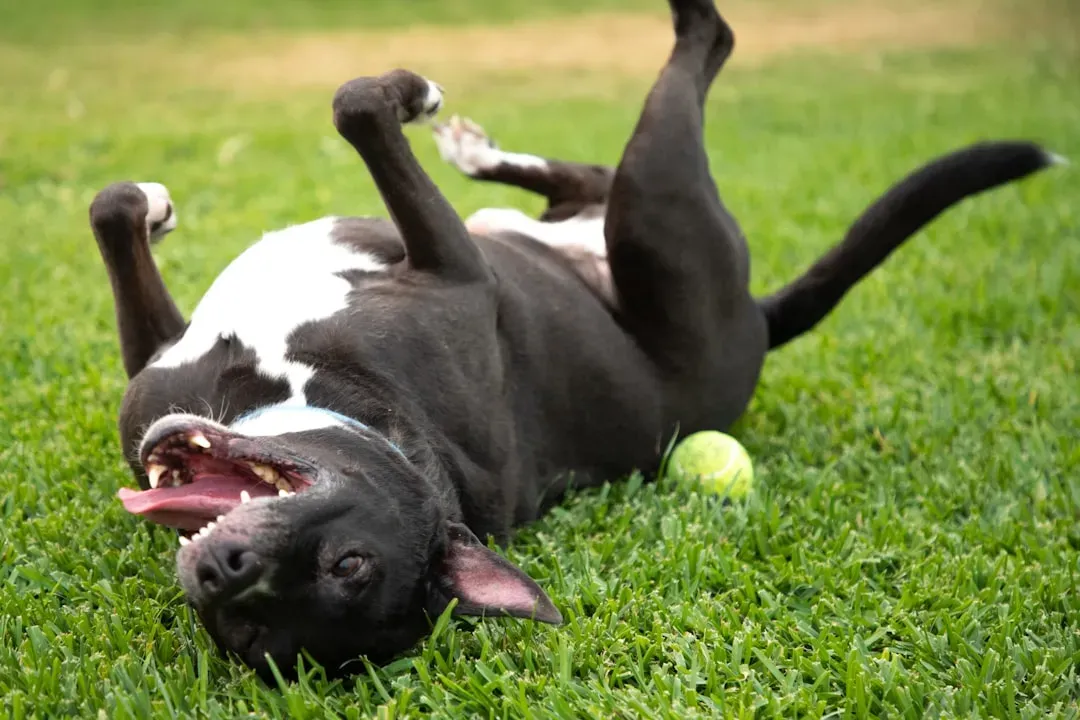
Dogs who snooze on their back with all four paws in the air or sprawled out like a starfish feel very comfortable and safe in their environment, as their belly is left exposed and this vulnerable position means they trust you completely. If your dog sleeps in these ridiculous positions, congratulations, you’ve created a home where they feel totally secure.
Healthy, happy adult dogs usually sleep for up to 16 hours a day. That might sound like a lot, but it’s completely normal. They’re not being lazy. They’re just content enough to truly rest.
Watch how your dog settles down for a nap. Do they circle around nervously or do they just flop down without a care in the world? That transition from standing to snoozing can tell you volumes about their comfort level.
Their Appetite Shows Genuine Excitement
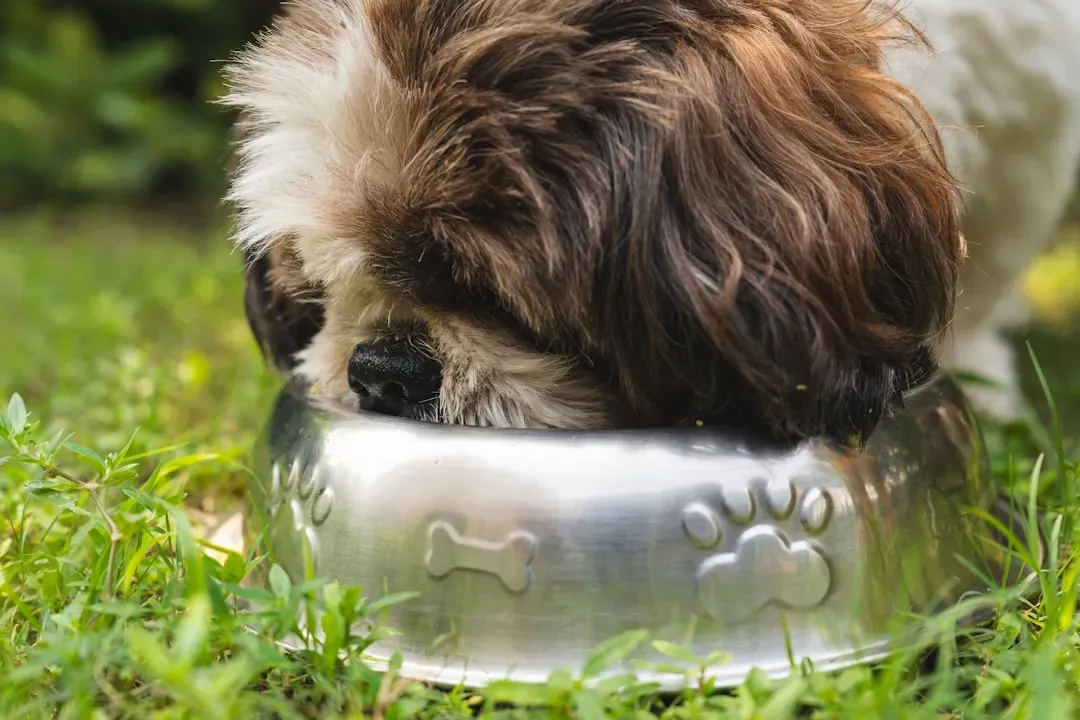
Having a healthy appetite and excitement around mealtimes are sure signs a dog is happy, with eager dogs showing excitement and eagerness when it’s time to eat. Now, I know some dogs would eat a shoe if given half a chance, so we’re not just talking about food obsession here.
What you’re looking for is consistent enthusiasm. Dogs with a consistent appetite are generally happy, and while not all dogs take extreme pleasure in eating, for many it’s a highlight of their day. Changes in eating patterns, whether suddenly eating less or becoming disinterested, can signal unhappiness or health issues.
Mealtime shouldn’t just be about scarfing down kibble. A truly happy dog approaches their food bowl with anticipation but not anxiety. They eat at a normal pace and seem satisfied afterward, not constantly searching for more out of stress or boredom.
They Seek Out Your Touch
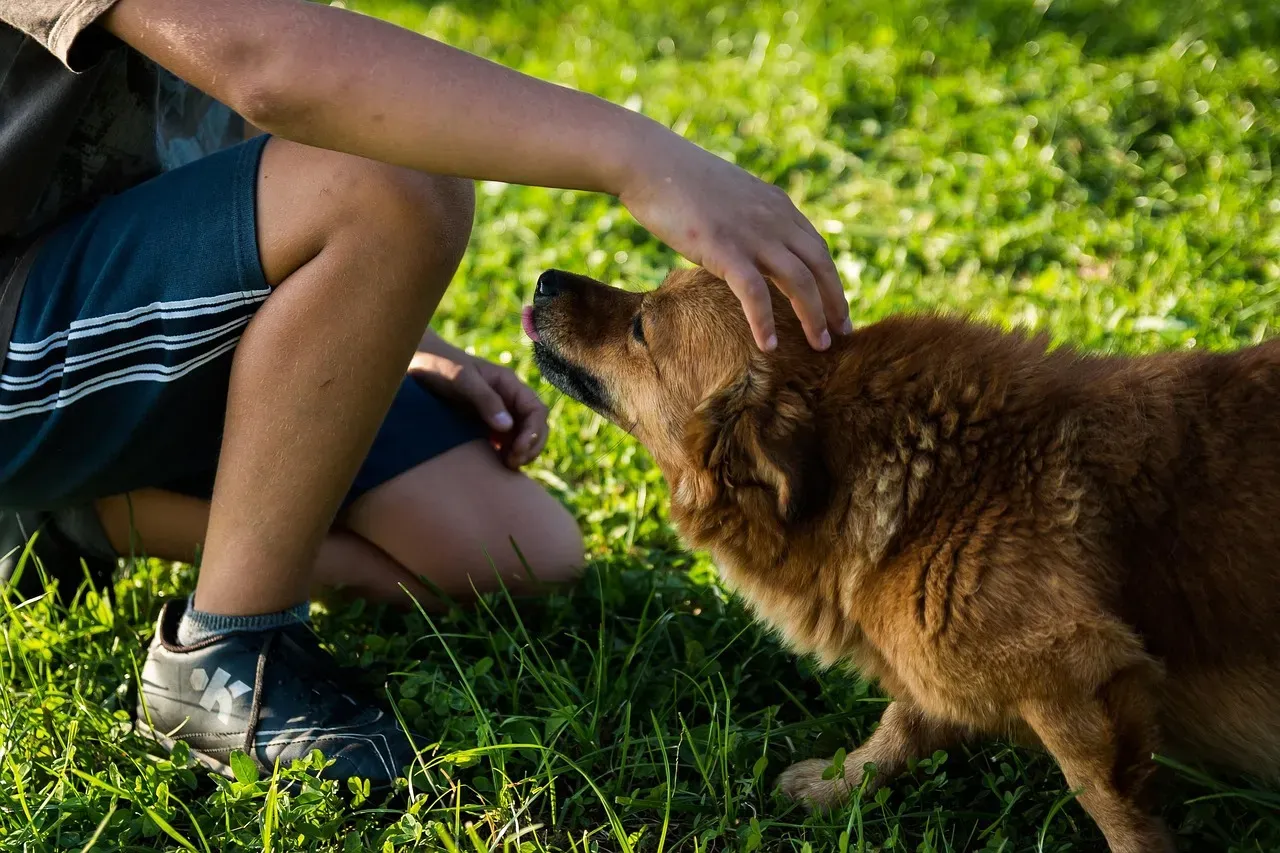
Happy dogs make a lot of body contact, and if your dog reacts, stays close, or even leans in toward your hand during petting, they’re enjoying the contact. This one’s pretty straightforward but easily overlooked. Does your dog lean into you when you’re petting them, or do they tolerate it and then walk away?
A friendly dog who is feeling happy will likely seek out affection from you at some point, whether through leaning against you, lying beside you, or asking for pets, as these behaviors are generally associated with a strong human-animal bond, which is key for your dog’s happiness.
Pay attention to how they respond to your touch. Happy dogs don’t just permit affection, they actively seek it out. They’ll nudge your hand for more scratches or position themselves right next to you on the couch. That choice to be physically close speaks volumes about their emotional state.
Playfulness Comes Naturally
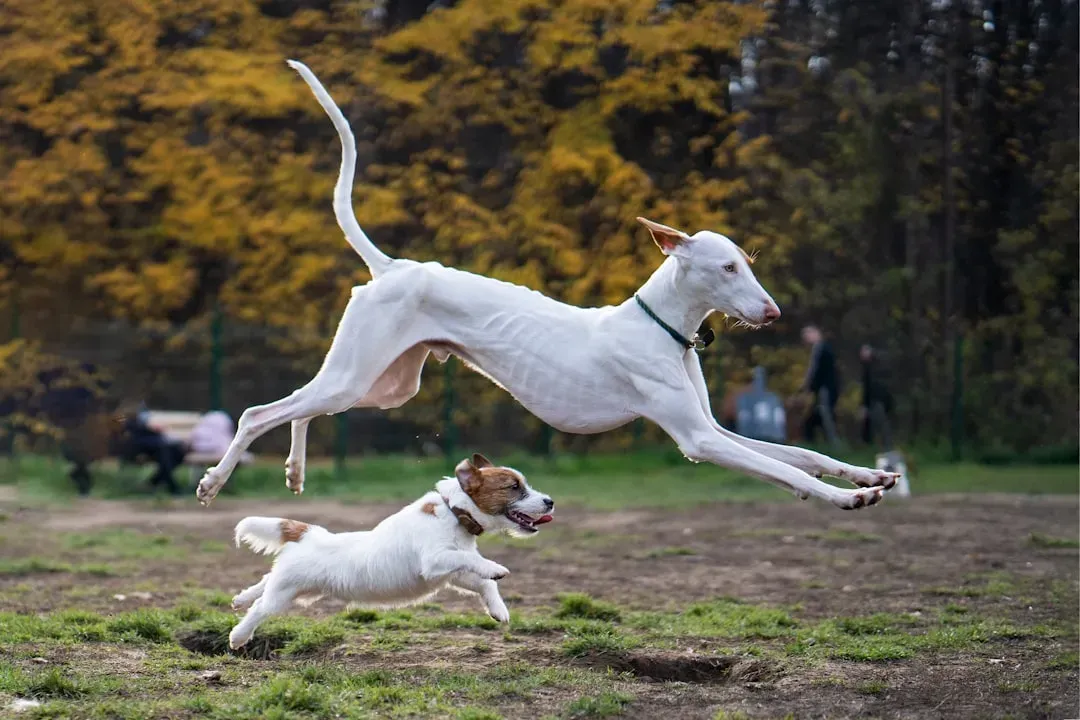
Happy dogs love to play, and your dog should enjoy their playtime, seek it out, and be ready to engage in playful activities. The key word here is “naturally.” We’re not talking about a dog who plays because you’re forcing a game of fetch on them.
The classic play bow, where your dog has their chest lowered to the ground and their rear end extended up in the air, is a good indication that they are happy and feeling friendly. When you see that play bow, you’re witnessing an invitation, a signal that says everything in their world feels right.
Playfulness isn’t just about high energy either. Even older dogs or lower-energy breeds will show moments of playful behavior when they’re truly content. Maybe it’s a gentle game of tug, or perhaps they get a sudden case of the zoomies out of nowhere. These spontaneous bursts of joy are perhaps the most honest indicators of all.
The Bigger Picture
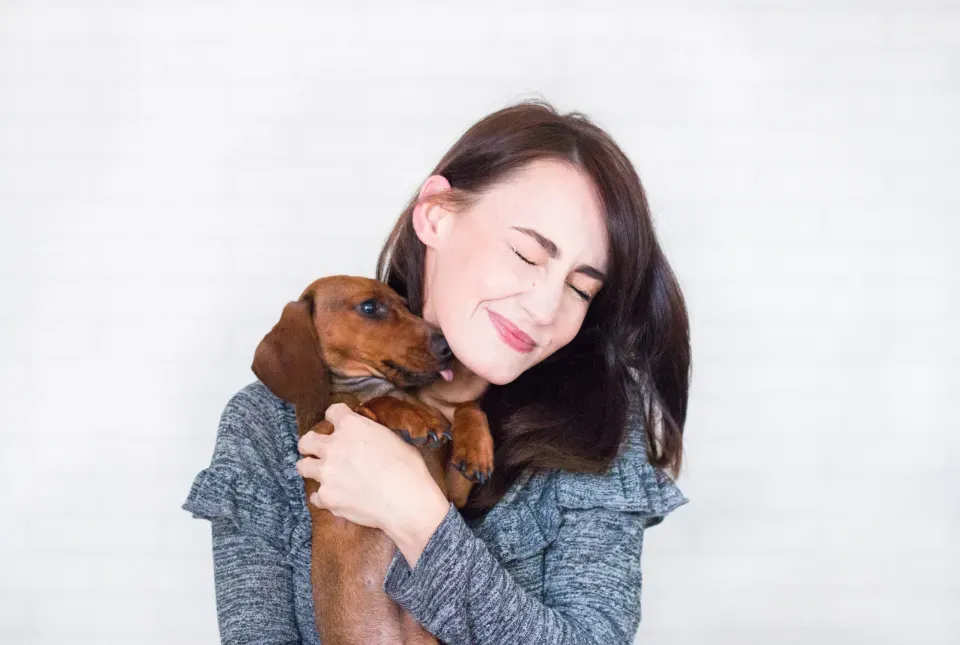
Reading your dog’s happiness isn’t about checking off boxes on a list. It’s about understanding the complete picture they’re painting with their body, behavior, and daily routines. A happy dog has an open countenance, a relaxed expression, a lack of stress lines around the face, and no tension in their body.
The beautiful thing about dogs is that they can’t hide their true feelings for long. Unlike us humans who might fake a smile at a party we don’t want to attend, dogs wear their emotions openly. They live in the moment, and that moment is reflected in every wiggle, every soft gaze, and every contented sigh.
What do you think? Have you noticed these signs in your own dog, or have you discovered other unique ways your pup shows happiness? Pay attention this week and see what your furry friend is really telling you.

- 14 Quiet Signs Your Dog Knows Its Time Is Near and Wants You Close - July 22, 2026
- 10 Falcon Facts That Will Blow Your Mind - July 22, 2026
- 5 Incredible Migratory Journeys Animals Make Every Year - July 22, 2026