
Worried about unexpected vet bills?
Pet insurance can cover thousands in unexpected vet costs. Get a free quote from Lemonade in under 2 minutes.
Get My Free Quote →Sponsored · Opens Lemonade.com
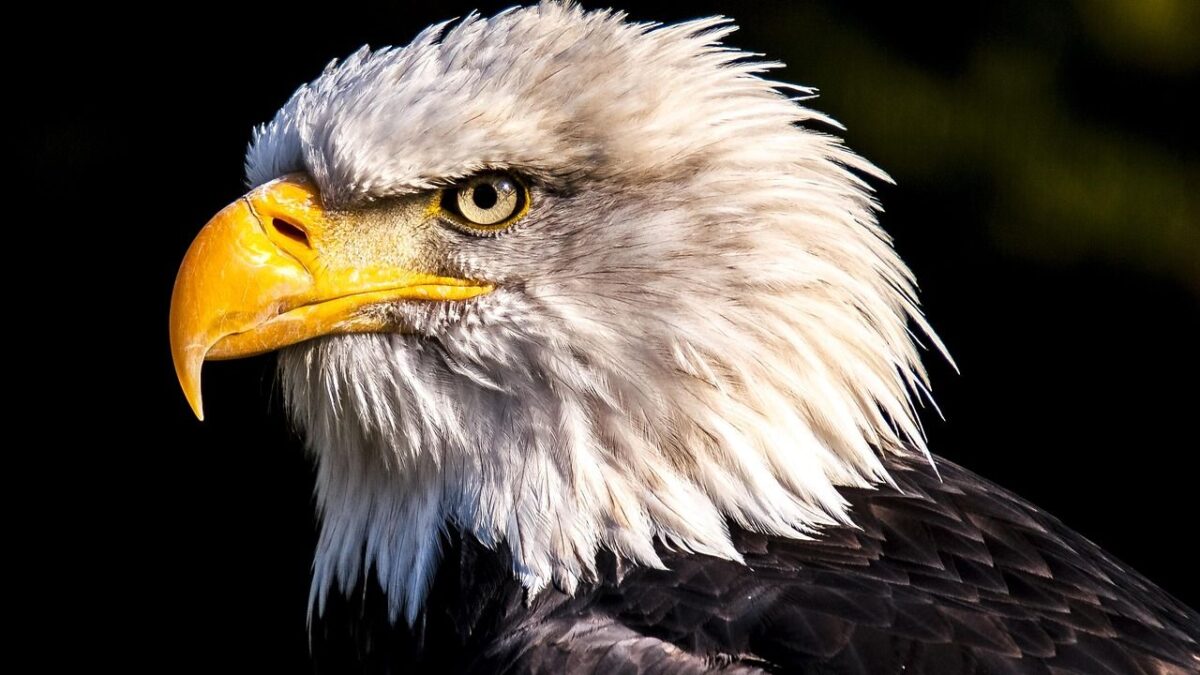
There’s something undeniably captivating about spotting a bald eagle. Maybe it’s the commanding wingspan slicing through the sky, or that iconic white head cutting sharply against a backdrop of forest green. These birds aren’t just our national symbol anymore, they’re a living testament to one of conservation’s greatest turnarounds. Not long ago, bald eagles teetered on the brink of extinction across the lower 48 states. Today, they’re soaring in numbers we haven’t seen in generations.
Yet not every state hosts eagles equally. Some regions have become absolute havens for these magnificent raptors, while others count their eagles on one hand. The reasons are fascinating and varied, from Alaska’s untamed coastlines teeming with salmon to Minnesota’s sprawling lake country. Let’s dive in and explore which states have truly become bald eagle strongholds.
Alaska: The Uncontested Eagle Capital
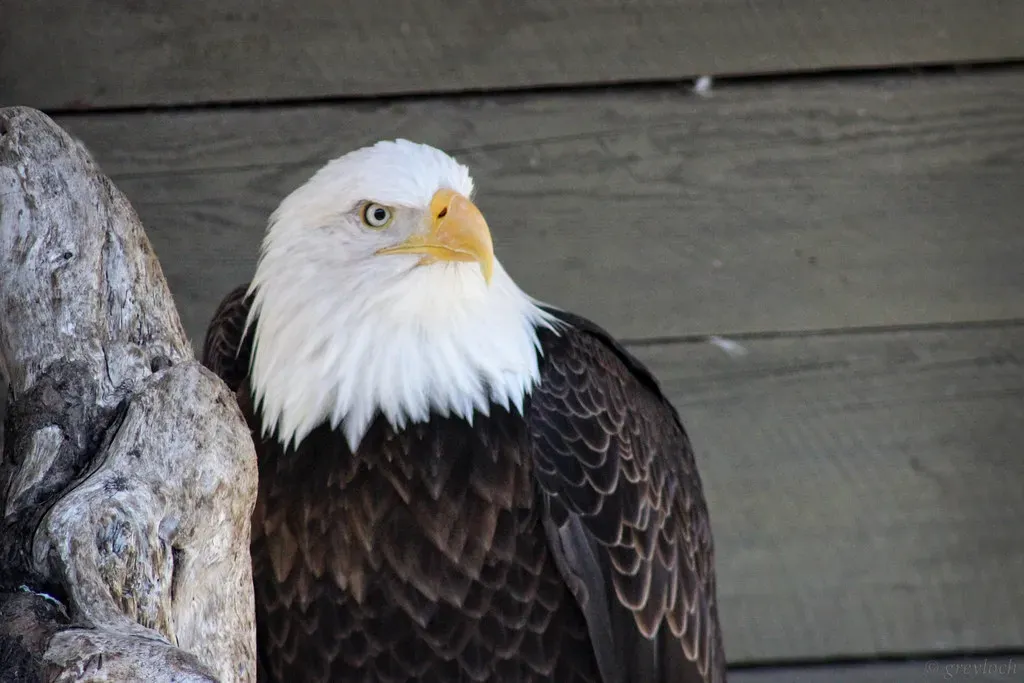
Alaska leads the pack with an estimated population of around 30,000 bald eagles, making it the absolute champion of eagle habitat in the United States. Here’s the thing though, that number only counts breeding pairs. The total population including eaglets and non-breeding adults is estimated between 100,000 and 150,000, which is simply staggering.
Alaska hosts more than 75% of the breeding populations of bald eagles within the U.S. The state’s pristine wilderness, abundant fish populations, and relatively sparse human development create ideal conditions. Eagles are typically found along Alaska’s coast, offshore islands, and inland lakes and rivers, with the majority spending winter in southern regions of the state.
In late fall and early winter, more than 3,000 bald eagles gather in the Chilkat Valley to feed on salmon. It’s honestly one of the most spectacular wildlife gatherings anywhere in North America. The massive salmon runs provide endless food, and the landscape offers thousands of towering trees perfect for nesting.
Minnesota: The Lower 48’s Eagle Powerhouse
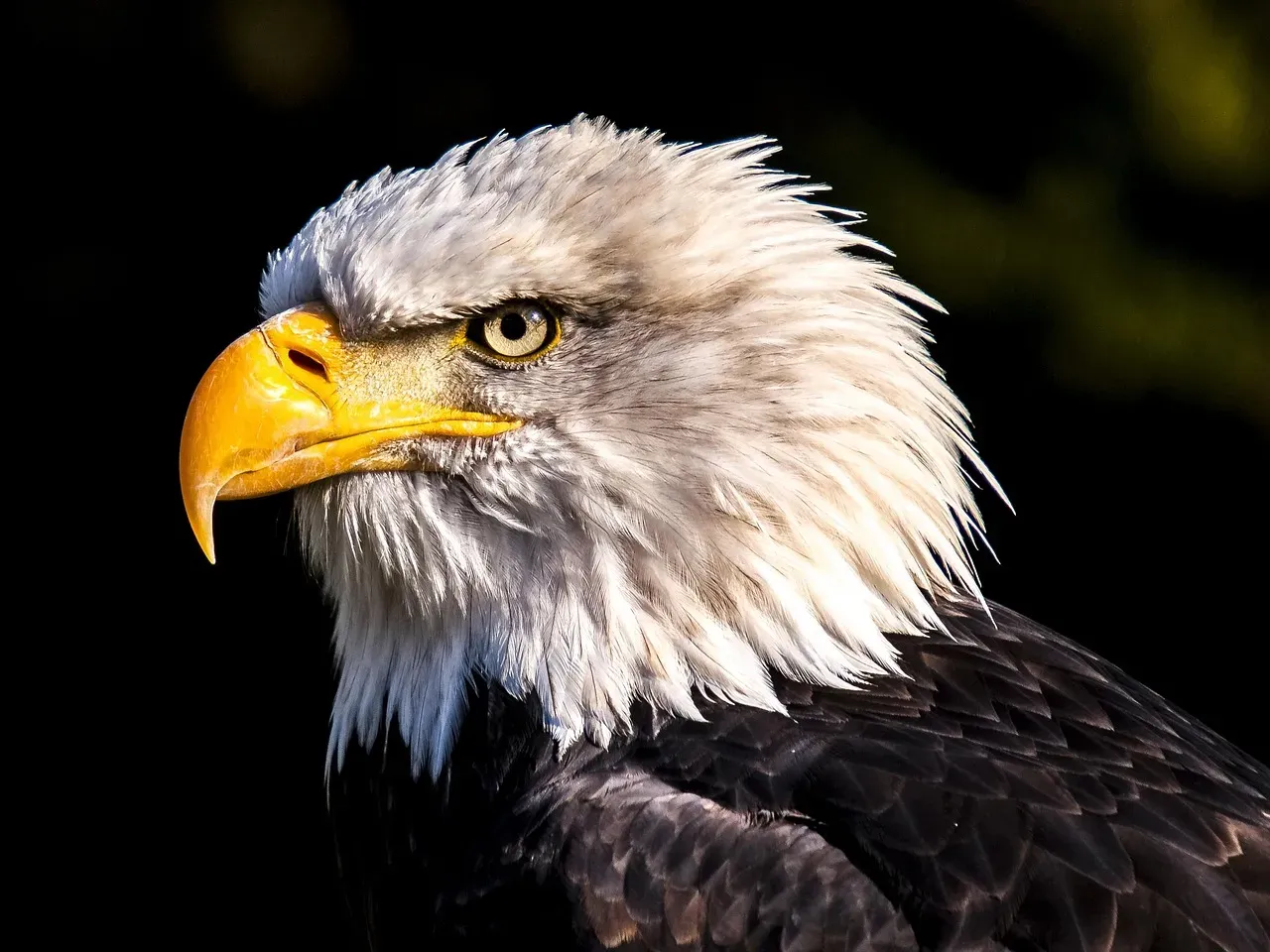
If we’re talking about states outside Alaska, Minnesota takes the crown without question. Minnesota follows closely behind with approximately 9,800 bald eagles, showcasing the species’ thriving presence in the region. As of 2007, the contiguous state with the largest number of breeding pairs of eagles is Minnesota, with an estimated 1,312 pairs.
What makes Minnesota such a magnet for eagles? The state is basically waterfront property on steroids. With over 10,000 lakes and countless rivers threading through the landscape, fish are plentiful and accessible year-round in many areas. The Great Lakes influence doesn’t hurt either.
Minnesota boasts one of the highest population of bald eagles in the U.S., outside of Alaska, and eagles have been doing so well in the state that official surveys and counts stopped in the mid 2000’s. That’s actually a good problem to have. The state’s careful habitat management and protection efforts paid off spectacularly.
Washington and the Pacific Northwest Connection
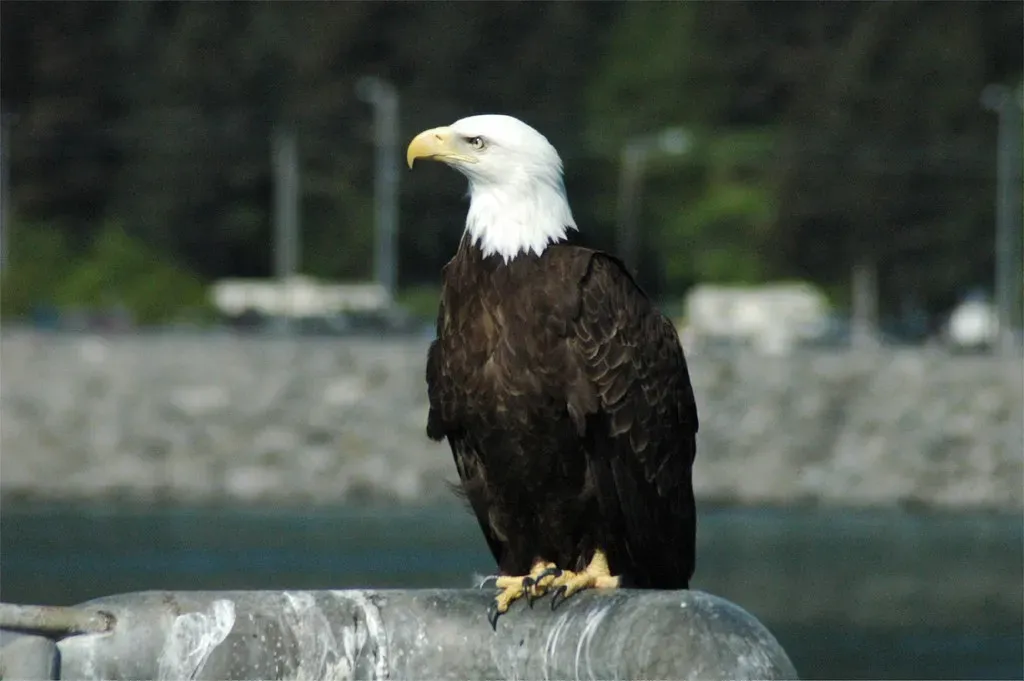
The Pacific Northwest, including British Columbia, Washington, and Oregon, supports dense populations, with thousands congregating during winter. Washington State deserves special attention here. Western Washington has one of largest concentrations of Bald Eagles in the contiguous United States.
Washington’s location makes it a very popular winter habitat for bald eagles from Canada and Alaska, with the Washington Fish & Wildlife Office estimating that up to 80% of the eagles found in the state during the mid-winter months are migrants. The Skagit River Valley becomes particularly crowded during salmon spawning season.
Bald eagles are well distributed in Washington, but the majority of the population is found west of the Cascade Range, associated with marine environments and nearly all major waterways, inland lakes, and reservoirs. The state’s combination of coastal habitat, major river systems, and old-growth forests creates perfect conditions. It’s hard to say for sure, but the abundance of spawning salmon might be the single biggest draw.
Florida and Wisconsin: Impressive Comebacks
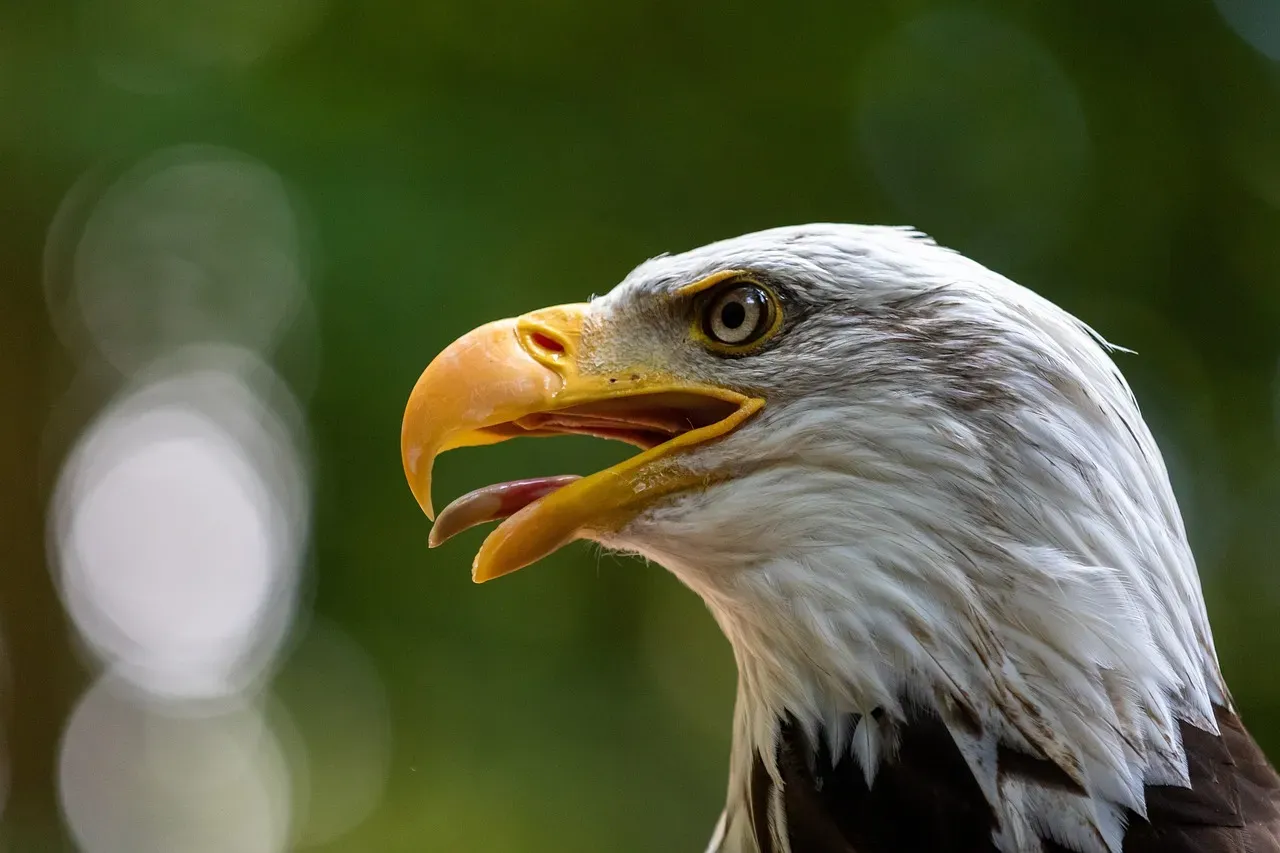
In states like Florida and Wisconsin, bald eagle populations have rebounded impressively, with around 1,500 individuals in each state. These two states represent slightly different success stories, but both are remarkable.
Florida’s eagles are somewhat unusual because they’re mostly year-round residents. For some time, the stronghold breeding population of bald eagles in the lower 48 states was in Florida, where over a thousand pairs have held on while populations in other states were significantly reduced by DDT use. The state never completely lost its eagles, which gave it a headstart on recovery.
Wisconsin’s story is different. The state worked incredibly hard to bring eagles back through active conservation programs. The northern lakes, Mississippi River corridor, and careful habitat protection all contributed. Eagles now nest successfully throughout much of the state, and winter counts often reveal even higher numbers when migrants arrive from Canada.
The National Recovery: A Conservation Triumph
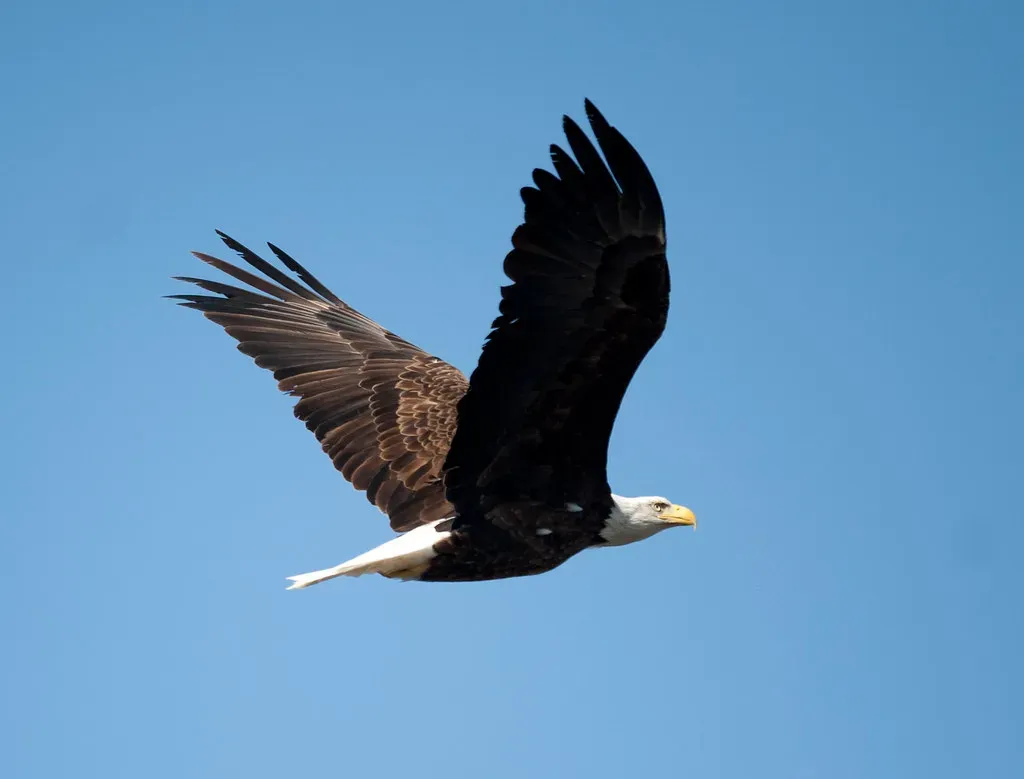
The bald eagle population climbed to an estimated 316,700 individual bald eagles, including 71,400 nesting pairs across the lower 48 states as of the most recent comprehensive survey. This estimate indicates that the bald eagle population has quadrupled since the last set of data was collected in 2009.
Let’s be real, this is extraordinary. There are an estimated 316,700 bald eagles in the lower 48 states, which is excellent news for a bird that was once endangered. From fewer than 500 nesting pairs in the 1960s to over 71,000 today represents one of conservation’s greatest victories.
From 1966 to 2015 bald eagle numbers increased substantially throughout its winter and breeding ranges, and as of 2018 the species nests in every continental state and province in the United States and Canada. The banning of DDT in 1972, combined with federal protection and careful habitat management, turned the tide. Still, some states have far more favorable conditions than others, which explains the concentration patterns we see today.
What stands out is how eagles have adapted to sharing space with humans more than anyone expected. They nest in surprising places now, from city parks to suburban waterfront areas, showing a resilience that’s both encouraging and a bit unexpected. Did you expect bald eagles to make such an incredible comeback? What do you think is the next step in protecting these magnificent birds?
Worried about unexpected vet bills?
Pet insurance can cover thousands in unexpected vet costs. Get a free quote from Lemonade in under 2 minutes.
Get My Free Quote →Sponsored · Opens Lemonade.com

- The Hoatzin: The Stinkiest Bird Alive - June 10, 2026
- Dog Breeds That Match Every Zodiac Element Explained by Science - June 10, 2026
- Why Do Some Animals Have Such Extraordinary Memory? - June 10, 2026