
Worried about unexpected vet bills?
Pet insurance can cover thousands in unexpected vet costs. Get a free quote from Lemonade in under 2 minutes.
Get My Free Quote →Sponsored · Opens Lemonade.com
Something remarkable is quietly unfolding across the forests and valleys of northern California. A predator that was hunted, trapped, and systematically erased from the state’s wild places roughly a century ago is finding its way back, on its own terms, following scent trails south from Oregon and threading through mountain corridors no wolf has crossed in living memory.
The gray wolf is native to California but was driven to extinction in the state by the mid-1920s, the result of hunting, trapping, and government-run predator eradication campaigns that eliminated what had been a naturally occurring apex predator across much of the American West. The return of the species raises questions that go far beyond wildlife biology. It touches on land use, identity, and what it means to share a landscape with something genuinely wild again.
A Long Absence, a Slow Return
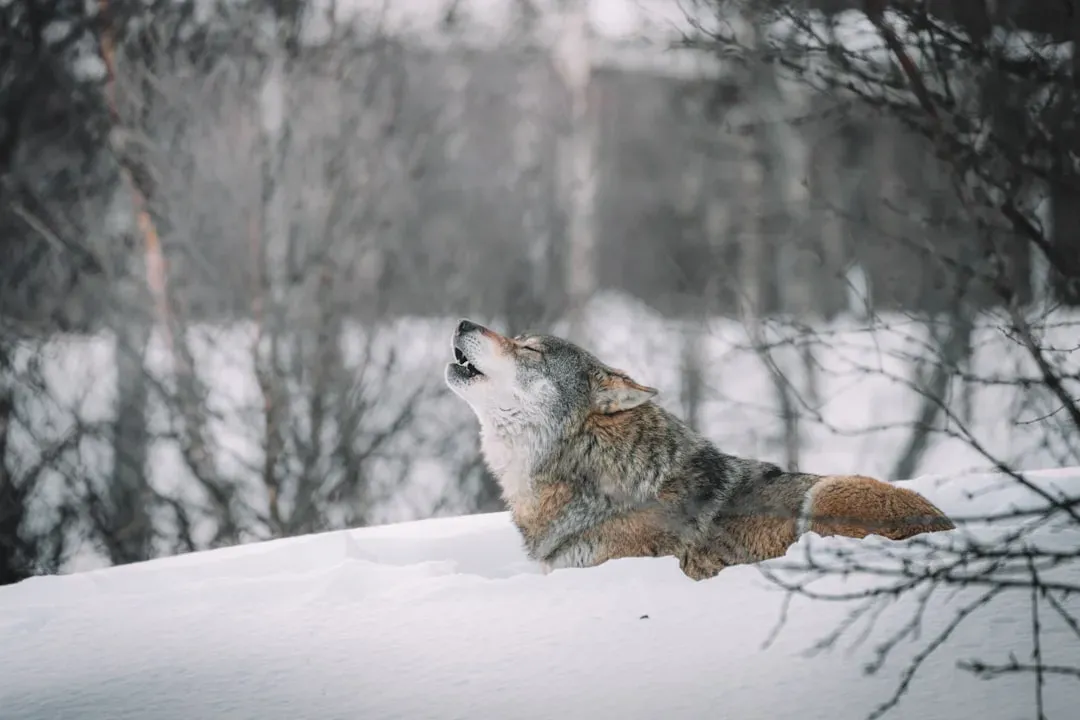
In late December 2011, OR-7, a male gray wolf from Oregon, became the first confirmed wild wolf in California since 1924, when wolves were considered extirpated from the state. His journey was extraordinary. After leaving his pack, he wandered generally southwest for more than a thousand miles through Oregon and entered northern California, spending much of 2012 exploring northeastern California in a circuitous path across seven different counties that eventually covered thousands of miles.
OR-7 traveled across seven northeastern counties in California before returning to southwestern Oregon, where he found a mate and settled down, forming the Rogue pack. Several of OR-7’s offspring have since come to California and established packs. That single wolf’s journey effectively opened the door for the family lines now roaming the state.
While California’s first known wolf in modern times entered the state in late 2011, it was not until summer 2015 that the first wolf family here in 100 years, the Shasta pack, was confirmed. Recovery from that fragile starting point was anything but guaranteed.
How the Population Has Grown
The California Department of Fish and Wildlife estimates that there are now at least 70 gray wolves in the state, up from 44 documented the year before. That growth, while modest in absolute numbers, represents a meaningful shift in what is present on California’s landscape.
The California wolf population is now between 50 to 60 wolves, and three new wolf packs were documented in 2025 alone. While a conservative estimate puts the total population around 70, the CDFW notes that there may be an unknown number of individual wolves that have dispersed from packs or adjacent states.
In the past ten years, wolves have successfully established in California and as of 2025 the California wolf population has increased to include ten known packs in eight counties, including Siskiyou, Shasta, Lassen, Plumas, Nevada, Sierra, Tehama and Tulare, as well as other detected individuals in Modoc County. The spread of territory tells its own story about how capable these animals are at finding new ground.
Packs, Pups, and Expanding Territory
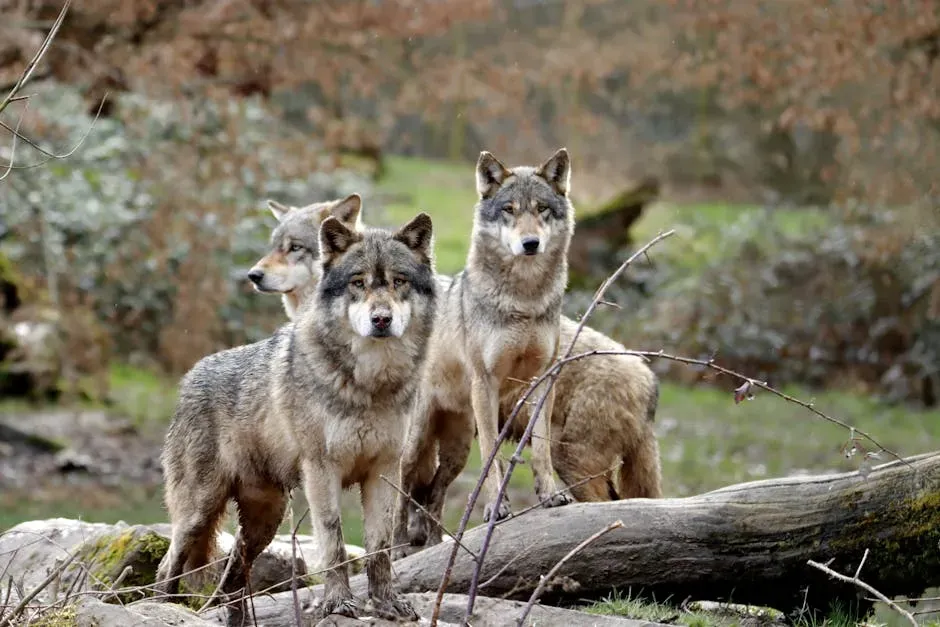
The California Department of Fish and Wildlife reported that three new wolf packs were confirmed in the state. These new wolf families are the Ishi pack in eastern Tehama County, the Tunnison pack in central Lassen County, and the Ashpan pack in eastern Shasta County, bringing California’s total current known number of packs to 10.
The Whaleback Pack in eastern Siskiyou County, one of the most well-known, has been prolific. It produced seven pups in 2021, eight pups in 2022, eight more the next year, and at least six pups in 2024. Those eight-pup litters are the largest known in the state in more than a century.
The Yowlumni Pack, named by the Tule River Tribe, settled in the southern Sierra Nevada, roaming more than 200 miles from the nearest known northern California pack, a testament to how far wolves can disperse in the landscape. Genetic testing of scat determined that the adult female is a direct descendant of OR-7, and the breeding male is descended from the Lassen Pack.
The Wolf That Made It to Los Angeles
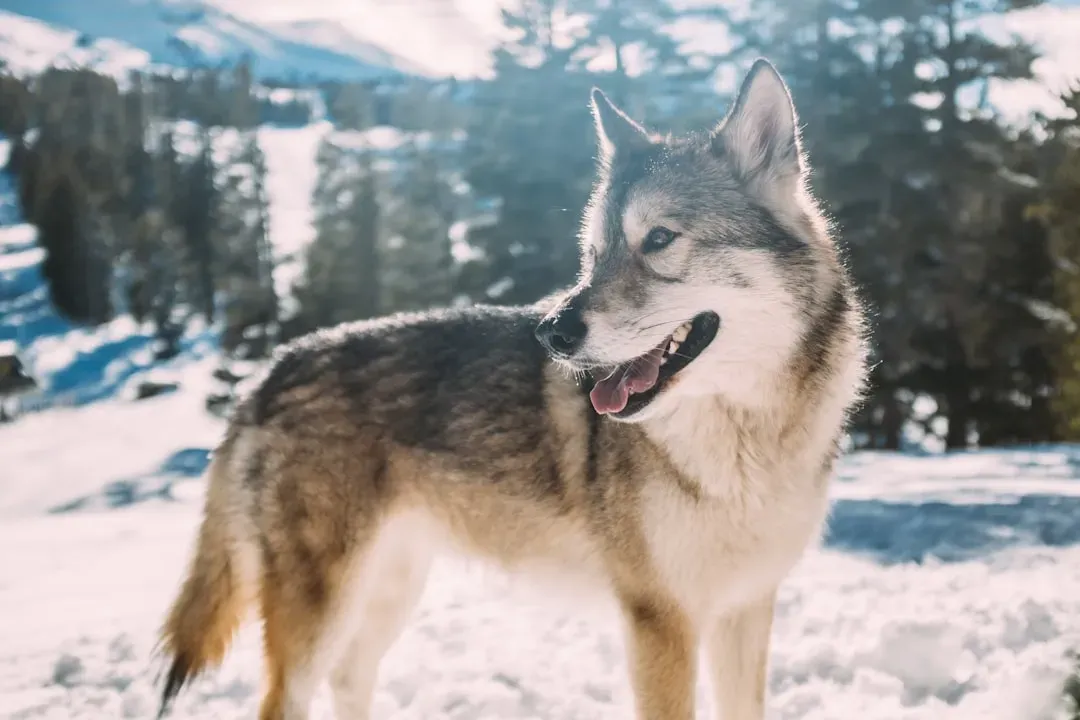
In February 2026, BEY03F, a three-year-old female from the Beyem Seyo Pack in Plumas County, was sighted in the San Gabriel Mountains of Los Angeles County. She was previously seen associating with the Yowlumni Pack in Tulare County but dispersed from their territory a week prior to appearing in the San Gabriels. She is thought to have traveled over 370 miles from her birthplace to get to Los Angeles County. This is the first time a wolf has been seen in the county for over one hundred years.
The moment was a landmark for California conservation. A single wolf navigating highways, mountains, and human-altered landscapes to reach one of the most densely populated regions of the American West is not a small thing. It raises real questions about where wolves can go next.
The northern part of the state alone has about 23,200 square miles of ideal wolf habitat that could support anywhere from 400 to 500 wolves, roughly ten times the current number. The gap between where the population stands today and where the habitat could take it is wide.
Wolves and the Ecosystem: A Complicated Picture
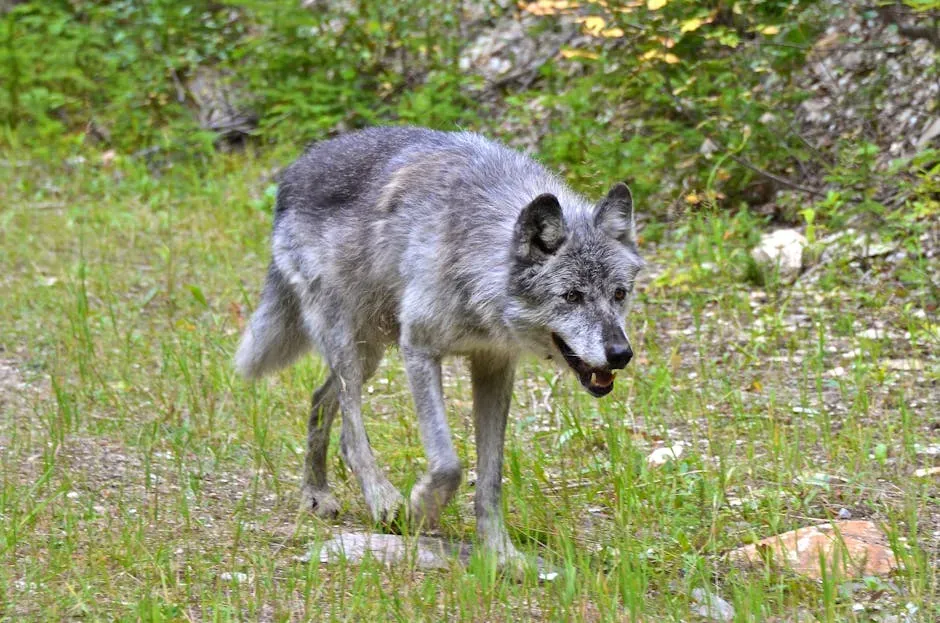
Gray wolves are apex predators that play a crucial role in maintaining the health and stability of many ecosystems. They exert top-down control on their prey populations, influencing not only the numbers of herbivores but also their behavior and distribution. This kind of influence ripples through the food web in ways that biologists are still working to fully understand.
One famous example is a study from Yellowstone National Park in the early 2000s, which seemed to indicate that the restoration of gray wolves helped forests recover by scaring elk away from habitats where they might otherwise eat vulnerable tree saplings. The study garnered international attention as an illustration of the ecology concept called “trophic cascade.” However, further research in Yellowstone and elsewhere has since presented a murkier picture of whether, when, and how such impacts have occurred across North America.
The presence of wolves in the state affects other flora and fauna. Management of the population of deer, for instance, protects vegetation for songbirds and beavers. Scientists are watching closely to see how California’s specific mix of terrain, prey, and human pressure shapes the outcome here.
Ranchers, Counties, and a Growing Conflict
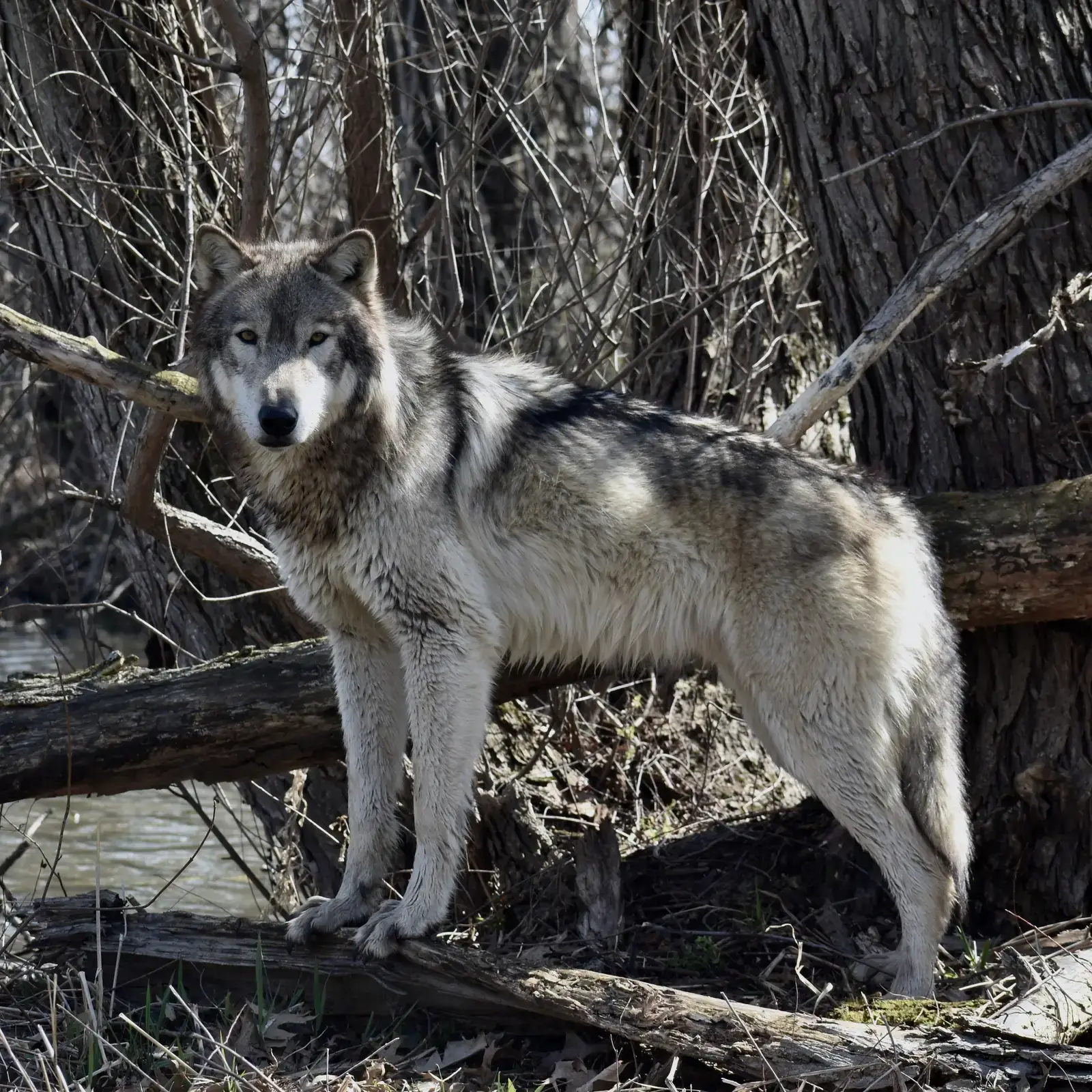
In May 2025, five counties in northern California declared an unprecedented state of emergency, not over a natural disaster or civil unrest, but because of a thriving group of wolves. The tension between wolf recovery and agricultural livelihoods had been building for years, and that summer, it reached a breaking point.
The most exceptional case of wolf-livestock conflict in modern American history unfolded in the summer of 2025 in the pastoral Sierra Valley, about 50 miles north of Lake Tahoe, as a single pack of gray wolves killed at least 88 cattle. Three adult wolves and one juvenile from the Beyem Seyo pack were euthanized by state game wardens in October, the first time in a century that California sanctioned killing the protected animals. Officials had attempted rubber bullets, drone harassment, and other nonlethal deterrents before reaching that decision.
Livestock losses have grown each year, up from 18 in 2022 when the state had only 18 wolves, to 32 in 2023 and 52 in 2024. For ranching families operating on thin margins, those numbers are not abstractions. They represent real financial strain on top of a landscape that is changing in ways they did not choose.
Science, Policy, and the Path Forward
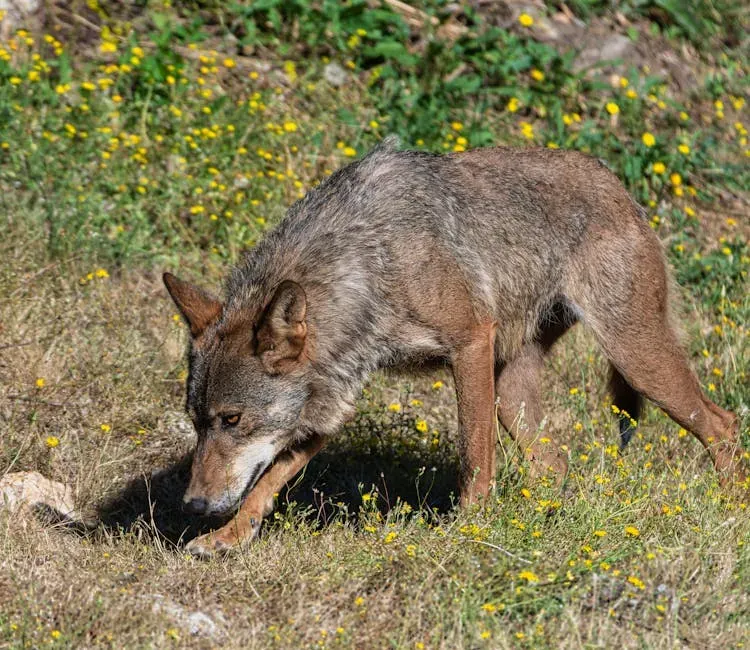
A collaborative research project between UC Berkeley and the CDFW uses interdisciplinary methods to gather data on wolf spatial ecology, diet, and predator-prey dynamics, while contributing to conflict reduction strategies for rural communities and livestock producers. The science being built around California’s wolves right now will matter far beyond state lines.
In June 2025, CDFW launched a pilot program to mitigate conflict in Siskiyou County and the Sierra Valley, where livestock depredation is relatively high. Staff are outfitting some wolves with GPS collars that allow them to track the canids’ movements. So far, they have collared 12 wolves in three packs. With real-time information, officers can harness wolves’ fear of people to drive them away from towns or ranches, or use hazing techniques to deter them when necessary.
The state has formulated a management plan for wolves, including a compensation program for ranchers who lose livestock to wolves and efforts to mitigate conflicts. In California’s 2025 state budget, $2 million was allocated for the compensation program, though ranching advocates consider that far short of what is actually needed. Bridging that gap, both financially and politically, will define much of the next chapter in California’s wolf story.
Conclusion: A Landscape Relearning Itself
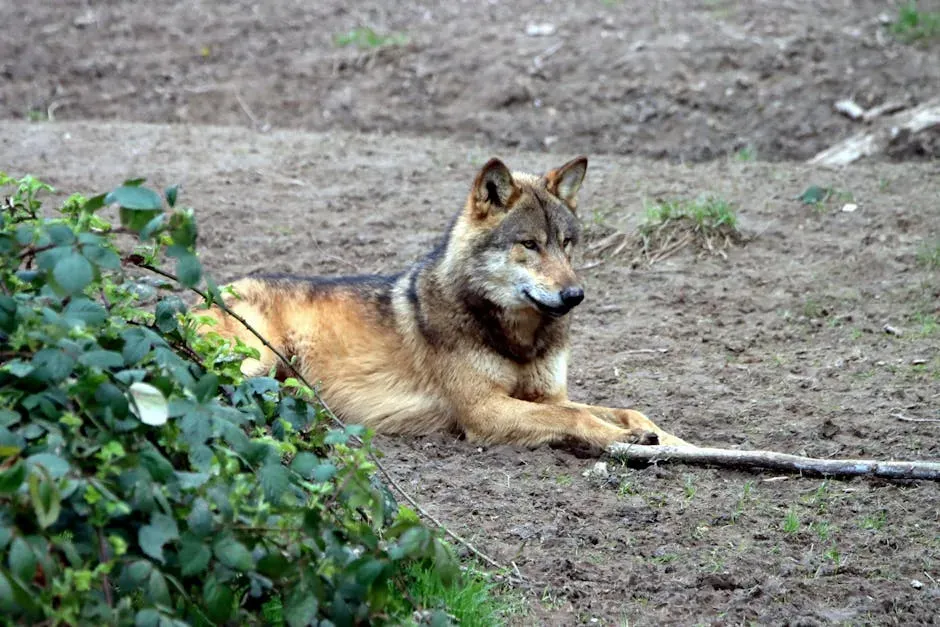
With prey-rich potential wolf habitats statewide and a rapid reproduction rate, scientists expect wolves to further expand and will likely become a constant presence in California’s landscape. That is not a small statement for a state that once spent considerable effort making sure they were gone.
The path of wolf recovery in California has the potential to shape national, and even global, perspectives on wildlife restoration and large-scale conservation. How California handles the complexity of wolves returning, the genuine tensions with agriculture alongside the genuine ecological significance, may become a template for other regions facing similar crossroads.
Recovery is rarely clean. It involves friction, loss, compromise, and patience across generations. What California is navigating right now is not simply about wolves. It is about whether a heavily populated, highly contested landscape can make room for something that belongs there, and what it costs, and who pays. The howls coming out of the northern forests are both a sign of life returning and an open question about what kind of wild future Californians are willing to share.
Worried about unexpected vet bills?
Pet insurance can cover thousands in unexpected vet costs. Get a free quote from Lemonade in under 2 minutes.
Get My Free Quote →Sponsored · Opens Lemonade.com
