
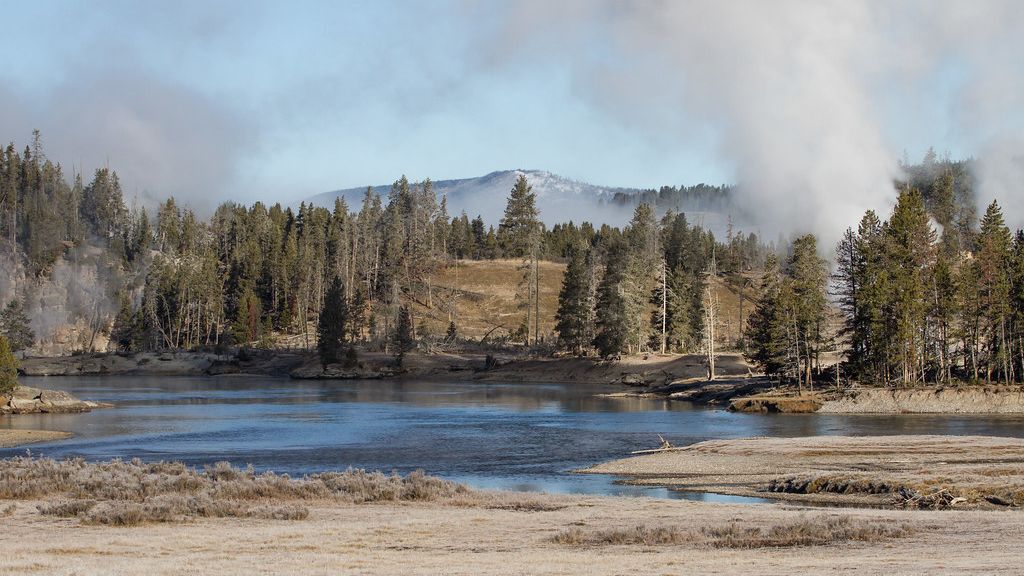
Deep beneath America’s oldest national park, a vast reservoir of molten rock sits quietly, occasionally reminding us of its presence through bubbling hot springs and spectacular geysers. Most visitors to Yellowstone barely give a second thought to the volcanic forces lurking below their feet. They’re busy admiring Old Faithful or spotting wildlife. Yet scientists who study this sleeping giant paint a picture that sounds like something ripped from a disaster movie. Let’s be real, though, we’re not talking about your average volcano here.
The question isn’t just a matter of curiosity anymore. It’s something that keeps geologists awake at night. What would actually unfold if this monster beneath Wyoming decided to wake up?
The Initial Blast Would Be Nothing Short of Apocalyptic
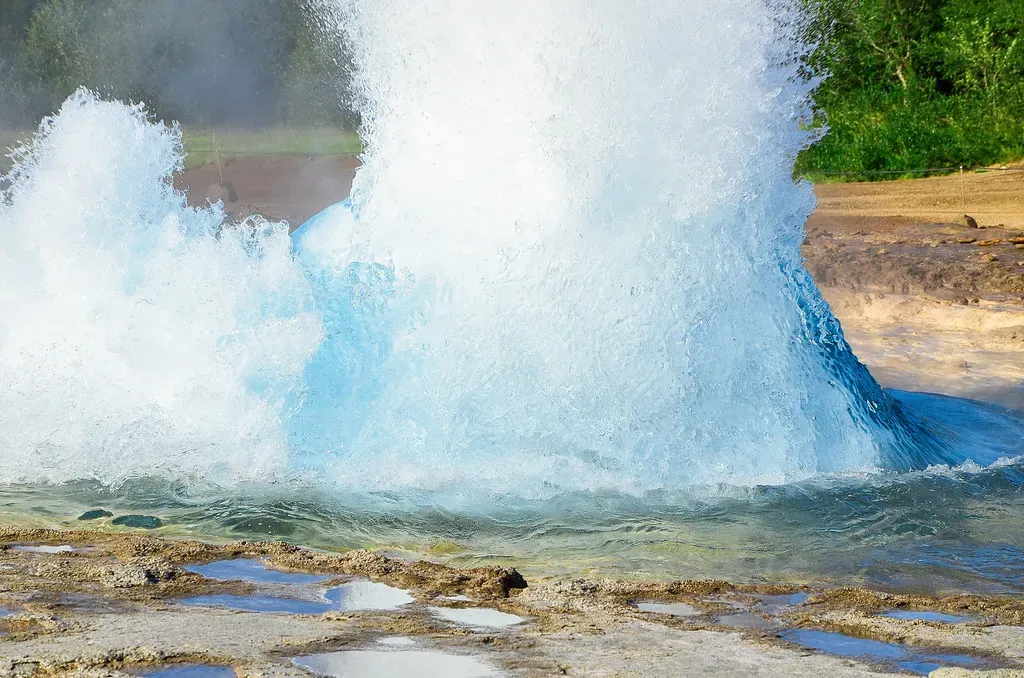
When the eruption begins, the initial detonation would be deafening as viscous rhyolite magma breaks the surface, tearing itself apart and blasting upwards faster than the speed of sound, with a plume of ash and pumice reaching the edge of space within minutes. Think about that for a moment. Within just a few minutes, the ash column would be so high it would essentially touch the boundary of our atmosphere.
The eruption could be expected to kill roughly ninety thousand people immediately and spread a layer of molten ash several meters thick as far as a thousand miles from the park. Any city within roughly eighty kilometers of Yellowstone would be completely wiped out. The devastation in the immediate zone would be total, with pyroclastic flows moving at terrifying speeds. Honestly, there would be no escape for anyone caught in that radius.
Ash Would Blanket Most of North America
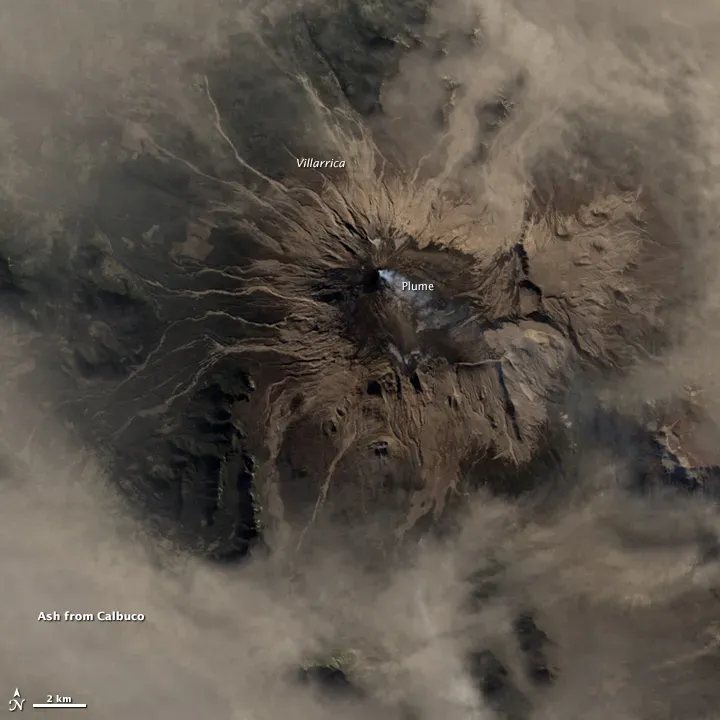
Here’s where things get particularly grim for the continent. During the three caldera-forming eruptions that occurred between 2.1 million and 640,000 years ago, tiny particles of volcanic ash covered much of the western half of North America. Computer models today give us a clearer picture of what this would mean in practical terms.
In the unlikely event of a supereruption, the northern Rocky Mountains would be blanketed in meters of ash, with millimeters deposited as far away as New York City, Los Angeles and Miami. Casper, Wyoming and parts of Montana could be buried under more than a meter of ash, while major cities like Chicago, Seattle and San Francisco could see ash layers up to three centimeters thick.
This isn’t the light, fluffy ash from a campfire. Volcanic ash consists of heavy, sharp rock particles and glass, which can collapse buildings, destroy crops, and cripple transportation and communication networks. Roads would become impassable. Air travel would grind to a halt across the continent. The economic disruption alone would be staggering.
A Volcanic Winter Could Grip the Planet
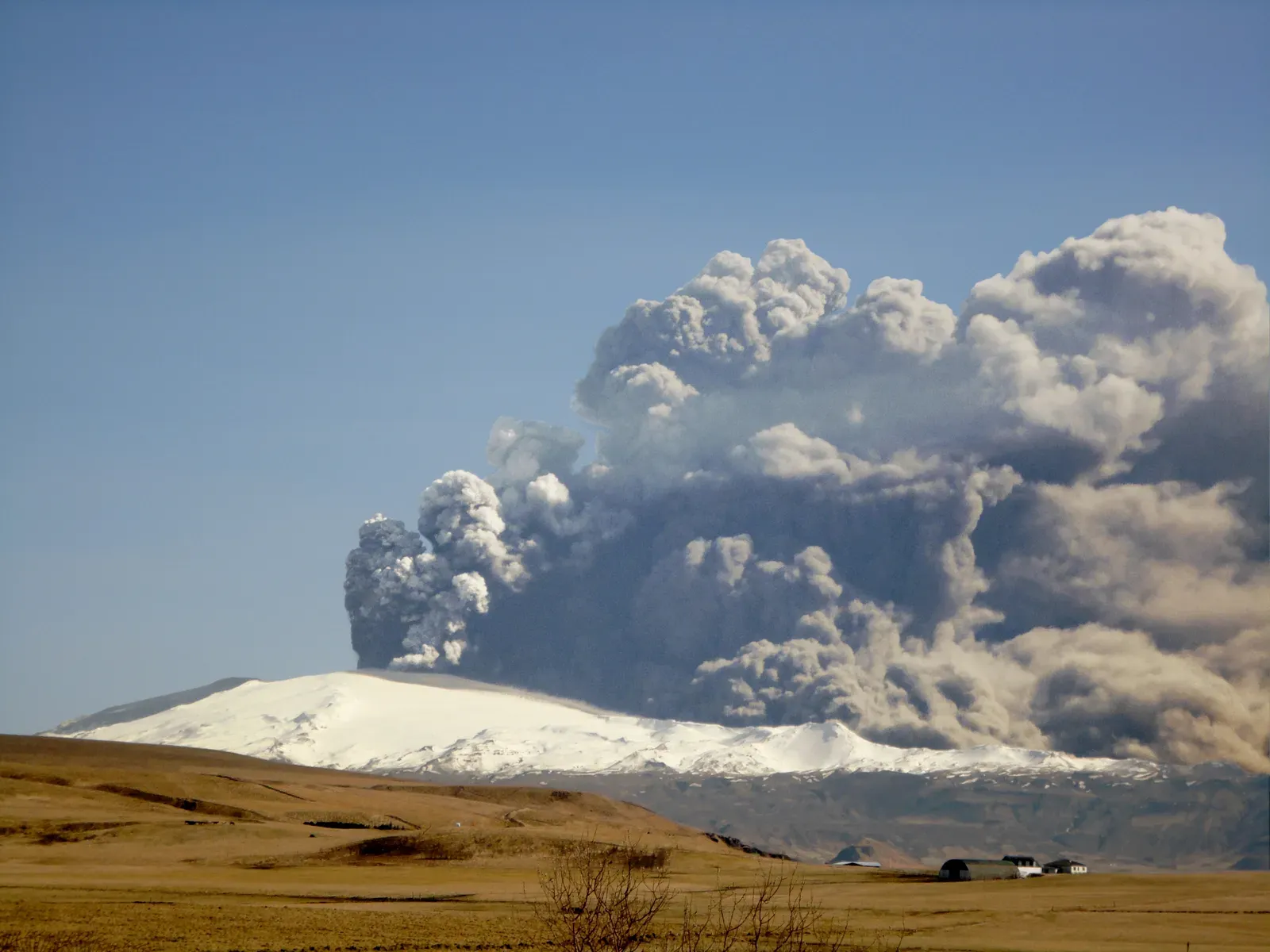
The most chilling prospect isn’t even the ash itself. It’s what comes after. Sulfuric gases released from the volcano would spring into the atmosphere and mix with the planet’s water vapor, creating a haze that wouldn’t just dim the sunlight but also cool temperatures.
If Yellowstone erupted, global temperatures could drop three to five degrees Celsius and stay low for years, with a prolonged volcanic winter devastating harvests and ecosystems worldwide. Some researchers suggest even steeper drops. Scientists estimate that global temperatures could fall by five degrees Celsius over several years, with the first year seeing a ten degree drop.
To put this in perspective, the 1991 eruption of Mount Pinatubo in the Philippines was about one thousand times smaller than Yellowstone’s largest known eruption, yet it caused global temperatures to drop by 1.3 degrees Fahrenheit. We’re talking about an event exponentially more powerful. The agricultural impacts would be catastrophic. Growing seasons would shrink dramatically. Crop failures would become widespread.
Agriculture and Food Security Would Collapse
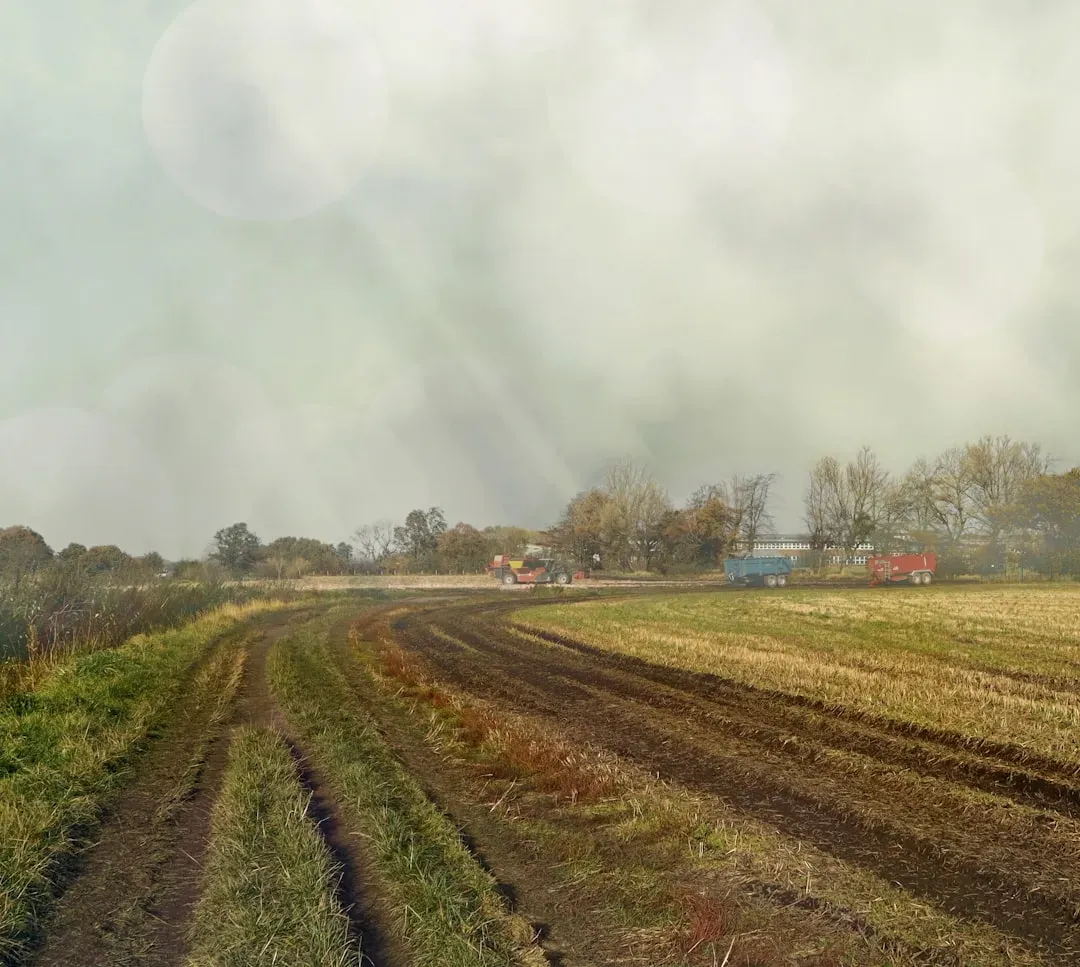
Falling temperatures would do a number on our food supply, decimating crops and throwing the food chain out of whack. The eruption would obliterate the surroundings within a radius of hundreds of kilometers and cover the rest of the United States and Canada with multiple inches of ash, which would effectively shut down agriculture and cause global climate cooling for as long as a decade or more.
Imagine entire farming regions rendered useless overnight. The Midwest breadbasket of America, buried under ash. California’s agricultural valleys struggling under the weight of volcanic debris. Even areas that escape direct ashfall would face shortened growing seasons from the cooling. Such a catastrophic caldera-forming eruption would quite likely alter global weather patterns and have enormous effects on human activity, especially agricultural production, for one to two decades.
We live in a globalized world where food distribution systems are finely tuned. Disrupting that on a continental scale would trigger shortages, price spikes, and probably civil unrest. It’s hard to say for sure, but historical volcanic events offer some clues about what might unfold.
The Likelihood Remains Extremely Low
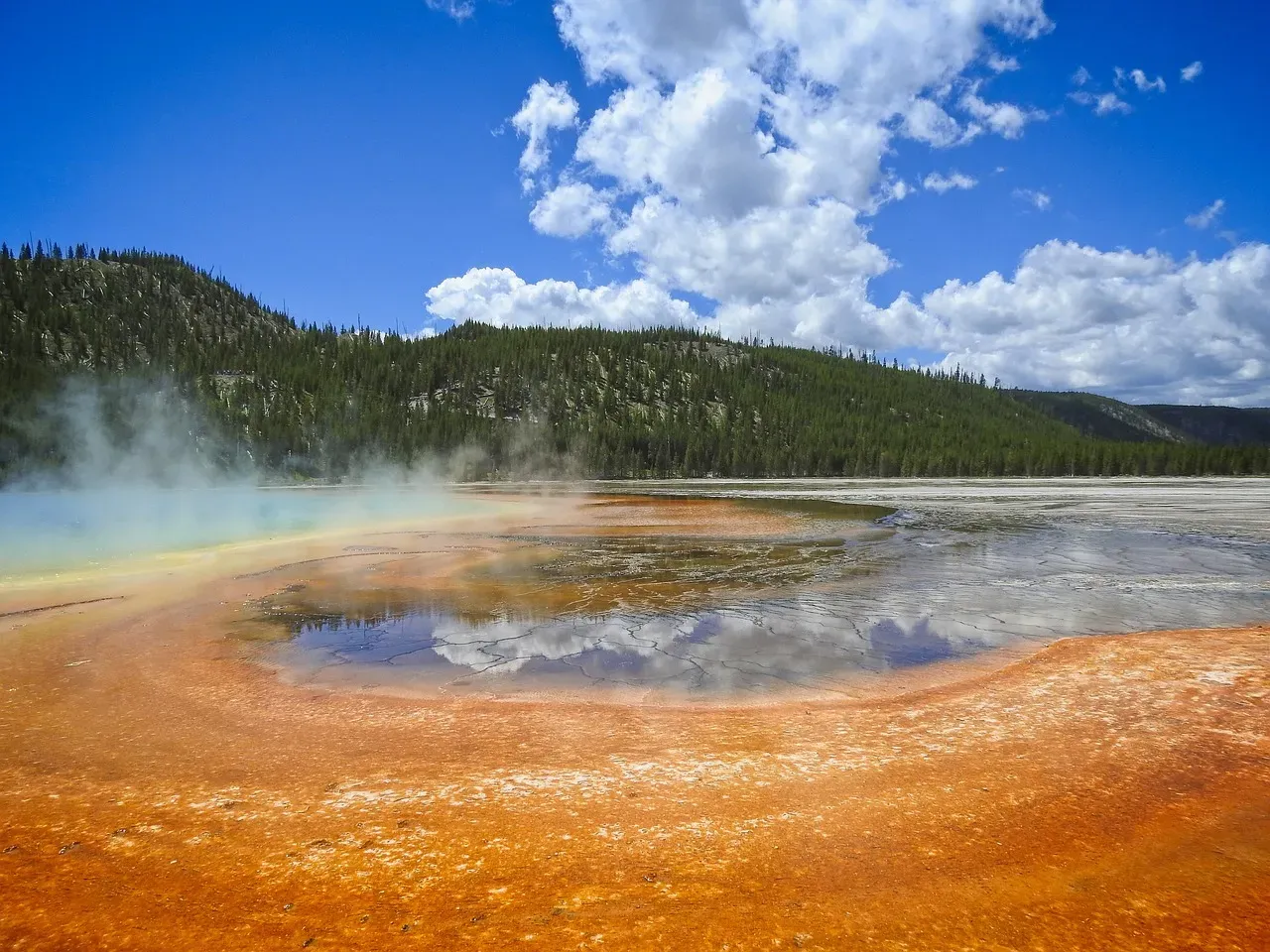
Before we all start panicking and moving to Australia, let’s talk probabilities. Yellowstone is not overdue for an eruption, as volcanoes do not work in predictable ways and their eruptions do not follow predictable schedules. That’s an important point that often gets lost in sensationalized media coverage.
In terms of large explosions, Yellowstone has experienced three major events at roughly 2.08, 1.3, and 0.631 million years ago, which comes out to an average of about 725,000 years between eruptions, meaning there could still be about 100,000 years to go. Although another catastrophic eruption at Yellowstone is possible, scientists are not convinced that one will ever happen.
Fortunately, the chances of this sort of eruption at Yellowstone are exceedingly small in the next few thousands of years. The monitoring technology we have today is sophisticated. Scientists would likely see warning signs well in advance.
Warning Signs Would Precede Any Major Eruption
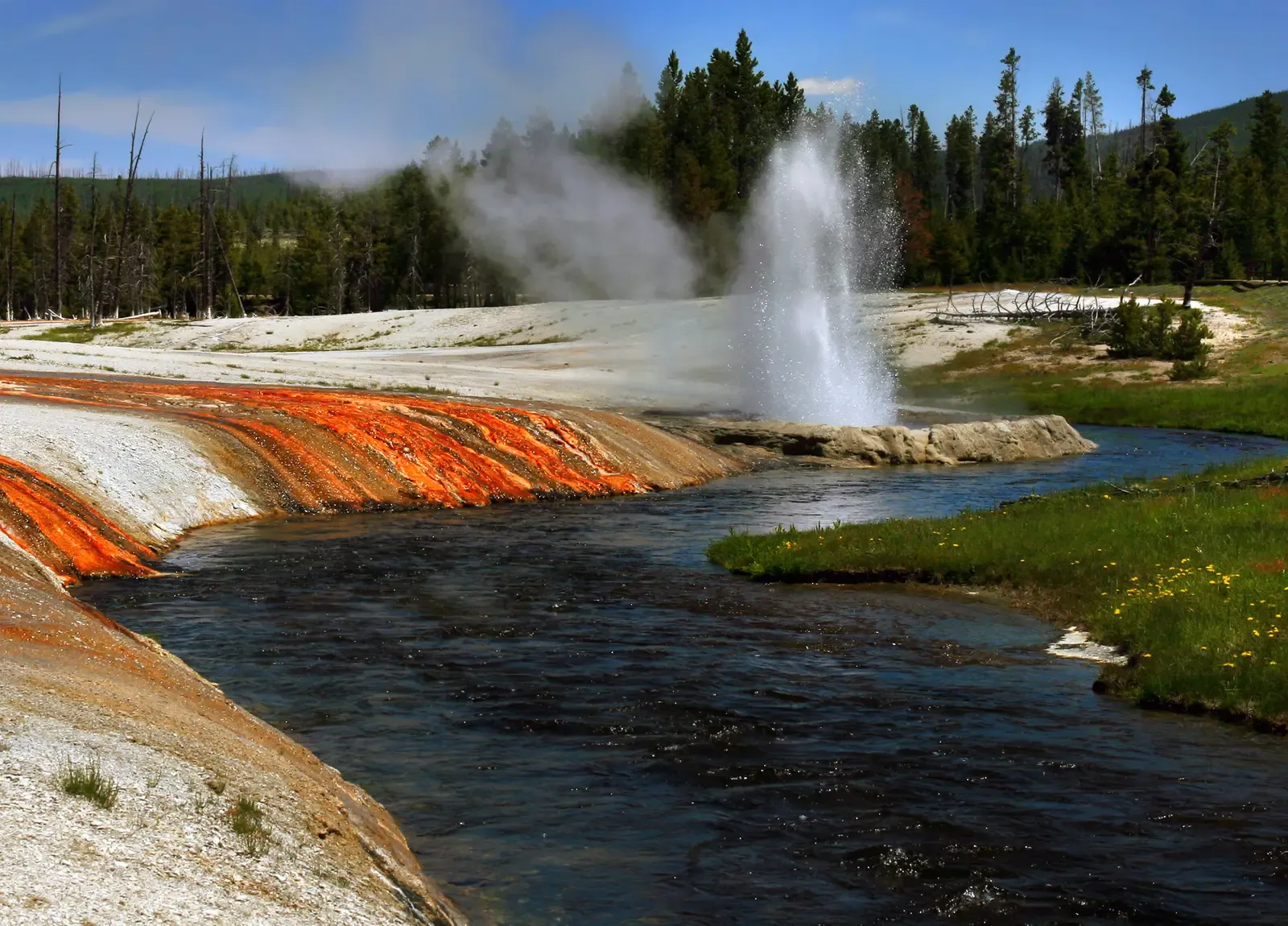
One silver lining in all this is that Yellowstone wouldn’t just explode without notice. Typically, volcanoes give weeks to months of warning prior to their initial eruption, and volcanoes like Yellowstone typically take even longer.
Precursors to volcanic eruptions include strong earthquake swarms and rapid ground deformation, typically taking place days to weeks before an actual eruption, with the buildup to larger eruptions including intense precursory activity at multiple spots within the Yellowstone volcano. We’re talking about earthquakes far more intense than the small tremors currently detected. Ground deformation would be dramatic, probably measured in tens of inches per year rather than the subtle movements observed today.
Scientists expect rapid and notable uplift around the caldera, possibly tens of inches per year, along with explosions from the boiling-temperature geothermal reservoirs as rising magma causes pressure to build. There would be time for evacuations. Time to prepare. The scenario where Yellowstone just erupts tomorrow morning without any indication is essentially science fiction.
Most Likely Future Activity Won’t Be Catastrophic
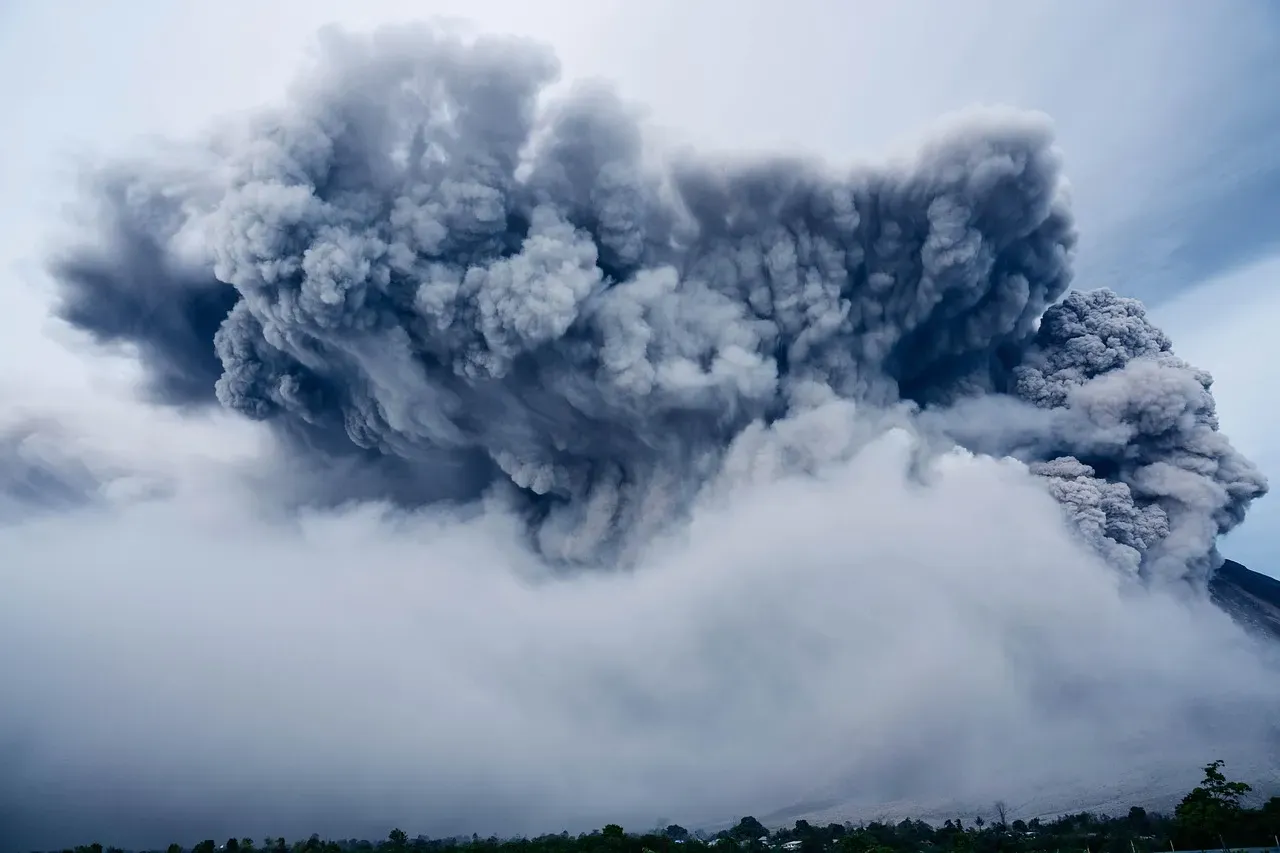
Here’s something that rarely makes headlines because it’s not scary enough: officials at the Yellowstone Volcano Observatory say the most likely activities that might take place in the future are hydrothermal explosions or lava flows. These are the kinds of eruptions we can manage. They’re localized. They don’t threaten civilization.
The past twenty eruptions at Yellowstone have been lava flows with no significant amounts of ash fall outside of Yellowstone, and the past sixty to eighty eruptions would have had little regional or continental impact. That’s worth remembering when people start talking about doomsday scenarios. The supervolcano doesn’t have to live up to its name every single time it becomes active.
Lava flows are slow. They ooze rather than explode. People can evacuate. Property gets destroyed, sure, but we’re not looking at continental catastrophe. It’s the difference between a local disaster and a global crisis.
Modern Monitoring Keeps Close Watch
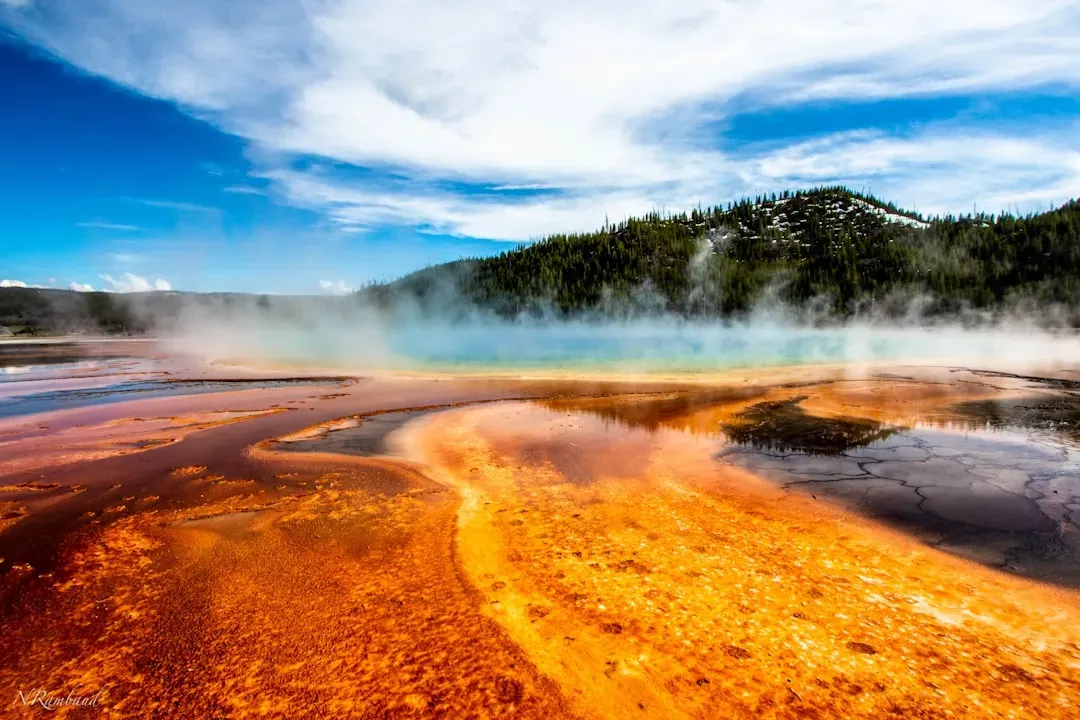
The Yellowstone Volcano Observatory is a consortium of nine state and federal agencies who provide timely monitoring and hazard assessment of volcanic, hydrothermal, and earthquake activity in the Yellowstone Plateau region. These aren’t amateur enthusiasts with a seismograph in their basement. This is a professional, well-funded operation.
The monitoring network measures earthquakes, ground deformation, tilt, temperature and geothermal discharge using instruments like seismometers, GPS antennas, thermistors, and satellite technologies including LANDSAT and interferometric radar. The level of surveillance is impressive. Every tremor gets recorded. Every inch of ground movement gets measured. Every change in heat output gets analyzed.
The Yellowstone Volcano Observatory monitors volcanic activity and does not consider an eruption imminent, with imaging of the magma reservoir indicating that a substantial volume of partial melt beneath Yellowstone is not currently eruptible. That last bit is crucial. The magma beneath Yellowstone isn’t in a state where it could erupt right now even if something triggered it. It’s too thick, too viscous, not pressurized enough.
The Global Impact Would Be Unprecedented in Modern History
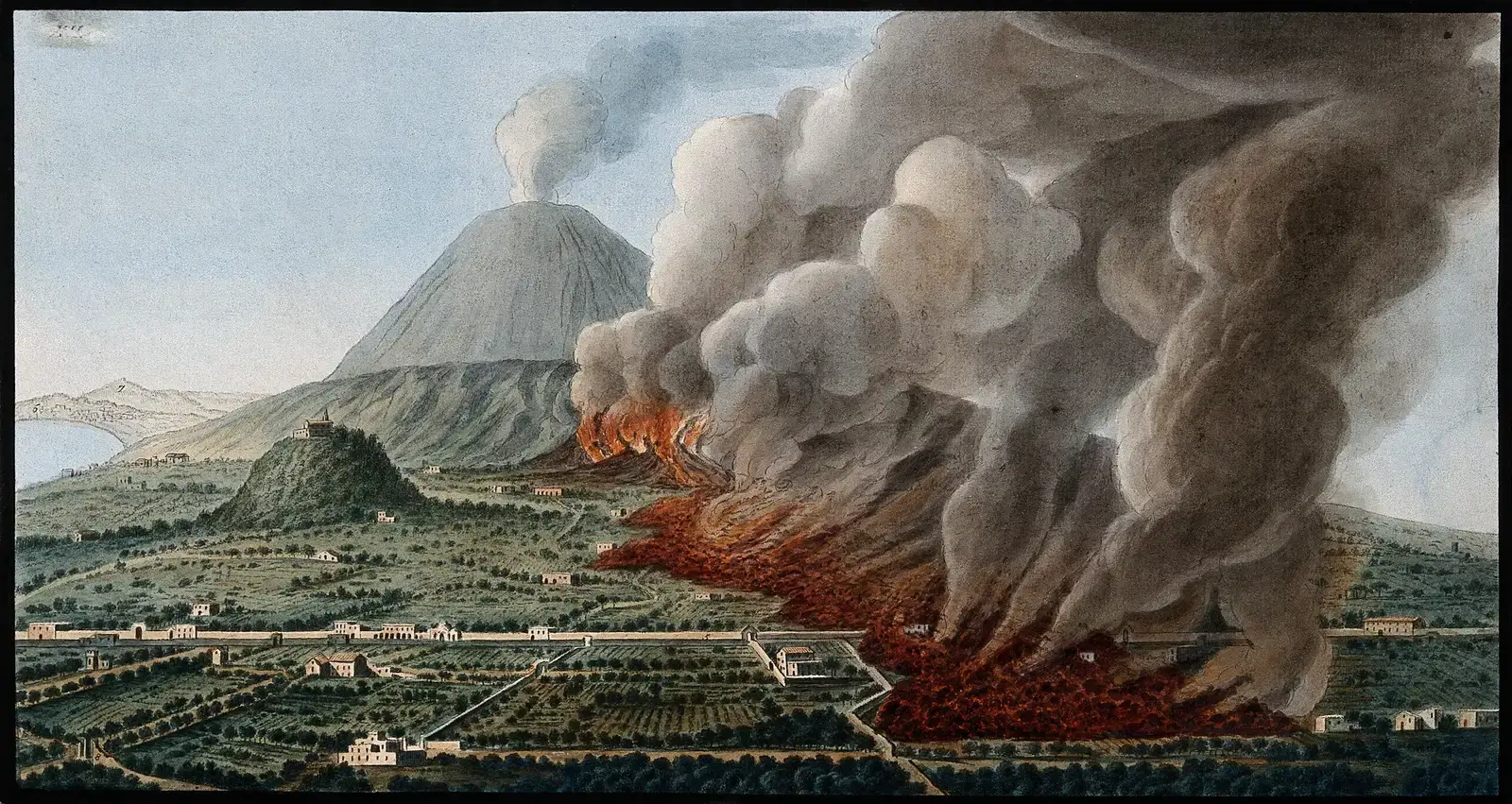
A volcanic event of such magnitude hasn’t happened in modern civilization. We’ve never dealt with anything remotely on this scale as an interconnected, technologically dependent global society. If another large, caldera-forming eruption were to occur at Yellowstone, its effects would be worldwide, with regional effects such as falling ash and short-term changes to global climate lasting years to decades.
Air travel would be grounded globally, not just in North America. Volcanic ash destroys jet engines. The eruption could shut down electronic communications and air travel throughout the continent and alter the climate. Supply chains would fracture. International trade would stumble. The economic ripple effects would touch every corner of the planet.
We’re looking at potential mass migrations as people flee ash-covered regions. Political instability as governments struggle to respond. Resource conflicts as food and clean water become scarce. Honestly, the second and third order effects might be even more devastating than the eruption itself. Human systems aren’t built to handle disruptions on this scale.
Comparing to Historical Volcanic Winters
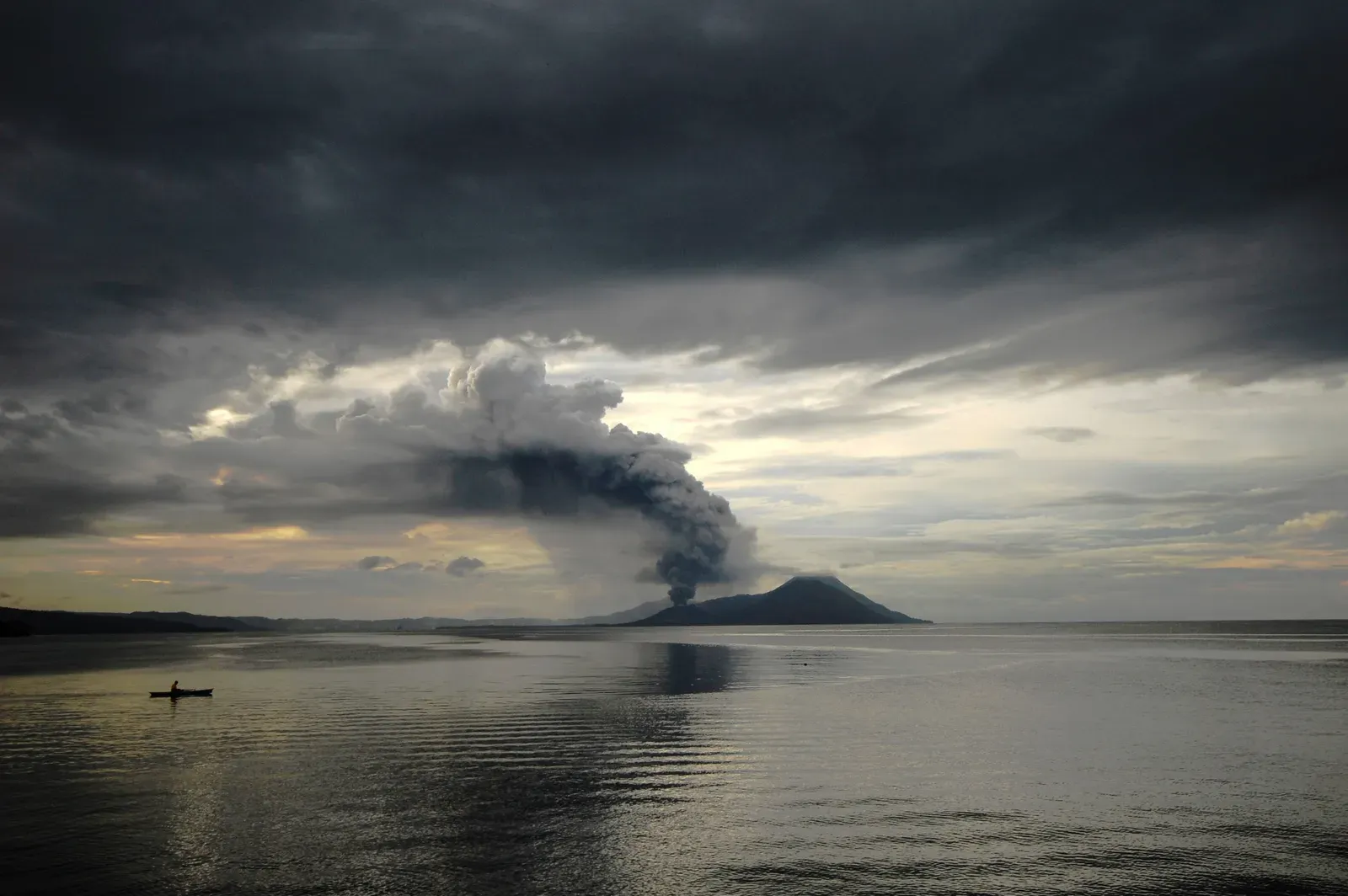
History gives us glimpses of what volcanic winters can do to human civilization. Some researchers predict a volcanic winter similar to the aftermath of the 1815 Mount Tambora eruption, which caused severe climate disruptions and widespread famine due to failed crops. That eruption created the infamous “year without a summer” in 1816. Frost occurred in July. Crops failed across Europe and North America. Food riots broke out.
Tambora was nowhere near the scale of what a Yellowstone supereruption would unleash. The last Yellowstone eruption, roughly 640,000 years ago, was one thousand times more explosive than the 1980 eruption of Mount St Helens. We’re talking about orders of magnitude difference here.
One of the biggest concerns globally would be a volcanic winter, where so much ash is pumped into the atmosphere it shields the Earth from sunlight, potentially causing a degree or two of cooling, which can have catastrophic effects on agriculture. Even seemingly small temperature drops translate to massive agricultural disruption when they occur during critical growing periods.
Why It’s Still Worth Understanding
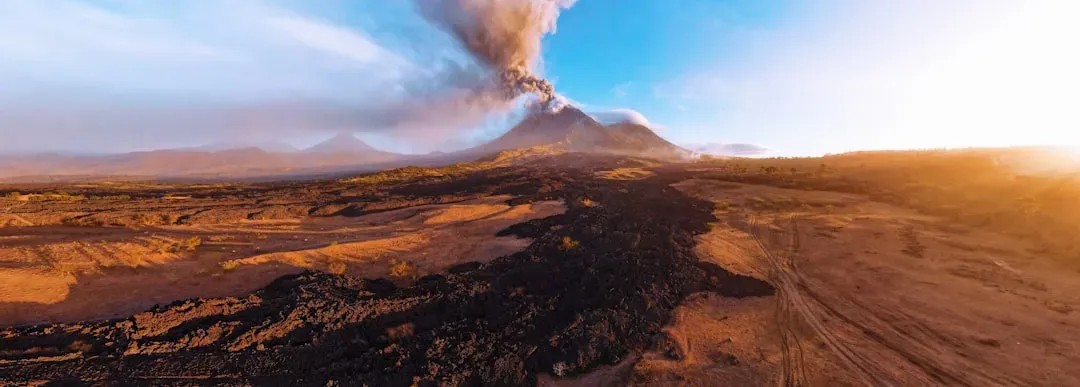
So why obsess over something that probably won’t happen in our lifetimes or even in the lifetimes of our great-great-great-grandchildren? Because understanding the risk helps us prepare for other, more immediate volcanic threats. The monitoring techniques developed for Yellowstone get applied to volcanoes around the world that pose more imminent dangers.
Statistically, Earth has experienced more supervolcanic eruptions than major asteroid impacts. We spend considerable resources watching the skies for potentially hazardous asteroids. It makes sense to pay attention to the threats bubbling beneath our feet too. The science developed studying Yellowstone advances our understanding of volcanic systems everywhere.
There’s also something humbling about recognizing the raw power of geological processes. We build cities, create technologies, alter landscapes. Then you look at what a supervolcano can do and realize nature still operates on scales that dwarf human civilization. It’s worth remembering occasionally that we’re not as in control as we sometimes think.
Living With the Giant Beneath Our Feet
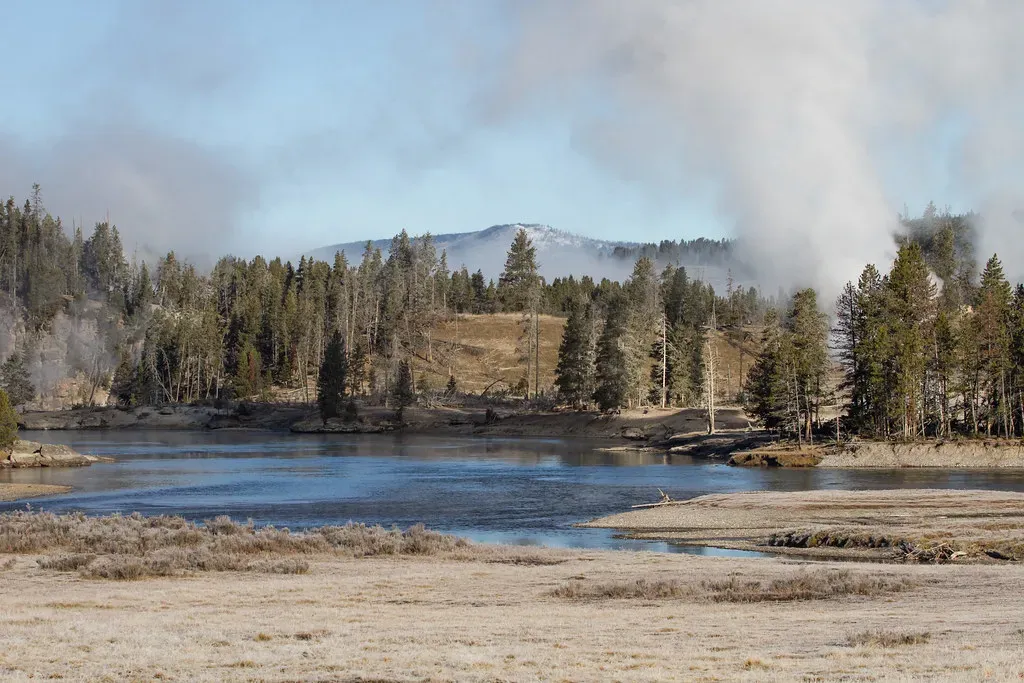
The Yellowstone Volcano Observatory monitors volcanic activity and does not consider an eruption imminent, with imaging indicating that the magma reservoir beneath Yellowstone is not currently eruptible. Life goes on at the park. Tourists visit. Geysers erupt on schedule. The ground rises and falls subtly as it has for decades.
Small earthquakes, ground uplift and subsidence, and gas releases at Yellowstone are commonplace events and do not reflect impending eruptions. Every time there’s a small earthquake swarm, headlines scream about Yellowstone waking up. Every time the ground rises a few inches, someone predicts imminent doom. It’s largely sensationalism. The scientists who actually watch this system remain calm.
The reality is we’re living on a dynamic planet. Yellowstone is just one expression of the geological forces constantly reshaping Earth. It will erupt again someday. Maybe in a hundred thousand years. Maybe in a million. Maybe tomorrow, though that’s astronomically unlikely. We can’t prevent it. We can only watch, wait, and prepare as best we’re able for possibilities that remain mercifully distant.
What’s perhaps most remarkable is how this potential threat connects us to deep time. Those previous supereruptions happened when our species was just beginning its journey. If and when the next one occurs, who knows what form human civilization will take? Will we have technologies to mitigate the effects? Will we have colonies on other worlds, making us less vulnerable? Will we even still be around? These are questions worth pondering on a quiet night beneath Yellowstone’s starry skies, standing above a sleeping giant that reminds us just how small we really are.

- 10 Dog Breeds That Are Surprisingly Good Apartment Dwellers - June 17, 2026
- The World’s Rainforests Teem With Undiscovered Species Waiting to Be Found - June 17, 2026
- 7 Surprising Benefits of Having a Cat in Your Home - June 17, 2026