
Worried about unexpected vet bills?
Pet insurance can cover thousands in unexpected vet costs. Get a free quote from Lemonade in under 2 minutes.
Get My Free Quote →Sponsored · Opens Lemonade.com
You rush out to work each morning, leaving your loyal companion behind with a pat on the head and a bowl of kibble. Hours tick by. Your dog waits by the door. They pace. They whimper. You assume they’re fine, that they’re probably napping the day away on the couch. What if the reality is far darker than we like to admit? The truth is, leaving your dog alone for extended periods does more damage than most owners realize, and the consequences might shock you. Let’s take a closer look at what really happens when you close that door.
Your Dog’s Body Is Suffering in Ways You Can’t See

When dogs are kept waiting beyond six hours without a bathroom break, they experience actual physical pain, and this can lead to serious health complications like kidney stones and bladder infections. Think about it. You wouldn’t expect yourself to go an entire workday without using the restroom, so why should your dog?
The physiological stress doesn’t stop at the bladder. Chronic stress from prolonged isolation can impair a dog’s physical health by altering hormone levels and decreasing their natural immunity to various health problems. These aren’t minor inconveniences. We’re talking about weakened immune systems that leave dogs vulnerable to infections and diseases they could otherwise fight off.
Separation Anxiety Is More Than Just Bad Behavior
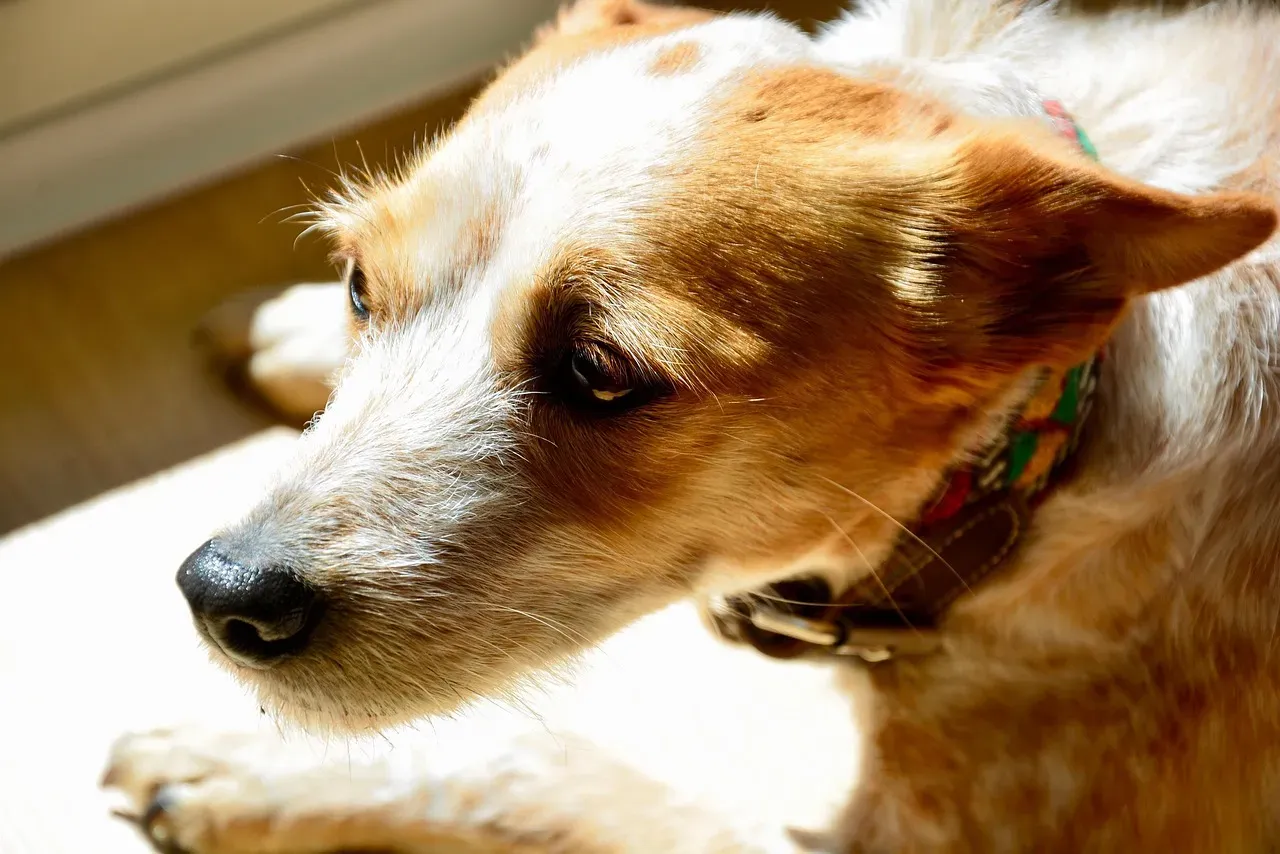
Separation anxiety is a behavioral disorder characterized by anxiety and distress when a dog is separated from their owner. Dogs can develop separation-related behaviors such as barking, howling, pacing, toileting, or destroying household items when left without human company. Here’s the thing, though: This isn’t your dog being spiteful or poorly trained.
Separation anxiety is like a panic attack in a person and can damage the quality of life for both dog and human. Your dog genuinely feels terror when you leave. The chewed furniture and accidents on the carpet aren’t acts of revenge. They’re cries for help from an animal experiencing genuine psychological trauma.
The Mental Toll Extends Far Beyond Loneliness
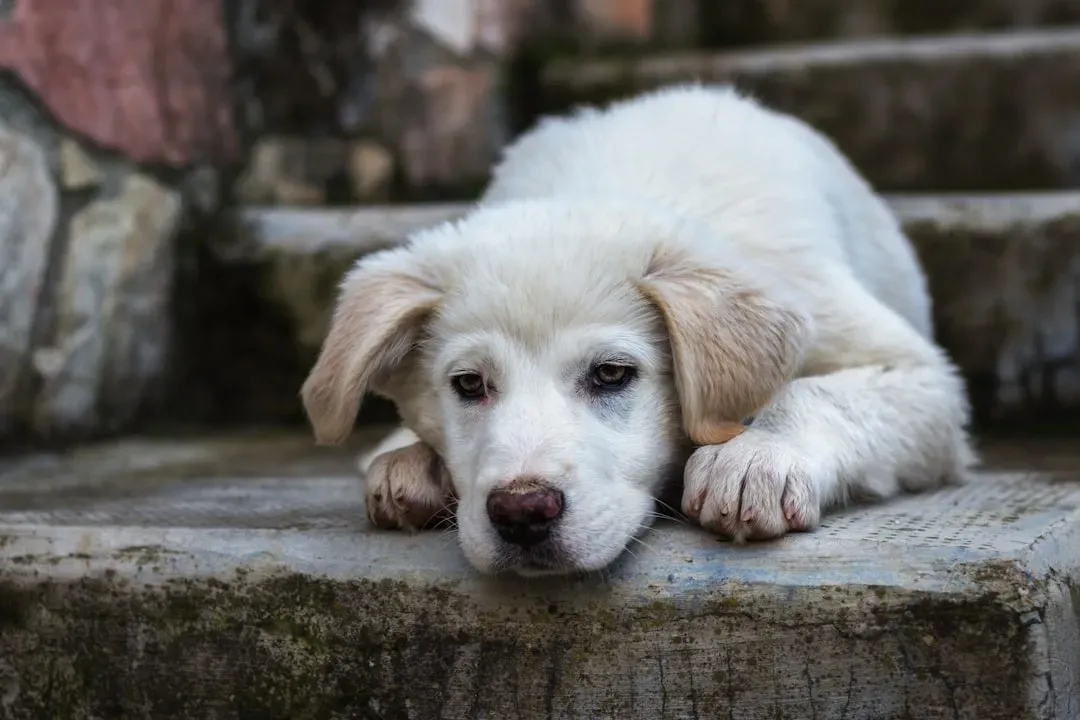
Long-term isolation is deeply harmful to most pets, damaging their mental health and leading to problems like severe anxiety, depression, and destructive behaviors that break the bond with their owners. Depression in dogs might look different than it does in humans, but it’s just as real.
In the long term, dogs who lack sufficient social interaction may not know how to play or interact with humans appropriately, and may be more likely to be apprehensive, avoidant, or anxious around strangers. So by leaving your dog alone too much now, you’re potentially creating behavioral problems that will last a lifetime. The damage compounds over time, shaping a dog’s entire personality and relationship with the world.
How Long Is Actually Too Long
The magic number everyone wants to know. Dogs should spend no more than six to eight hours alone without a chance to relieve themselves. Adult dogs can usually manage on their own for four to six hours per day, though many dogs can adapt to being alone for eight to nine hours while owners are at work.
Notice the word “adapt” there. That doesn’t mean they enjoy it or that it’s ideal. Dogs should get a minimum of two hours of dedicated social time with humans or other dogs on a daily basis, which can be broken up into chunks of time over the course of the day. Puppies have it even tougher. A puppy should not be left alone for more than two to three hours because of their weaker bladder control and the risk for developing separation anxiety issues.
The Warning Signs You’re Probably Ignoring
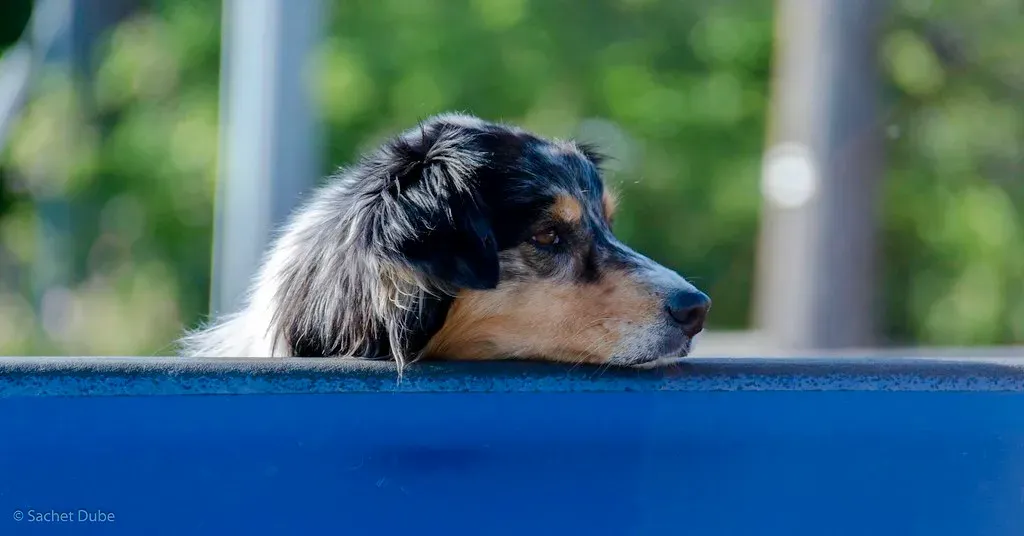
Your dog is trying to tell you something. Destructive chewing, non-stop barking, pacing, and frantic behavior when you return are classic symptoms of distress in dogs. You might dismiss these as annoying habits that need correction through training, but they’re actually distress signals.
During departures or separations, dogs may be restless, shake, shiver, salivate, refuse to eat, or become quiet and withdrawn. Even that excessive excitement when you get home isn’t always a good sign. Dogs may act excessively enthusiastic and exuberant upon your return if they’re not getting enough socialization. That over-the-top greeting might actually indicate your dog was deeply distressed the entire time you were gone.
What You Can Actually Do About It
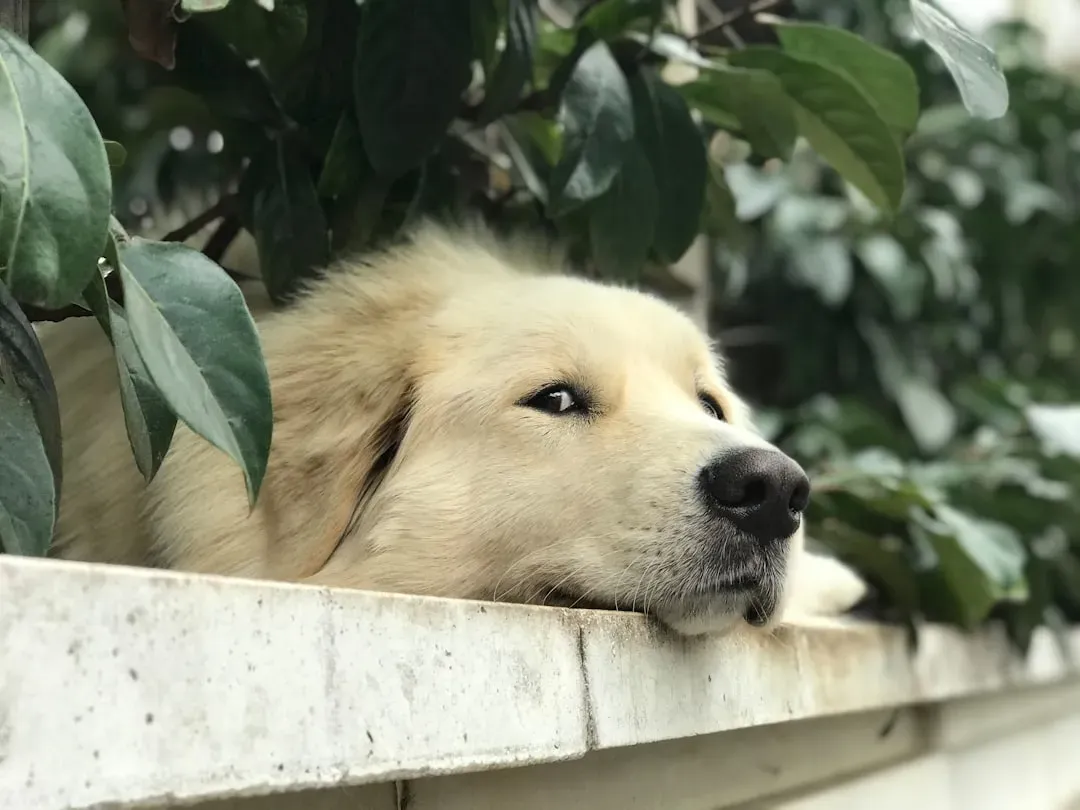
The good news is that you’re not powerless here. Dogs who have been adopted from shelters are far more likely to have separation anxiety than those kept by a single family since puppyhood, suggesting that loss of an important person can trigger the disorder. Understanding your dog’s history helps you address their specific needs.
Behavior modification is the foundation of separation anxiety treatment and requires time, effort, and patience, but you must be consistent and never punish your dog, as this will only increase their anxiety and worsen unwanted behaviors. Consider hiring a dog walker for midday breaks, investing in doggy daycare, or using puzzle toys to keep your dog mentally stimulated. Many dogs may be too anxious to eat when alone, so feeding all meals out of puzzle devices can keep your dog from seeing these toys as a sign that you’re leaving.
Remember, your dog didn’t choose to live with you, but you chose to bring them into your life. That comes with responsibilities that go beyond food and shelter. They need your time, your presence, and your attention. The hidden dangers of isolation are real and they’re serious. What will you change today to give your dog the life they deserve? Tell us in the comments.
Worried about unexpected vet bills?
Pet insurance can cover thousands in unexpected vet costs. Get a free quote from Lemonade in under 2 minutes.
Get My Free Quote →Sponsored · Opens Lemonade.com
