

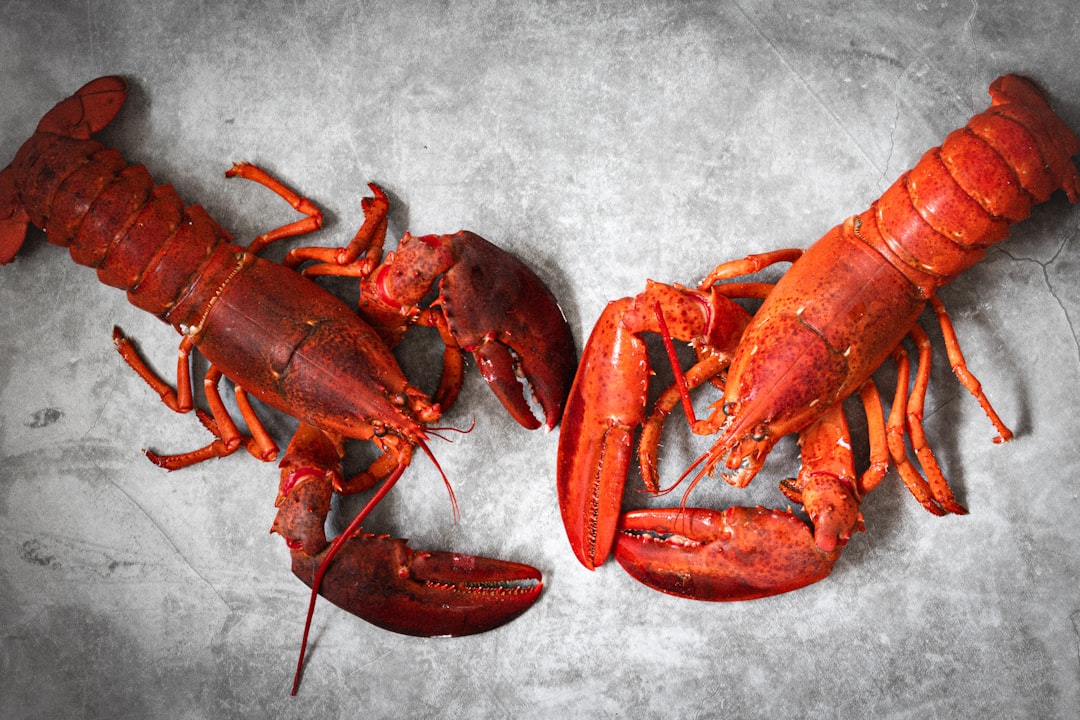
Researchers in Sweden delivered compelling evidence that crustaceans process pain in ways akin to humans. A study published earlier this month in Scientific Reports tested common analgesics on Norway lobsters subjected to electric shocks.[1][2] The findings challenge long-held assumptions about invertebrate sentience and intensify debates over culinary practices worldwide. As countries enact bans on boiling live lobsters, this research underscores the urgency for ethical alternatives.[3]
The Experiment’s Design and Execution
Scientists at the University of Gothenburg exposed male Norway lobsters, weighing around 106 grams each, to controlled electric shocks mimicking noxious stimuli. They divided the animals into groups, administering either no treatment, injected aspirin at 10 milligrams per kilogram, or immersion in lidocaine at 80 milligrams per liter one hour prior.[1] The shocks lasted 10 seconds at 9.09 volts per meter and 50 hertz alternating current. Teams recorded behaviors like tail flipping, a rapid escape maneuver, alongside physiological markers such as haemolymph lactate levels.
Control groups underwent handling or sham procedures without shocks to isolate effects. Video analysis captured responses over two hours post-treatment. Grooming behaviors and locomotion also came under scrutiny to detect stress indicators. This rigorous setup aimed to distinguish nociception from mere reflexes.[4]
Results Point to Genuine Pain Processing
Tail flipping occurred robustly in shocked, untreated lobsters, with medians around 10 flips per 10-second burst. Analgesics dramatically curbed this: aspirin reduced flips significantly (p=0.002), while lidocaine followed suit (p=0.026).[1] Non-shocked groups showed no such responses, ruling out random muscle twitches. Aspirin triggered side effects like elevated grooming and lactate, hinting at injection stress, whereas lidocaine proved cleaner.
| Group | Tail Flips During Shock | Key Effect |
|---|---|---|
| Shocked (Control) | Median ~10 | Full escape response |
| Shocked + Aspirin | Significantly reduced (p=0.002) | Increased grooming/lactate |
| Shocked + Lidocaine | Significantly reduced (p=0.026) | Fewer side effects |
Gene expression shifts in neural tissues further supported analgesic interference with pain pathways. Lactate spikes confirmed metabolic stress in medicated shocked lobsters. These outcomes aligned across 13 animals per key group, bolstering statistical reliability.
Experts Advocate for Welfare Overhaul
Lynne Sneddon, professor of zoophysiology and co-author, highlighted parallels in pain biology. “The fact that painkillers developed for humans also work on Norway lobsters shows how similar we function,” she stated.[3] Lead author Eleftherios Kasiouras emphasized that responses to analgesics exceed reflex explanations. Their work builds on prior evidence of crustacean stress from injuries like claw removal.
Sneddon called for expanded protections. “Our results emphasise the importance of ethical responsibility for the welfare of crustaceans not only in the food industry,” she noted, pointing to campaigns integrating decapods into lab animal laws.[4] Kasiouras added that U.K. recognition of decapod sentience warrants banning live boiling outright. Further trials could refine stunning via electricity or drugs.
Wider Repercussions for Industry and Policy
Norway, New Zealand, and Austria already prohibit boiling live crustaceans, with the U.K. advancing similar measures. Fisheries explore electrical stunning, but this study stresses calibration to avoid inadvertent suffering.[3] Aquaculture and labs stand to benefit from lidocaine protocols during procedures.
- Immediate analgesia reduces aversive behaviors in experiments.
- Humane slaughter methods could include pre-treatment baths.
- Policy shifts mirror protections for vertebrates like chickens.
- Global seafood trade faces pressure to adopt verified techniques.
- Consumer awareness may drive demand for certified welfare practices.
Key Takeaways
- Human analgesics like aspirin and lidocaine mitigate lobster escape responses to shocks, evidencing nociception.
- Live boiling inflicts unnecessary pain; bans and alternatives gain traction internationally.
- Researchers urge inclusion of crustaceans in welfare regulations for labs and food production.
This study marks a pivotal shift, equating crustacean care to that of familiar livestock. As evidence mounts, the seafood sector must prioritize pain-free methods to align ethics with science. What changes would you support in lobster preparation? Share your thoughts in the comments.

- Urban Coyotes Show Remarkable Adaptability, Learning to Thrive in City Environments - July 22, 2026
- Beavers Are Nature’s Engineers, Creating Vital Habitats for Other Wildlife Species - July 21, 2026
- The Recovery of the California Condor Offers Hope for Other Critically Endangered Birds - July 21, 2026