

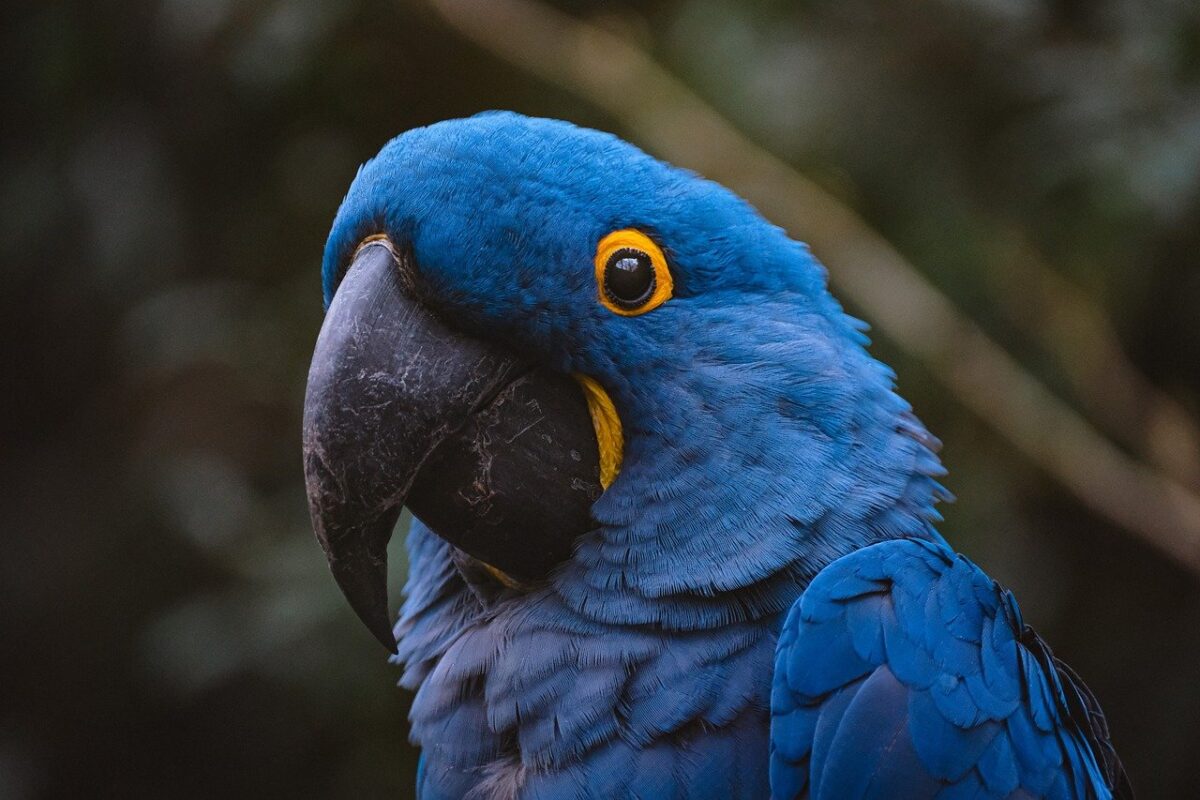
A Happy Bird Sings and Plays: Start with Behavior (Image Credits: Pixabay)
Pet birds bring joy through their songs and playfulness, yet owners must watch closely for indicators of their well-being.
A Happy Bird Sings and Plays: Start with Behavior
Owners often notice a vibrant energy in their birds that signals contentment right away. Healthy birds engage actively, responding to surroundings with curiosity and interaction. They chirp, whistle, or sing regularly, reflecting a positive mood. Changes like sudden quietness or altered tones can point to stress or illness.
Body language offers further clues. Relaxed postures, bright eyes, and smooth feathers mark a content bird. Playful actions, such as head bobbing or wing flapping, appear frequently. In contrast, ruffled feathers, drooping wings, or hunched positions suggest discomfort. Regular observation helps catch issues early, like excessive preening linked to boredom.
Feathers Tell the Real Story of Wellness
Feathers act as a mirror to a bird’s internal health, showing gloss and even color in thriving specimens. Well-preened plumage lies flat and intact, free from breaks or dullness. Birds that maintain their appearance through diligent grooming typically feel good.
Problems emerge clearly too. Ruffled or matted feathers signal poor hygiene or sickness. Discoloration hints at diet shortfalls, while plucking stems from stress or parasites. Excessive loss beyond normal molting warrants attention. A clean habitat and bathing access support strong feathers; for more, see this Bird Grooming Tips resource.
Appetite and Waste: Daily Health Monitors
Steady eating patterns fuel a bird’s vitality, with consistent intake throughout the day. Fresh water remains essential to prevent dehydration. Drops in appetite may indicate environmental stress, while surges could tie to conditions like diabetes.
Droppings provide precise insights, featuring solid feces, clear urine, and white urates in healthy birds. Deviations, such as watery output or odd colors, flag digestive troubles. Undigested seeds or blood demand quick vet review. Cage placement affects cleanliness; check this Bird Cage Cleaning guide for steps.
- Normal droppings: Firm feces, transparent urine, creamy urates.
- Warning signs: Diarrhea, excess liquid, discolored elements, or blood.
Boost Activity and Habitat for Lasting Joy
Curious exploration and toy play define an energetic bird, responsive to owners and keen on new stimuli. Social bonds strengthen through interaction, preventing withdrawal. Low energy, like bottom-perching or lethargy, calls for enrichment tweaks.
A proper setup prevents boredom. Spacious cages with varied perches exercise feet and wings. Toys like puzzles and swings stimulate minds. Safe spots avoid drafts and toxins. The Association of Avian Veterinarians notes: “Enrichment is a vital component of responsible bird ownership. Providing a stimulating and enriching environment can significantly improve a bird’s quality of life.”
- Spacious cage for flight.
- Diverse perches and toys.
- Social time with owners.
- Clean, draft-free location.
Vet Visits and Watch for Troubles
Annual checkups catch hidden issues through exams, weights, and tests. Avian specialists review feathers, droppings, and blood for problems like infections. Early action improves outcomes. Resources like the Cornell University College of Veterinary Medicine aid owners.
Common threats include psittacosis with lethargy and diarrhea, aspergillosis causing breathing woes, and egg binding in females. Feather plucking often ties to stress, while PDD leads to weight loss. Prevention involves quarantine, ventilation, and diet. The CDC website details zoonotic risks. Stock essentials via this Essential Pet Supplies Checklist.
Key Takeaways
- Watch daily for vocal changes, feather quality, and droppings.
- Enrich habitats with toys and interaction to fight boredom.
- Schedule vet exams yearly and act fast on behavior shifts.
Attentive care turns pet birds into long-term companions, filling homes with song and spirit. Vigilance ensures their vitality rewards owners for years. What signs have you noticed in your bird? Share in the comments.

- Urban Coyotes Show Remarkable Adaptability, Learning to Thrive in City Environments - July 22, 2026
- Beavers Are Nature’s Engineers, Creating Vital Habitats for Other Wildlife Species - July 21, 2026
- The Recovery of the California Condor Offers Hope for Other Critically Endangered Birds - July 21, 2026