
Worried about unexpected vet bills?
Pet insurance can cover thousands in unexpected vet costs. Get a free quote from Lemonade in under 2 minutes.
Get My Free Quote →Sponsored · Opens Lemonade.com
Picture this: you’re standing in your backyard with your beloved dog by your side, watching a bee drift from flower to flower. That tiny creature buzzing around weighs less than a paperclip and has a brain smaller than a sesame seed. Yet recent discoveries reveal that this humble pollinator possesses cognitive abilities that would have seemed impossible just a decade ago. It’s wild to think that something so small could rival the problem-solving skills we typically associate with much larger animals.
What if I told you that honey bees can do math, recognize your face, and even learn from their mistakes? Here’s the thing: we’ve been underestimating these golden insects for far too long. Let’s dive into the remarkable world of bee intelligence and discover what makes these tiny brains so extraordinarily capable.
They Can Actually Count and Do Basic Math
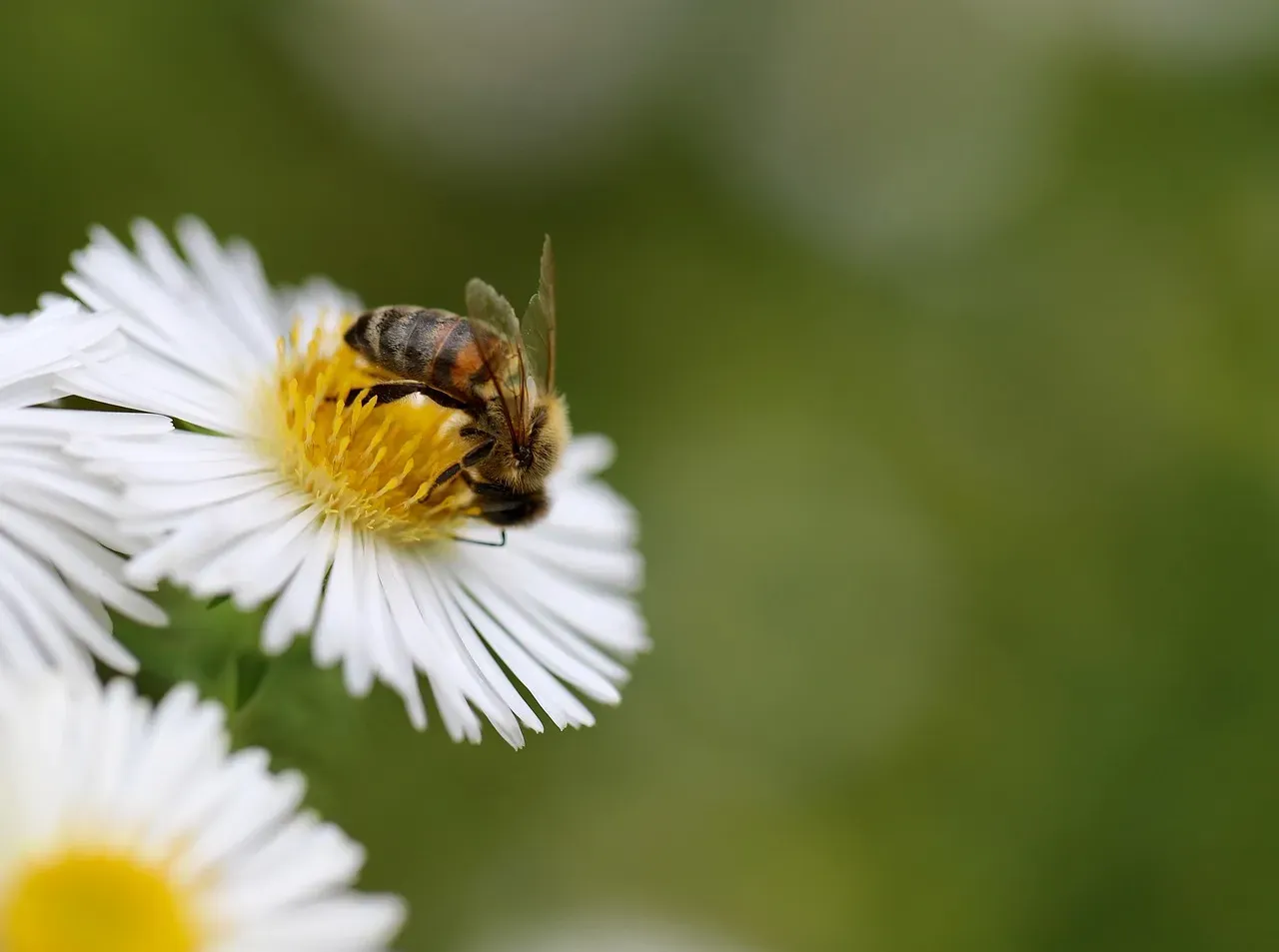
Honey bees can count up to four and even understand the concept of zero. That might not sound groundbreaking until you realize that understanding zero is a sophisticated abstract concept that even young children struggle with.
Recent research pushed the boundaries even further. Bees can learn to use blue and yellow as symbolic representations for addition or subtraction, using this information to solve unfamiliar problems involving adding or subtracting one element from a group. Think about that for a moment. These insects are performing arithmetic operations using colors as symbols, much like we use plus and minus signs.
Bees can solve seemingly clever counting tasks with very small numbers of nerve cells in their brains, with researchers simulating a very simple miniature ‘brain’ on a computer with just four nerve cells. The efficiency is staggering. While your dog’s brain contains hundreds of millions of neurons dedicated to various tasks, bees accomplish mathematical feats with a fraction of that processing power.
Face Recognition That Rivals Advanced Technology
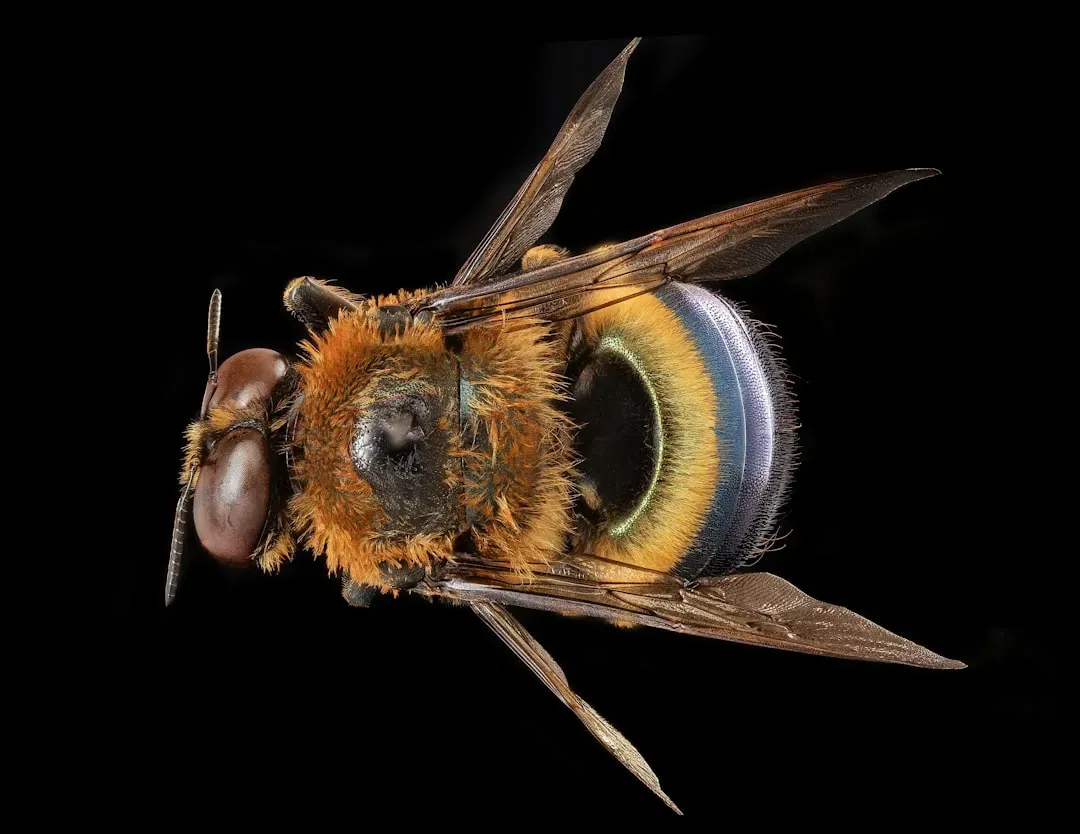
You know how your dog seems to recognize you the moment you walk through the door? Bees might do something similar. Honey bees, who have 0.01% of the neurons that humans do, can recognize and remember individual human faces.
In one study, scientists paired images of human faces with sugar-laced water and found that bees recognized and remembered faces associated with the sweet reward – even when the reward was absent. The real kicker? Despite these respective insects having no evolutionary reason for processing human faces, their brains learn reliable recognition by creating holistic representations of the complex images.
Bees can recall faces for up to a month after a single viewing, which demonstrates impressive long-term memory capabilities. While bees probably don’t use this ability in their natural environment, the fact that they can learn it speaks volumes about the flexibility and adaptability of their tiny brains.
The Waggle Dance: A Sophisticated Communication System
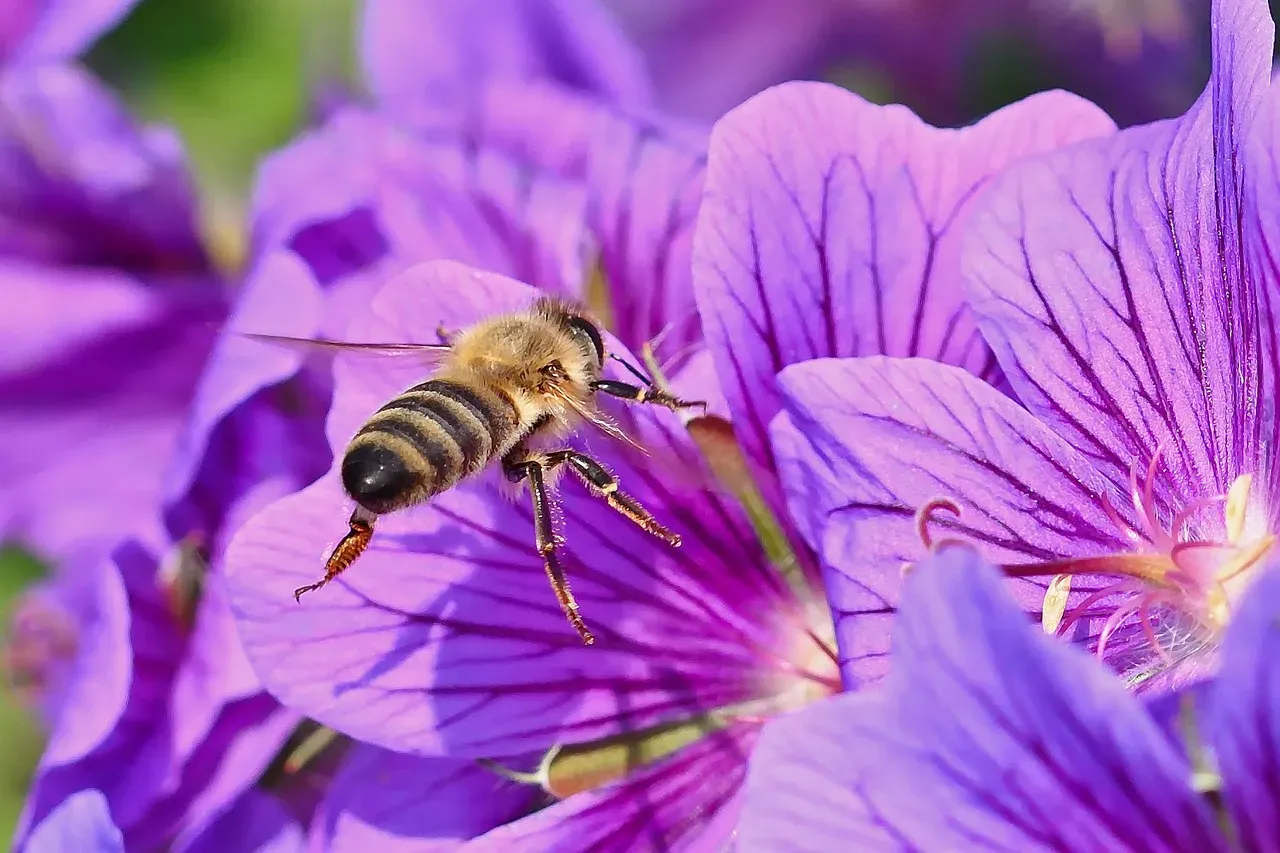
This is where things get truly mind-blowing. The waggle dance is performed by honey bees to share information about the direction and distance to patches of flowers yielding nectar and pollen, to water sources, or to new nest-site locations with other members of the colony.
Let’s be real, this isn’t just random buzzing around. The orientation of the dancing bee during the straight portion of her waggle dance indicates the location of the food source relative to the sun, with the angle that the bee adopts, relative to vertical, representing the angle to the flowers relative to the direction of the sun outside of the hive, essentially transposing the solar angle into the gravitational angle.
Recent findings make this even more remarkable. Young bees learn this complex dance by observing more experienced bees, with bees that were not exposed to the dances of their older counterparts displaying more angle and distance errors than those that had a tutor. Honey bees – like humans, many songbirds and naked mole rats – appear to have a critical period for language acquisition, communicating the location of resources such as food through the waggle dance, a form of animal language.
Learning Abilities and Memory That Defy Expectations
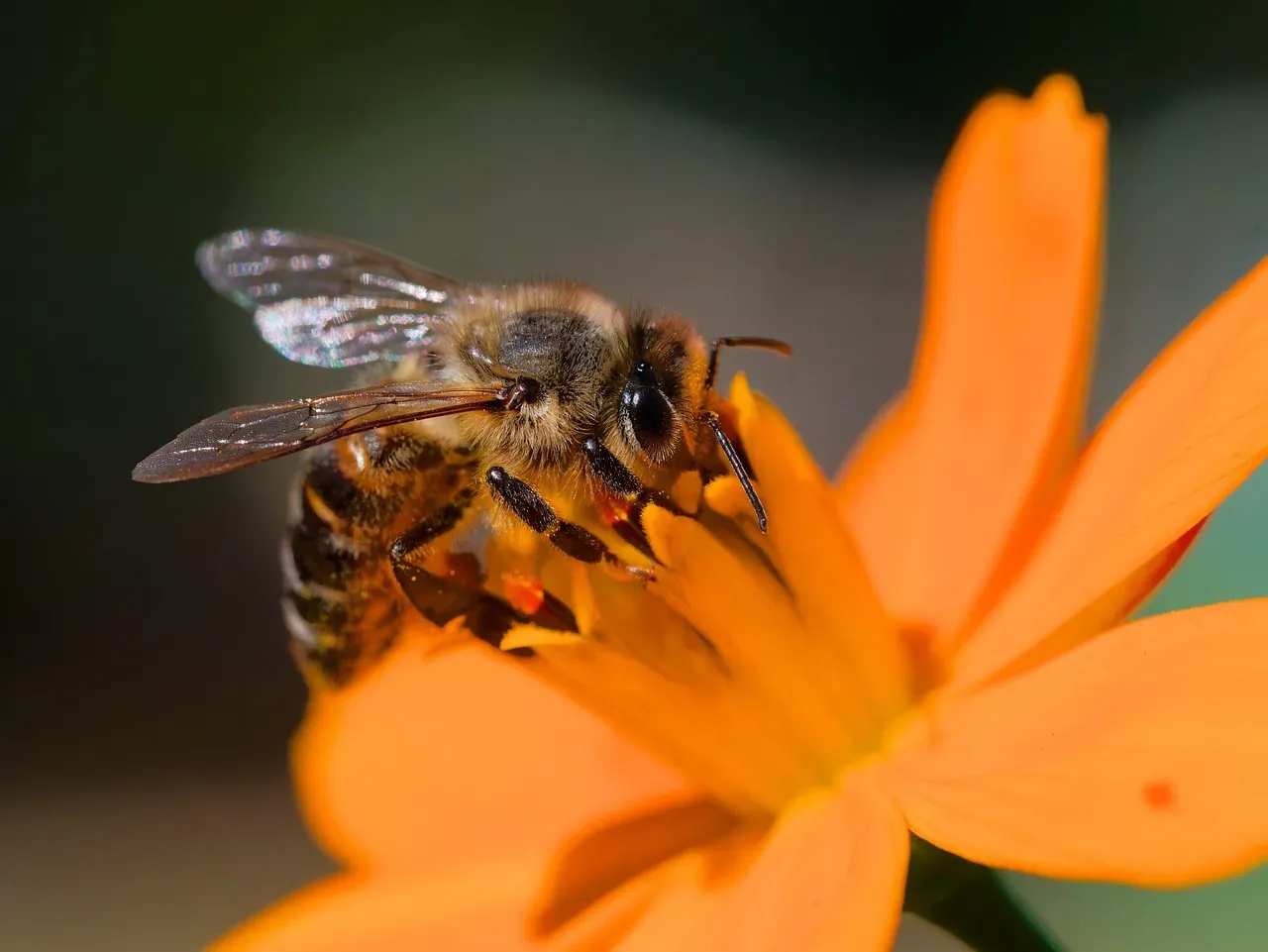
Learning proficiency is stable over time in forager bees, justifying that their pattern of performances could be defined as a cognitive profile. Just like your dog might be better at learning certain tricks than others, individual bees show consistent cognitive strengths and weaknesses.
Honeybees can learn delayed-matching-to-sample tasks and the rules governing this decision making, and even transfer learned rules between different sensory modalities. That’s actually pretty sophisticated. It means bees can learn a concept in one context and apply it to a completely different situation.
Bees could anticipate which food source would be rewarding more often than expected by chance, demonstrating an ability to learn sequences over several minutes. They’re not just reacting to immediate stimuli. They’re predicting future events based on patterns they’ve observed.
The Broader Implications for Science and Technology
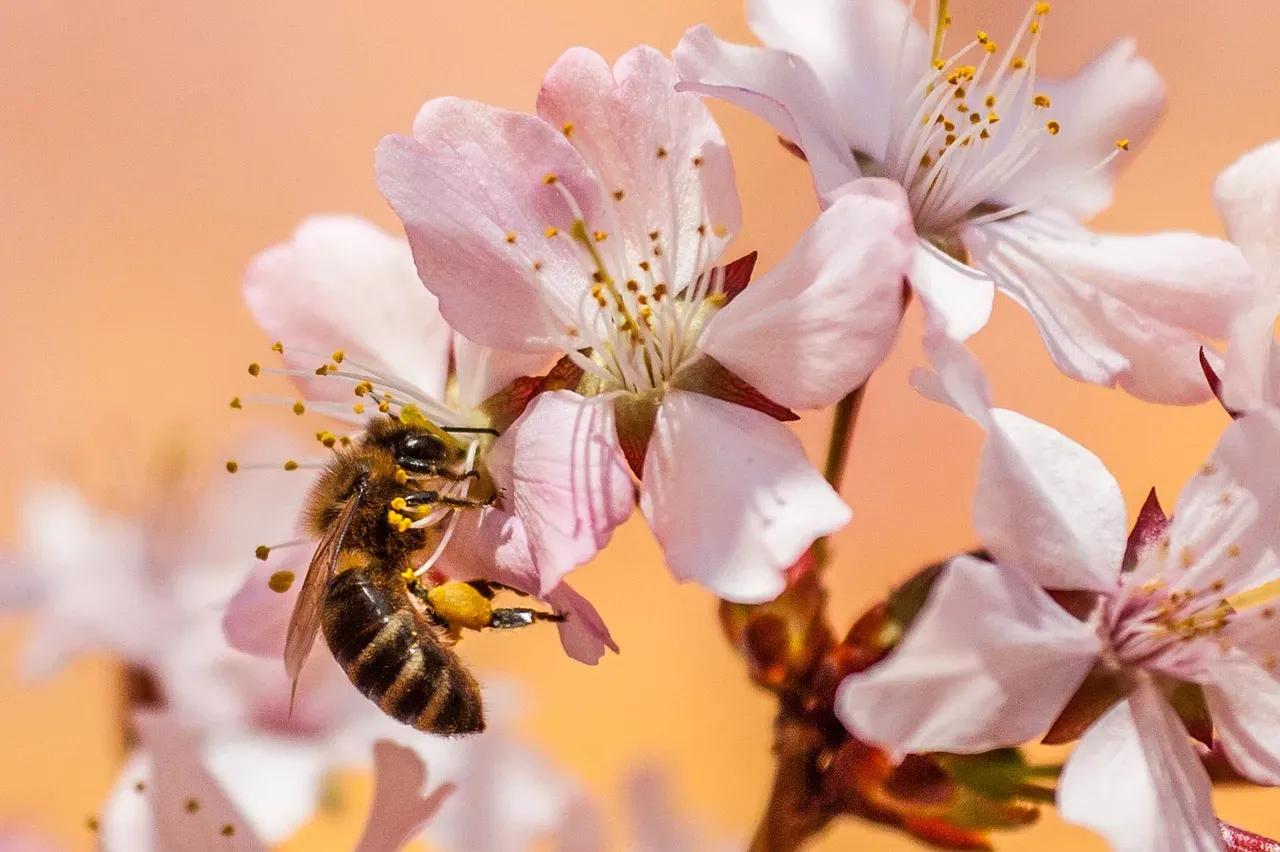
A discovery shows how bees use their flight movements to facilitate remarkably accurate learning and recognition of complex visual patterns, with researchers discovering how the way bees move their bodies during flight helps shape visual input and generates unique electrical messages in their brains, with these movements generating neural signals that allow bees to easily and efficiently identify predictable features of the world around them.
Research at Arizona State University identifies which parts of the bee brain stay active during sleep and which don’t, with the team hoping to inspire more targeted and efficient sleep cycles in AI models, as bees consolidate memories during sleep. Scientists are literally looking to bee brains to improve artificial intelligence.
Bees possess computational decision-making qualities that often fall short in artificial systems in terms of adaptability, speed, accuracy, and risk aversion, especially when resources are limited. Think about that. We’re building billion-dollar AI systems, and we’re learning from creatures that weigh less than a gram.
Conclusion

The next time you see a bee buzzing around your garden while you’re relaxing with your furry companion, take a moment to appreciate the incredible cognitive machinery packed into that tiny body. Given that honeybees and humans are separated by over 400 million years of evolution, these findings suggest that advanced numerical cognition may be more accessible to nonhuman animals than previously suspected.
These discoveries aren’t just fascinating facts to share at your next barbecue. They fundamentally challenge our understanding of intelligence, brain size, and what’s possible with efficient neural networks. Bees remind us that bigger isn’t always better, and that nature has engineered solutions to complex problems in ways we’re only beginning to understand.
So here’s a question for you: if a brain the size of a sesame seed can count, do math, recognize faces, and communicate abstract information to others, what does that say about the potential for intelligence throughout the animal kingdom? The more we learn about bees, the more we realize that extraordinary cognitive abilities might be hiding in the smallest, most unexpected places. What do you think? Share your thoughts about these amazing little creatures in the comments.
Worried about unexpected vet bills?
Pet insurance can cover thousands in unexpected vet costs. Get a free quote from Lemonade in under 2 minutes.
Get My Free Quote →Sponsored · Opens Lemonade.com
