
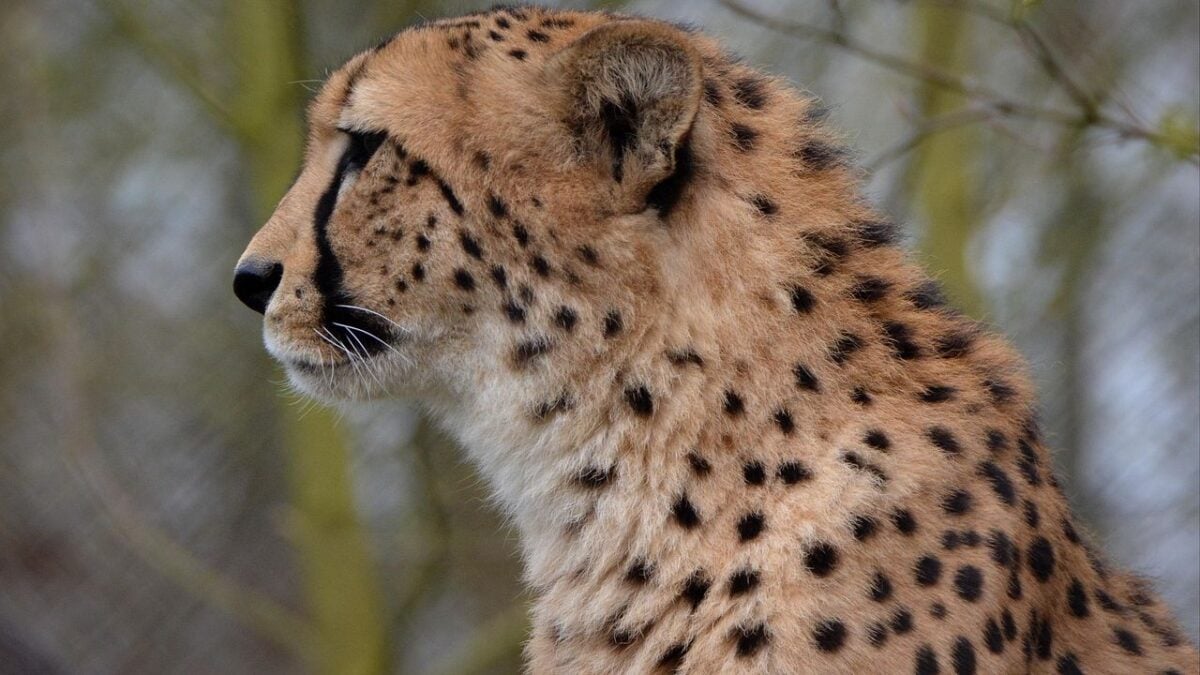
When darkness descends and most of us retreat indoors, a hidden world awakens. Nocturnal predators emerge from their daytime hideouts, equipped with abilities that seem almost supernatural. These creatures aren’t simply animals that prefer staying up late. They’re biological marvels, finely tuned killing machines shaped by millions of years of evolution to dominate the night. What we think we know about these hunters barely scratches the surface.
Let’s be real here, most people assume nocturnal predators just have good night vision and call it a day. The reality? These animals possess entire sensory systems we can barely comprehend, hunting strategies so refined they put military tactics to shame, and social lives that rival daytime creatures in complexity.
The Astonishing Sensory World Beyond Human Comprehension
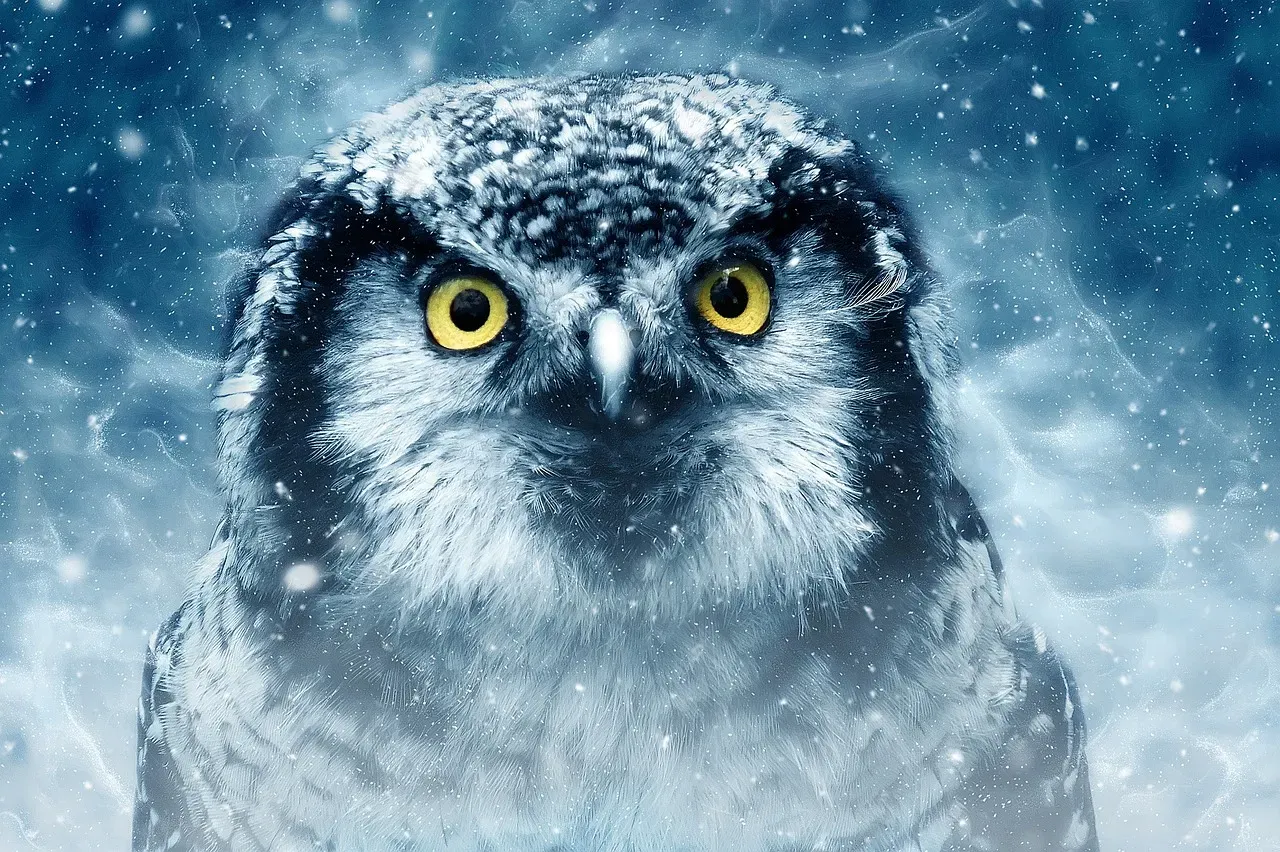
Here’s the thing about nocturnal predators. They don’t just see better in the dark. They’ve fundamentally rewired how they perceive reality itself.
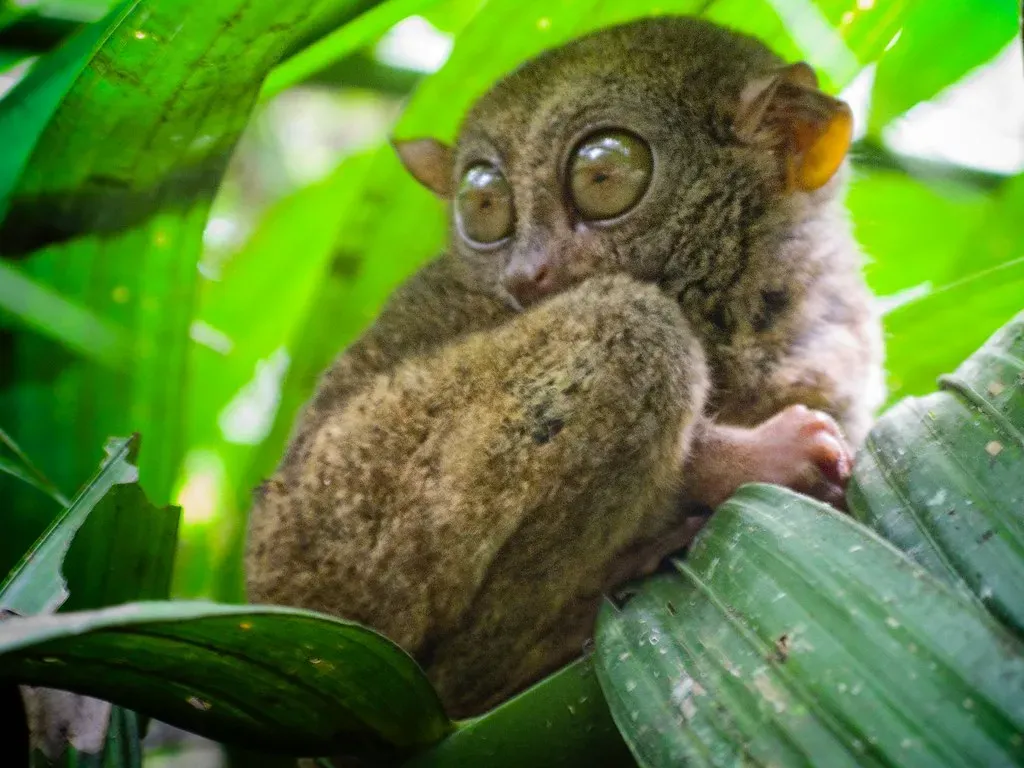
Nocturnal creatures generally have highly developed senses of hearing, smell, and specially adapted eyesight. Many nocturnal creatures including tarsiers and some owls have large eyes in comparison with their body size to compensate for the lower light levels at night, with a larger cornea relative to their eye size than diurnal creatures to increase their visual sensitivity in low-light conditions. Take owls, for instance. Owl eyes can be up to 35 times more sensitive than ours in very low light levels, and that’s just the beginning. They possess a reflective layer called the tapetum lucidum behind the retina, which essentially gives light a second chance to be detected.
The genius doesn’t stop there. Most owls rely more heavily on sound than sight when hunting, with many of Wisconsin’s owl species using sound exclusively to hunt during winter when their prey is underneath snow. Their facial discs act like satellite dishes, funneling sound toward asymmetrically placed ears that allow them to pinpoint prey location with frightening accuracy. Honestly, it’s hard to say for sure, but this combination of super-senses might be the most sophisticated hunting system on the planet.
Bats took an entirely different evolutionary path. Bats navigate and find insect prey using echolocation, producing sound waves at frequencies above human hearing called ultrasound, which bounce off objects in their environment. Bats use a tracking strategy by combining multiple echolocation and flight tactics, with three echolocation tactics producing a direct compensation effect while flight tactics assist echolocation by stabilizing the target direction. These nocturnal hunters are processing information at speeds our brains simply cannot match.
Big Cats Mastering Darkness With Power and Precision
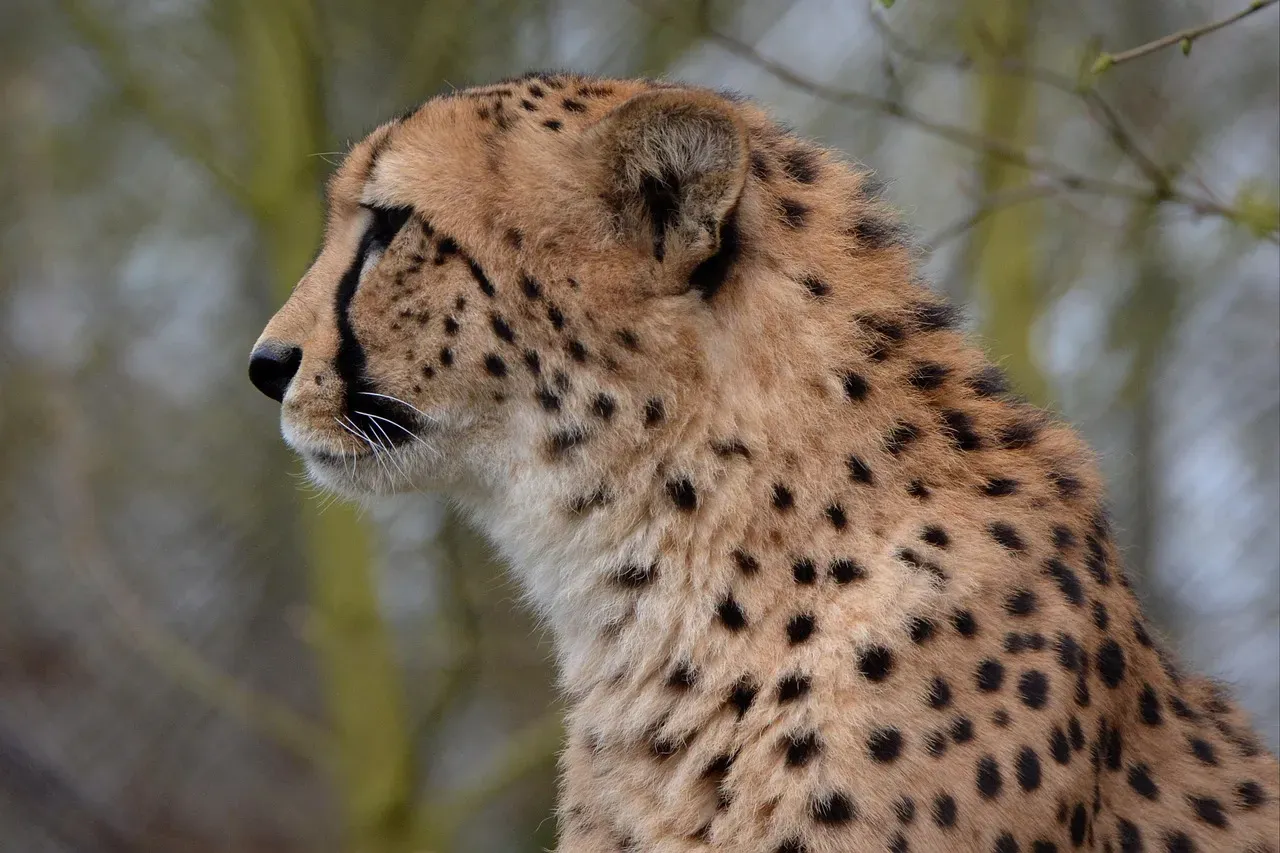
Jaguars and leopards represent the pinnacle of nocturnal feline predation. Yet these spotted assassins approach the night hunt with strikingly different philosophies.
Jaguars hunt both by day and at night but are predominantly nocturnal, with hunting activities peaking at dusk and dawn. Unlike most big cats that suffocate prey by gripping the throat, jaguars are known for their powerful bite and often kill prey by piercing the skull. Their jaw strength is so immense they can crunch through turtle shells and caiman armor. This isn’t just brute force. It’s calculated violence delivered with surgical precision in pitch darkness.
The jaguar uses a stalk-and-ambush strategy when hunting, slowly walking down forest paths listening for prey before rushing or ambushing, with attacks from cover usually from a target’s blind spot with a quick pounce considered nearly peerless in the animal kingdom. Their rosette patterns provide perfect camouflage in dappled moonlight filtering through jungle canopy.
Meanwhile, leopards are nocturnal animals doing most of their hunting at night, with large eyes and dilated pupils allowing them to see well in dark conditions, and are incredibly athletic and known for their climbing ability. They’ve mastered a different survival tactic. Hoisting kills into trees keeps scavengers at bay and demonstrates problem-solving abilities we’re only beginning to understand.
Behavioral Complexity Hidden in Shadow
I know it sounds crazy, but nocturnal predators might actually have more complex social lives than we’ve ever imagined. We’ve spent centuries studying animals during daylight hours, missing the sophisticated interactions happening after sunset.
Some nocturnal hunters have adapted their reproductive and social behaviors around nighttime activity, with many species communicating through sounds, scents, and other non-visual cues that work well in darkness. Think about that. Entire languages of scent markers, ultrasonic vocalizations, and tactile signals exist that we’re just starting to decode.
Animals like owls and large cats have specialized hearing to hunt at night, while many nocturnal animals have a good sense of smell and often communicate with scent marking, with that sense coming from the Jacobson’s organ located in the roofs of their mouths. This chemical communication system operates on a level humans can barely perceive, let alone understand.
Recent research reveals something even more fascinating. Noise lowers the rate of prey detection and increases the time needed to locate prey regardless of the age owls were tested. Human noise pollution is disrupting communication systems perfected over millions of years, forcing nocturnal predators to adapt in real-time to our intrusions.
Hunting Strategies More Refined Than Military Tactics
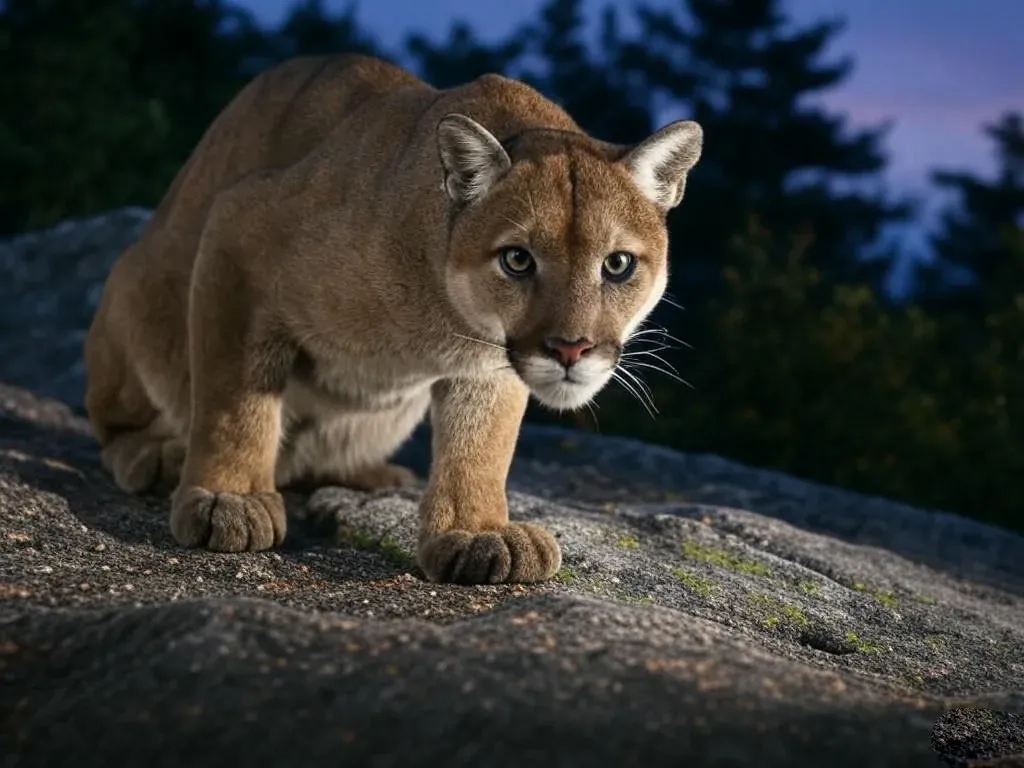
The tactical sophistication of nocturnal predation would make any special forces operative jealous. These aren’t random attacks. They’re calculated operations executed with precision timing.
Nocturnal predators often exhibit patience and energy conservation strategies, remaining motionless for extended periods before striking with explosive speed and precision, with many species developing enhanced memory and spatial awareness creating mental maps of their territories. This cognitive mapping ability suggests intelligence levels we’ve consistently underestimated.
When searching, bats maximize the chances of detecting small prey by using large sensory volumes, and during prey pursuit they trade spatial for temporal information by reducing sensory volumes while increasing update rate and redundancy, with these adjustments leading to very weak prey echoes that bats protect from interference. That’s not just hunting. That’s adaptive battlefield awareness.
Leopards employ yet another layer of cunning. Nocturnal habits minimize encounters with humans and predators, with their versatile diet including over 90 known prey species. They’re opportunistic geniuses, switching strategies based on available prey, terrain, and threat assessment. Some individuals near human settlements have even learned to navigate urban environments, hunting in alleyways with almost surgical precision.
The Mounting Threats to Night Hunters
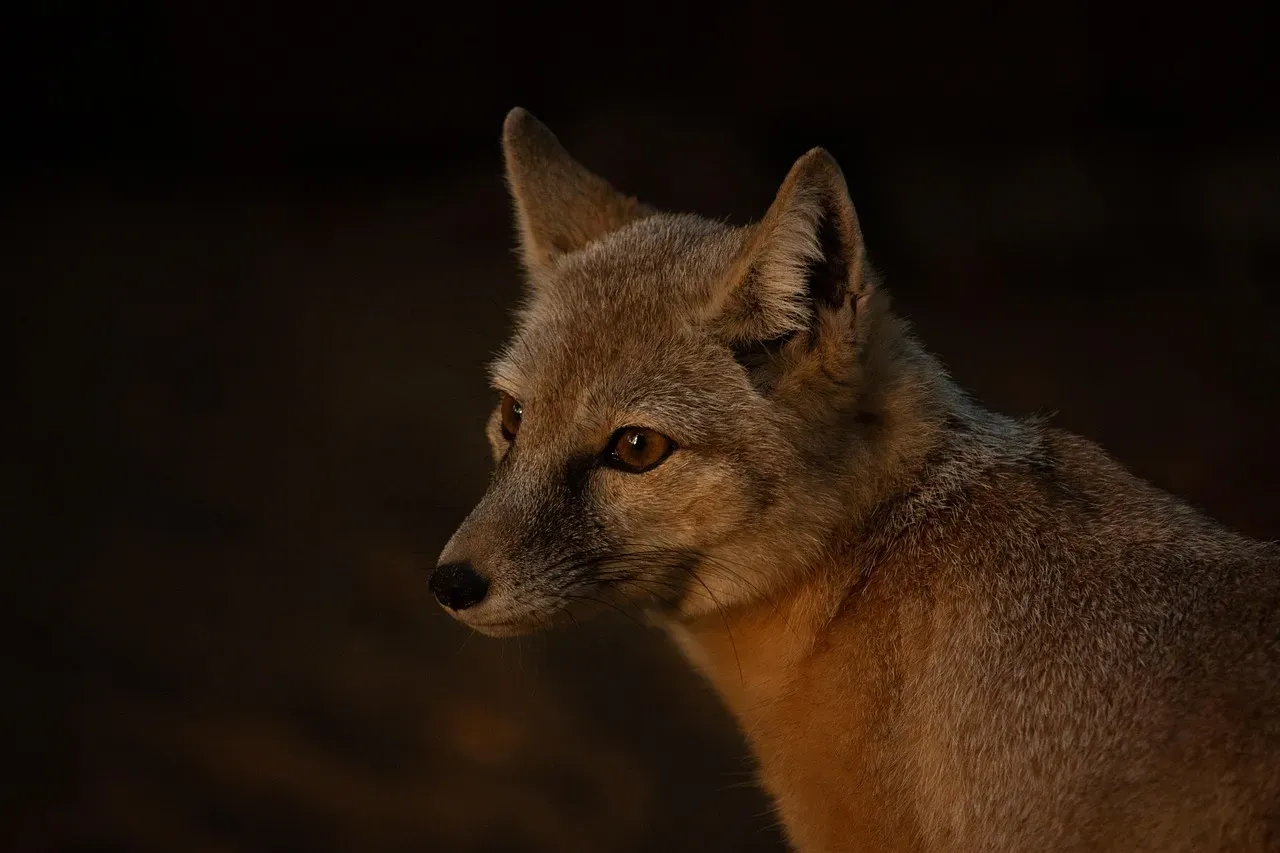
Let’s talk about something uncomfortable. We’re destroying these incredible creatures without even realizing it.
Light pollution is a major issue for nocturnal species with impact continuing to increase as electricity reaches parts of the world that previously had no access, with species in the tropics generally more affected due to changes in their relatively constant light patterns. We’re basically installing permanent daylight in ecosystems evolved for darkness. The consequences are catastrophic.
Even apex carnivores, which from an evolutionary perspective have typically faced little or no predation risk from other species, responded to humans by becoming more active at night, with species that are typically diurnal showing an increase in nocturnality. Think about that paradox. We’re forcing diurnal animals to become nocturnal while simultaneously making the night uninhabitable for natural nocturnal predators.
Artificial light at night disrupts hunting conditions by illuminating hunting areas, making prey more challenging to locate and reducing hunting success, with research revealing that bats avoid areas with bright lights resulting in diminished feeding opportunities and altered activity patterns. We’ve essentially weaponized light against creatures whose entire existence depends on darkness. The ecological ripple effects of this disruption are only beginning to emerge.
What would you have guessed? Did you imagine nocturnal predators possessed such intricate sensory systems, such refined hunting strategies, such complex social structures? These animals aren’t just operating on instinct. They’re thinking, adapting, communicating beings whose hidden lives contain mysteries we’ve barely begun to unravel. Perhaps the most humbling realization is this: after centuries of study, the secret world of nocturnal predators remains largely unknown to us, unfolding nightly in shadows beyond our comprehension.

- What It Means When a Butterfly Lands on You and Refuses to Leave – and Why Five Distinct Cultures Arrived at the Same Interpretation Without Ever Meeting - July 15, 2026
- 8 Animals Once Listed in Ancient Sources as Mythology That Turned Out to Be Real When Specimens Were Finally Collected - July 15, 2026
- 11 Deep-Sea Animals So Structurally Different That Biologists Had to Create New Classifications for Them - July 15, 2026