
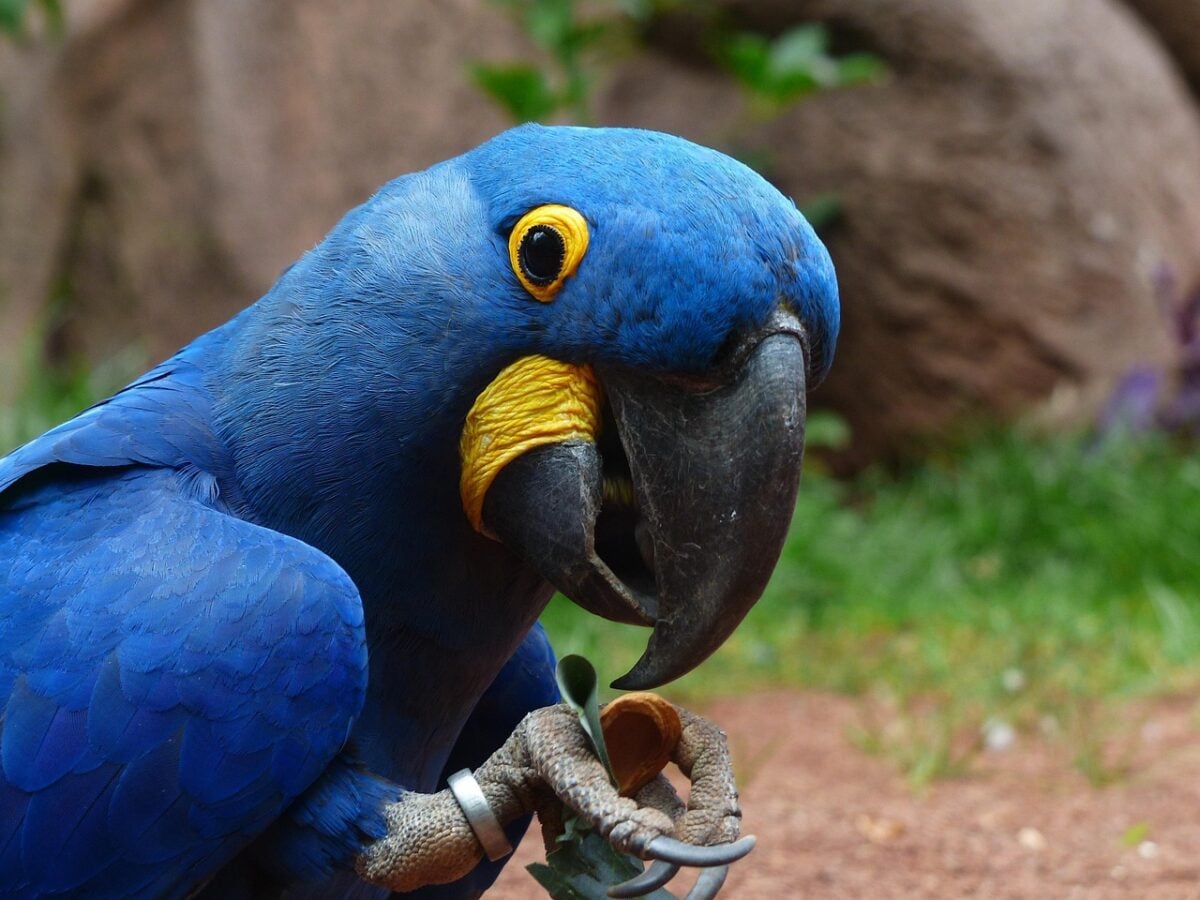
Nature’s pharmacy is vast and varied, and it’s not just humans who have learned to tap into its healing properties. Across the animal kingdom, creatures have been observed seeking out specific plants to treat ailments, a behavior known as zoopharmacognosy. This fascinating phenomenon raises intriguing questions: How do these animals know which plants to use, and what can we learn from their natural instincts?
Chimpanzees and Bitter Pith
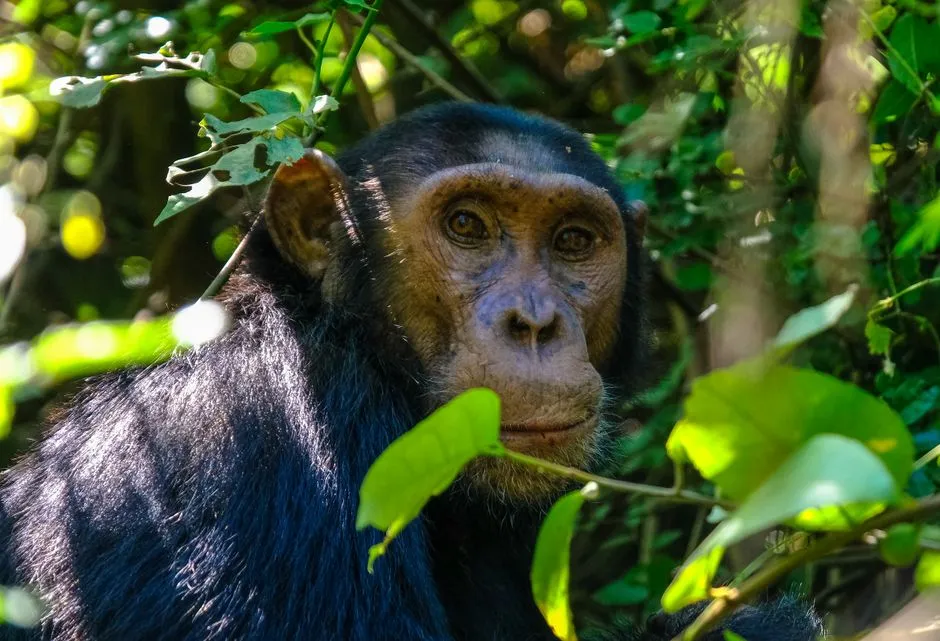
In the dense forests of Tanzania, chimpanzees have been observed consuming the pith of the Vernonia plant, commonly known as Bitter Leaf. This plant is not a regular part of their diet, yet sick chimps will seek it out, grimacing as they chew its intensely bitter pith. The reason? Vernonia has been found to possess anti-parasitic and anti-microbial properties, aiding in the expulsion of intestinal parasites. It’s a deliberate, albeit unpleasant, choice for the chimps, showcasing their innate ability to self-medicate.
Asian Elephants and Labor-Inducing Leaves
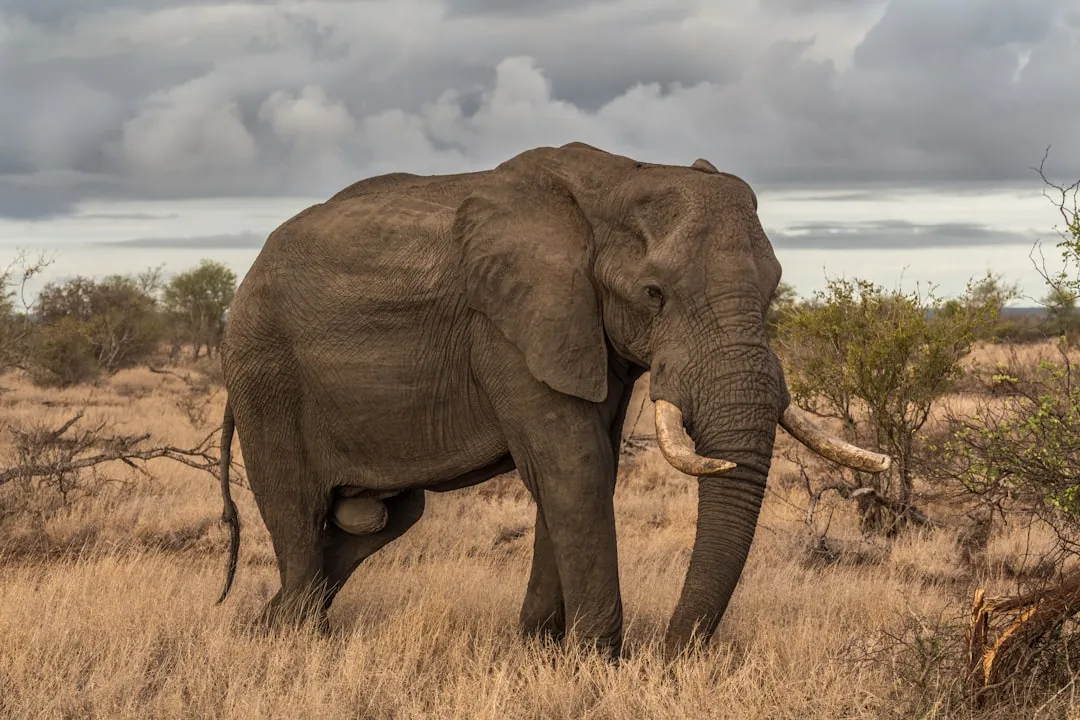
In Kenya, pregnant Asian elephants have been documented traveling miles to find specific trees whose leaves they consume to induce labor. These trees belong to the borage family, and local human populations have long brewed teas from their leaves for the same purpose. The elephants’ behavior suggests a deep-seated knowledge of their environment and its medicinal offerings, passed down through generations.
Monarch Butterflies and Milkweed
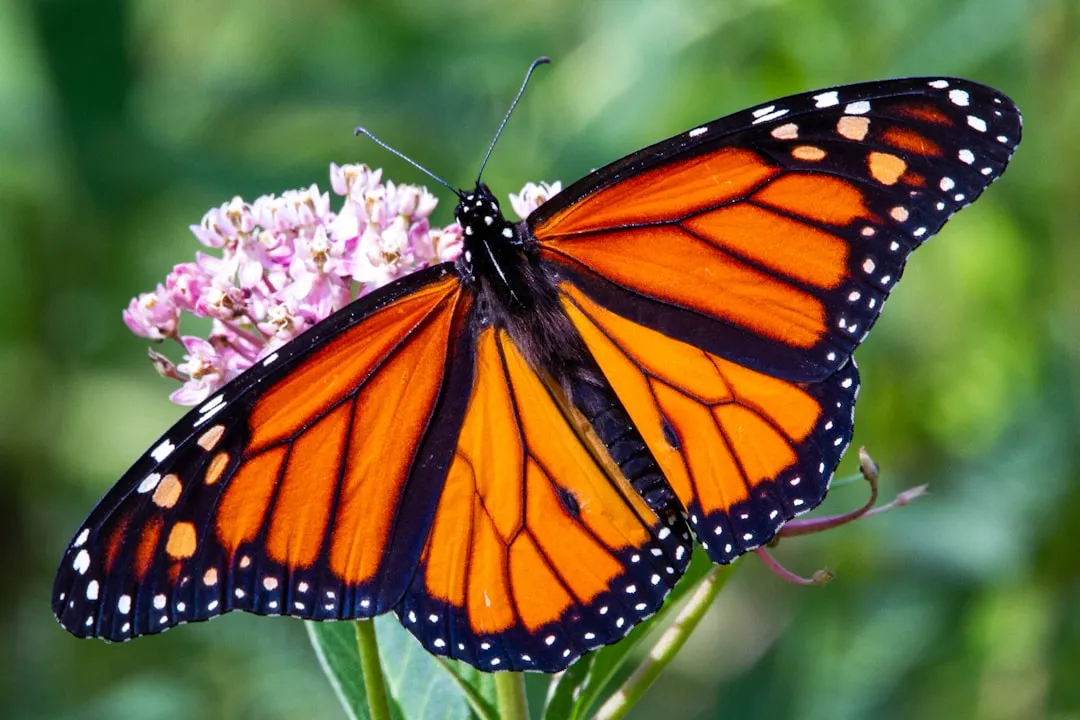
Monarch butterflies, those delicate travelers of the skies, have a remarkable strategy to protect their offspring. Infected female monarchs preferentially lay their eggs on milkweed plants, which contain compounds toxic to parasites. This choice ensures that the hatching caterpillars ingest these compounds, reducing their parasite load and increasing their chances of survival. It’s a maternal instinct that speaks volumes about the butterfly’s evolutionary adaptations.
European Starlings and Wild Carrot
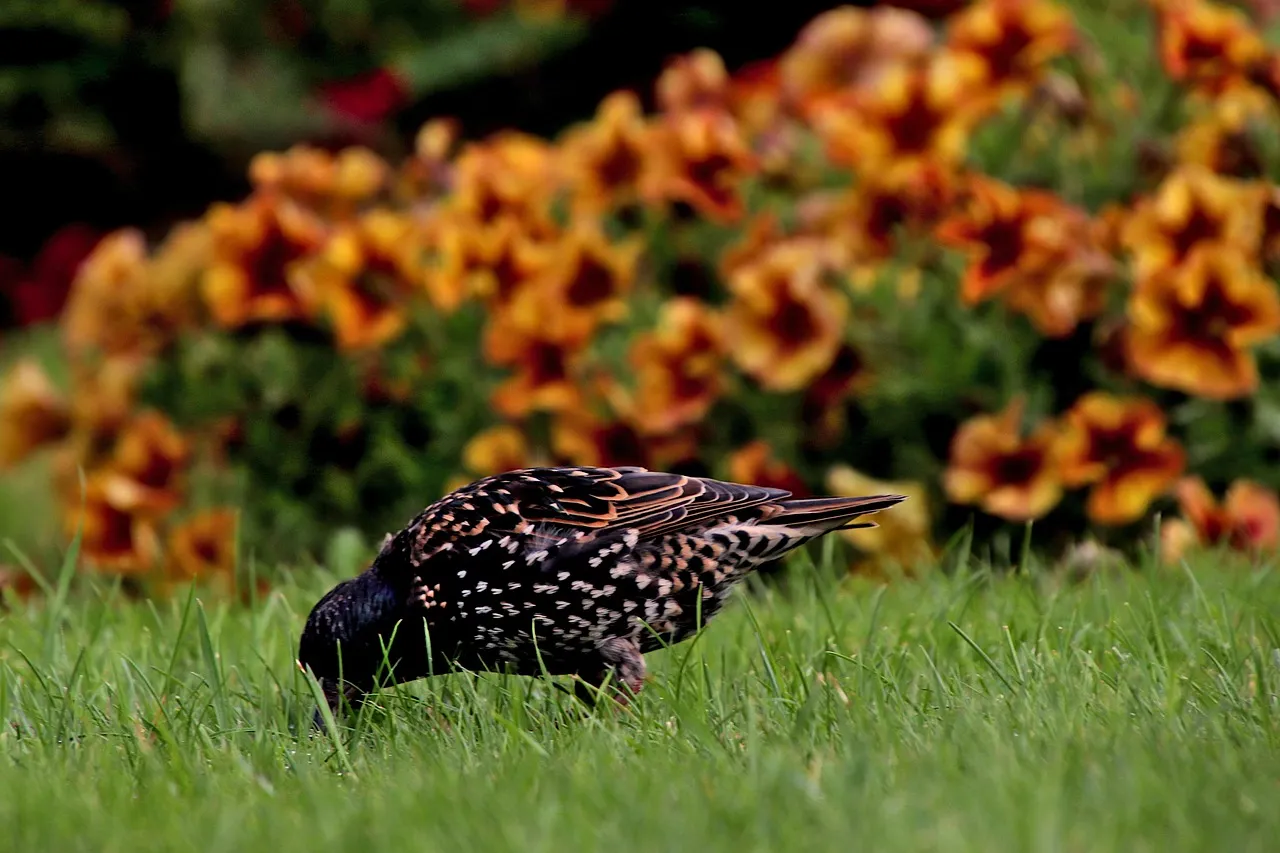
European starlings, known for their melodious songs, also exhibit a keen sense for medicinal plants. These birds have been observed lining their nests with wild carrot, a plant with known antimicrobial and antiparasitic properties. By incorporating these plants into their nests, starlings effectively reduce the presence of blood-sucking parasites, ensuring a healthier environment for their chicks to thrive.
Red and Green Macaws and Clay Licks
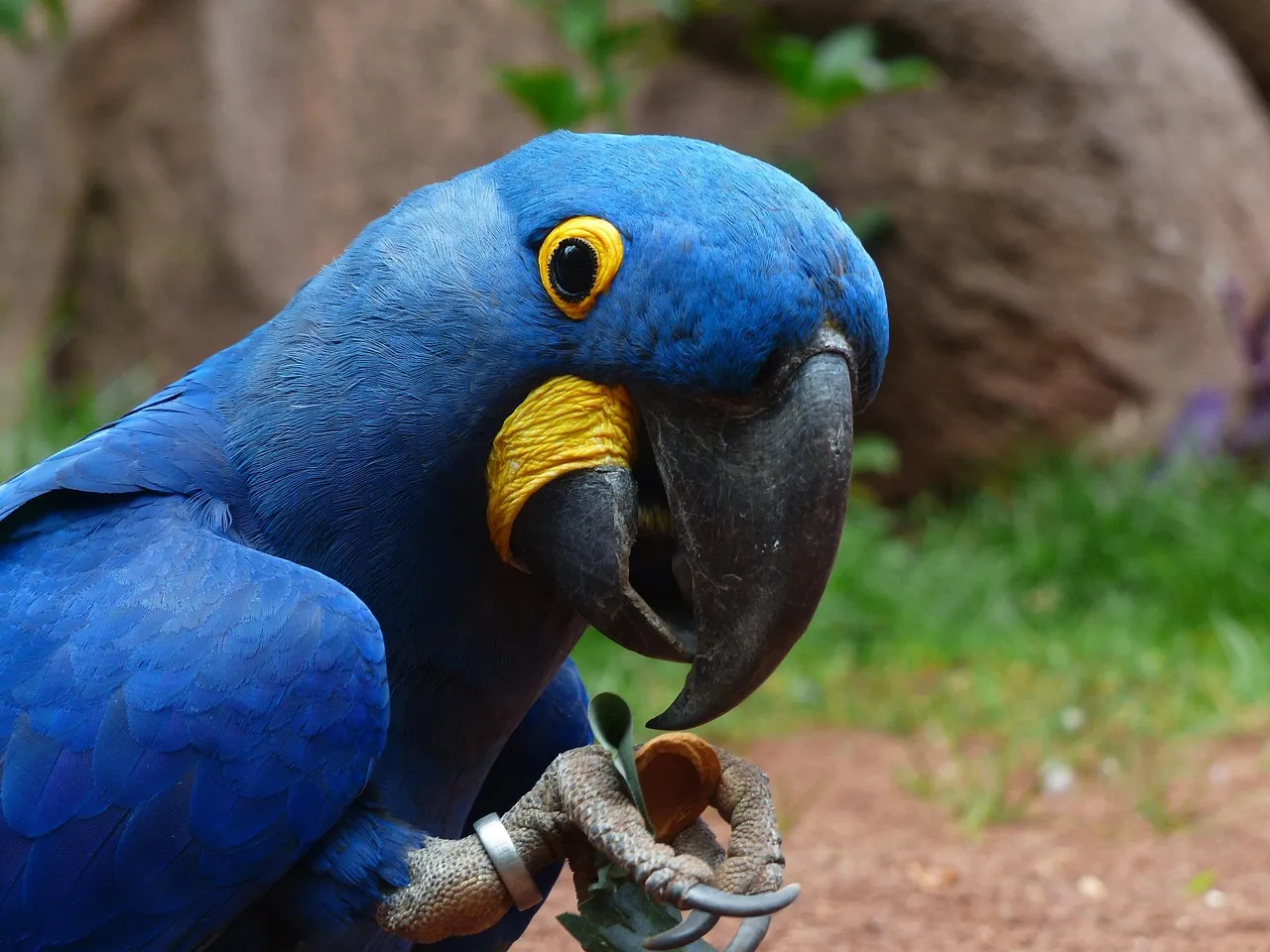
In the Amazon rainforest, vibrant red and green macaws gather at clay licks, consuming the mineral-rich soil. This behavior, known as geophagy, helps neutralize toxins found in their diet of unripe fruits and seeds. The clay binds to these toxins, allowing the birds to safely excrete them. It’s a striking example of how animals can use non-plant materials to self-medicate.
Woolly Spider Monkeys and Fertility Plants
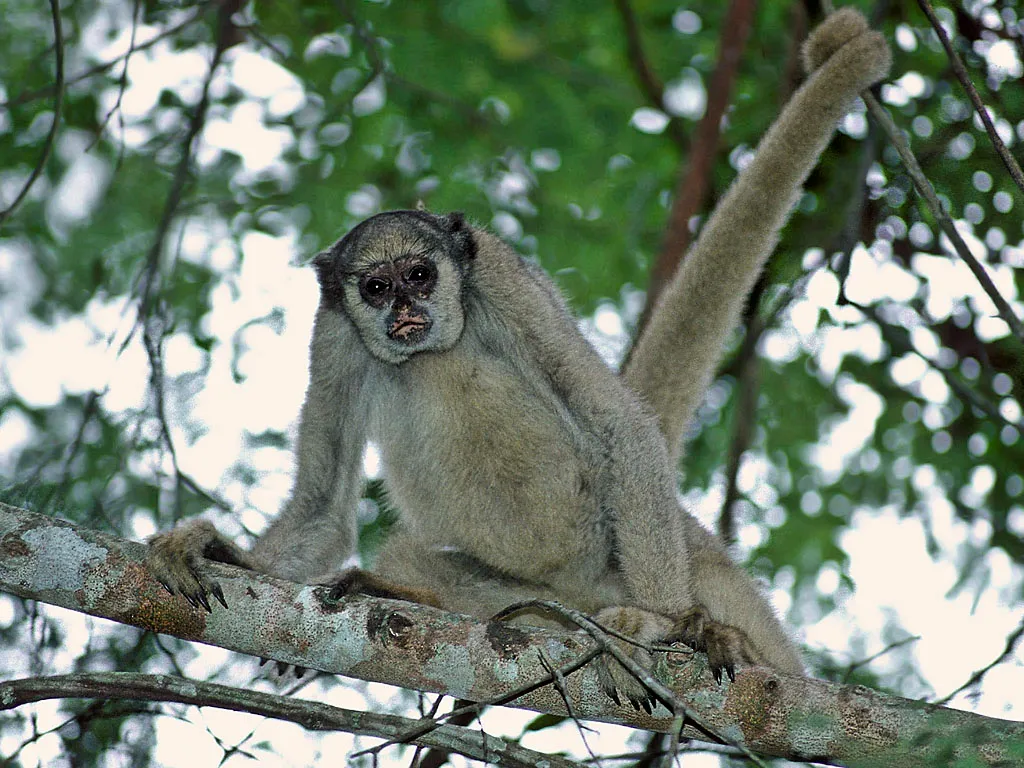
In the forests of Brazil, female woolly spider monkeys have been observed consuming certain plants to regulate their fertility. Depending on the plant ingested, they can either increase or decrease their chances of conception. This behavior indicates a sophisticated understanding of their reproductive health and the natural resources available to influence it.
Orangutans and Medicinal Leaves
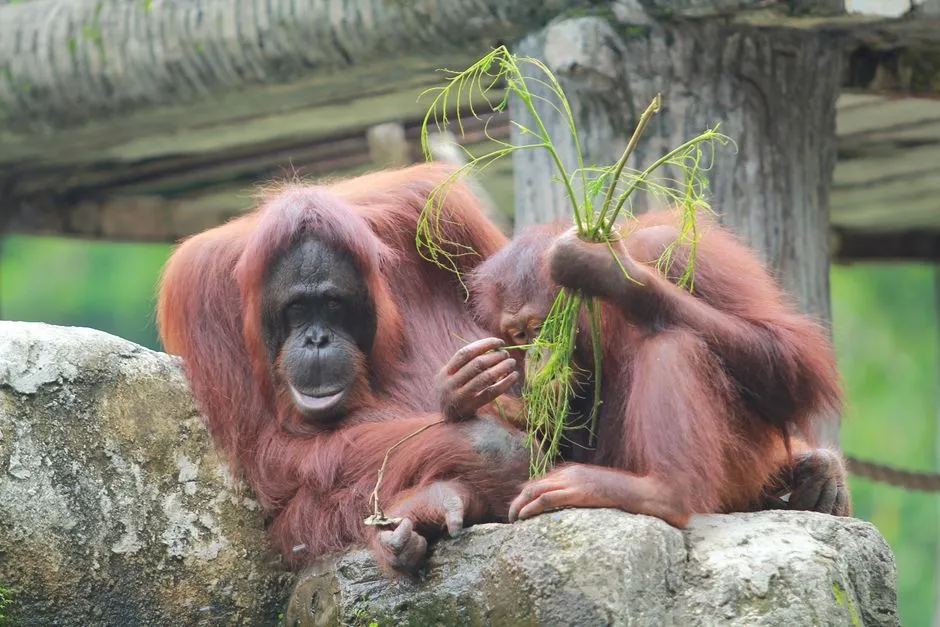
A remarkable case from Sumatra involves a wild orangutan that suffered a facial wound, likely from a fight. Observers noted the orangutan chewing leaves of a liana vine, not typically part of its diet, and applying the juice to its wound. Over several days, the orangutan continued this treatment, resulting in a healed wound with minimal scarring. The plant used has known antibacterial and anti-inflammatory properties, highlighting the orangutan’s intuitive use of natural remedies.
Conclusion
The behaviors of these animals challenge our understanding of intelligence and instinct in the natural world. How do they know which plants to use? Is it innate knowledge, learned behavior, or a combination of both? While some instances may be attributed to trial and error over generations, others suggest a more immediate understanding of medicinal properties. As we continue to study these behaviors, we not only gain insights into animal cognition but also uncover potential leads for new medicines. Perhaps it’s time we pay closer attention to the natural pharmacists of the animal kingdom. What other secrets might they hold?

- 7 Animals That Seek Out and Self-Medicate With Specific Plants – and the Question of How They Learned Which Ones Work - July 15, 2026
- 9 Animal Migrations That Cover Distances No Known Navigation Mechanism Has Fully Accounted For - July 15, 2026
- 12 Animals That Have Been Documented Doing Something That Required Planning More Than One Step Ahead - July 15, 2026