

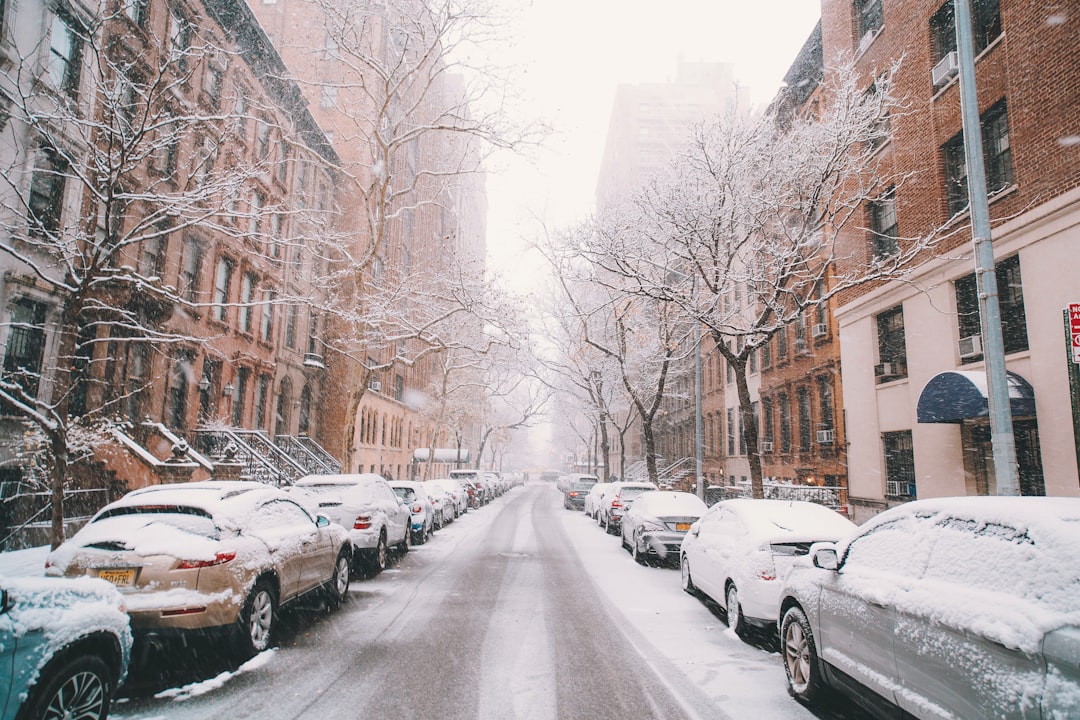
Experts Predict a Population Dip (Image Credits: Unsplash)
New York City – A harsh stretch of subzero temperatures and heavy snow has confined residents to their homes, while also posing challenges for the urban rats that typically thrive amid the bustle.
Experts Predict a Population Dip
Rodent specialists offered cautious optimism about the cold’s impact. Caroline H. Bragdon, an official with the city health department’s pest complaint unit, stated that the winter chill would lead to reduced rat activity. She noted, however, that New York rats remained resilient and the weather would not eradicate their presence entirely.
Jason Munshi-South, a Drexel University professor who researches urban rats, agreed with a measured outlook. He anticipated no dramatic population collapse but expected some decline through a minor die-off and halted reproduction during the freeze. Rats in subway tunnels might fare better, he added, as conditions there stayed somewhat milder than on the surface.
How Cold Affects Rat Survival
Prolonged low temperatures stress rats in multiple ways. Young rodents face the greatest risk, vulnerable to hypothermia without adequate protein and warm nests while parents forage. Snow provides temporary insulation and shields from predators such as hawks and owls, according to Robert S. Voss, a curator at the American Museum of Natural History.
Rats employ adaptive strategies to endure. Pest consultant Bobby Corrigan, known as an urban rodentologist, described how they stockpile food in burrow “pantries” during abundant times and gorge in fall to build insulating fat layers. Joshua Goodman, a deputy commissioner at the Sanitation Department, emphasized a simple rule: rats unable to feed properly produce fewer offspring.
Declining Complaints Signal Progress
City data reinforced the trend. The Sanitation Department reported a 21 percent drop in 311 rat sighting calls over 14 straight months compared to the prior year. This decline predated the recent deep freeze but aligned with fewer outdoor human activity, which typically prompts reports.
Bragdon credited ongoing city initiatives for the momentum, with the cold expected to sustain it. Fewer properties in high-infestation zones failed inspections, pointing to broader improvements.
Trash Containerization Drives Long-Term Gains
New York targeted rat food sources through mandatory trash bin use for businesses and buildings, shifting from sidewalk bags. More than 70 percent of garbage now enters sealed containers, starving rodents of easy meals.
Pilot programs expanded this approach, installing shared bins in West Harlem and planning for Brooklyn districts near schools. Goodman predicted these measures would foster generational reductions in rat numbers. A 2024 study in the journal Science highlighted how city rats evolved longer snouts from street scavenging, underscoring their adaptability but also vulnerability to food scarcity.
- Rats store food in burrows for lean periods.
- They bulk up with fat before winter sets in.
- Snow offers burrow insulation against extreme cold.
- Subways provide relative warmth compared to streets.
- Reduced breeding occurs without sufficient nutrition.
Key Takeaways
- Expect some rat reduction from cold-induced deaths and lower birth rates.
- 311 complaints fell 21 percent over 14 months amid trash reforms.
- Rats’ resilience ensures they persist, but city efforts build on nature’s help.
As warmer days loom, New Yorkers may notice quieter streets from fewer scurrying pests, blending natural weather effects with policy wins. The true test arrives with spring. What changes have you observed in your neighborhood? Share in the comments.

- Urban Coyotes Show Remarkable Adaptability, Learning to Thrive in City Environments - July 22, 2026
- Beavers Are Nature’s Engineers, Creating Vital Habitats for Other Wildlife Species - July 21, 2026
- The Recovery of the California Condor Offers Hope for Other Critically Endangered Birds - July 21, 2026