
Worried about unexpected vet bills?
Pet insurance can cover thousands in unexpected vet costs. Get a free quote from Lemonade in under 2 minutes.
Get My Free Quote →Sponsored · Opens Lemonade.com
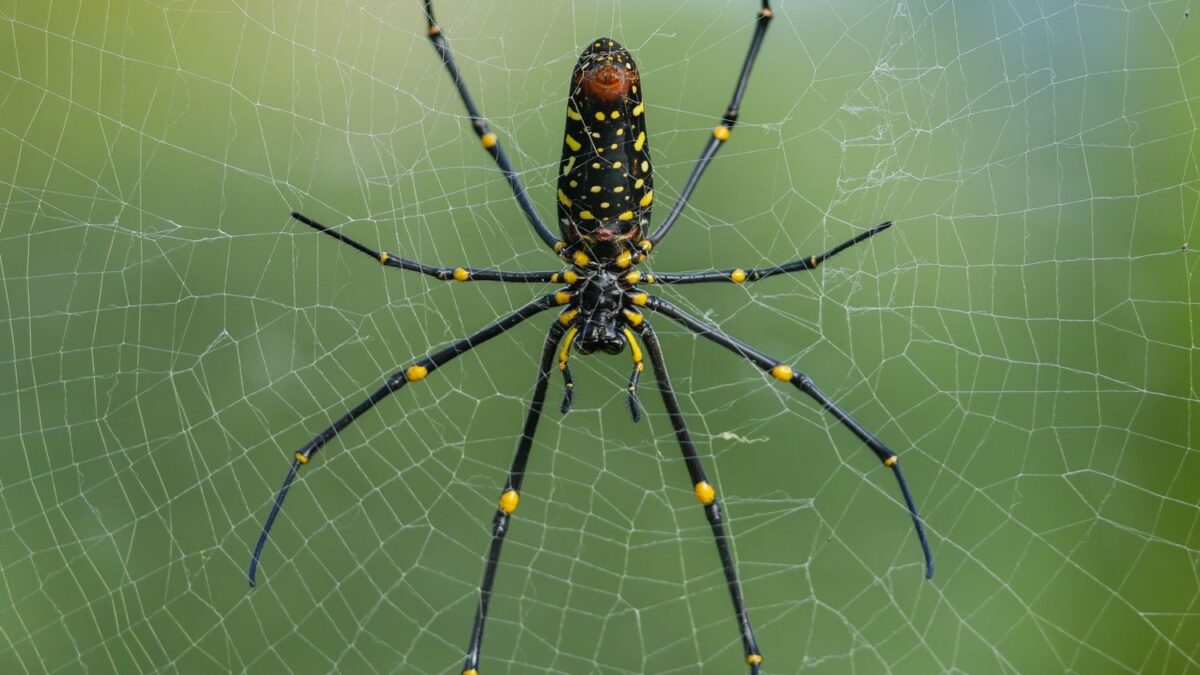
You might want to check the corners of your porch a bit more carefully this year. There’s something creeping into neighborhoods from Georgia all the way up to New Jersey, and honestly, it’s hard to say for sure whether we should panic or just shrug our shoulders. It’s a spider that most Americans had never heard of until recently, yet it’s been quietly building an empire across the eastern seaboard.
What makes this particular arachnid so fascinating isn’t just its size or bright colors. It’s the fact that this newcomer has figured out how to survive in places where similar species failed, and it’s doing so with remarkable efficiency. Scientists are tracking its spread with a mix of concern and curiosity, trying to understand what this invasion means for our local ecosystems and, well, our peace of mind.
Meet the Palm-Sized Invader From East Asia
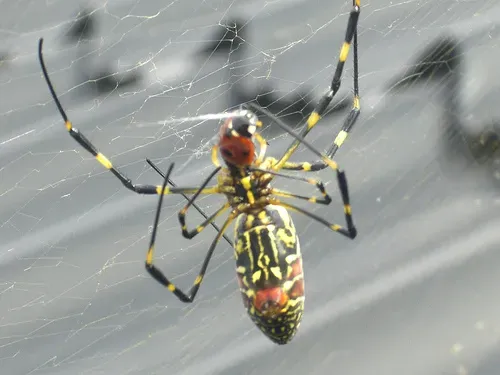
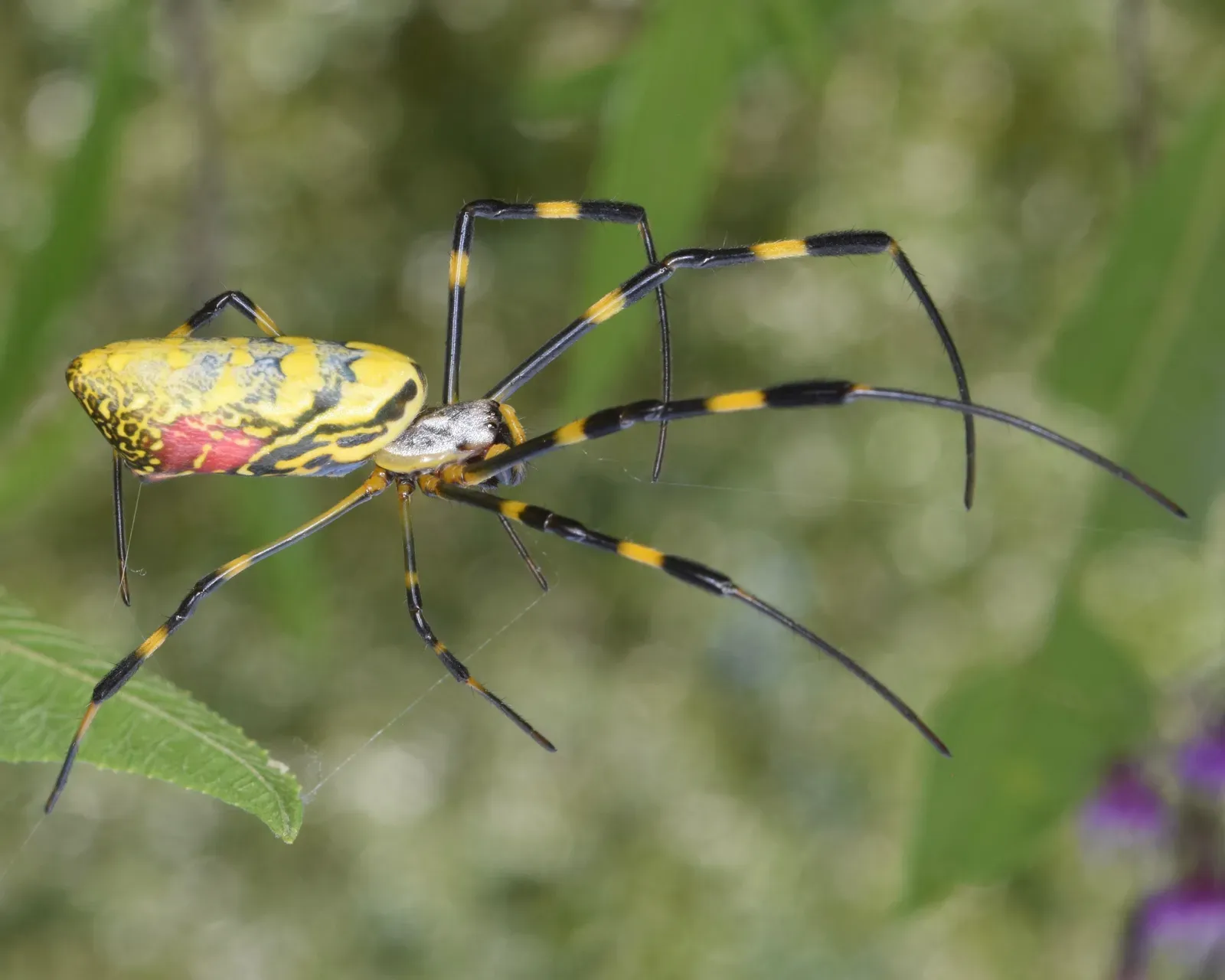
The Joro spider is an invasive species native to East Asia. These aren’t your average house spiders hiding in dusty corners. Female Joro spiders are typically yellow with legs that can grow up to four inches.
Picture a spider roughly the size of your palm, decorated in striking yellow and black patterns that look almost deliberately designed to catch your attention. The crawlers began taking over Georgia in 2013 but researchers at Clemson University believe they were introduced stateside in 2010. Nobody knows exactly how they arrived, though the most likely scenario involves cargo ships or personal luggage bringing unwanted passengers across the Pacific.
The males are considerably smaller and less noticeable, which is probably why the females get all the attention. When you spot one of these spiders, there’s no mistaking it for a common garden variety.
They Can Fly Through the Air (Sort Of)
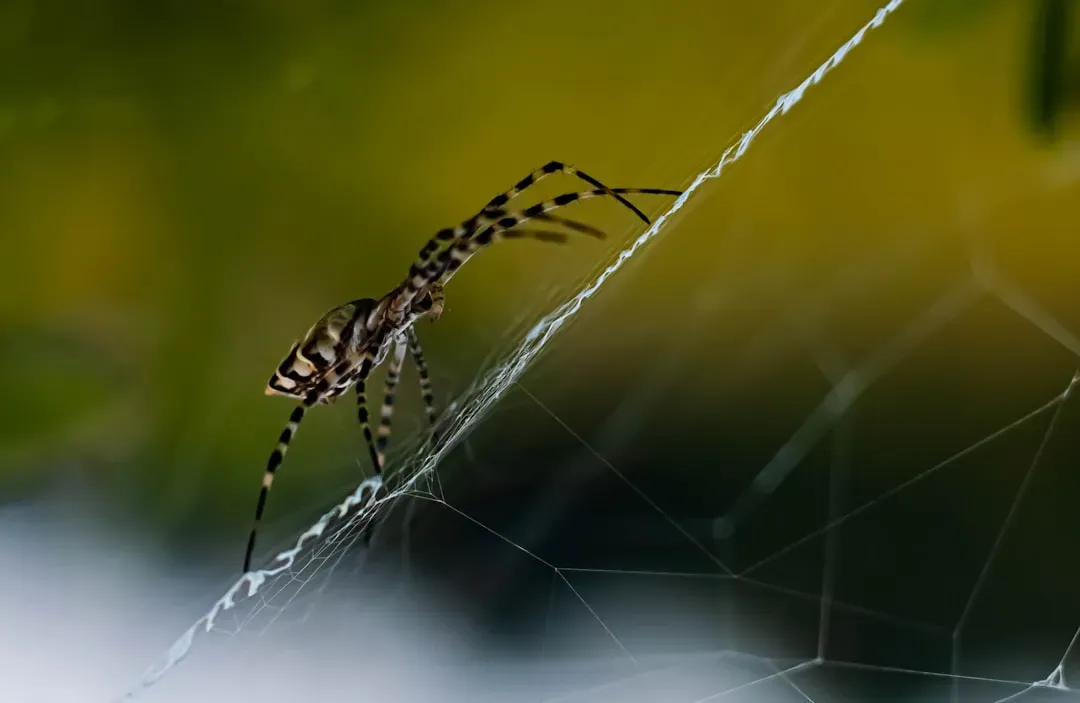
Let’s be real, the idea of flying spiders sounds like something from a horror movie. The black and yellow spiders have a unique ability to fly, using a method called “ballooning” in which they release threads of silk web into the air that allow them to be carried by the wind.
Here’s the thing though, only the babies actually do this. Joro spiders only balloon as young, tiny spiderlings. The technique involves releasing silk threads that catch the breeze, allowing them to drift like dandelion seeds. It’s actually quite elegant if you can get past the creepiness factor.
Without human assistance, the spiders would naturally disperse at a rate of about 10 miles per year. That might not sound particularly alarming, except when you consider that humans inadvertently help them travel much faster. Every car trip, every cargo shipment potentially carries these hitchhikers to new territories.
The Venom Question Everyone Wants Answered
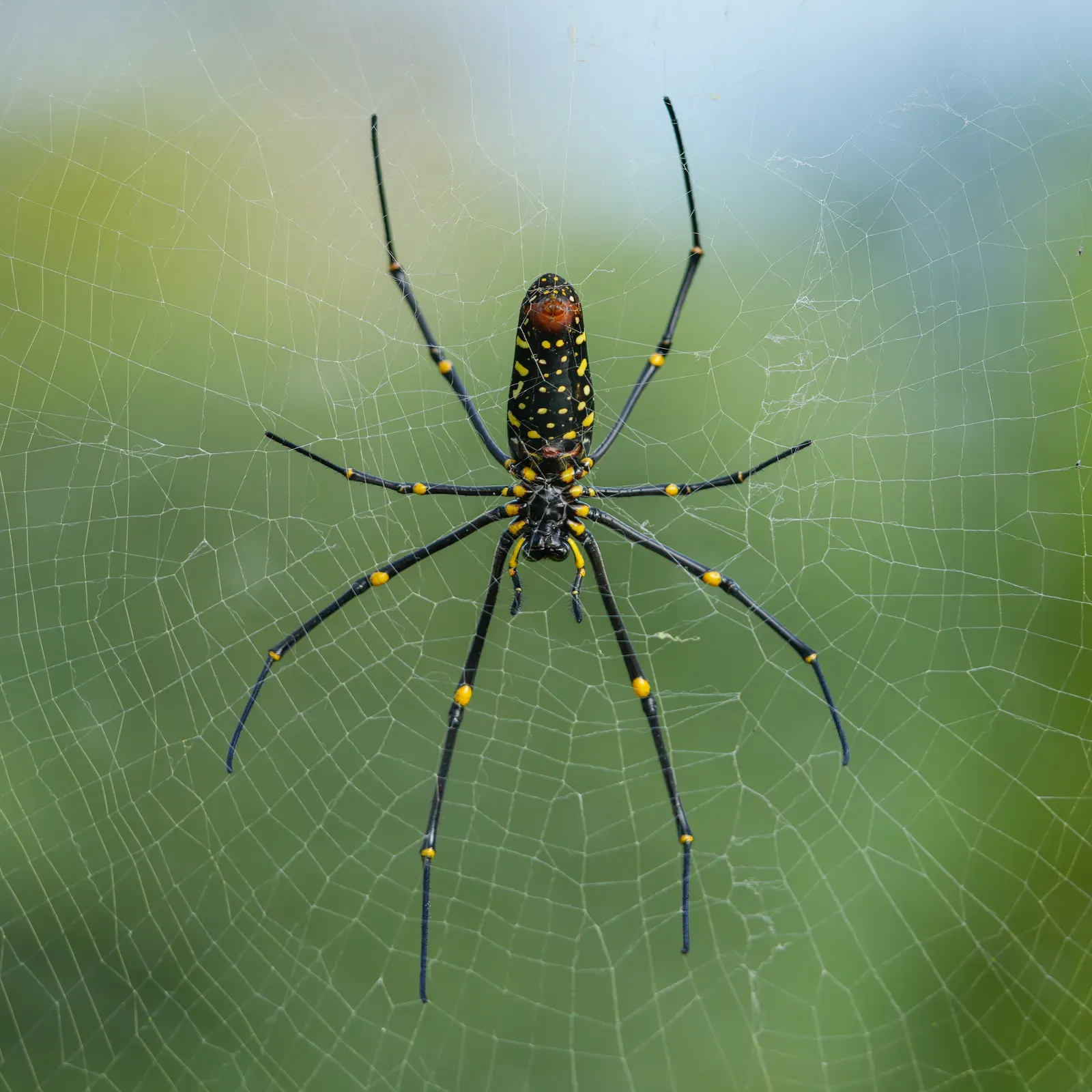
They are venomous, but their venom is not deadly to humans, and their bite has been compared to the pain level of a bee sting. I know that doesn’t exactly inspire confidence, but here’s some perspective. The spider’s fangs are virtually incapable of breaking human skin. The only time they will bite a human or household pet is when they are actively being constrained.
Interestingly, recent research has revealed something unexpected about these intimidating-looking creatures. While most spiders will freeze for less than a minute before resuming activity, Joro spiders essentially “shut down” and won’t move for more than an hour.
They’re basically the opposite of aggressive. These spiders are really more afraid of you than the reverse. The biggest danger is probably walking face-first into one of their webs while hiking, which is startling but hardly life-threatening.
Why They’re Conquering the East Coast So Successfully
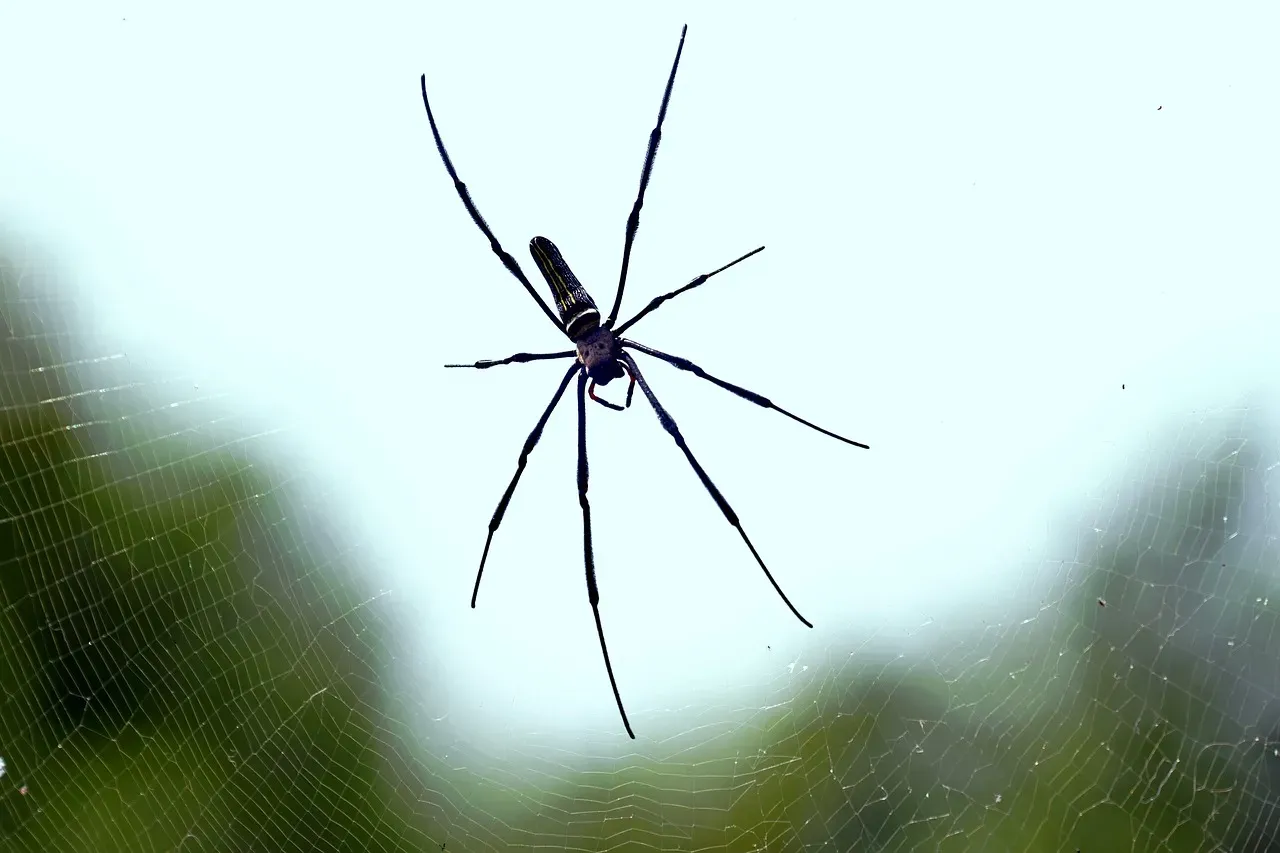
Studies show Joro spiders are like wildfire, threatening native insect populations and therefore altering the natural food chain. What gives them such an advantage over other invasive species that tried and failed?
The spiders are hardy and capable of surviving cold winters. Their native range takes them from chilly northern Japan to balmy Taiwan. They’re very adept at living in a wide variety of climates, and those climates definitely overlap with what we see in the U.S. from Maine down to Florida. Unlike their cousin, the golden silk spider, which has been stuck in the Southeast for over a century, Joros have the biological toolkit to handle freezing temperatures.
Even more remarkable, research finds that the spiders thrive in busy urban areas, including near roads and around buildings. Most spiders prefer quiet, undisturbed habitats. Joros, apparently, are perfectly comfortable setting up shop on telephone poles and street lamps in the middle of cities.
Should We Actually Be Worried About Them?
People have reported seeing Joro spiders across much of the eastern U.S., including in Florida, Alabama, Mississippi, the Carolinas, Tennessee, Kentucky Virginia, West Virginia, Maryland and Ohio. That’s a lot of territory in just over a decade. Scientists predict they’ll continue pushing northward into New York and New Jersey, possibly even further.
The real question isn’t whether they’re coming but what impact they’ll have when they arrive. While the spiders are an invasive species, they don’t yet seem to have greatly impacted local ecosystems. However, more research on this front is needed.
Some experts suggest there might even be benefits. These spiders eat stink bugs, wasps, and cockroaches, all of which humans would rather not have around. Still, nobody can say with certainty how millions of large predatory spiders will reshape the ecological balance in areas where they’ve never existed before.
The honest answer is that we’re watching this invasion unfold in real time, and scientists are still figuring out what it all means. It’s unsettling not to have clear answers, but that’s the reality of dealing with invasive species in an era of global trade and climate change.
Conclusion
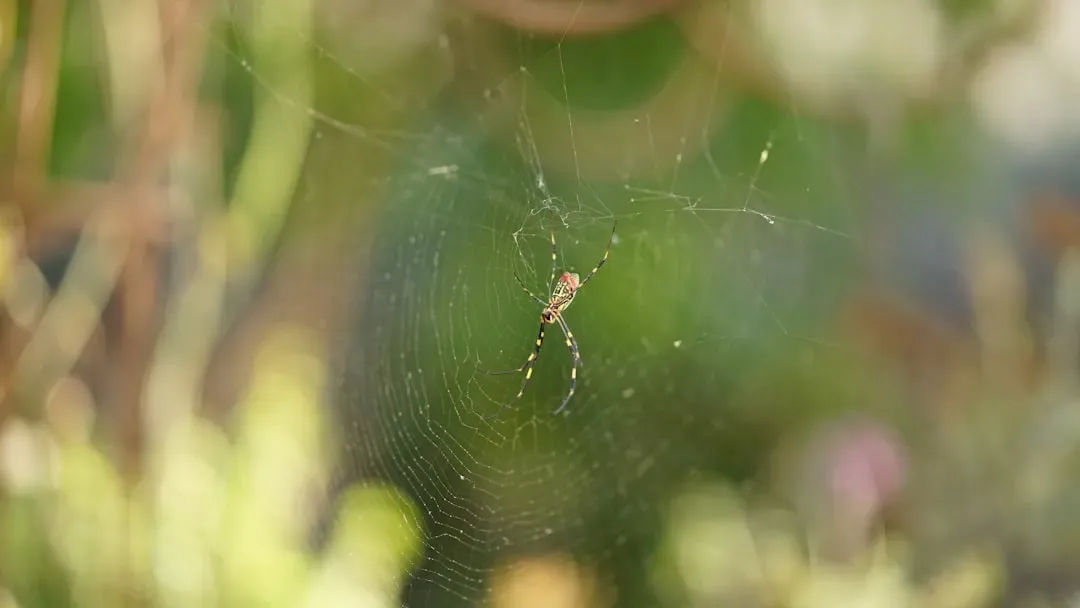
The Joro spider invasion represents something larger than just one species spreading across the country. It’s a reminder that ecosystems are constantly changing, often in ways we don’t anticipate or control. These spiders aren’t going anywhere, and eradication at this point would be virtually impossible.
Maybe the best approach is learning to coexist with these eight-legged neighbors rather than treating every sighting as a crisis. They’re shy, relatively harmless to humans, and might even help control pest populations. That doesn’t make walking into a web any less startling, but at least now you’ll know what you’re dealing with.
What do you think? Could you get used to palm-sized spiders in your backyard?
Worried about unexpected vet bills?
Pet insurance can cover thousands in unexpected vet costs. Get a free quote from Lemonade in under 2 minutes.
Get My Free Quote →Sponsored · Opens Lemonade.com

- Evolutionary Psychology Says Humans Still Fear the Dark for a Prehistoric Reason - June 6, 2026
- 9 Facts About Deep Sea Anglerfish That Will Give You Chills - June 6, 2026
- Beware of Bears in These US Cities - June 6, 2026