
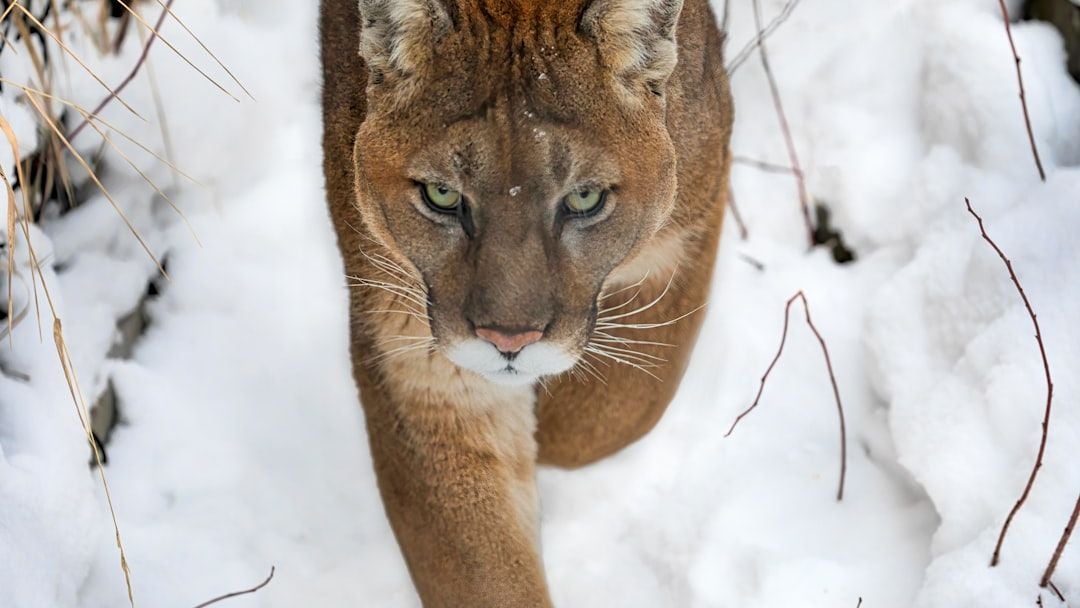
You’ve probably seen them by now. The grainy security camera footage, the NextDoor alerts, the panicked neighborhood chats. Cougars, those elusive ghosts of the wilderness, are showing up on front porches, prowling driveways, and casually strolling past playgrounds like they own the place. It’s hard to ignore when a 150-pound predator appears on your Ring doorbell at three in the morning.
People want answers. Are there more cougars than before? Are they becoming bolder? Is your backyard the new hunting ground? The truth, honestly, is more complicated than most headlines suggest. These big cats aren’t invading our neighborhoods because they’ve suddenly developed a taste for suburban life. Something deeper is happening, something that says as much about us as it does about them. Let’s dive in.
We Built Our Dream Homes Right Where They Hunt
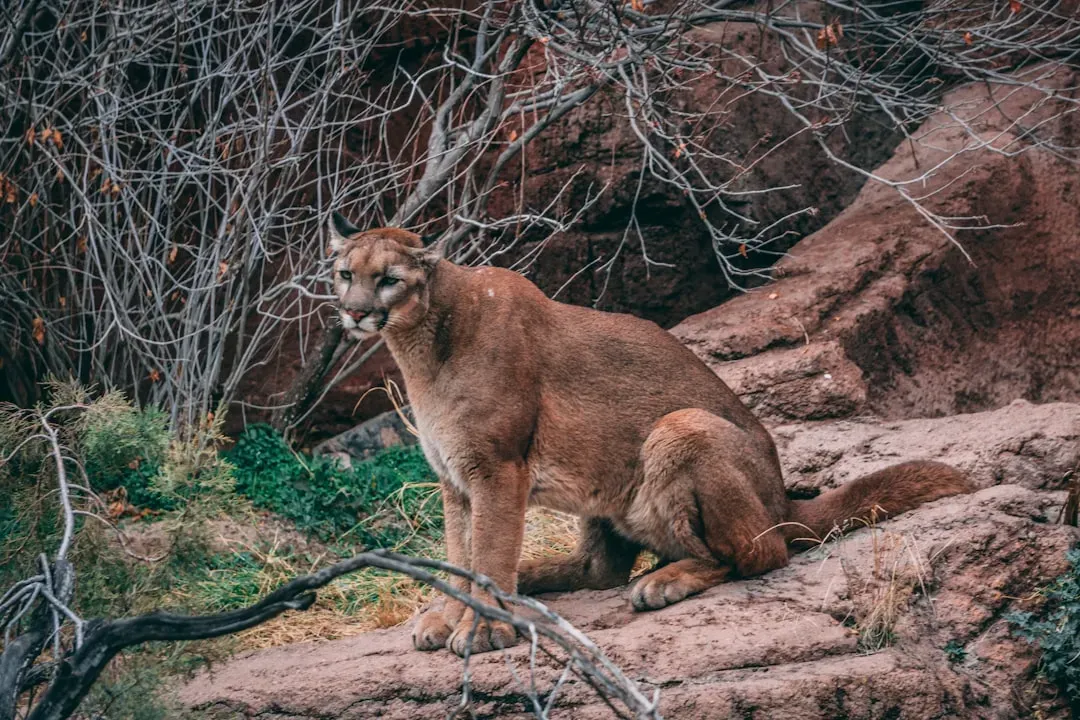
Here’s the thing nobody wants to admit. We didn’t just move closer to cougar territory. We bulldozed straight through it. Since 1990, more than 60% of new homes built in Oregon, California and Washington were constructed in what officials call the “wildland-urban interface”, the fuzzy boundary where forests meet subdivisions. That’s not some remote backcountry. That’s the edge of the woods where deer browse and cougars have always hunted.
Research in Western Washington found that along the western slopes of the Cascades, cougars spend 16% of their time on average in areas with at least some residential development. They’re not trespassing. We built on their dinner table. Cougar prey species such as deer, coyotes, and raccoons are present on the urban edge, as residential areas with nearby natural cougar habitat can provide ample access to refuge and feeding opportunities.
Think about it like this: imagine someone constructed a shopping mall in your kitchen. You’d still come back for food, right? Cougars operate on the same principle. They follow the prey, and the prey follows human development because we’ve created lush, irrigated landscapes full of vegetation deer can’t resist.
It’s hard to say for sure whether we’re seeing more cougars or just seeing them more clearly. Backyard trail cameras and security cameras are more common, too, so cougars that may have once passed through towns unnoticed are now spotted by digital eyes. Every doorbell camera is now a wildlife monitor, capturing moments that would’ve gone unrecorded a decade ago.
They’re Following the Deer, Not You
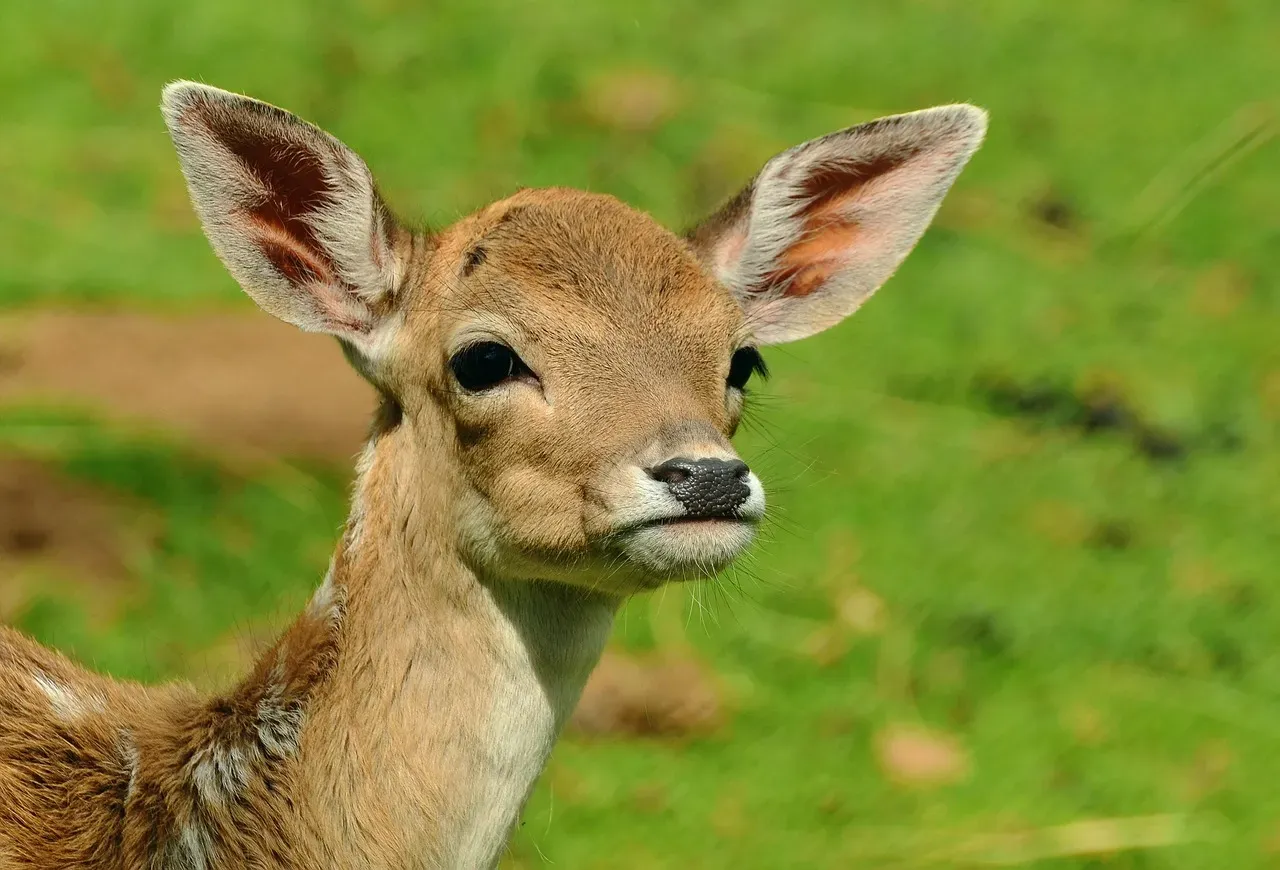
Let’s be real. Cougars couldn’t care less about your garden gnomes or your Tesla in the driveway. Cougars are just following their prey, and if prey are displaced into town, then cougars are going to follow them, especially during fawn season. Baby animals are easier to catch, require less energy to hunt, and they’re everywhere in late spring and early summer.
Native ungulates comprised more than 90% of total cougar kills, irrespective of season or land-use, suggesting that use of urban-wildland interface habitats was linked to mule deer presence. So if you’re wondering why that cougar was spotted near the elementary school, check if there’s a deer herd nearby. Chances are, there is.
The presence of prey dictates everything for these apex hunters. When human habitation or recreation is occurring in prey-rich areas, that’s where you see the cougars. Our neighborhoods, with their landscaped yards and lack of apex predators, have become accidental wildlife magnets. Deer thrive, and cougars inevitably follow.
Interestingly, cougars aren’t raiding trash cans or hanging around picnic areas like bears might. They’re laser-focused on hunting. Cougars tend to avoid people despite our neighborhoods sometimes harboring more abundant prey resources than adjacent natural habitat, and they were more likely to hunt near residences when they had gone longer without recent success. They don’t prefer being near us. They’re just desperate enough to risk it when hungry.
Freeways and Sprawl Have Trapped Them in Isolated Pockets
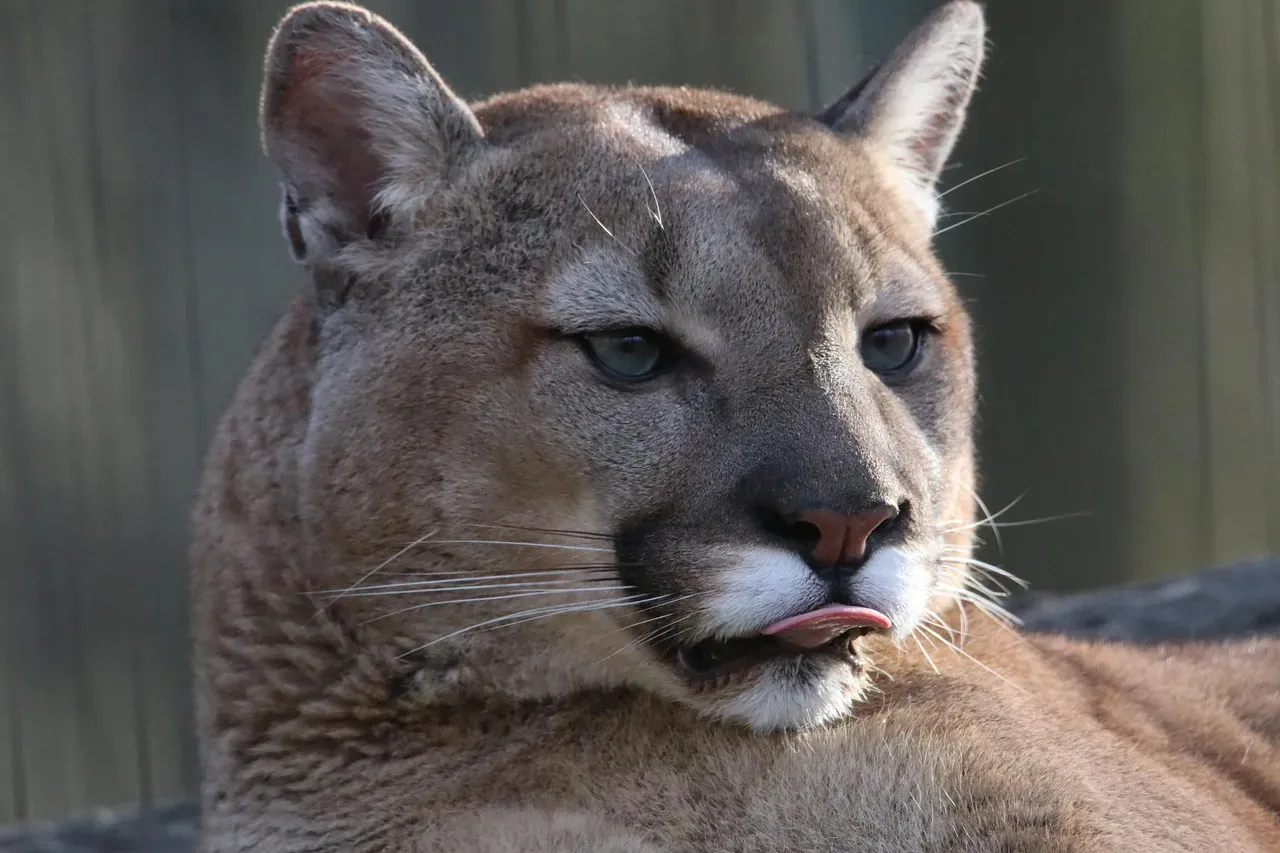
You know what’s wild? Cougars are caged by concrete, killed by cars and sickened by rat poison, and isolated mountain lions along California’s coast risk inbreeding themselves into extinction. In Southern California especially, the Santa Monica and Santa Ana mountain ranges have become islands surrounded by urban sprawl. These large felines are boxed in by freeways and when they dart across lanes of speeding traffic, they are usually killed, making vehicle strikes the leading cause of death.
Just weeks after a mountain lion wandered into San Francisco, state officials voted to permanently protect populations of the charismatic predators due to concerns about genetic isolation. Physical signs of inbreeding, including kinked tails, testicular defects and malformed sperm, have already cropped up in cougars corralled by freeways in the mountains of Southern California. These aren’t healthy, expanding populations. They’re cornered, struggling to survive.
Here’s something I find crazy: a male cougar’s typical home range is about 200 square miles, a female’s around 75 square miles. Now carve that up with highways, shopping centers, and gated communities. Suddenly, the space they need to hunt, breed, and avoid each other shrinks to unsustainable fragments. Young males especially wander into suburban areas searching for territory or mates, which explains why sightings often involve lone juveniles rather than established adults.
Young Cougars Are Curious, Inexperienced, and Desperate
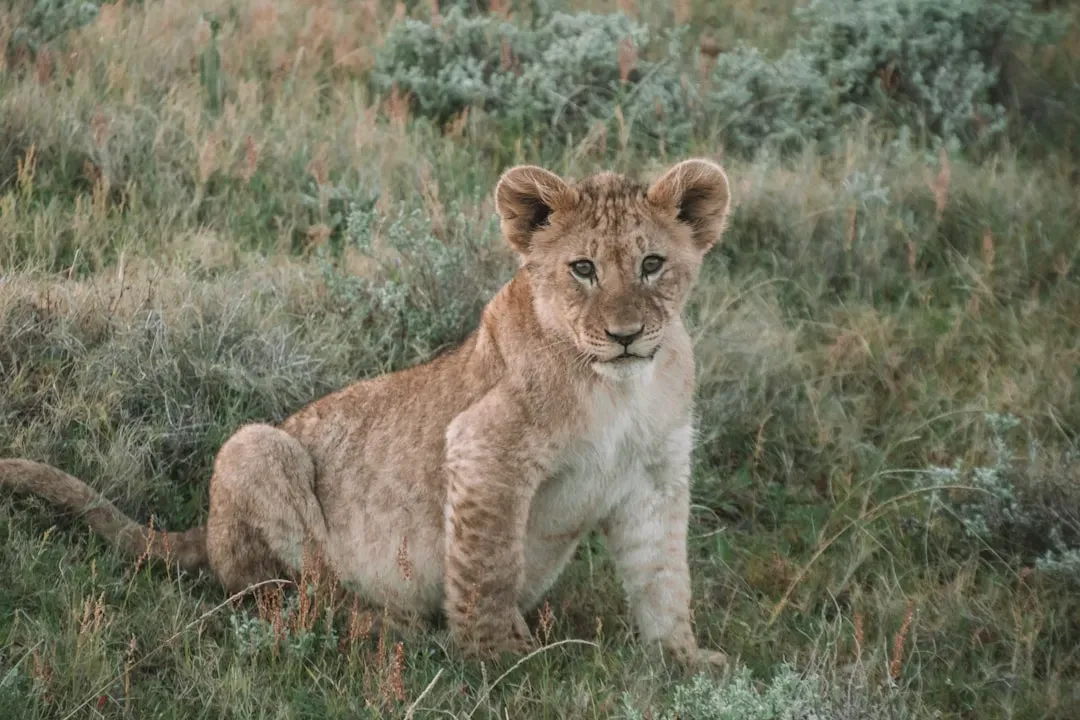
Younger cougars who are separating from their mothers tend to be curious and adventurous about exploring new habitats. They haven’t yet learned the invisible boundaries that keep older cougars hidden. They’re more willing to test the edges, to investigate new smells, to venture closer to lights and sounds that veteran cougars avoid instinctively.
Individuals that died of human causes in urban-wildland interface habitats were more likely to be inexperienced hunters, supporting young kittens, or compromised by physical handicaps. It’s the vulnerable ones that end up in our backyards, not the apex predators in their prime. That mother with two kittens caught on your security camera? She’s probably avoiding more dominant males and trying to find safe, easy meals to feed her young.
Young male cougars often roam long distances while searching for new territory or a mate. This isn’t unusual behavior. It’s biologically necessary for genetic diversity. The problem is that there’s nowhere left to roam without crossing a six-lane highway or cutting through a subdivision. The landscape has changed, yet their instincts remain the same.
We’re Watching Wildlife Return From Near Extinction
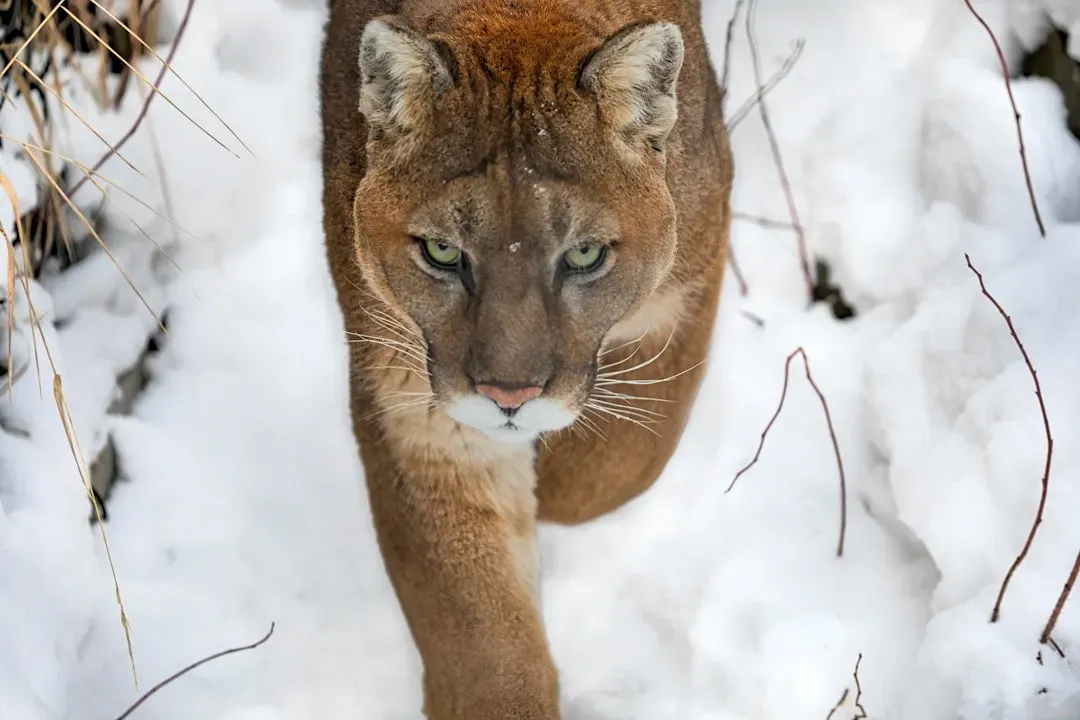
The cougar story isn’t just one of conflict. It’s also one of remarkable recovery. Cougar populations have been rising steadily since the big cats were hunted almost to extinction in the 1960s. Conservation efforts, hunting regulations, and changing attitudes toward predators have allowed these animals to rebound in many areas. Cougar populations have been growing in the Coast Range as cougars migrate from denser population strongholds in other areas of the state and seek out new habitat.
This is actually good news for ecosystems. Mountain lions are one of the last big predators keeping ecosystems in balance, feeding on deer and other animals, leaving scavengers, raptors and other wildlife the remains. Without them, deer populations explode, vegetation gets overgrazed, and entire ecological communities collapse. More than 200 different species have been documented benefiting from cougar kills, which is why cougars are also known as ecosystem engineers.
So yes, seeing a cougar in your neighborhood can be unsettling. It might even be dangerous in rare cases. It’s rare for the reclusive cats to attack people, and cougars are known to have killed six people in the last 136 years. You’re far more likely to be injured driving to work than encountering an aggressive cougar. These animals want to avoid us, and they usually succeed.
Conclusion: Living With Ghosts
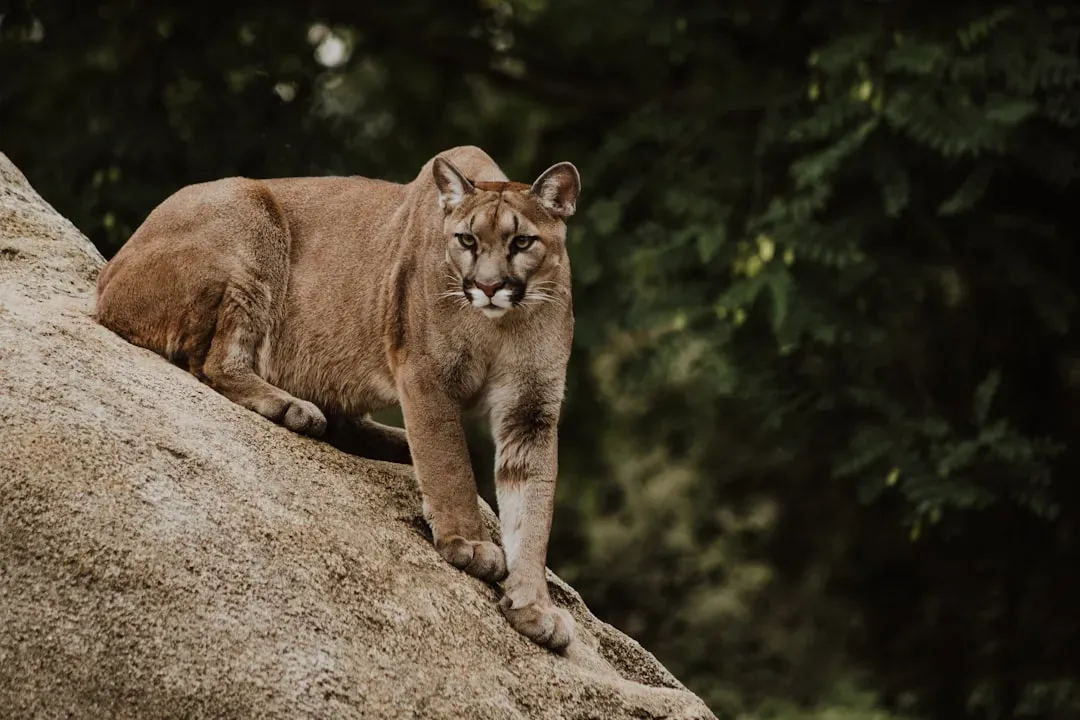
The real reason cougars are showing up near suburban homes isn’t because they’re changing. It’s because we have. We’ve spread into their territory, fragmented their habitat, and forced them into smaller, more isolated pockets where encounters with humans become inevitable. Cougar activity paired with human activity and development drives increased interaction more than changes in cougar population alone.
These big cats are adapting as best they can, following prey, searching for mates, and trying to survive in a landscape that looks nothing like the one their ancestors roamed. They’re not invading. They’re persisting.
Understanding this doesn’t make a cougar on your doorstep any less startling. It does, however, shift the conversation from fear to coexistence. Motion lights, removing attractants like pet food, keeping small animals indoors at night – these simple steps can reduce conflicts. Honestly, the more we learn about these magnificent predators, the more we realize they’re just trying to make a living in a world we’ve redesigned around ourselves.
What do you think – should we be doing more to create wildlife corridors and protect cougar habitat, or is this just the price of living near wild spaces? The answer might determine whether future generations get to share the landscape with these elusive hunters.
