
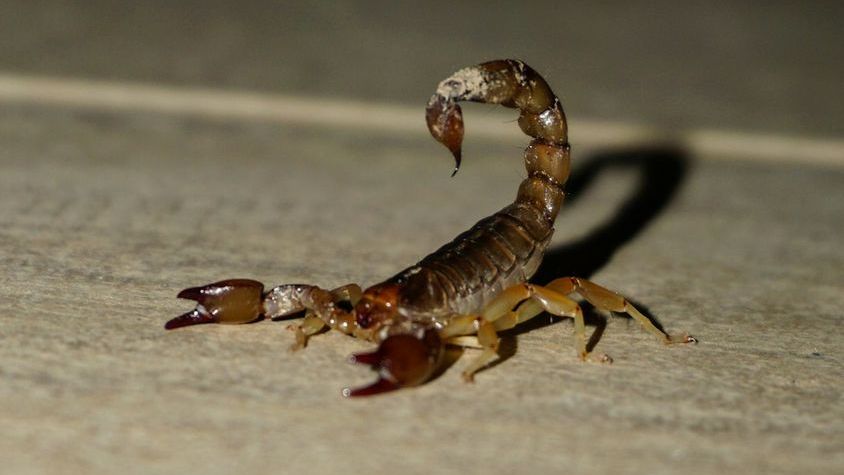
You’d think people who call Arizona home would know everything about scorpions. After all, they’re famous neighbors in the desert. Yet even longtime residents find themselves stunned when they learn certain truths about these ancient arachnids.
Let’s be real, most folks assume scorpions are all the same, lurking about with equally dangerous venom. Some believe cats are mysteriously immune to stings, while others think the biggest scorpions pack the nastiest punch. Here’s the thing, though: the desert keeps secrets, and these creatures have evolved traits that defy common sense. So let’s dive in and uncover six genuinely shocking facts that might just change how you see Arizona’s most talked-about pest.
They Glow Like Neon Signs Under UV Light
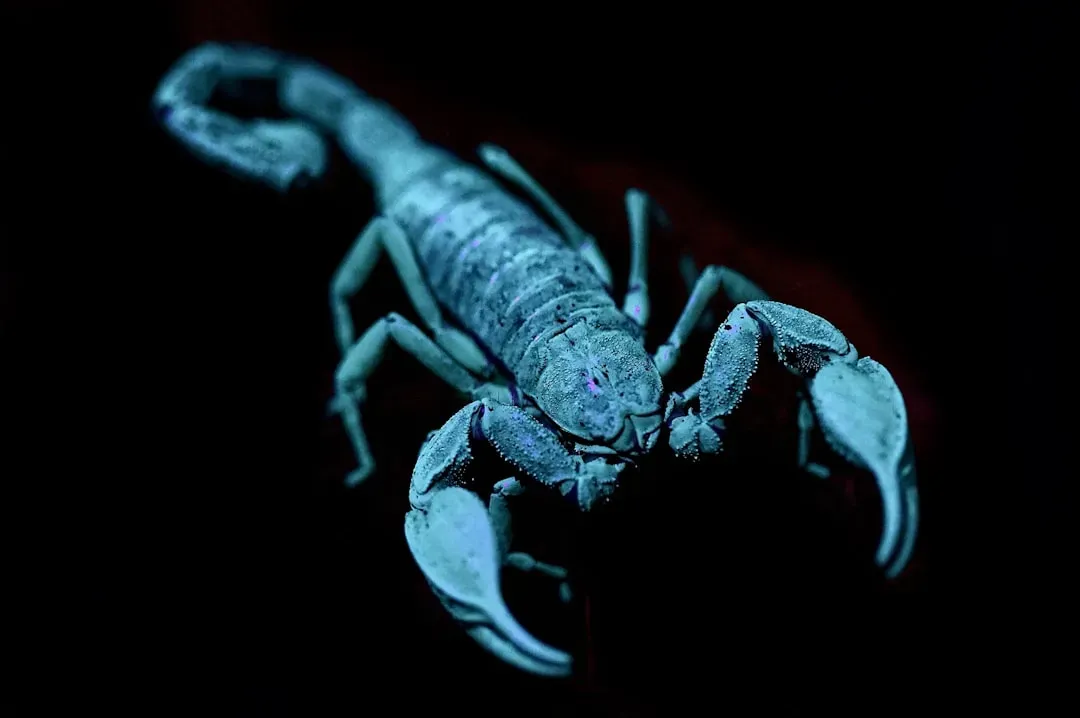
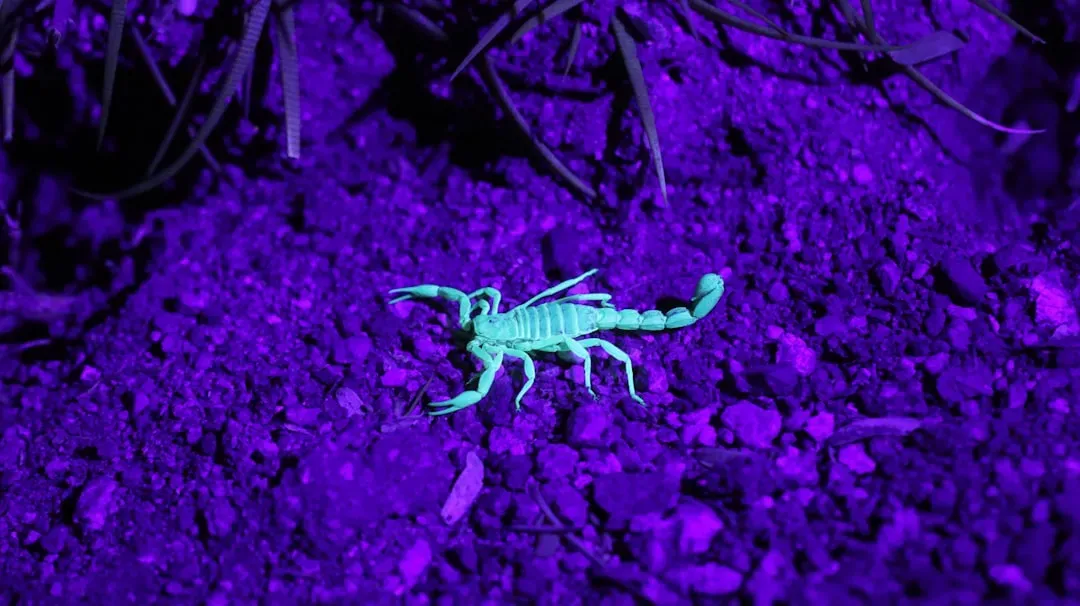
All scorpions fluoresce under ultraviolet light, transforming into brilliant blue-green beacons in the darkness. The glow is caused by an unidentified substance in a thin layer in their skin, and scientists still debate its exact purpose. Walk outside with a blacklight on a warm Arizona night and you’ll spot them from several feet away, glowing like tiny alien creatures against the sand.
Newly molted scorpions do not fluoresce right away, but they will glow after they have aged a while. This fluorescence isn’t just a party trick. Some researchers believe scorpions use it to detect moonlight and decide whether to emerge from hiding. It’s hard to say for sure, but one theory suggests they might convert dim UV light into wavelengths they can actually see, essentially turning their entire bodies into night-vision goggles.
The Tiniest Ones Are Actually the Most Dangerous
You’d naturally assume the giant hairy scorpion, which can grow up to 6 inches long, would deliver the worst sting. Honestly, that’s what most people think when they spot one of these massive arachnids in their garage. Yet the Arizona bark scorpion is the most venomous scorpion in North America, and adults typically measure only around three inches.
The giant hairy scorpion’s sting is much less venomous, typically on par with that of a honeybee. Meanwhile, the bark scorpion’s venom can cause severe pain coupled with numbness, tingling, and vomiting in adult humans, typically lasting between 24 and 72 hours. It’s a cruel irony that the small, pale, almost translucent bark scorpion hiding in your shoe poses a far greater threat than the intimidating giant you might find under a rock.
They Survived Nuclear Bomb Tests at Ground Zero
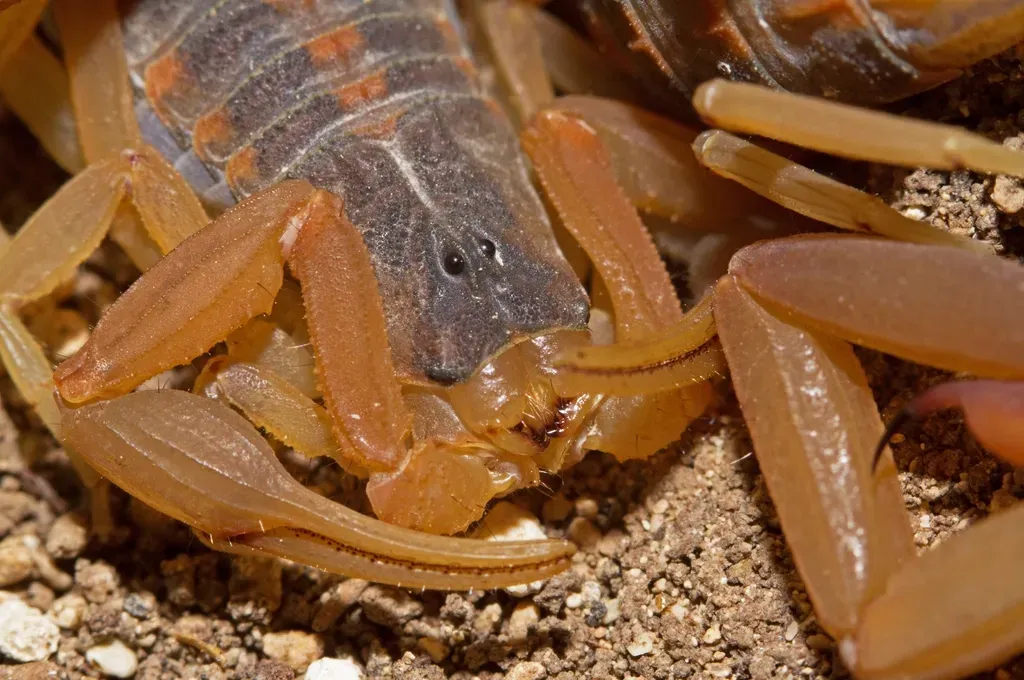
I know it sounds crazy, but bark scorpions are ridiculously resilient. Arizona bark scorpions are incredibly resilient, and during American nuclear tests, scorpions, along with cockroaches and lizards, were found near ground zero with no recorded adverse effects. Think about that for a moment: while most living things would be vaporized or fatally poisoned by radiation, scorpions simply carried on.
Scorpions are from a long line dating back before the dinosaurs, and these hardy survivors boast armor that can resist most insecticides; bark scorpions were found relatively unaffected at ground zero after atomic tests in the Nevada desert. Their ancient lineage and tough exoskeleton make them almost indestructible, which explains why standard bug sprays barely faze them and why professional pest control requires specialized treatments.
Cats Are Not Immune to Their Venom
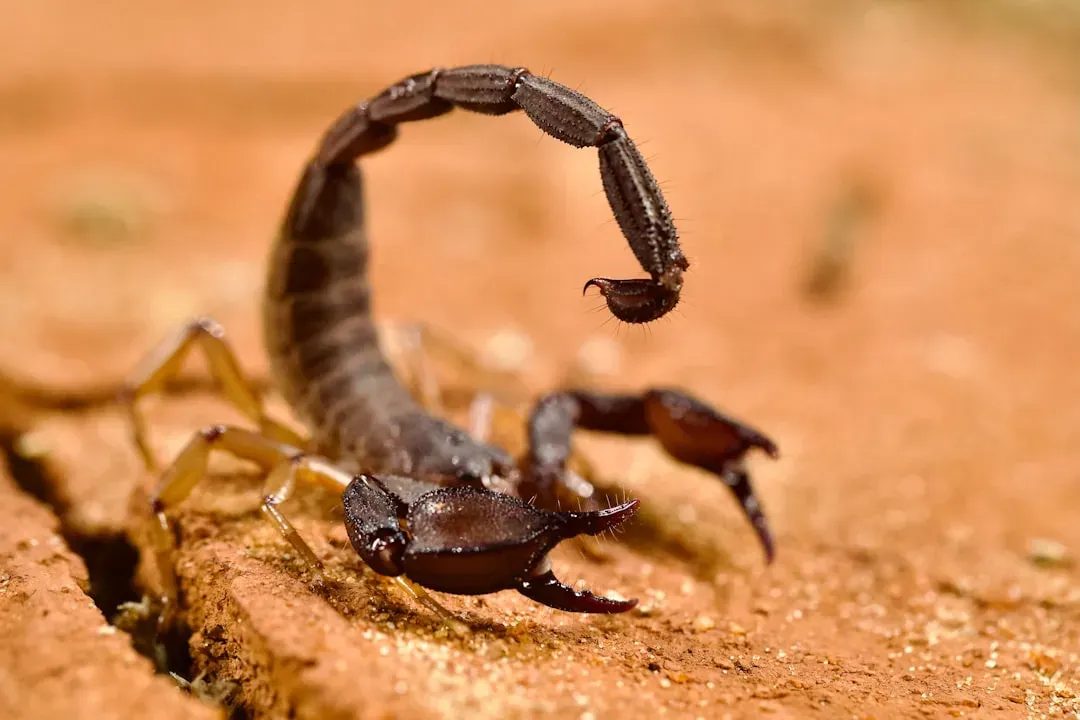
There’s a persistent myth circulating among Arizona homeowners that cats possess some magical immunity to scorpion stings. People point to their desert-dwelling ancestors and assume evolution gave felines a biological shield. Your cat is not immune to scorpion venom, and believing otherwise can put your pet in serious danger.
A well-placed strike to the nose, paw, or underbelly can still be incredibly dangerous, and because cats and dogs are often smaller than adult humans, the venom-to-body-weight ratio can make a sting much more localized and intense. Pets may experience drooling, watery eyes, or even tremors and respiratory distress if the sting is severe. Cats might be skilled hunters with good night vision and agility, yet their smaller bodies can be overwhelmed quickly by potent venom.
They Prefer Hanging Upside Down and Can Climb Anything
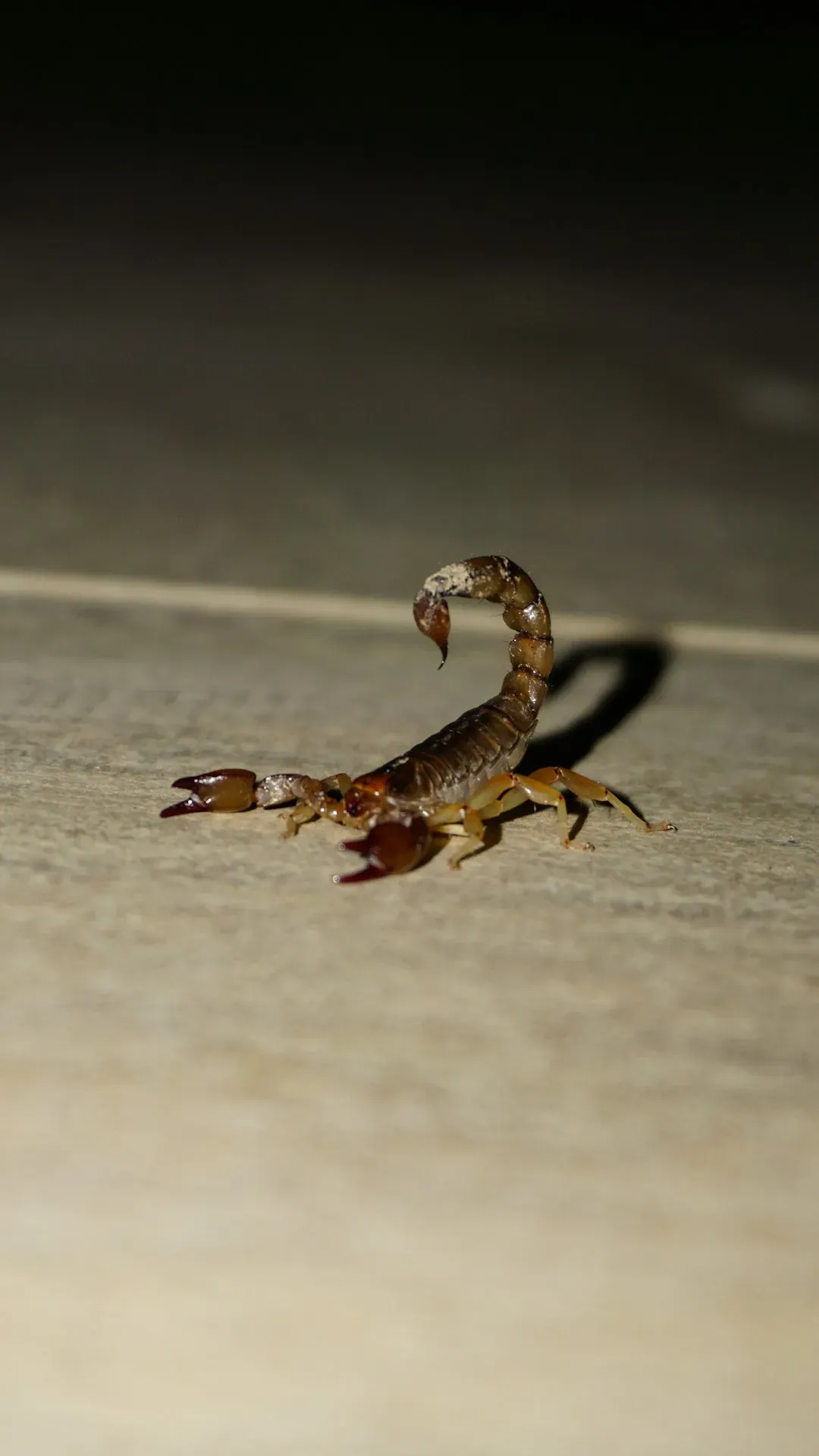
Most scorpions stay grounded, but bark scorpions break the mold entirely. Centruroides scorpions are unusual in that they are the only genus in the Southwest that can climb walls, trees, and other objects with a sufficiently rough surface. This climbing ability lets them invade homes through cracks you’d never imagine, including spots near windows, ceilings, and even air vents.
Here’s where it gets really unsettling: Arizona bark scorpions practice negative geotaxis, preferring an upside down orientation, which often results in people being stung due to the scorpion being on the underside of an object. They cling to the undersides of furniture, tree branches, and patio covers. People accidentally press their hands against them when picking up pool toys or reaching for stored boxes, resulting in painful surprise stings. Shake out everything before you touch it.
Fatal Stings Are Incredibly Rare Despite Thousands of Incidents
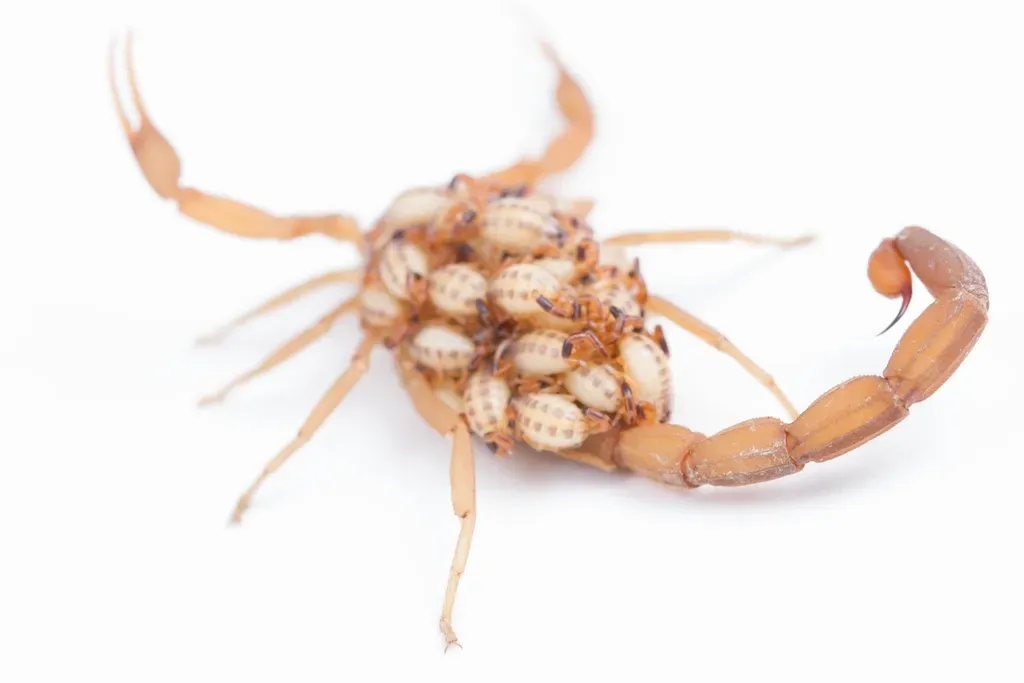
Many Arizona residents live in genuine fear of bark scorpions, convinced an encounter could be fatal. The truth is more nuanced. The Arizona bark scorpion can and has killed human adults, and it poses an even greater threat to children and the elderly; its venom delivers a powerful neurotoxin and it’s the only scorpion in the United States with venom potent enough to cause such severe medical distress.
That sounds terrifying until you look at the actual numbers. Since 1968, only two people have died in Arizona of a bark scorpion sting, and that’s out of the thousands of people who are stung every year. Modern antivenom, which received FDA approval on August 3, 2011, has made serious outcomes extremely uncommon. Most healthy adults experience intense pain, localized swelling, and temporary numbness, but they recover fully within a few days. Still, young children and elderly individuals should seek immediate medical attention if stung.
Conclusion
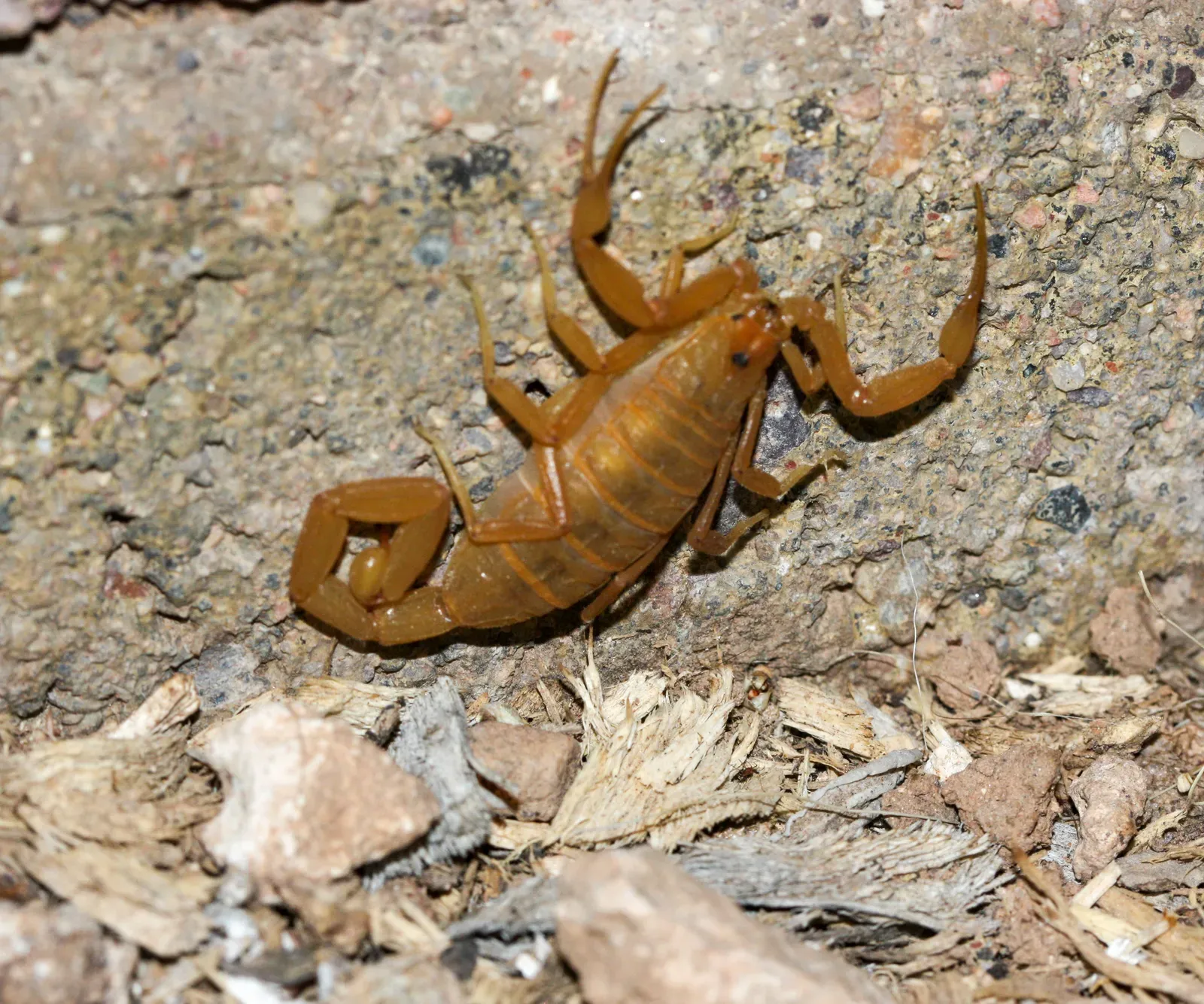
Arizona’s scorpions are far stranger and more adaptable than most people realize. They glow under blacklights, defy nuclear fallout, and flip every assumption about size and danger on its head. Even your cat isn’t the fearless scorpion hunter you might imagine.
Understanding these facts isn’t just fascinating; it’s practical. Knowing that bark scorpions climb walls and hang upside down changes how you inspect your home. Recognizing that the smallest scorpion packs the worst venom helps you prioritize which species to worry about. What surprised you most about these desert dwellers?

- 10 Rare Bird Species Found In Congaree National Park, South Carolina - June 27, 2026
- 10 Plants That Attract Butterflies to Your Yard - June 27, 2026
- 7 Scents That Help Keep Ants Out of Your Kitchen Naturally - June 27, 2026