

Imagine stumbling across a flash of iridescent green in a misty mountain forest, or spotting a burst of electric blue darting through a remote jungle you almost didn’t bother visiting. Nature has a funny way of hiding her most breathtaking masterpieces in places we’d never think to look. The world’s most stunning birds don’t always live where we expect them to. Some dwell in frozen Arctic wastelands, others in sunflower fields left unharvested by accident, and a few cling to existence on islands so small they barely appear on a map.
Honestly, there’s something almost poetic about that. The rarest beauty tends to hide. It rewards patience, curiosity, and a willingness to go off the beaten path. Whether you’re a passionate birdwatcher or just someone who pauses to look up when something colorful catches your eye, what follows might genuinely surprise you. Let’s dive in.
Cloud Forests and the Legendary Resplendent Quetzal
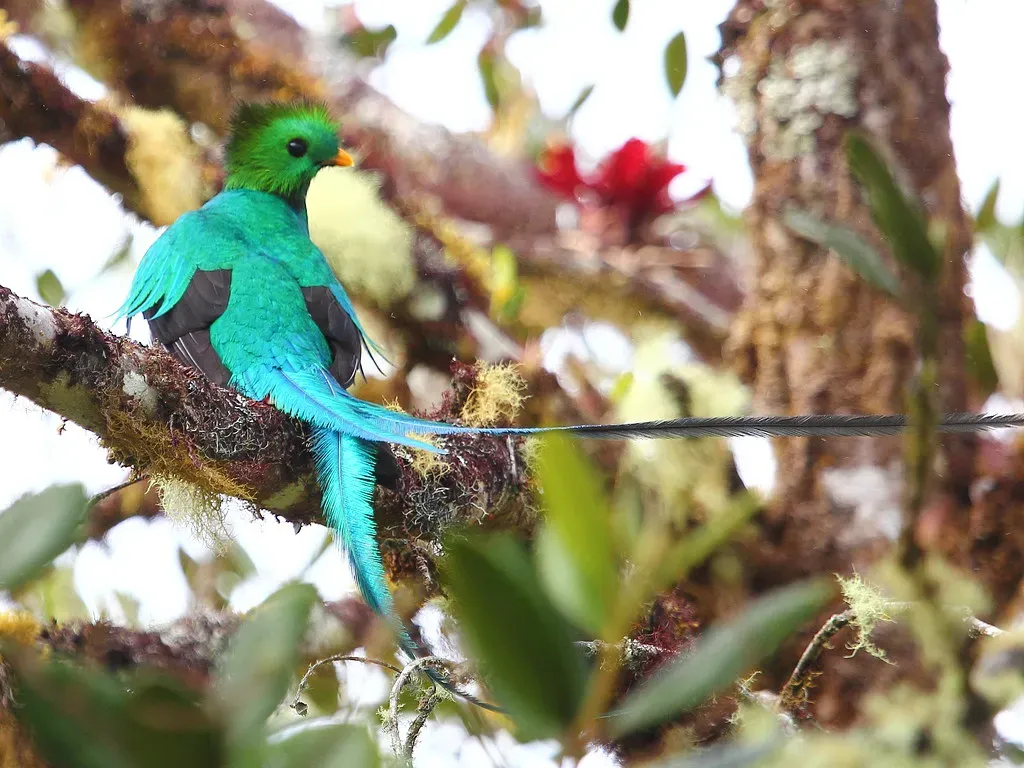
The Resplendent Quetzal is native to Central America, particularly in cloud forests, found in countries like Guatemala and Costa Rica. This is not your typical tropical postcard bird perched on a sunny beach. It lives shrouded in mist, tucked away in one of Earth’s most atmospheric and overlooked ecosystems.
This quetzal is easily recognized by its crimson underparts and shimmering metallic green head, chest, back, and wings. The iridescent green feathers sometimes appear blue in the shade. That ability to shift color depending on light is genuinely mesmerizing. It’s like the bird was designed to keep you second-guessing your own eyes.
The most resplendent feature of this gorgeous bird is the long, flowing train of blue-green feathers that the male grows just before mating season. He uses this ornament to attract the female, which is less striking in appearance with her bronze head, gray underparts, and green back and wings. Nature, as always, plays by its own dramatic rules.
The quetzal’s presence is crucial for seed dispersal in their ecosystem. Its elusive nature and enchanting appearance make it a sought-after sight for birdwatchers. Conservation efforts are crucial to protect their diminishing habitats from deforestation. So if you ever get the chance to visit Costa Rica’s cloud forests, go slowly, look up, and breathe the mist in. The wait is worth it.
The Rainforests of New Guinea: Where Birds of Paradise Perform
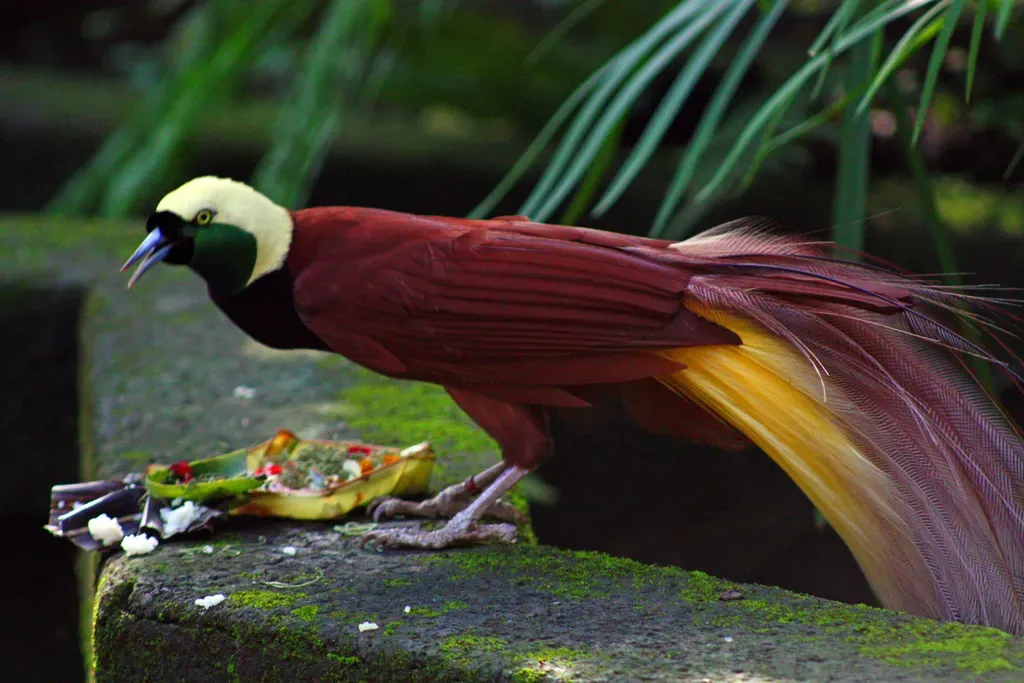
Let’s be real. If you told someone that the world’s most elaborately dressed birds live deep inside the dense, barely accessible rainforests of New Guinea, they’d probably say you were making it up. The Bird of Paradise is unique due to its extraordinary plumage and elaborate courtship dances. Native to New Guinea, these birds have evolved distinct features to attract mates.
The Superb Bird-of-Paradise is a marvel of evolution, renowned for its dramatic courtship display. Males transform into a striking black silhouette with a vibrant blue breast shield when attracting a mate. Their elaborate dance involves flipping their feathers into a circular shape and hopping around the female. I know it sounds crazy, but that’s evolution putting on a full Broadway production.
Found in Indonesia, the male Wilson’s Bird-of-Paradise has an electric-blue crown, emerald-green breast, and a hypnotic mating dance that involves contorting into impossible shapes. These birds don’t just live somewhere beautiful. They ARE the beautiful thing about where they live. Think of it like discovering a Picasso hidden inside an unmarked cave.
Many species of Birds of Paradise are now on the conservation lists of numerous countries. Birds of Paradise are known for their unique courtship dances, which accentuate their distinctive appearance. The male’s dance not only helps it attract a mate but also captivates anyone lucky enough to witness it. Protecting these rainforests isn’t just an environmental issue. It’s about protecting art in its most wild, living form.
Frozen Tundra and the Ghostly Snowy Owl
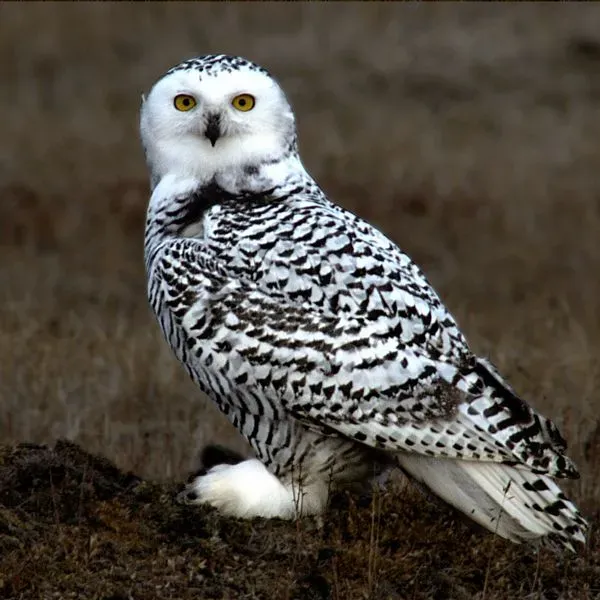
Here’s the thing about beautiful birds: not all of them live somewhere warm and lush. Some of the most hauntingly gorgeous creatures on earth have made their home in places that would send most of us running for a heated blanket. With its feathers as white as the driven snow and piercing yellow eyes, the snowy owl is one of the most elegantly beautiful birds on the planet. Underneath that serene beauty lies one of the world’s most ruthless birds of prey.
Snowy owls patrol the frozen wastelands of the Arctic regions of North America and Eurasia, using their extraordinary eyesight and keen sense of hearing to locate rodents, particularly lemmings, hiding under snow. Once they spot their prey, they let their razor-sharp talons do the rest. Beauty and lethality, packaged together with silent, breathtaking efficiency.
Think of the snowy owl as the apex predator in a world that most of us will never visit. It doesn’t need a lush green backdrop to look spectacular. The white against white of its plumage against a tundra snowfield is itself a kind of visual miracle. It’s camouflage dressed up as elegance.
What makes this bird’s habitat particularly unexpected is the harshness of it. No tropical flowers, no canopy shade. Just wind, ice, and silence. Yet there the snowy owl reigns, perfectly at home, utterly unbothered. Climate change is a major threat to birds like these. Changes in weather patterns can affect the places where birds live, their food supply, and even their migration patterns. The future of this frozen kingdom, and the breathtaking bird that rules it, is far from certain.
Unexpected Urban Wetlands: Where Flamingos Meet City Skylines
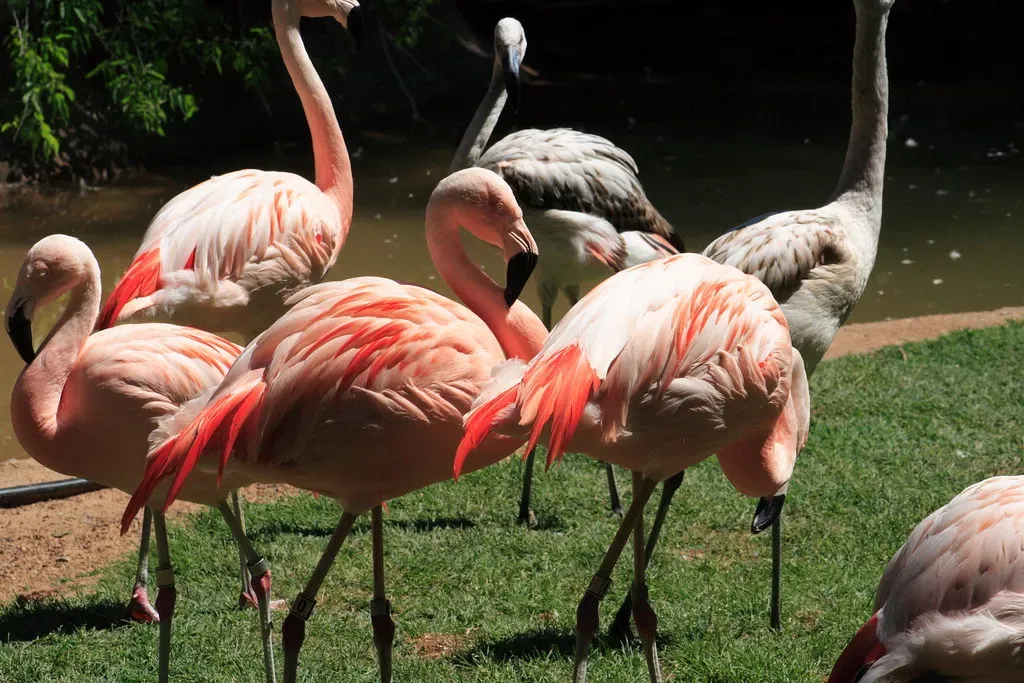
Would you believe that one of the most photogenic bird species on the planet feeds peacefully within sight of a glittering urban skyline? It sounds almost impossible. At Ras Al Khor, flamingos feed peacefully against Dubai’s towering skyline. This urban wetland, home to over 25,000 migratory birds each winter, thrives amid rapid development, filtering water, storing carbon, and sustaining life even as the city grows around it.
Flamingos feed on algae, crustaceans, and small fish by filter-feeding with their unique bills. Social birds, they gather in large colonies for breeding and protection. Their synchronized pink formations, moving together like a slow-motion ballet, are something you genuinely have to see with your own eyes to believe. A photograph simply doesn’t do it justice.
It’s a powerful reminder that wildlife doesn’t always retreat from humanity. Sometimes it finds a way to coexist, even thrive, in the gaps we leave behind. A flooded sunflower field, an urban reservoir, a mangrove patch squeezed between apartment buildings. Due to unusually high water levels, a vast sunflower field was left unharvested. While this was a financial loss for the owner, it became a paradise for birds. The field, filled with high-calorie seeds, turned into a vital refuge for tens of thousands of goldfinches.
Nature is surprisingly resourceful. What looks like an accident or a loss to us can become a sanctuary for something wild and wonderful. That’s a perspective worth carrying with you, whether you’re walking through a city park or driving past a flooded field on a grey morning.
Australia’s Hidden Gems: The Night Parrot and the Rainbow Lorikeet
Australia. A continent famous for animals that seem like they belong in science fiction. The bird life here is no exception. The Night Parrot is possibly Australia’s rarest bird. The foremost sighting reporting system, eBird, only has 30 records of it. Long thought extinct, it has in recent years been found in pockets across the Australian Outback and is one of the most sought-after birds for twitchers across the world.
This brightly colored, nocturnal parrot lives in remote, arid areas of Australia, hiding in dense spinifex grass during the day and foraging for seeds at night. This makes it very difficult to find. A colorful bird, in a desert, that only comes out in the dark. If you were designing a creature specifically to evade human attention, you couldn’t do much better than that.
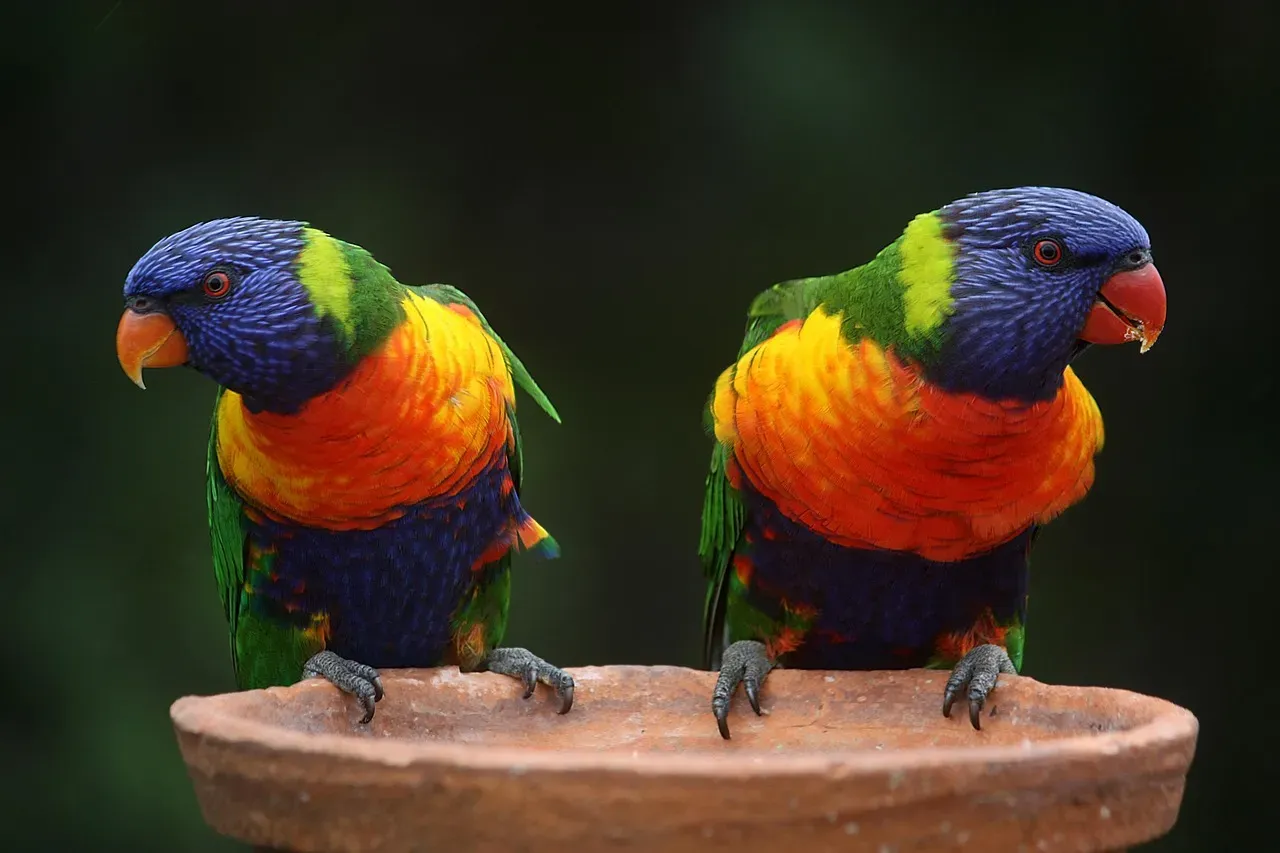
On the opposite end of the visibility spectrum is the Rainbow Lorikeet. The Rainbow Lorikeet, native to Australia, lives up to its name with a vivid combination of blue, green, and yellow feathers. These energetic parrots are often seen flitting between eucalyptus trees, feeding on nectar and pollen. Their playful nature and chattering calls enliven any landscape. They’re the life of the party compared to their shy Night Parrot cousin.
The Rainbow Lorikeet does more than just look beautiful. In their search for food, they serve a crucial role in their ecosystems. They move from tree to tree, transferring pollen and aiding in plant reproduction. Two birds from the same continent. One hides in total darkness in the desert. The other practically introduces itself. Australia, it seems, contains multitudes.
The Urgent Truth Behind the Beauty: Habitat Loss and Conservation
We can’t talk about the world’s most beautiful birds without talking about the threat hanging over so many of them. Habitat loss is the biggest threat to many beautiful bird species. Deforestation and urban growth take away their homes. Other dangers include illegal hunting, pollution, and climate change. It’s a brutal reality check against all this wonder.
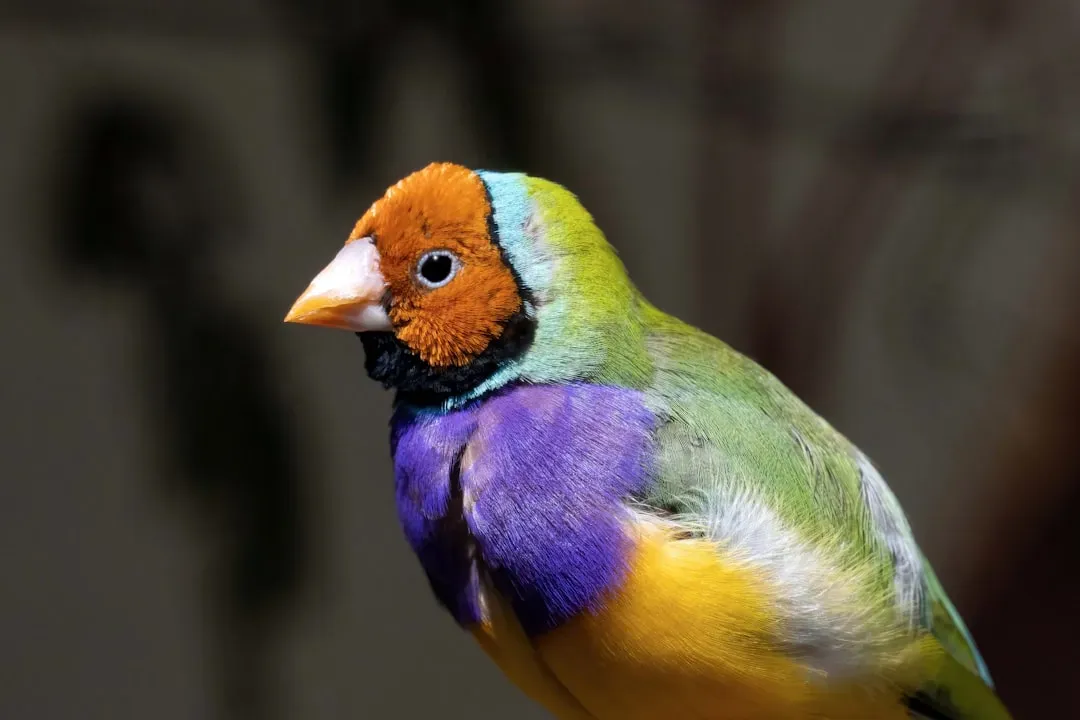
Australia’s Gouldian Finch comes in three vibrant color morphs, each more dazzling than the last. Sadly, their populations are declining due to habitat destruction, with only about 2,500 mature Gouldian Finches remaining in the wild. That number is staggering when you picture how vivid and alive these birds are. It’s like losing a living piece of art, quietly, without most people noticing.
Sadly, some of these beautiful birds may be more common in captivity than the wild due to an extreme loss of natural habitat. That sentence should stop us in our tracks. A bird that exists more in a cage than in the sky is not truly living at all. It’s a warning, not just an observation.
These fragile species not only enhance the natural environment by pollinating plants, dispersing seeds, and controlling pests, but also serve as a reminder of the crucial need to safeguard their habitats. By valuing and preserving these magnificent birds, we not only afford them breathing space but also enrich our own world. Conservation isn’t about nostalgia. It’s about recognizing that we are deeply, practically connected to every species we’re losing.
Conclusion: Look Closer, the Beauty Is Already There
The world’s most stunning birds don’t always announce themselves. They hide in mist-covered cloud forests, frozen tundras, arid outback deserts, and even wedged between skyscrapers and city wetlands. The real discovery isn’t finding them on a glossy travel poster. It’s understanding that natural beauty thrives in the most unexpected corners of our world, if we choose to protect those corners.
Every flooded field left unharvested, every patch of forest left standing, every urban wetland preserved against development pressure, becomes a stage where something extraordinary can happen. Hidden habitats around the world provide the perfect refuge for species that thrive away from human activity, offering a glimpse into nature’s untouched beauty. We don’t need to travel to the ends of the earth to appreciate that. We just need to slow down and look.
The birds are out there. Shimmering, dancing, hunting, surviving. The question is whether we’ll do enough to make sure they’re still out there for the generations who come after us. What would you do differently if you knew one of the world’s most beautiful birds was quietly living just beyond what you could see?

- 12 Architectural Wonders From The Ancient World That Inspire Us Today - July 18, 2026
- 6 Beautiful Ancient Cities That Time Forgot (But Shouldn’t) - July 18, 2026
- 6 Common Animal Behaviors That Are Often Misunderstood by Humans - July 18, 2026