

There’s something almost magical about the bond between a person and their dog. One look, one tail wag, one gentle nudge with a cold nose, and your whole day shifts. Dogs give us so much, often without asking for anything more than our attention and care. Yet here’s the thing – most of us are fluent in dog love, but still learning to speak fluent dog.
Understanding what your furry companion needs, physically and emotionally, can feel overwhelming at times. The good news? You don’t need a veterinary degree to be an incredible dog parent. You just need the right knowledge, a little empathy, and the willingness to truly pay attention. So let’s dive in.
Reading the Silent Language: How Dogs Communicate With Their Bodies

Without the gift of gab, dogs rely on a bark, a tail wag, or sometimes even a snarl to communicate with their two-legged companions. Understanding the unspoken becomes immensely important in recognizing their wants and needs. Honestly, it’s a little like learning a foreign language, except the speaker is adorable and has four paws.
A key sign of pure joy is found in circular tail wags – if your dog is wagging its tail in a circle, it is showing you that it is very happy and joyful. But not all wags are created equal. A wagging tail doesn’t always mean a happy dog – context is key to interpreting canine emotions.
A frightened dog may tuck its tail, while an alert or nervous dog will carry its tail high and possibly wag it vigorously. Think of the tail as a mood ring. It tells a story, if you know how to read it. Behaviors like yawning, lip-licking, and pacing can also signal stress or discomfort, so pay close attention to the full picture your dog is painting.
Reading, understanding, and responding to your dog’s body language is a key part of the companion-to-owner relationship. By understanding their cues and appropriately advocating for your dog, owners can ensure their dogs remain happy, comfortable, and safe.
When Behavior Changes: Warning Signs That Deserve Your Full Attention

Let’s be real – we know our dogs better than we know some humans in our lives. So when something feels “off,” trust that gut feeling. Behavioral changes often signal underlying health concerns. Paying attention to shifts in eating habits, energy levels, or bathroom routines helps detect potential issues before they escalate.
When dogs get sick, they may begin vocalizing much more than you are used to. This may be in the form of barking, whining, whimpering, or “talking.” Whining and whimpering are most likely signs of illness, since they indicate distress, fear, and pain. A dog that suddenly starts howling at midnight isn’t being dramatic. They’re trying to tell you something.
Dogs express discomfort emotionally as well as physically. Some withdraw and seek solitude. Others become unusually clingy or anxious. Notice whether your dog avoids family spaces, hides more often, or suddenly needs constant reassurance.
Behavioral aggression, especially when it emerges suddenly, may stem from pain or discomfort. Dogs in pain often lash out defensively, even with owners they trust. So if your gentle golden retriever suddenly snaps, don’t punish first. Investigate first.
Nutrition, Weight, and the Quiet Crisis of Overfeeding

Here’s a scenario most dog owners know too well – those big brown eyes staring at you across the dinner table, silently begging for just one more bite. It’s hard to say no. But this is where love can accidentally become harm. Obesity can shorten your dog’s life and lead to diabetes, joint issues, and heart disease. Feed a balanced diet, avoid table scraps, and ensure daily exercise.
What your pet eats plays a huge role in their health. A balanced diet tailored to your pet’s needs is essential for keeping them strong, energetic, and healthy. Think of food as your dog’s daily medicine. Get it right, and everything else becomes easier.
Choose a high-quality pet food appropriate for their species, age, breed, and activity level. Avoid overfeeding and monitor their weight to prevent obesity, which can lead to various health issues like diabetes and joint problems. A Labrador Retriever and a Chihuahua are practically different species when it comes to caloric needs, so one-size-fits-all thinking doesn’t work here.
Eating less, eating more, or drinking significantly more water than usual can signal stress, digestive issues, hormonal changes, or illness. Look for skipped meals, slow eating, sudden thirst, or changes in bathroom habits. These aren’t quirks. They’re clues.
Exercise, Mental Stimulation, and the Art of a Truly Fulfilled Dog

A bored dog is, honestly, a destructive dog. I think most dog owners have come home to a chewed cushion or a mysteriously relocated shoe at some point. Exercise isn’t just about keeping your dog fit – it’s crucial for mental enrichment and well-being. Regular activity can prevent obesity and behavioral problems like anxiety.
Dogs need at least 30 minutes to 2 hours of exercise daily, depending on the breed. That’s a wide range, and rightly so. A Border Collie without a job is like a race car stuck in traffic. They need to move, think, and explore. Mental stimulation with puzzle toys or scent games can keep their minds sharp.
Regular exercise helps maintain a healthy weight, strengthens muscles and bones, and reduces the risk of chronic diseases. Providing play, exploration, and interaction opportunities keeps their minds sharp and prevents boredom and destructive behaviors.
Many pets, particularly in indoor environments, can become bored, leading to destructive behavior or anxiety. Take your dog for longer or more frequent walks, or engage in more interactive play sessions like fetch or tug-of-war. Mix it up. New routes, new parks, new smells. Your dog will thank you with every enthusiastic sniff.
Preventive Care: The Smartest Investment You Can Make for Your Dog
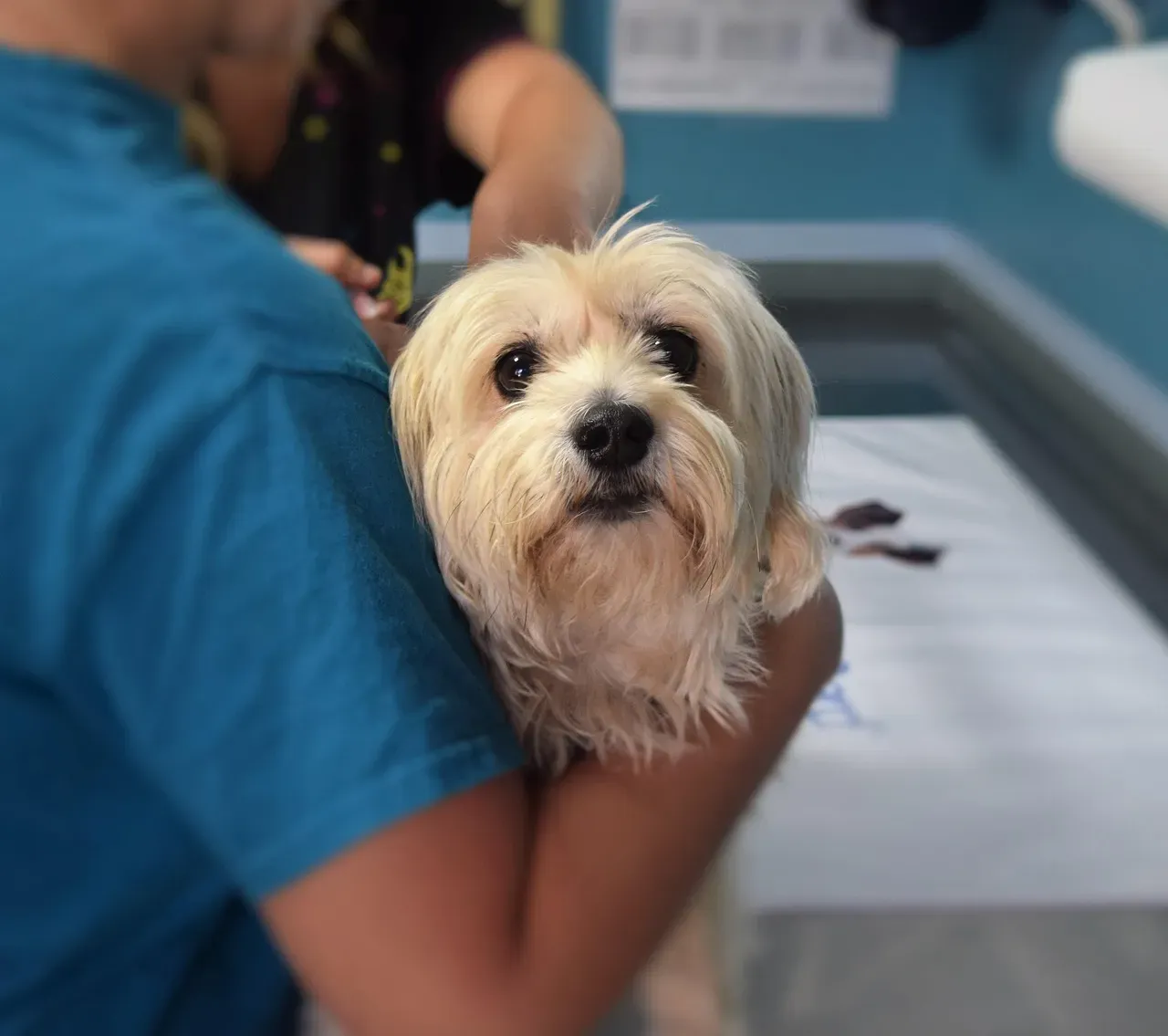
Think of preventive care the way you think about changing the oil in your car. Skip it long enough, and the breakdown will cost you far more than the maintenance ever would. Preventive care is always better than reactive care. Annual or biannual vet visits can catch potential health issues early.
Oral health impacts a dog’s general health. Dogs with clean mouths live longer. The bacteria involved in periodontal disease do not just stay in the mouth – they invade the bloodstream and travel to major organs like the kidneys, liver, and heart. So that annual dental check isn’t just about fresh breath. It’s about protecting your dog’s heart. Literally.
Heartworm is a serious parasite spread by mosquito bites that lives in your dog’s heart and bloodstream. Dogs should be tested for heartworm every year and should receive heartworm prevention medicine year-round. This one is non-negotiable, friends. Year-round prevention is a small habit with enormous payoffs.
Dogs have innate survival instincts that allow them to hide pain and illness well, so as not to seem vulnerable. This is why regular vet check-ups matter so much. Thorough physical examinations and disease screening tests, such as blood work and urinalysis, can help your veterinarian determine if your dog is at risk of developing a condition that can be prevented or, if a condition is already present, diagnose and treat it early.
Conclusion: You Are Your Dog’s Greatest Health Advocate
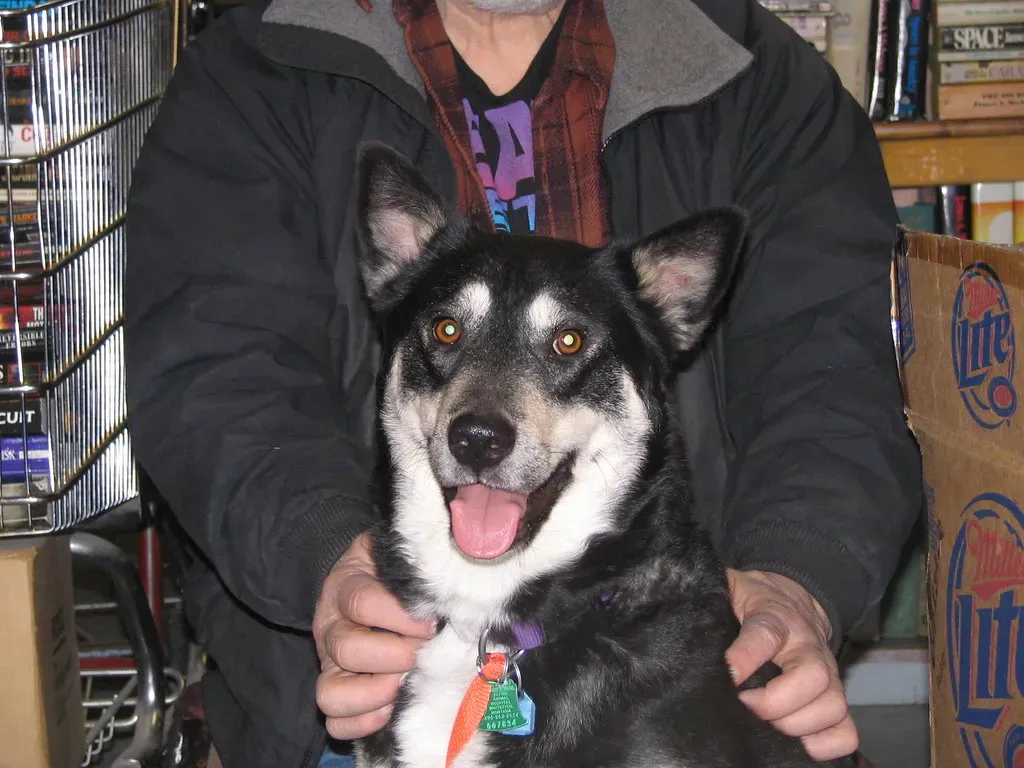
At the end of the day, caring well for a dog isn’t about perfection. It’s about presence. It’s about noticing the tail that droops a little too long, the meal left untouched, the spark in their eyes that seems slightly dimmer than usual. Dogs have undeniable physical signs that they are content and happy. Look for a soft gaze, relaxed body, happy barks, and facial expressions to know your dog is truly enjoying life.
You already love your dog fiercely. Now channel that love into knowledge, into observation, and into action. The vet visits, the nutritious meals, the long walks, the evening cuddles on the couch – all of it matters more than you know. Preventive care and early disease intervention can improve your dog’s health and may even help head off life-threatening illnesses before they progress. Following an effective preventive care routine improves your dog’s quality of life.
Your dog can’t write you a note or send you a text. But they speak to you every single day through their body, their behavior, and their incredible loyalty. The only question worth asking is this – are you listening? What’s one small change you’ll make this week to show your dog just how loved they truly are? Drop your thoughts in the comments below.

- 14 Signs a Dog Near the Rainbow Bridge Is at Peace With Its Person - July 21, 2026
- 15 Ways a Shelter Animal Tells You It Was Always Meant to Be Yours - July 21, 2026
- 14 Ways a Dog Shows You Are the Center of Its Whole World - July 21, 2026