
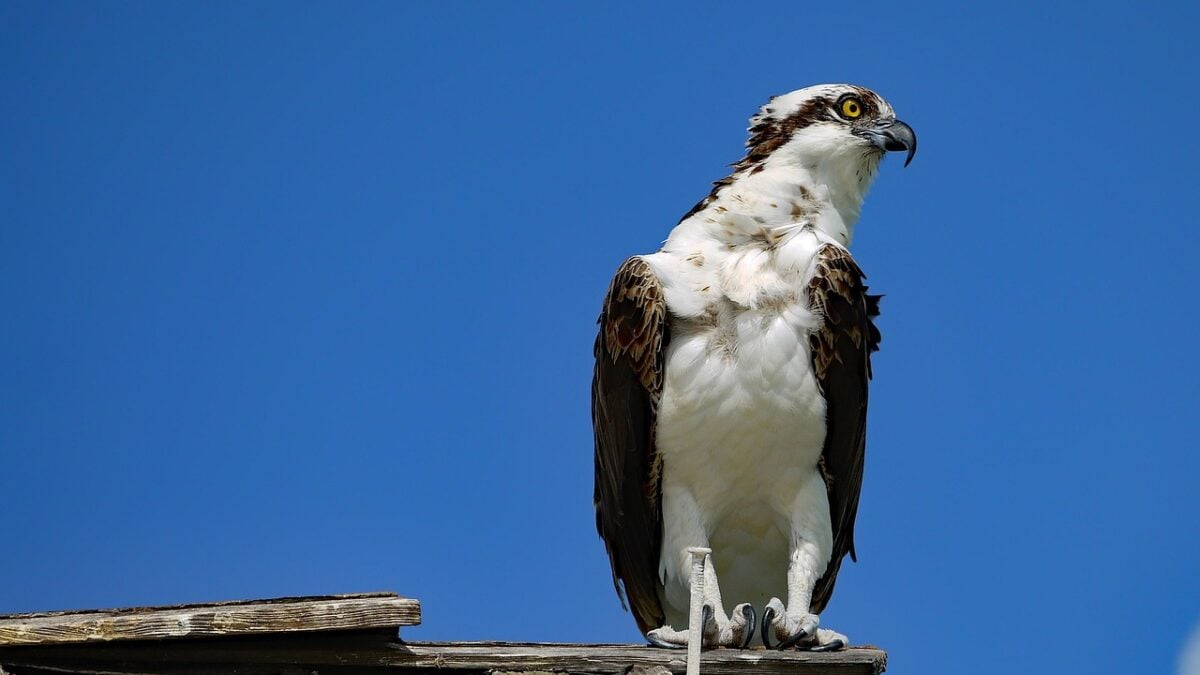
Few birds on earth manage to be both breathtaking and deeply practical at the same time. The osprey is one of them. It is a bird that has mastered one of nature’s hardest jobs, plunging into water at high speed to pull out a live, thrashing fish, and it does it with a level of engineering precision that honestly makes you stop and stare. Spotted on coastlines, rivers, and lakes across nearly every corner of the globe, this remarkable raptor has a story packed with survival, adaptation, and even a dramatic comeback from near extinction.
Whether you’ve seen one hovering above a lake and thought “what on earth is that bird doing,” or you’re simply curious about one of nature’s most skilled hunters, you’re in for a treat. Let’s dive in.
1. The Osprey Is Essentially Its Own Unique Bird Family
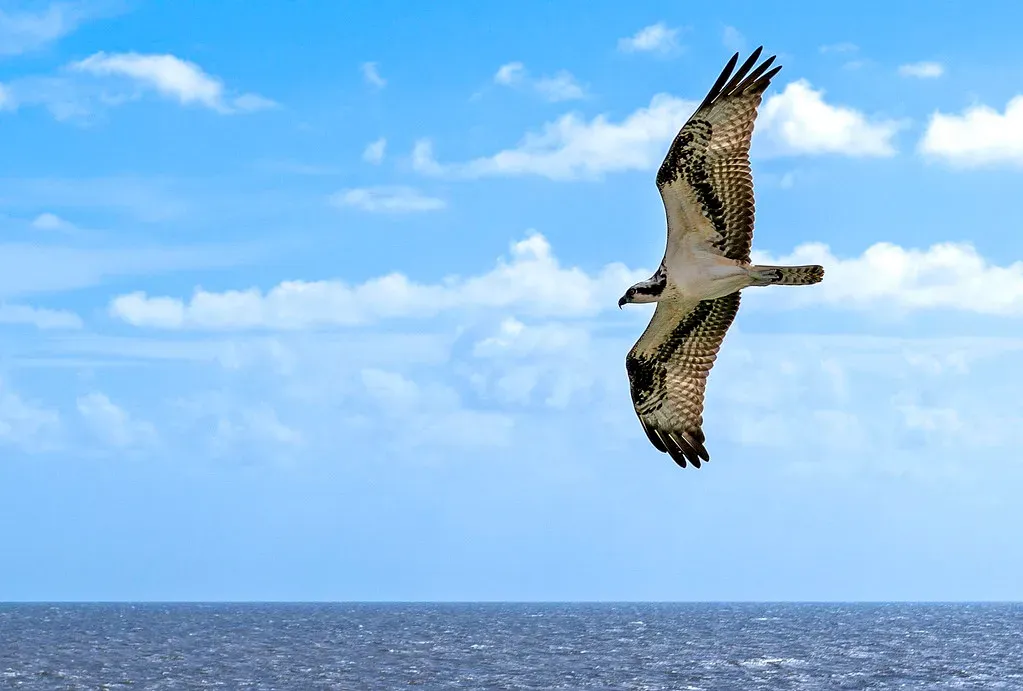
Most people lump the osprey in with hawks or eagles, and honestly, who could blame them? It looks the part. Here’s the thing though – it is so biologically distinct that scientists have placed it in a taxonomic family all its own.
Because of its unique characteristics, the osprey is classified in its own taxonomic genus, Pandion, and family, Pandionidae. That is remarkable when you think about it. Imagine being so unlike every other bird on earth that scientists had to create an entirely new category just for you.
It is an unusual species, not closely related to any other bird of prey. Its toes are structured differently, its hunting method is unmatched, and its global range is extraordinary. It really is in a league of its own.
2. It Hunts on Almost Every Continent on Earth
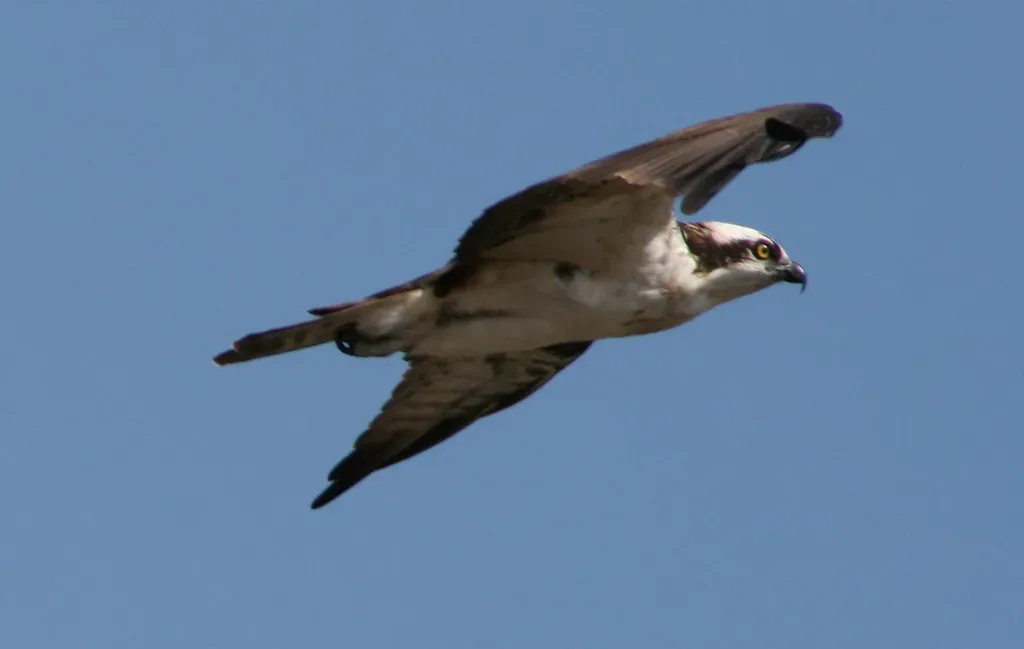
Think of the osprey like the world traveler of the bird world. It does not stay in one convenient region. It goes everywhere.
The osprey is one of the few birds that can be found on every continent except Antarctica because they have few requirements beyond safe nesting sites and abundant fish. That is a staggering range for a single species.
The osprey is the second most widely distributed raptor species, after the peregrine falcon, and is one of only six land-birds with a worldwide distribution. Being second only to the peregrine falcon is impressive company to keep. Wherever there is water and fish, the osprey finds a way to thrive.
3. Its Feet Are a Marvel of Natural Engineering
If you have ever tried to grab a wet, slippery fish with your bare hands, you already understand why this next fact is so mind-blowing. The osprey’s feet are, without exaggeration, one of nature’s most sophisticated tools.
The osprey and owls are the only raptors whose outer toe is reversible, allowing them to grasp their prey with two toes in front and two behind. Think of it like a built-in pair of locking pliers. No fish is getting away once those talons close.
The osprey’s sharp and curved talons pierce the unsuspecting fish, while the grippy, ridged skin on the underside of their feet, called ‘spicules,’ prevent the fish from slipping away. It is like having fish-specific non-slip grip tape built right into the skin. Evolution really went above and beyond here.
The osprey’s long muscular legs assist during hunting by enabling them to stretch below the water’s surface to grab fish spotted from some 30 metres above. The strength in their leg muscles is also used to hold the fighting fish still and suspend it mid-air in a head-first aerodynamic position, until arriving at a perch to dine peacefully.
4. It Has Built-In Goggles and a Built-In Nose Plug
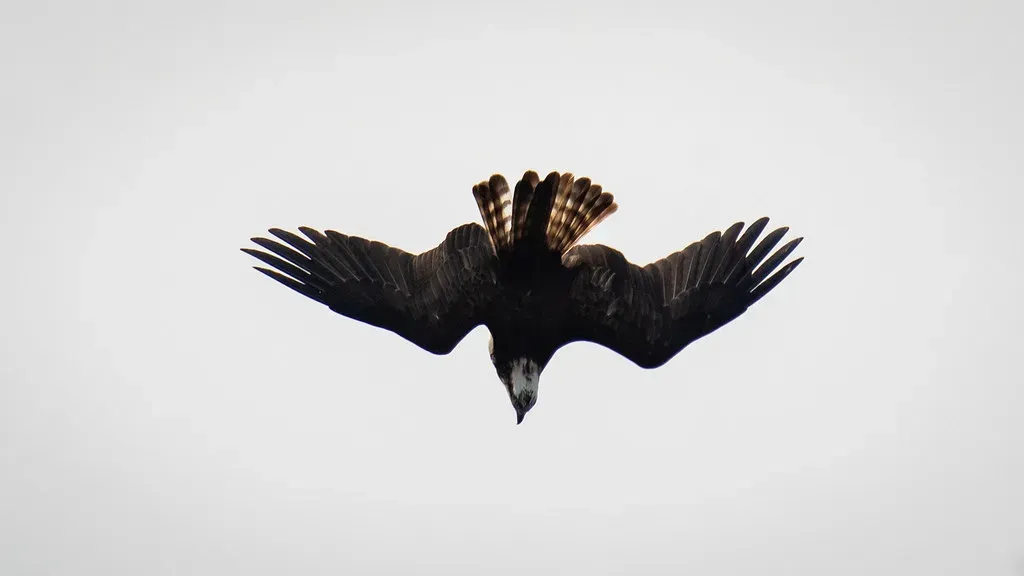
Diving headfirst into water at speed is not exactly a gentle experience. The osprey, being the overachiever it is, has evolved not one but two separate physical adaptations to deal with this problem.
When they dive into the water, ospreys close their third eyelid, called a nictitating membrane, which is semi-transparent. It acts like goggles and helps them see clearly beneath the water. That’s a built-in pair of swimming goggles, essentially.
When ospreys are underwater, they can close their nares, or nostrils, to prevent water from flowing in. Think about that the next time you get water up your nose at the pool. The osprey solved that problem millions of years ago. It also has an oily, waterproof coating on its feathers, produced when it preens, which helps it take off even after a full submersion dive.
5. It Is One of Nature’s Most Lethal Fishermen
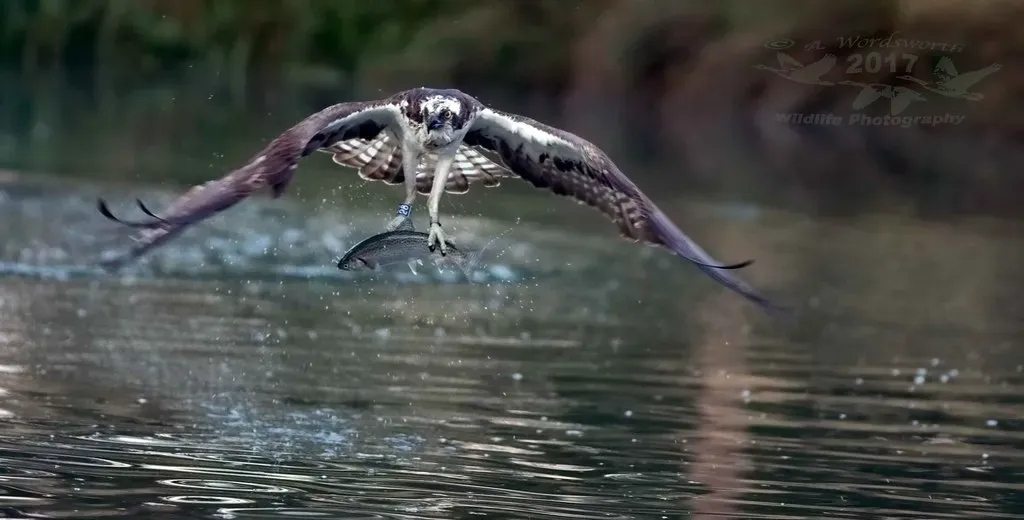
I know it sounds crazy, but a bird that makes its living by diving into water to catch live fish actually has a success rate that would shame most professional anglers. Seriously.
Over several studies, ospreys caught fish on at least one in every four dives, with success rates sometimes as high as seventy percent. The average time they spent hunting before making a catch was about twelve minutes.
Experience makes a dramatic difference, too. Young birds caught fish around two times in every five attempts, while more experienced adults caught a fish nine times out of ten attempts. Nine out of ten. That is elite-level performance by any standard.
Collectively, studies on the osprey diet have identified over eighty species of fish throughout the species’ range. This is not a picky eater. If it swims, the osprey has probably eaten it.
6. It Always Carries Its Fish Head-First, Like a Pro
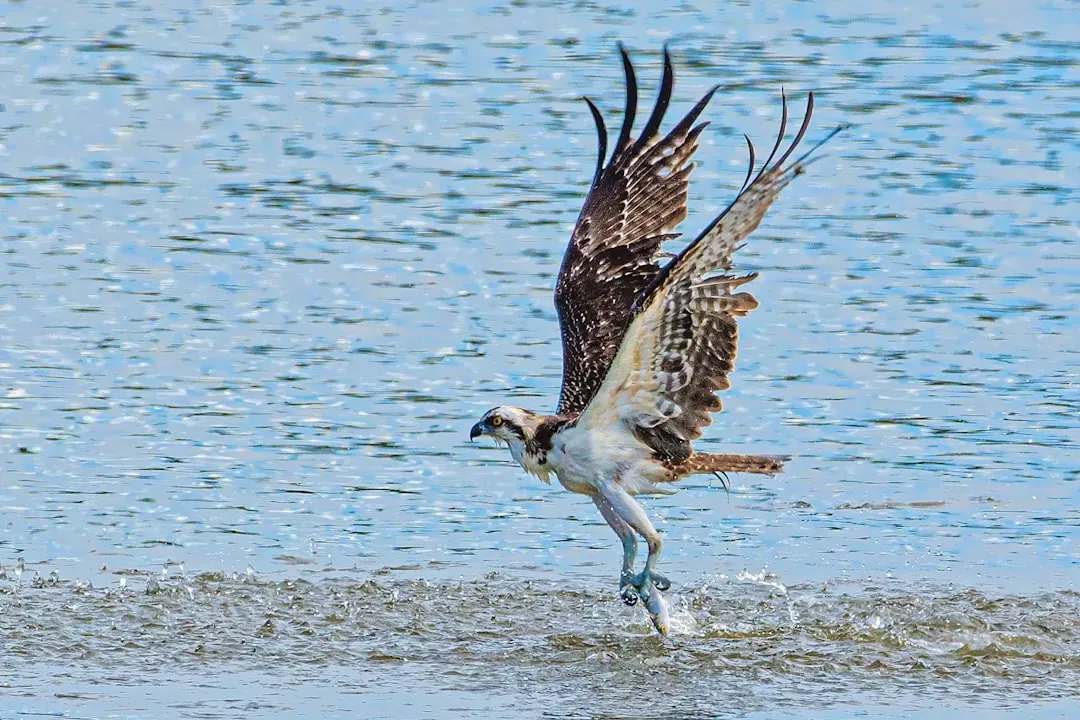
This small detail is one of my favourite osprey facts, because it reveals just how purposeful and intelligent their behaviour really is. Once an osprey catches its fish, it does not just flap home with dinner dangling any which way.
In flight, ospreys will orient the fish headfirst to ease wind resistance. That is aerodynamic thinking in action. Carrying a fish tail-first would create drag and burn extra energy. The osprey rotates its catch in mid-air to make the journey back to the perch as efficient as possible.
When ospreys carry their prey, they always re-position the fish so that its head faces forward in a streamlined position for transporting through the air. It is basically the bird equivalent of packing your luggage properly. Tidy, efficient, and brilliant.
7. Its Migration Journeys Are Absolutely Extraordinary
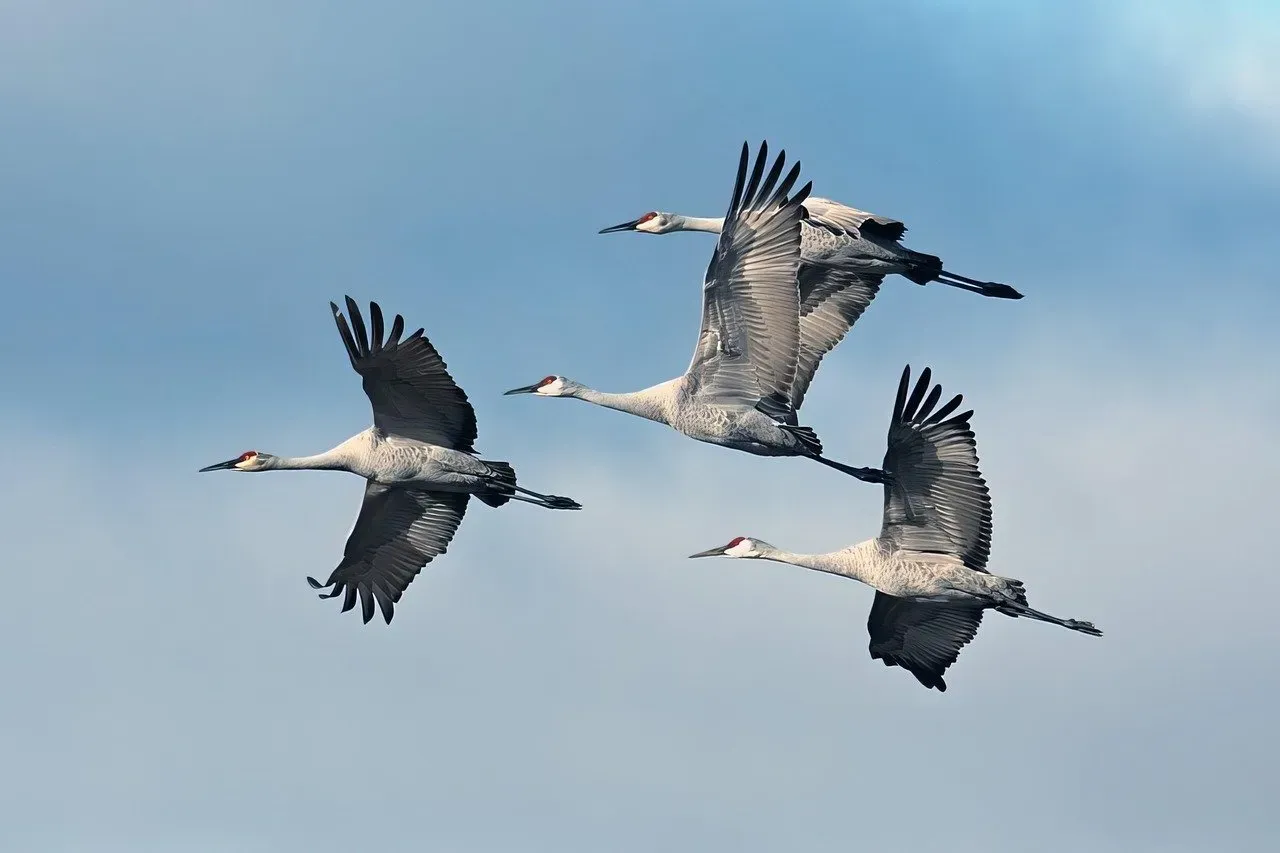
If you thought human long-haul flights were impressive, wait until you hear about what an osprey does on its annual commute. These birds cover distances that would exhaust most creatures on the planet.
An osprey may log more than 160,000 migration miles during its fifteen-to-twenty-year lifetime. That is the equivalent of flying around the entire Earth more than six times over the course of a single life.
During thirteen days in 2008, one osprey flew 2,700 miles from Martha’s Vineyard, Massachusetts, to French Guiana, South America. Thirteen days. That is not a migration, that is a sprint. On the return spring migration, due to the desire to return to territories and not lose out to rivals, the migration is undertaken much more speedily. Motivation, it turns out, is a universal force.
8. Osprey Pairs Are Devoted and Build Enormous Nests
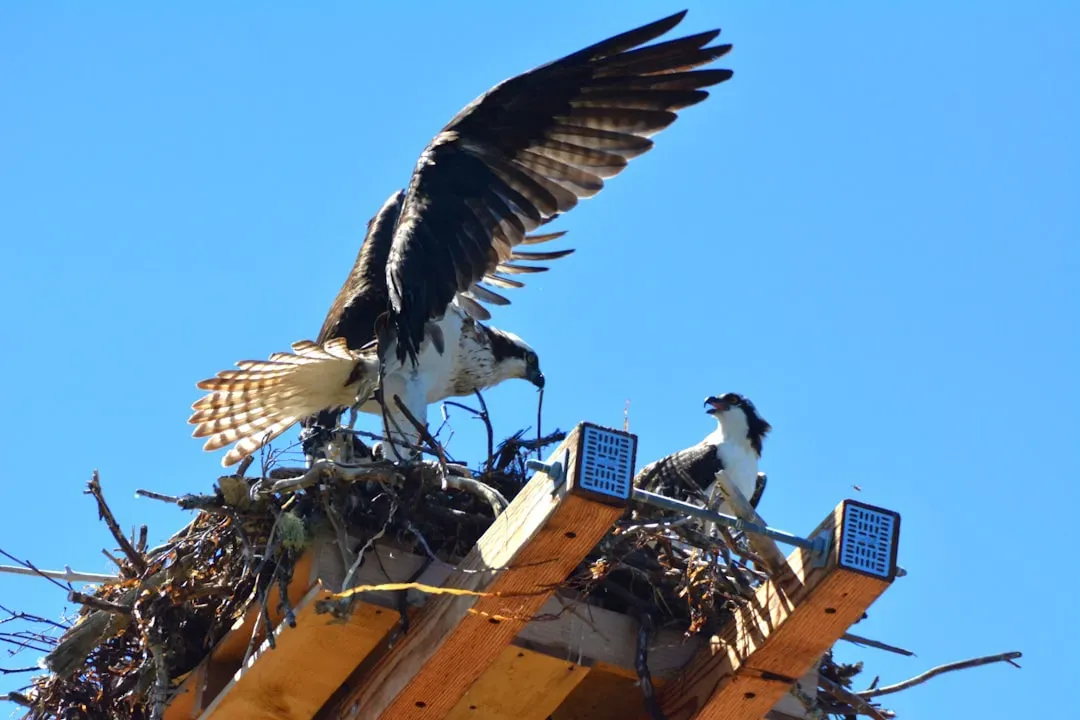
Ospreys are not the type to start fresh every year. They are loyal, they are committed, and they put serious effort into their homes. Honestly, there is something almost admirable about it.
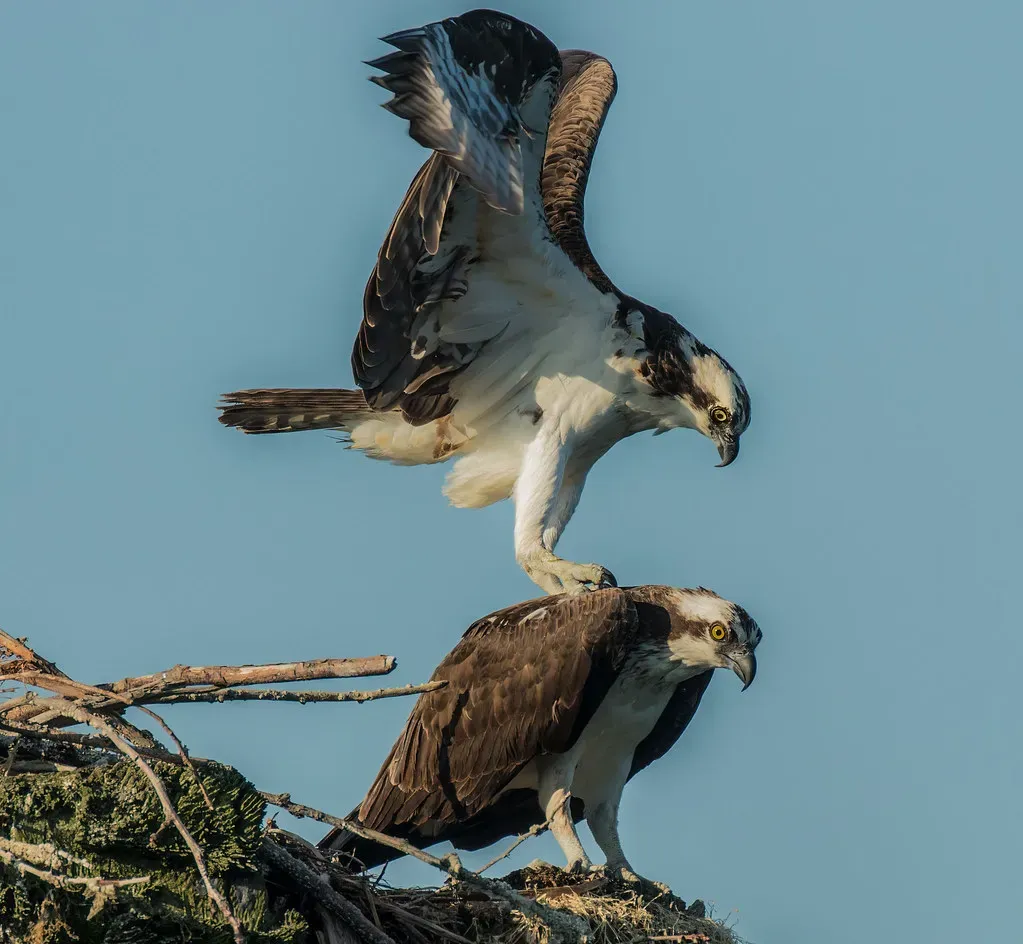
Osprey pairs are generally monogamous and often mate for life. They return to the same nesting sites year after year, adding new material each season until the nest becomes genuinely massive.
The nest, built by both sexes, is a bulky pile of sticks lined with smaller materials. Birds may use the same nest for years, adding material each year, so that the nest becomes huge. Some of these nests eventually weigh hundreds of pounds. Osprey nests have been known to contain hula hoops, rag dolls, toy boats, and fishing line, which can be dangerous to the birds. They are not exactly minimalist decorators.
9. DDT Nearly Wiped Them Out, But They Came Back
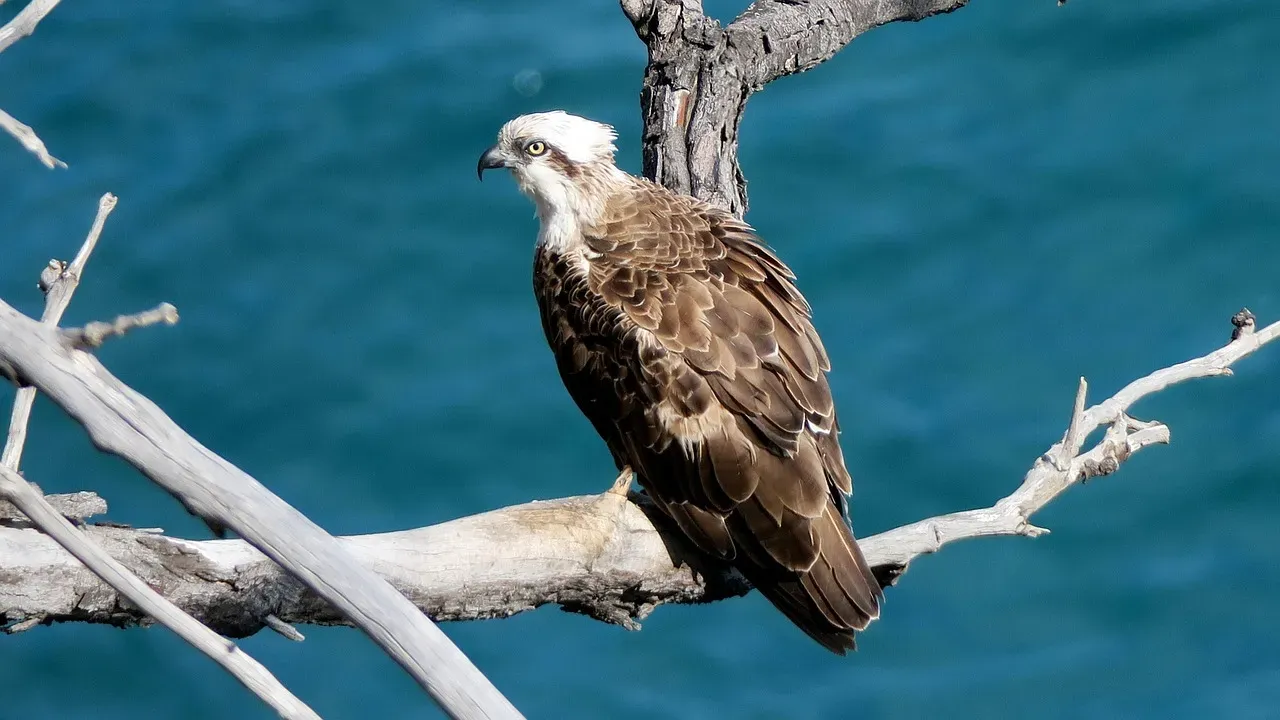
This is where the osprey’s story takes a genuinely dark turn before becoming one of conservation’s greatest victories. It is a cautionary tale that ended, for once, on a hopeful note.
Osprey populations in North America declined dramatically from the 1950s to the 1970s due to chemical pollutants such as the pesticide DDT, which caused breeding failures from eggshell thinning. The shells became so fragile that eggs cracked under the weight of the incubating parent.
Along the coast between New York City and Boston, for example, about ninety percent of breeding pairs disappeared. That is a collapse of staggering proportions. Yet the story did not end there. After the 1972 U.S. DDT ban, populations rebounded, and the osprey became a conservation success symbol. Today, osprey numbers grew by approximately 1.9 percent per year from 1966 to 2019, with a global breeding population estimated at 1.2 million. Few wildlife comebacks are this dramatic or inspiring.
10. The Oldest Known Osprey Lived Over 25 Years
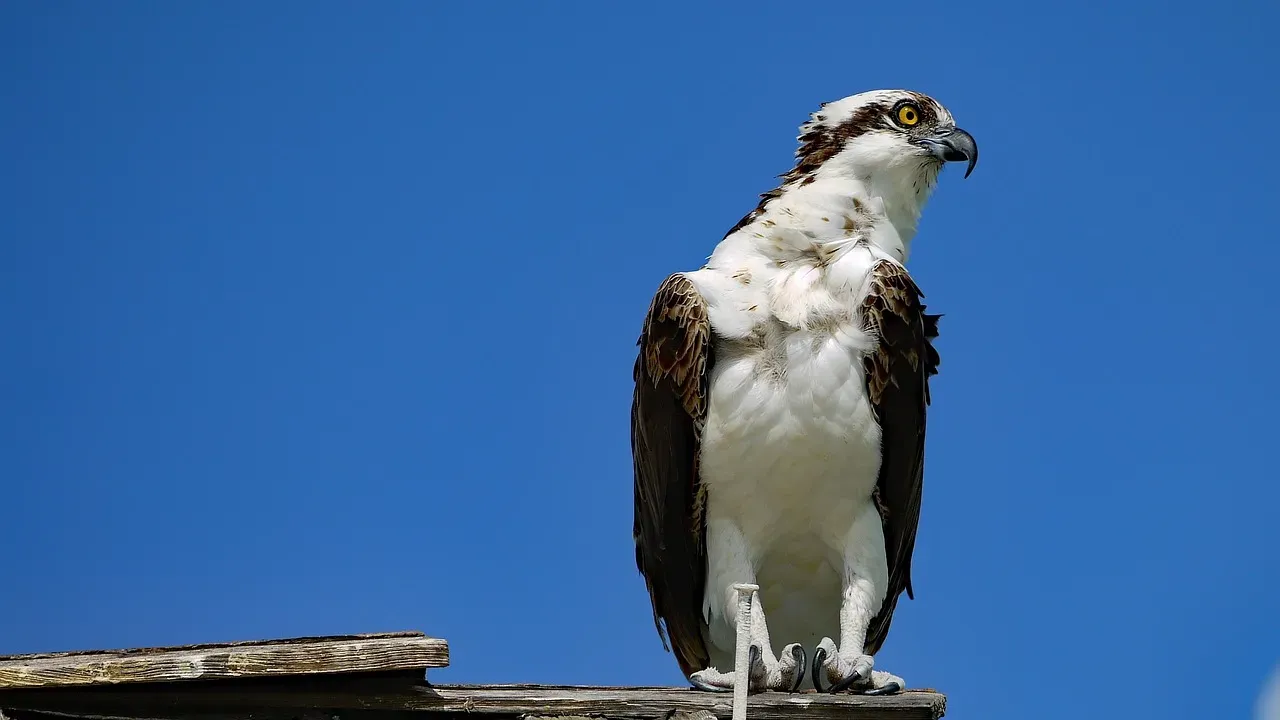
When we think of wild birds, we often imagine fragile, short-lived creatures. The osprey, once again, defies expectations. These birds can age in ways that genuinely surprise researchers.
The oldest known osprey was at least 25 years and 2 months old, and lived in Virginia. It was banded in 1973 and found in 1998. That is a life spanning a quarter century in the wild, where dangers lurk constantly.
Adults have an eighty-five percent year-to-year survival rate, while roughly sixty percent of juveniles will survive their first year. That first year is clearly the most dangerous, which makes sense when you consider that young birds must master one of the most technically demanding hunting styles in the animal kingdom from scratch.
Conclusion: The Osprey Is Simply One of Nature’s Greatest Achievers
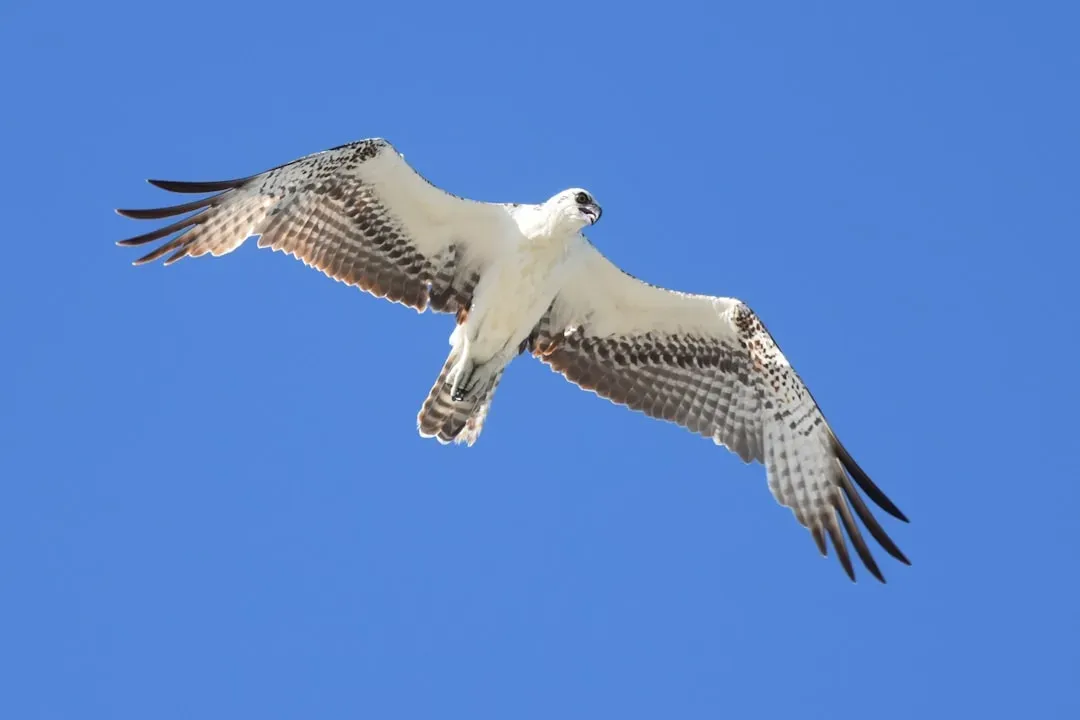
Honestly, the more you learn about the osprey, the harder it is not to be impressed. This is a bird that evolved its own biological family, colonized almost every continent, developed built-in goggles and nose plugs, carries its fish aerodynamically, flies thousands of miles on migration, and bounced back from near extinction. All without anyone noticing quite how extraordinary it really is.
It serves as a reminder that nature, when left alone to do its work, produces wonders that no engineer could dream up. The osprey did not get famous the way eagles and owls did. It just quietly got on with being remarkable.
Next time you spot one hovering over a lake or river, stop and watch for a moment. You might just witness that perfect, breathtaking dive. Would you have guessed that one bird could pack so much into a single lifetime?

- 10 Fascinating Facts About the Amazing Osprey - July 23, 2026
- The Impact of Heatwaves on Animal Behavior and Survival - July 23, 2026
- The Enduring Loyalty of Elephants Shows Us the True Meaning of Family Bonds - July 23, 2026