

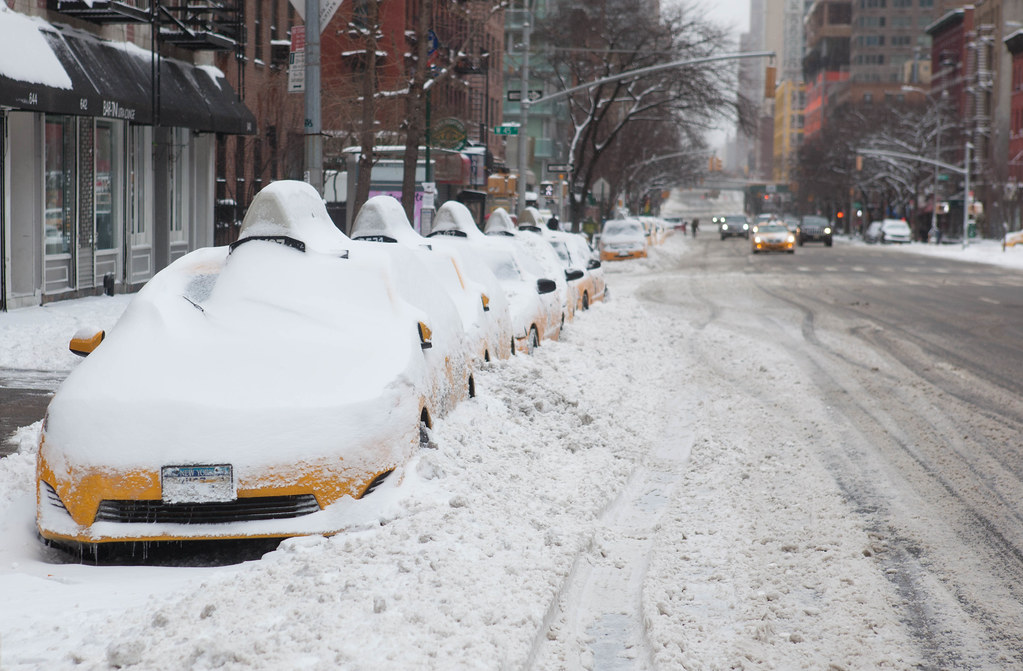
Avalanche Devastation Near Lake Tahoe (Image Credits: Flickr)
The United States endured a harrowing day of severe weather on Wednesday, marked by a fatal avalanche in California’s Sierra Nevada and wind-fueled wildfires scorching Oklahoma.[1][2]
Avalanche Devastation Near Lake Tahoe
Rescue teams battled blizzard conditions to reach a remote backcountry site at Castle Peak, about 10 miles north of Lake Tahoe, after a massive avalanche struck Tuesday morning.[2] The slide buried members of a group of 15 skiers – 11 clients and four guides from Blackbird Mountain Guides – during a multi-day trek.
Searchers located eight victims deceased in the debris field, the deadliest such incident since 1981, while one person remained missing as efforts continued amid deteriorating weather.[1][2] Six others survived, including a guide and five clients; two of the rescued suffered injuries requiring evacuation on foot through deep powder and high winds exceeding 100 mph.
Unstable snowpack conditions triggered the D2.5-rated avalanche, where a weak facet layer from a prior dry spell failed under rapid new snowfall rates of up to four inches per hour and gale-force winds.[2] Interstate 80 over Donner Summit closed due to whiteout conditions, complicating access for dozens of responders from multiple agencies.
Wind-Driven Wildfires Grip Oklahoma Panhandle
High winds gusting to 70 mph ignited and accelerated the Ranger Road Fire in Oklahoma’s Panhandle, which burned over 280,000 acres before spreading into Kansas and Texas.[2] State officials declared emergency fire conditions through Thursday, urging evacuations in Woodward, Oklahoma, as flames threatened homes and infrastructure.
Four firefighters sustained injuries in Beaver County and required hospital transport. Single-digit humidity levels, temperatures in the 70s and 80s, and drought-dried grasses created explosive potential, rendering aerial suppression nearly impossible.[1][2]
Evacuations also occurred in Kansas communities like Englewood and Ashland. Red flag warnings covered millions, with fire weather watches affecting over 21 million residents across the southern Plains.[1]
Forecast Signals Prolonged Threats
Pacific storms will deliver additional heavy snow to western mountains through Thursday, with up to eight feet possible on the Sierra Nevada’s western slopes in northern Shasta County and parts of the Pacific Coast Range.[1][3] Gusty winds accompany the system, raising further avalanche dangers in the West.
In the Plains, critical fire weather persists Thursday and Friday, driven by sustained gusts and low humidity. The National Weather Service highlighted risks in the southern Plains, where dry fuels remain primed.[3][4]
- Western U.S. mountains: Heavy snow and high winds through Thursday.
- Southern Plains: Red flag conditions with gusts over 60 mph and humidity below 10%.
- Central Plains: Developing storm system heading toward Great Lakes.
- Fire watches: Over 11 million under red flag warnings.
- Snow impacts: Potential closures on Interstates like I-5 portions.
Broader National Weather Patterns
A separate blizzard battered the Upper Midwest with up to two feet of snow and 60 mph gusts, creating life-threatening travel conditions across northern Minnesota and Michigan’s Upper Peninsula.[2] Meanwhile, warmer-than-average temperatures prevailed in the Mississippi, Ohio, and Tennessee Valleys.
These contrasting extremes underscore a volatile weather setup, with another system poised to bring severe thunderstorms to the middle Mississippi and lower Ohio Valleys by Thursday evening.[3]
Key Takeaways
- Eight confirmed fatalities from Sierra Nevada avalanche; search ongoing for one missing skier.
- Oklahoma’s Ranger Road Fire scorched 280,000+ acres amid 70 mph winds.
- Forecasts predict more snow in West mountains and critical fire weather in Plains through Friday.
As recovery efforts press forward and fire crews contain blazes, Americans from coast to plains must heed warnings to stay safe. What impacts have you seen from this week’s weather? Share in the comments.

- Urban Coyotes Show Remarkable Adaptability, Learning to Thrive in City Environments - July 22, 2026
- Beavers Are Nature’s Engineers, Creating Vital Habitats for Other Wildlife Species - July 21, 2026
- The Recovery of the California Condor Offers Hope for Other Critically Endangered Birds - July 21, 2026