
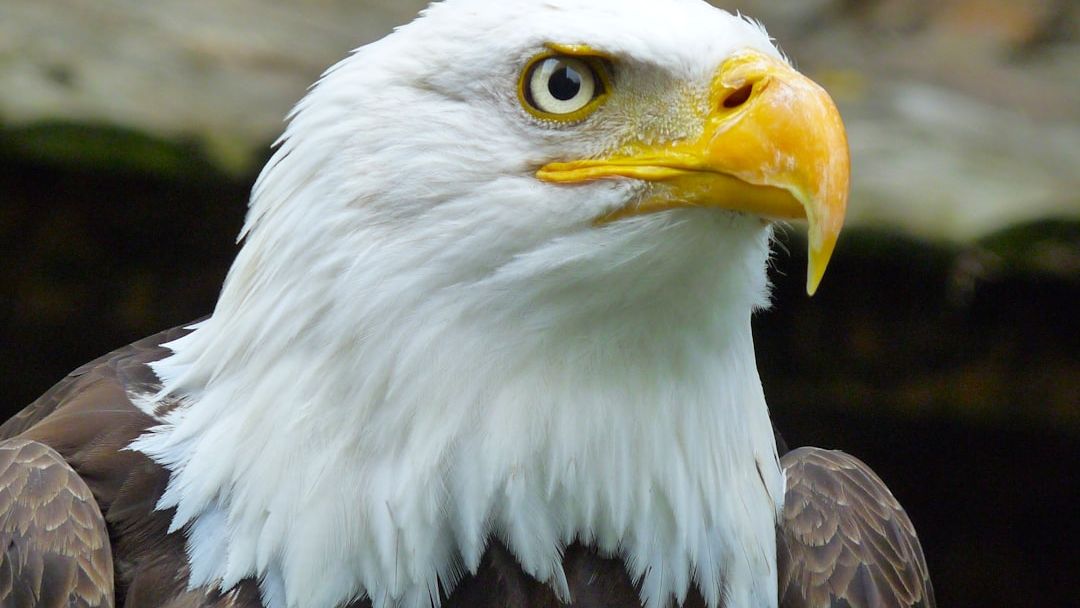
They soar overhead in near silence. They strike with a force that can shatter bone. They see a world that is completely invisible to us. Birds of prey, also known as raptors, have always occupied a strange space in our imagination – powerful, mysterious, almost mythological. Most people know they’re impressive. Far fewer people know just how deeply strange and spectacular they truly are.
Birds of prey are hypercarnivorous bird species that actively hunt and feed on other vertebrates, including mammals, reptiles, and smaller birds. That’s the textbook version. The real story is far more gripping. From a falcon that can outpace a sports car in freefall to hawks that hold their prey underwater to drown it, the world of raptors is packed with jaw-dropping revelations. So let’s dive in.
1. The Peregrine Falcon Is the Fastest Animal on Earth – Full Stop
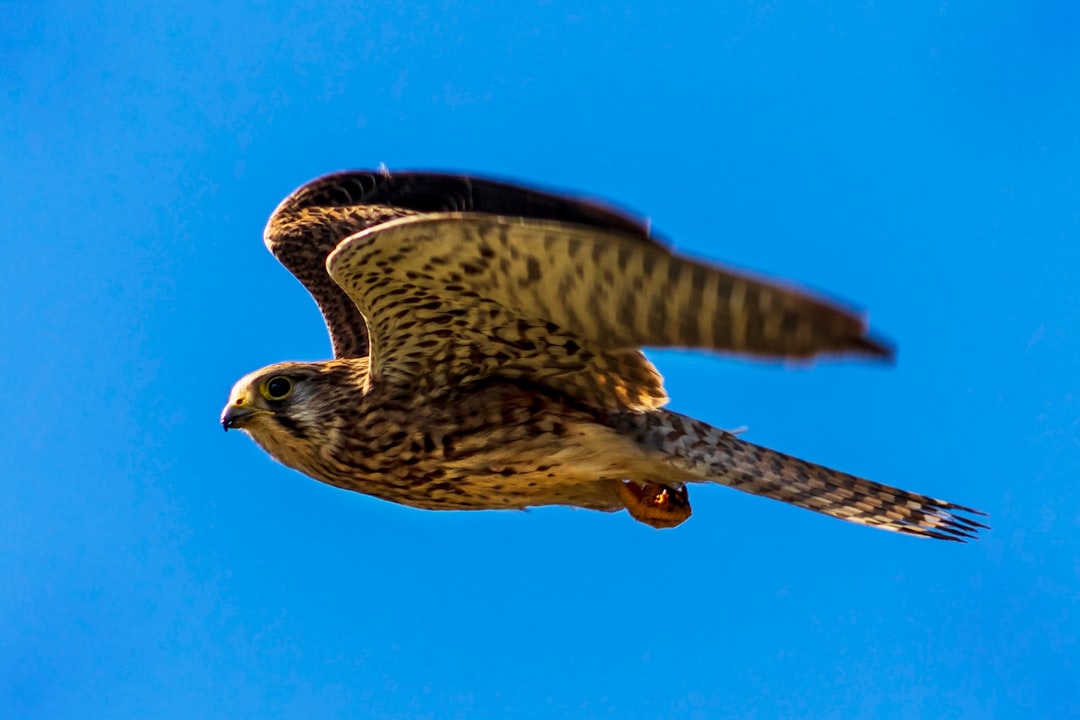
Most people know the peregrine falcon is fast. But “fast” barely scratches the surface. The fastest dive by a bird is that of a peregrine falcon, which has been estimated at reaching a terminal velocity in ideal conditions of approximately 320 km/h (200 mph) when in a hunting stoop.
Some experimental dives have suggested even higher speeds are possible, perhaps up to 389 km/h (242 mph), a record achieved by a peregrine falcon called “Frightful,” owned by falconer Ken Franklin.
When hunting, peregrine falcons fold their wings into a teardrop shape and dive at steep angles, striking prey mid-air, reaching speeds of up to 290 km/h (180 mph) using a curved path to reduce drag. Think about that. A two-pound bird, outpacing a Formula 1 car going flat out. Nature’s engineering is honestly humbling.
Special nostril tubercles regulate airflow, protecting their lungs during these extreme dives. Without this adaptation, the pressure from such speeds would be catastrophic. Evolution, in this case, built a living missile.
2. Raptors Have Three Eyelids
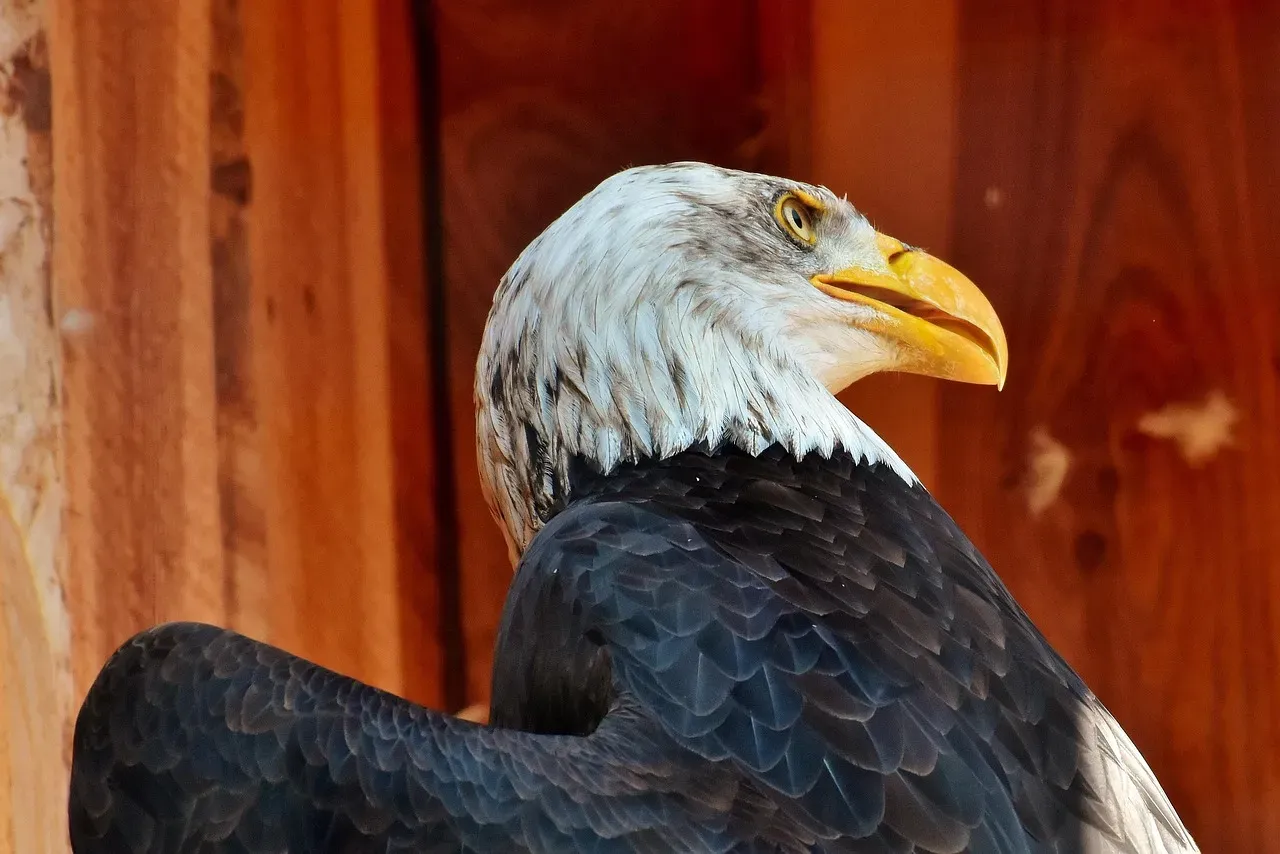
Here’s the thing – most of us go through life thinking eyes are pretty simple. Two lids, open and close, done. Raptors did not get that memo. Raptor eyes are equipped with not one, not two, but three eyelids. Two of their eyelids move up and down to close their eyes, while the third, known as a nictitating membrane, moves from side to side.
Closing and opening this third eyelid helps keep their eyes moist and clean. When closed, it also helps to protect the bird’s eyes but still allows some vision. Birds of prey may close this membrane when feeding their chicks, making contact with prey, or during a fast dive.
An osprey even closes its nictitating membrane when diving into water after fish, much like a pair of built-in water goggles. I find this detail almost comically clever. Nature essentially invented goggles millions of years before humans did.
3. Their Eyesight Makes Ours Look Embarrassingly Weak
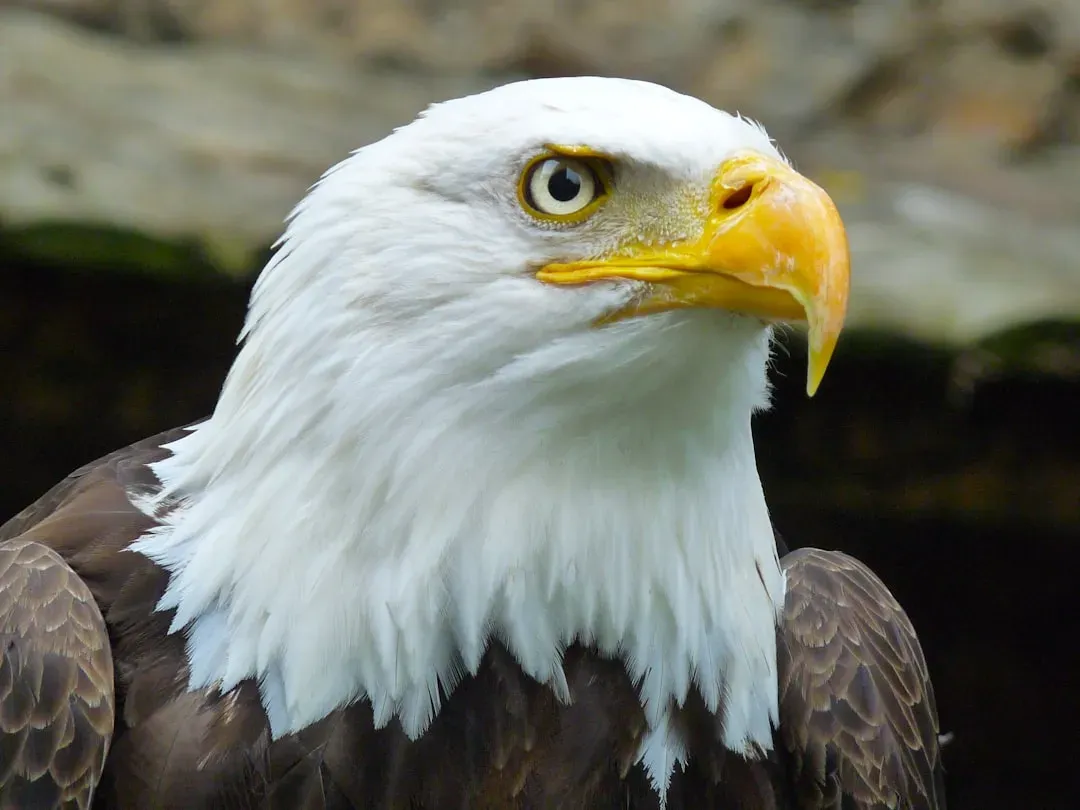
You’ve heard the phrase “eagle eye.” Turns out that’s not just poetic. On average, birds of prey have around six times better eyesight than a human. Some species, like eagles, are generally accepted to have around eight times the visual acuity.
The high visual acuity in some raptor species is possible due to their large eyes and a high density of cone photoreceptors. Some large raptors, such as wedge-tailed eagles and Old World vultures, have visual acuities twice as high as humans and six times as high as ostriches.
An American kestrel, for example, can see a two-millimeter insect from the top of an 18-meter tree. That is the equivalent of spotting a house fly from across a football field. Meanwhile, most of us struggle to read a menu without our glasses. The comparison is not flattering for our species.
An eagle’s eye can take up as much as half of the bird’s head and has a greater field of vision than the human eye. Think of it like having high-definition binoculars permanently installed in your skull.
4. Some Raptors Hunt in Packs Like Wolves
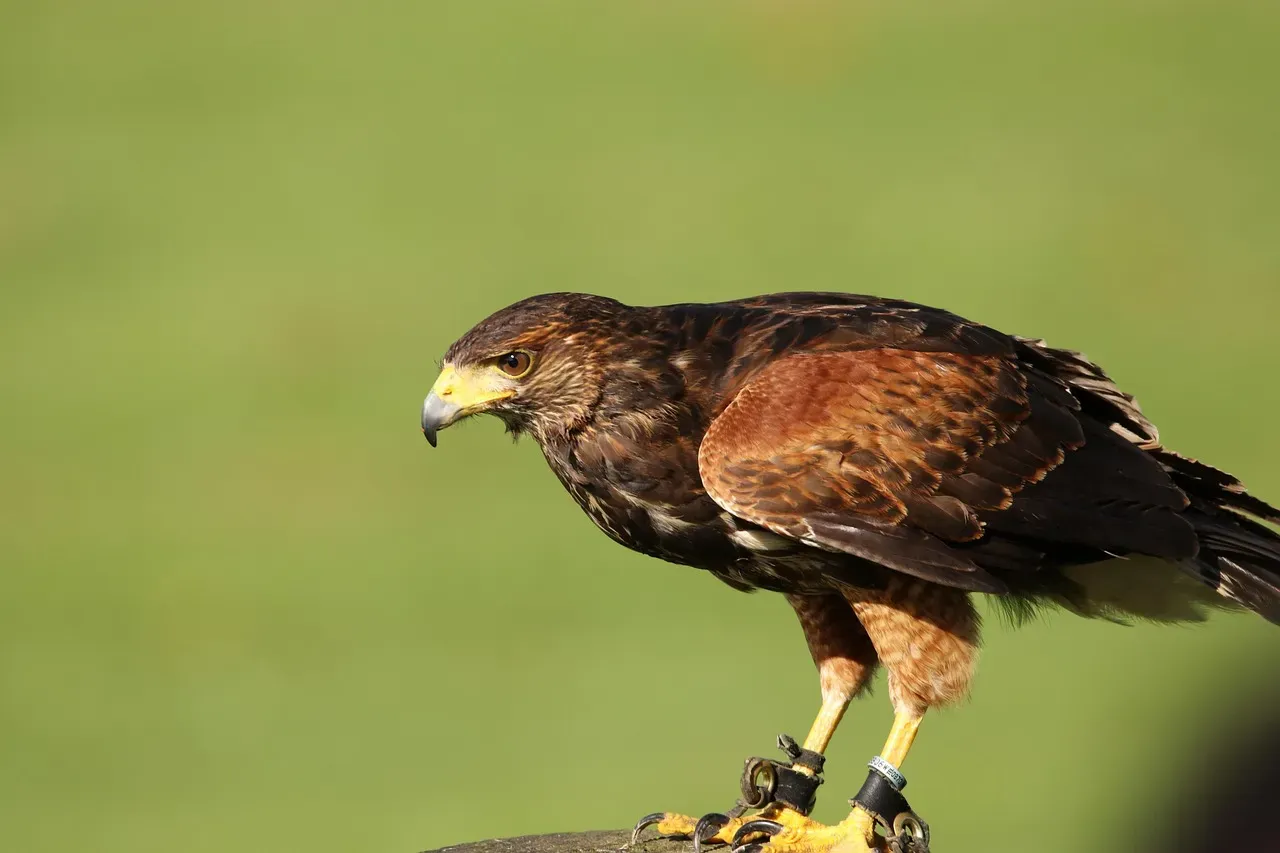
Raptors are typically lone hunters. Solitary, silent, deadly. That image is accurate for most species. Harris’s hawks, however, completely threw that rulebook out the window. The Harris’s hawk exhibits a rare raptor behavior called communal hunting. This species will remain together as a family unit so the group can cooperatively hunt prey as large as jackrabbits.
Native to the Southwest deserts, Harris’s hawks are known for their intelligence and social behavior, traits rare among raptors. They hunt in groups, nest cooperatively, and even “stack” on top of each other to get a better vantage point while scanning for prey.
These birds employ clever and diverse hunting strategies similar to wolf packs. Although the Harris’s Hawk is found across a wide range, cooperative hunting is only observed in the Sonoran Desert region of their range. It’s the kind of behavior you’d expect from a primate, not a bird. Honestly, it changes everything about how you think of raptors.
5. Ospreys Are Built Like Nothing Else in the Raptor World
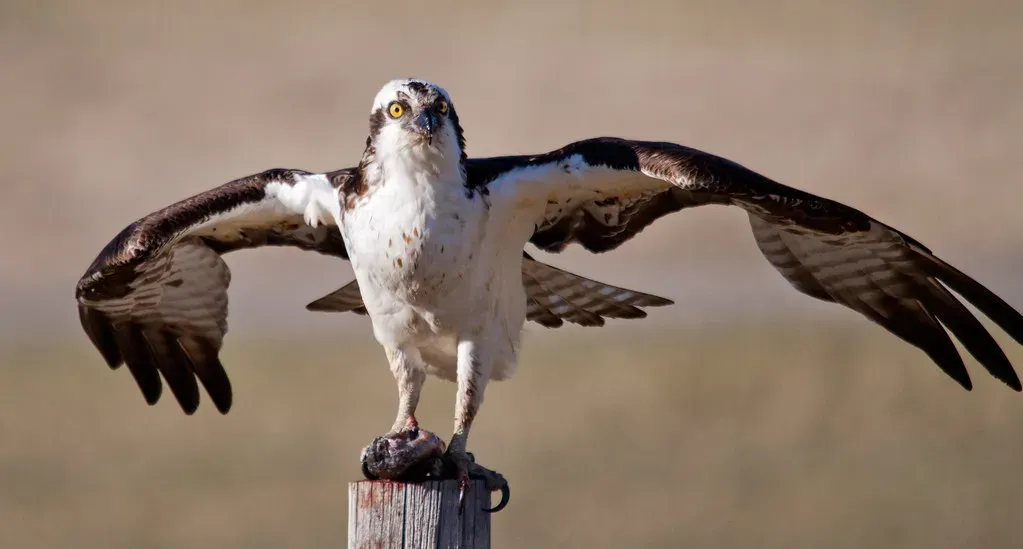
Let’s be real, most raptors are impressive. The osprey is a completely different kind of impressive. Known as the “fish hawk,” the osprey is a raptor with a specialized diet almost exclusively consisting of fish, and is often seen soaring above lakes, rivers, and coastal waters with a hunting strategy that is nothing short of spectacular.
One of the most distinctive features of the osprey is its reversible outer talon, which allows it to grip slippery fish with two toes pointing forward and two pointing backward – a grip configuration found in almost no other raptor.
When it plunges in, a hunting osprey disappears completely under the water, and it may take several seconds for the bird to reappear on the surface. If the dive is successful, which occurs in roughly about two in five cases, a fish is caught. After being airborne, it rearranges its prey so that the head points forward and one foot is ahead of the other, reducing air resistance and speeding up the return flight. Methodical. Calculated. Borderline genius.
6. Female Raptors Are Larger Than Males – and Nobody Really Knows Why
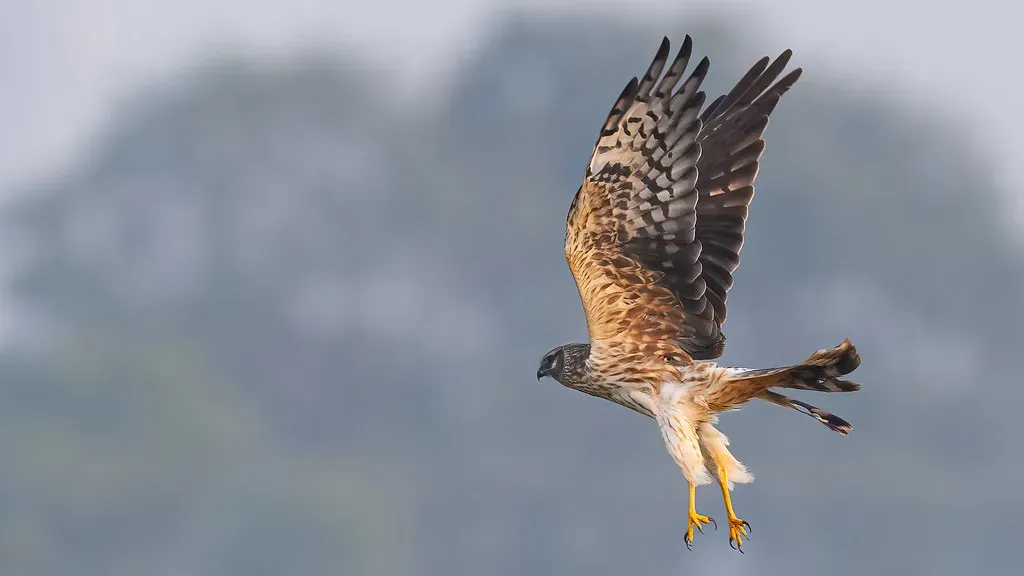
In most species in the animal kingdom, males are bigger. Peacocks, lions, gorillas. The bigger male is practically a rule of nature. Raptors break that rule completely. In non-predatory birds, males are typically larger than females. However, in birds of prey, the opposite is the case.
Female Cooper’s hawks, for instance, often weigh at least thirty percent more than males. Scientists have debated this for years.
Female raptors are generally larger than the males. The reason for this size difference is really unknown, but scientists theorize that it could relate to the female spending more time on the nest and being able to protect the young from larger predators. Another theory is that different body sizes allow mated pairs to hunt different types of prey, effectively doubling their food range. It’s hard to say for sure, but either way, the female raptor is arguably the more formidable of the two.
7. Raptors Have a Two-Stomach Digestive System That Wastes Nothing
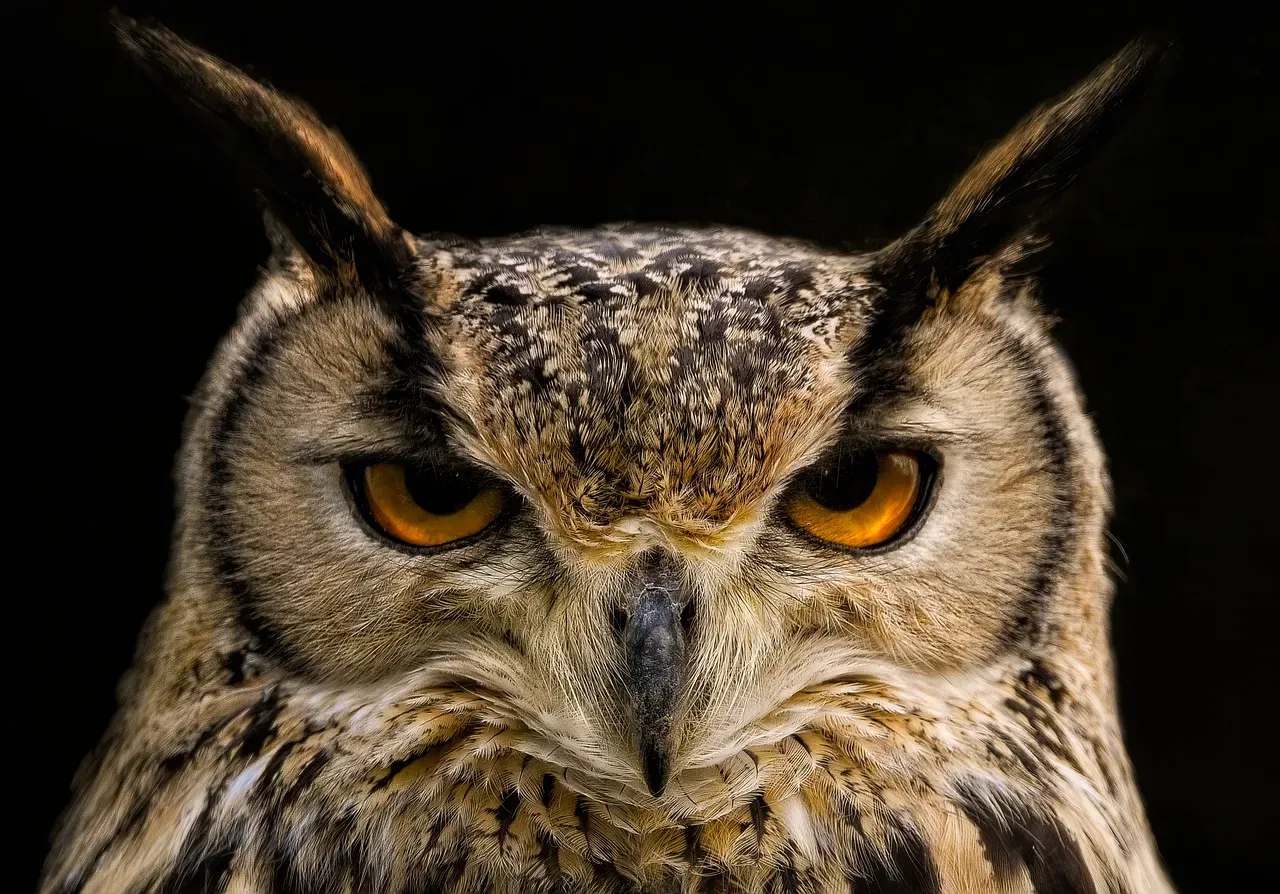
When a raptor makes a kill, it doesn’t pick politely at the meat like a fine dining guest. It consumes everything. From the feathers and fur to the meat, muscles, organs, and even bones, raptors leave nothing of their prey. Many of these parts are hard to digest, but raptors are equipped with two stomachs and strong stomach acid to break everything down.
What the stomach acid cannot fully process gets ejected in a different way. After consuming their prey, owls regurgitate indigestible parts, like bones and fur, in the form of pellets. This adaptation allows them to expel waste efficiently and retain only the nutrients they need.
These pellets are actually a goldmine for scientists. By dissecting them, researchers can identify exactly what a raptor has been eating, and in what quantities, giving a precise picture of the local ecosystem. Think of it as nature’s data log. Disgusting, fascinating, invaluable.
8. Hawks Have a Behavior Called “Mantling” to Guard Their Kills
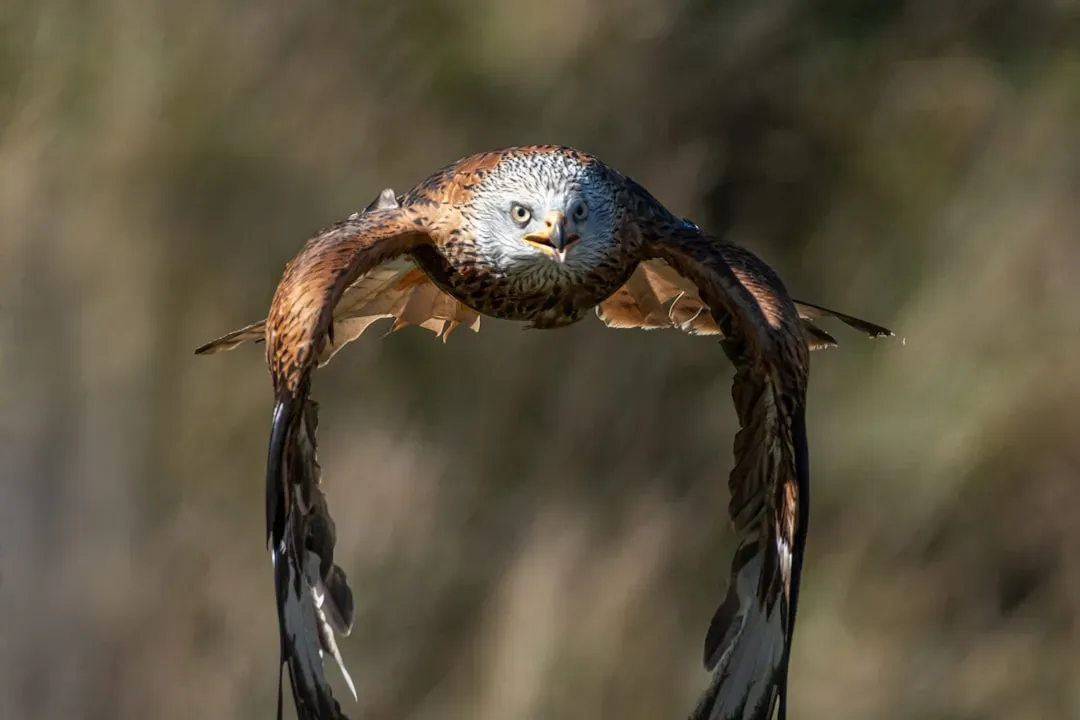
Hawks don’t share. Once a kill is made, the work of defending it begins immediately. Once they kill their prey, hawks will do what is called “mantling.” This means they will crouch over their prey and spread their wings over it, hiding it from the view of other, often larger, predators. Other raptors, like Peregrine Falcons, also mantle so they can enjoy their kill undisturbed.
A Cooper’s hawk will catch a smaller bird with its feet and repeatedly squeeze the prey until it’s dead. They’ve also been known to hold a bird underwater until it drowns.
It sounds brutal. It is brutal. Still, there’s something almost admirable about the total commitment. In the raptor world, every meal is earned and every meal is defended. No apologies, no waste, no hesitation.
9. Raptors Are Living Dinosaur Descendants – Closer Than You Think
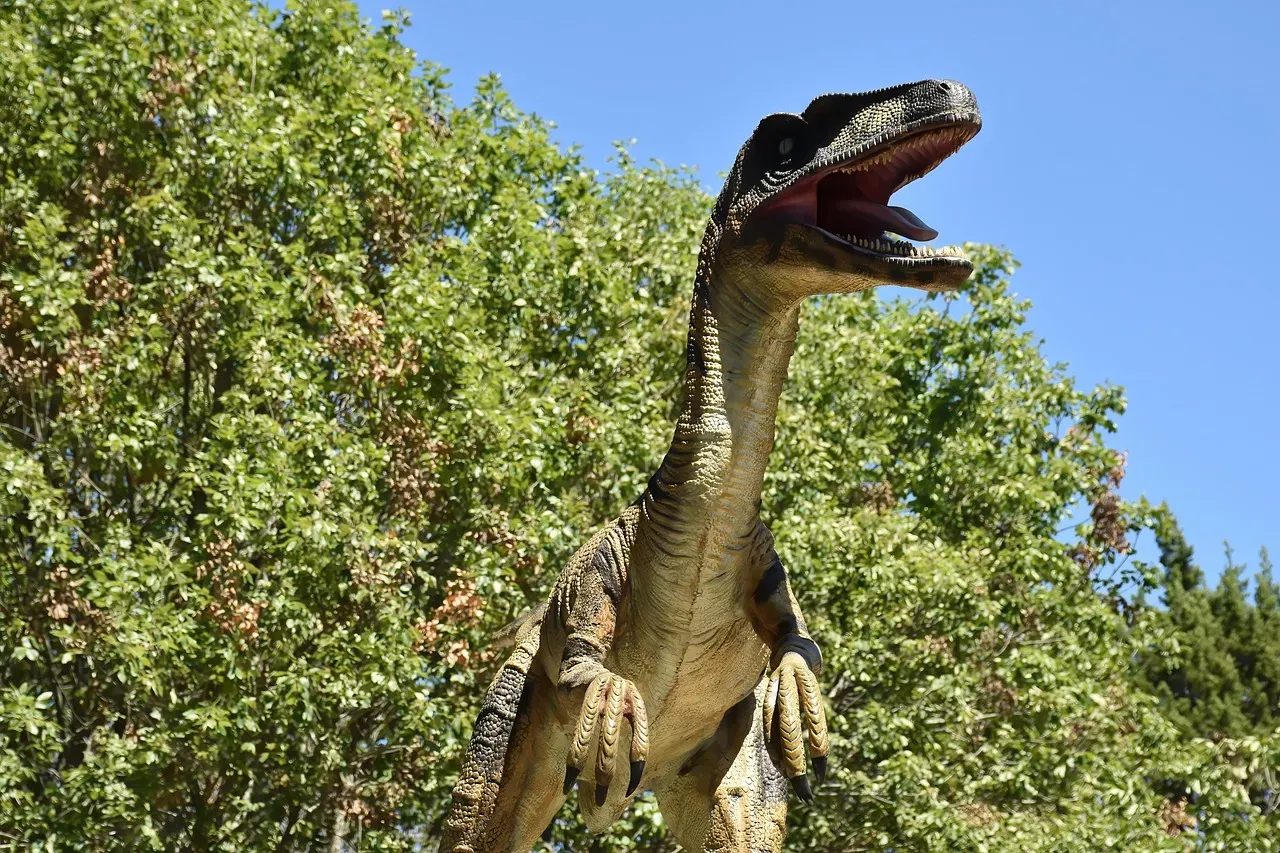
When you watch a hawk bank sharply on a thermal current, you are, in a very real sense, watching a living dinosaur. The theropods included fierce predators such as the Velociraptor, and researchers have discovered that these dinosaurs bore a closer resemblance to the flying raptors we see today than previously believed. Evidence suggests these ancient hunters were feathered rather than scaled, sharing features with modern birds of prey, including the distinctive long claw on the second toe of each foot.
It’s now believed that Velociraptors used their claws to grip and hold down prey, much like today’s predatory birds. When the asteroid impact ended the age of dinosaurs, most creatures went extinct, but birds of prey survived. Thus, they are indeed direct descendants of the Jurassic period.
Researchers have even discovered 400,000-year-old fossils of broad-winged hawks in Florida, Iowa, Illinois, Virginia, and Puerto Rico. The lineage of raptors is ancient beyond comprehension. The peregrine falcon you see hunting over a city rooftop is basically a feathered theropod in a modern setting. I think that’s one of the most extraordinary facts in all of natural history.
10. Raptors Are Critical Ecological Guardians – and Many Are Under Threat
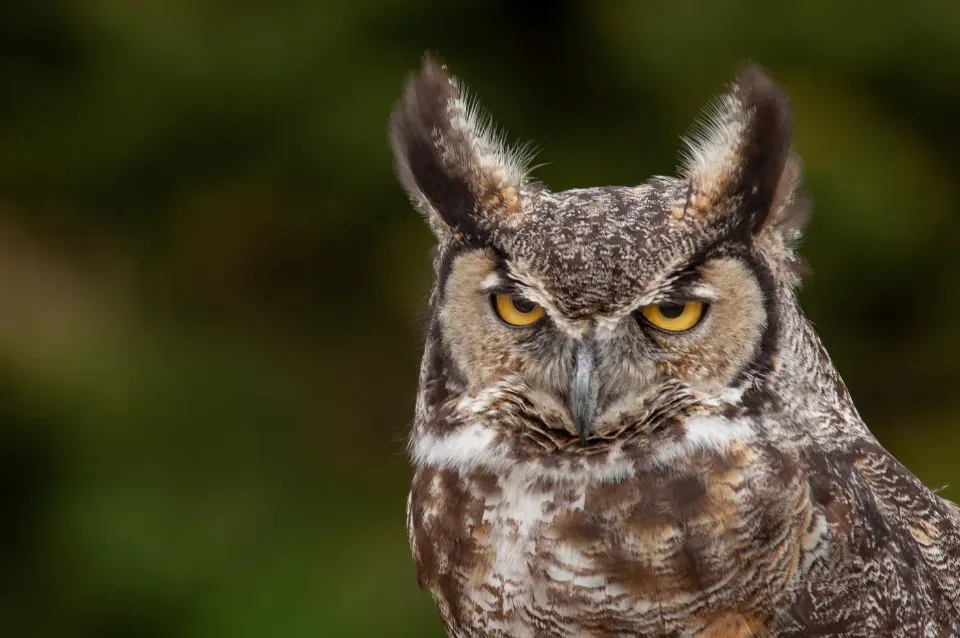
Everything so far has focused on the extraordinary. Now comes the part that matters most. Birds of prey are apex predators and play an important ecological role in maintaining the environmental health of their natural habitats. Their hunting habits remove old, sick, and weak animals from prey populations and help keep their numbers under control. Birds of prey are also indicator species, which means their health and population in an area reflects the health of the habitat overall.
Of the approximately 560 raptor species, nearly one in five are considered vulnerable, endangered, or critically endangered, and more than one in ten are listed as near threatened. Even among the species categorized as least concern, more than a third have declining population trends.
Sadly, the most severe threats to birds of prey are man-made. Agriculture, urbanization, and deforestation have significantly decreased the size of raptors’ natural habitats. Birds of prey are also being indirectly poisoned by lead and anticoagulants. When birds feed on prey that contains lead, such as a fish that has swallowed a lead sinker, they ingest the lead too and become sick.
The picture is sobering. These animals have survived asteroid impacts, continental shifts, and ice ages. The question now is whether they can survive us.
Conclusion: The Sky Is More Extraordinary Than We Realize
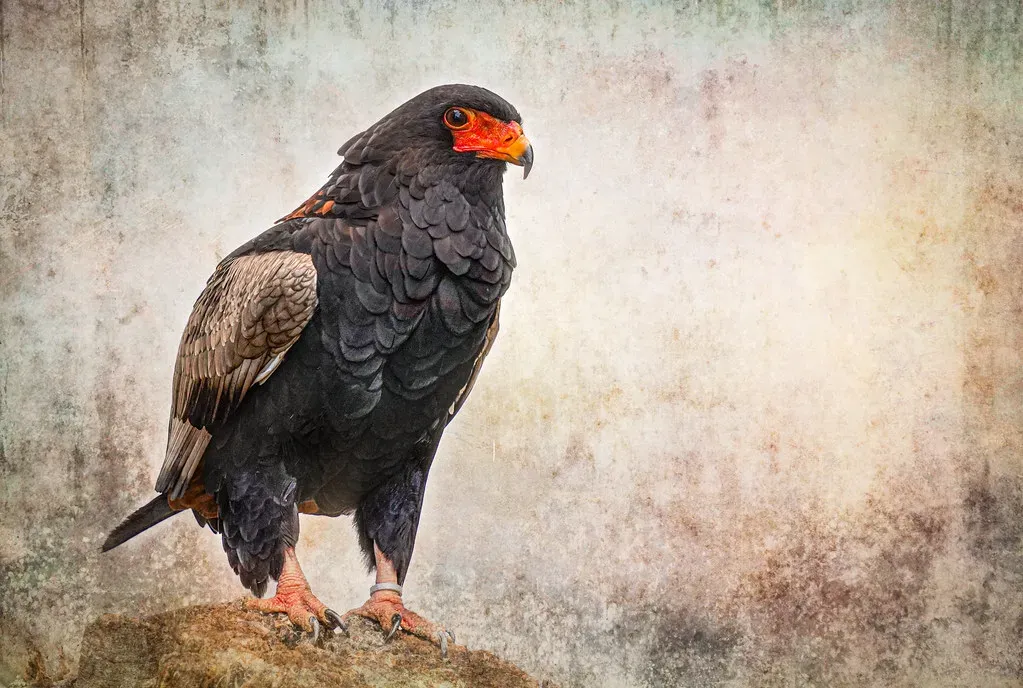
Birds of prey are not just impressive predators. They are feathered engineers, ancient survivors, ecological guardians, and biological marvels that make our own human senses and physical abilities look laughably modest by comparison.
From a falcon that plummets faster than a freefalling skydiver, to a hawk that uses pack tactics worthy of a nature documentary on wolves, to an osprey that invented built-in goggles long before humans thought of diving gear – every single fact here is a reminder that the natural world is stranger, richer, and more spectacular than we tend to notice in our daily lives.
The next time a hawk circles overhead, take a moment. That bird can see you six times more clearly than you can see it, has been shaped by sixty-six million years of evolution, and is the living heir of the very dinosaurs that once ruled the Earth. What would you have guessed was soaring above you?
