
There is something almost humbling about standing at the edge of a wilderness that doesn’t care about your schedule, your Wi-Fi signal, or your personal problems. Wildlife sanctuaries do that to you. They pull you into a world so raw and honest that even the most seasoned traveler goes quiet.
These are not your average tourist attractions. They are living, breathing ecosystems where conservation meets wonder – places where orphaned elephants are nursed back to life, where gorillas eye you with unsettling intelligence, and where millions of wildebeest thunder across open plains like a force of nature that has forgotten humankind exists. If you’ve been looking for a reason to pack your bags and go somewhere genuinely meaningful, this list is it. Let’s dive in.
Maasai Mara National Reserve, Kenya – Where the Wild Things Rule
Honestly, no wildlife list in the world feels complete without this one. When it comes to iconic wildlife travel, Kenya’s Maasai Mara is the gold standard. It is one of those places that lives up to every photograph, every documentary, every breathless description you’ve ever read.
Covering an area of 1,510 square kilometres, the Masai Mara National Reserve encompasses a diverse landscape consisting of the savannah, mountain highlands, lakelands and the Great Rift Valley. That variety alone makes it feel like the whole of Africa compressed into one destination.
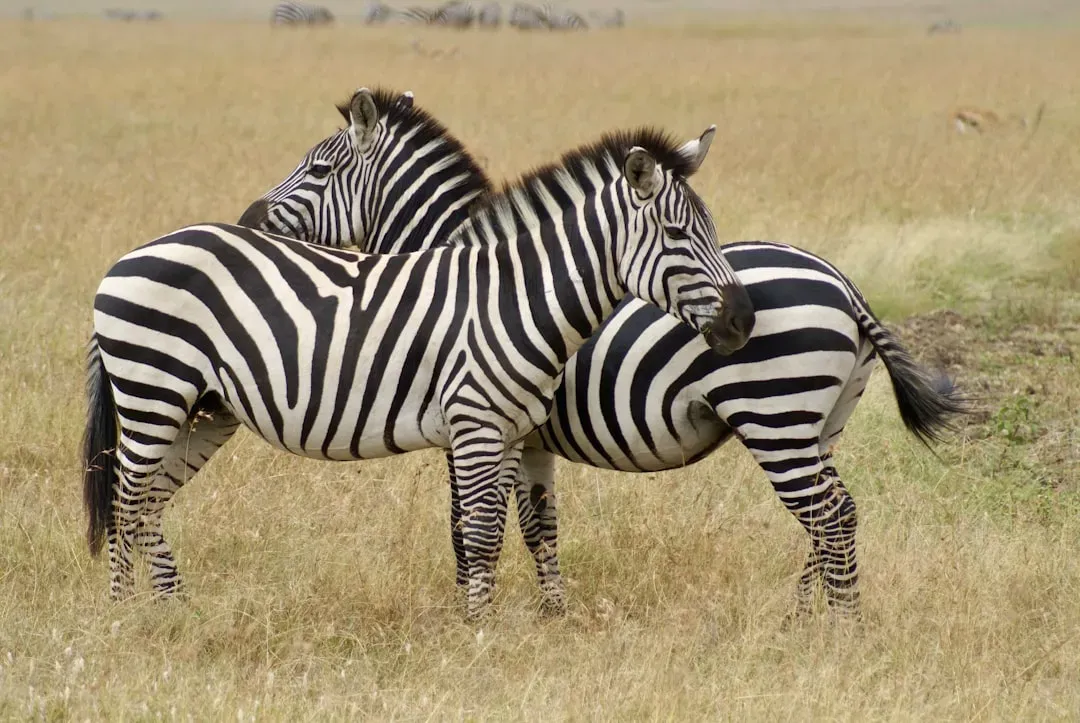
Famous for hosting the Great Migration – a jaw-dropping spectacle of over 1.5 million wildebeests, zebras, and gazelles – this savannah ecosystem is a photographer’s paradise. The best time to witness it is between July and October, though honestly, the Mara is spectacular in any season.
Famed for its spectacular natural diversity of animals, you can expect to see vast numbers of cheetahs, leopards, elephants, rhinos, African buffalo, giraffes, zebras, and lions across the rugged African wilderness, and the wildlife park is also home to an excellent year-round concentration of game. I think this might be the single most awe-inspiring place on the entire planet.
Serengeti National Park, Tanzania – The Land That Time Forgot
To witness the raw, untamed beauty of nature, a visit to Tanzania’s Serengeti National Park is a must-visit biodiversity hotspot, stretching over 30,000 square kilometers, the place where the land runs on forever. That sense of endlessness is not an exaggeration – it is genuinely disorienting in the most magnificent way.
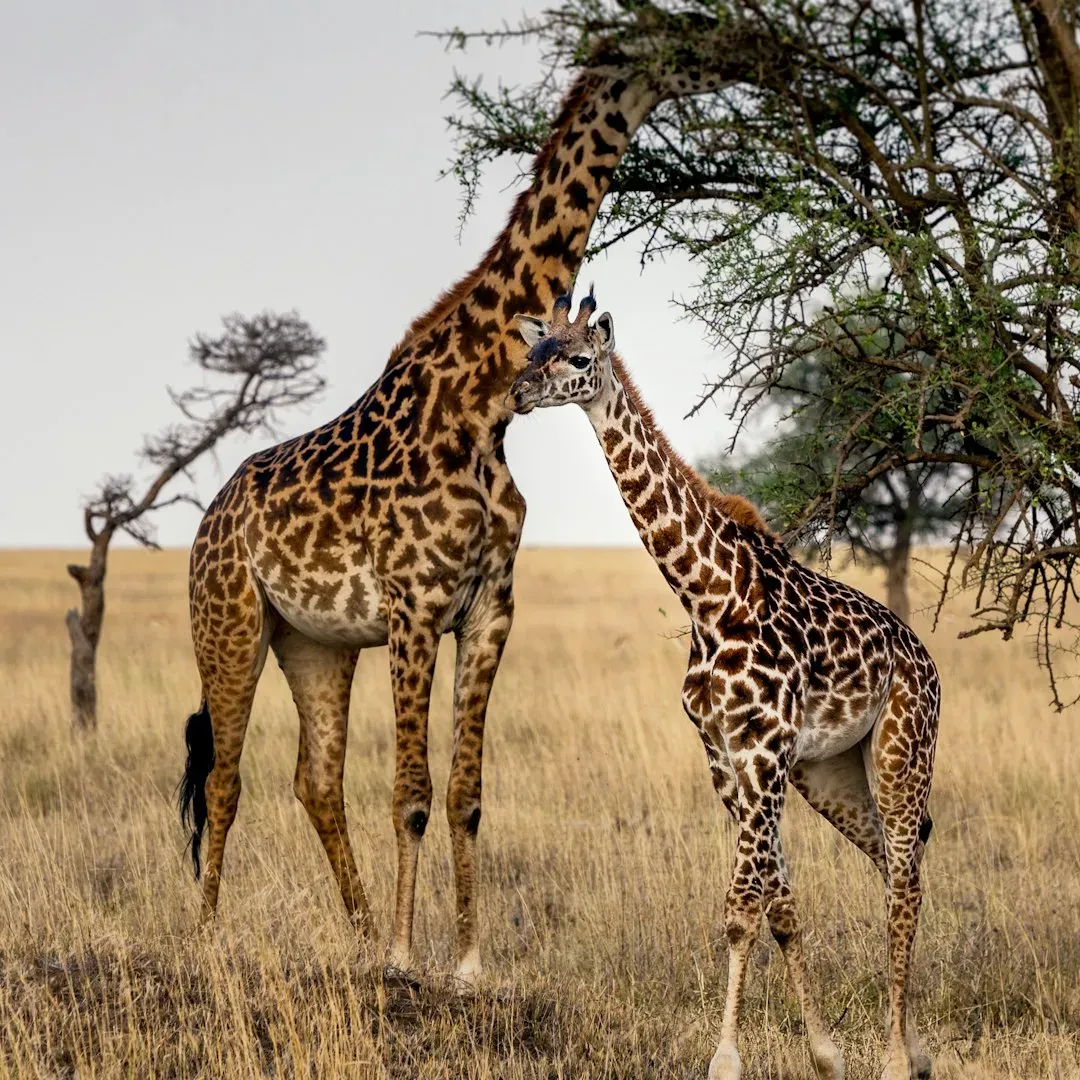
One of the planet’s oldest ecosystems, this vast Tanzanian plain feels timeless – its horizons shaped by predators, prey, and ancient migration routes. While lions, elephants, and giraffes roam freely year-round, the Serengeti’s defining moment comes with the Great Migration, when vast herds of wildebeest and zebra thunder across the grasslands in search of fresh grazing.
Whether experienced from a safari vehicle, a light aircraft, or a sunrise hot-air balloon, the Serengeti delivers wildlife encounters that feel both humbling and cinematic – nature, uninterrupted. Picture yourself floating above the plains at dawn in a hot-air balloon. It’s the kind of memory you carry for the rest of your life.
Volcanoes National Park, Rwanda – A Meeting With Our Closest Relatives
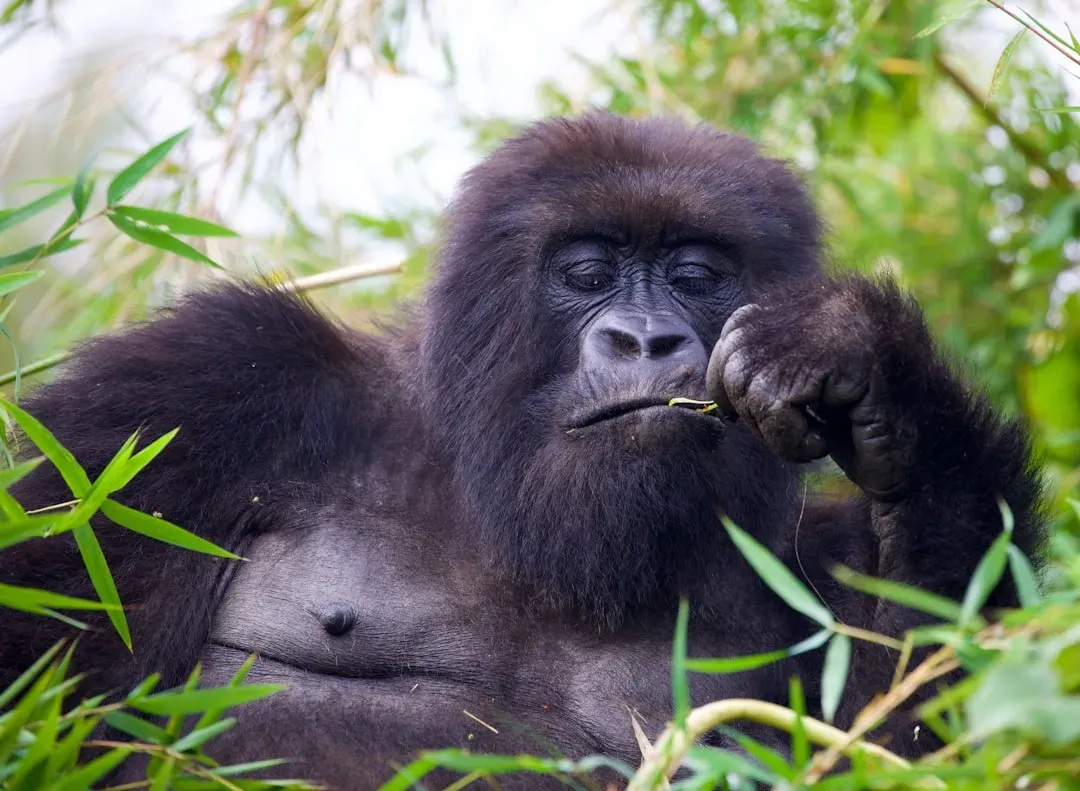
There are few experiences on this planet as quietly shattering as locking eyes with a mountain gorilla. Few wildlife experiences can rival the profound intimacy of sitting mere meters from a mountain gorilla family in their misty volcanic domain. In Rwanda’s Volcanoes National Park and Uganda’s Bwindi Impenetrable Forest, fewer than 1,000 mountain gorillas remain, making every encounter a privilege reserved for those willing to trek through challenging terrain.
The silverback patriarch, weighing up to 400 pounds, may regard you with intelligent eyes that seem to recognize your shared ancestry. Juveniles tumble through the underbrush, while mothers cradle infants with tenderness that transcends species. It is, without question, one of the most emotionally charged wildlife encounters available to a traveler in 2026.
Rwanda itself has made extraordinary conservation strides. For the past decade and a half, African Parks and the Rwanda Development Board have been working to rehabilitate the park, and the big five and many other animal species now flourish on the plains of Akagera. After a successful rhino translocation from South Africa in 2021, another 70 white rhinos were relocated to Akagera in May 2025, positioning the park as a conservation hub for threatened species.
Gir Forest National Park, India – The Last Kingdom of the Asiatic Lion
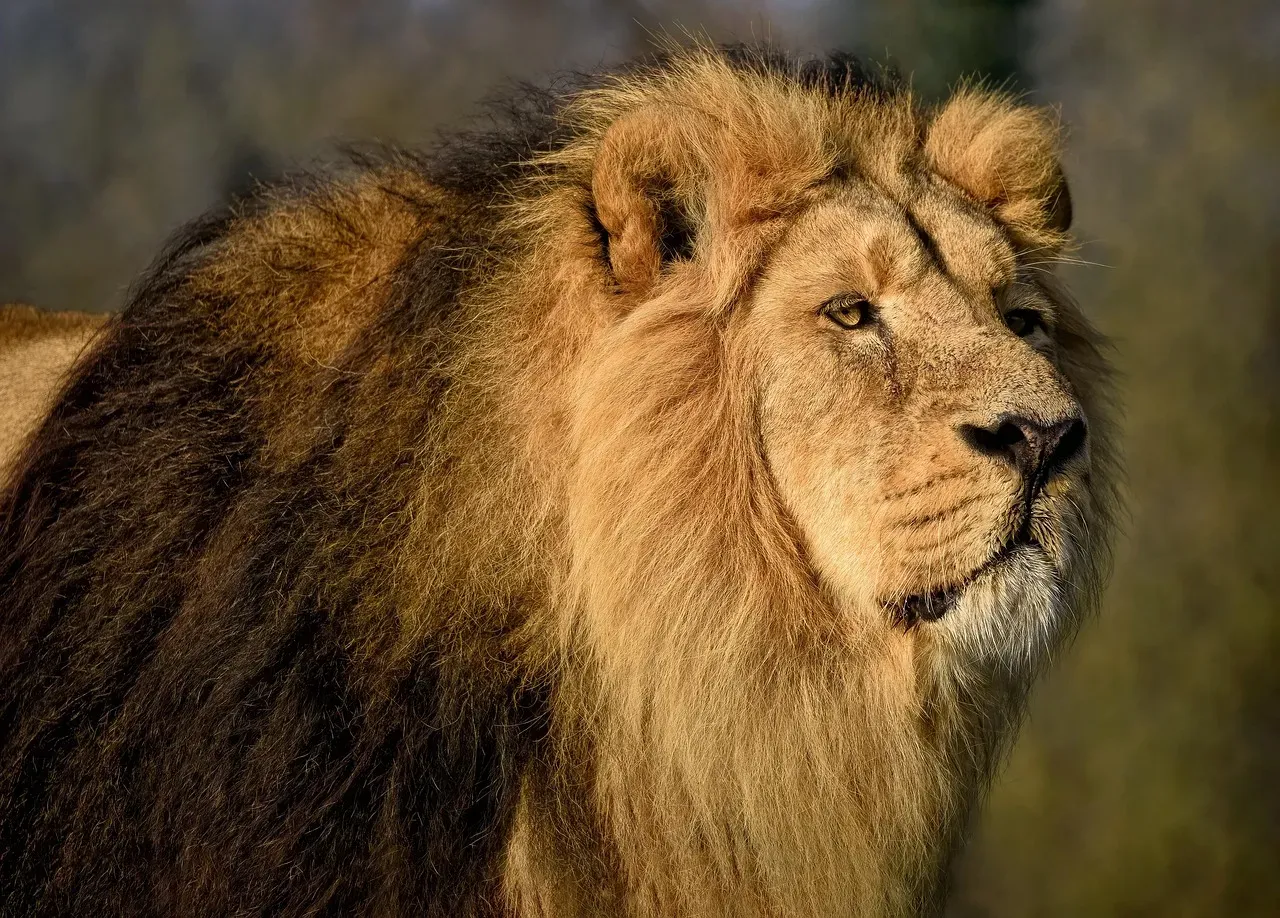
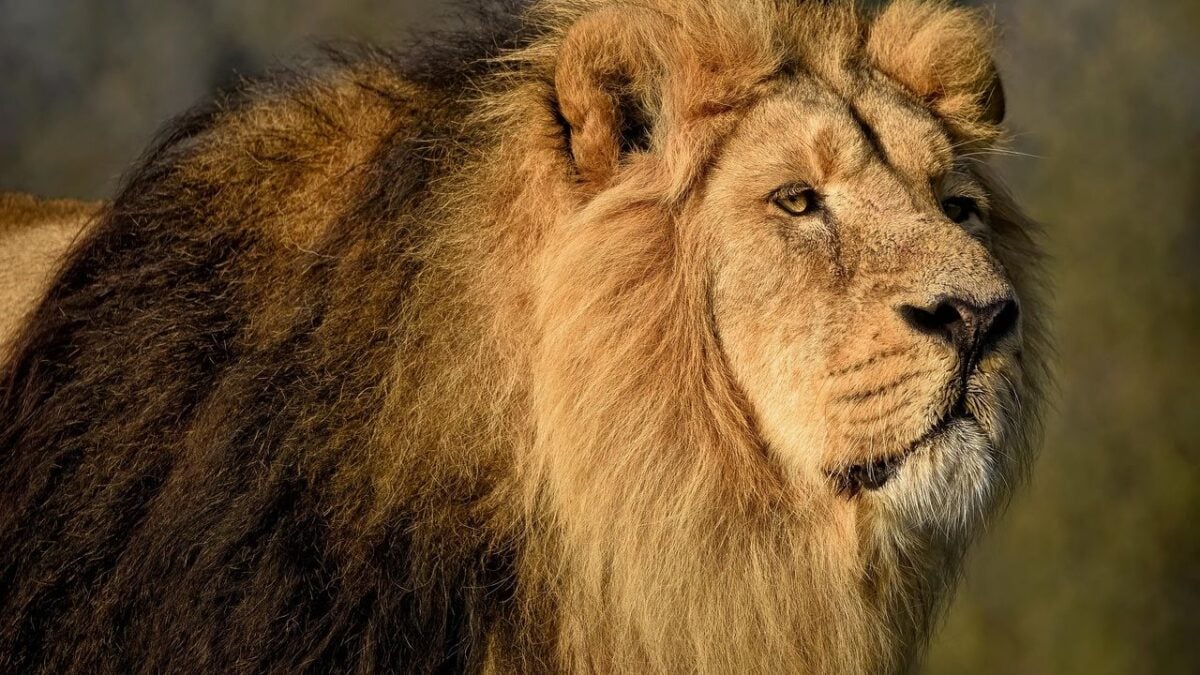
Here’s the thing most people don’t realize: lions don’t only live in Africa. If you want to encounter Asiatic lions in the wild, there’s arguably no better place than Gir Forest National Park and Wildlife Sanctuary in Gujarat, India. This is the only place on Earth where these majestic big cats still roam free in the wild – which makes visiting feel less like tourism and more like a privilege.
To protect the animals and their habitat, the park operates a very strict visitor code involving permits and guided safari tours. While lions are undoubtedly the star attraction, other creatures include around 300 bird species, Indian leopards, sloth bears, Indian cobras, antelope, and more.
The strict permitting system keeps visitor numbers controlled, which is actually part of what makes the experience so special. You’re not surrounded by a convoy of forty jeeps. It feels intimate. It feels wild. And when a lion appears through the dry teak forest, golden and completely unbothered by your presence, it feels like something sacred.
Chengdu Research Base of Giant Panda, China – Where Conservation Gets Adorable
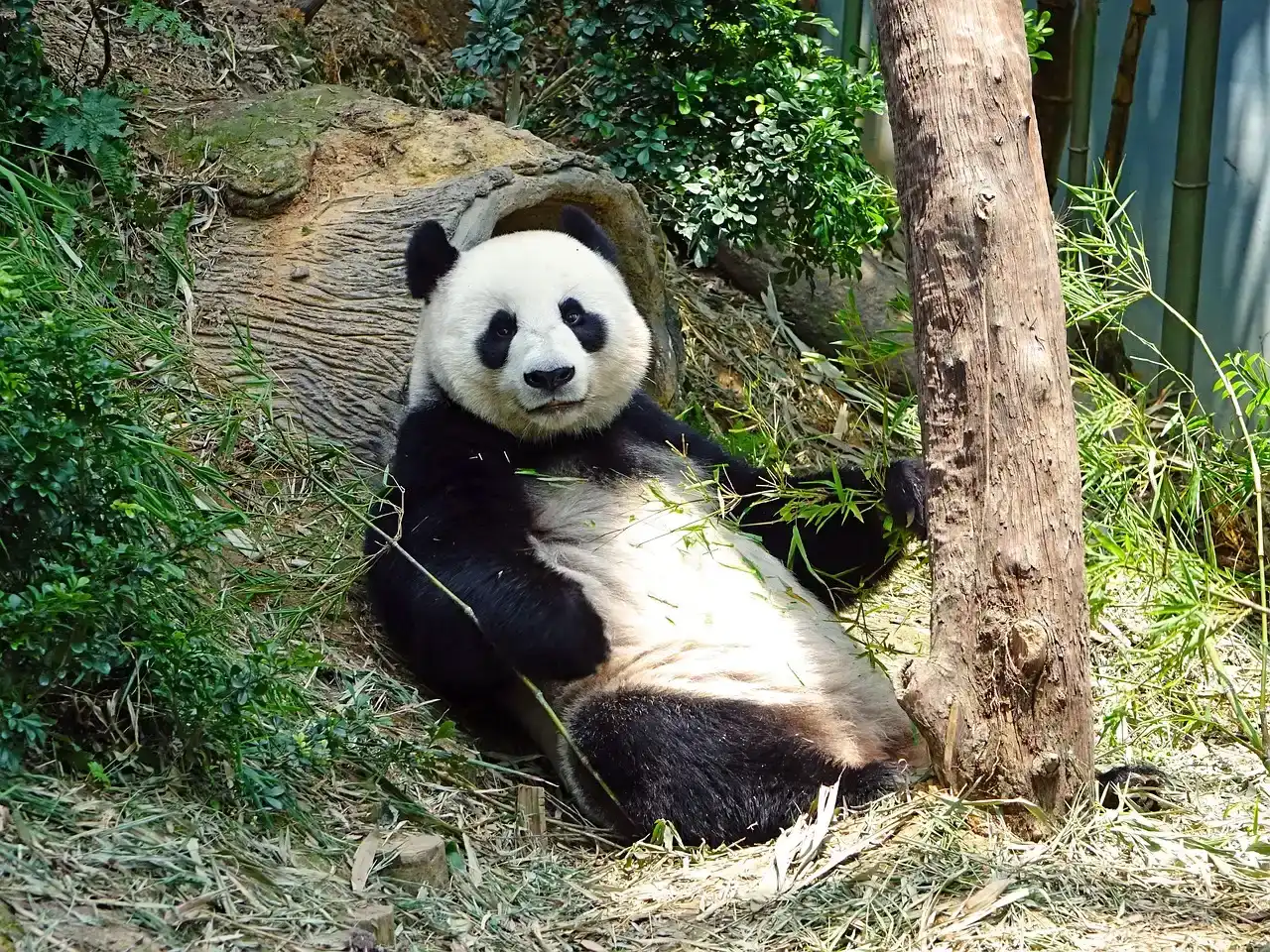
I know, I know – giant pandas are almost comically cute. China’s iconic giant pandas are something of a conservation success story. Together with the Chinese government, the World Wildlife Fund (WWF) created a network of remote nature reserves deep in the Minshan Mountains of Sichuan province that protected habitat and supported breeding programmes.
According to records, in 1987 this centre started with six pandas and this number has crossed over 150 in 2023. That trajectory is remarkable. Think of it like watching a near-extinction become a comeback story – one bamboo stalk at a time.
What sets this sanctuary apart from other tourist attractions is its rather enriched natural setting, with brooks, lakes, rivers, woods, and wild bamboo forests, which has rendered it a meaningful environment for the rare giant panda conservation and sought-after tourism destination. It offers visitor excursions and provides pandas with modern breeding, disease control, and genetic management facilities. The research happening here matters enormously for the long-term survival of this species.
Yala National Park, Sri Lanka – The Leopard Capital of the World
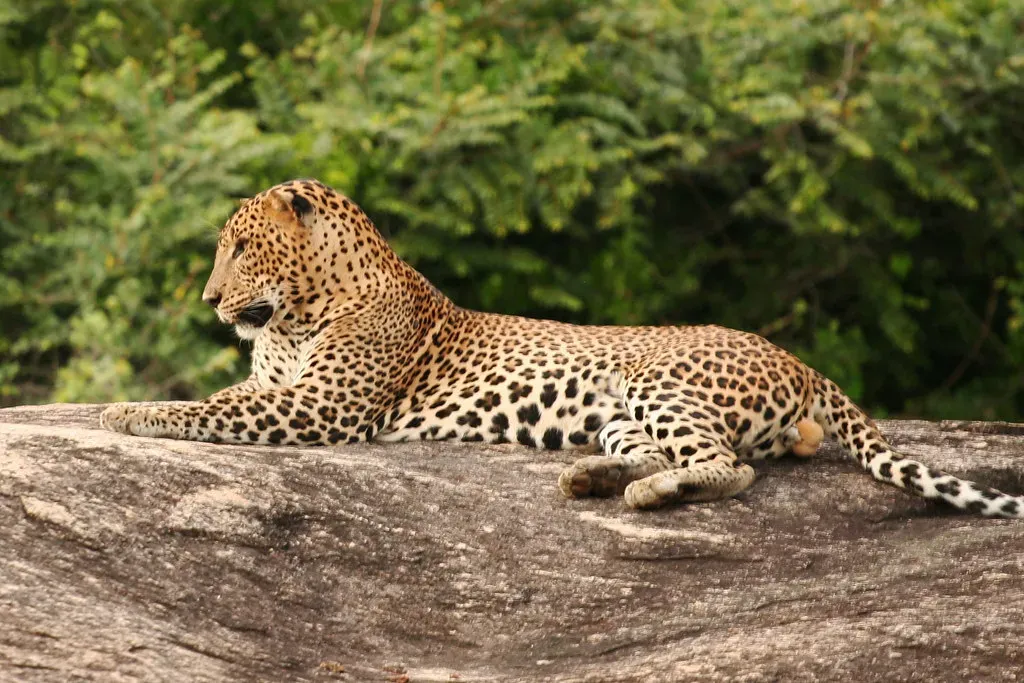
Sri Lanka doesn’t always top the wildlife travel conversation, and that is genuinely baffling. Yala National Park reportedly has the highest density of wild leopards in the world. Let that sink in for a moment. Not one of the highest – the highest.
Yala National Park in Sri Lanka covers an area of around 979 square kilometres and is Sri Lanka’s most visited national park. This wildlife park is made up of six separate national parks and three wildlife sanctuaries and contains rare animals, such as sloth bears, leopards, Indian elephants, wild boars, mongoose, spotted deer, saltwater crocodiles, water buffalo, plus more than 215 species of birds.
Inside, Yala’s beautiful coastal stretches, rugged terrains and lagoons shelter elephant herds, one of the largest numbers of elusive leopards, sloth bears, sambars, jackals, spotted deer, and crocodiles. To truly soak in a more captivating experience, Yala also facilitates a tour around the sanctuaries in a Jeep with local wildlife professionals who are experienced in detecting leopards. It’s the kind of adventure that feels authentic, not manufactured.
The Sheldrick Wildlife Trust, Kenya – Where Elephants Find a Second Chance
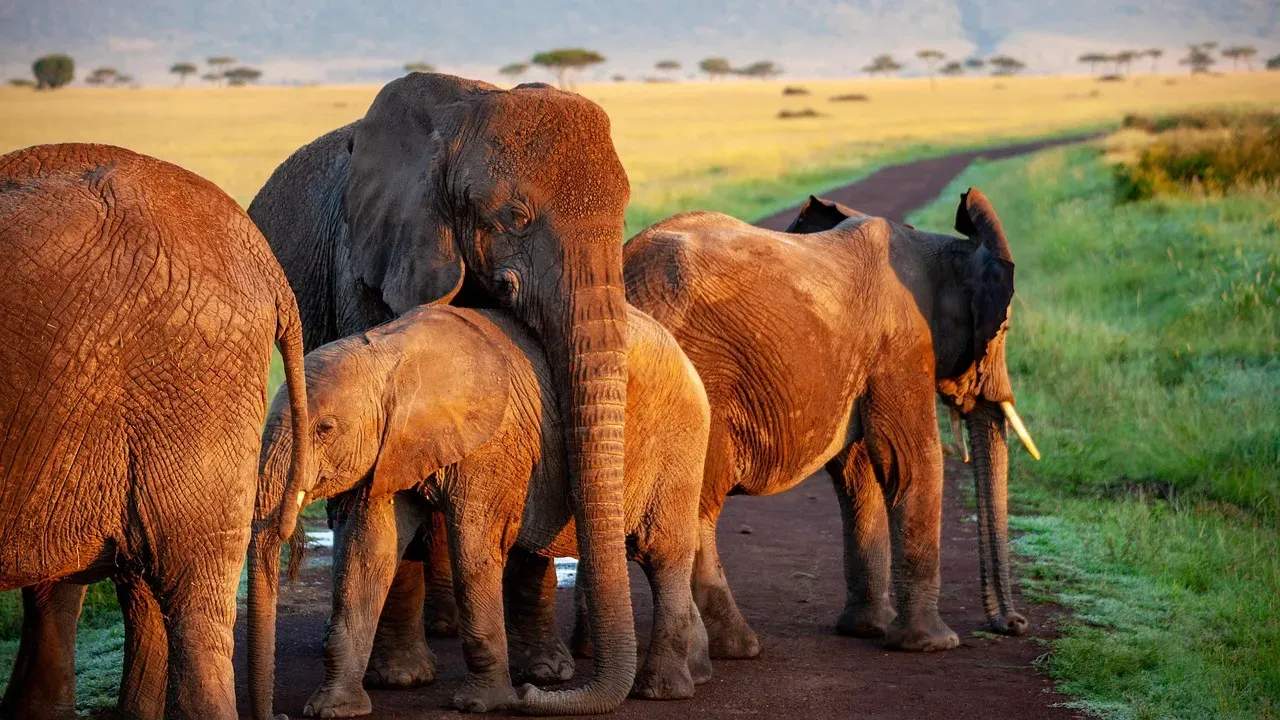
If the Maasai Mara is about the spectacle of wildlife, the Sheldrick Wildlife Trust is about something quieter and arguably more moving. The Sheldrick Wildlife Trust in Kenya was set up to care for orphaned young rhinos and elephants. Every creature here is hand-raised, ready to be reintegrated into their native habitat, as and when this is realistic.
The David Sheldrick Wildlife Trust is famous for its orphaned elephant rehabilitation program. Since the sanctuary was founded in Kenya in 1977, more than 250 orphans have been successfully raised. Those numbers represent real lives saved – baby elephants who would have otherwise perished after losing their mothers to poaching.
The sanctuary also works way beyond its boundaries by operating mobile de-snaring teams and veterinary units, plus an anti-poaching program. Visiting here is not just tourism. It is participation in something genuinely important. You’ll watch a keeper bottle-feed a mud-caked baby elephant, and you will almost certainly cry. No shame in it.
Galápagos Islands, Ecuador – Evolution’s Living Laboratory
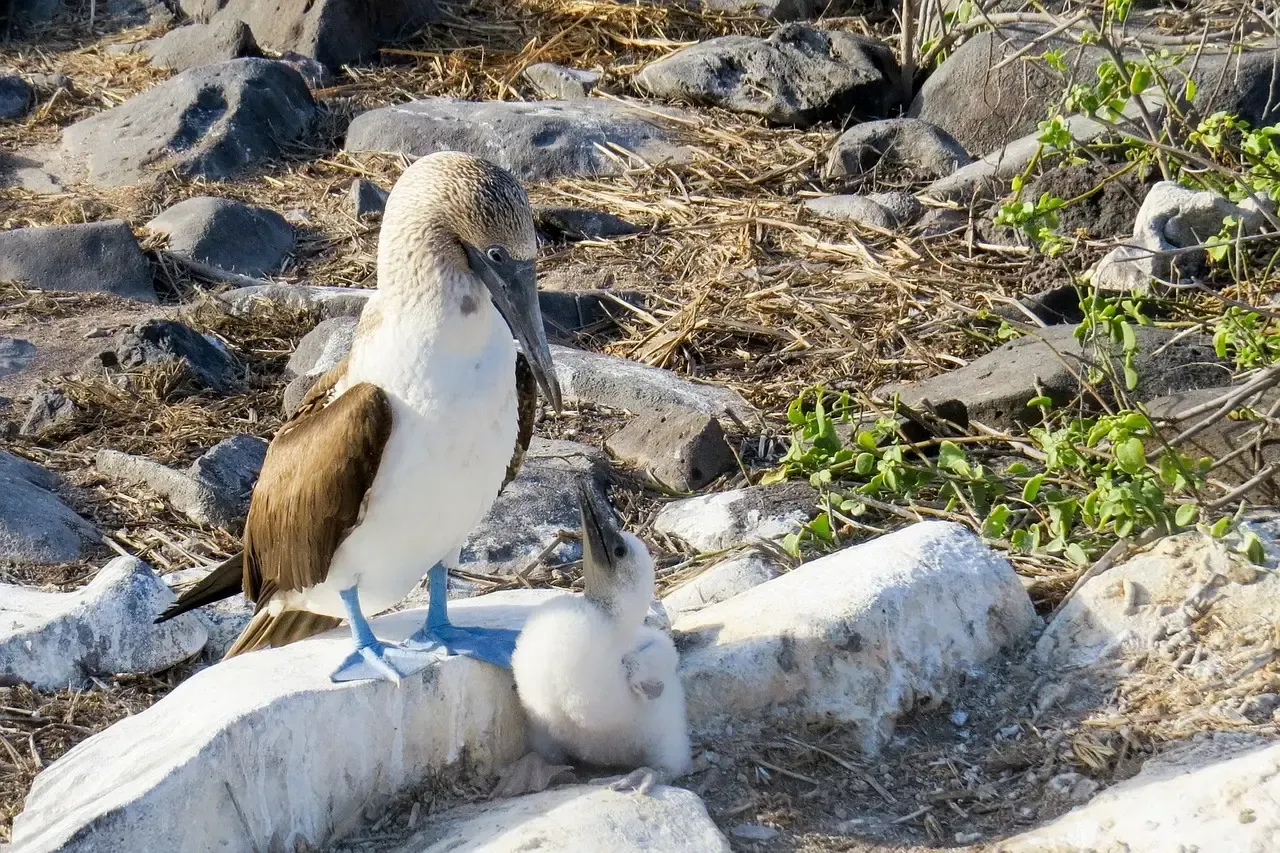
There is no place on Earth quite like the Galápagos. Not even close. The Galápagos Islands are among the most unique wildlife sanctuaries in the world, hosting species found nowhere else. From giant tortoises to blue-footed boobies and marine iguanas, the archipelago’s isolated ecosystem offers an unparalleled wildlife experience.
The wildlife of the Galápagos exists nowhere else on Earth. Giant tortoises weighing up to 900 pounds, marine iguanas that dive 30 feet for algae – the sheer otherness of the creatures here is astonishing. It’s like visiting a world that evolution forgot to sync with the rest of the planet.
Guided boat tours take visitors to different islands, where they can snorkel with sea lions, walk alongside nesting birds, and observe hammerhead sharks in crystal-clear waters. The Galápagos Islands offer a unique perspective, having inspired Charles Darwin’s theory of natural selection. These islands remain a living laboratory of evolution with species found nowhere else on Earth, preserving its legacy of wonder and discovery. Honestly, stepping onto these islands feels like stepping into a biology textbook that somehow came to life.
Sloth Sanctuary of Costa Rica – The World’s Most Peaceful Rescue Center
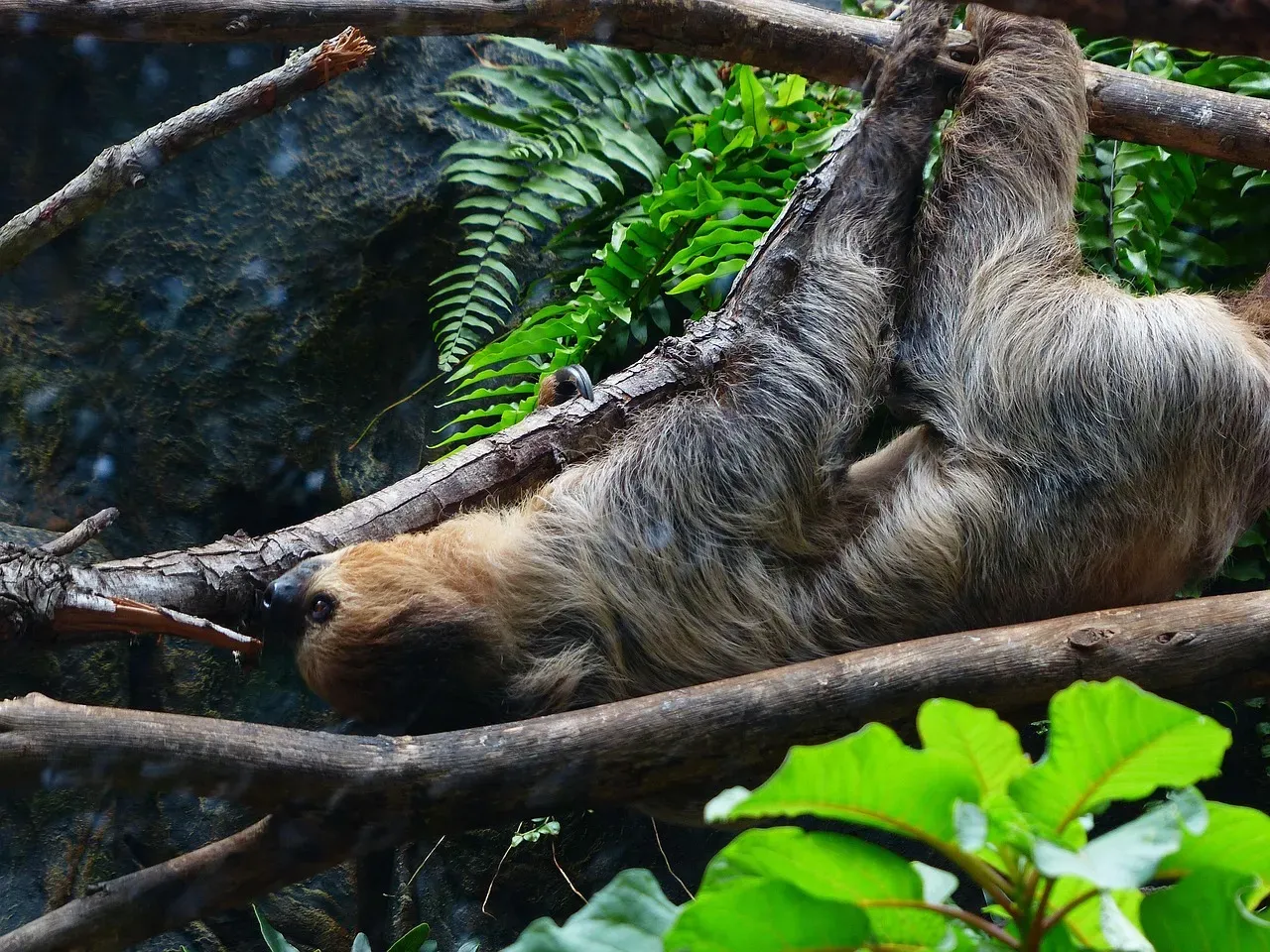
Let’s be real – sloths are not the first animal that comes to mind when you think of thrilling wildlife encounters. They move at roughly the speed of a bored teenager. Yet there is something deeply enchanting about them that draws travelers from all over the world to this corner of Costa Rica.
Founded in 1992, the Sloth Sanctuary of Costa Rica is the world’s first sloth rescue center. Made internationally famous in the Animal Planet “Meet the Sloths” series, the center cares for injured, orphaned and abandoned sloths. Tours are offered to educate the public about these enigmatic creatures and how their main predator – man – affects the future of their species.
The Sloth Sanctuary in Cahuita has made a special conservation habitat to protect these happy little animals from endangerment. Established in 1992, the Sloth Sanctuary of Costa Rica is the world’s first sloth rescue centre. This habitat is mainly centred on the conservation of the two-toed sloth and the three-toed sloths within the beautiful landscapes of Costa Rican lush tropical rainforests and Estrella River. Few sanctuaries in the world feel this gentle and sincere.
Scientists at the Sloth Sanctuary revealed that sloths experience tachycardia when held by unfamiliar handlers; this can cause premature death. That single fact tells you everything about the sanctuary’s approach – they put science and animal welfare above the tourist experience, every single time. It’s refreshing, and it’s the right way to do things.
The World Is Still Wild – Go See It
What strikes me most about every single one of these sanctuaries is that they exist because people cared enough to fight for them. Against poaching, against habitat destruction, against the slow grind of human expansion. Wildlife sanctuaries, scattered across the globe, serve as vital safe havens for animals. Their significance transcends mere preservation; they play a critical role in maintaining biodiversity, which is essential for the health of the planet.
Visiting these places is not just recreation. When you visit a Wildlife Heritage Area or a sanctuary, you’re doing more than seeing wildlife. You’re supporting animals, first and always, with distance, respect, and non-exploitative experiences. Your admission fee, your eco-lodge stay, your guided safari – all of it feeds directly back into conservation.
The natural world is more fragile than it looks on the surface. Yet it is also more resilient than we give it credit for, particularly when given the space and protection it deserves. These nine sanctuaries are proof of that resilience. They are living arguments for why the fight to preserve wild places is always, always worth it.
So the real question is this – which one of these wild wonders will you visit first? Tell us in the comments, we’d love to know where your adventure begins.

- 15 Tender Things Old Dogs Do the Closer the End Quietly Comes - July 21, 2026
- 14 Ways a Rescue Cat Shows It Has Given You Its Fragile Heart - July 21, 2026
- 13 Familiar Things That Bring an Aging Dog Deep, Quiet Comfort - July 21, 2026