
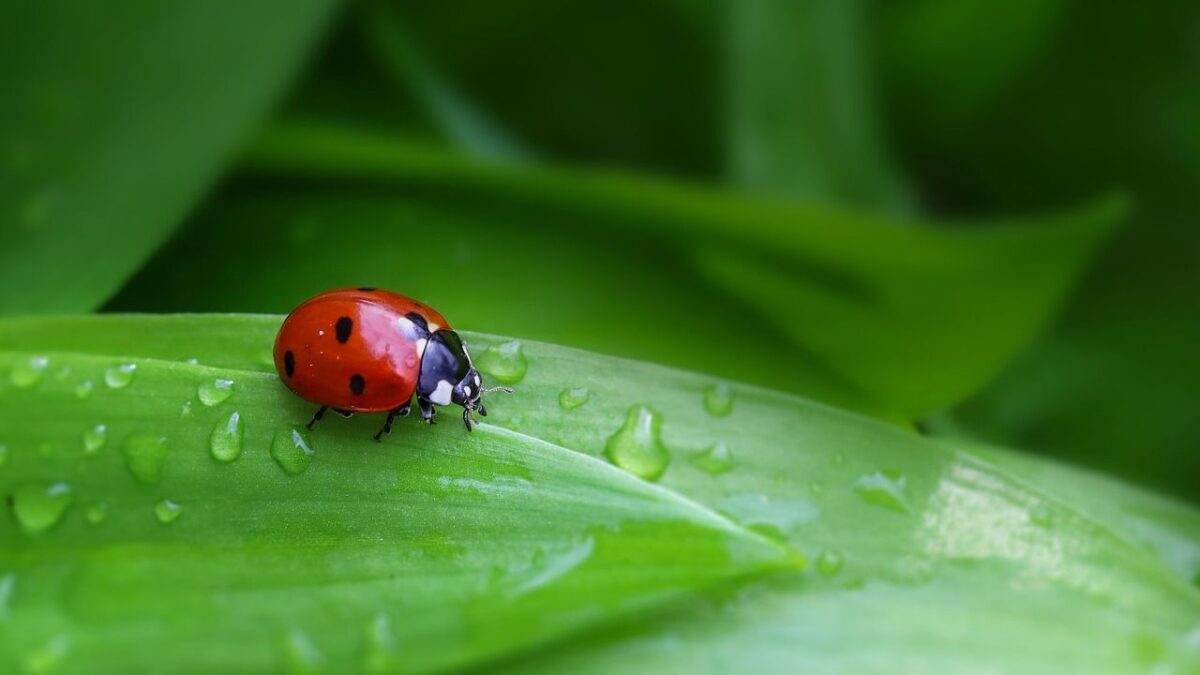
Picture this: a tiny red insect with black spots lands on your finger, and suddenly your day feels luckier. have charmed us for generations, popping up in gardens and folklore alike. Yet beneath that cute exterior hides a world of quirks you probably never imagined.
These little powerhouses pack secrets that challenge everything we think we know. Ready to see in a whole new light? Let’s dive into the surprises.[1][2]
1. Technically, They’re Lady Beetles, Not
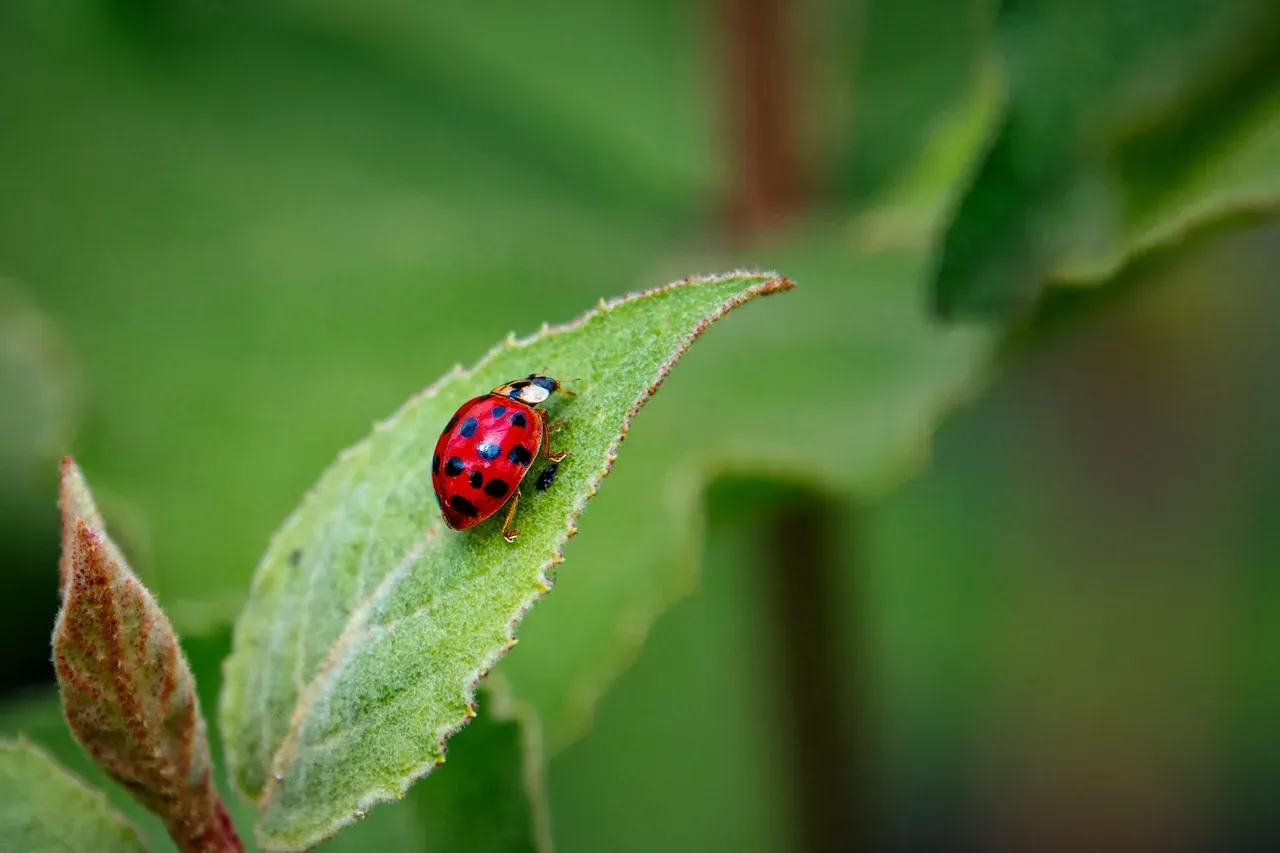
Here’s a shocker: those polka-dotted darlings aren’t bugs at all. True bugs suck liquids with needle mouths, but chomp solid food like proper beetles. They belong to the Coccinellidae family, undergoing full metamorphosis from egg to larva to pupa.[1][3]
I always pictured them as soft bugs, but nope, hard-shelled warriors. This mix-up comes from old American naming habits. Honestly, calling them lady beetles feels more respectful to their beetle roots.
2. They Aren’t All Red With Black Spots
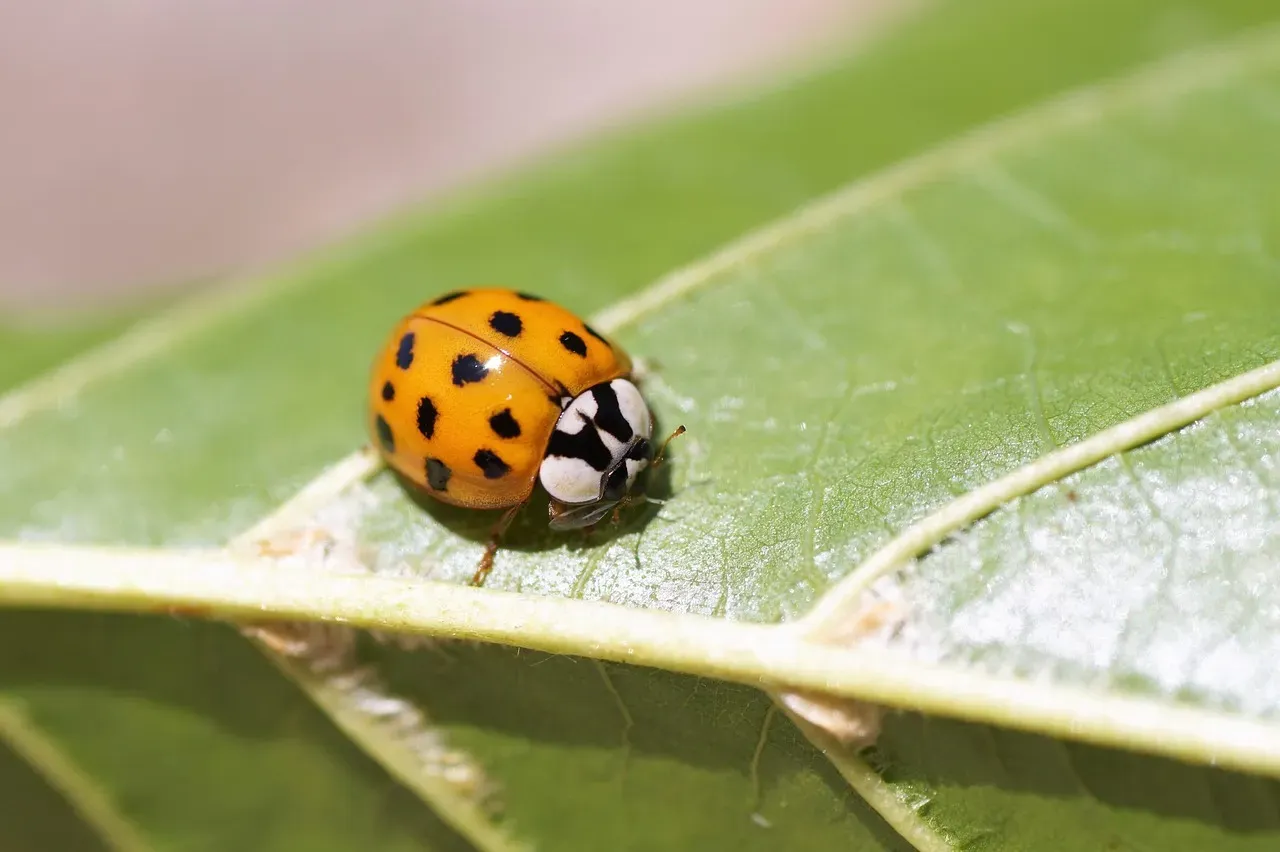
Forget the classic red-and-black image. sport yellow, orange, pink, even black coats, with stripes or no spots sometimes. Over 5,000 species worldwide means endless variety, tailored to habitats from forests to cities.[1][4]
Some blend into leaves for stealth, others flash neon warnings. It’s like nature’s fashion show. Who knew these cuties could pull off so many looks?
3. They Consume a Lot of Pests
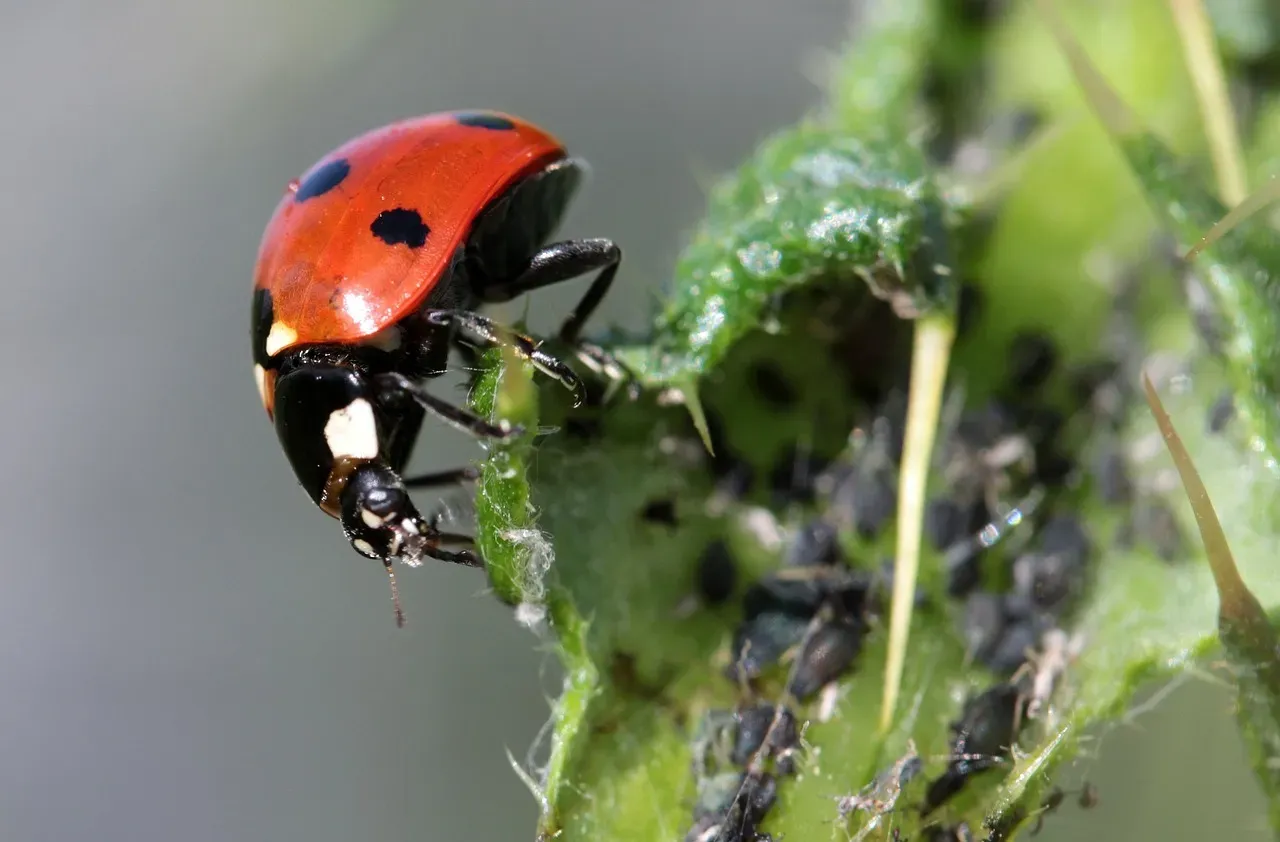
are garden heroes, devouring aphids by the hundreds daily. Larvae hatch right in aphid crowds and feast immediately, while adults rack up 5,000 pests over a lifetime. Farmers release them for natural pest control, skipping harsh chemicals.[1][4]
They munch mites, thrips, even fruit flies. Though a few species nibble plants, most save your veggies. Let’s be real, they’re tiny exterminators in disguise.
4. They Hibernate in Winter
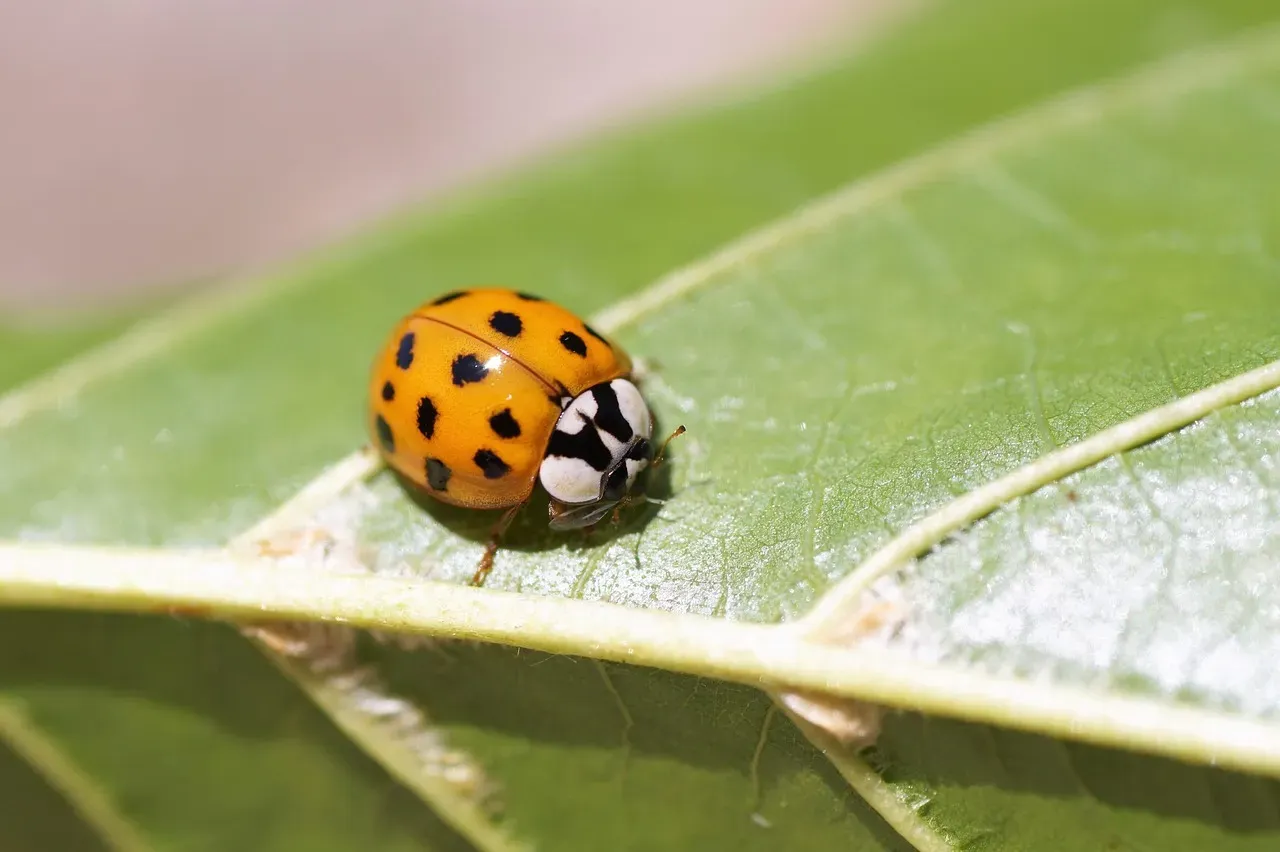
When frost hits, don’t fly south. They hunker down in diapause, clustering by thousands in cracks or logs for warmth. Fat reserves sustain them up to nine months until aphids return in spring.[1][2]
Pheromones guide these massive gatherings. Ever seen walls crawling with them? That cozy pile-up is survival smarts at work.
5. Their Spots Serve as a Warning
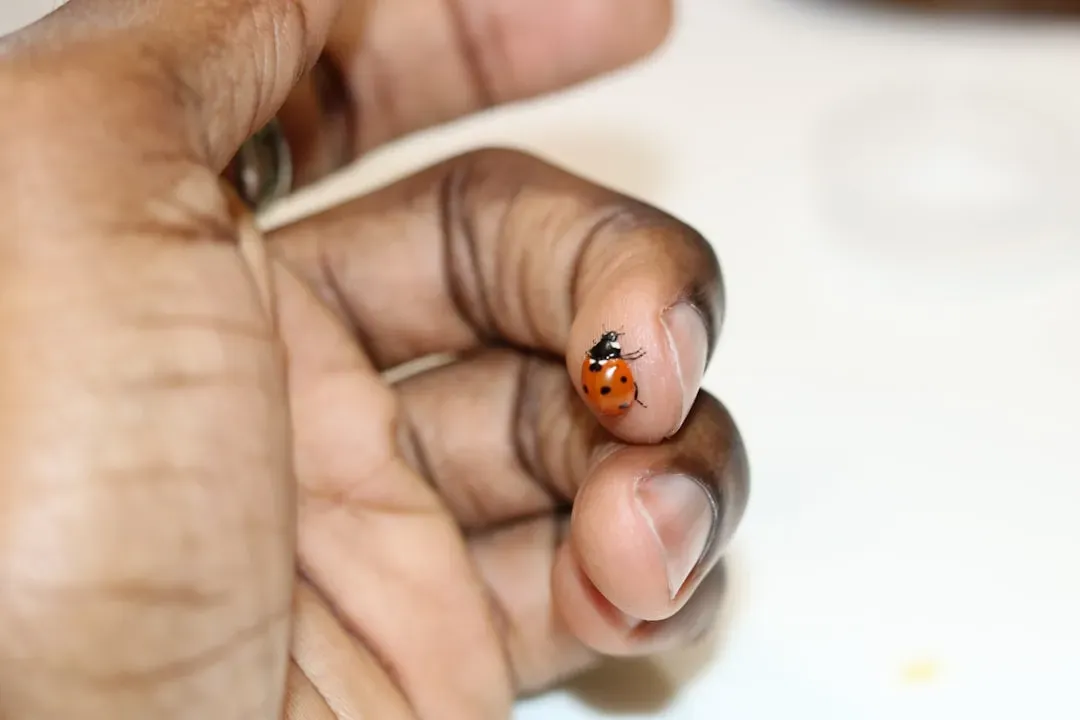
Bright spots scream “back off” to predators. Laden with toxins, ooze yellow, stinky blood from leg joints if grabbed, staining foes and tasting foul. They even play dead for extra drama.[1][3]
Birds, frogs, spiders learn quick to avoid them. This aposematic trick saves lives daily. Pretty genius for such small critters, right?
6. Their Name Is Legendary
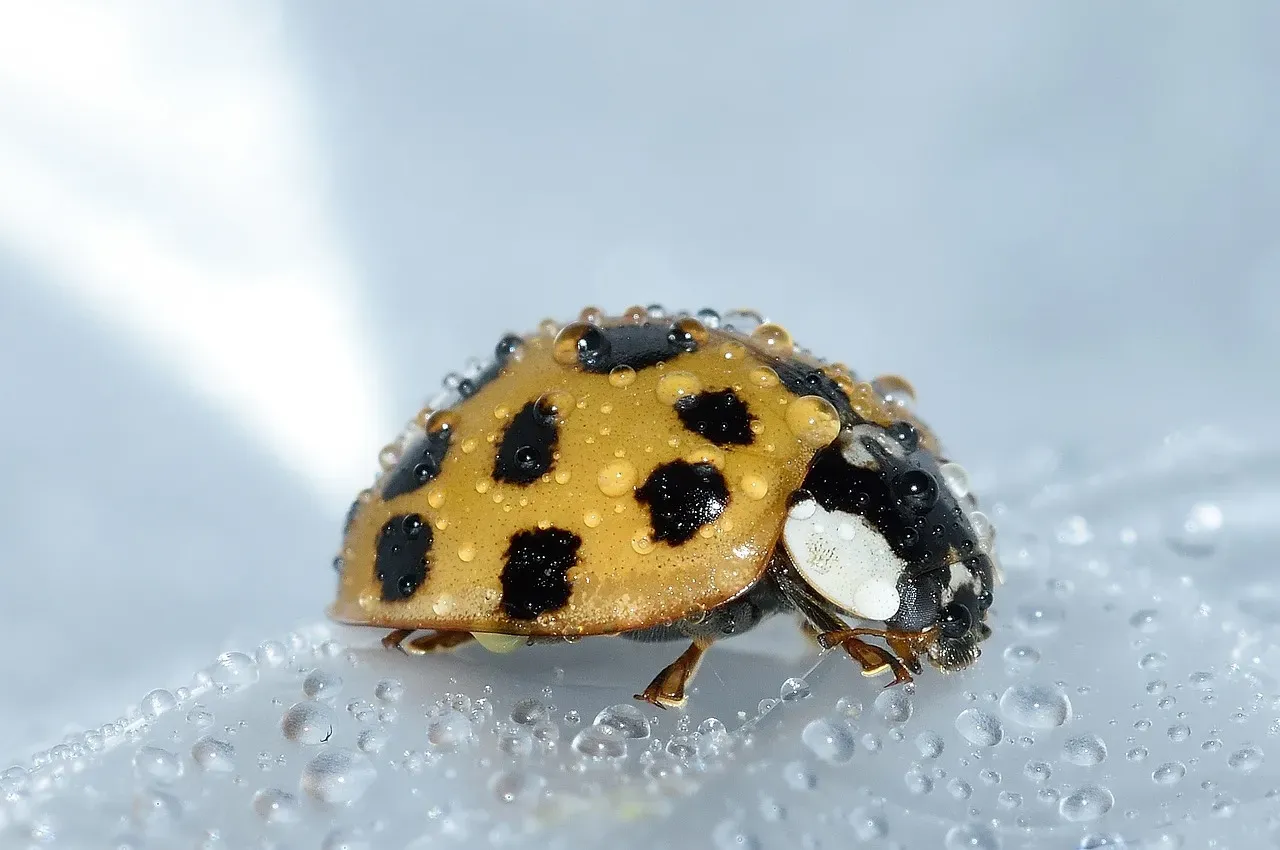
Medieval farmers prayed to the Virgin Mary amid aphid plagues. swooped in, devoured pests, earning the title “Our Lady’s beetles.” Across Europe, names like Marienkafer echo this holy origin.[1][4]
Good luck symbols followed worldwide. From crop boons to love predictions, folklore loves them. It’s a tale of faith meeting fierce appetites.
7. They May Eat Their Own Eggs
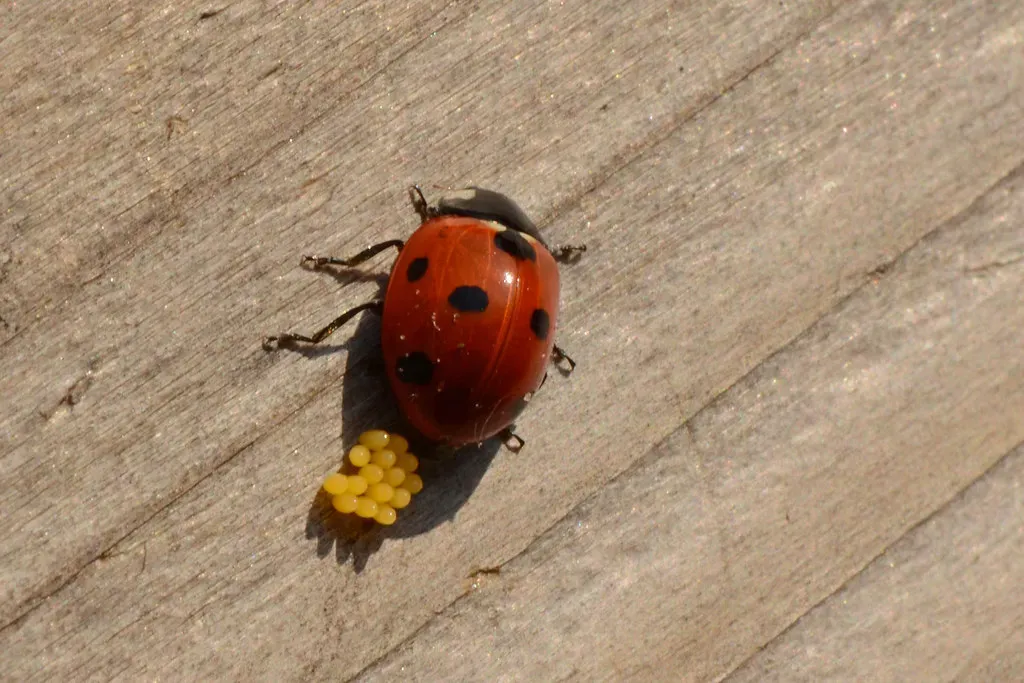
Moms lay up to 1,000 eggs near food, but scarcity flips the script. They gobble unhatched siblings or lay extra infertile ones as hatchling snacks. Cannibalism boosts survivor odds in tough times.[1][4]
Harsh, but nature’s pragmatic. Larvae join in too. Survival trumps sentiment every time.
8. They Have Hidden Wings
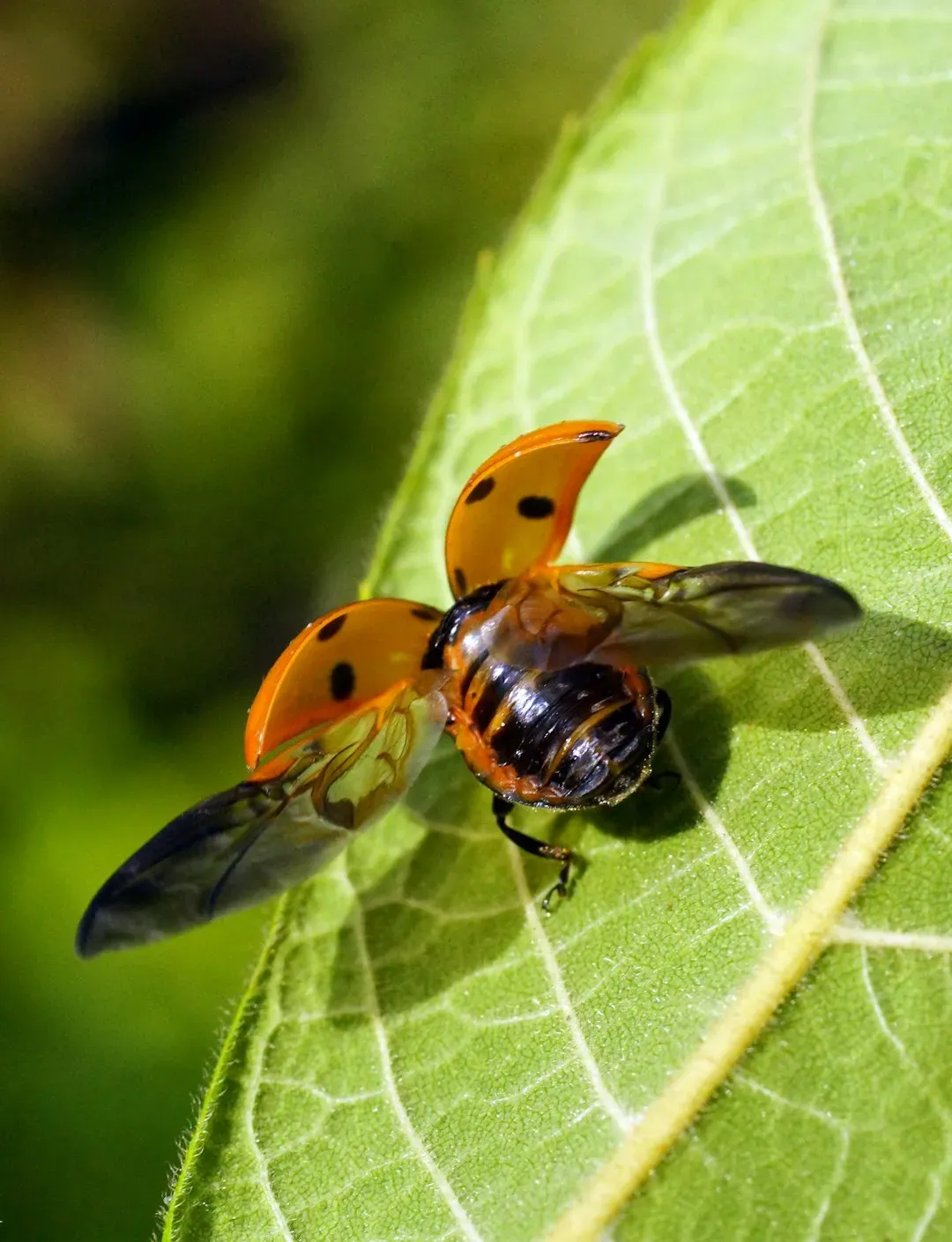
Under that dome shell hide massive hindwings, unfolding in a blink to beat 85 times per second. Larvae morph into spiny “alligator” shapes before pupating into flyers. These wings let them roam far for mates and meals.[1][3]
Alligator larvae? Yep, spiky pest-eaters. Adults emerge ready to soar. Hidden power in plain sight amazes me.
9. ‘ Numbers Are Declining
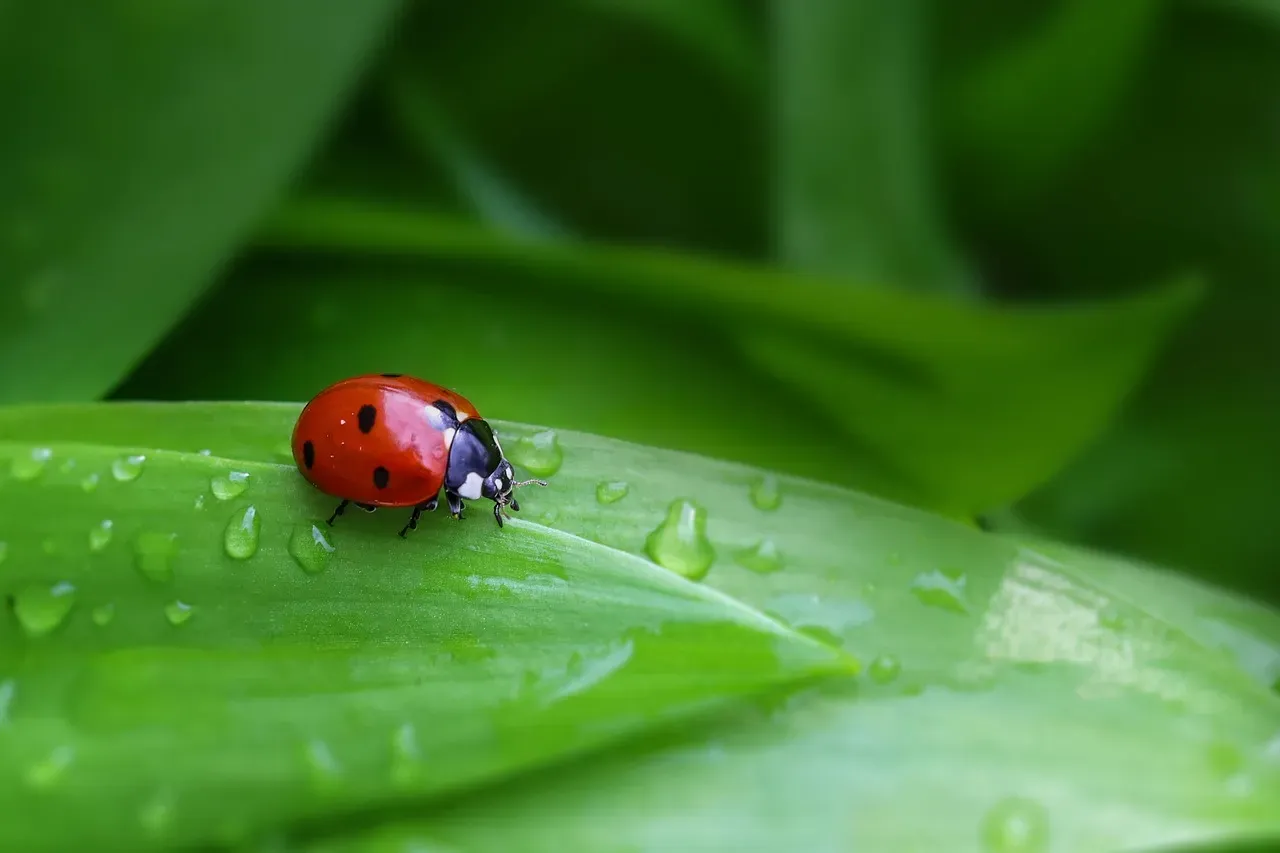
Native populations crash from invasive rivals, habitat loss, climate shifts. Asian lady beetles outcompete locals, spreading fast. Projects like Lost Ladybug track declines via public sightings.[1]
Prey changes and disease pile on. We need these allies. Spot fewer? You’re not alone; it’s a wake-up call.[4]
What Makes Truly Special
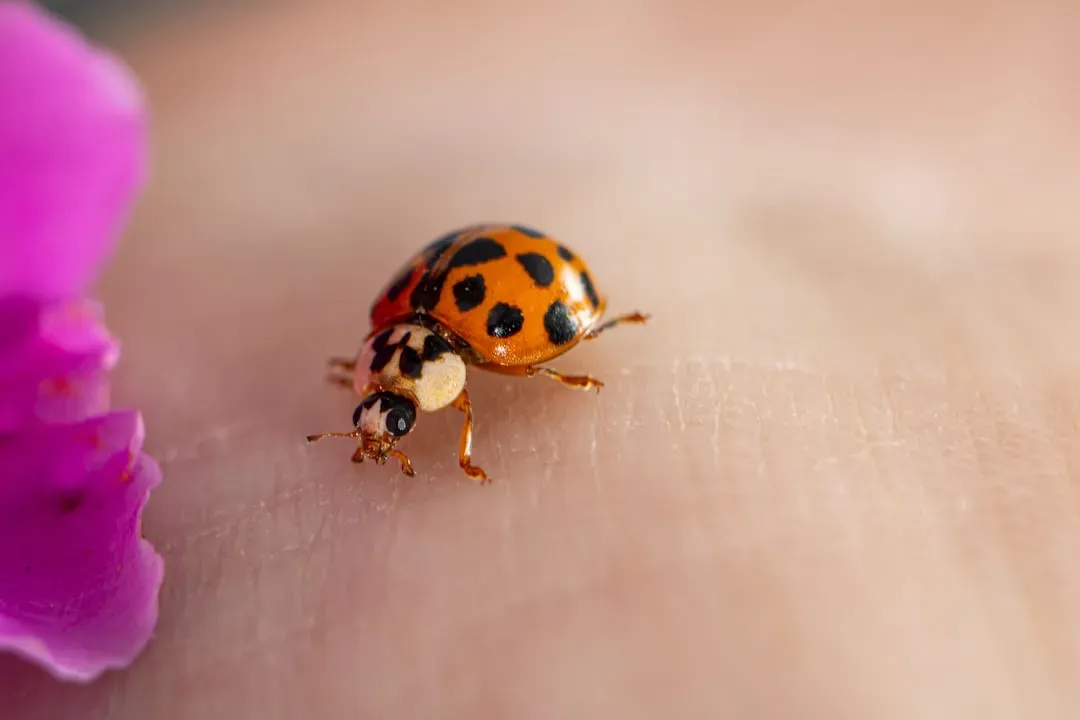
blend beauty, brutality, and brilliance into one tiny package. From pest patrols to self-defense stunts, they remind us nature thrives on surprises. Next time one visits, give it a nod for the hidden hustle.
What’s your wildest ladybug encounter? Share in the comments and keep the wonder alive.

- The Most Resilient Animals Ever Discovered Thriving in Extreme Environments - July 21, 2026
- 7 Signs Your Dog Thinks You're Family - July 21, 2026
- 12 Surprising Facts About North American Mountain Lions You Never Knew - July 21, 2026