

Picture this: a vibrant world exploding with hues that make our everyday rainbow look downright dull. Humans stick to three color cones, mixing red, green, and blue into millions of shades. Yet countless creatures peer into ultraviolet glows or snap polarized patterns we can only imagine.
These animals do not just see more. They live in a kaleidoscope tailored for survival, mating, and hunting. Ready to peek into their secret spectrum?[1][2]
Mantis Shrimp: The Ultimate Color Snapper
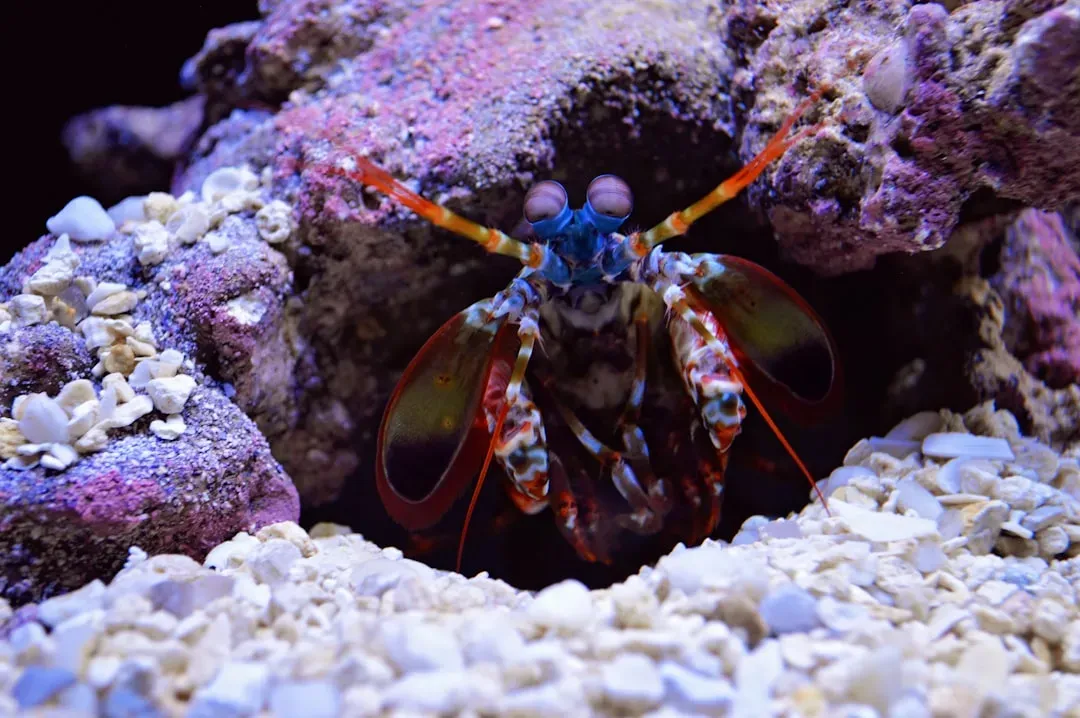
Ever heard the hype about mantis shrimp eyes? These sea warriors pack up to 16 photoreceptor types, dwarfing our measly three.[3]
They catch ultraviolet and even polarized light, like built-in sunglasses revealing hidden trails. Honestly, it’s wild how they punch prey while scanning a disco of wavelengths. Their vision snaps broad color bands fast, perfect for chaotic ocean hunts.
Studies show they trade fine shade tweaks for speed. Still, that range blows us away. No wonder divers call them alien.
Birds: UV Masters of the Sky
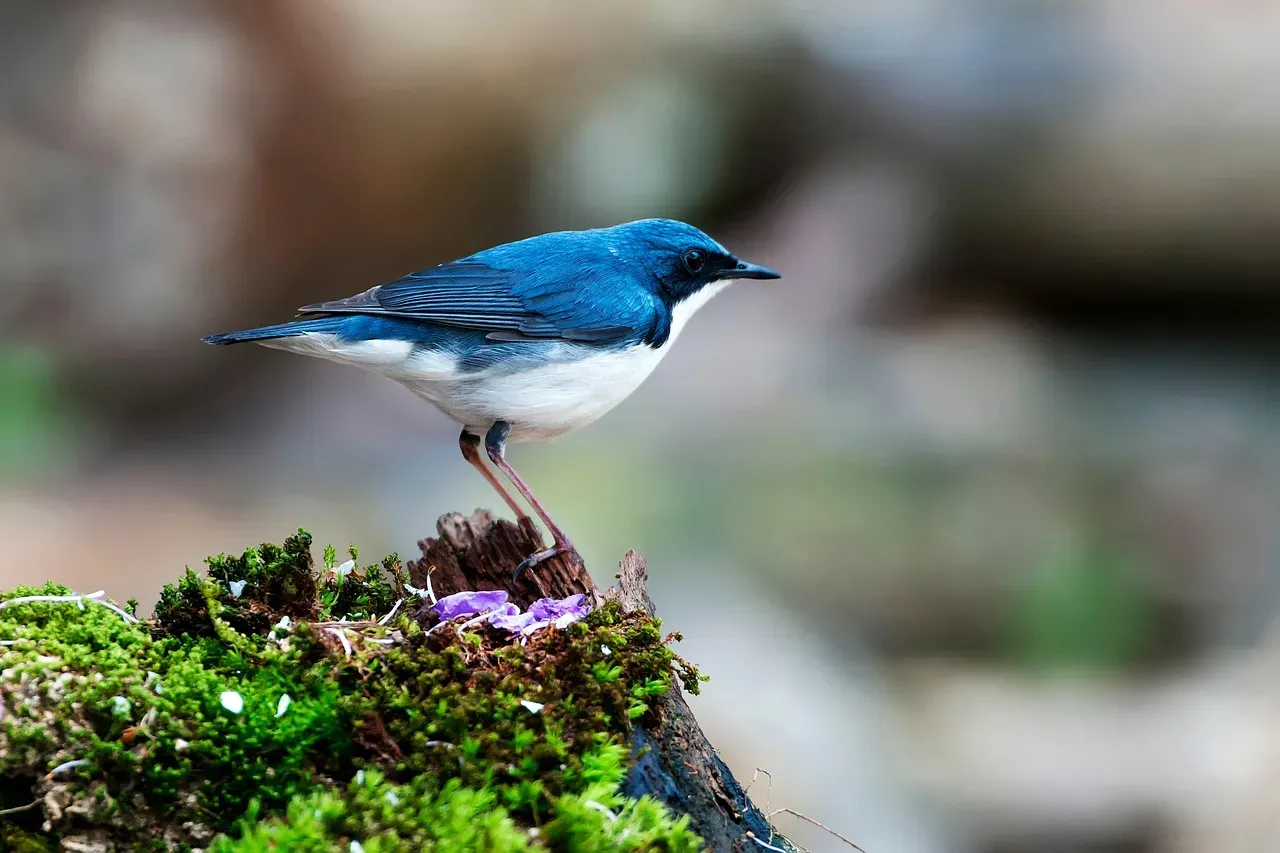
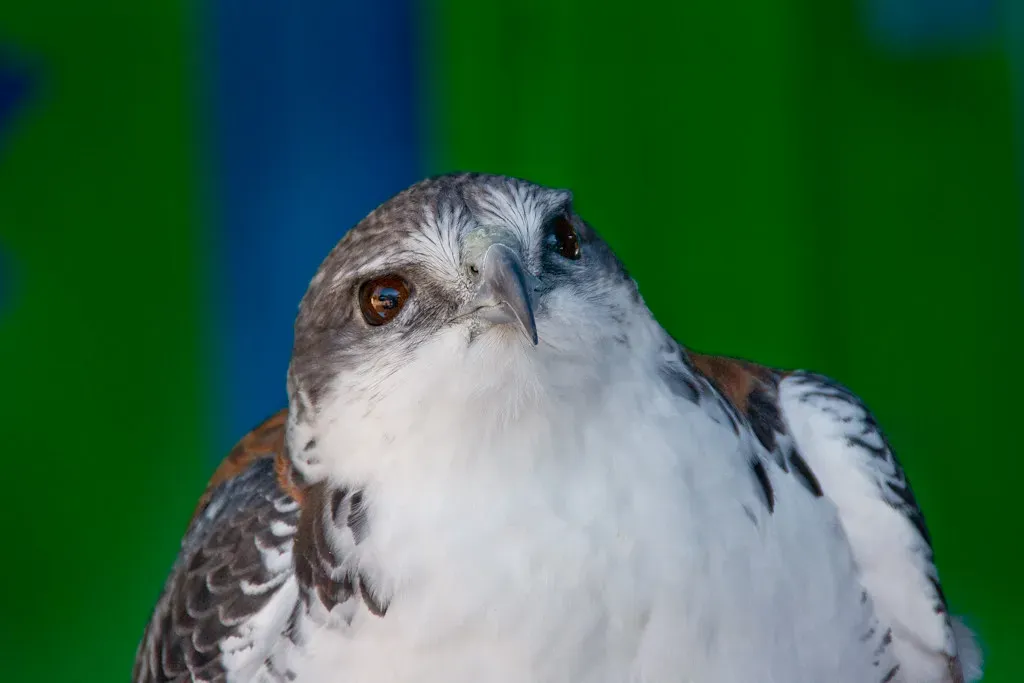
What if every feather hid a secret glow? Most birds rock tetrachromatic vision, adding ultraviolet to our trio of cones.[4]
This lets them spot nectar guides on flowers or health cues in plumage invisible to us. Pigeons and hummingbirds navigate with UV maps etched in the world. It’s like they fly through a neon wonderland.
Reindeer join the party too, using UV to find lichen under snow.[2] Their eyes filter harsh light while unveiling the unseen. Nature’s cheat code for survival.
Butterflies: Wings of a Thousand Hues
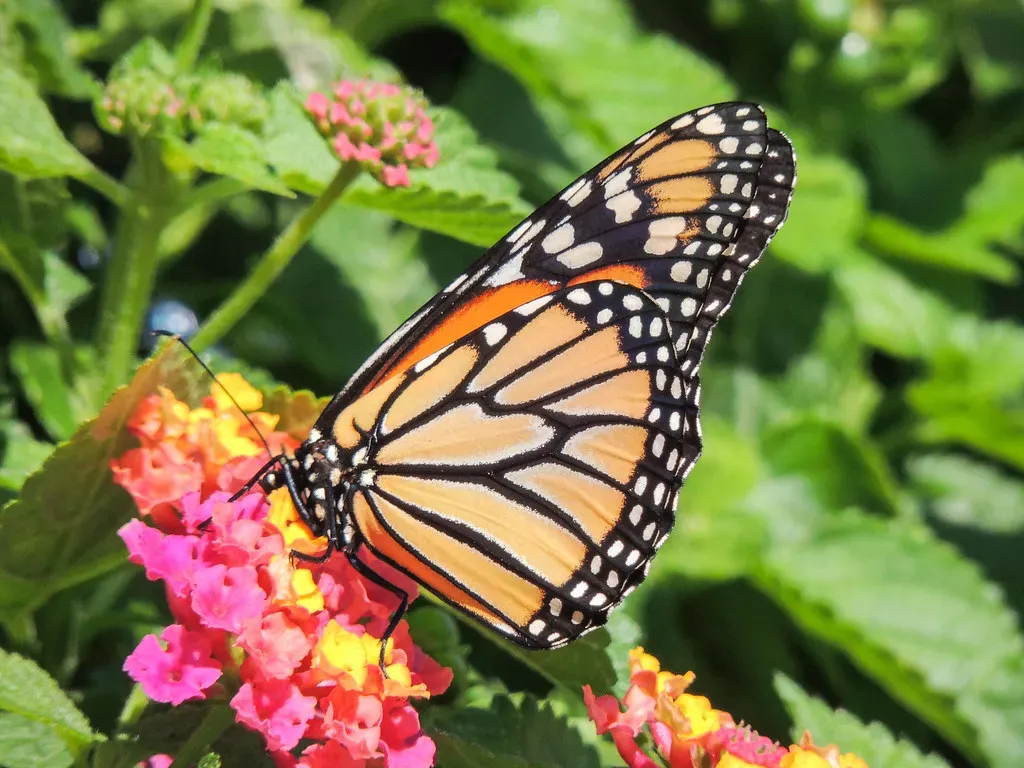
Butterflies flutter in a palette we envy. Some species boast five or more photoreceptors, sensing UV patterns on mates’ wings.[3]
The bluebottle butterfly claims top color honors, discerning tiny wavelength shifts. Flowers look like landing strips with UV bullseyes guiding them in. I know it sounds crazy, but their world pulses with extra vibrancy.
This super sight helps dodge predators and pick perfect partners. Each scale shimmers in ways we’d need tech to mimic.
Honeybees: UV Hunters in Disguise
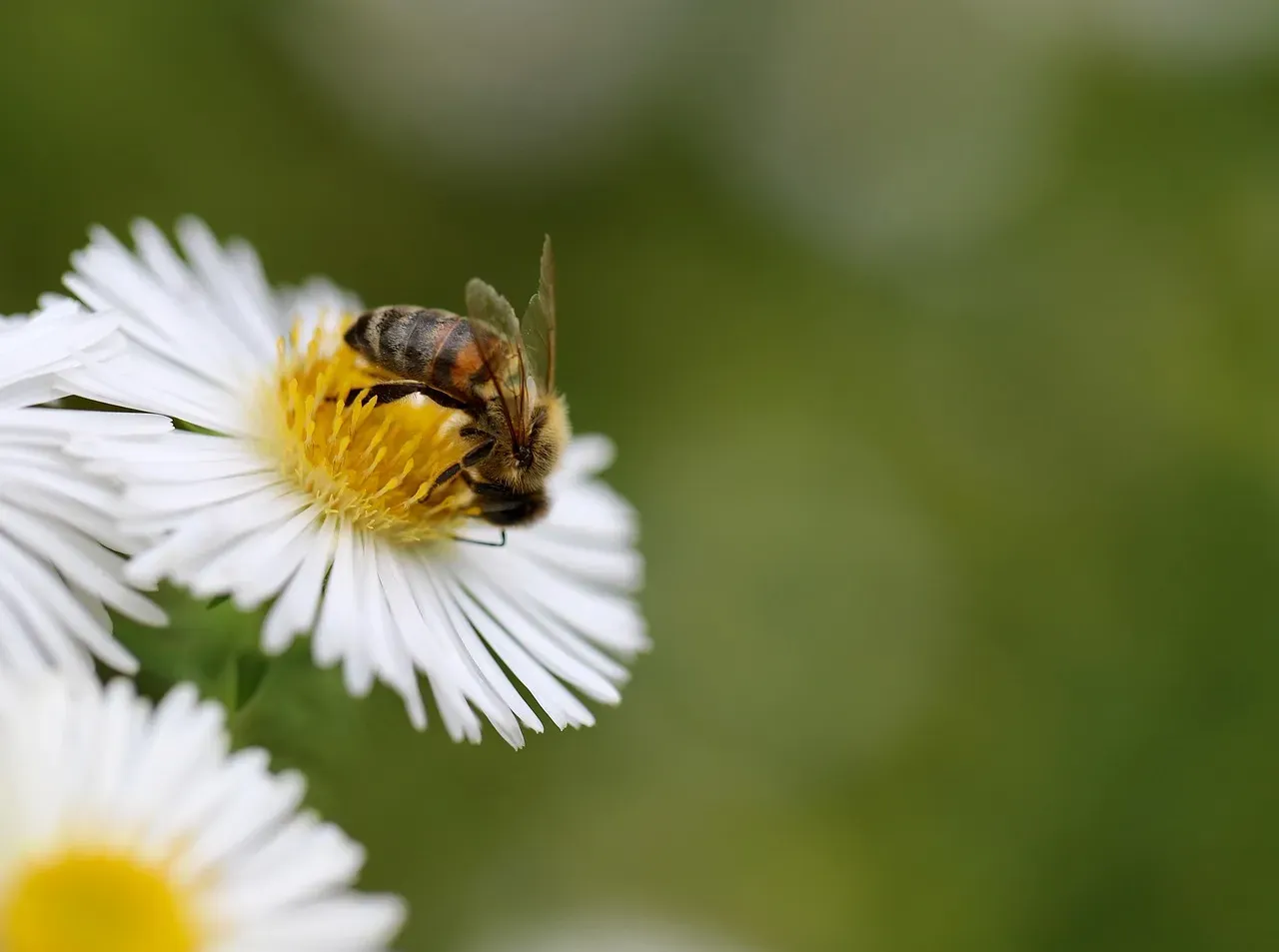
Bumble right into a bee’s view, and flowers transform. Honeybees see ultraviolet, turning petals into treasure maps with dark centers.[5]
Three cones handle UV, blue, and green, skipping red entirely. They process colors five times faster than us, zipping from bloom to bloom. Here’s the thing: without this, pollination grinds to a halt.
Polarized light guides them on cloudy days too. Talk about multitasking vision. Bees prove small eyes pack big punches.
Reindeer and Rodents: Snowy UV Secrets
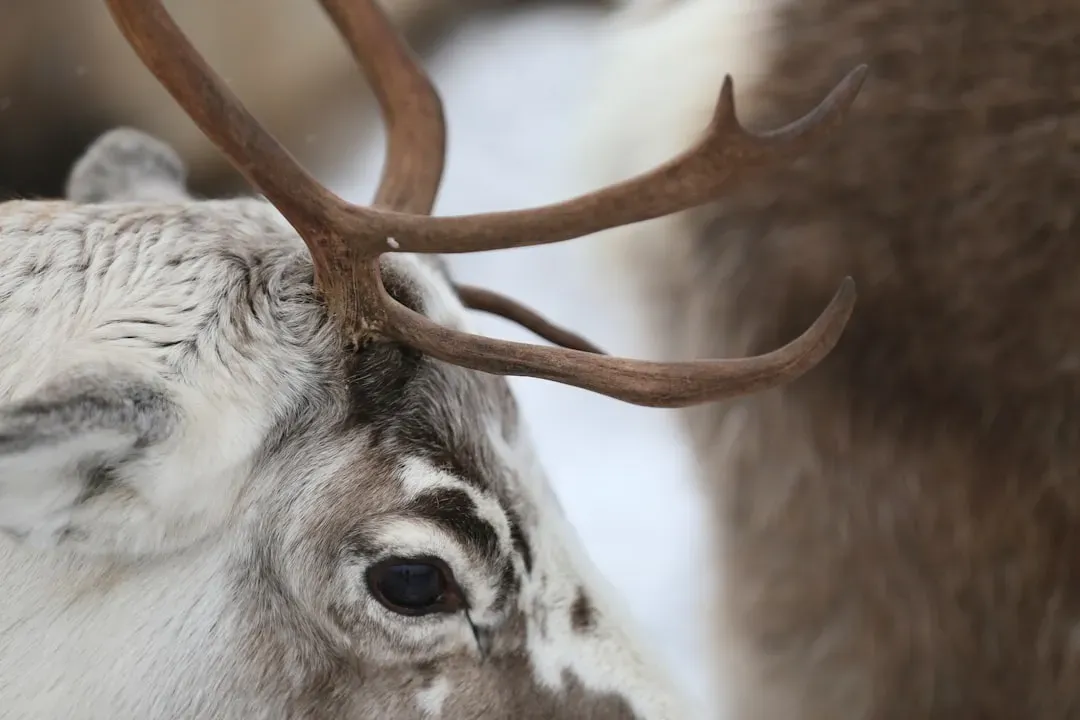
Arctic winters harsh? Reindeer eyes adapt with UV sensitivity, revealing urine trails and lichen buried in whiteouts.[2]
They even tweak eye gold for low light. Mice and other rodents peek into UV for navigation and food. It’s a hidden layer in plain sight.
These mammals buck the trend, most of which lost UV after nocturnal ancestors. Their edge turns bleak landscapes vivid.
Unlocking Nature’s Hidden Palette
From ocean punchers to sky soarers, these beasts thrive in color realms beyond our grasp. Tech now simulates their views, hinting at worlds aglow.[1]
Next time you spot a bird or bee, wonder what secrets they see. What animal’s vision blows your mind most? Share below.

- 12 Architectural Wonders From The Ancient World That Inspire Us Today - July 18, 2026
- 6 Beautiful Ancient Cities That Time Forgot (But Shouldn’t) - July 18, 2026
- 6 Common Animal Behaviors That Are Often Misunderstood by Humans - July 18, 2026