
There’s a place on Earth so wildly alive, so impossibly dense with life, that scientists have barely scratched the surface of cataloguing everything living in it. Spanning nine countries and covering over 2.7 million square miles, the Amazon rainforest is home to more than 40,000 plant species, 2.5 million insect species, and countless animals that are yet to be discovered. That’s not poetic license. That’s just Tuesday in the Amazon.
The Amazon is estimated to house at least 10% of all known species of plants and animals worldwide. Think about that for a second. One single ecosystem. Roughly one tenth of all life we’ve ever identified as a species. It’s almost incomprehensible. From shadow-dwelling predators to neon-bright frogs the size of a coin, what lives in the Amazon will genuinely surprise you. Let’s dive in.
1. The Jaguar: King of the Jungle Floor
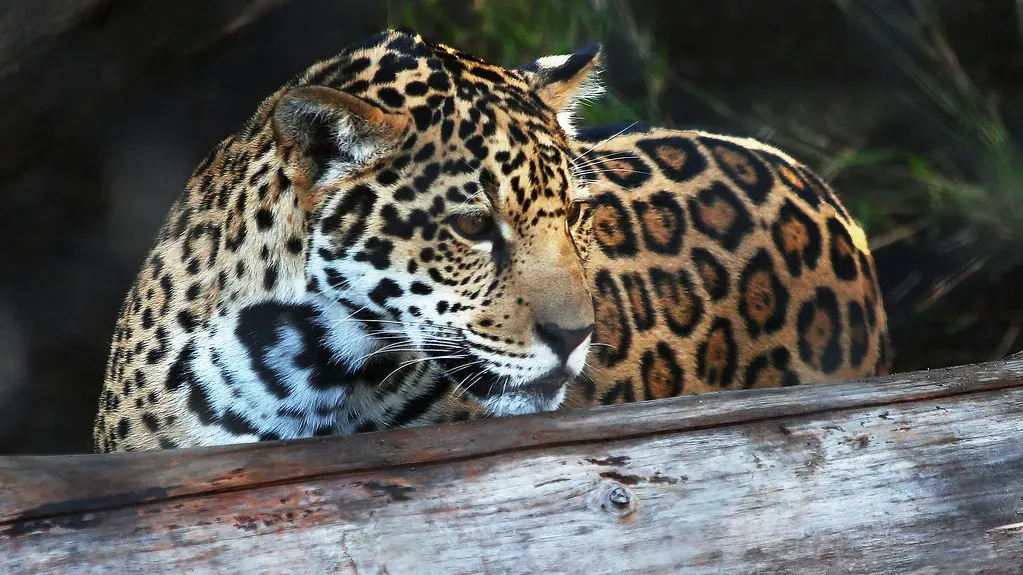
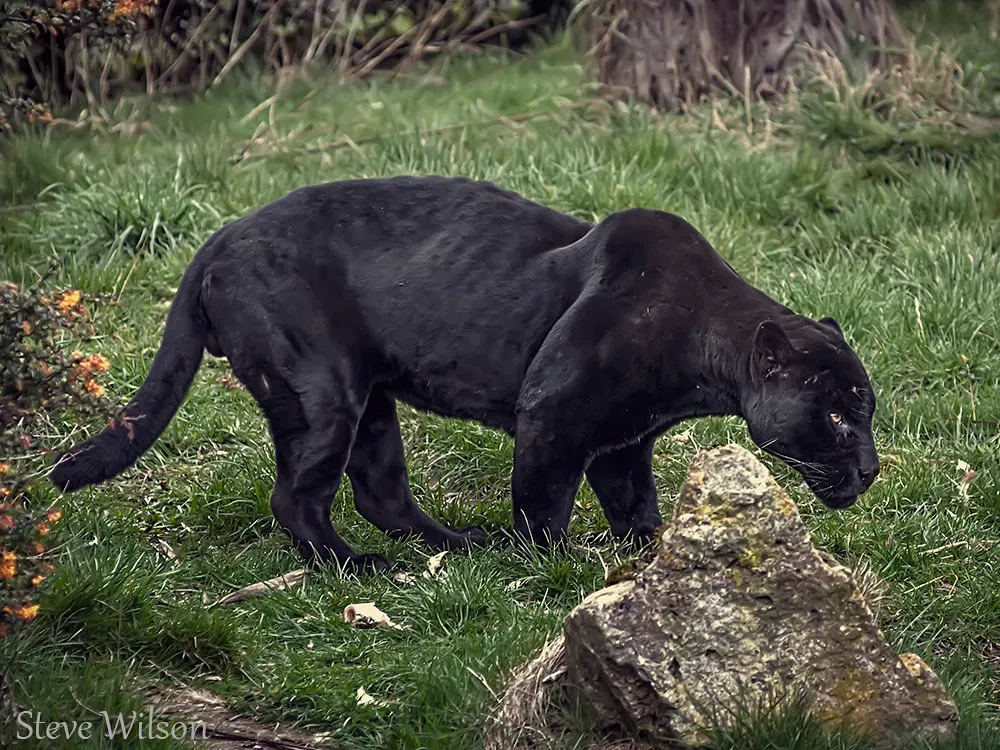
Here’s the thing about jaguars. People think they know them. Big spotted cat, lives in the jungle. But the reality is far more extraordinary. The jaguar is the largest feline living in Central and South America, more significant than the mountain lion, and globally ranks third biggest, only beaten by tigers and African lions.
The spots on their coat allow jaguars to camouflage within the Amazonian undergrowth. They are stalkers which prey on just about anything that moves. Beyond animals such as deer, birds, and monkeys, jaguars have been known to take down other predators such as caimans too. That’s right. They hunt crocodilians. For fun, more or less.
The rainforest’s apex predator, jaguars are elusive cats known for their incredible strength and stealth. They’re solitary hunters that prefer to ambush prey, often attacking from the water’s edge or from tree cover. I think what makes jaguars so mesmerizing is that they thrive in the darkness of the forest, rarely seen, rarely understood. Pure, efficient wildness.
2. The Amazon Pink River Dolphin: A Legend Made Real
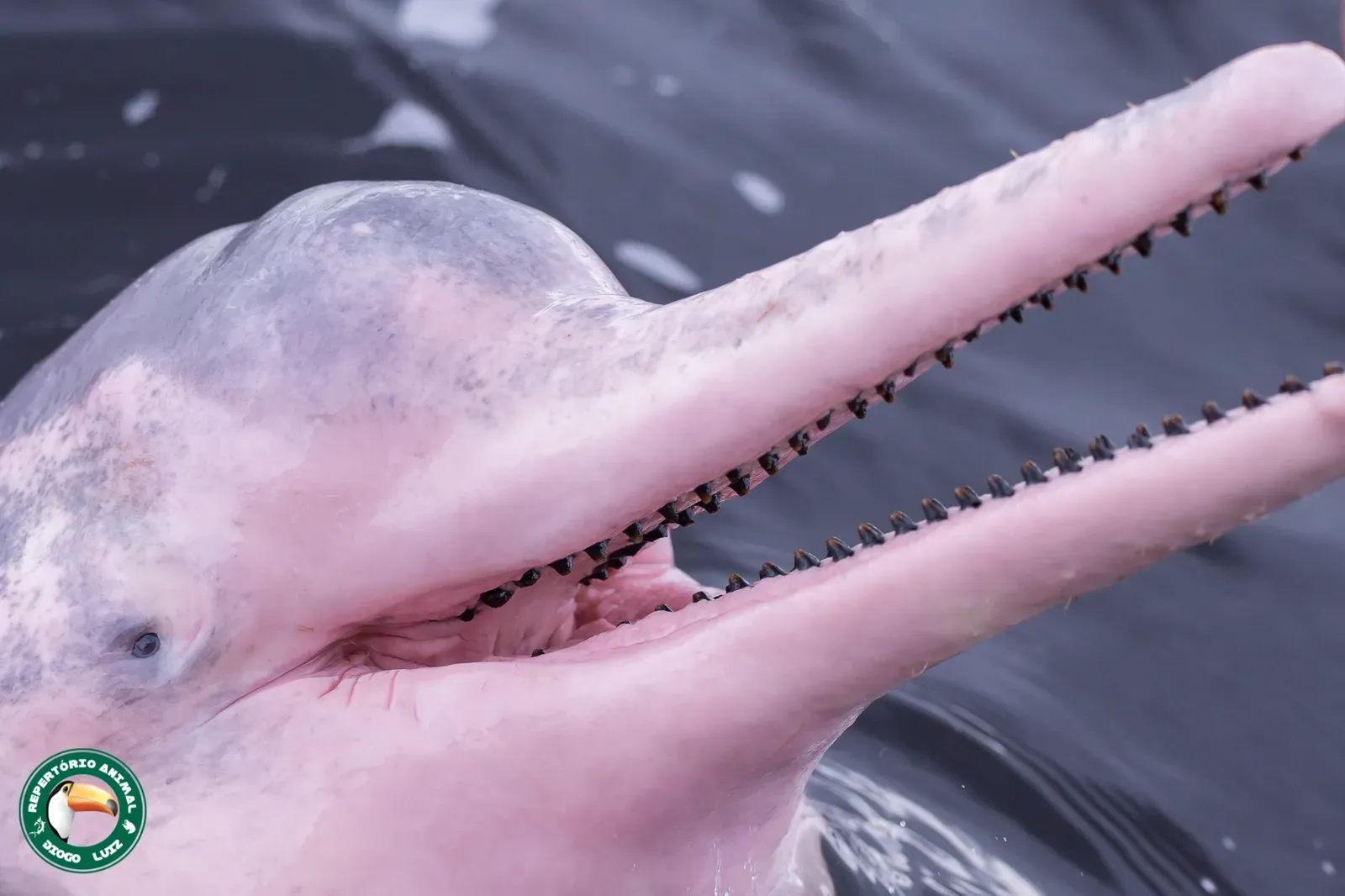
It sounds like something from a fairy tale. A pink dolphin swimming through a flooded jungle. Yet it’s entirely real, and honestly even stranger than that description suggests. The Amazon river dolphin, or Boto-cor-de-rosa, is the largest river dolphin species and is known for its unique pink colour, which becomes more vibrant with age, especially in males. Adapted to life in the flooded forests of the Amazon, they have flexible necks that allow them to navigate through submerged trees with ease.
It is unknown exactly why these river dolphins develop their distinct pink coloration, but it is thought it is due to blood capillaries near the surface of the skin. Science still isn’t entirely sure. There’s something delightfully humbling about that.
These dolphins are not actually pink when they are born, but rather a light gray color. As they age, their skin gradually becomes more pink, giving them their distinctive coloration. The reason for their pink color is still not fully understood, but it is thought to be related to their diet or their blood vessels. Pink river dolphins are also known for their intelligence and playful behavior.
3. The Green Anaconda: The World’s Largest Snake
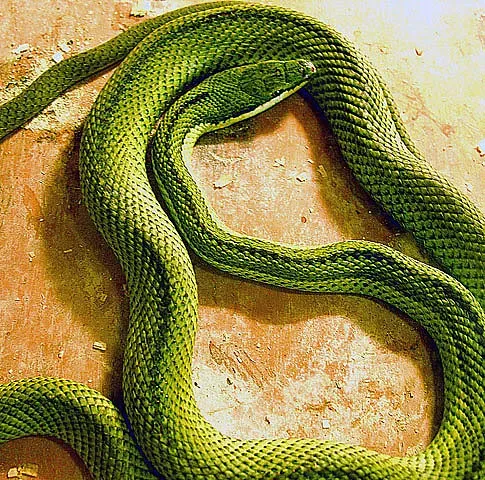
Nothing quite prepares you for the scale of an anaconda. Even photos don’t do it justice. The world’s largest snake, the green anaconda, lives in the Amazon. The green anaconda can grow up to 30 feet long and weigh up to 550 pounds. While they are not venomous, they are capable of crushing their prey with their immense muscular strength, making them one of the most fearsome predators in the Amazon.
These formidable creatures are exceptional swimmers, capable of remaining submerged underwater for up to 10 minutes. They are typically found near sources of water, where they stealthily pursue their prey. Think of them as the Amazon’s version of a submarine. Silent, powerful, and mostly invisible until it’s too late for whatever they’re hunting.
Anacondas are important apex predators in the rainforest, helping to control the populations of other animals. They are generally shy and reclusive, and are rarely seen by humans. Despite their fearsome reputation, anacondas are not typically a threat to humans and are more likely to flee than to attack.
4. The Poison Dart Frog: Tiny but Terrifyingly Toxic
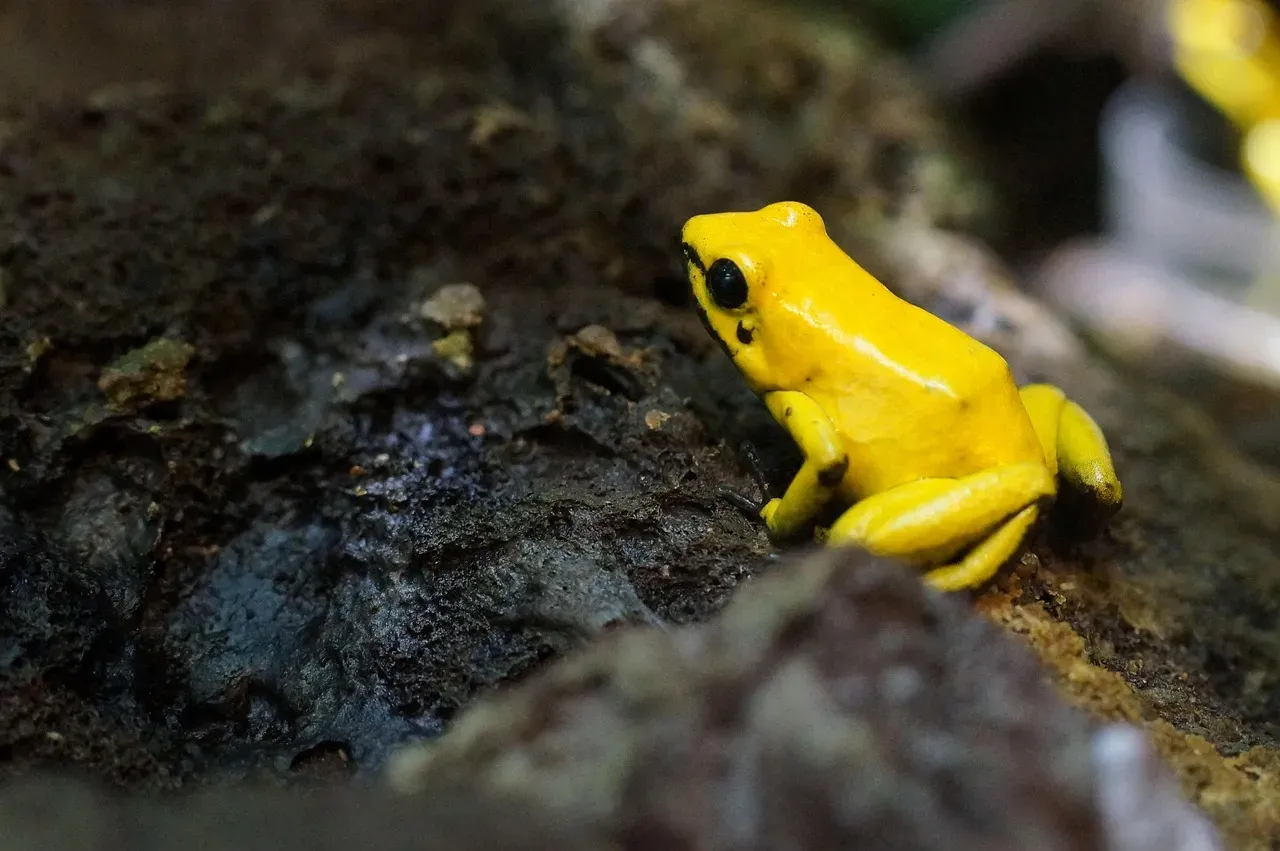
Picture something no bigger than your thumbnail that could theoretically end your life. That is precisely the poison dart frog. Poison dart frogs, some smaller than your thumbnail, pack a punch with enough venom to take down 10 adult humans. These vibrant amphibians use their toxins to deter predators and hunt small insects.
These overt color displays are an evolutionary tactic to warn off potential predators, a phenomenon called aposematic coloration. As the name would suggest, poison dart frogs are toxic and, in some cases, exceptionally so. The hunters of the indigenous Emberá people of Colombia capitalized on this fact by applying the poison to the tip of their blowgun darts.
Interestingly, poison dart frogs raised in captivity never develop their poison, which suggests that it is something they have to produce, possibly through the assimilation of certain plant chemicals, which are carried by the ants, termites, and beetles that make up part of their carnivorous diet. Nature building weapons from a diet. Genuinely extraordinary.
5. The Harpy Eagle: Ruler of the Rainforest Sky
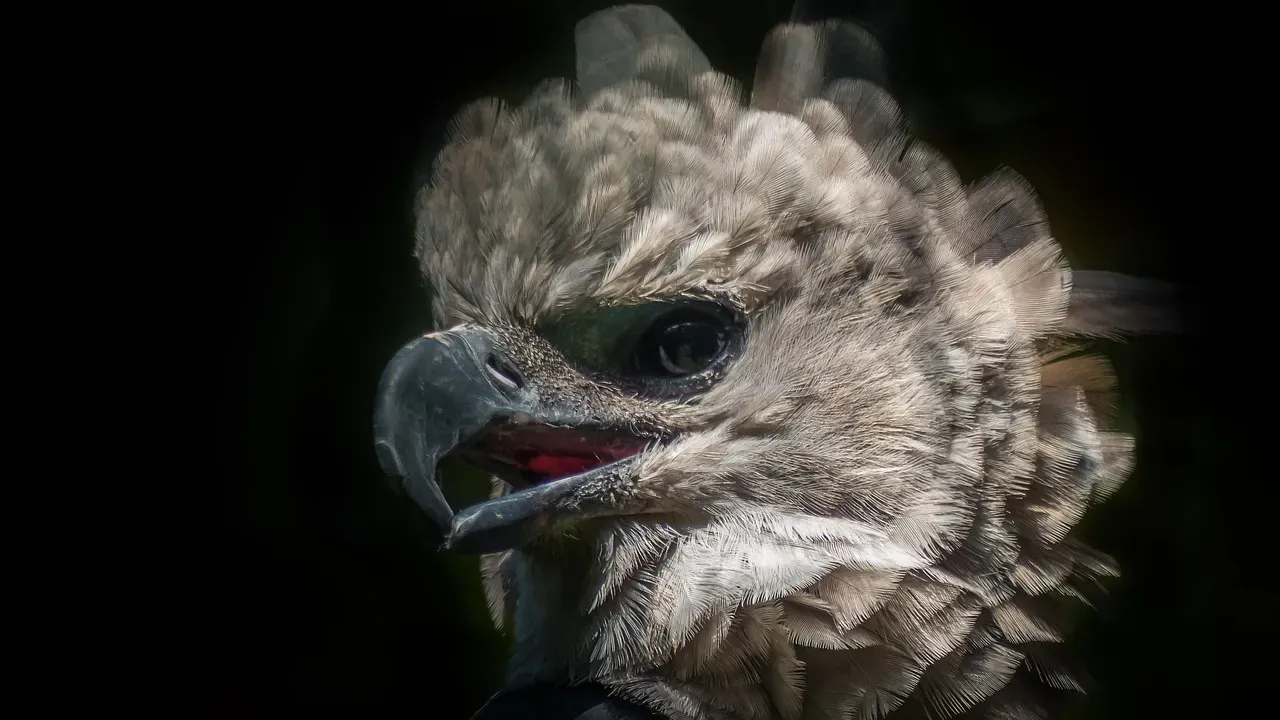
If you ever see a harpy eagle in person, you will not forget it. This is not your average bird. The harpy eagle, one of Earth’s most formidable avian predators, can reach impressive heights of nearly 3 feet. This majestic raptor has a wingspan that may extend to over six and a half feet, granting it remarkable flight abilities. When airborne, harpy eagles can reach 50 miles per hour.
Notably, the harpy eagle sits at the top of local food chains with few natural adversaries, playing a vital role in maintaining balanced prey populations like monkey and sloth species. Let that sink in. A bird that hunts monkeys. In the canopy. At speed.
Many species, including giant otters, harpy eagles, and certain amphibians, face threats from habitat loss and hunting. Seeing one in the wild is considered a rare and extraordinary privilege, even for seasoned naturalists who’ve spent years in the jungle.
6. The Capybara: The World’s Biggest Rodent
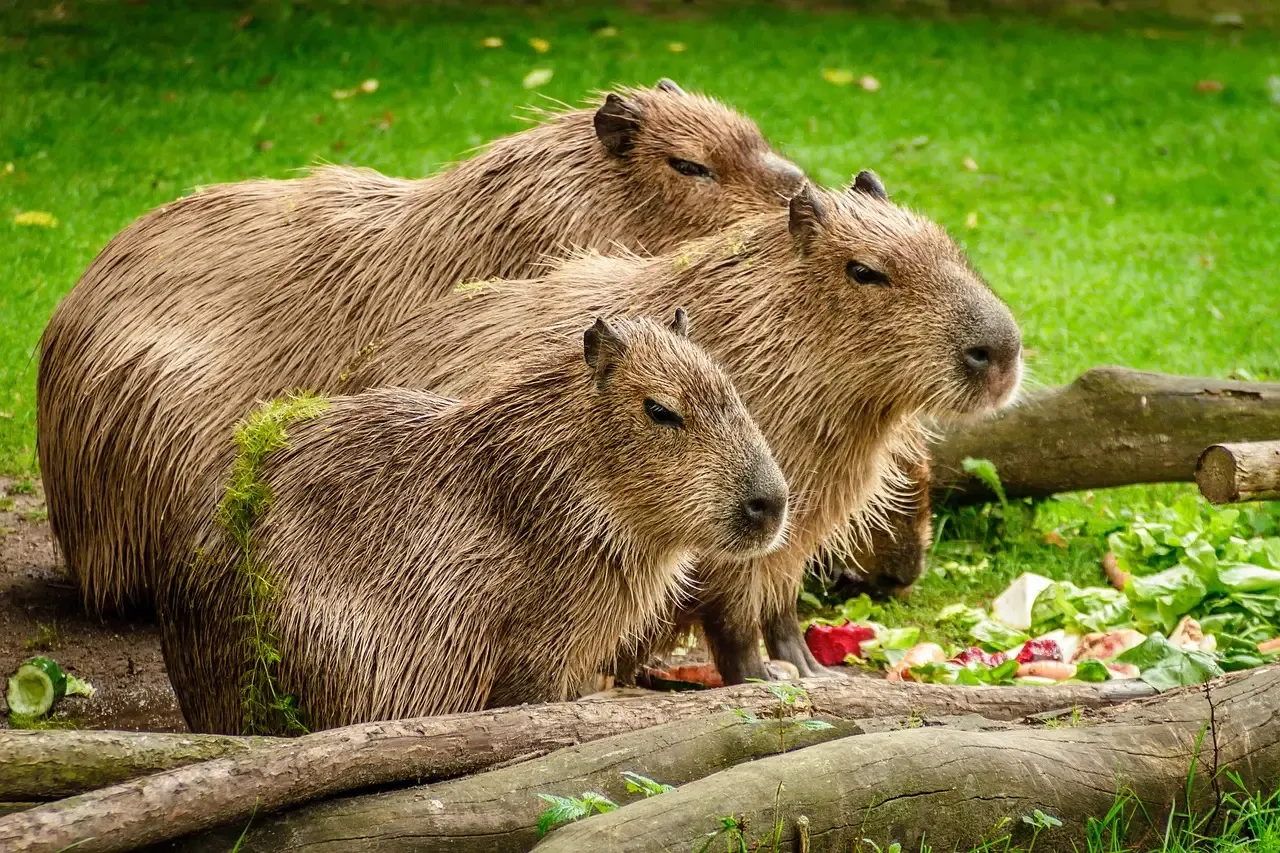
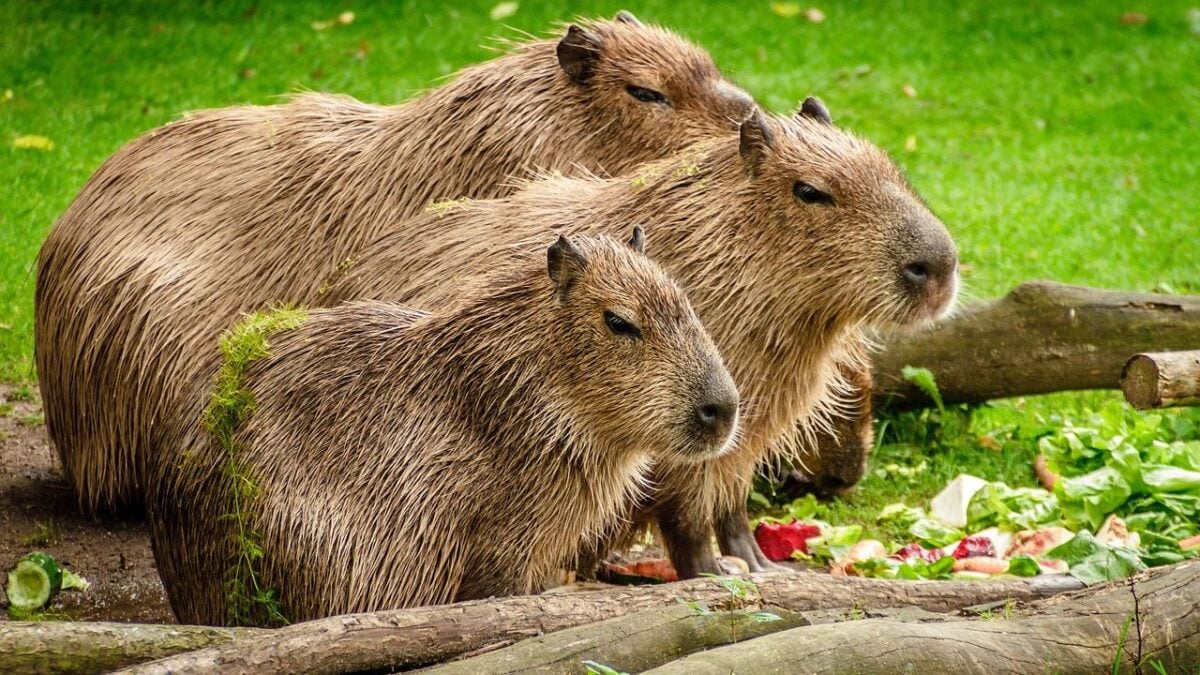
Let’s be real, when most people think of rodents, they picture something small and scurrying. The capybara absolutely obliterates that image. Capybaras are the largest rodents in the world, weighing up to 200 pounds. They are very social animals and can be found in groups of 100 strong, however, usually the groups range from 10 to 20.
The preferred prey of anacondas, jaguars, ocelots, pumas, and caimans, they have a young average life span of just four years. As herbivores, they pose no danger to humans. For an animal that’s basically a giant grass-eating guinea pig, it has a remarkable number of predators lining up for a meal.
Capybaras are semi-aquatic, spending considerable time in rivers and lakes. They are surprisingly calm creatures. Honestly, watching a group of capybaras lounge around in the shallows while birds perch on their backs feels like one of the Amazon’s most perfectly peaceful scenes.
7. The Electric Eel: Nature’s Living Battery
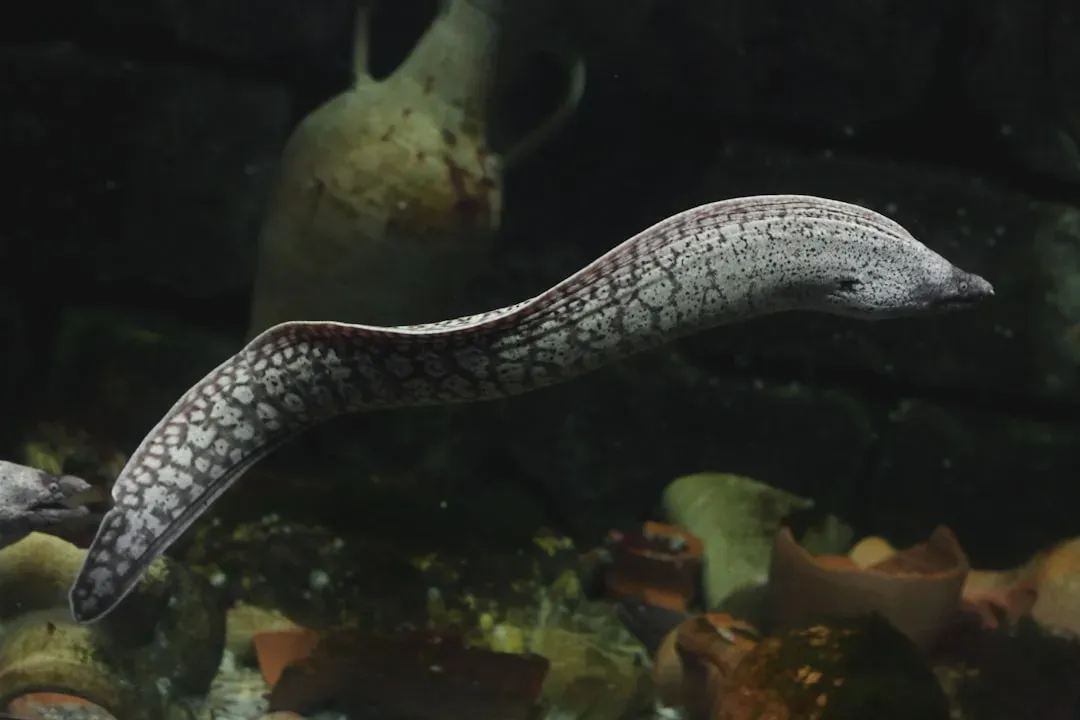
The electric eel sounds like something a science fiction writer invented on a particularly inspired afternoon. It is, however, very real and very shocking. Literally. The electric eel is the only known species in the genus of electric fish. Despite its name, it is not actually an eel, rather a knife fish. In fact, they are actually more closely related to catfish than they are to eels.
This fascinating aquatic creature is renowned for its ability to generate powerful electrical bursts reaching up to 800 volts. These shocks are mainly utilized for hunting prey and self-protection, as they can stun wildlife and deter would-be predators. For context, a standard household outlet delivers around 120 volts. These creatures produce nearly seven times that.
Known for their unusual breeding behavior, in the dry season, the male constructs a nest from his saliva into which the female lays her eggs. As many as 3,000 young can hatch from the eggs of one female. It’s unsettling, wonderful, and genuinely one of nature’s most alien-feeling stories.
8. The Scarlet Macaw: The Amazon’s Living Rainbow
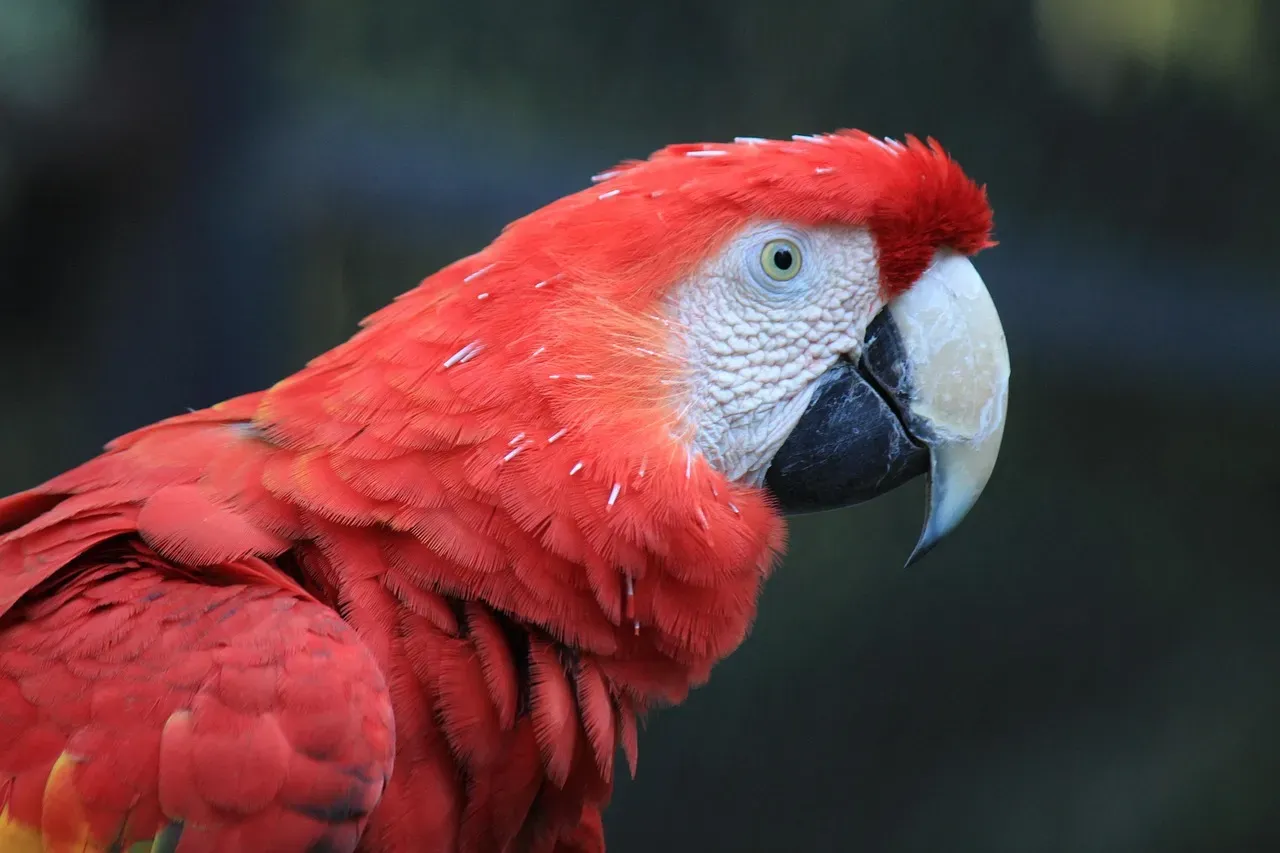
No bird in the Amazon announces itself quite like the scarlet macaw. You hear them before you see them, and when you do see them, the colors are almost surreal against the dense green canopy. Macaw feathers come in just about any color, with red, yellow, green, and blue being the most common. The scarlet macaw is the most well-known, with its distinct red, yellow, and blue feathers. It is common for macaws to gather at clay licks in search of salt.
Macaws are highly intelligent and social, living in flocks of 10 to 30 birds. They mate for life and can live up to 60 years. Some species can even mimic human speech. But macaws are under threat from deforestation and the illegal pet trade.
Macaws are omnivorous, using their beaks to crack nuts and seeds and their tongues, which are specially designed with an interior bone, to tap into nutritious fruits. They also use their gripping toes to catch insects and snails. For a bird this beautiful, it is also remarkably well-engineered.
9. The Giant River Otter: The Amazon’s Loud and Lovable Hunter
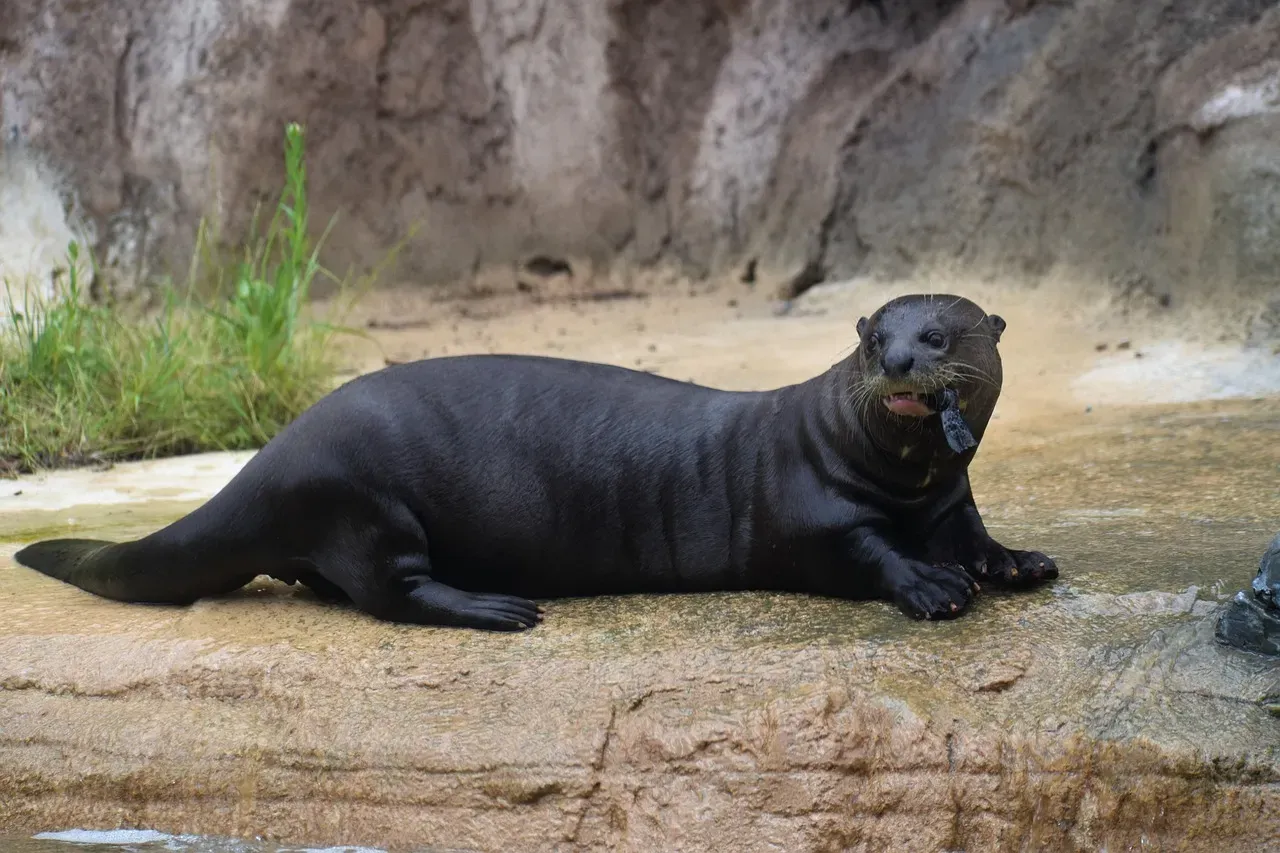
Giant river otters have an energy that’s hard to describe. Imagine a creature with the charisma of a puppy, the agility of an Olympic swimmer, and the vocalizations of something that should not be that loud. The Amazonian giant otter is the largest otter species, growing up to six feet long. These social animals live in family groups and are known for their strong bonds and cooperative hunting. Their diet mainly consists of fish, but they also eat crustaceans and small river creatures.
Giant river otters are very vocal, with at least 22 distinct sounds in their vocabulary. Twenty-two distinct sounds. That is a legitimate communication system, not just noise.
As a keystone species, their decline signals broader ecological risks for river habitats in the Amazon. This endangered otter is found only in remote parts of the Amazon, where it’s estimated that only 2,000 to 5,000 remain. Habitat loss continues to threaten them, though most were wiped out by hunters wanting their luxurious fur. It’s hard not to feel a deep sadness at that number alongside the wonder of the animal itself.
10. The Sloth: The Master of Doing Absolutely Nothing
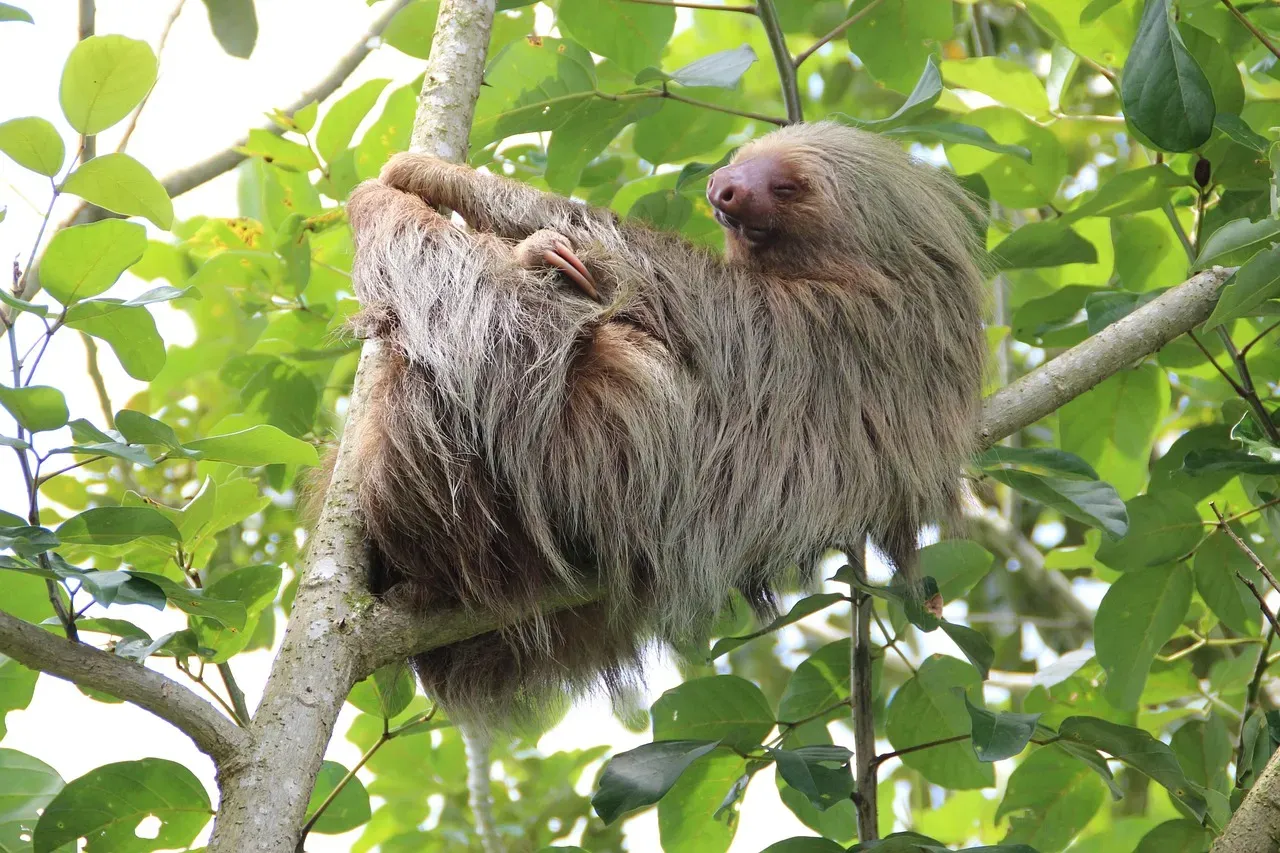
There is something almost philosophical about the sloth. In a world obsessed with speed and productivity, here is a creature that has made an evolutionary art form out of stillness. Sloths mostly keep to the rainforest canopy. They tend to sleep between 15 to 20 hours a day, and when it is time to feed, they cover a whopping 40 yards, collecting leaves, twigs, and buds along the way. Despite their morose movements, sloths always seem to have a smile on their face. They even enjoy a leisurely swim from time to time.
There are two different types of sloths, two-toed and three-toed, and six species, all of which are found within the tropical rain forests of Central and South America. The pygmy three-toed sloth is listed as Critically Endangered, and the maned sloth is classified as Vulnerable.
Their slowness is actually a survival strategy. Moving barely at all means they generate almost no heat signature, which makes them extremely difficult for predators to detect. Sometimes doing nothing is the smartest thing you can do.
11. The Glass Frog: See-Through and Surreal
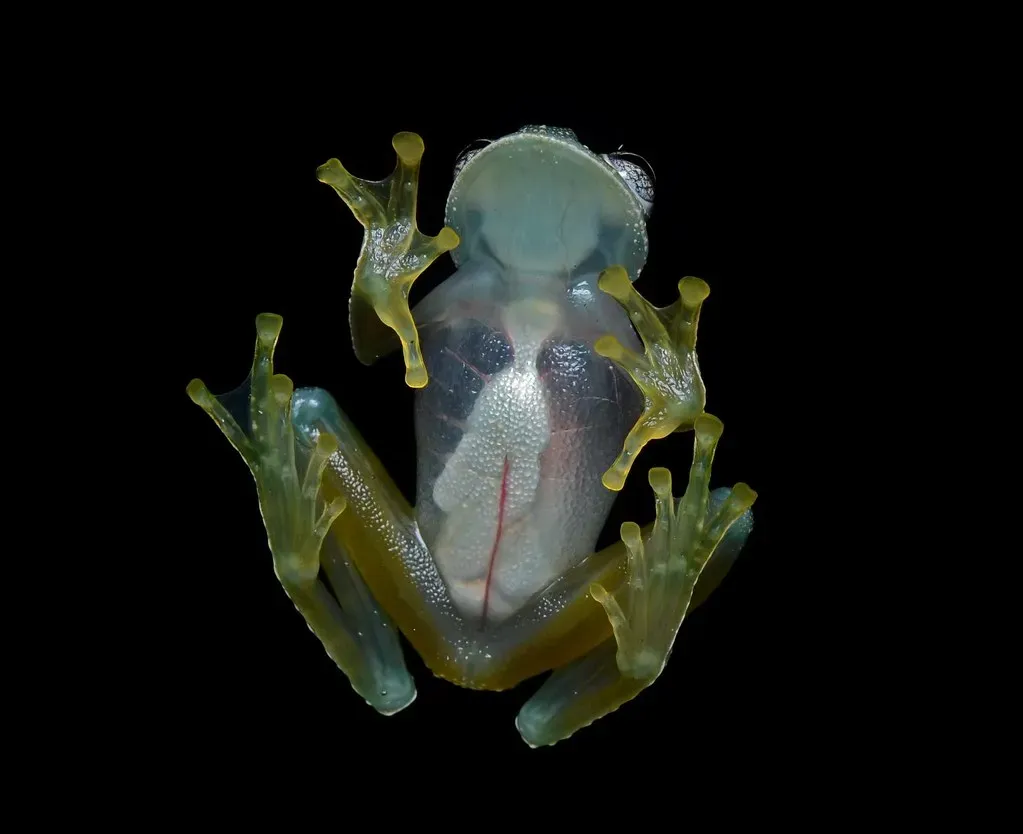
If the poison dart frog is the Amazon’s most dangerous small creature, the glass frog might be its most otherworldly. Glass frogs are members of the Centrolenidae family. While generally green in color, what makes them so intriguing is that their internal organs are visible through the translucent skin on the underside of their body, which takes on the hue of the frog’s surroundings, thus making it difficult to see for any would-be predators.
These frogs are also known for their transparent belly skin, which allows their internal organs and bones to be visible. When they feel threatened, they can temporarily turn opaque by contracting special pigment cells in their skin. A living, breathing creature that can choose to be transparent or opaque. I know it sounds crazy, but evolution in the Amazon occasionally feels like it’s just showing off.
Glass frogs are small, peaceful, and rarely observed in the wild. They tend to live near streams, and their eggs are often laid on leaves that overhang water, so that when the tadpoles hatch, they drop directly into the stream below. Elegant doesn’t quite cover it.
12. The Leafcutter Ant: The Rainforest’s Most Industrious Resident
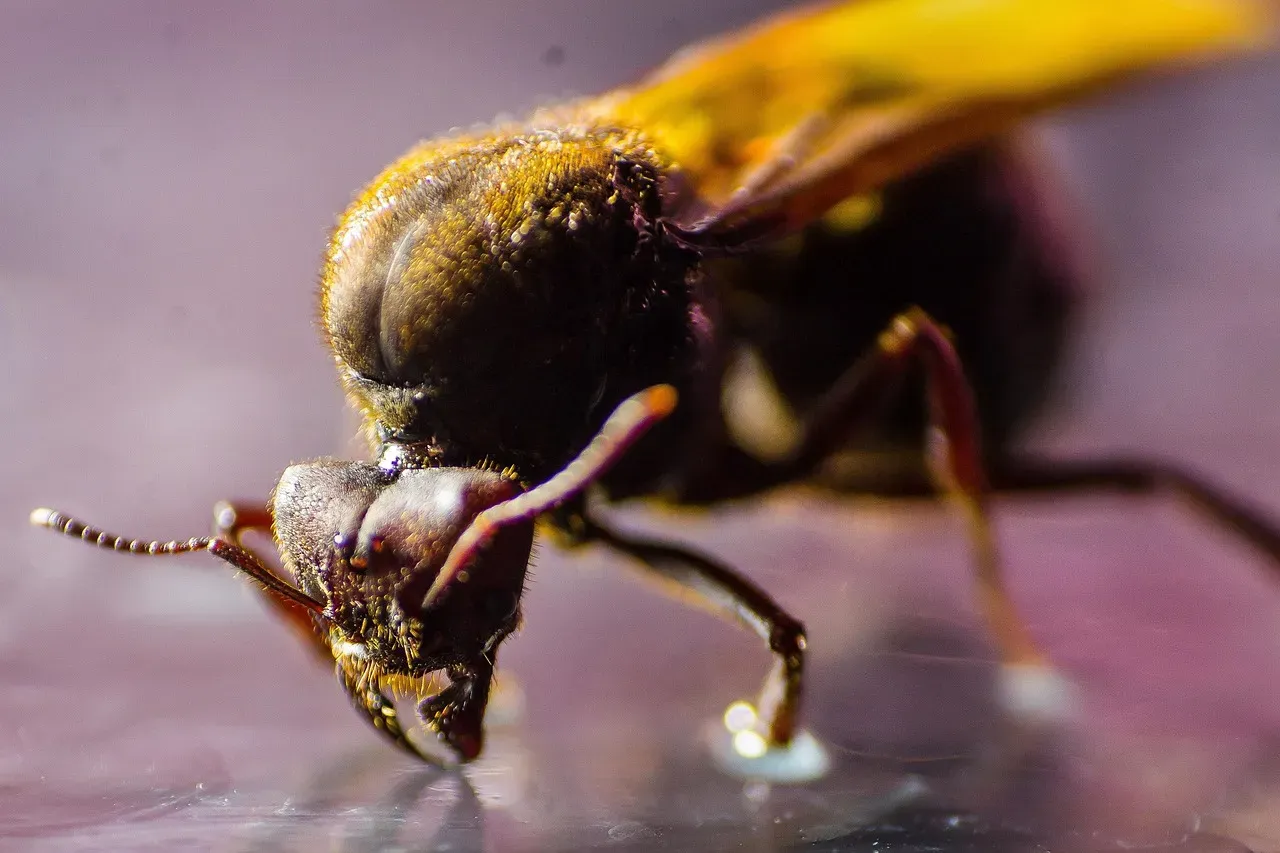
Ants might seem like an odd choice when you’ve got jaguars and anacondas to talk about. But leafcutter ants deserve every bit of attention they get. Scientists have found that in just 16 hectares of the Amazon, there are more ant species than in all of Europe. This demonstrates the rainforest’s astonishing diversity, even among its smallest inhabitants.
Leafcutter ants live in large, complex colonies, with each ant playing a specific role based on its size. Leafcutter ants eat more vegetation than any other creature in the rainforest. In addition to vegetation, these ants cultivate fungus underground that turns poisonous plants into an edible mushroom. They are, essentially, the Amazon’s first farmers. They’ve been doing agriculture for millions of years longer than humans have.
The scale of a leafcutter ant colony is staggering. Some colonies contain tens of millions of individuals, operating with a level of coordination that puts many human systems to shame. Their underground fungus gardens are architectural masterpieces built entirely by creatures smaller than your fingernail.
13. The Howler Monkey: The Jungle’s Most Unmistakable Voice
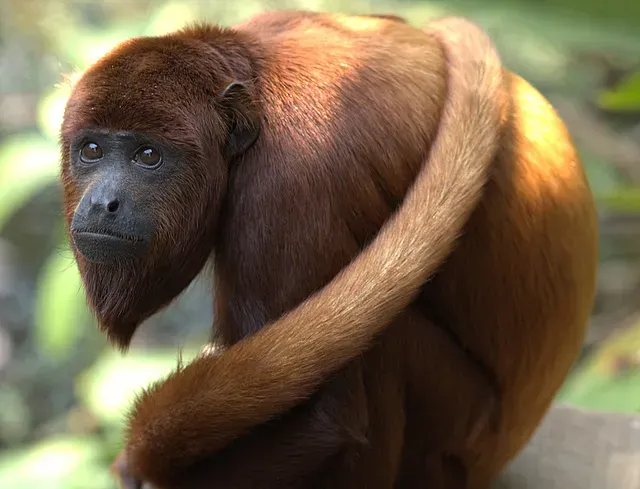
You don’t just encounter a howler monkey. You feel it. Those brave enough to seek the source of a howler’s call will spot the large canopy-dwellers by their dark red fur and swollen throats. The males are larger and have darker beards. Red howlers assume the role of rainforest roosters, waking up the jungle bright and early. They do this again before going to bed, in both cases as a signal to males in other groups to define their distinct territories.
Their calls can reportedly be heard from nearly three miles away, making them one of the loudest land animals on the planet. That’s not a exaggeration. That’s a creature projecting its voice across kilometers of dense jungle canopy like a living foghorn. Though they sound frightening, red howlers predominantly subsist on flowers, leaves, and fruit. The population is declining, but the IUCN Red List still classifies red howlers as Least Concern.
There’s something deeply moving about waking up in the Amazon at dawn and hearing that resonant, rolling roar echo through the trees. It is one of those sounds that reminds you, immediately and viscerally, that you are somewhere truly wild.
The Amazon Is Irreplaceable – and Under Threat
Every creature on this list depends on one thing: the continued existence of the Amazon itself. The Amazon rainforest is home to countless species, but many are threatened by human activity. Deforestation, mining, and illegal hunting are the main threats facing animals in the Amazon rainforest.
Many species face severe threats from deforestation, illegal hunting, and climate change. In 2024, wildfires were the leading cause of tropical primary forest loss. Peru saw a 135% rise in forest loss from fires compared to 2023, driven largely by intentional burning to clear land for agriculture. This rapid loss of habitat has a profound impact on the Amazon’s wildlife.
The 13 creatures featured here are just a tiny glimpse into an ecosystem so complex, so teeming, and so irreplaceable that losing it would be one of the greatest tragedies in the history of life on this planet. Each one is a reminder that the natural world is still capable of astonishing us, if we give it the chance to survive.
The Amazon doesn’t need us to appreciate it. But it absolutely needs us to protect it. What creature from this list surprised you the most? Drop your thoughts in the comments below.

- 11 Animals That Show Incredible Loyalty to Their Families and Herds - July 27, 2026
- 15 Incredible Behaviors Only The Smartest Birds Exhibit - July 27, 2026
- 10 Most Beautiful Islands in the United States - July 27, 2026