
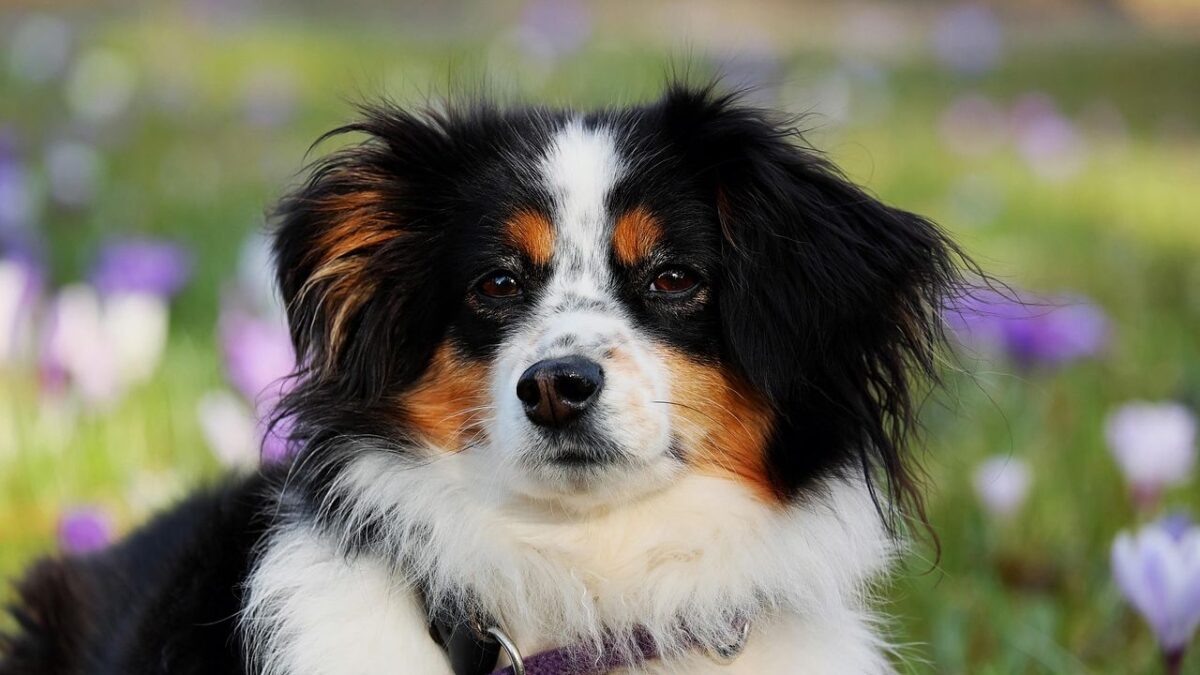
Most dog owners picture their backyard as a safe little paradise for their pup. Fresh air, soft grass, and room to run. What could possibly go wrong, right? Well, honestly, quite a lot. More than most people realize until something actually happens to their dog.
The yard might look harmless on the surface, but beneath that calm suburban exterior lies a surprising collection of threats, from toxic plants to real predators to chemical hazards that your dog could encounter within minutes of being left alone. Let’s dive in, because some of what you’re about to read might genuinely surprise you.
Toxic Plants and Sneaky Garden Chemicals That Can Kill
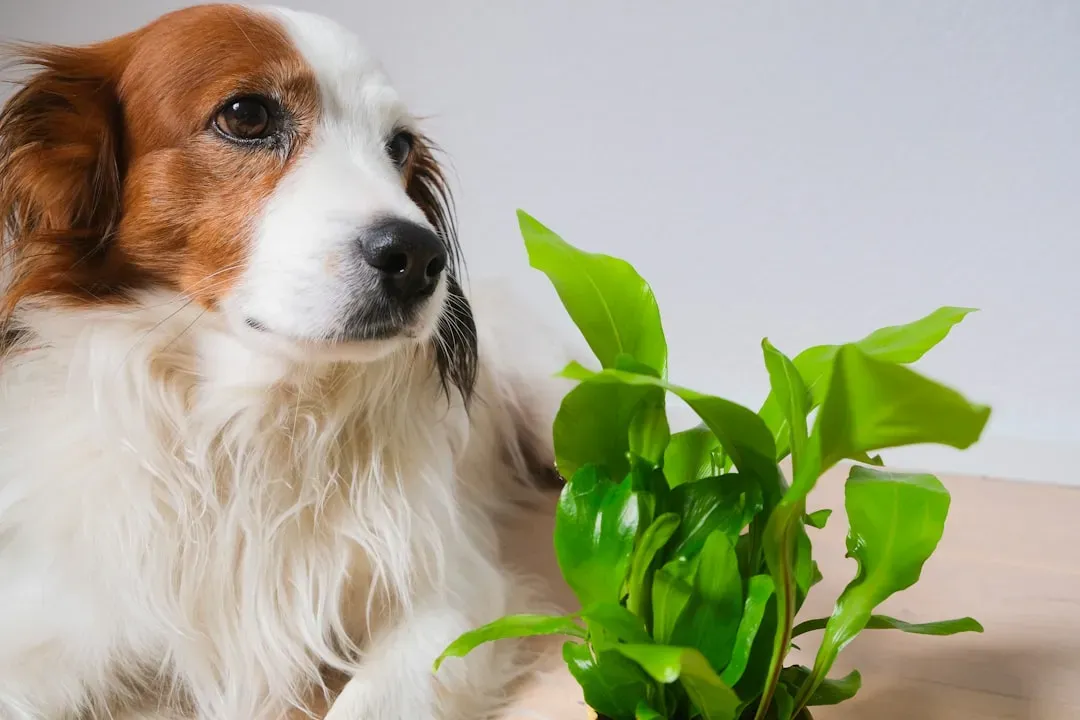
Here’s the thing about backyards – the prettiest parts of them are often the most deadly. Toxic plants are one of the most prevalent backyard dangers to dogs. Common garden plants such as daffodils, hydrangeas, elephant ears, and anything in the lily family can cause symptoms ranging from an upset stomach and vomiting all the way to heart or liver failure if ingested.
It gets worse when you look beyond the flower beds. All kinds of flowers, from geraniums and lantana to foxglove and crocus, are toxic to dogs. Symptoms of exposure include vomiting, diarrhea, seizures, or even death. Azaleas can even cause blindness. That gorgeous flower border you spent a whole weekend planting could be a genuine hazard.
Think fertilizers and pesticides are safer than plants? Think again. Fertilizers, herbicides, and insecticides can contain dangerous chemicals that harm dogs when ingested, inhaled, or absorbed through the skin. Dogs can accidentally ingest these chemicals by eating grass, grooming themselves after playing in treated grass, or drinking runoff water from the yard. Your dog literally doesn’t know the difference between clean grass and chemically treated grass.
Pets who lick their paws after walking on treated areas can be poisoned. Think about how often your dog licks their paws. It’s almost constant. And there’s one more garden product that catches many owners completely off guard: cocoa mulch is becoming increasingly popular among gardeners for its insect-repellent properties, but as a byproduct of chocolate production, this mulch is just as toxic to your dog as a chocolate bar.
Wild Predators and Wildlife Threats You Probably Haven’t Considered
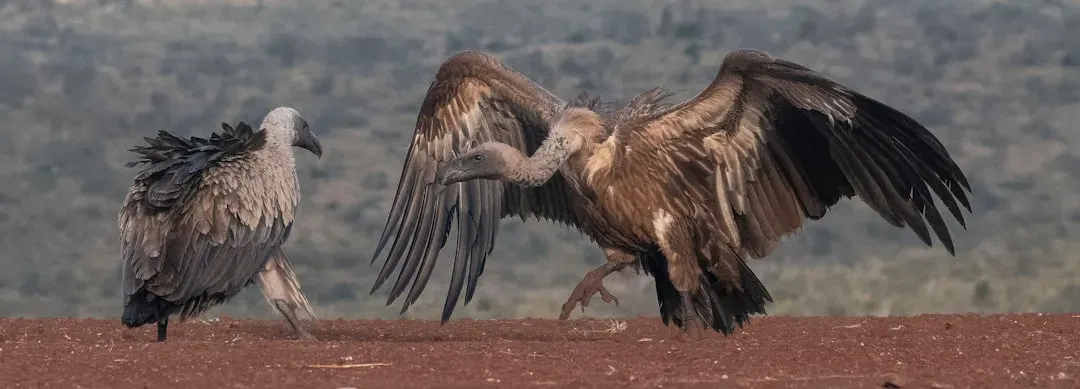
Most people think of their fenced yard as a protective bubble. But predators don’t always respect fences. Depending on where you live, large predators like alligators or pythons might be something you need to watch out for. Small dogs in particular make a tantalizing target for hawks and other large birds of prey. That feels almost absurd until you realize it happens regularly across suburban neighborhoods.
One of the quickest predators that are often overlooked is birds of prey. If you’ve noticed eagles, hawks, or owls in your area, never leave your dog unattended or allow them to get too far away from you. A hawk can swoop down and grab a small dog faster than most people can react. It’s terrifying and it’s real.
Do not tie your dog up in the yard. This will make your pup an easy target for predators and will prevent them from being able to run away. It’s counterintuitive, but a tethered dog is actually a more vulnerable dog. Think of it like this – tying your dog up is essentially presenting them gift-wrapped to any passing predator.
Not all mushrooms are toxic, but the ones that are toxic are frequently fatal. Many dogs are sickened and killed each year after eating poisonous mushrooms. Wild mushrooms can pop up in your grass overnight, and a curious dog will sniff and snack on anything unfamiliar. It’s a risk that doesn’t announce itself ahead of time.
Parasites, Insects, and the Invisible Biological Threat
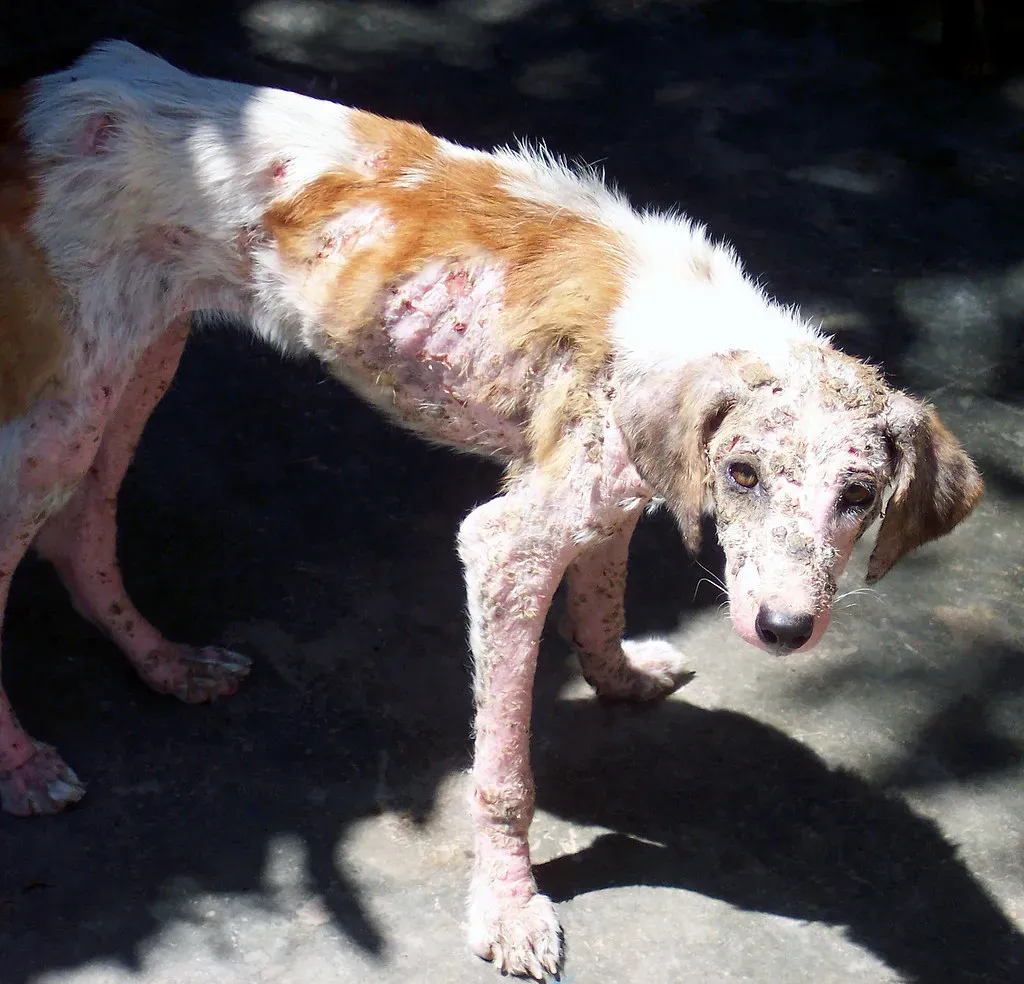
You can’t see them. You can’t hear them. Still, they are out there every single time your dog steps outside unsupervised. Ticks lurk in tall grasses and low shrubs, while fleas enjoy moist, shady areas such as under bushes and trees. Ticks can transmit dangerous diseases such as Lyme disease and Rocky Mountain spotted fever. Fleas are tiny, bloodsucking parasites that can cause irritation, hot spots, hair loss, and allergic reactions.
Your dog can get intestinal worms such as roundworms, hookworms, whipworms, or tapeworms by ingesting contaminated soil or poop, or by eating infected small animals in the yard. And the kicker? They don’t have to eat something visibly dirty. A single lick of a paw or a muddy puddle could be enough to start an infestation from the inside out.
Mosquitoes are another vector that most dog owners wave off as a minor annoyance. All it takes is one bite from an infected mosquito for your dog to get heartworm disease. Heartworm is expensive to treat, painful for the animal, and in some cases fatal. All from one tiny bite while your dog was just lounging in the afternoon sun.
Escaping, Fence Failures, and the Risk of Getting Lost or Stolen
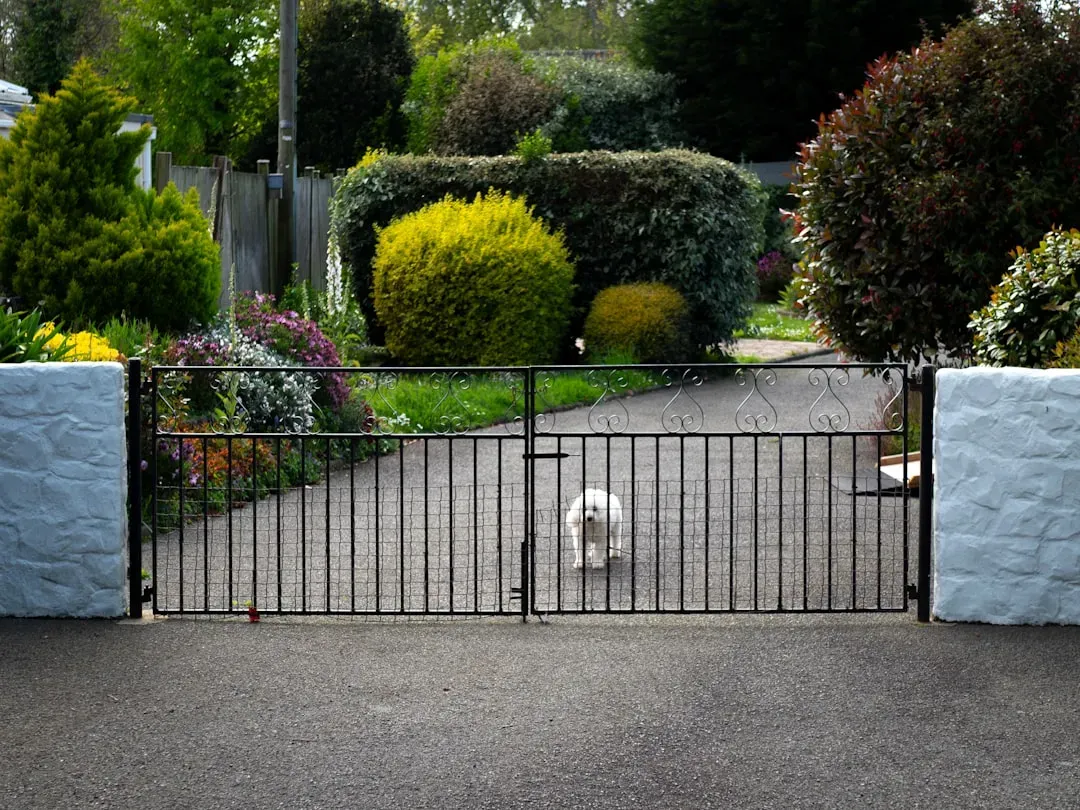
It’s wise to reconsider letting your dog roam the yard unsupervised, especially if you’re stepping out for a couple of hours. The brief period you’re away might be the exact time your pet discovers a way to escape. Dogs are opportunists. The moment you turn your back, suddenly that loose board in the fence becomes an adventure.
Even the thing installed specifically to keep your dog safe can lead to injuries. If your pooch tries to squeeze through gaps or dig under the fence, they could not only escape but could also get splinters and cuts in the process. Fences wear down over time. A fence that was fine six months ago may have a gap today that you simply haven’t noticed.
Dog theft is a real problem and occurs pretty much everywhere. Let that sink in for a moment. A dog left alone in a yard, even a fenced one, is visible to anyone walking past. Certain breeds are deliberately targeted, and it can happen shockingly fast, well within the window of what most owners consider a “quick errand.”
Then there’s the issue of gates. The property owner should make sure that any gates are securely closed with strong locks, but those gates can be accidentally left open, allowing the dog to escape. Delivery drivers, neighbors, even your own kids can leave a gate unlatched without thinking twice. Once your dog is out, anything can happen.
Heat, Cold, and the Behavioral Toll of Yard Isolation
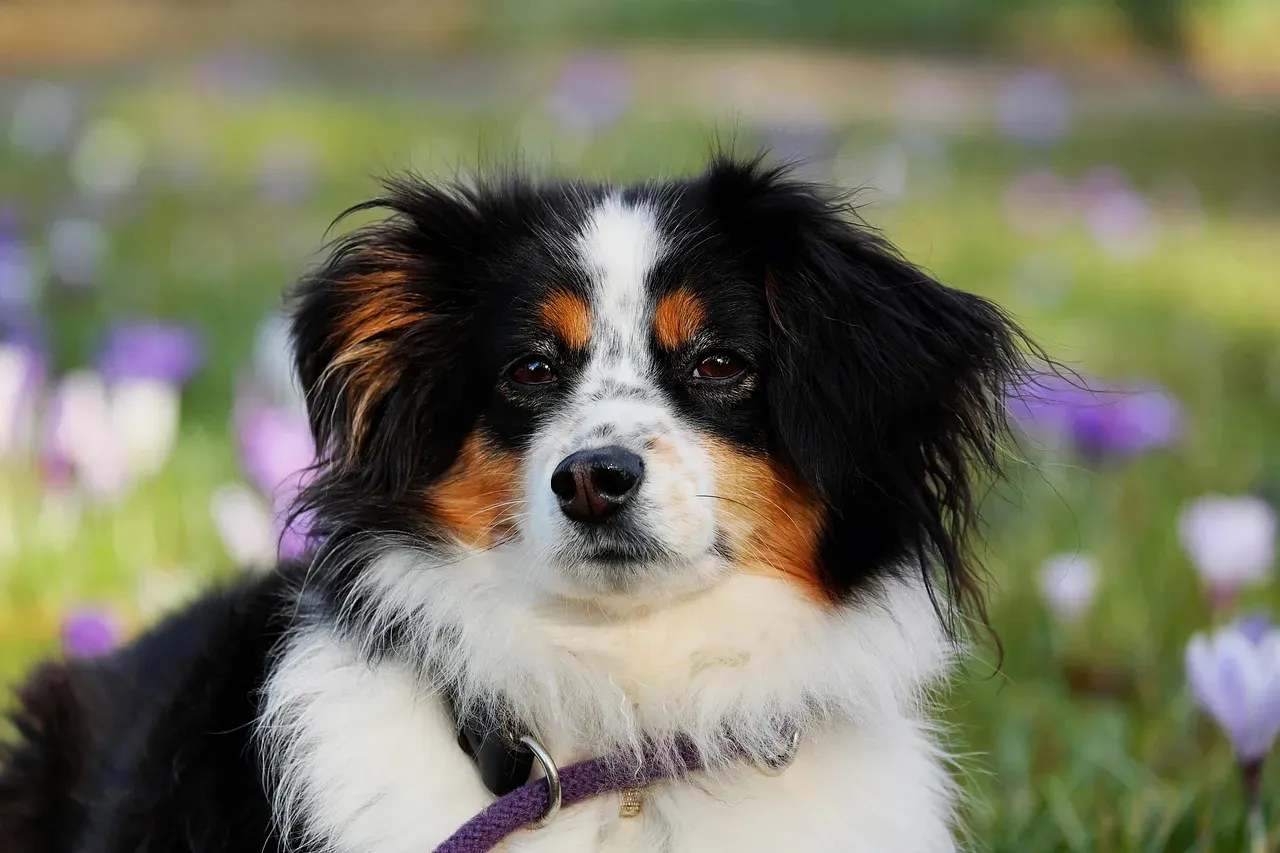
Weather is one of the most underestimated dangers of leaving a dog outside alone, and it works in both extremes. Dogs are more susceptible to heat than humans. They have fur coats and do not perspire. They can only cool themselves by panting and sweating through their paw pads. If you’re sitting inside feeling warm on a summer afternoon, your dog left outside is in a far more dangerous situation than you might imagine.
Heat stroke and heat exhaustion can lead to organ dysfunction and even death. Symptoms include restlessness, excessive panting, weakness, and confusion. Once a dog starts exhibiting these signs, it can take just 20 minutes for the situation to turn deadly. Twenty minutes. That’s less time than it takes to run a quick errand.
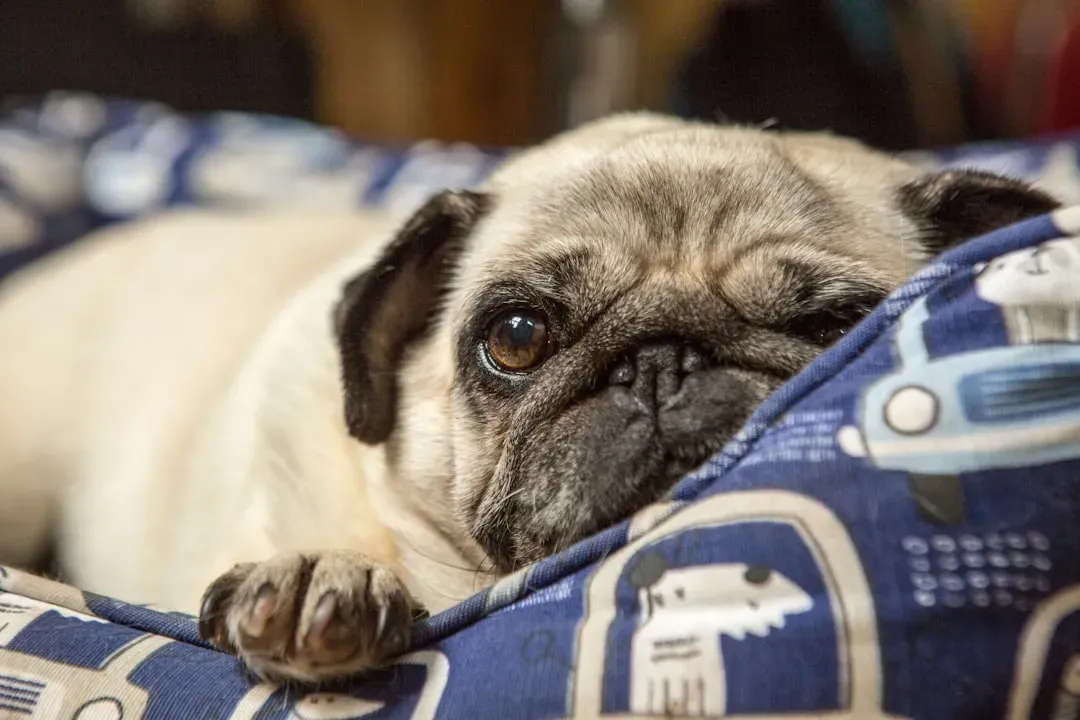
Short-nosed breeds like pugs and bulldogs are prone to heat stress. Arctic breeds like huskies and malamutes have thick double coats built for cold winters, not hot summers. So the breed you own matters enormously. There is no one-size-fits-all approach here.
Beyond the physical risks, isolation itself does real psychological damage over time. Leaving a dog alone in the yard all day can actually lead to unwanted behaviors, anxiety, excessive barking, and hyperactivity. Dogs are deeply social creatures. Leaving them alone outside for extended periods is, in a very real sense, a form of unintentional emotional neglect. It’s hard to say for sure how much a dog understands about being left behind, but their behavior makes it pretty clear they feel it.
Conclusion
The backyard is not the safe zone most of us assume it to be. From toxic flowers and garden chemicals, to hawks circling overhead, to a loose fence board that becomes an escape route, the list of real, documented dangers is genuinely sobering. None of this is meant to make you paranoid every time your dog steps outside. It’s meant to make you aware.
The good news? Most of these dangers are preventable with regular checks, smart landscaping choices, and the simple habit of keeping an eye on your dog while they’re outside. It’s best to hang out in your yard while your dog potties and plays. Of course, you can go indoors and grab a drink, but never leave your dog outside for longer than 5 to 10 minutes.
Your dog trusts you completely. They have no idea that a beautiful yellow flower could put them in the emergency vet, or that a hawk is watching from a telephone pole. That’s why supervision is not overprotection. It’s love in action. So next time you let your dog out and head back inside, ask yourself: would you leave a toddler out there alone? The answer probably tells you everything you need to know.
