

Most of us think we know our pets pretty well. We know their quirks, their favorite spots, the exact face they make when they want a treat. Yet when it comes to what’s actually going on inside those furry little heads, science keeps delivering surprises that shatter everything we thought we understood.
Here’s the thing: the way pet intelligence gets talked about in everyday life is almost embarrassingly oversimplified. We compare cats to dogs like we’re picking sports teams. We reward “clever” tricks and dismiss everything else. The reality is far richer, far stranger, and honestly a lot more humbling than that.
Ready to have some of your longest-held assumptions turned upside down? Let’s dive in.
The Brain Neuron Debate: More Isn’t Always the Whole Story

If you’ve ever argued with someone about whether dogs or cats are smarter, you’ve probably heard the neuron argument. Dogs have about twice the number of neurons in their cerebral cortexes compared to what cats have, which some researchers suggest could mean they are about twice as intelligent. That sounds like a definitive answer, right?
Not so fast. Though this data might seem to suggest that dogs are twice as intelligent as cats, a direct correlation between larger brain size and increased intelligence has not been conclusively proven. Think of it like comparing two computers by counting transistors. More transistors doesn’t automatically mean better performance if the software is entirely different.
A lot of what we already know about intelligence in other species falls on a gradient or a spectrum. Consider hunting abilities, for example. Cats sit on the skilled end of the spectrum, while dogs sit in the middle and humans near the low end. But if we test all three on math, humans shift toward the intelligent side while dogs and cats move away.
In other words, we should avoid pitting different species against each other because they’re intelligent in different ways. That alone should reframe the whole debate. Intelligence isn’t one single dial you can just turn up or down.
Ultimately, whether cats or dogs are more intelligent remains inconclusive. Honestly, the fact that scientists still can’t agree should tell us something powerful about the complexity of the question.
Cats Are Smarter Than Science Has Given Them Credit For
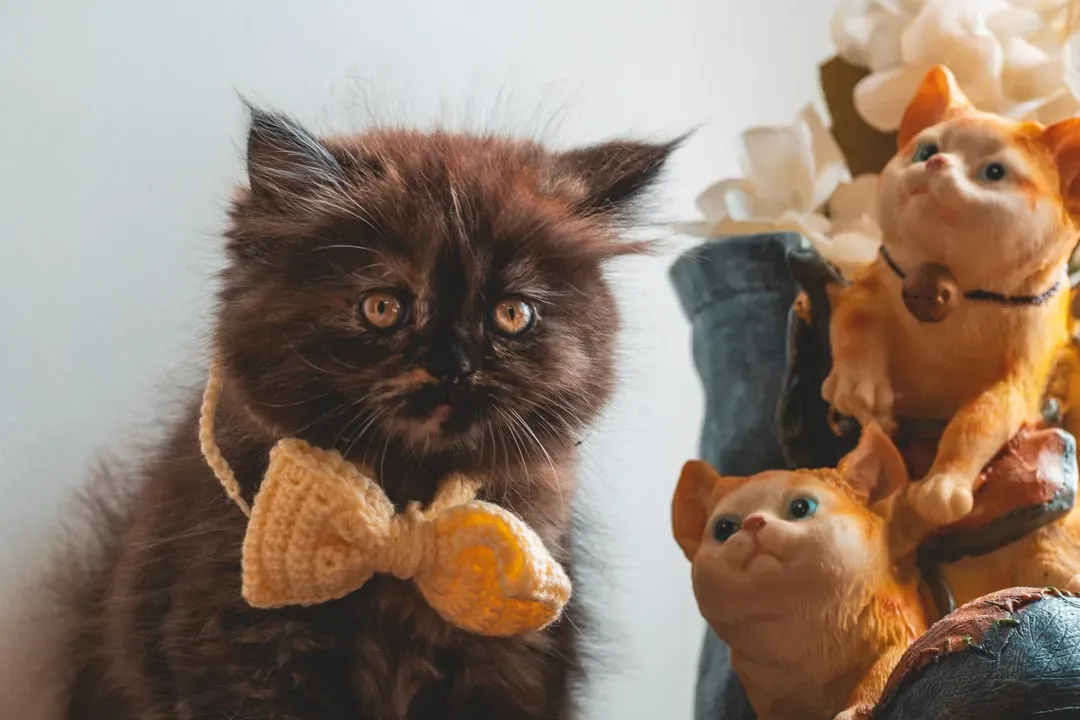
Cats have long carried the reputation of being antisocial, untrainable, and a bit aloof. Let’s be real, that image isn’t entirely unearned. But it has seriously warped how we measure their intelligence.
After years when scientists largely ignored social intelligence in cats, labs studying feline social cognition have popped up around the globe, and a small but growing number of studies is showing that cats match dogs in many tests of social smarts. The work could transform the widespread image of cats as aloof or untamed.
Cats followed the gaze of humans roughly seven out of ten times in one study, a performance similar to that of dogs. Most animals rarely gaze at each other, and when they do it’s often a sign of hostility. For cats to use gaze as a form of communication with humans, that’s genuinely surprising.
While most studies indicate that cats cannot solve invisible displacement tests, cats are able to pass more ecologically valid versions of the task, further supporting the idea that cats understand object permanence. In plain language: cats know that things don’t vanish just because they can’t see them. That’s a more sophisticated mental model than many people give them credit for.
Research into cognition in cats and the impact of nutrition on cat cognitive health lags behind that in dogs but is receiving increased attention. Part of the problem is simply that cats are notoriously difficult research subjects. One research team started with 99 cats but got usable data on only 41. In other labs, cats have leapt out of mazes topped with nets designed to keep them inside, leaving the whole setup in disarray. Apparently, cats don’t cooperate with researchers any more than they cooperate with us at home.
Your Dog Is Reading Your Emotions Right Now

This one genuinely blew my mind when I first came across it. While we’re busy decoding our dog’s tail wags and ear positions, they are simultaneously decoding us with a level of sophistication we rarely appreciate.
Research indicates that dogs can comprehend not just words but also the emotions behind our expressions, gauging our moods with impressive accuracy. This innate ability transforms them into empathetic members of our families, strengthening the intricate bond we share.
In a brain imaging study, researchers found that dogs possess voice-processing regions in their temporal cortex that light up in response to vocal sounds. Dogs respond not just to any sound, but to the emotional tone of your voice. That’s not a trained behavior, that’s built-in neurology.
Using a cross-modal preferential looking paradigm, researchers presented dogs with either human or dog faces with different emotional valences paired with a single vocalization from the same individual. Dogs looked significantly longer at the face whose expression was congruent to the valence of the vocalization, for both conspecifics and humans, an ability previously known only in humans.
Dogs have smaller brains than their wild wolf ancestors, but in the process of domestication, their brains may have rewired to enhance social and emotional intelligence. Clues come from a Russian fox domestication experiment. Foxes bred for tameness showed increased grey matter in regions related to emotion and reward. These results challenge the assumption that domestication makes animals less intelligent. Instead, breeding animals to be friendly and social can enhance the brain pathways that help them form bonds.
New research has revealed that people often do not perceive the true meaning of their pet’s emotions and can misread their dog. The irony is striking. Our dogs understand us better than we understand them.
The Nose That Knows More Than Any Lab Machine
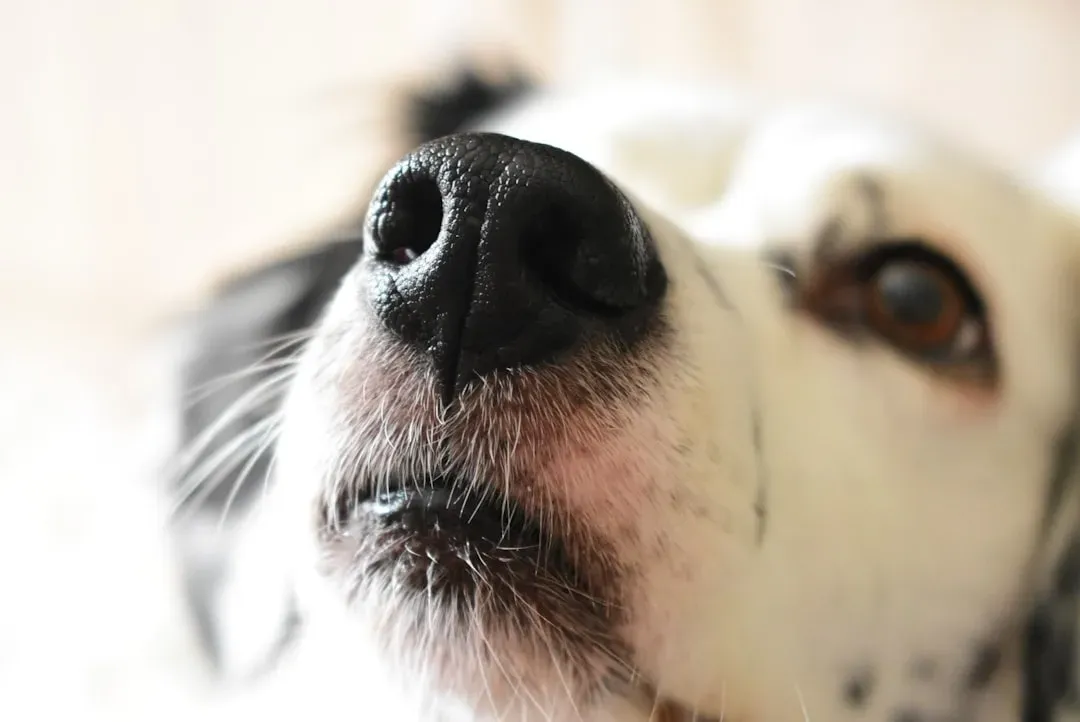
If you really want to rethink everything you believe about pet intelligence, look no further than what a dog’s nose can actually do. This is where things get truly extraordinary.
Dogs trained to detect Parkinson’s disease using scent have shown remarkable accuracy in new research. In a double-blind trial, they identified skin swabs from people with Parkinson’s with up to 80% sensitivity and 98% specificity, even when other health conditions were present. The findings offer hope for a simple, non-invasive diagnostic method using biomarkers that appear long before traditional symptoms, potentially allowing earlier treatment and slowed disease progression.
Let that sink in for a second. A dog can smell a neurological disease years before a doctor can detect it with conventional testing. There is currently no early test for Parkinson’s disease and symptoms may start up to 20 years before they become visible and persistent, leading to a confirmed diagnosis.
Researchers from the Universities of Bristol and Manchester, in collaboration with Medical Detection Dogs in the UK, discovered that Parkinson’s patients produce different oils on their skin compared to healthy people. These oils, called sebum, carry a distinct scent that trained dogs can learn to recognize from simple cotton swab samples taken from patients’ backs.
Dogs trained by everyday pet owners are also proving to be surprisingly powerful allies in the fight against invasive insects. In a groundbreaking study, citizen scientists taught their own dogs to detect the invasive spotted lanternfly. This isn’t high-tech equipment. This is biology that evolution honed over thousands of years, sitting in your living room and begging for belly rubs.
Intelligence Is Species-Specific – And We Keep Forgetting That
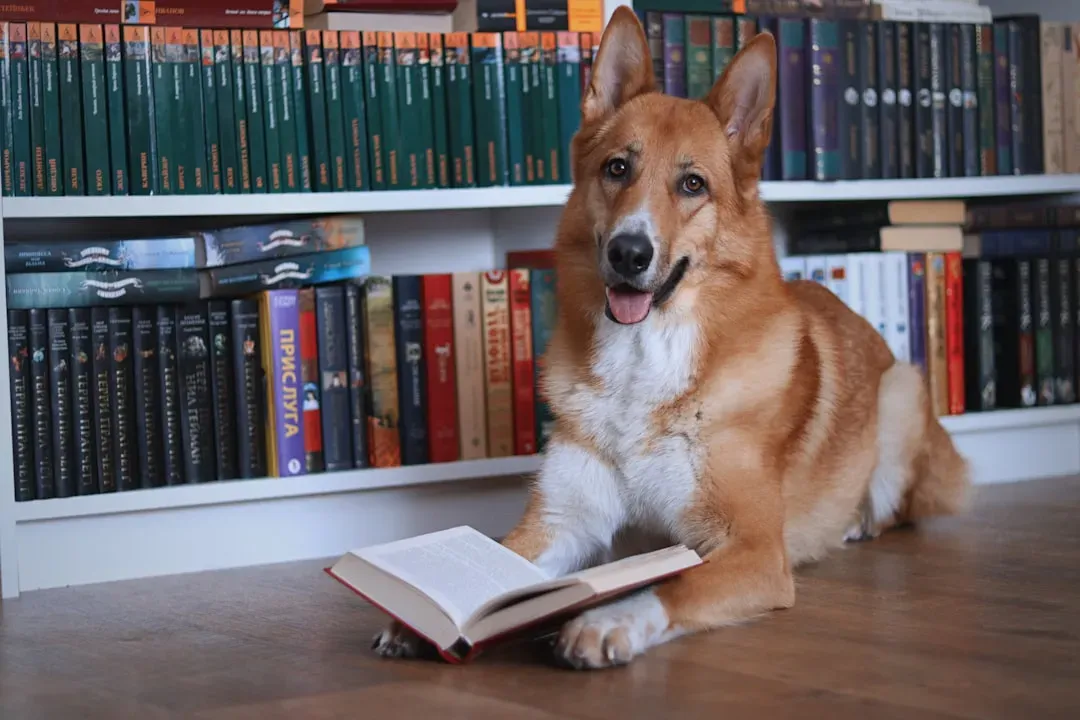
Here’s where I think the biggest misconception lives. We evaluate pet intelligence almost entirely on human terms. Can the animal follow commands? Can it solve puzzles we designed? Can it do what we want, when we want it?
Dog intelligence is the ability of a dog to learn, think, and solve problems. Dog trainers, owners, and researchers have as much difficulty agreeing on a method for testing canine intelligence as they do for human intelligence. If the experts can’t agree on a method, maybe that tells us the concept itself needs rethinking.
There are indications that dogs can form mental representations of objects and associate these with sounds, suggesting the presence of auditory learning in a surprisingly advanced way. Recent neural findings suggest that family dogs have at least a visual mental representation of known objects referred to by their names. Think about your dog’s reaction when you say “ball” or “walk.” That’s not just Pavlovian conditioning. There’s a mental image forming.
Animal cognition encompasses the mental capacities of non-human animals, including insect cognition. The study of animal conditioning and learning used in this field was developed from comparative psychology. It has also been strongly influenced by research in ethology, behavioral ecology, and evolutionary psychology. The field is vast. What we know now barely scratches the surface of what we’ll know a decade from now.
Research has also shown that gifted dogs can categorize toys by function, not just by appearance. That’s a form of abstract thinking. A dog sorting toys by what they do, rather than just what they look like, is performing a cognitive task that many people would be shocked to attribute to an animal. It’s the kind of finding that makes you want to go home and look at your pet a little differently.
Conclusion: Your Pet Deserves a Second Look
The science makes one thing very clear: we have been dramatically underestimating the minds of the animals sharing our homes. Dogs that detect disease. Cats with sophisticated social intelligence. Pets that read our moods, process our voices, and form mental images of the things they love. That’s not the “dumb animal” model most of us grew up with.
Honestly, the more research emerges, the more it feels like we’ve been sharing our lives with remarkable minds while patting ourselves on the back for being the smart ones in the house. The truth is more collaborative, more mutual, and a whole lot more interesting.
The next time your cat ignores you or your dog gives you that long, unblinking stare, maybe ask yourself: who is actually studying whom? What would you do if you found out your pet understood you far better than you ever imagined?
