
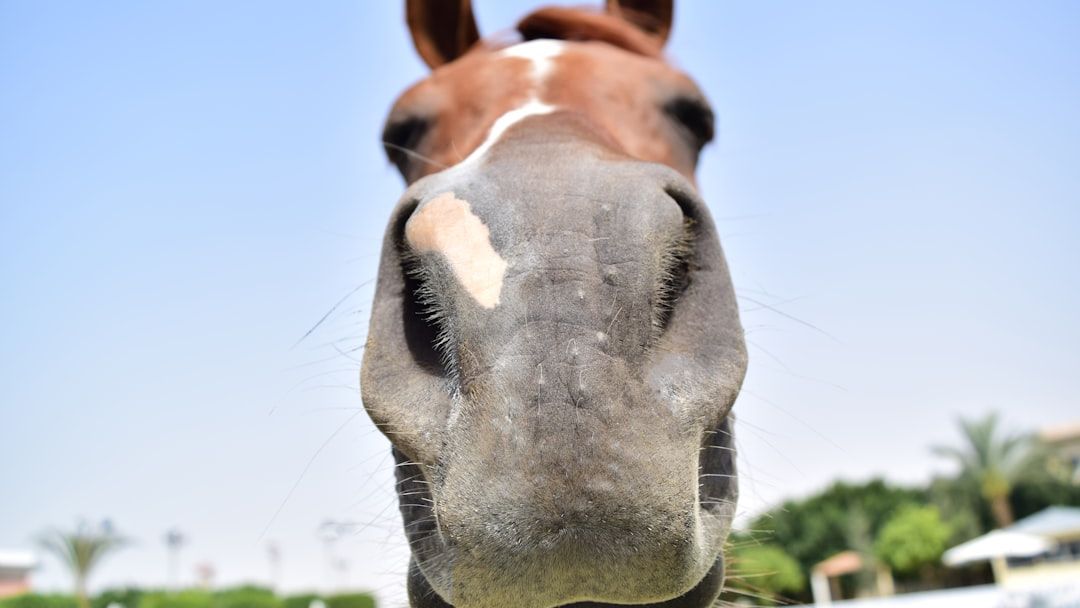
Picture this: your horse, that majestic partner in crime for trail rides and arena laps, suddenly seems… off. Not sick, not sore, just distant, like it’s daydreaming about wild pastures far beyond the fence. Horses thrive on stimulation, and when life gets too predictable, boredom sneaks in, leading to behaviors that can puzzle even seasoned owners.[1]
These subtle clues often fly under the radar until they escalate. Spot them early, and you can turn things around fast. Let’s dive into the ten telltale signs, plus simple fixes to spark joy back into your horse’s day.[2]
1. Subtle Weaving or Swaying
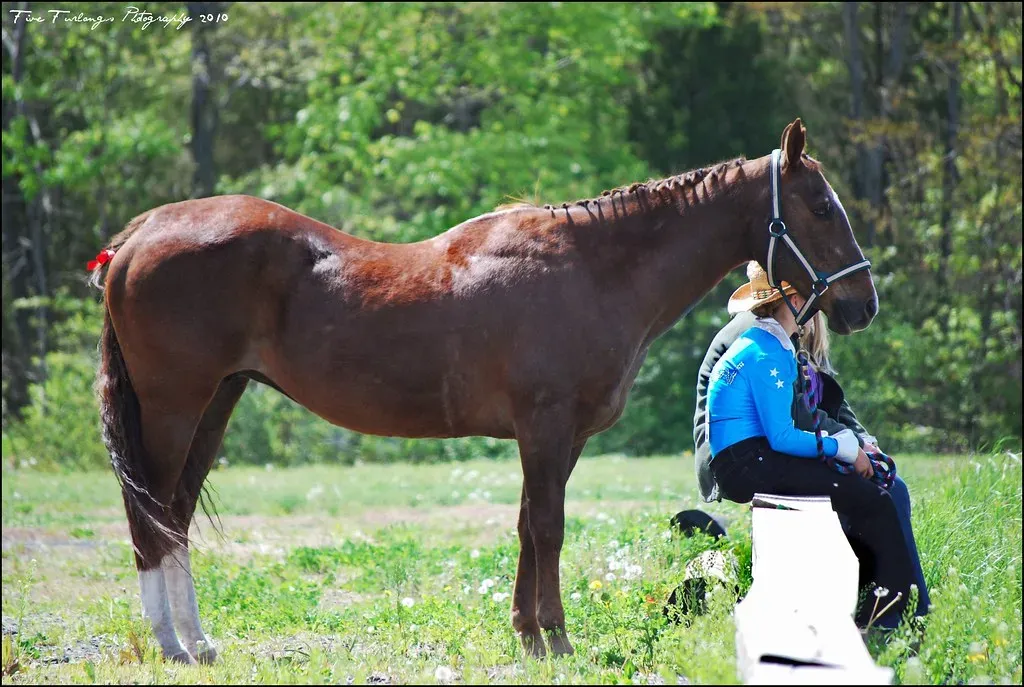
Horses weave by rocking side to side, often while staring over the stall door, a classic stereotypic move born from frustration and lack of action. It looks rhythmic, almost hypnotic, but it’s a red flag for mental stagnation. You might catch it during quiet afternoons when turnout is scarce.[3][4]
Combat this by maximizing turnout time in a larger paddock with buddies, or introduce slow-feed hay nets to mimic foraging. Toss in stable toys like treat balls for puzzle-solving fun. I swear, a simple jolly ball can work wonders, keeping them engaged without much effort.[5]
2. Occasional Cribbing on Edges
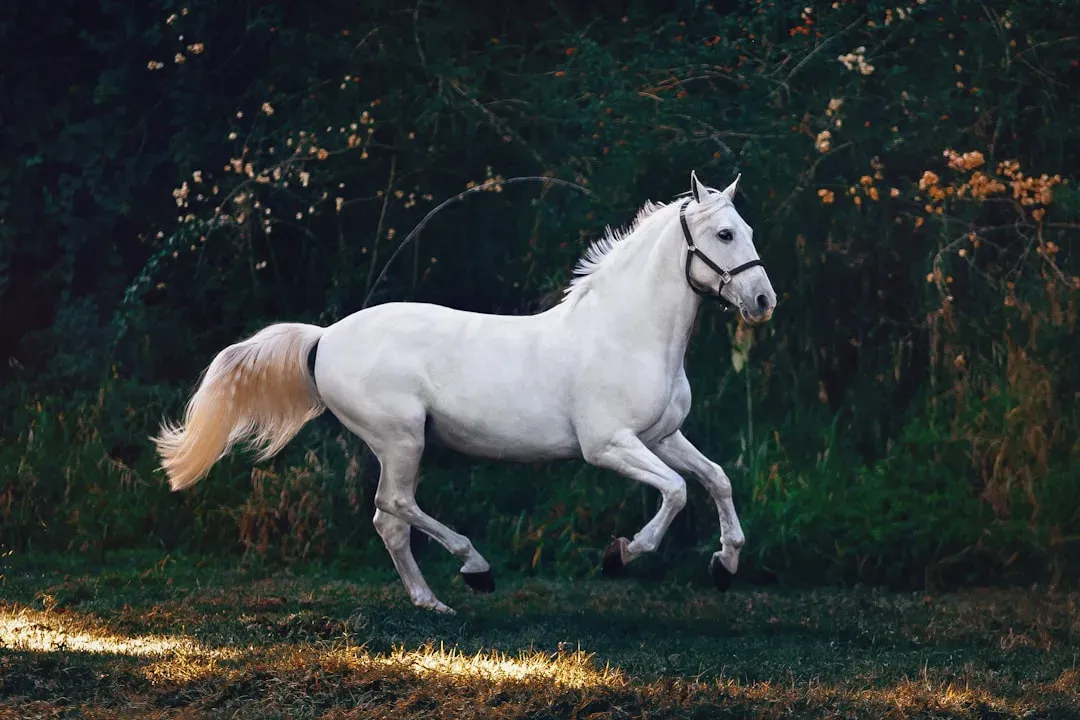
Cribbing involves grabbing a surface with teeth, arching the neck, and gulping air, often starting sporadically on fences or buckets. It’s not just a bad habit; boredom fuels this oral fixation when horses can’t graze naturally. Watch for worn teeth or collar grooves as early hints.[6]
Switch to grazing muzzles during limited pasture time or use covered hay feeders to extend meals. Vary routines with ground poles or liberty play sessions to redirect energy. Honestly, mixing up daily hacks prevents the cycle from worsening.[7]
3. Pacing Along the Fence Line
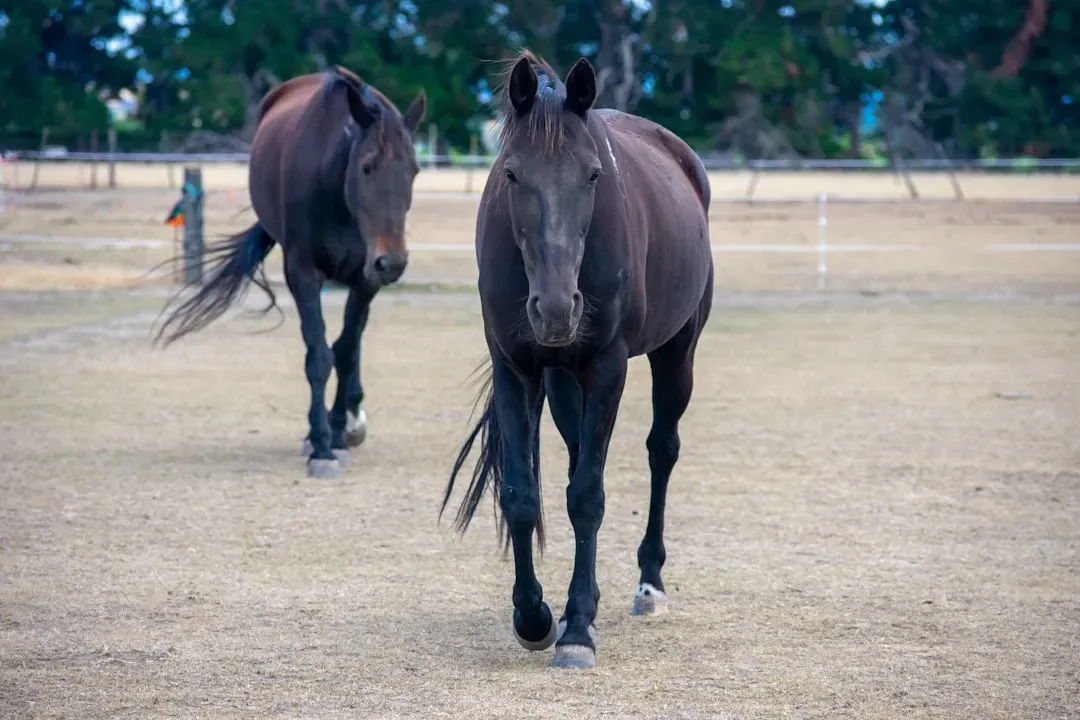
Box-walking or pacing shows as repetitive loops in the stall or paddock, like a horse stuck in a loop of anticipation. Subtle at first, it ramps up before feeding or turnout. This stems from stalled environments lacking social buzz.[8]
Increase social time with compatible herd mates or rotate pastures for fresh scenery. Set up track systems if space allows, encouraging natural movement all day. Here’s the thing: even short hand-grazing sessions can break the pattern effectively.[9]
4. Chewing on Non-Food Items
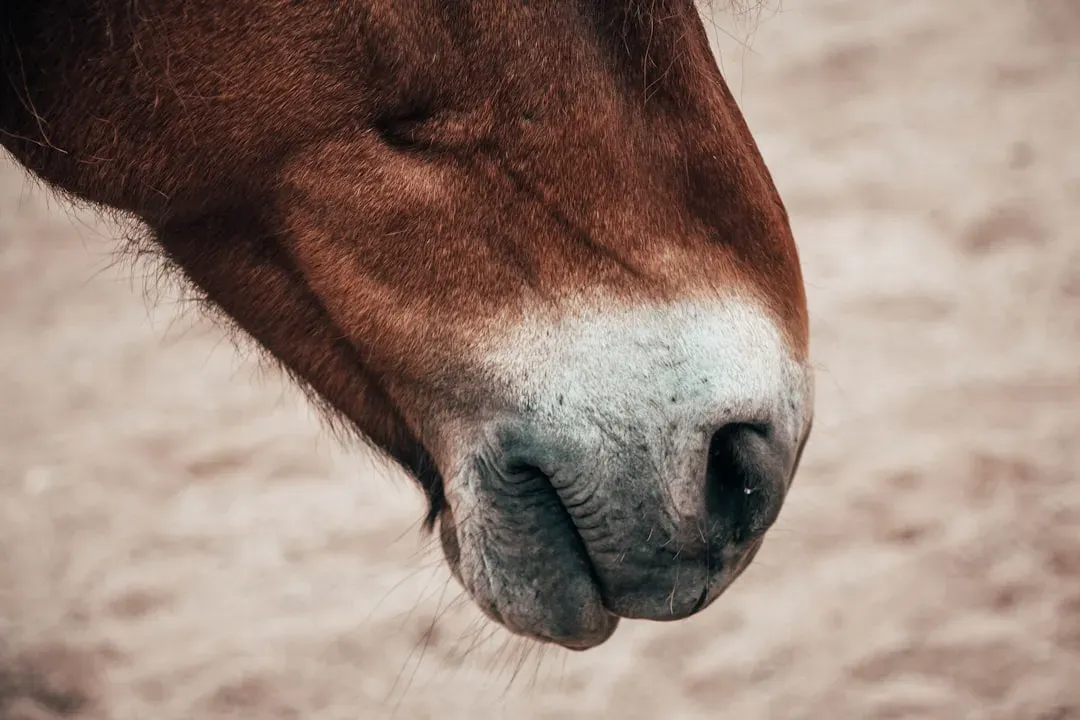
Wood chewing or blanket nibbling signals unmet foraging needs, turning boredom into destruction. It starts innocently on stall edges, leaving splintery messes behind. Horses explore with mouths, but excess points to idle time.[10]
Provide chew-resistant toys or salt licks, and scatter hay in multiple spots to spread out eating. Introduce vegetable scraps in puzzle feeders for novelty. Trust me, this low-cost tweak keeps mouths busy and stalls intact.[11]
5. Fidgety Restlessness When Haltered
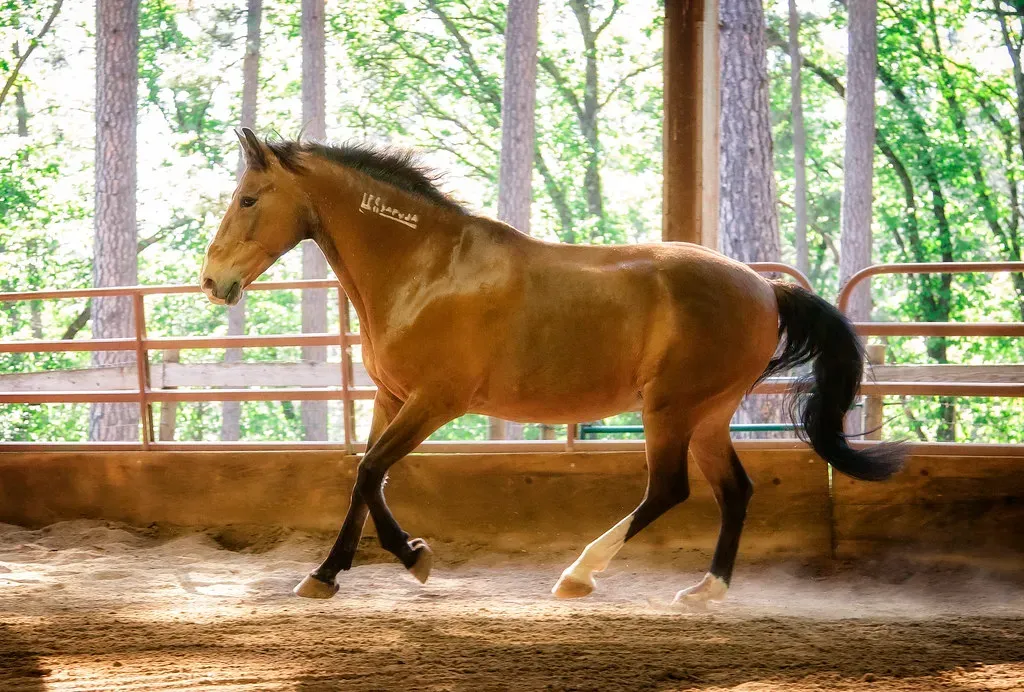
A bored horse fidgets endlessly when tied, pawing or shifting weight nonstop. It feels like pent-up energy with nowhere to go, subtle yet draining for grooming sessions. Natural curiosity unmet leads here.[12]
Shorten tie times with in-hand exercises like lateral work or backing drills. Add trail obstacles or bareback lounging for variety. These quick wins build focus and chase away the jitters.[13]
6. Turning Away or Ignoring You
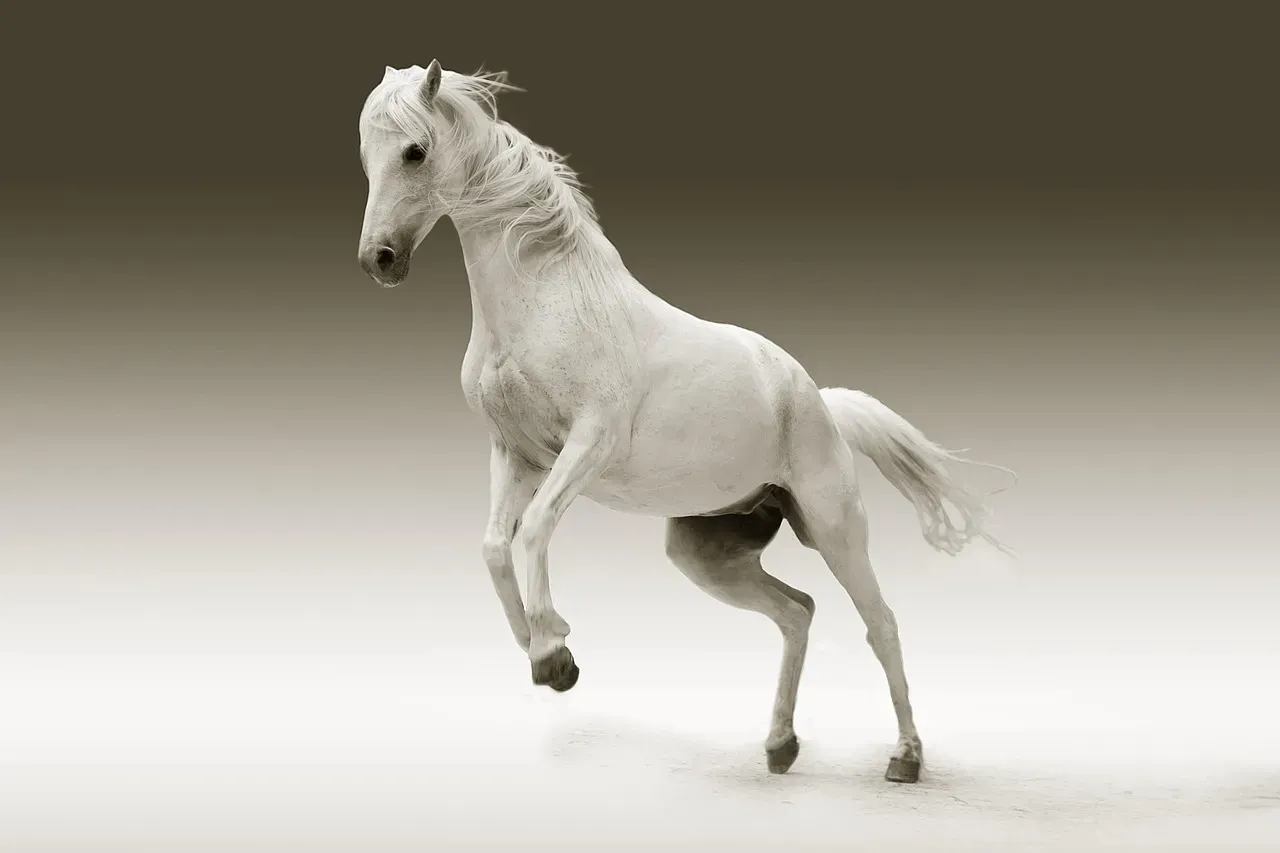
Your horse walks off or averts eyes when you approach the paddock, a quiet rejection of routine interaction. It’s not rudeness; boredom dulls their spark for human company. This subtle disinterest builds over monotonous days.[1]
Reignite bonds with play-based grooming or carrot stretches away from tack. Vary approach angles or hand-walk in new areas. Suddenly, they’ll perk up, eager for the unpredictability.[14]
7. Drooping Head and Lethargy
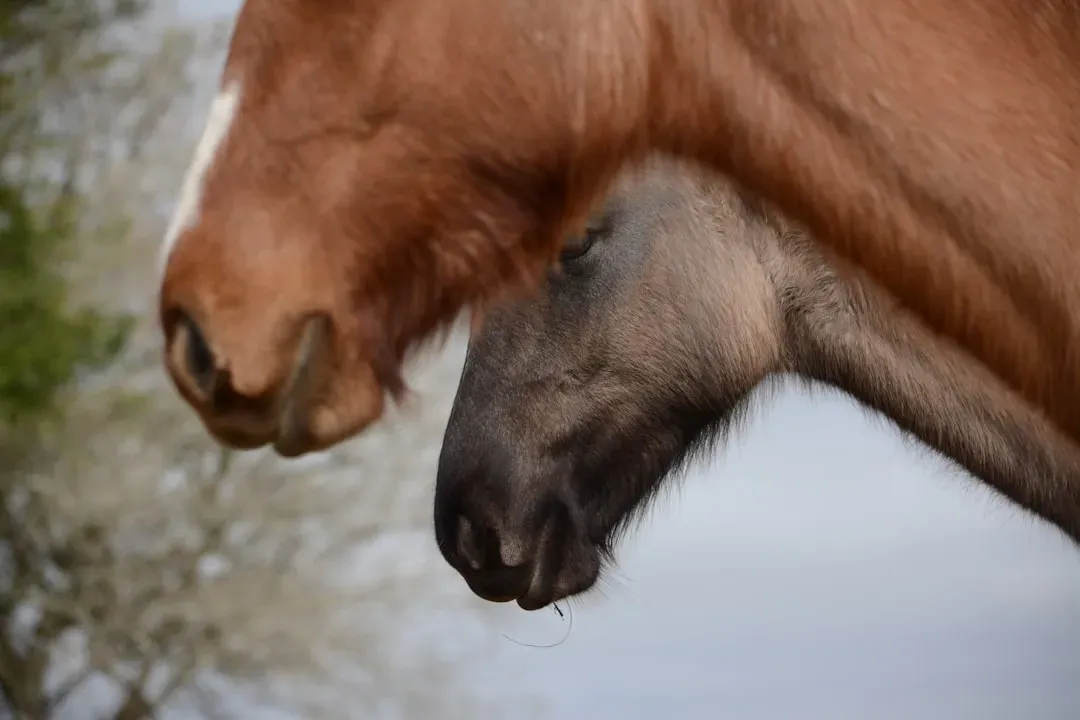
Lethargy hits with a low head carriage and half-closed eyes during turnout, like a horse checked out from life. Subtle swaying or slow blinks scream under-stimulation. Inactive horses spiral here fast.[2][15]
Pump up exercise with hill work or swimming if available, mixing trots and canters. Companion ponies add motivation too. You’ll see that head lift in no time with consistent changes.[16]
8. Kicking or Pawing at Stall Doors
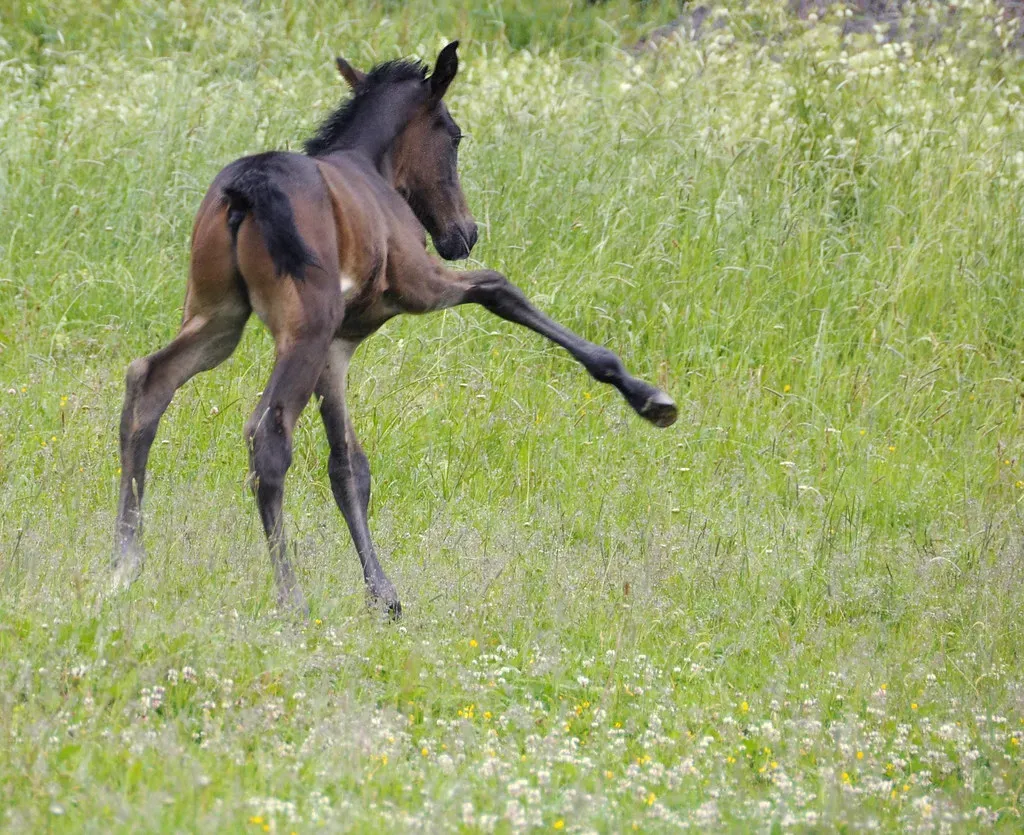
Intermittent door-kicking or aggressive pawing disrupts quiet stables, a cry for freedom masked as annoyance. Boredom amplifies these demands for attention or release. Listen for the thuds as clues.[8]
Install kick mats and offer hanging brushes for self-massage. Extend turnout or use slow-graze boxes overnight. Simple shifts like these quiet the racket remarkably.[5]
9. Reluctance Nearing the Arena
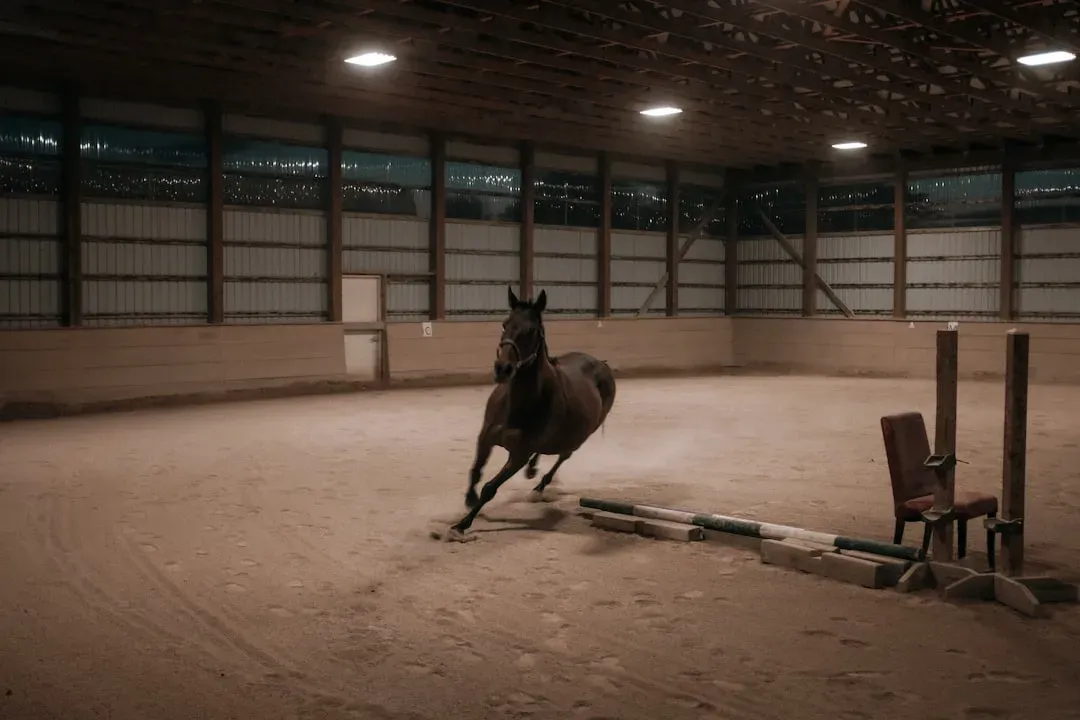
Ring sourness appears as slowing strides or ear-pinning toward the arena gate, subtle resistance to repetitive rides. Boredom turns work into drudgery. Spot it in hesitant steps.[17]
Break patterns with bareback rides, ground driving, or cavalletti patterns. Explore trails weekly for mental resets. Variety here transforms dread into delight.[14]
10. Excessive Self-Biting or Scratching
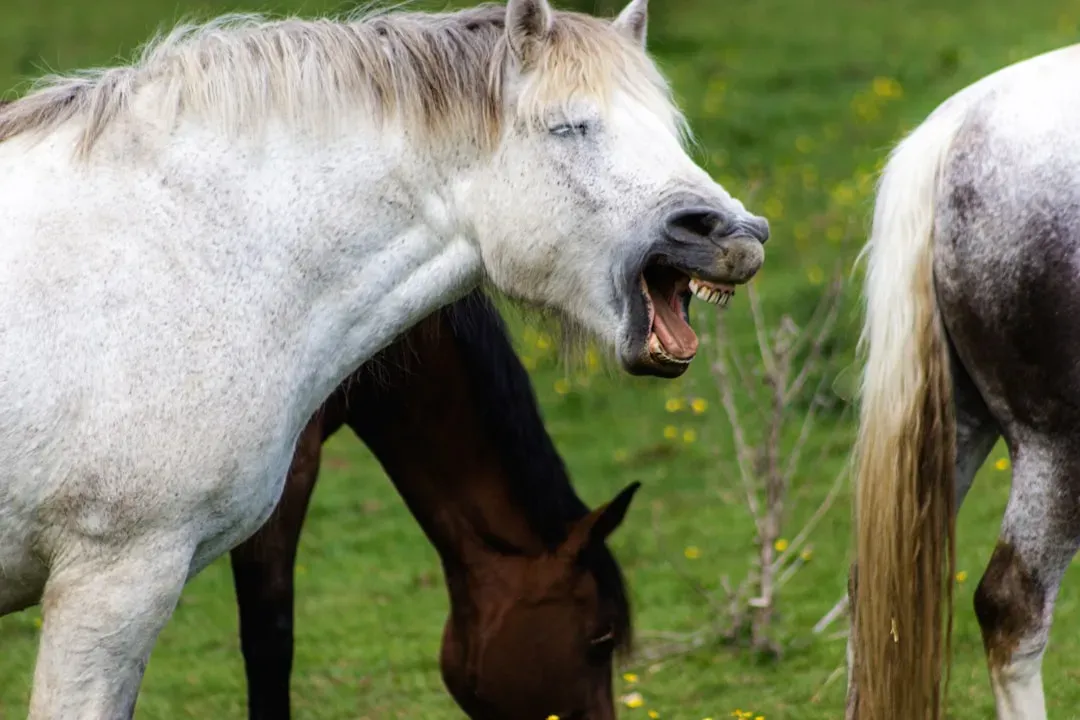
Flank-biting or over-grooming flanks signals redirected frustration, a sneaky self-soothing tic. It mimics itchiness but stems from idle minds. Check for hair loss patches.[3]
Enrich with buddy turnout for mutual grooming or flavored lickit blocks. Incorporate liberty games to channel instincts. These touches restore natural behaviors swiftly.[18]
Final Thoughts: Keep Your Horse Engaged
Boredom in horses sneaks up, but catching these clues early lets you craft a richer life full of turnout, toys, and twists on routine. Your efforts pay off in a happier, healthier equine friend. Small changes yield big sparks.
What subtle sign have you spotted in your horse lately? Share in the comments and let’s swap ideas.[19]

- 10 Ways to Create a Wildlife-Friendly Backyard Habitat - July 16, 2026
- Which Zodiac Signs Feel the Deepest Connection to Big Cats - July 16, 2026
- 10 Most Dangerous Hikes in The US - July 16, 2026