
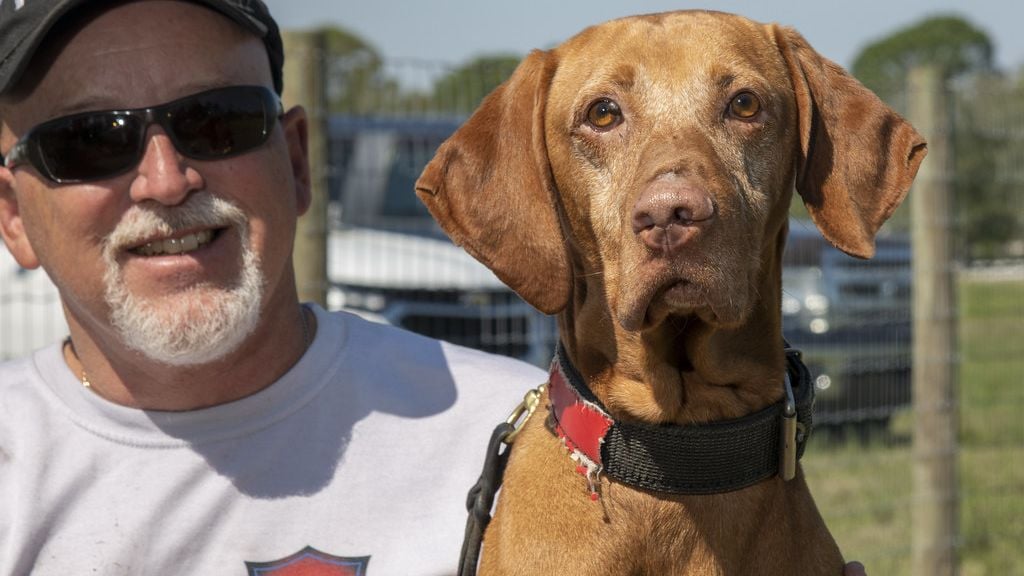
There is a saying that has circulated for centuries, one so casually repeated that most people accept it without question. “You can’t teach an old dog new tricks.” It rolls off the tongue easily. It sounds wise. It even feels true when your eight-year-old Labrador stares blankly at you during a training session like you’re speaking ancient Sumerian.
Here’s the thing, though: science has something very different to say. Modern research in animal cognition, behavioral psychology, and neuroplasticity is quietly dismantling this old adage piece by piece. And the method doing the heavy lifting? Positive reinforcement. It’s gentle, it’s effective, it works on puppies, it works on senior dogs, and honestly, it works a lot better than most people expect. So let’s dive in.
The Ancient Myth That Just Won’t Retire

The phrase “you can’t teach an old dog new tricks” has a surprisingly specific and well-documented origin. The source of these well-worn words is an English gentleman named Fitzherbert who wrote a treatise on animal husbandry in 1523. In other words, this belief has been coasting on a five-hundred-year-old assumption, and nobody stopped to really challenge it until recently.
Let’s be real: the saying was never truly about dogs. It became a metaphor for human stubbornness, a way to dismiss older people as rigid or unteachable. Since at least the 1500s, the adage has preached the impossibility of schooling older folks, and the trope still manages to color stereotypes of aging as more of a downhill slide than a journey toward wisdom.
Like most adages, this one has a following of folks who truly believe that old dogs cannot be taught new things, but this is not the case. Old dogs can learn new tricks. Dogs are innately good learners. That’s not just optimism. That’s observable biology at work. They are naturally inquisitive and eager to grasp new experiences. In fact, if a dog is awake, he is learning. They constantly observe their environment and respond to what they hear, see, and smell.
What the Science Actually Shows About Older Dogs and Learning
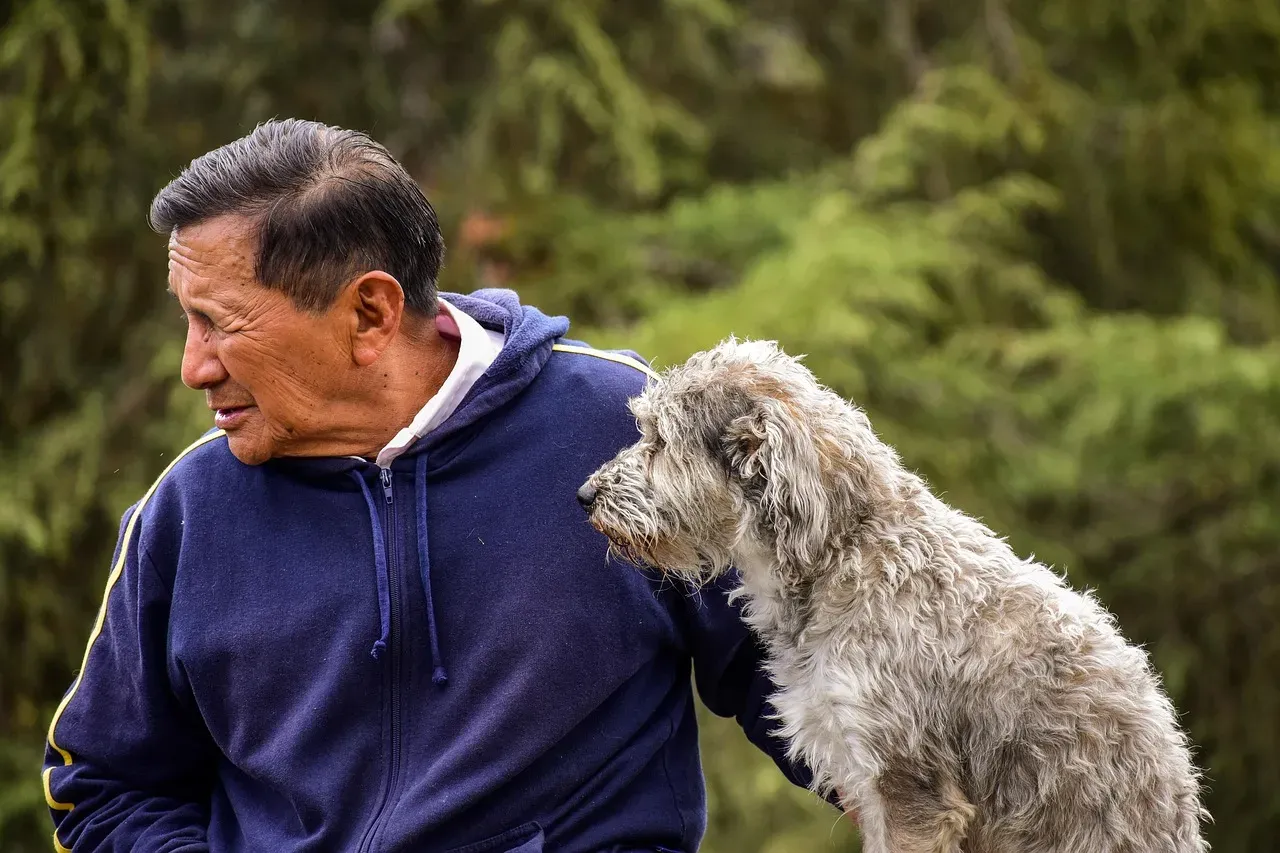
Researchers at the Messerli Research Institute in Vienna conducted some of the most compelling work on this topic, testing dogs of varying ages using touchscreen-based learning tasks. Aging affects the cognitive abilities of dogs, as a recent study shows. A team of scientists studied dogs of different ages working on a specially designed touchscreen and discovered that although all dogs were capable of learning, older dogs learnt more slowly than younger ones. No age-related differences were found regarding long-term memory. That last detail is huge. Slower is not the same as incapable.
Results indicated that older dogs remained trainable provided they were free of specific neurodegenerative diseases, and highlighted how mental stimulation was essential for maintaining quality of life, combined with exercise, play and novel toys, much like humans. The indication was that older dogs require more motivation and stimulation than young ones but are still capable of learning new tricks.
Think of it like your grandparent learning to use a smartphone. It takes longer, it requires more repetition, and the interface could definitely be more intuitive. But they get there. Learning new skills involves changes in the animal’s neural pathways. The ability of the brain to change is called neuroplasticity. Research has shown human brains can reorganize in response to new memories, experiences, and learning. Dogs have neural stem cells, making new neural pathways from learning possible, too. Canine brains, like ours, are not fixed structures. They respond and adapt.
What Positive Reinforcement Actually Means (And Why People Get It Wrong)

Positive reinforcement training involves rewarding your dog for the things they do right. The reward could be a toy, a game, or a treat, whatever your dog wants to work for. Sounds simple, right? Yet there is an enormous amount of confusion out there. Some people still see reward-based training as bribery or “letting the dog win.”
To some people that sounds like a bribe, not training, and they want their dog to obey just because they should. But positive reinforcement training is neither a bribe nor a gimmick. It’s based on the science of animal learning, and it’s incredibly effective. It goes back to the foundational principles of operant conditioning. When a behavior produces something the dog loves, that behavior becomes more likely to repeat. It’s almost embarrassingly logical.
Thanks to the involuntary learning of classical conditioning, dogs trained with unpleasant actions often associate those aversives with the trainer and the training process. These dogs don’t look forward to learning, they don’t want to try new things, and their bond with their owner is eroded. However, a focus on rewards not only influences dog behavior but teaches dogs to love training. That distinction matters more than most people realize.
The Real Cost of Punishment-Based Training

Honestly, this is the section that surprises most people. Many dog owners assume that a firm correction here and there is harmless or even necessary. The science says otherwise, and it’s pretty stark. Results showed that dogs from Group Aversive displayed more stress-related behaviors, were more frequently in tense and low behavioral states and panted more during training, and exhibited higher post-training increases in cortisol levels than dogs from Group Reward.
Aversive methods trigger a different chemical response. Punishment releases cortisol, which is the stress hormone. High cortisol levels inhibit learning. The brain shifts into survival mode. It focuses on avoiding pain rather than processing information. So paradoxically, punishment-based training doesn’t just make dogs unhappy. It actively makes them worse at learning. You’re essentially flooding the system with noise.
A study from 2025 showed that dogs whose owners were willing to use aversive training techniques were more likely to display reactive and aggressive behaviors than other dogs. This isn’t a fringe finding. The conclusion across multiple studies is that reward-based training is best. Two separate questionnaire studies found that dogs trained using only positive reinforcement are more obedient than dogs trained with punishment. The evidence keeps pointing the same direction.
Adapting Positive Reinforcement for Senior Dogs
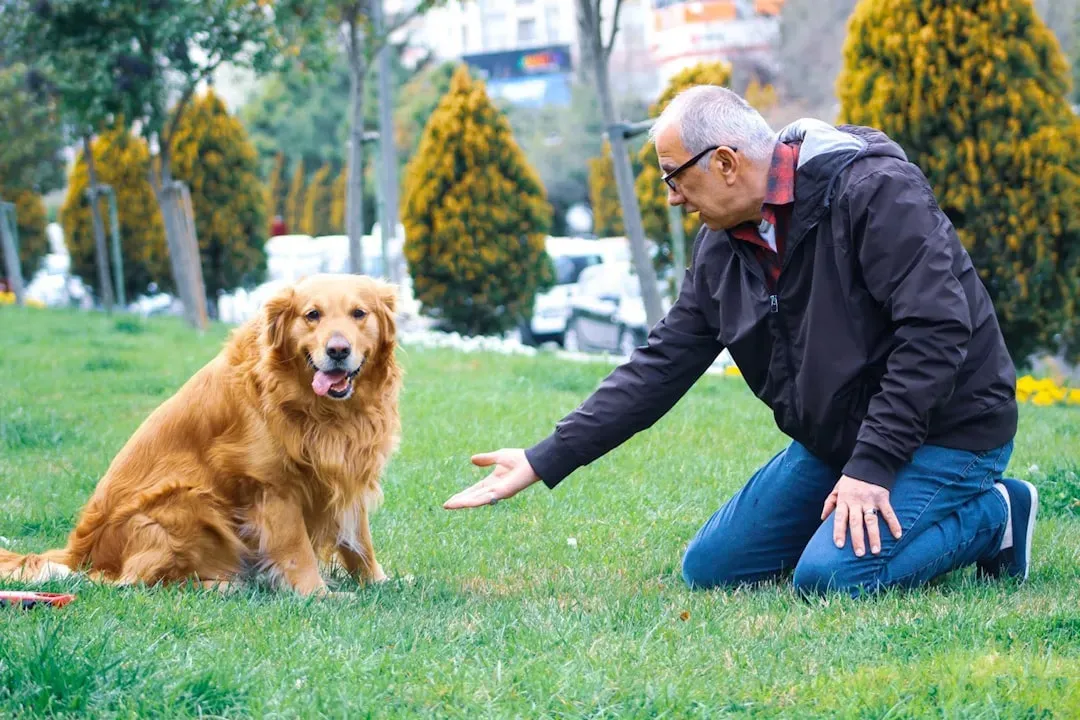
Training an older dog isn’t exactly the same as training a puppy. That’s not a limitation. It’s just an invitation to be smarter about your approach. Things like age, breed, and temperament play a big role in how your dog learns. Puppies may need shorter training sessions with more breaks, while older dogs might need to work on fixing or refining old habits.
Many senior pets have vision and hearing deficits that make it more difficult for them to comprehend your directions. You can work around these obstacles, which are part of the natural aging process, by modifying the way you communicate with your dog. If your dog has a hearing deficit, use hand signals. If his vision is diminished, stay in his direct line of sight, and use louder verbal cues. Small, thoughtful adjustments make a massive difference.
Reward your dog immediately after they do something right, aiming for about one to two seconds after the behavior. As your dog gets better at the behavior, you can start rewarding less often, but always keep some form of praise or occasional rewards to maintain interest. Consistency and patience are your most powerful tools. There is no deadline. There is no race. Teaching and learning new tricks can be a fun pastime for you and your dog, no matter your respective ages. Time shared while learning new tricks will deepen the bond you already have with your canine friend. Plus, tricks provide mental stimulation for older dogs who may be suffering from dementia.
The Bigger Picture: What Training Does for the Bond Between You and Your Dog
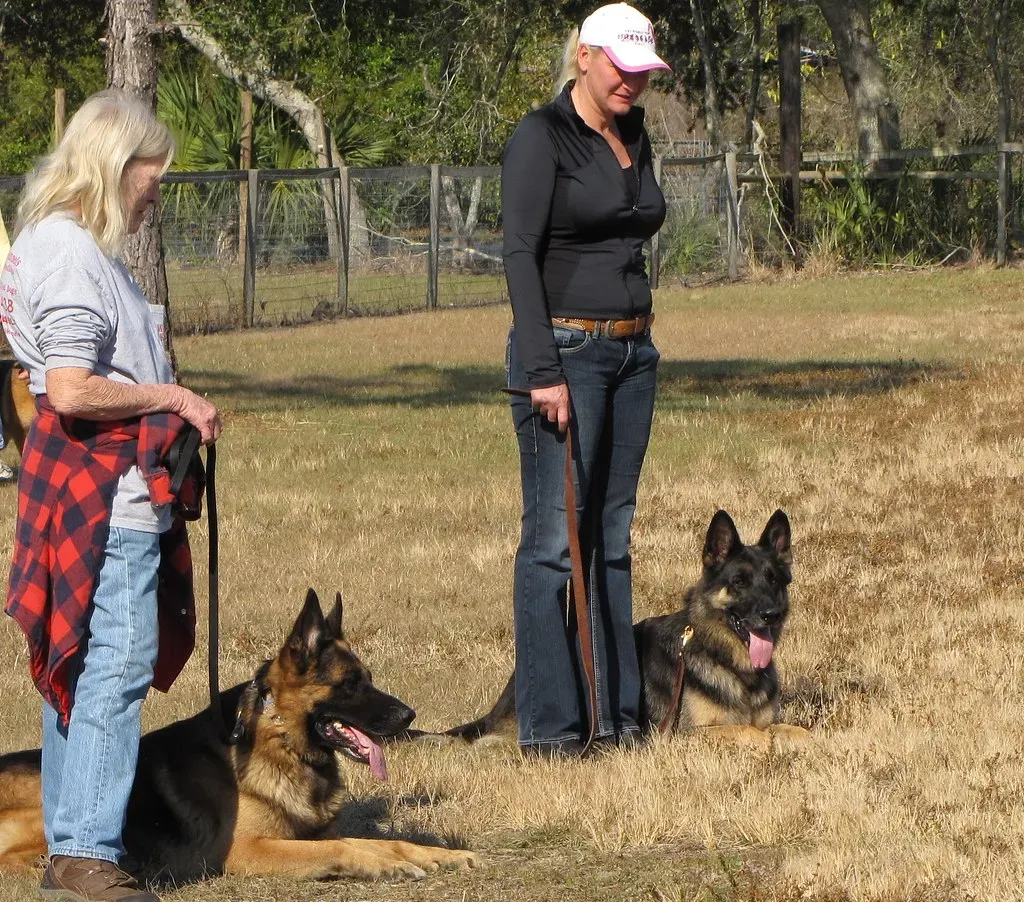
Training is never just about the tricks. I think that’s the piece most people miss. When you teach a nine-year-old rescue dog to “stay,” you are not simply programming a behavior. You are building a language between two species. Trust is the foundation of any relationship, and for dogs, that trust is built through positive, predictable interactions.
Studies show that positively trained dogs exhibit lower stress levels, measured by cortisol reductions, and stronger owner bonds. The dog begins to see you as a source of good things, of safety, of engagement. That changes everything about how they exist in the world. Studies show that dogs trained with positive reinforcement exhibit lower cortisol levels. Dogs who trust their owners are more resilient in stressful situations like vet visits and new environments. Fear-free training methods foster a stronger emotional bond, where the dog feels safe instead of anxious.
Compelling evidence demonstrates that maintaining an active lifestyle for your dog and teaching old dogs new tricks greatly benefits their cognitive health and quality of life. In debunking the myth that “you can’t teach an old dog new tricks,” we enable our dogs to learn and grow while actively contributing to their longevity and wellness. That is not a small thing. That is a life genuinely improved, for both of you.
Conclusion: The Old Dog Deserves More Credit
Here is what we actually know in 2026: older dogs can learn. Their brains remain plastic. Their capacity for joy, curiosity, and connection does not expire at some arbitrary age. What they need is simply the right environment to grow in, one built on patience, clear communication, and reward rather than fear.
Positive reinforcement is not a trend or a feel-good compromise. It is the approach most backed by behavioral science, the one that produces calmer dogs, stronger bonds, and more durable learning outcomes. Science has spoken, and the answer is clear: positive reinforcement training is the most effective and humane way to train dogs. Research shows that dogs trained with rewards-based methods learn faster, retain commands longer, and have fewer behavioral issues.
The old saying was wrong in 1523, and it’s still wrong now. The real question is not whether your older dog can learn something new. The real question is whether you’re patient enough to be the teacher they deserve. What do you think? Have you tried training an older dog? Drop your experience in the comments.

- 17 Quiet Signals a Horse Sends the Person It Has Claimed That Most Owners Never Learn to Read - August 1, 2026
- 18 Plants Lifelong Gardeners Say They Regret Ignoring for Far Longer Than They Ever Should Have - August 1, 2026
- The 18 Signs Your Aging Cat Has Chosen You to Be Beside It When the Time Finally Comes - August 1, 2026