
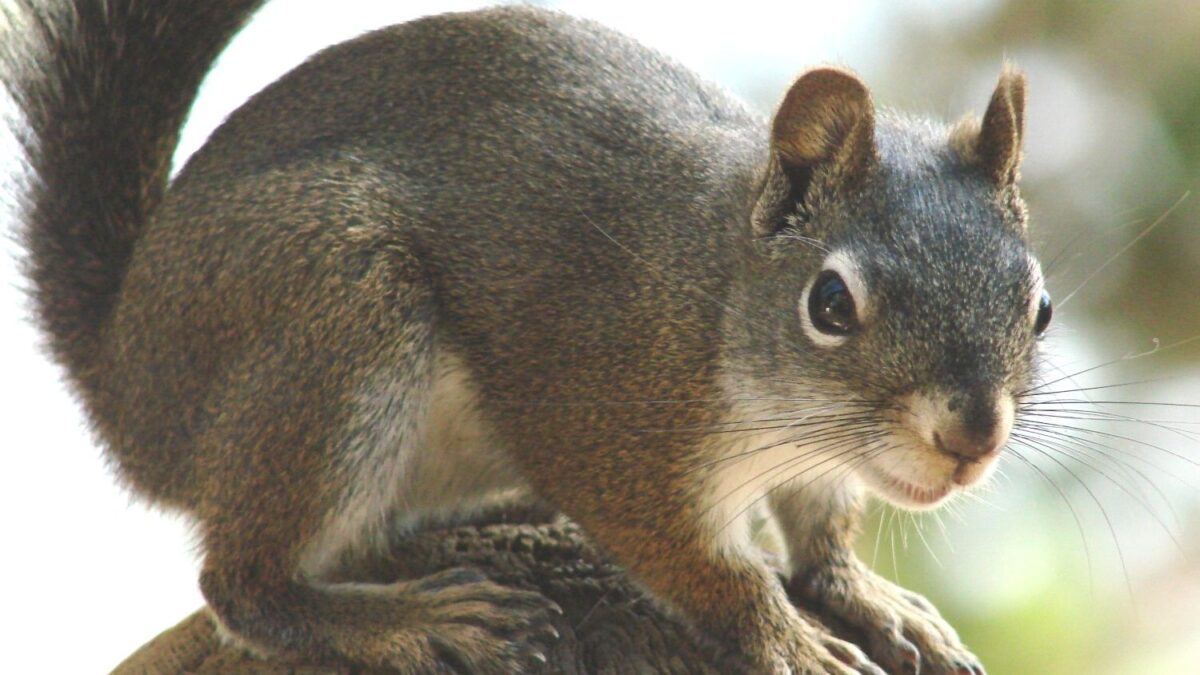
Picture your backyard on a lazy summer afternoon. Birds chirp, flowers bloom, and veggies grow without a second thought from you. Yet beneath the surface and in the air, tiny creatures hustle nonstop, keeping that paradise alive.
These overlooked heroes shape soil, spread pollen, and devour pests. Let’s dive into their world and uncover why ignoring them spells trouble for us all.
The Humble Earthworm: Soil’s Unsung Hero
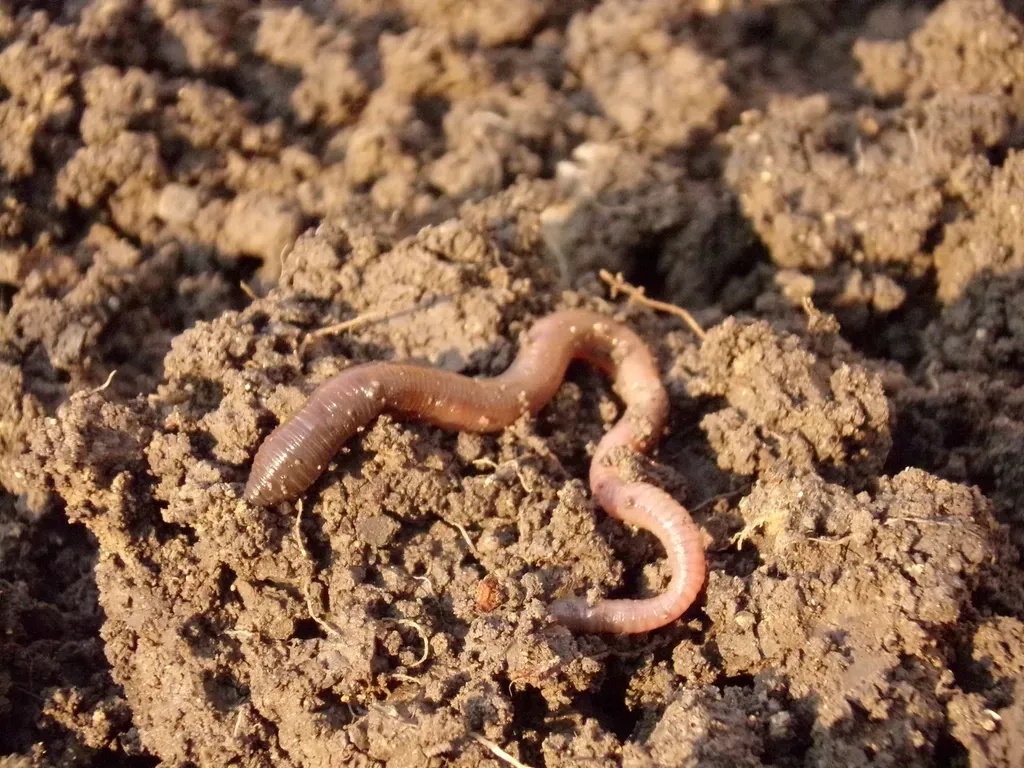
Earthworms might slither through dirt unnoticed, but they transform barren ground into fertile paradise. They tunnel deep, aerating soil so oxygen reaches plant roots and water drains easily. Their castings, rich in nutrients, act like natural fertilizer, boosting plant growth dramatically.
Without these wrigglers, soil compacts, starving gardens of life. I remember digging in my own yard and finding tunnels everywhere, a reminder of their quiet labor. Honestly, they’re the backbone of healthy earth.
Bees: Pollination Powerhouses in Disguise
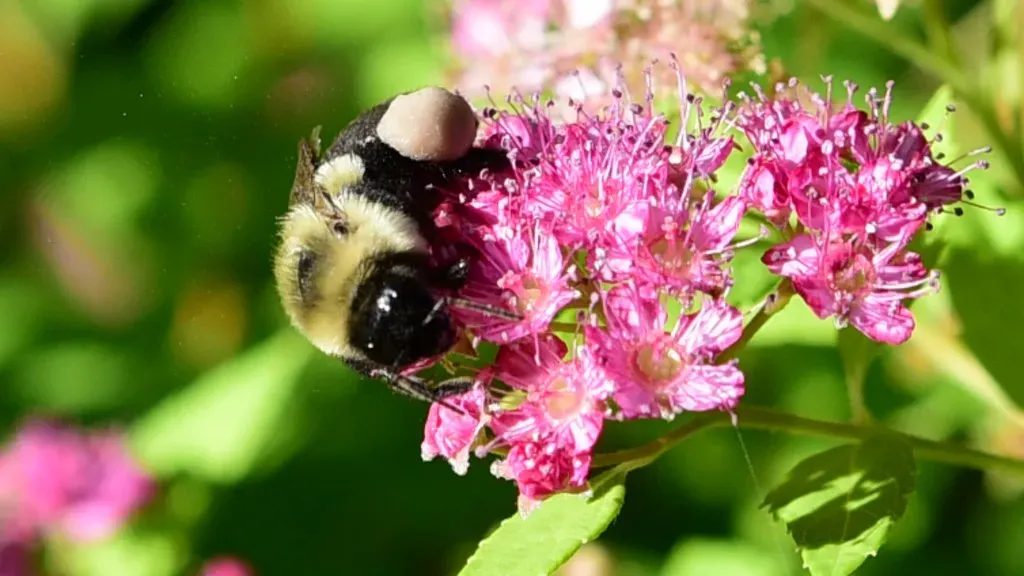
Bees buzz from flower to flower, but their real magic lies in pollination. As they sip nectar, pollen sticks to their fuzzy bodies, hitchhiking to the next bloom and sparking seed production. Nearly every fruit and veggie we eat owes them a debt.
Picture apples or berries vanishing without these tiny aviators. They’re not just honey makers; they’re ecosystem matchmakers. Lose them, and food chains crumble fast.
Spiders: Stealthy Pest Controllers
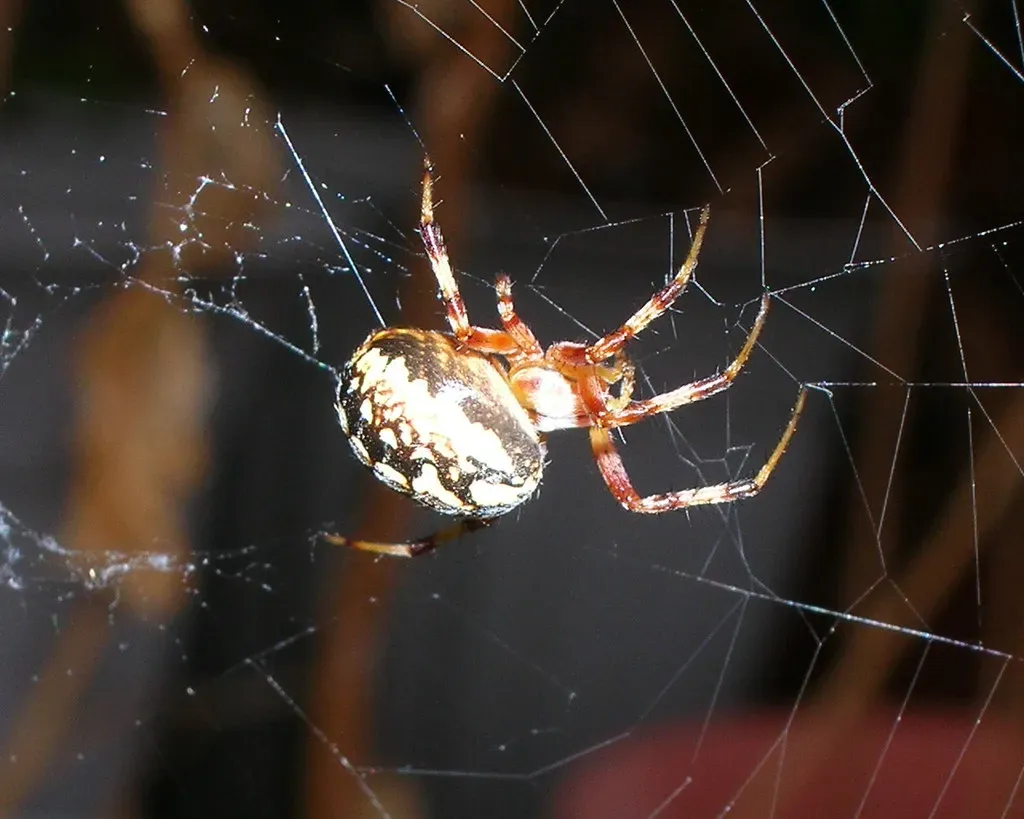
Spiders evoke shivers, yet they devour hordes of insects daily. Webs trap flies, mosquitoes, and aphids, preventing outbreaks that ravage plants. One spider can eat thousands of pests yearly, saving crops without chemicals.
They’re nature’s hitmen, patrolling silently. Here’s the thing: squash one, and you invite more bugs to dinner. Embrace them, and your yard stays balanced.
Ants: Tiny Architects of the Underground
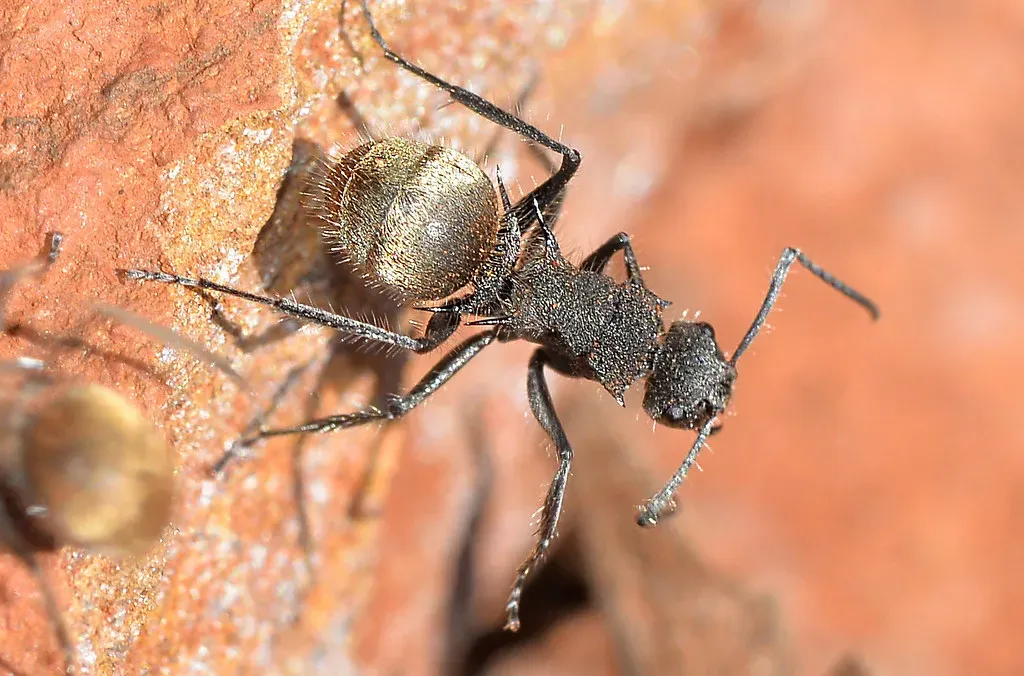
Ants march in armies, building vast tunnel networks that rival city subways. These channels improve soil drainage and distribute nutrients evenly. They also recycle debris, turning leaves into rich humus.
Disrupt their colonies, and soil health plummets. I once watched a hill bustle with purpose, realizing they’re ecosystem engineers on a minuscule scale. Small, but mighty.
Ladybugs: Voracious Defenders of Plants
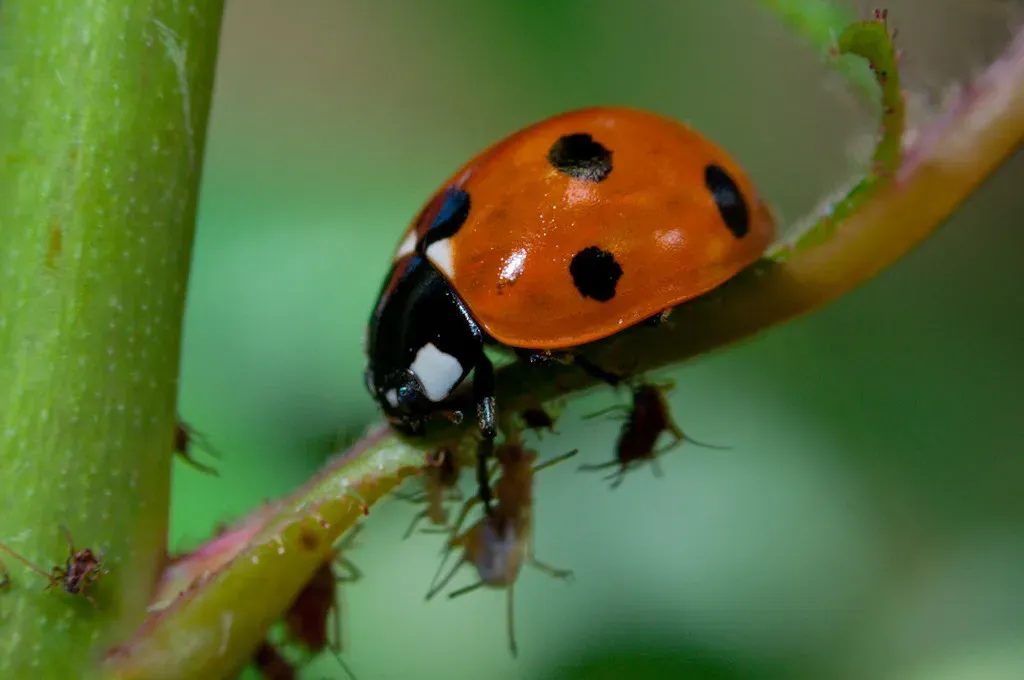
Ladybugs look cute with their spotted shells, but they’re fierce aphid assassins. A single ladybug gobbles dozens daily, protecting roses and veggies from sap-sucking hordes. They multiply fast in good conditions, forming natural armies.
Farmers release them deliberately for pest control. It’s wild how such charm packs predatory punch. Your garden thrives thanks to these polka-dotted warriors.
Butterflies and Moths: Pollen’s Night-and-Day Transporters
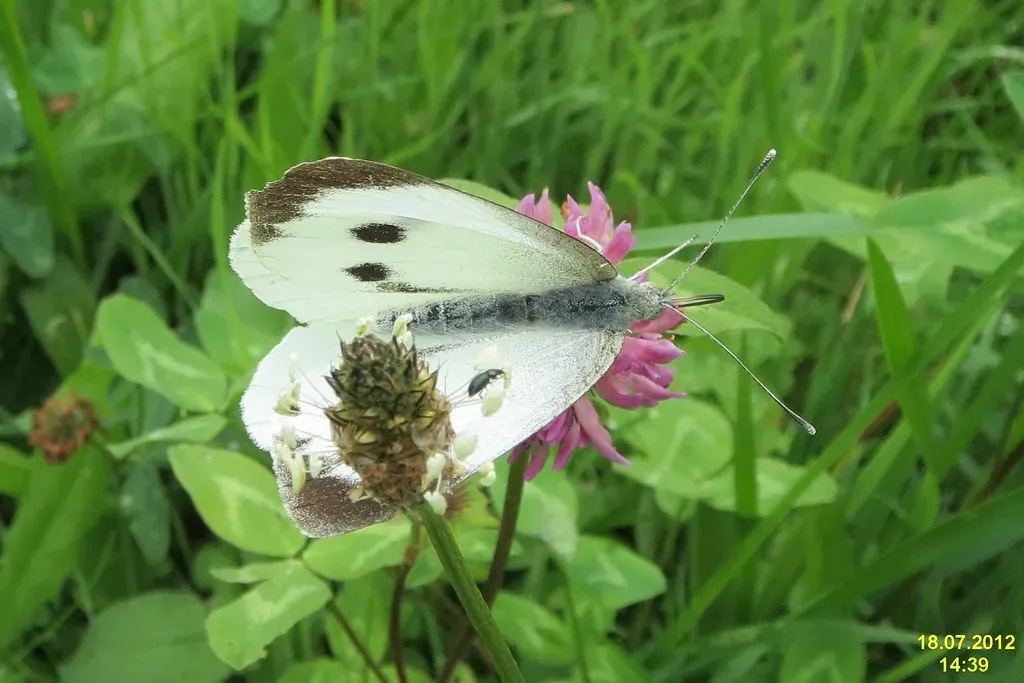
Butterflies flutter by day, moths under cover of dark, both ferrying pollen between plants. Their proboscises dip deep, ensuring cross-pollination for diverse seeds. Many natives rely solely on these winged wanderers.
They’re beauty with benefits, linking flowers in vital chains. Plant nectar sources, and watch your yard come alive. Neglect them, and blooms fade away.
Protecting These Critters: Our Shared Responsibility
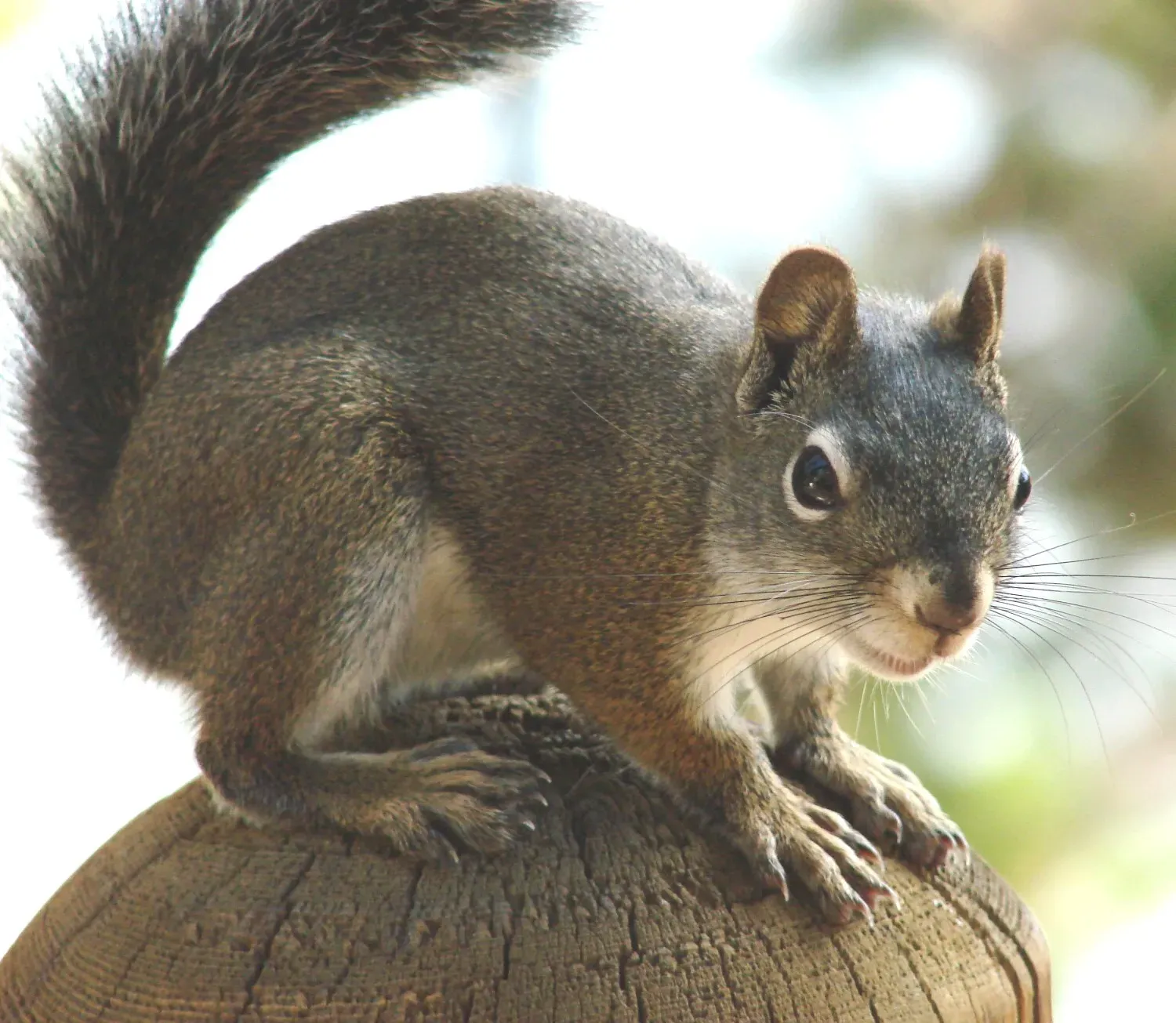
Backyard critters face pesticides, habitat loss, and climate shifts, threatening their roles. Simple steps like going chemical-free and adding native plants make a huge difference. Mulch gardens to shelter worms and spiders alike.
These efforts ripple outward, sustaining birds, bats, and us. What if your yard became a haven? Start small today, and ecosystems thank you tomorrow.
