
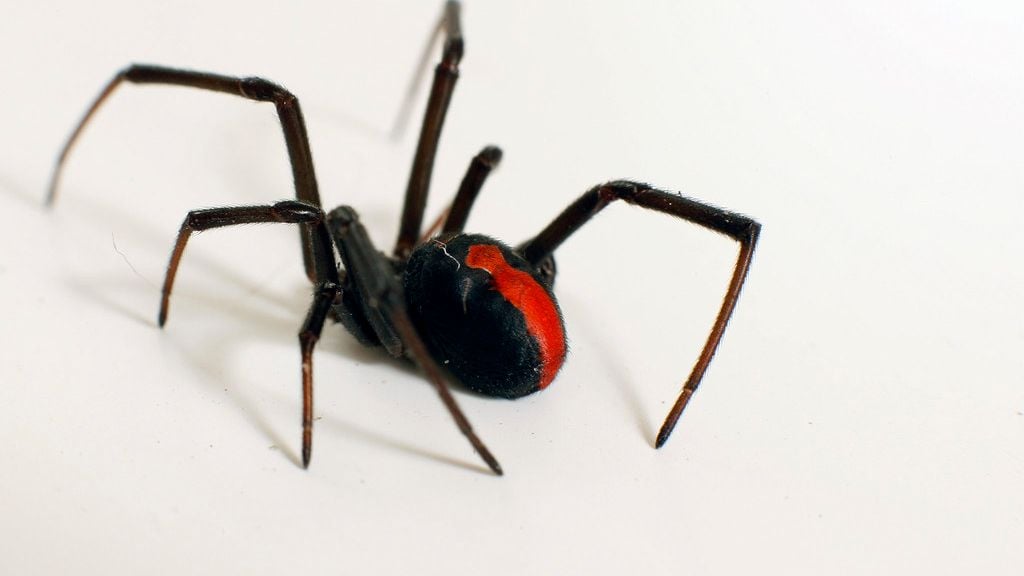
Most dog owners know to keep their pups away from rattlesnakes. You scan the trail, you listen for that signature rattle, and you yank the leash. Makes sense, right? But here’s the thing. The animal lurking in your backyard shed, under your porch, or tucked into that pile of old gardening gloves is quietly, humbly, and devastatingly more venomous than the rattlesnake you’re worried about. It doesn’t rattle. It doesn’t hiss. It barely moves unless disturbed.
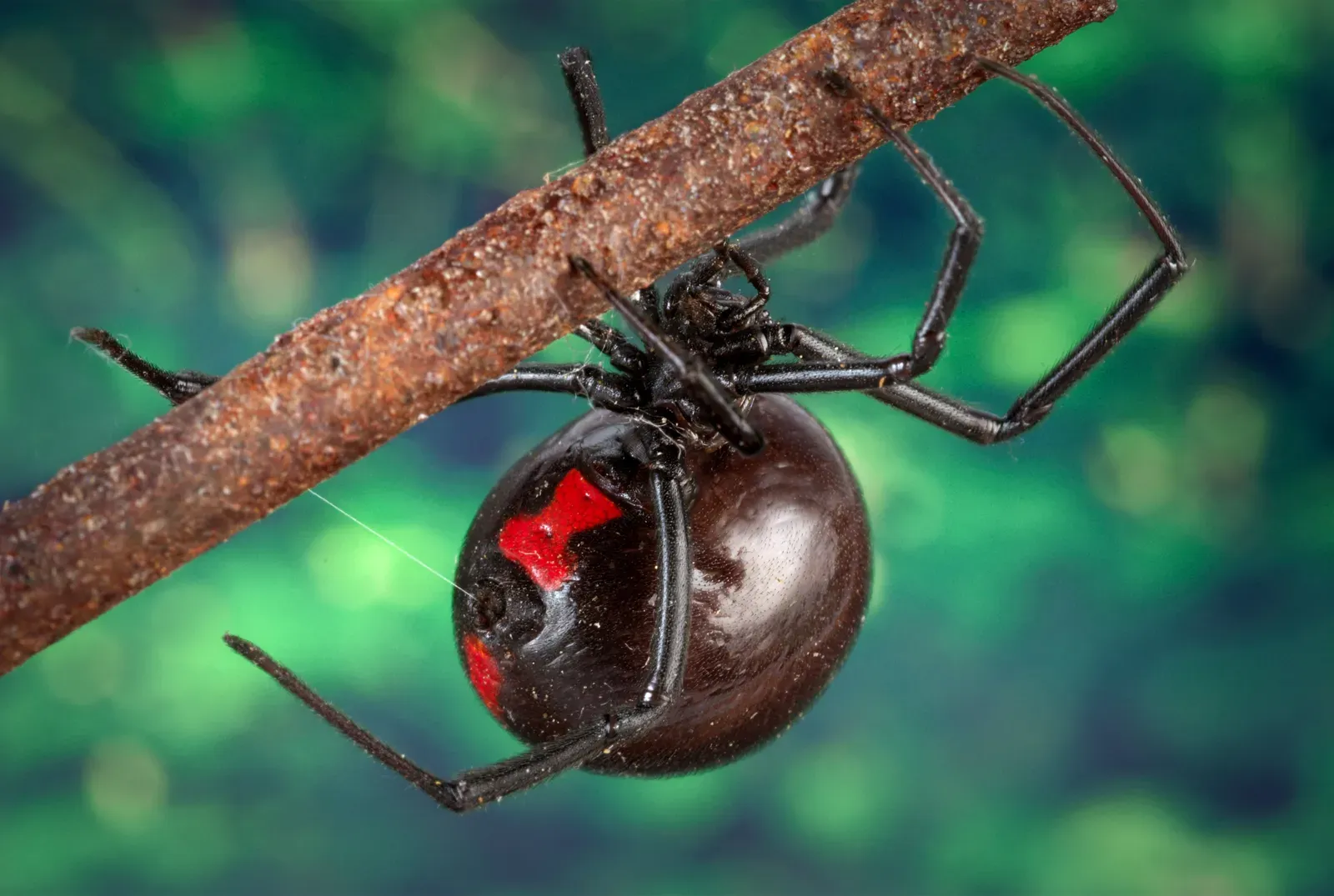
We’re talking about the black widow spider. And if you’re a dog parent, this is a story you need to hear from start to finish. What follows might just save your dog’s life. Let’s dive in.
The Hidden Danger Right Outside Your Door
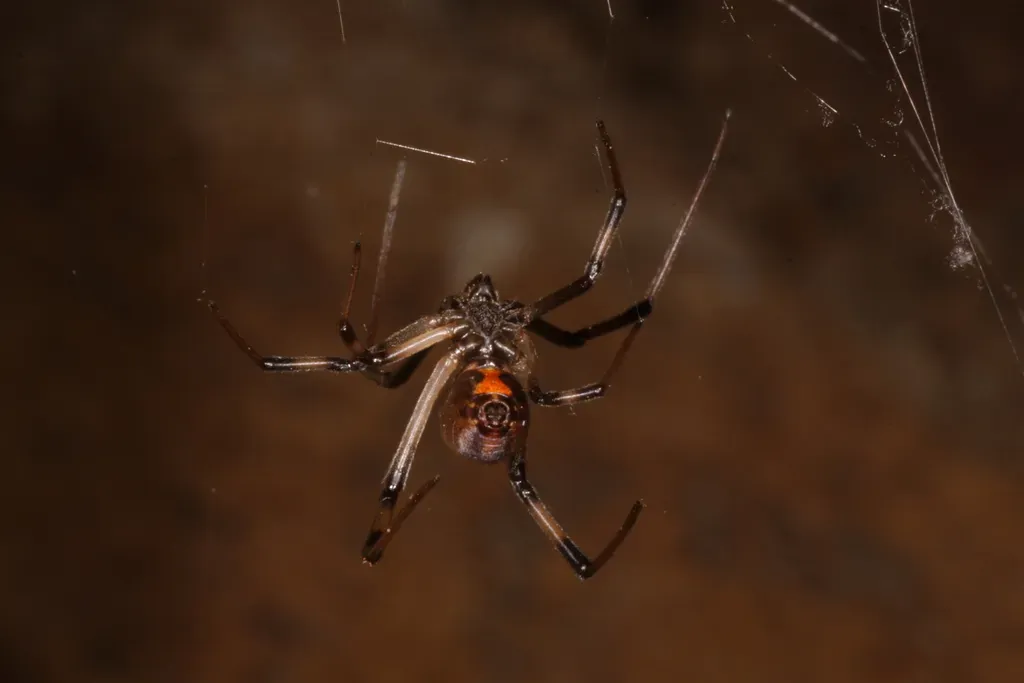
Most of us picture danger as something wild and obvious. Bears in the woods. Coyotes at dusk. But honestly, the most alarming threat to your dog might be sitting in your garage right now. Black widow spiders like to make their homes around buildings, and once inside, they choose undisturbed, cluttered areas like basements, crawl spaces, dark corners, and under cabinets. Outside, they often nest in wood or leaf piles, under stones, or in sheds and garages.
Think about that for a second. Your dog sniffs every corner of the yard. They nose around the woodpile, poke under the porch, and investigate every dark crevice they can find. That’s basically a treasure hunt straight into black widow territory.
Black widow spiders are found in every state of the United States, except Alaska, but are more concentrated in the southern states. So whether you’re in Texas or Tennessee, Ohio or Oregon, the risk is real and very much local to you.
More Venomous Than a Rattlesnake? Really?
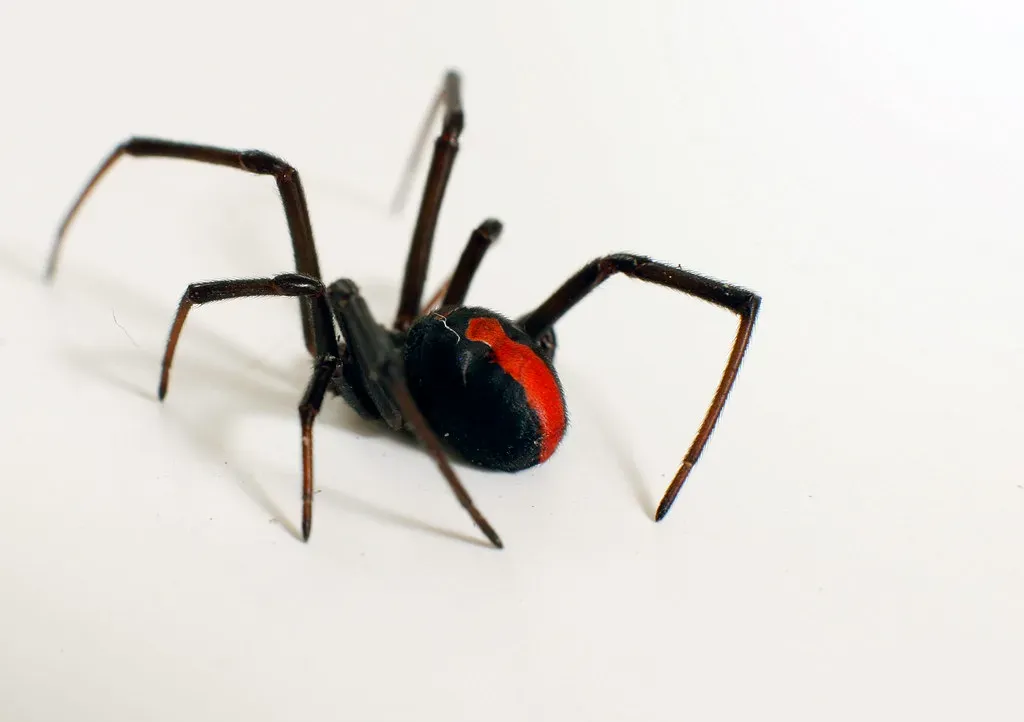
I know it sounds crazy, but this is genuinely, scientifically documented. This spider’s bite is much feared because its venom is reported to be 15 times stronger than a rattlesnake’s. In humans, bites produce muscle aches, nausea, and a paralysis of the diaphragm that can make breathing difficult.
While black widow venom boasts a potency approximately 15 times greater than rattlesnake venom, strength isn’t everything. The amount injected, the delivery method, and the overall size and health of the victim are all critical factors that determine the severity and potential lethality of a venomous bite. So for a human adult, the smaller dose often means survivable symptoms. For your dog, though, the math works very differently.
Female black widow spider venom has evolved rapidly and is now so lethal that the insects are building bigger, stronger webs to accommodate larger prey. If you are healthy and got bit by one, you probably wouldn’t die, but that’s not the case for your pet. Watch out especially for the females of this species, as they have evolved to have extra-potent venom that hijacks its poor victim’s nervous system.
What Happens to Your Dog After a Bite

This is where it gets really frightening, and I say that not to scare you needlessly, but because knowing these signs early is everything. Dogs and cats bitten by black widow spiders may show clinical signs of severe muscle pain, cramping, walking drunk, tremors, paralysis, blood pressure changes, drooling, vomiting, diarrhea, and death. That list is not exaggerated.
Clinical signs of a black widow spider bite may occur as quickly as 30 minutes after the bite but can worsen over the next 8 hours. Acute signs often resolve in 48 to 72 hours, but weakness and lethargy can persist for several months. Months. Think about that. One bite, and your dog could be unwell for months afterward.
Very young and senior dogs have a higher risk of experiencing an extreme adverse reaction to black widow spider bites because they tend to have underdeveloped or weakened immune systems. Additionally, dogs who suffer from high blood pressure have a higher risk of fatality from black spider bites. So puppies, elderly dogs, and dogs with health conditions are particularly vulnerable.
Behavior Cues: How to Know If Your Dog Was Bitten
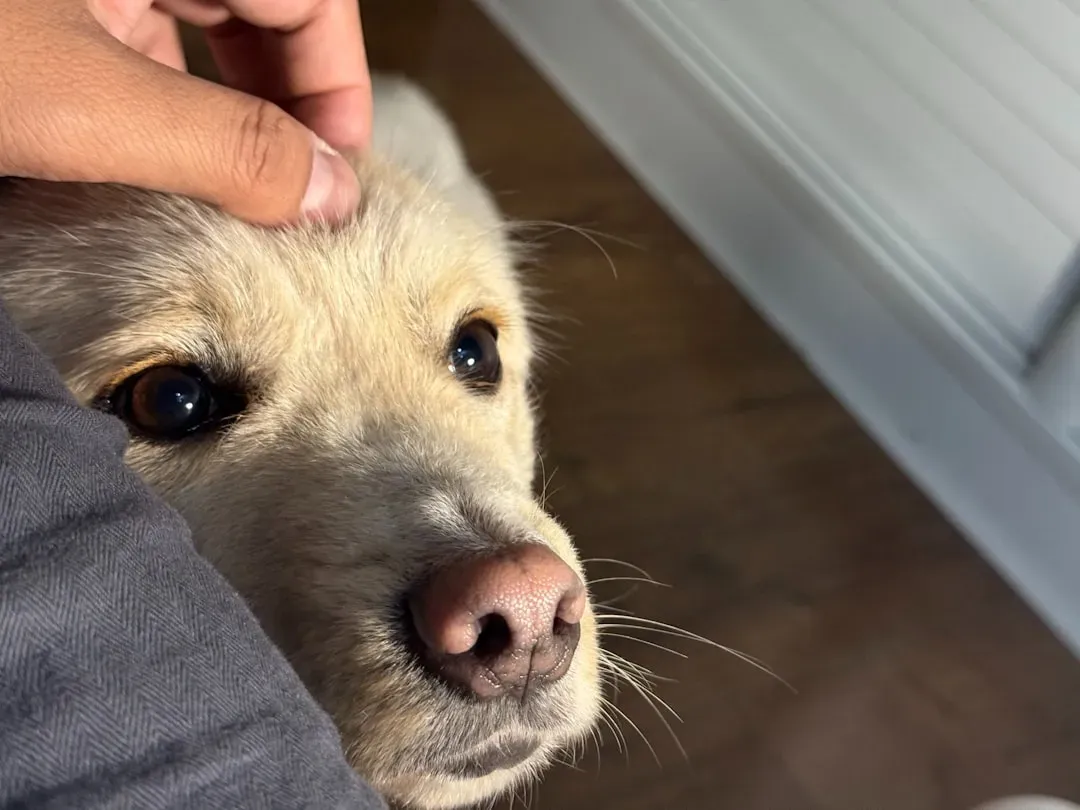
Here’s the tricky part. You almost never see the bite happen. Sadly, these bites often go unnoticed by the animal and its owner for at least an hour. Time is of the essence. By the time your dog starts showing symptoms, the venom has already been working for a while. That’s a sobering thought.
Dogs that have been bitten by a black widow spider may exhibit restlessness, agitation, and an inability to get comfortable. They may repeatedly try to lick or bite at the affected area. Combined with sudden whimpering or a hunched posture, these are huge red flags worth acting on immediately.
In severe cases or with significant venom exposure, dogs may exhibit symptoms such as an increased heart rate, elevated body temperature, excessive drooling, difficulty breathing, vomiting, or seizures. If you see any combination of these signs, especially after your dog has been near a dark, cluttered outdoor area, get to an emergency vet without delay.
What to Do if You Suspect a Black Widow Bite
Let’s be real: this is not a “wait and see” situation. A venomous spider bite is a medical emergency. If you witness or suspect your dog has been bitten by a black widow, take them immediately to your local veterinary emergency hospital. Don’t hesitate, don’t try home remedies.
Home care is not recommended and should not be attempted, as it is ineffective and potentially harmful. Do not apply ice or heat packs or ointments to the dog unless specifically instructed to do so by your veterinarian. First aid measures are not beneficial in treating black widow spider bites. Bring the spider if you can safely capture it. A photo works too.
There is an antivenin available for black widow spider bites, given intravenously, and signs of envenomation typically resolve within 30 minutes. Allergic reactions to the antivenin may occur; however, your veterinarian will likely give medication to decrease the likelihood of an allergic reaction. Speed truly is the game-changer here.
How to Protect Your Dog Before a Bite Happens

Prevention is obviously the goal, and the good news is that some practical, everyday habits go a long way. Make sure that you are vigilant about removing spider webs on a regular basis, and work at keeping your home clutter-free to provide a less welcoming environment for the black widow spider. A tidy yard is genuinely a safer yard.
The best method of prevention outdoors is to keep dogs on a leash, especially in forests and other dry, dark areas where the spiders are more likely to be. It’s also worth wearing gloves when you move woodpiles or rummage through storage areas, because you could easily disturb a spider and unknowingly create a hazard for your dog nearby.
The best places to look for venomous spiders in the United States include overhanging ledges, woodpiles, under benches or stones, near entrances to abandoned rodent burrows, or around outbuildings. Audit those spots around your home regularly, especially as the warmer months roll in and spiders become more active.
Conclusion: The Smallest Threats Are Sometimes the Loudest Lessons
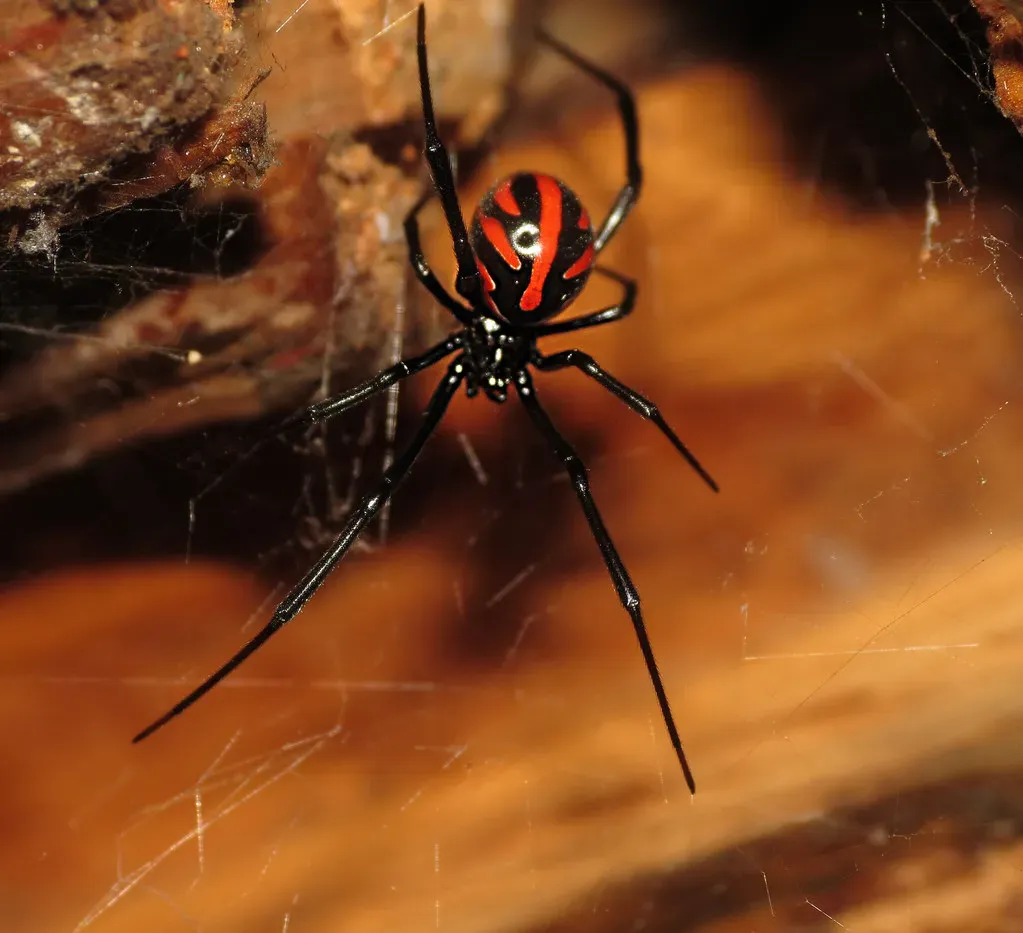
It’s humbling, isn’t it? We worry about bears, rattlesnakes, coyotes, all the dramatic wildlife of the American outdoors. Yet something smaller than a bottle cap, hiding in a corner of your garage, carries venom that puts the rattlesnake to shame. The black widow doesn’t announce itself. It just waits.
As dog parents, the best gift we can give our furry family members is awareness. Know the signs. Declutter the spaces around your home. Keep a vet’s emergency number saved on your phone. These are small acts that could mean everything in a crisis moment. Your dog trusts you completely, and that trust is worth every bit of preparation.
The wild doesn’t always look wild. Sometimes danger has a tiny red hourglass on its belly and lives under your back porch. Would you have guessed that a spider in your shed could be more venomous than the rattlesnake on the trail? Share your thoughts in the comments below, we’d love to hear from you.
