

Most of us have had that moment. You’re sitting quietly on the couch, heart heavy with something you can’t quite name, and your dog walks over, leans into you, and just stays. No reason. No command. They just knew. It sounds sentimental, maybe even a little too convenient. Yet science keeps telling us the same thing: your dog is picking up on far more than you realize, and the signals they’re reading go way beyond whatever you’re actually saying out loud.
The relationship between humans and dogs is one of the most studied inter-species bonds on earth, and every year, researchers peel back another layer of something remarkable. What they’re finding is less about tricks and commands, and more about a deep, ancient form of communication that we are only beginning to fully understand. So let’s dive in.
The Ancient Brain That Reads You Like a Book
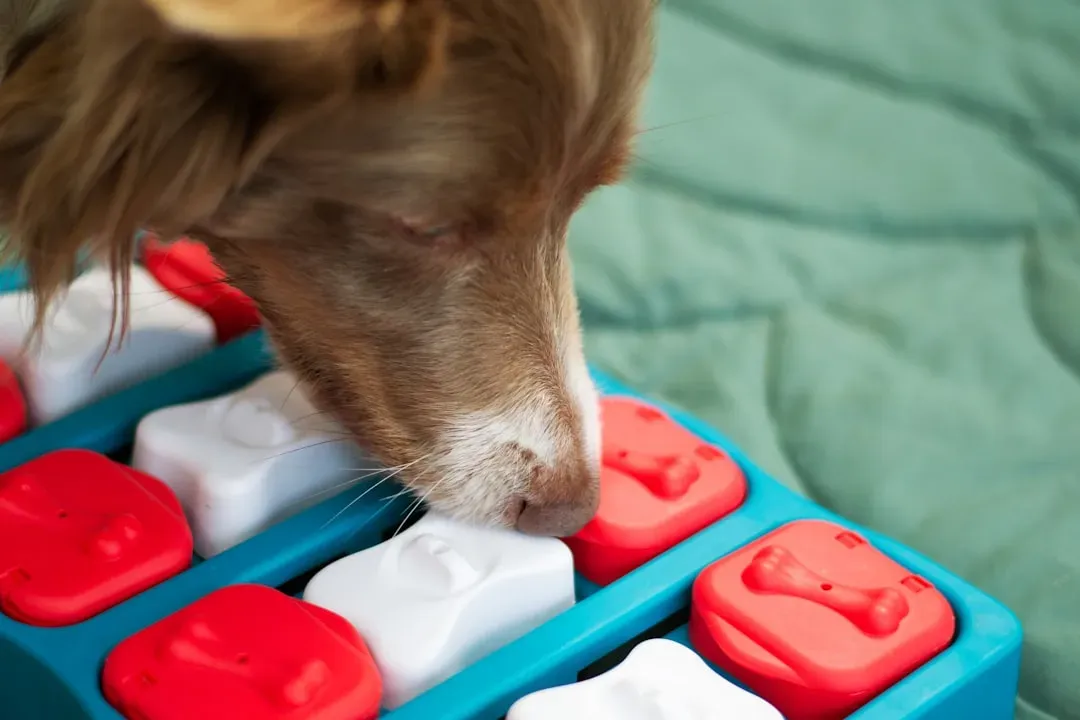
Here’s something that genuinely stopped me in my tracks when I first read about it. The genetic divergence between the dog’s ancestor and modern wolves occurred between 20,000 and 40,000 years ago. That is an almost incomprehensible stretch of time spent living alongside humans. Every generation, the dogs that understood us best survived and thrived. That kind of evolutionary pressure doesn’t just change behavior. It reshapes brains.
Cortical areas supporting social cognition and social communication are larger in modern dogs, after controlling for overall brain size. At the same time, modern breeds have reduced amygdala volume, associated with lower fear scores. Think about that. The parts of the brain responsible for reading social cues literally grew. A dog’s brain was, in a very real sense, sculpted by thousands of years of needing to understand us.
Part of the secret is that dogs have shared our homes, our beds, our leftovers, for thousands of years. Over that time, the dogs that did best were those tuned into human signals – our faces, our voices, our routines. Their survival, in the most literal sense, depended on getting us right.
Your Tone of Voice Is a Whole Conversation on Its Own
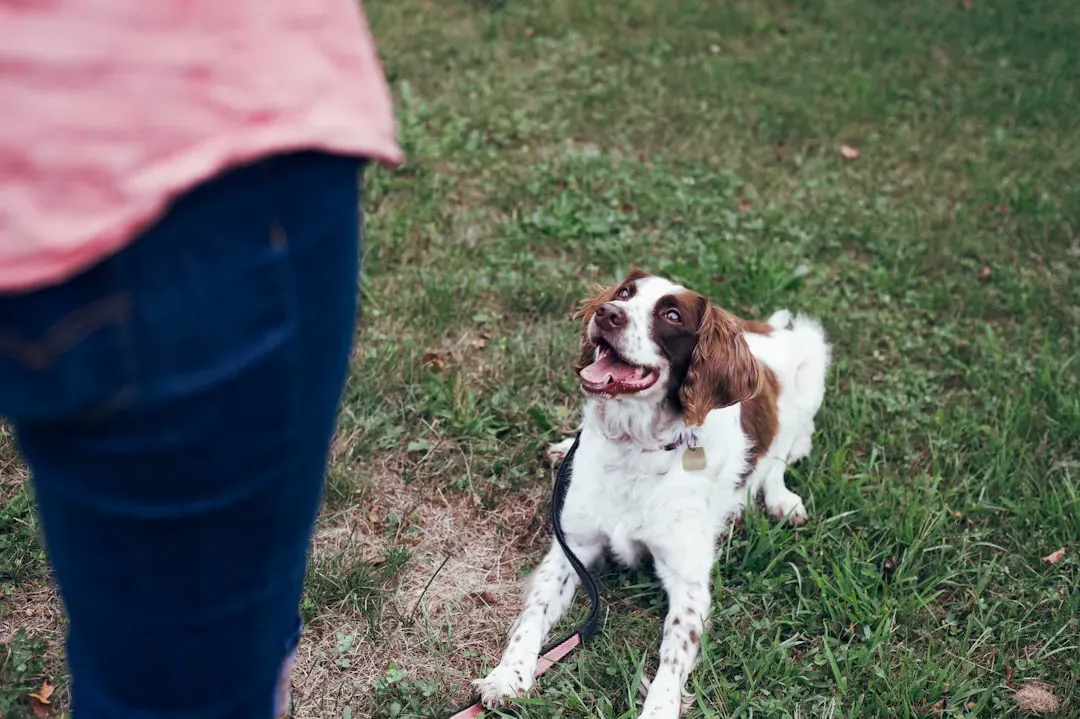
Let’s be real. When you baby-talk your dog, something is happening beyond pure silliness. And science backs you up on this. A fascinating study by Andics and colleagues explored how intonational and lexical cues in human speech are processed in canine brains. The study revealed that intonation is processed independently of word meaning in the primary auditory regions of dogs and that dogs integrate both meaning and intonation when evaluating the reward value of words, with praise words combined with matching praising intonation eliciting the strongest neural responses in primary reward areas of the dog brain.
In other words, when your tone and your words match, your dog’s brain lights up. The animals were trained to lie still in a scanner while they heard recordings of their humans speaking different words in different tones: praise words in flat voices, neutral words in happy voices, and everything in between. Inside the dogs’ brains, two things lit up. One area reacted to the actual words, another to the emotional tone. When both matched, a happy tone saying a positive word, the reward centers sparked like fireworks.
So what happens when they don’t match? The studies are blunt on this point: dogs weigh emotional tone heavily, especially from the people they know best. Calm, confident, warm voices lead to better responses. Flat or tense voices confuse them, no matter how clear the actual words are. Your dog is essentially doing a fact-check on everything you say, cross-referencing the words with the music of your voice.
They’re Not Just Hearing You – They’re Watching Every Move You Make

Honestly, it can be a little unnerving once you really think about it. Dogs can understand human body language fluently and notice even the slightest gestures, distinguishing themselves as bona fide people experts. While humans largely rely on sight and words, dogs are processing a full-body broadcast every time they look at you.
Dogs appear to be highly skilled in understanding several forms of human referential communication, including pointing and gazing, and they are also sensitive to the indicators of the human’s communicative intention such as eye contact and high-pitched dog-directed intonation pattern. Think of how naturally you point at something for your dog. Most other animals, including our close primate cousins, don’t follow a point the way dogs do. Dogs read that gesture as naturally as breathing.
Dogs also have a knack for adapting to human behavior and emotions. Research has shown that dogs synchronize their behavior with both children and adults and that they produce significantly more facial movements when a human is paying attention to them. They perform for us. They communicate more expressively when they know we’re watching. That’s not random animal behavior. That’s sophisticated social intelligence at work.
Dogs have evolved unique facial muscles that allow them to raise their eyebrows, creating the “puppy dog eyes” effect. Researchers believe that this ability developed as a way for dogs to communicate with humans more effectively, allowing them to capture our attention and convey emotions. Those irresistible eyes? They’re not an accident. They’re evolution’s gift to communication.
The Nose Knows Things You Could Never Say Out Loud
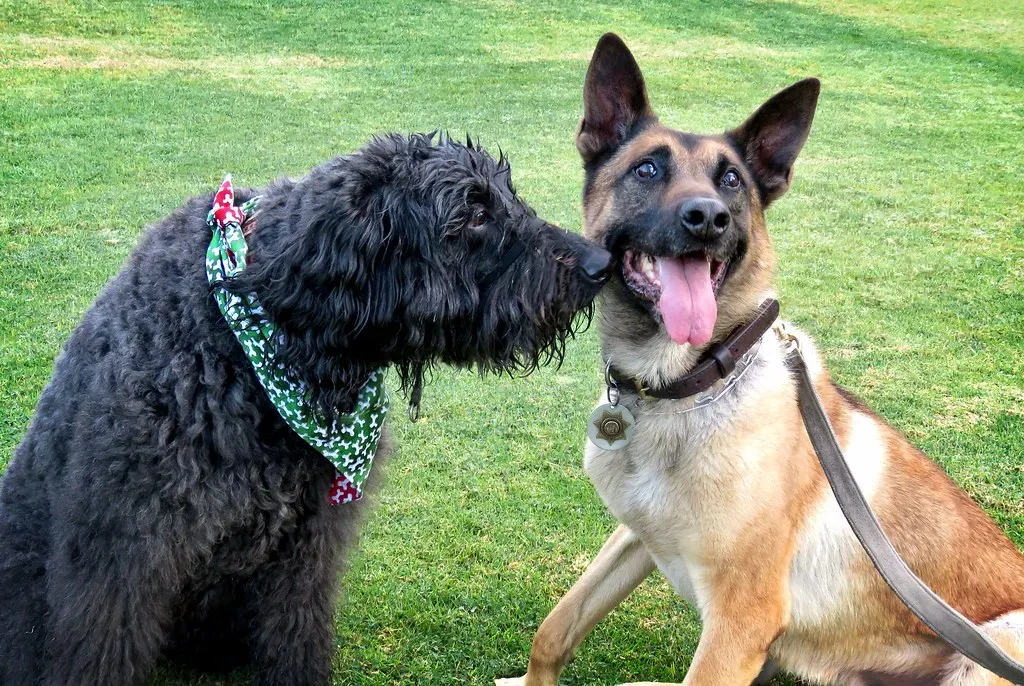
This one is genuinely shocking. With noses up to 10,000 times more sensitive than our own, our canine companions can sniff out bombs, track down missing people and sense illness or stress in humans. That’s like comparing a standard flashlight to the sun. The world your dog smells is a completely different universe from the one you perceive.
Evidence shows that dogs can detect an odour associated with acute stress in humans from breath and sweat alone, which provides a strong foundation for future investigations into areas such as emotional contagion, knowing that there is a confirmed odour component to acute negative stress that can be detected in the absence of other visual or vocal cues. No body language required. No vocal cues needed. Just the chemistry your body releases without you even knowing it.
When exposed to stress odour, dogs were significantly less likely to approach a bowl placed at an ambiguous location compared to no odour, indicating possible risk-reduction behaviours in response to the smell of human stress. Think about that for a moment. Your stress doesn’t just affect your mood. It literally changes how your dog makes decisions. The dogs were more hesitant to approach the bowl in the ambiguous location after smelling the odor of a stressed stranger, meaning they were more pessimistic that it would have any food in it. The relaxed scent, in contrast, didn’t have a measurable effect.
Reading Your Face and Feeling Your Feelings
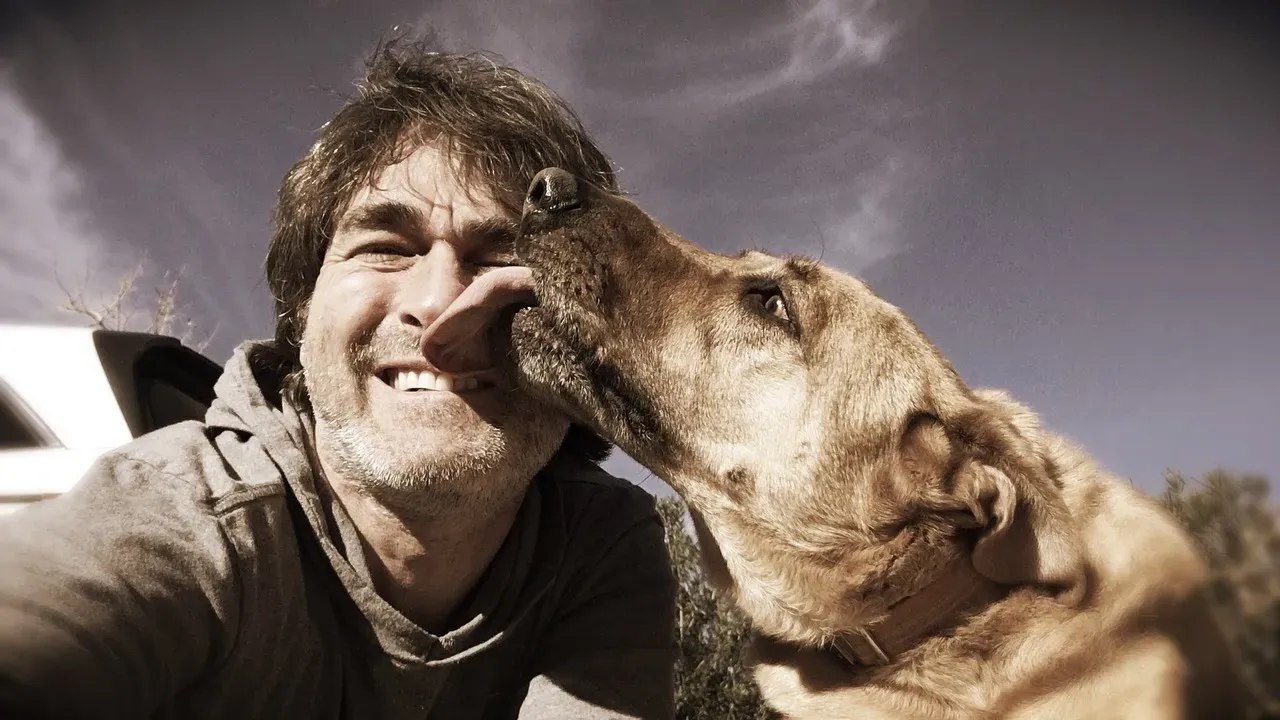
Here’s the thing about dogs and emotions. It goes even deeper than smell and sound. Dogs can discriminate human emotional vocalisations and facial expressions, even adequately matching these two modalities. They don’t just react to your face or your voice in isolation. They integrate both at the same time, much like we do with each other.
Studies indicate that dogs can differentiate between various human emotional expressions, recognizing happiness, sadness, and anger. This ability highlights their advanced cognitive processing capabilities. That is not a simple party trick. Recognizing anger versus happiness across different faces, in different contexts, requires real mental work.
Along with this, dogs seem to use the emotional information received from humans as they adjust their behaviour accordingly. They aren’t just registering your emotions and moving on. They adapt to them. They respond to them. The dog that curls up beside a crying person, or steps back when someone’s voice turns sharp, is not just reacting instinctively. They are, in a meaningful sense, responding to your emotional state as a piece of social information. It’s hard not to find that deeply moving.
What We Still Get Wrong About Our Dogs

Here is where things get a little humbling, though. Humans often misinterpret dogs’ emotions, primarily due to projecting human emotions onto them and focusing on situational context rather than the dogs’ actual behavior. We think we’re reading them. Often, we’re reading ourselves into them.
New research from Arizona State University has revealed that people often do not perceive the true meaning of their pet’s emotions and can misread their dog. The reasons for this are many and include a human misunderstanding of dog expressions due to a bias towards projecting human emotions onto our pets. It’s a fascinating and slightly uncomfortable reversal. Dogs are busy accurately decoding us, while we stumble around projecting human feelings onto their faces.
Dogs do form mental representations upon hearing words; however, they are “blurred” or “soft” and they have expectations of meaning, but often rely on other communicative cues and context to fully comprehend the content. It’s a bit like how you might follow a conversation in a foreign language you half-know, filling in gaps with context and tone. Dogs are doing something similar, all the time, every day. The best thing we can do is meet them halfway.
Conclusion: A Bond Built on Something Beyond Language
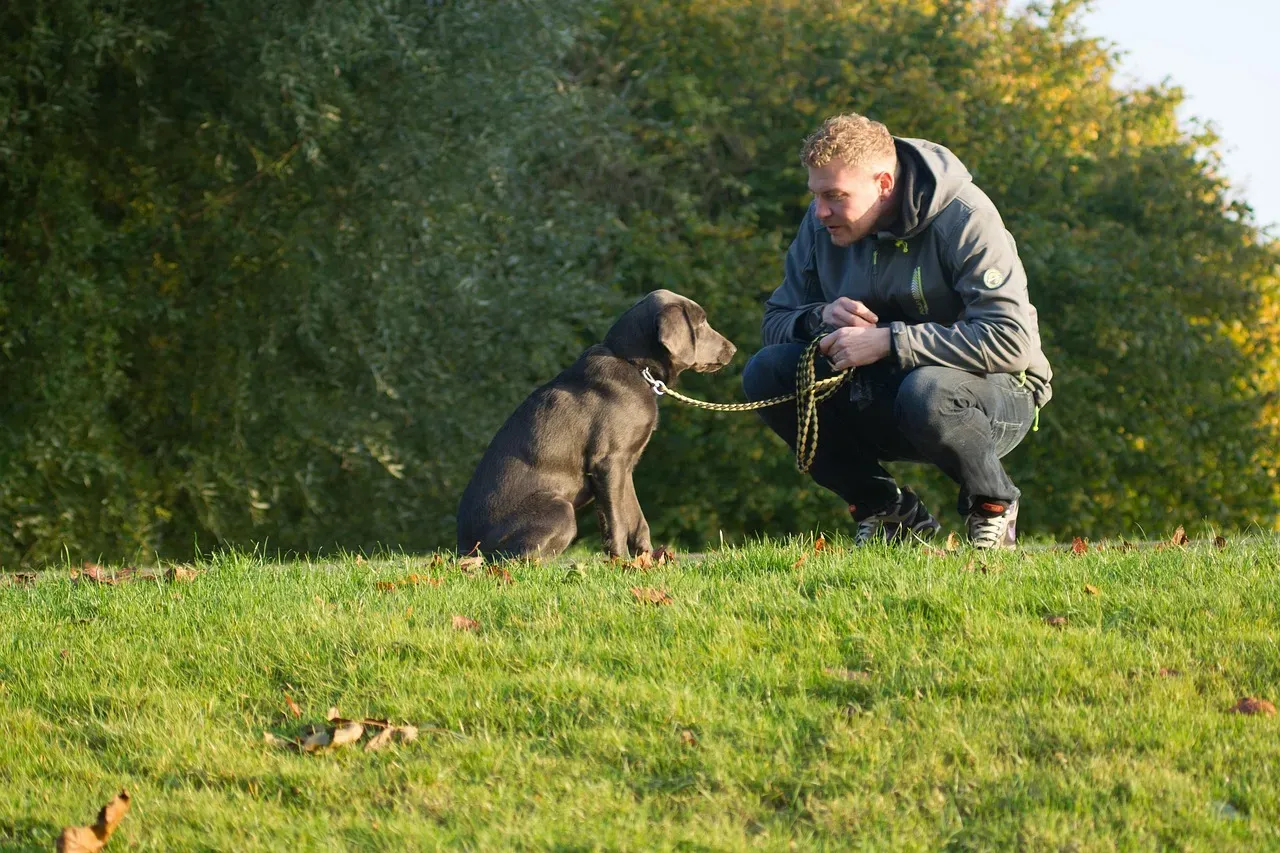
What emerges from all this research is something both scientifically fascinating and quietly beautiful. Dogs and humans have a special bond that is far more profound than language. It’s about trust and loyalty. That bond didn’t happen by chance. It was built across tens of thousands of years, shaped by survival, selection, and something that looks remarkably like genuine connection.
Your dog is listening. They’re watching. They’re smelling the chemistry of your mood. They are processing you as a whole, living, emotional signal, and responding with a sophistication that we are still only beginning to measure. Dogs succeed around people because of their capacity to form strong emotional bonds with members of other species, and their intelligence stems from a strong ability to make mental associations.
So the next time your dog tilts their head when you speak, or presses close on a hard day, know that there’s real science behind that moment. They’re not just being cute. They’re communicating, in their own extraordinary way, that they understand you. Perhaps the more interesting question is: how well are you understanding them back?

- 12 Architectural Wonders From The Ancient World That Inspire Us Today - July 18, 2026
- 6 Beautiful Ancient Cities That Time Forgot (But Shouldn’t) - July 18, 2026
- 6 Common Animal Behaviors That Are Often Misunderstood by Humans - July 18, 2026